



Commercial real estate for beginners can feel overwhelming. The numbers are bigger, the contracts are longer and the terminology is different from anything in a home purchase. But the core idea is simple. For more background, see Wikipedia reference.
You buy a property that businesses use, and that property generates income. This guide covers what commercial real estate actually is, why beginners are moving into this market in 2027, and the steps you need to take before you spend any money.
What Is Commercial Real Estate?
Commercial real estate is any property used for business purposes. That includes offices, retail spaces, warehouses, industrial facilities, hotels and multi-family residential buildings with five or more units. The category is broad, which is why commercial real estate for beginners can seem complex at first. Once you understand the main types, the differences become clear quickly.
The Main Types of Commercial Properties
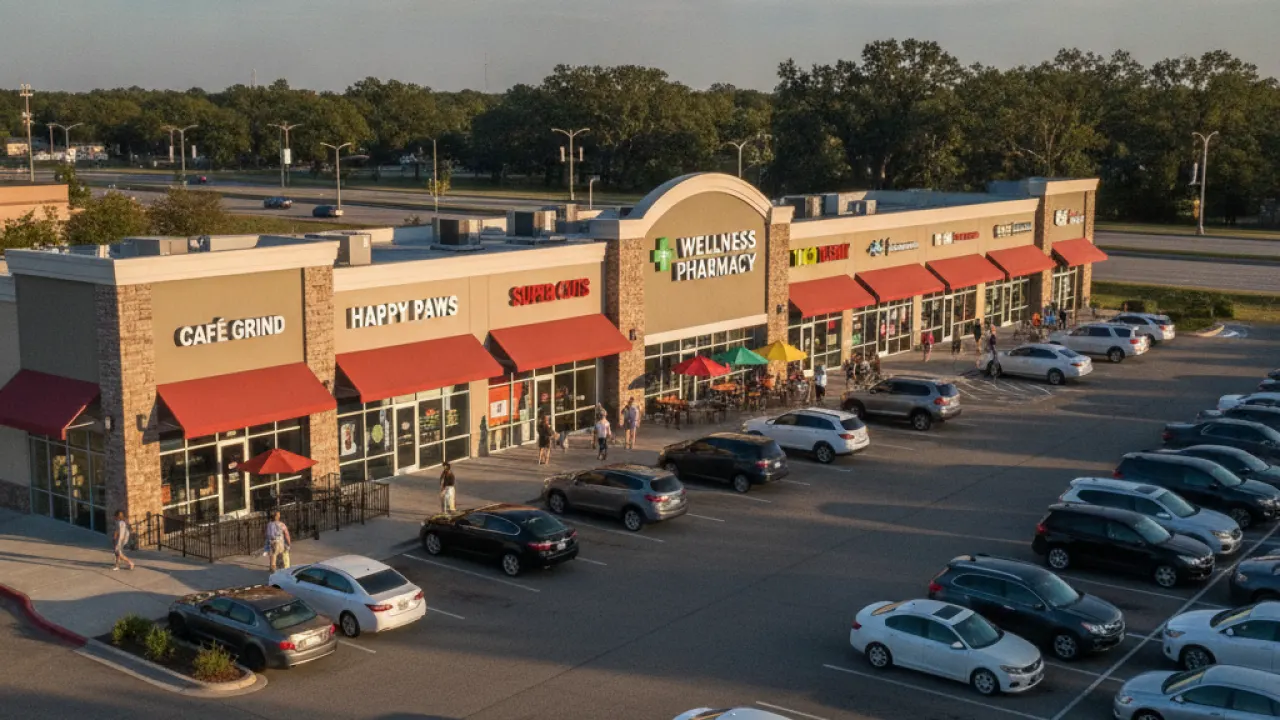
Office buildings range from small suburban suites to multi-floor city towers. They divide into Class A (newer, premium), Class B (functional but older) and Class C (older buildings needing work). Retail properties include strip malls, high street shops and shopping centres. Industrial properties cover warehouses, distribution centres and manufacturing facilities. Multi-family residential refers to apartment blocks with five or more units. Hospitality properties include hotels and short-term rental developments. For commercial real estate for beginners, start with one category and learn it thoroughly rather than spreading yourself across all five.
How Commercial Real Estate Differs From Residential
The biggest practical difference is the lease structure. Residential tenants typically sign six or twelve-month leases. Commercial tenants often sign three to ten-year leases, sometimes longer for larger premises.
A commercial property with a good tenant can generate predictable income for years without you finding new occupants frequently. The second difference is valuation. Residential values are driven by comparable sales nearby.
Commercial property values are driven by the income the property generates, measured through the capitalisation rate or cap rate. Understanding cap rates is one of the first things any commercial real estate for beginners process should cover.
Why Beginners Are Choosing Commercial Real Estate in 2027

More first-time investors are looking at commercial real estate for beginners options in 2027 for three main reasons. The residential market has become harder to enter in many cities due to high prices and fierce competition. Commercial properties in secondary markets offer better value per pound or dollar invested. And the shift in how businesses use space, including the growth of e-commerce driving warehouse demand and hybrid work changing office needs, has created niches that did not exist five years ago.
The Income Potential in Commercial Property
Commercial properties typically deliver higher rental yields than residential. Where a residential property might yield three to five percent annually, a commercial property in the same market might yield six to nine percent or more. The reason is risk.
Commercial tenants can vacate or go bust, leaving you with an empty property that takes longer to re-let than a flat or house. But when you have a good commercial tenant on a long lease, the income is more substantial and more stable than most residential investments. The commercial real estate for beginners path starts with understanding what makes a good tenant and a good location, because both directly affect yield and capital value.
Longer Leases Mean More Stability
A tenant who signs a five-year lease on a retail unit is committed to paying rent for five years. That’s five years of predictable income with no need to advertise, vet applicants or deal with monthly uncertainty. Many commercial leases also include rent review clauses that increase rent every three years in line with inflation or market rates.
This means your income does not erode in real terms over time. For commercial real estate for beginners, the length and quality of existing leases on a property is often more important than the asking price itself.
How to Start Investing in Commercial Real Estate
The process of buying your first commercial property follows a logical sequence. Skip any of these steps and you increase your risk significantly. Commercial real estate for beginners requires more preparation than residential investment, but the process itself is not mysterious. If you are looking to expand your knowledge, reading practical advice on how to buy your first home provides useful background context. If you are looking to expand your knowledge, reading practical advice on how to buy your first home provides useful background context. If you are looking to expand your knowledge, reading practical advice on how to buy your first home provides valuable background context.
Understand Cap Rates Before You Buy Anything
The capitalisation rate, or cap rate, tells you the annual return a property generates before financing costs. The formula is: Net Operating Income divided by the property value, expressed as a percentage. Net Operating Income (NOI) is the annual rental income minus operating costs like maintenance, management fees, insurance and vacancy allowances.
If a property generates 80,000 in NOI and you pay 1,000,000 for it, the cap rate is eight percent. A higher cap rate means a higher return, but usually more risk. Commercial real estate for beginners should target properties with cap rates between six and nine percent in established markets.
Very high cap rates often signal a struggling location or a problem with the building. The commercial real estate for beginners works when you follow it consistently.
Know Your Budget Before You Look at Properties
Commercial mortgages typically require a deposit of twenty-five to forty percent of the purchase price. If you’re looking at a property valued at 500,000, you need between 125,000 and 200,000 as a deposit. Factor in stamp duty or equivalent property taxes, legal fees, survey costs and any renovation work needed to make the property lettable.
These costs typically add five to ten percent on top of the purchase price. Being clear about your real budget before viewing properties saves time and stops you falling in love with something you cannot actually afford. Many commercial real estate for beginners mistakes come from underestimating the full cost of acquisition.
Research Commercial Real Estate Markets Properly
Commercial property markets are local in a way national statistics do not capture. A town with high street vacancy rates of thirty percent is a different investment context from one where every commercial unit is l
What businesses are moving in or out of the area? What are vacancy rates for similar properties? What is the rental market doing? This guide shows you how the commercial real estate for beginners fits real life.
t are vacancy rates for similar properties? What is the rental market doing?Talk to local commercial agents, not just the one selling you the property. Read local business news. Ground-level research that you cannot get from a spreadsheet is where commercial real estate for beginners investors gain their real edge.
Work With the Right Commercial Real Estate Agent
Commercial real estate agents specialise in specific property types and locations. The residential agent who sold you your home is not the right person to advise you on your first commercial investment. Find agents who exclusively handle commercial property in the area you are targeting.
Ask them what has sold recently, what did not sell and why, and what the current tenant demand looks like for the type of property you want to buy. Good commercial agents are a source of market intelligence you cannot access any other way. Building these relationships early is one of the most practical things any commercial real estate for beginners guide can recommend.
Commercial Real Estate Financing in 2027
Financing a commercial property works differently from a residential mortgage. Understanding how commercial lenders think helps you approach the process with realistic expectations.
How Commercial Mortgages Work
Commercial mortgages are assessed primarily on the income the property generates, not just on your personal income. Lenders want to know the property can service the debt on its own. The loan-to-value ratio is typically lower than residential, meaning you put in more of your own money.
Interest rates are usually higher, and loan terms are often shorter, typically fifteen to twenty-five years. Some lenders offer interest-only periods in the early years, which helps with cash flow when you are starting out. If you are building business credit alongside your commercial real estate investment, our guide on building business credit from scratch explains how your credit profile affects what lenders offer you. Similar principles apply when reviewing our complete guide to the top 10 real estate investment mistakes to avoid, where preparation and research make a noticeable difference. Similar principles apply when reviewing our complete guide to the top 10 real estate investment mistakes to avoid, where preparation and research make a noticeable difference. Similar principles apply when reviewing our complete guide to the top 10 real estate investment mistakes to avoid, where preparation and research make a noticeable difference.
Your Credit Score and Commercial Real Estate
Your personal credit score matters, especially for smaller commercial properties where lenders assess you as an individual borrower. A strong credit history shows lenders that you manage debt responsibly. For larger commercial purchases, the property income and your experience as an investor often carry more weight than personal credit.
However, any existing debt obligations, missed payments or county court judgements will complicate your application regardless of property size. Commercial real estate for beginners with limited credit history may need to bring in a more experienced partner or look at specialist lenders who work with newer investors.
Other Financing Routes Worth Knowing
If a traditional commercial mortgage is out of reach immediately, there are alternatives. Commercial bridging loans give you short-term financing to buy a property quickly at higher interest rates, with the expectation that you will refinance to a long-term mortgage within twelve to twenty-four months. Real estate investment trusts, or REITs, let you invest in commercial property indirectly through the stock market without buying a physical building.
Crowdfunding platforms pool money from multiple investors to buy commercial properties, giving you exposure to the market with a smaller minimum investment. Each of these routes has different risk profiles and suits different stages of the commercial real estate for beginners process. See our guide on the best businesses to start in 2026 for context on how property investment fits alongside other income-generating assets.
Common Mistakes Beginners Make in Commercial Real Estate
 <figcaption class="wp-e
These mistakes are consistent across markets and property types. Knowing them in advance does not guarantee you avoid them, but awareness gives you a fighting chance. Start with the basics of the commercial real estate for beginners and build from there.
stakes are consistent across markets and property types. Knowing them in advance does not guarantee you avoid them, but awareness gives you a fighting chance.Skipping or Rushing Due Diligence
Due diligence in commercial real estate covers the physical condition of the building, the legal title, existing leases, planning permissions, environmental surveys and the financial history of the property. Each of these areas can reveal problems that affect value or make the property difficult to sell later. A building with asbestos needs remediation.
A lease with break clauses the tenant can exercise in twelve months i
Budget for a proper survey and a commercial property solicitor, not just a basic valuation. The commercial real estate for beginners removes common barriers that stop people from starting.
ial real estate for beginners buyers who skip due diligence because they are excited about the deal pay for that decision with years of headaches.Budget for a proper survey and a commercial property solicitor, not just a basic valuation.
Overestimating Rental Income
The asking rent on a vacant commercial property is not guaranteed income. It’s what the seller believes the market will pay. Check what comparable properties nearby have actually leased for in the last twelve months.
Look at vacancy rates in the area. Speak to local businesses about whether they are expanding or contracting. Commercial real estate for beginners often involves projections that look good on paper but assume full occupancy at optimistic rent levels. For broader insights, exploring detailed breakdown of real estate market predictions will give you actionable takeaways you can apply right away. For broader insights, exploring detailed breakdown of real estate market predictions will give you actionable takeaways you can apply right away. For broader insights, exploring detailed breakdown of real estate market predictions will give you actionable takeaways you can apply right away.
Build your numbers on a ninety percent occupancy assumption, not one hundred percent. That ten percent buffer is the difference between a property that generates profit and one that bleeds cash.
Underestimating Operating Costs
Service charges, building insurance, maintenance res
Ask the seller for a full schedule of operating costs for the past two years before you make any offer. If they cannot provide this, that is a warning sign in itself. Follow the commercial real estate for beginners for the full period to see real results.
rental income for a well-managed commercial property. If you build your investment case without them, your actual return will be significantly lower than you expected.Ask the seller for a full schedule of operating costs for the past two years before you make any offer. If they cannot provide this, that is a warning sign in itself.
Best Types of Commercial Real Estate for Beginners in 2027

Not all commercial property types suit beginners equally. These three offer the best combination of accessible entry points, strong tenant demand and manageable complexity for someone starting out.
Industrial and Warehouse Properties: The 2027 Sweet Spot
Industrial and warehouse properties have become one of the strongest commercial real estate for beginners options in 2027. The growth of e-commerce has driven relentless demand for logistics and storage space. Tenants in this sector tend to be established businesses with strong covenants, meaning they are financially capable of paying their rent.
The buildings themselves are often simpler to maintain than offices or retail units because they have fewer complex systems. Industrial property outside major city centres can be bought at prices that make the yields attractive compared to other commercial categories. If you are starting your commercial real estate for beginners process and want one area to focus on first, small industrial units on established estates are a strong starting point.
Small Retail Units in Strong Local Markets
High street retail has struggled in many markets, but this is not universal. Towns and city districts with strong local economies, good footfall and limited vacancy rates still offer solid commercial real estate for beginners opportunities. The key is selectivity.
A retail unit let to a national chain on a five-year lease in a strong secondary market is a very different investment from a vacant high street unit in a declining town centre. Focus on towns with growing populations, good transport links and diversified local businesses. Avoid markets where one employer dominates, because if that employer leaves, the entire retail economy can contract quickly.
Office Space: Understand the 2027 Dynamics First
Office investment is more complex in 2027 than it was before hybrid working became standard. Many companies are reducing their office footprint or choosing flexible co-working arrangements over traditional leases. This does not mean office investment is wrong for beginners, but it does mean you need to understand what type of office space is actually in demand in your target market.
Smaller offices in suburban locations, serviced office facilities and buildings that can be converted to mixed use are more interesting than large single-tenant office blocks in declining markets. Understanding which sectors are growing gives you insight into who is rent
Understanding basic commercial property valuation helps you assess whether an asking price is reasonable before you spend money on surveys and legal work. The commercial real estate for beginners scales as you get more experienced.
2026 for context on how the digital economy is reshaping demand for physical commercial space. Many readers who study this area also benefit from detailed breakdown of rental property investment guide to ensure all key factors are covered. Many readers who study this area also benefit from detailed breakdown of rental property investment guide to ensure all key factors are covered. Many readers who study this area also benefit from detailed breakdown of rental property investment guide to ensure all key factors are covered.How to Value a Commercial Property as a Beginner
Understanding basic commercial property valuation helps you assess whether an asking price is reasonable before you spend money on surveys and legal work.
The Cap Rate Method in Practice
Divide the annual Net Operating Income by the asking price and multiply by one hundred to get the cap rate percentage. Compare this to what similar properties in the same location and category have sold for. If the cap rate is significantly below the market average, the property is priced high relative to its income.
If it’s significantly above, either the income is stronger than usual or there’s something wrong that the price reflects. Market cap rates for commercial real estate vary by property type and location. Industrial in strong logistics markets might trade at five to six percent.
Secondary retail might trade at eight to ten percent. Knowing your market is essential before you can interpret any valuation figure meaningfully as a commercial real estate for beginners investor.
Using Comparable Sales Data
Ask your commercial agent for evidence of comparable transactions in the area. What have similar properties sold for per square foot? What rental rates have been agreed in the last twelve months?
These benchmarks ground your valuation in market reality rather than the seller’s aspirations. Commercial property data is less publicly available than residential, which is one reason working with local specialists who have access to this information matters so much in commercial real estate for beginners.
Building Your Commercial Real Estate Portfolio Over Time
Most successful commercial investors started with one property, learned from it and then built from there. The commercial real estate for beginners path is not a shortcut to wealth but it is a reliable route to building assets that generate income when managed properly.
Start Small and Learn on One Property
Your first commercial property is your education. You will learn more from managing one real asset for two years than from reading every book on commercial real estate for beginners. Start with a property you can afford comfortably, in a market you can research thoroughly, in a category you can understand without a team of specialists. The lessons from that first investment, both the things that go right and the things that don’t, become the foundation for smarter decisions on everything that follows.
Reinvest Returns to Grow the Portfolio
Commercial property income compounds over time when you reinvest it rather than spend it. The rent from one property can accumulate to cover the deposit on a second. The income from two properties builds faster toward a third.
This is not a quick process and anyone who tells you otherwise is selling something. Commercial real estate for beginners who build their portfolio this way over ten to fifteen years often end up with a diversified income stream that doesn’t require them to sell properties to access value.
<!– /wThere is no universal rule on holding periods. The decision should be driven by your returns, the alternative opportunities available and your overall portfolio strategy. Sticking to the commercial real estate for beginners matters more than any single step.
mmercial property is worth holding forever. If a property’s value has increased significantly relative to its income, the yield has compressed and you might get a better return by selling and reinvesting in a higher-yielding asset. If a market is declining, holding a commercial property through a downturn can erode your capital.There is no universal rule on holding periods. The decision should be driven by your returns, the alternative opportunities available and your overall portfolio strategy.
What is the biggest question you have about getting started in commercial real estate for beginners, and what is holding you back from making your first move? Leave your question in the comments below.
Frequently Asked Questions
What is the most important thing to understand about commercial real estate for beginners?
The fundamentals matter most. Before diving into advanced strategies or techniques, making sure you have a solid grasp of the core principles saves time and prevents common mistakes. Starting with quality sources of information, whether from books, courses, or established experts, gives you the knowledge foundation needed to make good decisions and avoid pitfalls that most beginners encounter.
How long does it take to get good at commercial real estate for beginners?
Progress depends on your starting point, how much time and focus you commit, and the complexity of what you are trying to achieve. Most people see meaningful progress within 3 to 6 months of consistent, focused effort. Reaching an expert level typically takes several years of dedicated practice and ongoing learning. The key is consistent application over time rather than intensive bursts followed by long breaks.
What resources are most helpful for learning about commercial real estate for beginners?
The best resources vary by topic, but a combination of well-reviewed books, reputable online courses, expert communities, and practical hands-on experience typically produces the best results. Look for resources from authors and instructors with verifiable track records. Communities of practice where you can ask questions and get feedback from experienced practitioners are particularly useful.
What are the most common mistakes people make with commercial real estate for beginners?
The most universal mistakes include trying to learn everything at once rather than mastering basics first, giving up before seeing meaningful results, not tracking progress to stay motivated, failing to learn from mistakes and adjust approaches, and not seeking help from those who have already succeeded. Patience and persistence combined with smart, focused effort typically outperform raw talent without discipline.
What are your thoughts on commercial real estate for beginners? Have you tried any of these steps, or do you have tips of your own to share? Leave a comment below and share this guide with friends or colleagues who might find it helpful.