



Choosing the best businesses to start in 2026 is a different exercise than it was even five years ago. The cost of starting has dropped sharply. The tooling has improved. The customer base has fully shifted online for most categories. But that also means more competition for the obvious ideas, and a shorter time between launching a business and finding out whether the model actually works. This guide lists the best businesses to start in 2026, organised by capital required and time to first revenue.
The best businesses to start in 2026 are not always the trendiest ones. They are the ones where real demand, reasonable startup costs, durable margins, and a clear customer meet. If you can find a category where all four line up, you have a real shot at building something that makes money in year one. The list below breaks those categories down.
What follows is not a list of brand new inventions. It is a list of proven models that are working in 2026 because the economics have shifted in their favour. Some need less than $100 to start. Others need $50,000 or more. Each section explains the capital, the timeline, and the kind of founder it suits.
The Filter That Separates the Best Businesses to Start in 2026
Most business idea lists fail because they treat all ideas equally. They do not account for capital required, time to first dollar, or how easy it is for a single founder to operate the business in year one. Before listing categories, here are five filters every serious business idea has to pass.
Real demand. Are customers already paying someone for this, or a close version of it? If the answer is no, you are not starting a business. You are trying to create a market.
Reasonable startup costs. Under $4,000 to launch, ideally under $800. Many of the best businesses to start in 2026 need little more than a laptop, a small ad budget, and a clear offer.
Durable margins. Gross profit per sale or per client that survives discounting and competition. If your margin disappears the moment a competitor undercuts you, the model is too thin.
Channel accessibility. A way to find customers that does not require a $40,000 ad budget. Organic search, niche communities, referrals, and local partnerships all count.
Single founder workable. Possible to operate solo for the first six to 12 months. The best businesses to start in 2026 do not force you to hire staff before you have revenue.
Digital Businesses With Strong Margins

Digital businesses scale in ways physical service businesses cannot. They also take longer to reach traction. The right mix for many founders is one service business funding the slower digital build. For more background, see Financial Conduct Authority guidance.
A specialist newsletter for one industry can hit $8,000 in monthly recurring revenue with under 2,000 paid subscribers. Niches that work well in 2026 include legal tech, healthcare operations, climate finance, and industry specific AI applications. The platforms handle the infrastructure. The hard work is consistent writing and audience growth.
Templates and digital product marketplaces, especially on Notion, Figma, and Webflow, produce passive income for designers and creators willing to package their best work as products. A single popular template can produce $1,200 to $3,000 a month for years.
Done for you AI workflows for small businesses sit at a sweet spot of high demand and low supply. Most local businesses know AI matters but do not know how to implement it. Charging $1,500 to $4,000 to set up automations and AI tools for a single business is now a viable consulting model. These are some of the best businesses to start in 2026 because the market is still early. If you are looking to expand your knowledge, reading our complete guide to the top 10 most successful businesses to start provides useful background context. If you are looking to expand your knowledge, reading our complete guide to the top 10 most successful businesses to start provides useful background context. If you are looking to expand your knowledge, reading our complete guide to the top 10 most successful businesses to start provides useful background context. If you are looking to expand your knowledge, reading our complete guide to the top 10 most successful businesses to start provides valuable background context.
The best businesses to start in 2026 often combine a specific audience with a digital delivery model. The audience limits competition. The digital model limits overhead.
Paid communities and cohort-based courses around a narrow professional skill are also strong in 2026. A $500 course with 40 seats twice a year produces $40,000 in revenue with a small email list. The hard part is building trust before selling, which is why most successful founders give away helpful free content for at least six months.
Service Businesses That Start Fast
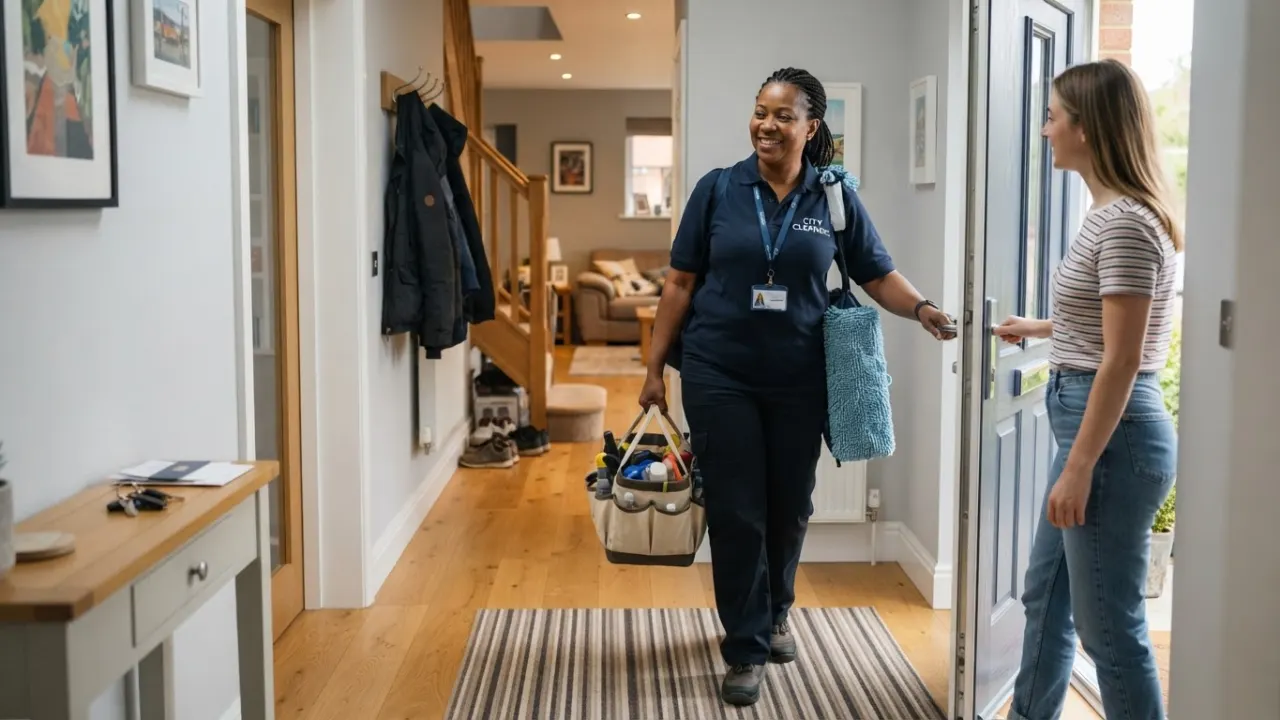
Service businesses remain the fastest path to the first dollar. You are selling time and skill, not inventory, which keeps startup costs low and margins high. For anyone with limited capital, these are often the best businesses to start in 2026.
Cleaning, dog walking, virtual assistance, social media management for local businesses, and simple bookkeeping. None of these require formal training. All can launch in under a week and produce revenue inside the first month. The key is picking a service where the customer feels pain now, not a service they think might be nice to have.
The real edge comes from productising the service. Instead of selling hours, sell a package with a clear outcome. A social media manager who sells $500 per month retainers with defined deliverables will earn more than one who charges by the hour. The same applies to cleaning, bookkeeping, and admin support. Packaging turns a job into a business.
Video editing for creators and small brands has become a serious service business. Short-form video demand has exploded across YouTube, TikTok, and LinkedIn. Many founders need consistent output but do not want to hire in-house. A video editor charging $800 per month per retainer client can reach $5,000 a month with six clients.
Local SEO and website maintenance for small businesses is another strong service. Most tradespeople, dentists, and independent shops have outdated websites and no idea how to rank in local search. A founder who charges $300 to $600 per month for ongoing SEO and support can build a stable agency with low overhead.
This is why service models keep appearing on lists of the best businesses to start in 2026. They convert skills into revenue faster than almost any other model.
Speed matters when you are testing ideas with limited savings.
For founders who want a low-risk start, our guide to how to start a side hustle in 2026 covers service ideas you can test without quitting your main job.
Niche Ecommerce With Real Branding

Generic dropshipping has lost most of its viability. Niche ecommerce with serious branding has not. The successful ecommerce businesses of 2026 sit in underserved communities, with products that solve specific problems the community talks about openly.
Categories with strong tailwinds in 2026 include plus size hiking and outdoor apparel, left handed kitchen tools, modest activewear for specific religious communities, specialty pet products for senior dogs, and adaptive clothing for older adults. Each of these has a passionate customer base, low advertising costs because of community word of mouth, and pricing power that generic ecommerce categories lack.
Startup costs run $4,000 to $20,000 depending on inventory model. Profitability within 12 months is realistic with proper niche selection. The best businesses to start in 2026 are rarely the ones trying to sell to everyone. They sell to one group better than anyone else. Similar principles apply when reviewing practical advice on how to start a side hustle, where preparation and research make a noticeable difference. Similar principles apply when reviewing practical advice on how to start a side hustle, where preparation and research make a noticeable difference. Similar principles apply when reviewing practical advice on how to start a side hustle, where preparation and research make a noticeable difference. Similar principles apply when reviewing practical advice on how to start a side hustle, where preparation and research make a noticeable difference.
Subscription boxes within a narrow niche can also work if the product selection is genuinely hard to source elsewhere. A monthly box for bakers, gardeners, or craft hobbyists creates recurring revenue and reduces the constant hunt for new customers. The box must save the customer time or introduce them to products they cannot easily find alone.
The best businesses to start in 2026 do not compete on price. They compete on relevance.
Coaching and Lifestyle Businesses Worth Considering

Niche coaching businesses, focused on a specific outcome for a specific audience, routinely produce five figure monthly revenue with fewer than 20 paying clients. The hardest part is choosing a specific enough niche.
Career coaching for engineers transitioning into management. Fertility planning consulting for couples in their late 30s. Tax planning advisory for freelancers and creators. Sleep coaching for new parents. ADHD productivity coaching for adults. Each of these niches is small enough that a coach can become known in the space within a year, and large enough that 20 clients at $400 to $2,000 per month each is a real business.
Group programs raise the ceiling further. A coach with a 1,000 person email list and a strong outcome story can run group cohorts at $1,200 to $3,000 per seat, with 15 to 30 seats per cohort. The model scales without proportionally scaling the coach’s time. These coaching models belong on any list of the best businesses to start in 2026 because the startup cost is close to zero.
The business model is simple: one client pays for a clear outcome. The hard part is credibility. Most successful coaches start by giving free advice in public, building a small audience, and then offering paid support. You do not need thousands of followers. You need 20 people who trust you enough to pay for results.
For experts with a track record, coaching is one of the best businesses to start in 2026 because it turns knowledge into recurring income.
Cash Flow Businesses That Bore People But Pay
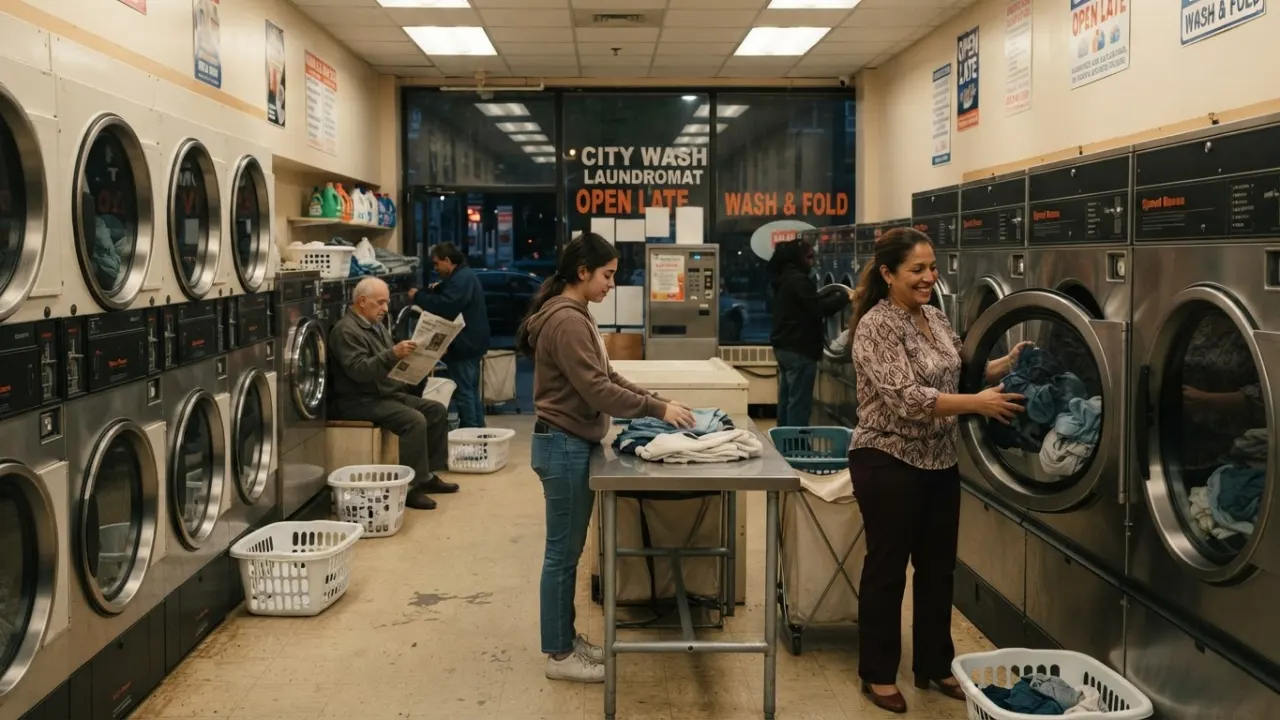
A separate category exists for businesses that are not exciting but consistently produce profit. These tend to require more capital up front but produce the most stable cash flow once running.
Laundromats, car washes, small storage facilities, and food truck commissaries. None of these will make a social media thread go viral. All of them produce solid monthly revenue for owners willing to handle operations, manage staff, and maintain equipment. A laundromat in a working class neighbourhood can produce $6,000 to $14,000 per month in profit on $160,000 invested. The math works for patient operators.
The growth path for these businesses is usually owning multiple units, not scaling a single one. A second laundromat does not double the work, but it does double the revenue. The right operator can manage four to six of these locations as a serious cash flow business. For founders with access to capital, these are among the best businesses to start in 2026.
Car washes in high-traffic suburban areas and self-storage units near housing developments offer similar cash flow profiles. They require upfront investment and active management, but they produce predictable monthly income once established. These businesses suit founders who want real assets, not just laptop-based income.
These models are not for everyone, but they remain some of the best businesses to start in 2026 if you have capital and patience. The best businesses to start in 2026 works when you
Three patterns separate the businesses that work from the ones that quietly close in year two. None of them have to do with the specific idea. This guide shows you how the best businesses to start in 2026 fits real life. For broader insights, exploring our complete guide to the best online business ideas will give you actionable takeaways you can apply right away. For broader insights, exploring our complete guide to the best online business ideas will give you actionable takeaways you can apply right away. For broader insights, exploring our complete guide to the best online business ideas will give you actionable takeaways you can apply right away. For broader insights, exploring our complete guide to the best online business ideas will give you actionable takeaways you can apply right away.
ietly close in year two. None of them have to do with the specific idea.First, clarity of customer. The founders who succeed can describe their ideal customer in detail, including the specific problem they solve and what the customer was doing before. Vague customers produce vague marketing, which produces vague revenue.
Second, channel discipline. The founders who win pick one or two distribution channels and go deep for at least 90 days before evaluating. The founders who fail jump between channels every few weeks, never committing long enough to see what would have worked. This discipline is non-negotiable for any of the best businesses to start in 2026.
Third, pricing courage. Most failed businesses underpriced. A founder who can charge 30 percent more than their first instinct will usually have
These traits matter more than the idea when picking the best businesses to start in 2026. A great founder in a boring market usually beats a weak founder in an exciting one. Start
Before you pick one of the best businesses to start in 2026, be honest about which of these three traits you already have and which you need to build. The best businesses to start in 2026 removes common barriers that stop people from starting.
founder in a boring market usually beats a weak founder in an exciting one.Before you pick one of the best businesses to start in 2026, be honest about which of these three traits you already have and which you need to build.

Categories That Look Exciting But Rarely Work
A few category warnings before the list ends. Dropshipping with generic products has compressed to thin margins not worth the operator time. Branded influencer products without real differentiation struggle to escape the noise. AI writing tools without a vertical wedge face heavy commoditisation. Crypto adjacent businesses remain volatile and regulatory risk is real.
These categories are not impossible. They just no longer offer the easy path of three years ago. New founders entering these spaces face a much steeper hill than the categories above. The best businesses to start in 2026 are usually the ones that sound boring to your friends and exciting to your accountant.
How to Pick the Right Model for You
<figure class="wp-block-image size-Not every business idea is right for every person. The best businesses to start in 2026 depend heavily on your available capital, your skills, and how quickly you need income. Follow the best businesses to start in 2026 for the full period to see real results.
“1280” height=”720″ />Not every business idea is right for every person. The best businesses to start in 2026 depend heavily on your available capital, your skills, and how quick
The mistake is picking the best businesses to start in 2026 based on hype alone. Pick based on what you can actually execute for the next two years. The best businesses to start in 2026 scales as you get more experienced.
000, digital products or a niche newsletter fit. If you have $50,000 or more and want stable cash flow, look at laundromats, car washes, or storage units. Most successful founders match the model to their situation instead of forcing the trendiest option.The mistake is picking the best businesses to start in 2026 based on hype alone. Pick based on what you can actually execute for the next two years.
<hThese are the questions that come up most often when people are narrowing down the best businesses to start in 2026 for their own skills and budget. Sticking to the best businesses to start in 2026 matters more than any single step. Many readers who study this area also benefit from practical advice on how to launch a profitable startup to ensure all key factors are covered. Many readers who study this area also benefit from practical advice on how to launch a profitable startup to ensure all key factors are covered. Many readers who study this area also benefit from practical advice on how to launch a profitable startup to ensure all key factors are covered. Many readers who study this area also benefit from practical advice on how to launch a profitable startup to ensure all key factors are covered.
ads/2026/07/business-checklist-filter-1861.webp” alt=”best businesses to start in 2026 – entrepreneur writing a business checklist on a clipboard in a cafe” width=”1280″ height=”720″ />These are the questions that come up most often when people are narrowing down the best businesses to start in 2026 for their own skills and budget.
What is the cheapest business to start?
Service-based businesses are typically cheapest and often the best businesses to start in 2026 if you have under $100. Freelance writing, consulting, virtual assistance, social media management, and online tutoring can all be started with minimal upfront investment, often using just a computer and internet connection you already have.
How much money do I need?
This varies enormously by business type. A freelance service business might need under $100 to start. A food truck requires $60,000 or more. An ecommerce store falls somewhere in between. Focus on a business model that fits your current capital rather than waiting until you have more money.
Do I need to register a company right away?
Not for the first dollar. According to IRS Self Employed guidance , you generally must file a tax return if your net earnings from self-employment are $400 or more in a tax year. Most businesses can operate as a sole trader for the first few months, then formalise once revenue justifies it.
What is the most profitable business model?
Digital products and software have the highest margins, often 80 percent or more. Services come next at 50 to 70 percent. Physical products usually sit at 20 to 40 percent gross margin. A well-run business in a moderate-margin industry often outperforms a poorly managed business in a high-margin one.
Should I start an online or offline business?
Online businesses scale faster and have lower overheads. Offline service businesses produce cash faster because customers trust local providers sooner. Many of the best businesses to start in 2026 blend both, using an online channel to acquire customers and offline delivery to build trust.
Final Thoughts and Your Turn
1The best businesses to start in 2026 are the ones closest to your skills and the customers you already understand. The most successful new founders rarely pick the trendiest category. They pick the boring one where they had a head start, then they outwork everyone else for two years. Whatever you choose, the best businesses to start in 2026 reward
What category are you most likely to try first? Share the business idea in the comments below, and one obstacle you are trying to figure out before launch. The best businesses to start in 2026 gives you a clear structure every week.
w to start an online business. If you want a ranked list of successful models, our post on the most successful businesses to start in 2026 breaks down the numbers. And for honest online models, see our guide to the best online business ideas for 2026.What category are you most likely to try first? Share the business idea in the comments below, and one obstacle you are trying to figure out before launch.
Use the best businesses to start in 2026 as your base and adjust it to your level.
Many people find the best businesses to start in 2026 easier to follow than complex alternatives.
Results from the best businesses to start in 2026 come from repetition, not perfection.
Keep the best businesses to start in 2026 simple and focus on showing up consistently.
The best businesses to start in 2026 works when you follow it consistently.
This guide shows you how the best businesses to start in 2026 fits real life.
Start with the basics of the best businesses to start in 2026 and build from there.
What are your thoughts on best businesses to start in (that actually make money)? Have you tried any of these steps, or do you have tips of your own to share? Leave a comment below and share this guide with friends or colleagues who might find it helpful.
What Makes a Business One of the Most Successful Businesses to Start in 2026
Success in business doesn’t mean a viral exit. For 99 percent of small businesses, success looks like a profitable operation that pays the founder well and grows year over year. Three filters separate the successful businesses to start in 2026 from the ones that don’t.
Filter one, demand that already exists. Customers in this market are paying someone today for a close version of what the new business will offer. Filter two, sustainable margins. Gross profit per sale or per client survives competition and discounting. Filter three, single founder workability. The business can be operated solo through the first 6 to 12 months without hiring before revenue justifies it. For more on launching online, see our guide to how to start an online business.
Businesses that pass all three filters tend to reach profitability inside 12 months. Businesses that fail one of them either need outside funding to survive or quietly close within two years. According to the U.S. Small Business Administration, small businesses create roughly two-thirds of net new jobs in the United States. That scale means the successful businesses to start in 2026 are not just side projects. They are the economy’s growth engine.
The mistake many founders make is picking the idea first and the customer second. The most successful businesses to start in 2026 are chosen the other way around. Start with the customer, then match the business model to what that customer already pays for. A business built on existing demand is far more likely to survive its first year than a business built on hope. If you are looking to expand your knowledge, reading our complete guide to the best businesses to start provides useful background context. If you are looking to expand your knowledge, reading our complete guide to the best businesses to start provides useful background context. If you are looking to expand your knowledge, reading our complete guide to the best businesses to start provides useful background context. If you are looking to expand your knowledge, reading our complete guide to the best businesses to start provides valuable background context.
1. Specialty Cleaning Services

Short term rental turnover cleaning, post construction cleanup, and commercial deep cleaning all share the same characteristics. High repeat rate, low marketing cost once established, predictable monthly revenue per client, and easy scaling by hiring crew members rather than acquiring new technology. That makes specialty cleaning one of the most practical successful businesses to start in 2026.
A solo founder can launch with under $2,000 in equipment and supplies. The first 5 clients usually come from direct outreach to local Airbnb hosts or general contractors. Within 6 months, a strong operator can be running 3 to 4 employees and producing $12,000 to $25,000 in monthly profit. The low barrier to entry makes cleaning one of the fastest successful businesses to start in 2026.
2. Bookkeeping for Small Contractors and Solopreneurs
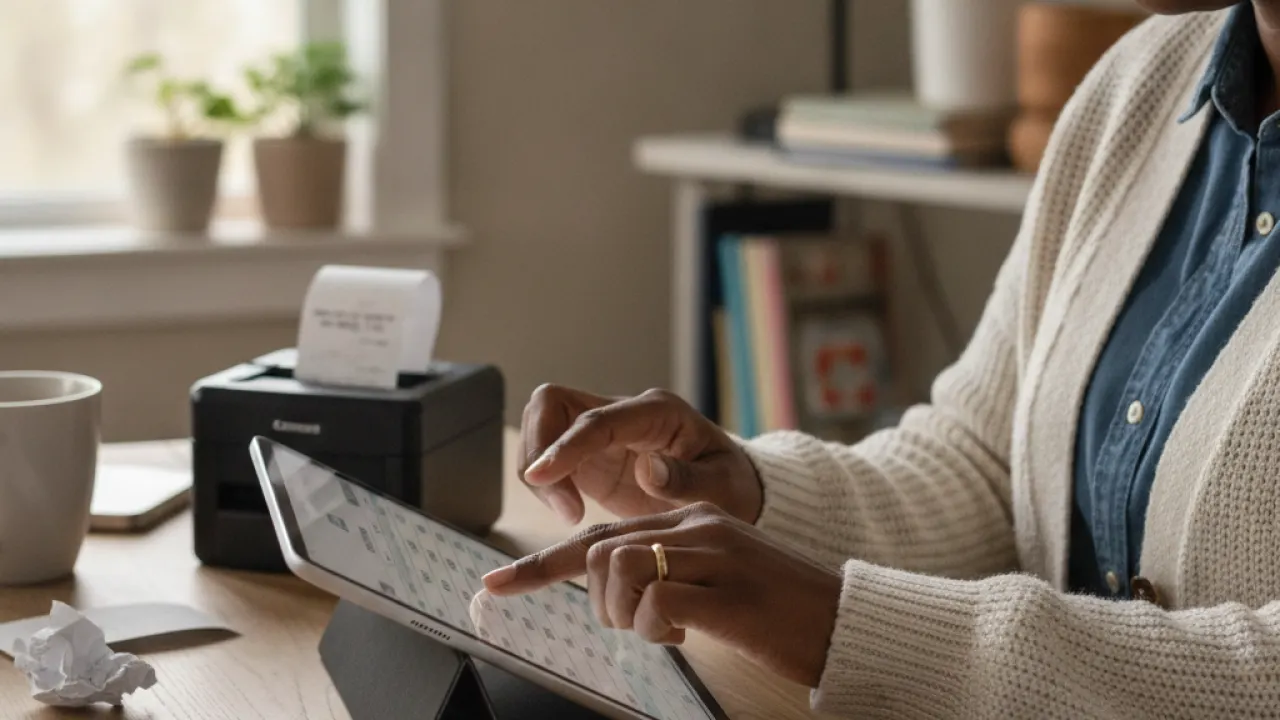
Bookkeeping has one of the strongest customer lifetime values of any service business. A client signed today is likely to stay for three to five years. Monthly retainers range from $300 to $800 per client, and a single bookkeeper can manage 25 to 40 clients before needing to hire help. It is one of the best successful businesses to start in 2026 for detail-oriented founders.
The skill level required is real but achievable. QuickBooks ProAdvisor certification takes a few weeks of study, and an experienced bookkeeper can complete the practical work for a small business in 2 to 4 hours per month per client. The math produces a serious six figure income for solo operators willing to do the work. Most successful bookkeepers focus on one industry vertical to build faster referrals.
3. Niche E-commerce With Strong Branding

Generic dropshipping has lost most of its viability. Niche e-commerce with serious branding has not. The successful e-commerce businesses of 2026 sit in underserved communities, with products that solve specific problems the community talks about openly. It remains one of the most exciting successful businesses to start in 2026.
Categories with strong tailwinds include plus size hiking and outdoor apparel, left handed kitchen tools, modest activewear for specific religious communities, specialty pet products for senior dogs, and adaptive clothing for older adults. Startup costs run $5,000 to $25,000 depending on inventory model. Profitability within 12 months is realistic with proper niche selection. The key is branding that speaks directly to a specific community.
4. Specialist Newsletters for One Industry
A newsletter focused on a single industry, with serious depth and consistent delivery, can hit $10,000 in monthly recurring revenue with fewer than 2,000 paid subscribers. The model has been proven across legal tech, healthcare operations, climate finance, AI tools, and dozens of other niches. That low overhead makes newsletters one of the smartest successful businesses to start in 2026.
The setup is almost free. The hard work is consistent writing two to four times per month for at least 12 months before serious paid conversion shows up. Most successful newsletter operators come from the industry they cover and have an existing professional network they can mobilise as early subscribers. Paid newsletters are one of the few successful businesses to start in 2026 that require almost no startup capital.
5. Done for You AI Workflows for Small Businesses

This category sits at a sweet spot of high demand and low supply. Most local and small businesses know AI matters but have no idea how to actually implement it. A consultant who installs and configures AI tools, trains the team, and provides ongoing support can charge $2,500 to $8,000 per business for a full implementation, plus $200 to $500 monthly for ongoing support. For more on AI tools, see our guide to what AI business solutions are.
The ideal customer is a 5 to 50 person business that already has a clear workflow problem. Customer support taking too much team time. Sales follow up not happening. Marketing content production stuck. Each of these has a clear AI solution that’s well within a non technical consultant’s ability to set up. The demand is growing faster than the supply of trusted implementers. Similar principles apply when reviewing practical advice on how to start a side hustle, where preparation and research make a noticeable difference. Similar principles apply when reviewing practical advice on how to start a side hustle, where preparation and research make a noticeable difference. Similar principles apply when reviewing practical advice on how to start a side hustle, where preparation and research make a noticeable difference. Similar principles apply when reviewing practical advice on how to start a side hustle, where preparation and research make a noticeable difference.
6. Coaching in a Specific Niche

Coaching businesses, focused on a narrow audience with a specific outcome, routinely produce five figure monthly revenue with fewer than 20 active clients. The hardest part is choosing a specific enough niche. That focus is what makes coaching one of the most profitable successful businesses to start in 2026.
Categories that work include career coaching for engineers transitioning into management, tax planning for freelancers and creators, sleep coaching for new parents, and ADHD productivity coaching for adults. Group programs raise the ceiling further. A coach with a 1,000 person email list can run group cohorts at $1,500 to $4,000 per seat. Coaching rewards depth over breadth.
7. Local SEO and Google Business Management for Trades
Most local trades businesses have terrible online presence. They rank poorly on Google. Their Google Business profiles are out of date. They don’t capture reviews. A specialist who fixes these problems can charge $500 to $2,500 per month per client, with most clients staying for 12 to 24 months. That retention makes this one of the most reliable successful businesses to start in 2026.
The skill ceiling is modest. Most local SEO work involves Google Business profile optimisation, basic on page SEO, review generation systems, and citation building. A solo operator managing 30 clients at an average $1,000 per month produces $30,000 in monthly revenue with roughly 60 to 80 hours of work per month. The work is repeatable and the churn is low.
8. Photography for Short Term Rental Listings

Airbnb hosts will pay $300 to $800 for professional listing photos. Each listing typically takes 2 to 4 hours of shooting and editing. A photographer with the right equipment, who handles 4 listings per week, produces $1,200 to $3,200 in weekly revenue. That quick cash flow makes it one of the fastest successful businesses to start in 2026.
The equipment investment is real but not crippling. A solid camera body, a wide angle lens, a tripod, and some basic lighting equipment runs $3,000 to $5,000 total. Editing software is available on a monthly subscription. The marketing channel is direct outreach to Airbnb hosts in your local market. Hosts with weak photos are easy to identify.
9. Buying Small Existing Businesses
Acquiring an existing small business, rather than starting one from scratch, has become more accessible thanks to online marketplaces. Businesses generating $100,000 to $500,000 in annual revenue trade at multiples of 1.5 to 3 times annual earnings, often financeable through SBA loans with 10 percent down.
The ideal acquisition for a first time buyer is an established service business in a stable industry. A small cleaning company. A local print shop. A retail bookkeeping practice. The seller is often retiring and wants the business to continue, which creates favourable financing terms. This path is one of the more capital-intensive successful businesses to start in 2026, but the payoff can be faster than starting from zero. The existing revenue removes much of the early risk.
10. Self Storage and Laundromat Ownership
These two categories deserve their own slot. Self storage facilities and laundromats are unsexy but consistently profitable for owners willing to handle operations, manage facilities, and maintain equipment. A well located laundromat in a working class neighbourhood can produce $8,000 to $18,000 in monthly profit on $200,000 invested.
Self storage scales better than laundromats. A small self storage facility with 100 to 200 units can produce $25,000 to $50,000 in monthly net operating income once stabilised. Both categories reward patient operators and belong on any serious list of successful businesses to start in 2026. They are not exciting, but they are reliable and produce cash flow month after month. For broader insights, exploring our complete guide to the best online business ideas will give you actionable takeaways you can apply right away. For broader insights, exploring our complete guide to the best online business ideas will give you actionable takeaways you can apply right away. For broader insights, exploring our complete guide to the best online business ideas will give you actionable takeaways you can apply right away. For broader insights, exploring our complete guide to the best online business ideas will give you actionable takeaways you can apply right away.
What Separates the Founders Who Win
Three patterns separate the founders who succeed in any of the 10 categories above from those who don’t.
Clarity of customer. The founders who succeed can describe their ideal customer in real detail, including the specific problem they solve and what the customer was doing before. Vague customer profiles produce vague marketing and vague revenue.
Channel discipline. The founders who win pick one or two distribution channels and go deep for at least 90 days. The founders who fail jump between channels every few weeks, never committing long enough to see what would have worked.
Pricing courage. Most failed small businesses underpriced. A founder who charges 30 percent more than their first instinct will usually build a more sustainable business than one who charges what felt safe at launch. Underpricing is the single most common reason even good business ideas fail.
Starting small also reduces risk. A founder who tests a business idea with three paying customers learns more than one who spends six months planning. The most successful businesses to start in 2026 reward action, not perfection.
For a broader list of models, see our guide to the best businesses to start. If you want to begin small, our side hustle ideas guide is a good next read. Many readers who study this area also benefit from practical advice on how to launch a profitable startup to ensure all key factors are covered. Many readers who study this area also benefit from practical advice on how to launch a profitable startup to ensure all key factors are covered. Many readers who study this area also benefit from practical advice on how to launch a profitable startup to ensure all key factors are covered. Many readers who study this area also benefit from practical advice on how to launch a profitable startup to ensure all key factors are covered.
Frequently Asked Questions About Successful Businesses to Start in 2026
Which business is cheapest to start?
Service businesses are usually cheapest. Cleaning, bookkeeping, local SEO, and newsletter writing can all start with under $1,000. Product businesses usually need inventory or tooling.
Which business has the highest profit margin?
Coaching, newsletter subscriptions, and AI workflow consulting often have margins above 70 percent. Laundromats and self storage have lower margins but produce strong cash flow because of recurring revenue.
Do I need a business degree?
No. Most successful founders learn by doing. Specific skills matter more than credentials. A bookkeeper needs accounting knowledge. A photographer needs camera skills. Both can be learned without a degree.
How long until I see profit?
Most service businesses on this list can produce profit within 3 to 6 months. Product businesses and asset-heavy models like self storage may take 12 to 24 months before they turn truly profitable. The fastest successful businesses to start in 2026 are usually service-based.
Can I start these businesses while working full time?
Yes. Most of the successful businesses to start in 2026 on this list can begin as side projects. Bookkeeping, newsletters, coaching, local SEO, and cleaning can all start with evening and weekend hours.
Final Thoughts and Your Turn
The most important thing is to take action. Many people read guides like this one and then wait for the perfect moment. The people who get results are the ones who start today, even if they don’t feel fully ready. Pick one thing from this guide and do it now.
The successful businesses to start in 2026 are not the trendiest ideas. They are the ones that match your skills, your capital, and your patience. Find the model that fits all three and the business has a real chance. The founder matters more than the idea.
Which of these successful businesses to start in 2026 feels like the right fit for you? Tell us in the comments and share why. If you have already started one of these, tell us what worked and what you would do differently.
Practical Top 10 Most Successful Businesses to Start in 2026 Checklist
When you plan for successful businesses to start in 2026, start with a clear goal and realistic budget. The best approach to successful businesses to start in 2026 is to research current options, compare at least three sources, and avoid rushing into a decision.
Readers who succeed with successful businesses to start in 2026 usually keep a simple checklist. First, confirm the dates, costs, and requirements. Second, read reviews from trusted UK sources. Third, track changes because successful businesses to start in 2026 can shift quickly during the year.
If you want to share successful businesses to start in 2026 with others, focus on facts rather than hype. Mention where the information came from, what it means for UK readers, and what could change. That builds trust and keeps the advice useful.
Finally, revisit successful businesses to start in 2026 every few months. Markets, rules, and prices evolve. Staying updated is what separates a helpful guide from outdated content.
What are your thoughts on top 10 most successful businesses to start in? Have you tried any of these steps, or do you have tips of your own to share? Leave a comment below and share this guide with friends or colleagues who might find it helpful.