


How to start a side hustle in 2026 has changed. The era of “easy passive income” is over. The Instagram screenshots of $10K months were always misleading. What works now is a small set of practical options where the math actually works out – real income for real hours, with realistic timelines on when the money shows up. This guide walks through 12 of them, and the truth about each.
What a side hustle actually is in 2026 – How To Start A Side Hustle
The honest definition first. A side hustle is part time income that you build alongside a primary income, that earns more per hour than minimum wage, and that scales at least slightly as you put more time in. That’s the working definition.
Three things a side hustle isn’t. It isn’t an MLM where you spend more than you earn. It isn’t day trading or crypto speculation, which are gambling, not income. It isn’t a six month YouTube channel that earns nothing – that’s a hobby that might become a side hustle eventually. See also our guide on best businesses to start.
The real question to start with isn’t which side hustle to pick. It’s how many hours a week you can give to one consistently, without burning out or cutting into the day job that pays the rent. Five hours a week is enough to build something. Ten is a meaningful commitment. Twenty starts to compete with the day job and rarely sustains for long.
The 12 side hustles that actually pay in 2026

Twelve options, ranked roughly by how fast you’ll see your first dollar versus how high the income ceiling goes once you’re established. Each one below is a proven answer to how to start a side hustle. See also our guide on starting an online business.
1. Freelance writing
This is one of the most practical ways to learn how to start a side hustle.

The lowest barrier to entry on this list, and one of the highest ceilings. Anyone literate in business English can write a 500 word blog post that companies will pay $50 to $300 for. Established freelancers charge $0.50 to $2 per word for B2B content. The top end is genuinely high – $5,000 to $15,000 per month for established writers with a niche.
The catch. AI has compressed the bottom of the market. Generic blog post writing now competes with ChatGPT outputs that clients can generate for free. The freelance writing that pays in 2026 is industry specific, research heavy, or relies on first hand interviews and source material that AI can’t produce.
Time to first dollar. Two to four weeks once you have a basic portfolio and a few pitches sent. Realistic monthly income at 10 hours per week, $300 to $1,500.
2. Freelance design and branding
This is one of the most practical ways to learn how to start a side hustle.
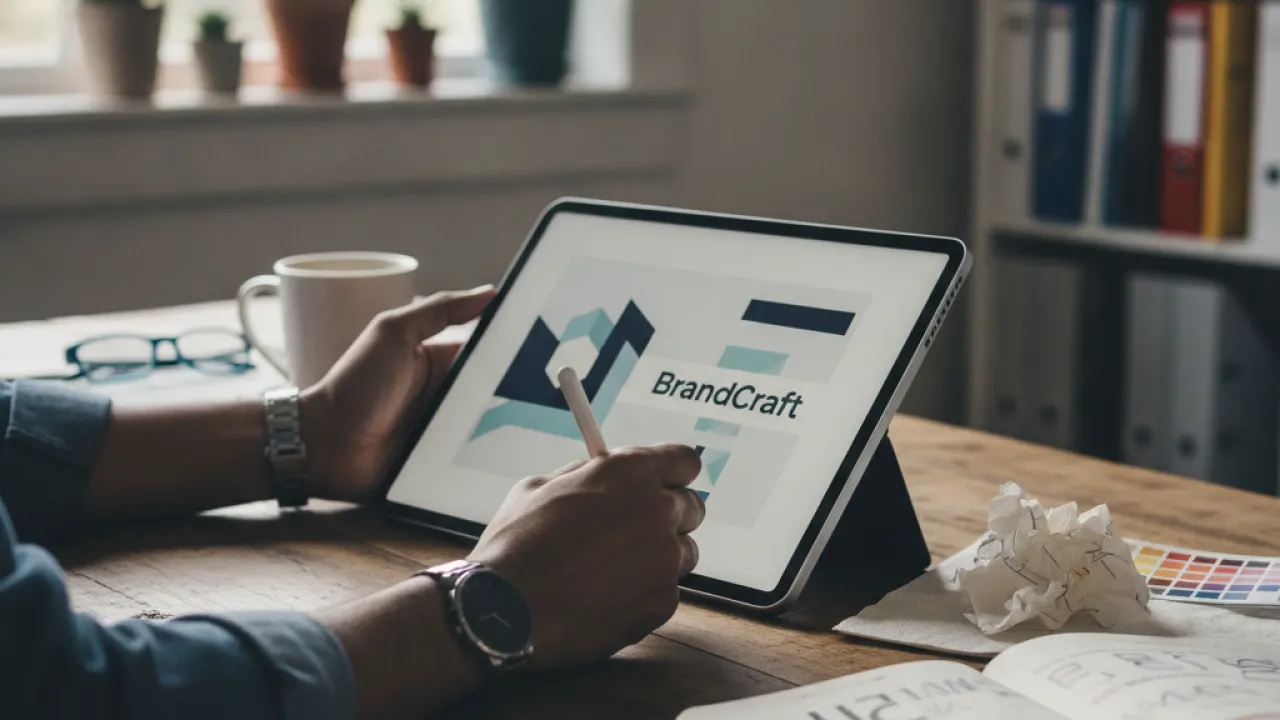
Higher barrier than writing – you need actual design skill – but stronger margins. Logo design starts at $300 for simple work and goes to $3,000 for established designers. Brand identity packages run $1,500 to $10,000. UI and UX design for apps and websites is the highest paying segment, $50 to $200 per hour.
The catch. Design needs a portfolio and the portfolio takes months to build. Most aspiring designers start by working at a discount or for free to get sample work, which delays the first real paying client. Once established the income is steady.
Time to first dollar. Three to six months including portfolio building. Realistic monthly income at 10 hours per week, $500 to $2,500. If you are looking to expand your knowledge, reading our complete guide to the best businesses to start provides useful background context. If you are looking to expand your knowledge, reading our complete guide to the best businesses to start provides useful background context. If you are looking to expand your knowledge, reading our complete guide to the best businesses to start provides useful background context. If you are looking to expand your knowledge, reading our complete guide to the best businesses to start provides valuable background context.
3. Online tutoring
This is one of the most practical ways to learn how to start a side hustle.

One of the most underrated side hustles in 2026 because the income per hour is high and the demand is steady. Tutoring rates start around $25 per hour for general school subjects and climb to $80 per hour for SAT, GRE, LSAT prep, or specialty technical subjects.
The catch. Tutoring scales with your time directly. Each hour earned requires an hour worked. There’s no use. But the rates are good and the work is steady once you have a few regular students.
Time to first dollar. One to two weeks via platforms like Wyzant or Preply. Realistic monthly income at 10 hours per week, $1,000 to $3,200.
4. Selling handmade or print on demand products
This is one of the most practical ways to learn how to start a side hustle.
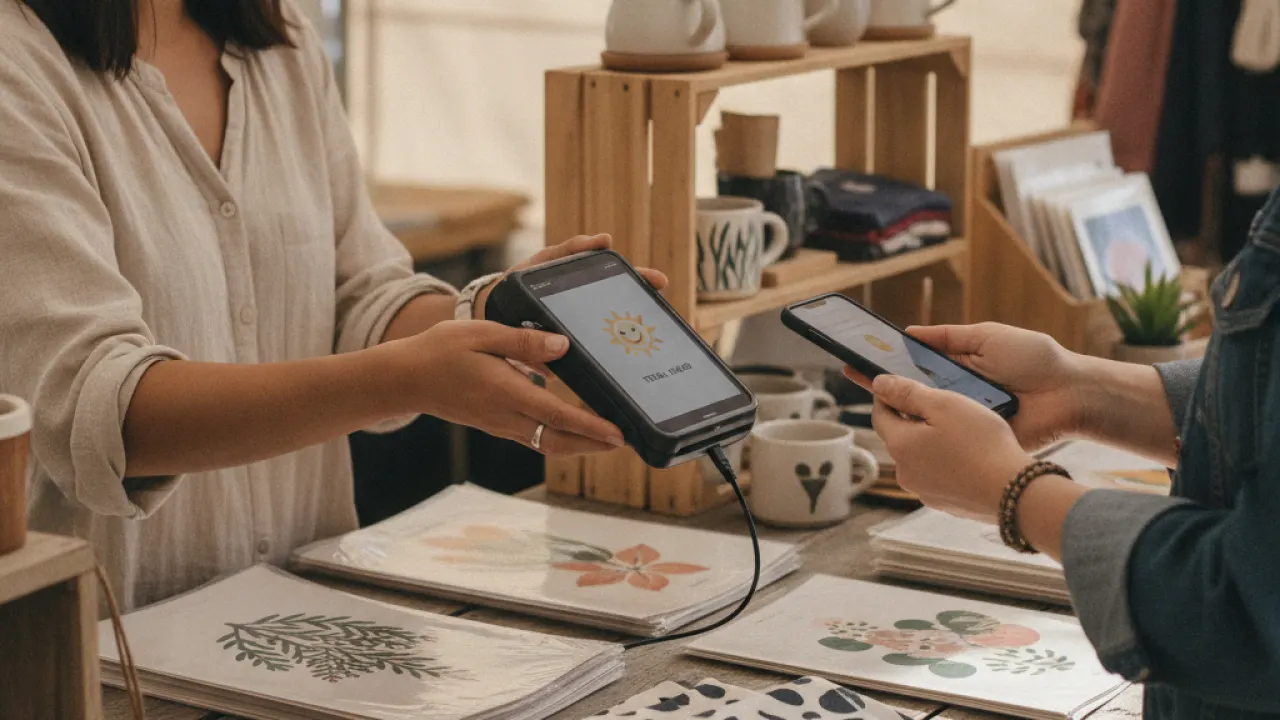
Etsy still works in 2026 but the market is more crowded than five years ago. Print on demand through Printful, Printify, or Gelato keeps overhead low – no inventory, no shipping yourself, just designs uploaded to stores. Handmade earns higher margins but ships from your kitchen table.
The catch. Most stores never break $100 a month. The successful ones share three traits – distinctive design that doesn’t compete with cheap drop shipping, strong product photography, and SEO optimised listings. The first two products you launch will almost certainly fail. The fourth or fifth might find traction.
Time to first sale. Two to eight weeks. Realistic monthly income at 10 hours per week, $100 in the first three months, climbing to $300 to $1,500 by month nine if the products work.
5. Content creation, the slow burn
This is one of the most practical ways to learn how to start a side hustle.

YouTube, TikTok, Instagram, and Substack all pay creators in 2026 – but only after a slow build. The first 1,000 followers earn nothing. The first 10,000 earn small money. Real income tends to start around 50,000 to 100,000 followers, and that takes most people 18 to 36 months to reach.
The catch. Content creation pays nothing for the first 12 months in most cases. The people who stick through that period are the ones who’d be making the content anyway. If you’re only motivated by the future income, the burnout hits before the audience does. Similar principles apply when reviewing our complete guide to the top 10 most successful businesses to start, where preparation and research make a noticeable difference. Similar principles apply when reviewing our complete guide to the top 10 most successful businesses to start, where preparation and research make a noticeable difference. Similar principles apply when reviewing our complete guide to the top 10 most successful businesses to start, where preparation and research make a noticeable difference. Similar principles apply when reviewing our complete guide to the top 10 most successful businesses to start, where preparation and research make a noticeable difference.
Time to first dollar. 12 to 24 months for most creators. Realistic monthly income once established, $500 to $5,000 at 100K followers, much higher beyond that.
6. Web and app development on the side
This is one of the most practical ways to learn how to start a side hustle.
For anyone with coding skills, this remains the highest paid skill side hustle. Rates start at $50 per hour for junior freelancers and climb to $200 per hour for established developers. Building small WordPress or Shopify sites for local businesses pays $1,500 to $5,000 per project, and projects take a week or two each.
The catch. The good clients want consistency. A developer who disappears for two weeks because the day job got busy loses repeat work. Side hustle development works best for people who can guarantee weekly availability.
Time to first dollar. One to three months including building a portfolio site. Realistic monthly income at 10 hours per week, $1,500 to $4,000.
7. Selling on Amazon FBA
This is one of the most practical ways to learn how to start a side hustle.
Amazon FBA – Fulfillment by Amazon – lets sellers ship inventory to Amazon warehouses, list products, and let Amazon handle shipping and customer service. The model works but is much harder than the hype suggests. Margins after Amazon fees, ad costs, and inventory typically run 15 to 30 percent.
The catch. Upfront capital matters. A serious FBA business needs $3,000 to $10,000 in initial inventory to test products. Many sellers lose money on their first product. The successful ones treat it as a real business with real research before launching.
Time to first sale. Four to eight weeks. Realistic monthly profit at 10 hours per week, $200 to $2,000, with much higher upside and downside than other items on this list.
8. Renting out space or a vehicle
This is one of the most practical ways to learn how to start a side hustle.
The asset side hustles. Airbnb for spare rooms or short term rentals. Turo for renting out a car you already own. Neighbor.com for storage space in your garage. Each generates monthly income from an asset you already pay for. For broader insights, exploring our complete guide to the best online business ideas will give you actionable takeaways you can apply right away. For broader insights, exploring our complete guide to the best online business ideas will give you actionable takeaways you can apply right away. For broader insights, exploring our complete guide to the best online business ideas will give you actionable takeaways you can apply right away. For broader insights, exploring our complete guide to the best online business ideas will give you actionable takeaways you can apply right away.
The catch. Local regulations are tighteninge to four weeks. Realistic monthly income, $300 to $2,500 depending on asset and location.
9. Virtual assistant work
This is one of the most practical ways to learn how to start a side hustle.
of expenses, consistently, for at least six months, before considering full time.Not tracking the numbers. The most common reason side hustles fail without people noticing is they were never profitable in the first place. Time tracked, costs tracked, hourly rate calculated. Without this, the side hustle is a hobby with revenue.
Ignoring taxes. Self employment tax in the US is roughly 15.3 percent on top of regular income tax. Quarterly estimated payments are required once you earn over $1,000 net. Other countries have similar rules. The IRS notice 18 months after the fact is the worst time to learn this.
What about AI based side hustles
The newest category, and the most over hyped. Reselling AI generated content, AI tools resellers, ChatGPT prompt sales, automated content sites – these dominated 2024 and 2025 marketing but have produced very few sustainable businesses.
The pattern is consistent. The first wave of AI side hustles works for early movers, gets copied, gets commoditised, and the income disappears in 6 to 12 months. The people selling courses about AI side hustles are making more from the courses than from the actual hustle.
The exception is using AI as a tool inside a real side hustle. A freelance writer who uses AI for research and outlining keeps their advantage. A designer who uses AI for moodboards and reference images works faster. A tutor who uses AI to generate practice problems serves more students. AI as a tool inside a real skill stack, yes. AI as the entire business model, mostly no.
The realistic side hustle timeline
A typical timeline for a side hustle that actually succeeds.
Month 1. Pick the hustle, set up the basic infrastructure – website, profiles, accounts. Make first attempt at outreach or product launch. Earn $0 to $100.
Month 2 to 3. First few paying clients or sales. Refine the offer based on real feedback. Earn $100 to $500 monthly. Many readers who study this area also benefit from practical advice on how to launch a profitable startup to ensure all key factors are covered. Many readers who study this area also benefit from practical advice on how to launch a profitable startup to ensure all key factors are covered. Many readers who study this area also benefit from practical advice on how to launch a profitable startup to ensure all key factors are covered. Many readers who study this area also benefit from practical advice on how to launch a profitable startup to ensure all key factors are covered.
Month 4 to 6. Income climbs as repeat clients come back and word of mouth starts. Refine pricing. Earn $300 to $1,500 monthly.
Month 7 to 12. Steady monthly income. The side hustle becomes routine. Earn $1,000 to $3,000 monthly.
Year 2. The hustle compounds. Existing clients refer new ones. Skills sharpen. Earn $2,000 to $5,000 monthly without really more hours than year one.
Most side hustlers quit somewhere in month 3 to 5, just before the curve starts compounding. Sticking through that valley separates the income from the hobby.
Final thoughts and your turn
How to start a side hustle in 2026 comes down to four things. Pick a hustle that matches your skill stack and your honest available hours. Commit to one for at least 12 months. Track the numbers from day one. Reinvest profits into the things that actually move income up – better tools, certifications, marketing – rather than into lifestyle.
Which of these 12 options matches your current skill stack and available hours? Drop a comment with your pick and your week one plan. Share this guide with someone in your circle who keeps talking about starting something but hasn’t pulled the trigger. The fastest way to learn how to start a side hustle is to start before you feel ready.
For related guidance on how to start a side hustle, see our guide on how to start an online business, our best businesses to start and our business credit building guide. Also see our social media platforms guide for promoting your side hustle.
Frequently Asked Questions
Learning how to start a side hustle means you pick one idea and test it quickly. Many guides on how to start a side hustle list dozens of options, but focus beats variety. If you want to know how to start a side hustle that pays, start with skills you already have. The best way how to start a side hustle is to set a small weekly income goal and track progress.
How to Start a Side Hustle That Actually Pays
Learning how to start a side hustle means you pick one idea and test it quickly. Many guides on how to start a side hustle list dozens of options, but focus beats variety. If you want to know how to start a side hustle that pays, start with skills you already have. The best way how to start a side hustle is to set a small weekly income goal and track progress. The process of how to start a side hustle takes time, but you can see results in weeks if you stay consistent.
How do I start a side hustle while working full time?
Start with five to ten hours a week, pick a skill you already have, and find one paying customer before you build anything else. The most common mistake is trying to launch a full business instead of testing one small offer.
How much money do I need to start a side hustle?
Most of the side hustles on this list need less than $100 to start. Freelance writing, virtual assistance, tutoring, and social media management cost almost nothing. Product-based side hustles need more because of inventory or equipment.
How long until a side hustle makes money?
Most people see their first dollar within one to two months if they focus on one offer and actively reach out to buyers. Realistic monthly income at ten hours per week usually starts around $200 to $500.
What is the best side hustle for beginners?
Freelance writing, virtual assistance, and online tutoring are usually the easiest to start because they use skills most people already have. The best choice is the one you can stick with for at least 90 days.
According to Bankrate side hustle survey, more than one in three American adults now has a side hustle, with the average side hustler earning hundreds of dollars each month.
Which side hustle are you starting this month? Drop a comment with your pick and the first step you will take this week. The best way to learn how to start a side hustle is to pick one option and take the first step today.
What are your thoughts on how to start a side hustle in? Have you tried any of these steps, or do you have tips of your own to share? Leave a comment below and share this guide with friends or colleagues who might find it helpful.