


How to fact check news in 2027 is a skill that has become genuinely necessary rather than optional. The combination of AI-generated content, deliberately misleading headlines, social media amplification and the collapse of many local news organisations means that readers encounter more false or distorted information than at any previous point. This guide covers the specific tools and methods that work for how to fact check news in 2027, whether you are assessing a viral social media post or a story from a national news outlet.
How to Fact Check News in 2027: Why It Has Become More Difficult
How to fact check news in 2027 is harder than in previous years for specific, identifiable reasons. Understanding these reasons helps you apply the right level of scepticism to different types of content. For more background, see Wikipedia reference.
AI-Generated Content at Scale
The volume of AI-generated text, images and video has increased dramatically. How to fact check news in 2027 requires awareness that what looks like a photograph may be an AI-generated image, what appears to be a news article may have been written by a language model without human editorial oversight, and what sounds like an authoritative voice may have no human journalist behind it at all. AI-generated content is not inherently false, but it is often generated without verification of the facts it asserts. The absence of a named journalist is a signal worth noticing when learning how to fact check news in 2027.
Engagement-Optimised Headlines
Social media platforms reward content that generates strong emotional reactions with greater distribution. This creates an incentive to write headlines that provoke outrage, fear or excitement, even if the headline overstates or misrepresents the actual story. How to fact check news in 2027 includes reading the full article before sharing any story that provoked a strong emotional response in the headline. The headline and the article are frequently inconsistent in ways that alter the meaning significantly.
Cloned News Sites and Impersonation
A category of misinformation that has grown significantly involves websites that mimic the appearance of established news brands. They use similar names, logos and design templates to imply association with a trusted outlet. How to fact check news in 2027 requires checking the actual URL of a website rather than just the name displayed in the header. A site called ‘BBC-News.co.uk’ or ‘CNN-WorldReport.com’ is not affiliated with those organisations.
How to Fact Check News in 2027: Core Verification Methods

How to fact check news in 2027 effectively uses a combination of source evaluation, cross-referencing and specific tools designed for verification. Here are the methods that work. The how to fact check news 2027 works when you follow it consistently.
The SIFT Method
SIFT is the most widely taught approach to how to fact check news in 2027 in media literacy education. It stands for Stop, Investigate the source, Find better coverage, Trace claims. Stop before sharing anything that made you feel a strong emotion. Investigate the source before reading the content: who published this and what do you know about them? Find better coverage: search for the same claim in multiple outlets. Trace the original source: follow the chain of citation back to the primary evidence.
How to fact check news in 2027 using SIFT takes 2 to 3 minutes per piece of content and catches the large majority of misinformation that spreads virally. The method was developed by Mike Caulfield at Washington State University and is used in schools and universities as the standard how to fact check news 2027 framework. Full guidance is available at the SIFT website .
Reverse Image Search
Many false stories use genuine photographs taken out of context. How to fact check news in 2027 for images involves reverse image searching to find the original source of a photograph. Google Images, TinEye and Bing Images all offer reverse image search. Right-click any image in a browser and select ‘Search image with Google’ or save the image and upload it to a reverse image search tool. The search returns other appearances of the same image online, often revealing the original context. An image claimed to show a 2027 protest that actually dates from 2019 in a different country is a common how to fact check news in 2027 discovery.
Checking Publication Dates
Old stories regularly resurface as though they are current. How to fact check news in 2027 includes always checking when an article was originally published versus when it is being shared. A story about a political event from 2023 shared without context in 2027 may be accurate as a historical account but misleading if shared as though it represents current conditions. Always look for the publication date, which appears beneath the headline in most legitimate news articles. If no date is visible, this is itself a quality signal worth noting in how to fact check news in 2027.
How to Fact Check News 2027: Best Tools Available
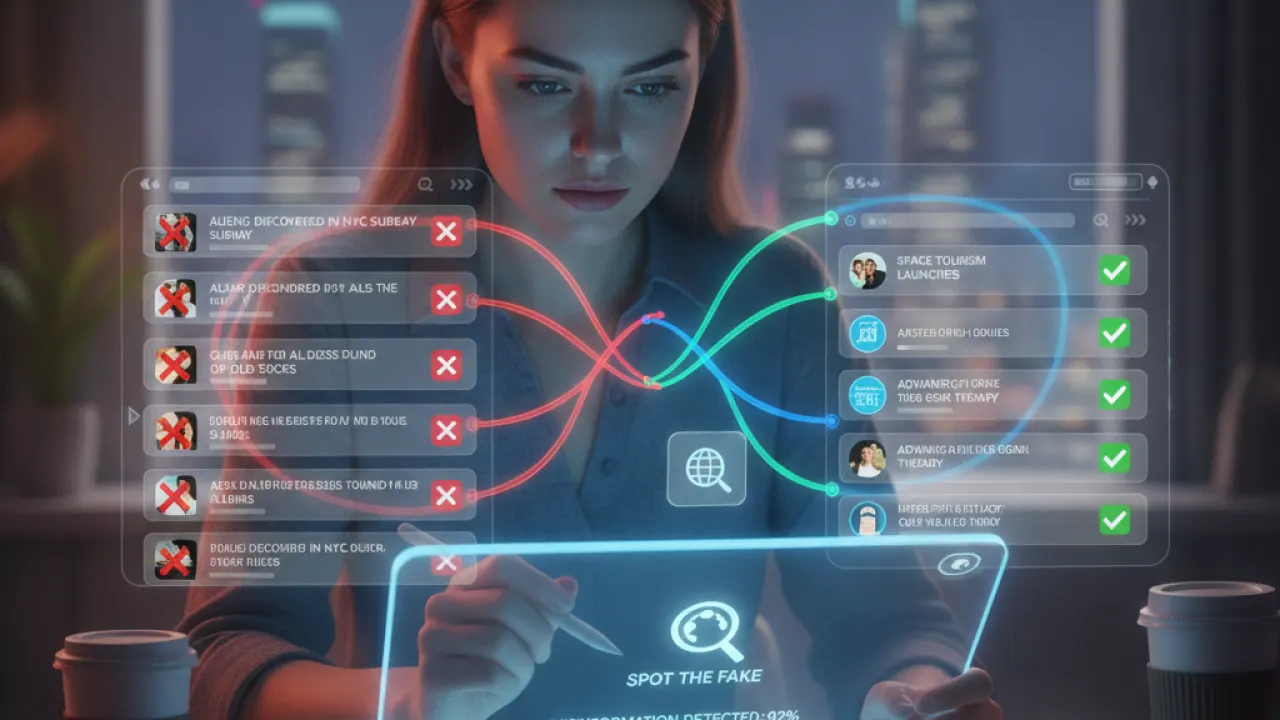
How to fact check news in 2027 is supported by several dedicated tools designed specifically for verification. These are the most useful ones in the 2027 information scene. This guide shows you how the how to fact check news 2027 fits real life.
tion. These are the most useful ones in the 2027 information scene.Established Fact-Checking Websites
Snopes.com, FullFact.org, AFP Fact Check and PolitiFact are established fact-checking organisations that investigate specific claims and publish their findings. How to fact check news in 2027 using these sites involves searching for the specific claim or the key phrase from the story you are investigating. If the claim has gone viral, these organisations have often investigated it already. FullFact focuses particularly on UK political claims.
Snopes covers a wide range of viral content globally. AFP Fact Check provides multilingual coverage. Using multiple fact-checking sites rather than relying on one is best practice for how to fact check news in 2027, as each covers different content and has different editorial priorities. See our guide on how social media platforms spread and amplify information for context on how false stories reach large audiences. If you are looking to expand your knowledge, reading our complete guide to the top 10 books everyone should read provides useful background context. If you are looking to expand your knowledge, reading our complete guide to the top 10 books everyone should read provides useful background context. If you are looking to expand your knowledge, reading our complete guide to the top 10 books everyone should read provides valuable background context.
Lateral Reading
Professional fact-checkers use a technique called lateral reading when learning how to fact check news in 2027. Instead of reading a source carefully to determine whether it is reliable, they immediately open multiple new tabs and search for information about the source from external sites. What does Wikipedia say about this organisation? What do other news outlets say about this publication? What do fact-checking sites say about this person? Lateral reading finds the relevant context about a source faster than reading the source itself. How to fact check news in 2027 laterally takes the same 2 to 3 minutes but uses the open web as a verification layer rather than relying on any single source’s presentation of itself.
InVID and WeVerify
For video content, how to fact check news in 2027 requires video verification tools. InVID and WeVerify are browser extensions used by professional journalists to verify video authenticity. They extract key frames from videos for reverse image searching, check metadata, and provide tools to analyse video content for signs of manipulation. As video-based misinformation has grown, these tools have become increasingly important in how to fact check news in 2027 comprehensively.
How to Fact Check News 2027: Building Better Habits
How to fact check news in 2027 is more effective as a habit than as an occasional intervention. These habits reduce your overall exposure to misinformation. Start with the basics of the how to fact check news 2027 and build from there.
k news in 2027 is more effective as a habit than as an occasional intervention. These habits reduce your overall exposure to misinformation.Pause Before Sharing
The most effective how to fact check news in 2027 habit is the pause before sharing. Research on misinformation spread consistently shows that people share false content not because they are gullible but because they are not thinking about accuracy at the moment of sharing. Implementing a rule to wait at least two minutes before sharing anything, to read the full article rather than just the headline, and to ask yourself ‘have I verified this?’ dramatically reduces how much misinformation you personally amplify. This is the single most impactful individual action in how to fact check news in 2027.
Diversify Your News Sources
How to fact check news in 2027 is easier when you read a variety of news sources regularly. People who consume news from a single outlet or algorithm-curated social feed develop a distorted picture of what is being covered and how. Cross-referencing across outlets with different editorial perspectives helps you identify consensus reporting (a story covered similarly by multiple outlets with different political leanings is more likely to be accurate) versus opinion or advocacy dressed as news.
Read our What is the most effective method in this how to fact check news in 2027 guide that you plan to add to your regular reading habits? Share it in the comments. The how to fact check news 2027 removes common barriers that stop people from starting.
more on information quality in professional settings.What is the most effective method in this how to fact check news in 2027 guide that you plan to add to your regular reading habits? Share it in the comments. Similar principles apply when reviewing detailed breakdown of times24x7 february, where preparation and research make a noticeable difference. Similar principles apply when reviewing detailed breakdown of times24x7 february, where preparation and research make a noticeable difference. Similar principles apply when reviewing detailed breakdown of times24x7 february, where preparation and research make a noticeable difference.
Advanced Fact-Checking Techniques for 2027
Reverse image search is one of the most useful fact-checking tools in 2027. When you see an image accompanying a news story, particularly one that seems to show an extraordinary event, right-clicking and searching Google or TinEye for the image often reveals when and where the image was originally taken. Many viral “news” images in 2027 are years-old photos from different countries repurposed to support false narratives about current events.
Checking the date of a story before sharing it is a fundamental but often overlooked fact-checking step in 2027. News stories from 2018 or 2020 regularly resurface on social media as if they’re current events. The specific claims might have been accurate at the time of original publication but misrepresent the current situation. Always check the publication date and verify that the story is actually describing a recent event before sharing it as current news.
Lateral reading is the approach used by professional fact-checkers in 2027 and it differs from how most people instinctively read news. Rather than reading a source deeply to evaluate its credibility from within, lateral reading means opening new tabs to read about the source rather than reading more of the source itself. Checking what other websites and organisations say about a news outlet tells you more about its reliability than reading its about page or editorial standards.
Identifying Unreliable Sources in 2027
Unreliable news sources in 2027 share some consistent characteristics. Extreme, inflammatory headlines that seem designed to trigger an emotional response rather than inform are a reliable indicator of low-quality content. Multiple spelling and grammatical errors in articles, while not conclusive, are more common in hastily-produced misinformation than in careful journalism. Minimal author information, no named journalists and no clear editorial contact information all reduce accountability.
Newly registered domain names are worth checking in 2027. Sites that look like legitimate news outlets but were registered within the past six months to two years warrant extra scrutiny. During major political events, new “news” sites appear specifically to spread misinformation about those events. Tools like WHOIS and Wayback Machine allow you to check when a site was registered and what it has published previously. For broader insights, exploring detailed breakdown of q1 recap will give you actionable takeaways you can apply right away. For broader insights, exploring detailed breakdown of q1 recap will give you actionable takeaways you can apply right away. For broader insights, exploring detailed breakdown of q1 recap will give you actionable takeaways you can apply right away.
Confirmation bias makes fact-checking genuinely difficult in 2027. Information that confirms what we already believe is processed differently by our brains than information that challenges our views. We’re more likely to share stories that confirm our worldview without checking them. We’re more likely to scrutinise stories that challenge our views. Being aware of this bias doesn’t eliminate it but does allow you to apply extra scrutiny when a story is particularly satisfying to believe.
Building Better News Habits in 2027
The most sustainable fact-checking habit in 2027 is being selective about sources rather than spending time fact-checking individual claims. Identifying five to ten reputable, evidence-based news sources and primarily consuming news through them dramatically reduces exposure to misinformation at the source. This is more efficient than constant vigilance across a broad range of unreliable content.
Slowing down before sharing is the single most impactful news habit in 2027. The speed of social media creates pressure to share instantly. But most of the misinformation that spreads widely does so because people share within seconds of seeing it. Waiting five minutes and applying basic checks before sharing reduces your contribution to misinformation spread by a important amount.
For related guidance on media literacy, see our how to read news critically guide, our <a href="https://times24x7.com/social-media-effects-on-relationships-2027
What fact-checking method has been most useful for you in 2027 and which type of misinformation are you most concerned about seeing spread? Share in the comments below. Follow the how to fact check news 2027 for the full period to see real results. Many readers who study this area also benefit from detailed breakdown of times24x7 exclusive to ensure all key factors are covered. Many readers who study this area also benefit from detailed breakdown of times24x7 exclusive to ensure all key factors are covered. Many readers who study this area also benefit from detailed breakdown of times24x7 exclusive to ensure all key factors are covered.
24×7.com/technology-breakthroughs-2027/”>technology breakthroughs guide for context on how AI affects news production in 2027.What fact-checking method has been most useful for you in 2027 and which type of misinformation are you most concerned about seeing spread? Share in the comments below.
Frequently Asked Questions
What is the most important thing to understand about how to fact check news 2027?
The fundamentals matter most. Before diving into advanced strategies or techniques, making sure you have a solid grasp of the core principles saves time and prevents common mistakes. Starting with quality sources of information, whether from books, courses, or established experts, gives you the knowledge foundation needed to make good decisions and avoid pitfalls that most beginners encounter.
How long does it take to get good at how to fact check news 2027?
Progress depends on your starting point, how much time and focus you commit, and the complexity of what you are trying to achieve. Most people see meaningful progress within 3 to 6 months of consistent, focused effort. Reaching an expert level typically takes several years of dedicated practice and ongoing learning. The key is consistent application over time rather than intensive bursts followed by long breaks.
What resources are most helpful for learning about how to fact check news 2027?
The best resources vary by topic, but a combination of well-reviewed books, reputable online courses, expert communities, and practical hands-on experience typically produces the best results. Look for resources from authors and instructors with verifiable track records. Communities of practice where you can ask questions and get feedback from experienced practitioners are particularly useful.
What are the most common mistakes people make with how to fact check news 2027?
The most universal mistakes include trying to learn everything at once rather than mastering basics first, giving up before seeing meaningful results, not tracking progress to stay motivated, failing to learn from mistakes and adjust approaches, and not seeking help from those who have already succeeded. Patience and persistence combined with smart, focused effort typically outperform raw talent without discipline.
What are your thoughts on how to fact? Have you tried any of these steps, or do you have tips of your own to share? Leave a comment below and share this guide with friends or colleagues who might find it helpful.