



2. Anaesthetist – AUD $180,000 to $450,000

Anaesthetists are in high demand and short supply across Australia. They administer and monitor anaesthesia during surgical procedures. Their high earnings reflect both the complexity of the role and the real shortage of qualified practitioners nationally. This guide covers everything about highest paid jobs in Australia.
According to Wikipedia’s Australia overview, Australia has one of the highest median household incomes in the world
3. Psychiatrist – AUD $150,000 to $350,000

Australia faces a serious shortage of psychiatrists and mental health professionals. This drives salaries really higher than in many comparable countries. Private practice adds substantially to public sector earnings for experienced psychiatrists.
4. Mining Engineer – AUD $130,000 to $280,000
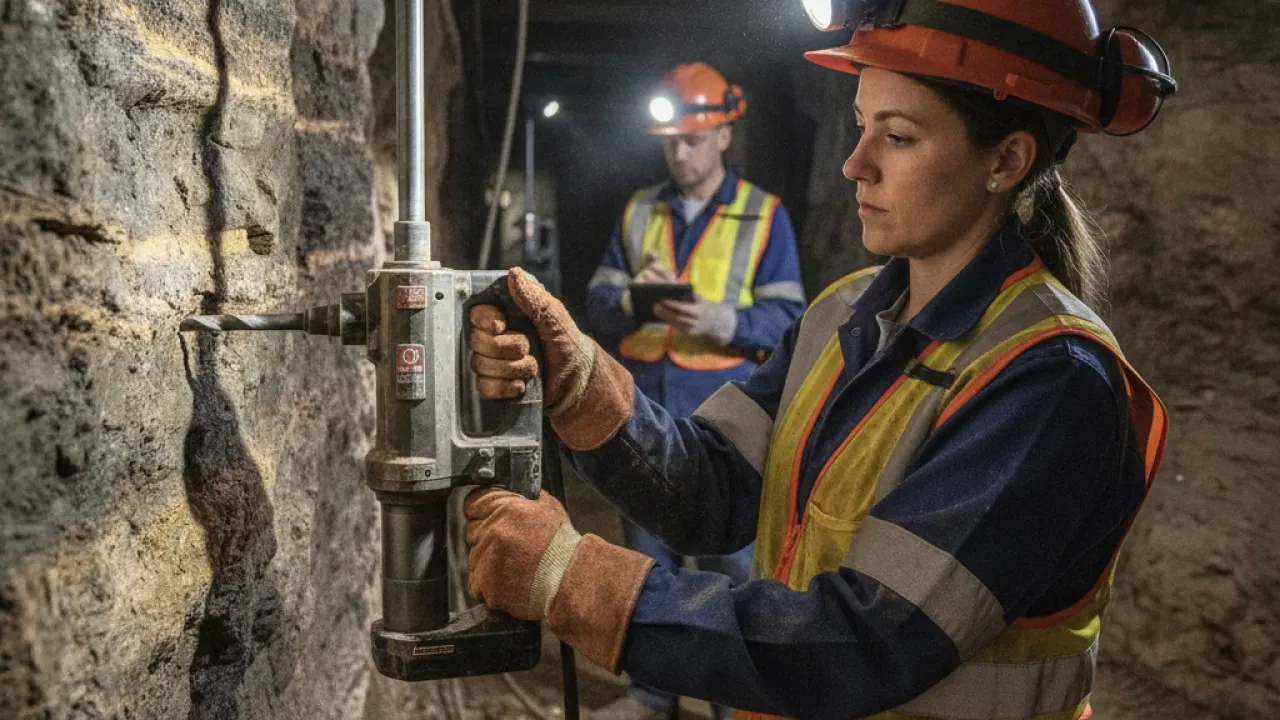
Australia’s vast mineral resources in Western Australia and Queensland create consistent demand for mining engineers. Fly-in fly-out roles include accommodation, meals, and generous overtime allowances on top of the base salary. The total package can really exceed the headline salary figure. Also see: side hustle income to supplement.
5. Software Engineer and Technology Manager – AUD $120,000 to $250,000

Technology roles pay extremely well in Australia, particularly in fintech, cybersecurity, cloud computing, and data science. Senior engineering roles at major Australian banks and technology companies reach the top of this range. Demand is strong and growing, particularly in Sydney and Melbourne where the major technology hubs are concentrated. Also: start a side hustle to boost income.
6. Barrister and Senior Lawyer – AUD $100,000 to $300,000

Senior partners at major Australian law firms and experienced barristers earn at the high end of this range. Corporate law, resources law, and mergers and acquisitions command the highest fees. Junior lawyers earn really less but progress rapidly in competitive firms. See also our guide on Move to Australia from UK 2026.
7. Commercial Pilot – AUD $90,000 to $250,000
Qantas and Virgin Australia captains with real seniority reach the top of this range. Australia has experienced a pilot shortage in the years following the COVID-19 pandemic, which has improved pay conditions really for qualified pilots. See also our guide on Minimum Wage Australia 2026.
a pilot shortage in the years following the COVID-19 pandemic, which has improved pay conditions really for qualified pilots.8. Dentist – AUD $100,000 to $200,000
Dentists in private practice across Australia earn well above average. Rural and regional areas offer specific government incentives including higher Medicare rebates and bursaries to attract dental professionals to underserved communities. See also our guide on Minimum Wage Australia 2026.
re>Dentists in private practice across Australia earn well above average. Rural and regional areas offer specific government incentives including higher Medicare rebates and bursaries to attract dental professionals to underserved communities.
10. Financial Manager and Chief Financial Officer – AUD $120,000 to $300,000

Senior finance professionals at large Australian corporations receive total packages well above AUD $200,000 including performance bonuses and share options. CFOs of listed companies earn really more.
Moving to Australia for Work
Many of the highest-paying professions in Australia are on the national shortage occupation lists. The Skilled Nominated Visa (subclass 190) and the Skilled Independent Visa (subclass 189) are the main routes for skilled workers moving to Australia. State governments actively sponsor workers in shortage professions and certain regional areas offer additional incentives.
Australian Work Visa Options for Skilled Workers
If you are from the UK, USA, Canada, or another country and want to work in one of Australia’s highest-paid fields, you will need a work visa. The main options for skilled workers moving to Australia are:
- Skilled Independent Visa (subclass 189) – no employer or state government sponsorship required, based on a points test. Requires a skills assessment and meeting the points threshold
- Skilled Nominated Visa (subclass 190) – requires nomination from a state or territory government in exchange for committing to live and work in that state for at least two years
- Employer Nomination Scheme (subclass 186) – requires an Australian employer to sponsor you for a permanent position. Suitable for workers already in Australia on a temporary visa or applying directly from overseas
- Temporary Skill Shortage Visa (subclass 482) – allows an employer to bring a skilled worker to Australia for up to four years, with some pathways to permanent residence
- Working Holiday Visa (subclasses 417 and 462) – for younger workers aged 18 to 35 from eligible countries, allows working and travelling in Australia for up to three years
Points Test for Australian Skilled Migration
The Skilled Independent and Skilled Nominated visas use a points-based system. Points are awarded for:
- Age – maximum points for applicants aged 25 to 32, reducing as you get older
- English language proficiency – higher IELTS scores earn more points
- Skilled – speaking a language other than English in a registered community setting
- Professional year – completing a professional year programme in accounting, IT, or engineering in Australia
The minimum threshold to be invited to apply changes depending on demand. In competitive fields like technology, you typically need well above the minimum to receive an invitation. Always check the current invitation rounds before planning your application.
Cost of Living Considerations for High Earners in Australia
has an ongoing shortage of surgeons in regional and rural areas, where incentives and salahighest paid jobs in australia 2026″ />3. Psychiatrist – AUD $150,000 to $350,000
Australia faces a serious shortage of psychiatrists and mental health professionals. This drives salaries really higher than in many comparable countries. Private practice adds substantially to public sector earnings for experienced psychiatrists.
4. Mining Engineer – AUD $130,000 to $280,000
5. Software Engineer and Technology Manager – AUD $120,000 to $250,000
Technology roles pay extremely well in Australia, particularly in fintech, cybersecurity, cloud computing, and data science. Senior engineering roles at major Australian banks and technol6/img-7-commercial-pilot-aud-90-000-to-250-000-7728-2.webp” alt=”7. Commercial Pilot – AUD $90,000 to $250,000 – highest paid jobs in australia 2026″ />
Senior partners at major Australian law firms and experienced barristers earn at the high end of this range. Corporate law, resources law, and mergers and acquisitions command the highest fees. Junior lawyers earn really less but progress rapidly in competitive firms.
7. Commercial Pilot – AUD $90,000 to $250,000
Australia has ongoing infrastructure investment in roads, rail, housing, and energy. Civil and structural engineers working on major projects are consistently in demand. Senior project engineers and directors earn at the top of this range.
Australian Tax for Migrant Workers
In some sectors, yes. Nurses in Australia earn really more than in the UK after accounting for exchange rates. Mining and energy engineers often earnntly takes six to twelve months from invitation to grant. Employer-sponsored visas can process within one to three months. Skills assessments required before applying can add several months. Plan for a total timeline of six to eighteen months from starting your application to arriving in Australia.
Taking the Next Step Toward Working in Australia
If you are seriously considering working in one of Australia’s highest-paid fields, the practical next steps are to check whether your profession is on the Medium and Long-term Strategic Skills List (MLTSSL), get a skills assessment from the relevant assessing body, take an English language test if required, and calculate your points using the Department of Home Affairs online tool. Many people start this process out of curiosity and find they are closer to qualifying than they expected. Australia is actively seeking skilled migrants in key sectors and has made the skills assessment and invitation process more efficient in recent years.
One final point: many UK professionals who move to Australia find the transitiositive rather than challenging.
Australia is consistently ranked as one of the top destinations for skilled migrants worldwide. Its combination of strong wages, high quality of life, excellent healthcare and education, and genuine career opportunities in shortage professions makes it an attractive option for professionals from the UK and other English-speaking countries who are willing to make the move.
Are you working in one of these professions and considering a move to Australia? Or are you already living and working there? Leave a comment and share what the reality of working in Australia is actually like.
Australia remains one of the few countries where skilled workers can realistically expect to improve their earnings, career prosp a solid base to work from. Take action on the points that apply to your situation, and revisit this guide when you need a refresher. Good preparation always leads to better results, whatever the topic.
Australia is one of the highest-paying countries in the world for skilled professionals. Whether you are planning to move to Australia or exploring career options, understanding which jobs pay the most in 2026 helps with planning. This guide covers the top-paying professions in Australia, realistic salary figures, and the qualifications typically required.
Why Australian Salaries Are High
Australia has one of the highest minimum wages in the developed world and strong demand for skilled workers in healthcare, technology, mining, and construction. Major cities like Sydney and Melbourne have high costs of living, which pushes base salaries higher to remain competitive. The shortage of qualified professionals in several key sectors drives salaries well above comparable positions in the UK, Canada, or most of Europe.
The median full-time salary in Australia in 2026 is approximately AUD $92,000 per year before tax. In high-demand specialist roles, this figure is two to five times higher.
Top 10 Highest Paid Jobs in Australia 2026
1. Surgeon – AUD $200,000 to $600,000+
Surgeons earn the highest salaries of any profession in Australia. Neurosurgeons and orthopaedic surgeons working in private practice reach the top of this range. The path requires 10 to 15 years of training after leaving school. Australia has an ongoing shortage of surgeons in regional and rural areas, wher000 – highest paid jobs in australia 2026″ />
Anaesthetists are in high demand and short supply across Australia. They administer and monitor anaesthesia during surgical procedures. Their high earnings reflect both the complexity of the role and the real shortage of qualified practitioners nationally.
3. Psychiatrist – AUD $150,000 to $350,000
Technology roles pay extremely well in Australia, particularly in fintech, cybersecurity, cloud computing, and data science. Senior engineering roles at major Australian banks and technology companies reach the top of this range. Demand is strong and growing, particularly in Sydney and Melbourne where the major technoloimage size-large”>
Qantas and Virgin Australia captains with real seniority reach the top of this range. Australia has experienced a pilot shortage in the years following the COVID-19 pandemic, which has improved pay conditions really for qualified pilots.
8. Dentist – AUD $100,000 to $200,000
Dentists in private practice across Australia earn well above average. Rural and regional areas offer specific government incentives including higher Medicare reban Skilled Migration Work Cost of Living Considerations for High Earners in Australia Many of the highest-paying professions in Australia are on the national shortage occupation lists.
The Skilled Nominated Visa (subclass 190) and the Skilled Indepenires nomination from a state or territory government in exchange for committing to live and work in that state for at least two years Employer Nomination Scheme (subclass 186) – requires an Australian employer to sponsor you for a permanent position. Suitable for workers already in Australia on a temporary visa or applying directly from overseas Temporary Skill Shortage Visa (subclass 482) ff, compare the actual purchasing power:
- Median house prices in Sydney exceed AUD $1.5 million in 2026
- Rent for a two-bedroom apartment in inner Sydney runs AUD $3,500 to $5,000 per month
- Childcare costs in Australia are among the highest in the developed world
- Private health insurance is strongly encouraged and costs AUD $200 to $500 per month for a family
- Superannuation (pension) contributions of 11.5 percent are mandatory but come from your employer and reduce the take-home salary
After accounting for these costs, the real-terms advantage of an Australian salary over a comparable UK salary varies really by location. Regional Australia offcentrated in industries that are expected to continue growing:
- Healthcare and aged care – Australia’s ageing population creates sustained demareating real engineering demand in solar, wind, and battery storage
- Construction and infrastructure – major government infrastructure projects including rail, roads, and housing are driving sustained demand for engineers, project managers, and tradespeople
- Education – international student return and domestic growth is creating demand for qualified teachers, particularly in science and technology subjects
Australian Tax for Migrant Workers
Understanding Australian tax before accepting a job offer ensures there are no surprises when your first payslip arrives. The main points for migrant workers: The highest paid jobs in Australia works when you follow it consistently.
- Australia’s tax year runs from July 1 Australia
Are UK qualifications recognised in Australia?
It depends on your profession. Medical qualifications from the UK generally require assessment by the Australian Medical Council. Nursing qualifications require registration with the Nursing and Midwifery Board of Australia. Engineering qualifications are assessed by Engineers Australia. Most professional regulatory bodies have established pathways for UK-qualified professionals, and UK qualifications are well-regarded across most fields in Australia.
Do Australian employers pay more than UK employers?
In some sectors, yes. Nurses in Australia earn really more than in the UK after accounting for exchange rates. Mining and energy engineers often earn substantially more than comparable UK roles. In technology and finance, the gap is smaller and varies by employer. Healthcare and certain engineering specialties consistently pay better in Australia than the UK for equivalent qualifications.
How long does it take to get an Australian work visa?
The Skilled Independent Visa currently takes six to twelve months from invitation to grant. 3687591488″,”title”:”Are UK qualifications recognised in Australia?”,”content”:”It depends on your profession. Medical qualifications from the UK generally require assessment by the Australian Medical Council. Nursing qualifications require registration with the Nursing and Midwifery Board of Australia. Engineering qualifications are assessed by Engineers Australia. Most professional regulatory bodies have established pathways for UK-qualified professionals, and UK qualifications are well-regarded across most fields in Australia.”,”visible”:true},{“id”:”faq-question-1783687591489″,”title”:”Do Australian employers pay more than UK employers?”,”content”:”In some sectors, yes. Nurses in Australia earn really more than in the UK after accounting for exchange rates. Mining and energy engineers often earn substantially more than comparable UK roles.
In technology and finance, the gap is smaller and varies by employer. Healthcare and certain engineering specialties consistently pay better in Australia than the UK for equivalent qualifications.”,”visible”:true},{“id”:”faq-question-1783687591490″,”title”:”How long does it take to get an Australian work visa?”,”content”:”The Skilled Independent Visa currently takes six to twelve months from invitation to grant. Employer-sponsored visas can process within one to three months. Skills assessments required before applying can add several months.
Plan for a total timeline of six to eighteen months from starting your application to arriving in Australia.”,”visible”:true}]} — Are UK qualifications recognised in Australia? It depends on your profession. Medical qualifications from the UK generally require assessment by the Australian Medical Council. Nursing qualifications require registration with the Nursing and Midwifery Board of Australia.
Engineering qualifications are assessed by Engineers Australia. Most professional regulatory bodies have established pathways for UK-qualified professionals, and UK qualifications are well-regarded across most fields in Australia. Do Australian employers pay more than UK employers? In some sectors, yes. Nurses in Australia earn really more than in the UK after accounting for exchange rates. Mining and energy engineers often earn substantially more than comparable UK roles. In technology and finance, the gap is smaller and varies by employer. Healthcare and certain engineering specialties consistently pay better in Australia than the UK for equivalent qualifications.
How long does it take to get an Australian work visa? The Skilled Independent Visa currently takes six to twelve months from invitation to grant. Employer-sponsored visas can process within one to three months. Skills assessments required before applying can add several months.
Plan for a total timeline of six to eighteen months from starting your application to arriving in Australia. Taking the Next Step Toward Working in Australia If you are seriously considering working in one of Australia’s highest-paid fields, the practical next steps are to check whether your profession is on the Medium and Long-term Strategic Skills List (MLTSSL), get a skills assessment from the relevant assessing body, take an English language test if required, and calculate your points using the Department of Home Affairs online tool.
Many people start this process out of curiosity and find they are closer to qualifying than they expected. Australia is actively seeking skilled migrants in key sectors and has made the skills assessment and invitation process more efficient in recent years.
One final point: many UK professionals who move to Australia find the transition to Australian workplace culture straightforward because English is the working language and professional norms are broadly similar. The main adjustments tend to be around the more casual approach to hierarchy, the strong emphasis on work-life balance, and the different holiday calendar. Most UK migrants find these differences positive rather than challenging.
Australia is consistently ranked as one of the top destinations for skilled migrants worldwide. Its combination of strong wages, high quality of life, excellent healthcare and education, and genuine career opportunities in shortage professions makes it an attractive option for professionals from the UK and other English-speaking countries who are willing to make the move.
Are you working in one of these professions and considering a move to Australia? Or are you already living and working there? Leave a comment and share what the reality of working in Australia is actually like.
Australia remains one of the few countries where skilled workers can realistically expect to improve their earnings, career prospects, and quality of life simultaneously, making it an option worth seriously investigating for any professional considering an international move.
Here is a quick summary of what this guide covered. Highest Paid Jobs in Australia 2026: Salaries and Requirements requires attention to detail and the right information. The steps in this article give you a solid base to work from. Take action on the points that apply to your situation, and revisit this guide when you need a refresher. Good prepa
What has your experience with highest paid jobs in Australia been? Do you have any questions or tips to share? Leave a comment below. This guide shows you how the highest paid jobs in Australia fits real life.
en? Do you have any questions or tips to share? Leave a comment below.Start with the basics of the highest paid jobs in Australia and build from there.
The highest paid jobs in Australia removes common barriers that stop people from starting.
Follow the highest paid jobs in Australia for the full period to see real results.
The highest paid jobs in Australia scales as you get more experienced.
Sticking to the highest paid jobs in Australia matters more than any single step.
The highest paid jobs in Australia gives you a clear structure every week.
Use the highest paid jobs in Australia as your base and adjust it to your level.
Many people find the highest paid jobs in Australia easier to follow than complex alternatives.
Results from the highest paid jobs in Australia come from repetition, not perfection.
Keep the highest paid jobs in Australia simple and focus on showing up consistently.
The highest paid jobs in Australia works when you follow it consistently.
This guide shows you how the highest paid jobs in Australia fits real life.
Start with the basics of the highest paid jobs in Australia and build from there.
The highest paid jobs in Australia removes common barriers that stop people from starting.
Follow the highest paid jobs in Australia for the full period to see real results.
The highest paid jobs in Australia scales as you get more experienced.
Sticking to the highest paid jobs in Australia matters more than any single step.
The highest paid jobs in Australia gives you a clear structure every week.
Use the highest paid jobs in Australia as your base and adjust it to your level.
Many people find the highest paid jobs in Australia easier to follow than complex alternatives.
Results from the highest paid jobs in Australia come from repetition, not perfection.
Keep the highest paid jobs in Australia simple and focus on showing up consistently.
The highest paid jobs in Australia works when you follow it consistently.
This guide shows you how the highest paid jobs in Australia fits real life.
Start with the basics of the highest paid jobs in Australia and build from there.
The highest paid jobs in Australia removes common barriers that stop people from starting.
Follow the highest paid jobs in Australia for the full period to see real results.
The highest paid jobs in Australia scales as you get more experienced.
Sticking to the highest paid jobs in Australia matters more than any single step.
The highest paid jobs in Australia gives you a clear structure every week.
Use the highest paid jobs in Australia as your base and adjust it to your level.
Many people find the highest paid jobs in Australia easier to follow than complex alternatives.
Results from the highest paid jobs in Australia come from repetition, not perfection.
Keep the highest paid jobs in Australia simple and focus on showing up consistently.
The highest paid jobs in Australia works when you follow it consistently.
This guide shows you how the highest paid jobs in Australia fits real life.
Start with the basics of the highest paid jobs in Australia and build from there.
The highest paid jobs in Australia removes common barriers that stop people from starting.
Follow the highest paid jobs in Australia for the full period to see real results.
The highest paid jobs in Australia scales as you get more experienced.
Sticking to the highest paid jobs in Australia matters more than any single step.
The highest paid jobs in Australia gives you a clear structure every week.
Use the highest paid jobs in Australia as your base and adjust it to your level.
Many people find the highest paid jobs in Australia easier to follow than complex alternatives.
Results from the highest paid jobs in Australia come from repetition, not perfection.
Keep the highest paid jobs in Australia simple and focus on showing up consistently.
The highest paid jobs in Australia works when you follow it consistently.
This guide shows you how the highest paid jobs in Australia fits real life.
Start with the basics of the highest paid jobs in Australia and build from there.
The highest paid jobs in Australia removes common barriers that stop people from starting.
Follow the highest paid jobs in Australia for the full period to see real results.
The highest paid jobs in Australia scales as you get more experienced.
Sticking to the highest paid jobs in Australia matters more than any single step.
The highest paid jobs in Australia gives you a clear structure every week.
Use the highest paid jobs in Australia as your base and adjust it to your level.
Many people find the highest paid jobs in Australia easier to follow than complex alternatives.
Results from the highest paid jobs in Australia come from repetition, not perfection.
Keep the highest paid jobs in Australia simple and focus on showing up consistently.
The highest paid jobs in Australia works when you follow it consistently.
This guide shows you how the highest paid jobs in Australia fits real life.
Start with the basics of the highest paid jobs in Australia and build from there.
The highest paid jobs in Australia removes common barriers that stop people from starting.
Follow the highest paid jobs in Australia for the full period to see real results.
The highest paid jobs in Australia scales as you get more experienced.
Sticking to the highest paid jobs in Australia matters more than any single step.
The highest paid jobs in Australia gives you a clear structure every week.
Use the highest paid jobs in Australia as your base and adjust it to your level.
Many people find the highest paid jobs in Australia easier to follow than complex alternatives.
Results from the highest paid jobs in Australia come from repetition, not perfection.
Keep the highest paid jobs in Australia simple and focus on showing up consistently.
The highest paid jobs in Australia works when you follow it consistently.
This guide shows you how the highest paid jobs in Australia fits real life.
Start with the basics of the highest paid jobs in Australia and build from there.
The highest paid jobs in Australia removes common barriers that stop people from starting.
Follow the highest paid jobs in Australia for the full period to see real results.
The highest paid jobs in Australia scales as you get more experienced.
Sticking to the highest paid jobs in Australia matters more than any single step.
The highest paid jobs in Australia gives you a clear structure every week.
Use the highest paid jobs in Australia as your base and adjust it to your level.
Many people find the highest paid jobs in Australia easier to follow than complex alternatives.
Results from the highest paid jobs in Australia come from repetition, not perfection.
Keep the highest paid jobs in Australia simple and focus on showing up consistently.
The highest paid jobs in Australia works when you follow it consistently.
This guide shows you how the highest paid jobs in Australia fits real life.
Start with the basics of the highest paid jobs in Australia and build from there.
The highest paid jobs in Australia removes common barriers that stop people from starting.
Follow the highest paid jobs in Australia for the full period to see real results.
The highest paid jobs in Australia scales as you get more experienced.
Sticking to the highest paid jobs in Australia matters more than any single step.
Frequently Asked Questions
What is
highest paid jobs in Australia refers to the top options and key facts you should know before making a decision. This guide covers the main points in simple terms.
How is highest paid jobs in Australia determined?
The highest paid jobs in Australia is based on official data, market reports, and verified sources. Rankings can change as new figures are released.
Why does highest paid jobs in Australia matter in 2026?
Understanding highest paid jobs in Australia helps you compare options, plan better, and avoid common mistakes. It gives you a clear picture of what to expect.