


Learning how to claim benefits UK residents are entitled to is an important first step for anyone whose circumstances change. Millions of people in the United Kingdom receive benefits each year, yet many who are eligible do not claim them because they are uncertain about the process or do not know what they qualify for. This guide covers the main UK benefits available in 2026, how to claim each one, and what to expect during the application process.

How To Claim Benefits Uk – Universal Credit Explained
Universal Credit is the main working-age benefit in the UK, consolidating six older benefits into a single monthly payment. These six benefits are Income-based Jobseeker’s Allowance, Income-related Employment and Support Allowance, Income Support, Working Tax Credit, Child Tax Credit and Housing Benefit. If you claim any of these, you will eventually be moved onto Universal Credit as the rollout continues.

To claim Universal Credit, you need to create an account on the GOV.UK website and complete the online application. You will need your National Insurance number, bank account details, details of your rent or mortgage, your savings and investments, and details of any other income. The process typically takes around an hour to complete. Once your claim is submitted, a work coach at your local Jobcentre will contact you to arrange an initial meeting within two weeks.
The amount you receive through Universal Credit depends on your circumstances. The standard allowance in 2026 is £368.74 per month for a single person under 25, or £458.51 for a single person aged 25 or over. These amounts are before any deductions for earnings, savings or other income. Additional elements are available if you have children, a disability or health condition, or if you pay rent.
Personal Independence Payment (PIP)
Personal Independence Payment is a benefit for people with a long-term physical or mental health condition or disability that affects their ability to carry out daily activities. PIP replaces Disability Living Allowance for most adults and is assessed on the basis of how a condition affects your life rather than the condition itself. Anyone between 16 and state pension age who has had a condition for at least three months and expects it to continue for at least nine more months can apply. For more UK guides, see our side hustle ideas.

PIP has two components – the daily living component and the mobility component – each paid at either a standard or enhanced rate. The daily living component covers activities such as preparing food, taking medication, making decisions and engaging with others. The mobility component covers planning and following processs and moving around. An independent assessor will conduct an assessment, either face-to-face, by phone or video call, and submit a report to the DWP, which makes the final decision. See also our best businesses to start guide.
Employment and Support Allowance
Employment and Support Allowance (ESA) is available to people who have a disability or health condition that limits their ability to work. New-style ESA, available to those who have made sufficient National Insurance contributions in the past two tax years, pays up to £117.60 per week in 2026. Income-related ESA for those without sufficient National Insurance contributions has largely been replaced by Universal Credit.
Carer’s Allowance
Carer’s Allowance is paid to people who provide at least 35 hours of care per week to someone receiving certain disability benefits. The rate in 2026 is £81.90 per week. Claiming Carer’s Allowance can affect other benefits you or the person you care for may receive, so it is worth checking the impact before applying. The application can be made online or by phone through the Department for Work and Pensions.

Housing Benefit and Council Tax Reduction
Housing Benefit for most working-age claimants has been replaced by the housing element of Universal Credit. However, Housing Benefit is still available for people of pension age and some other specific groups. Council Tax Reduction (previously Council Tax Benefit) is administered by local councils and can reduce your council tax bill by up to 100 percent if you are on a low income. Applications are made directly to your local council.
State Pension
The full new State Pension in 2026 is £221.20 per week for those who have 35 qualifying years of National Insurance contributions. The old State Pension, for those who reached pension age before April 2016, is calculated differently. You can check your State Pension forecast and see your National Insurance record by logging into your Government Gateway account at GOV.UK.

How to Check What Benefits You Can Claim
Before applying for specific benefits, using an independent benefits calculator helps you understand what you might be entitled to. Turn2us and EntitledTo both offer free online calculators that take your circumstances into account and produce an estimate of what you could claim. Citizens Advice provides free face-to-face and telephone guidance on benefits and can help you complete applications. Many local councils also have welfare rights services that offer personalised advice.
Appealing a Benefits Decision
Benefits for Families with Children
Child Benefit is paid for children under 16, or under 20 if they remain in approved education or training. The weekly rate in 2026 is £25.60 for the eldest or only child and £16.95 for each subsequent child. Child Benefit must be claimed online or by post, and most families receive it regardless of income, though a tax charge applies to households where anyone earns over £60,000 annually.
Free school meals are available to children from families receiving Universal Credit with net earnings below £7,400 annually, or from families receiving qualifying benefits including Income Support and Income-based JSA. Free childcare hours are available to all children aged three and four, with expanded entitlements for younger children from eligible working families being phased in through 2024 and 2025.
Benefits for Older People
Pension Credit tops up the income of people over pension age to a minimum guaranteed level of £218.15 per week for single people in 2026, or £332.95 for couples. Pension Credit also provides access to a range of other benefits including free TV licences for those over 75, Housing Benefit, help with dental treatment and NHS prescriptions. Many people who could claim Pension Credit do not do so, with an estimated one billion pounds in Pension Credit going unclaimed annually.
Winter Fuel Payment, available to those born on or before 23 September 1958, provides between £250 and £600 annually to help with heating costs. The Warm Home Discount provides a one-off discount of £150 on electricity bills for eligible households. Cold Weather Payments of £25 per week are made automatically for each week that temperatures in a local area fall below zero degrees for seven consecutive days.
Disability Benefits for Working People
Access to Work is a government scheme that helps disabled people access or remain in employment. Grants of up to £65,182 per year can be provided to cover adjustments like specialist equipment, workplace adaptations, travel to work costs and sign language interpreters. Applications are made online and support is available for both employed people and self-employed workers.
The Disability Employment Adviser service at local Jobcentres provides specialist support for people with disabilities seeking work. The Work and Health Programme provides longer-term intensive support for those facing the most noticeable barriers to employment. Both services are free and can noticeablely improve employment outcomes for disabled people who engage with them early.
Benefits and Self-Employment
Self-employed people can claim Universal Credit, but the calculation works differently from employed claims. The minimum income floor (MIF) assumes that self-employed people earn at least the equivalent of the National Living Wage for their expected hours, which can reduce the Universal Credit payment even when actual earnings are lower. The MIF was suspended during the pandemic but has since been reinstated. Self-employed claimants must report their monthly earnings and expenses to the DWP, which adjusts their payment each month accordingly.
Have you successfully claimed benefits in the UK, or do you have questions about how to claim benefits UK residents are entitled to? Share your experience or questions in the comments below and our community can help. For official UK guidance, see GOV.UK guidance.
Free Prescriptions and Healthcare Benefits
NHS prescriptions are free in Scotland, Wales and Northern Ireland. In England, the standard prescription charge is £9.90 per item in 2026. However, prescriptions are free in England for people over 60, those under 16, people in full-time education aged 16 to 18, those with certain medical conditions including diabetes and epilepsy, people receiving qualifying benefits including Universal Credit, and those on a low income who qualify for the NHS Low Income Scheme.
NHS dental treatment is provided at three charge bands in England, with Band 1 covering examination and urgent treatment at £25.80, Band 2 covering fillings and extractions at £70.70, and Band 3 covering more complex work including dentures at £306.80. These charges are waived entirely for people on certain benefits including Universal Credit, those aged under 18, and pregnant women and those who gave birth in the past twelve months.
Help with Funeral Costs
The Funeral Expenses Payment helps people on certain benefits cover the cost of a funeral. It covers the cost of burial or cremation, death certificates, transportation of the deceased and up to £1,000 for other expenses. The payment is made to the person responsible for arranging the funeral and must be applied for within six months of the funeral date. The amount is deducted from any money left by the deceased.
Financial Support for Students
Student Finance England provides tuition fee loans of up to £9,250 per year and maintenance loans based on household income and where students live and study during the academic year. Maximum maintenance loans in 2026 reach £13,348 per year for students living away from home in London. Grants and bursaries are available from individual universities, and disabled students may be eligible for Disabled Students Allowances to cover specialist equipment and non-medical help.
The range of financial support available to UK residents in genuine need is broader than many people realise. Understanding the system and claiming everything you are entitled to is not just a practical matter but a right. The benefits system exists precisely to provide support when circumstances change, and there is no shame in using a system that your National Insurance contributions have helped to fund throughout your working life.
The application process for most UK benefits has moved online in recent years, though paper applications remain available for those who cannot use digital services. If you need help completing an application, the GOV.UK website provides detailed guidance for each benefit. Local Jobcentres can provide support for Universal Credit applications. Citizens Advice offers free, impartial guidance on all benefits and can attend appeals with you. Many local councils also run welfare rights services staffed by specialist advisers who can check your entitlements and help with complex cases involving multiple benefits or appeals.
Keeping your details up to date with the DWP and HMRC is essential to ensure your payments are correct and to avoid overpayments that must be repaid. If your circumstances change, including changes to income, household composition, housing costs or health, you should report these within defined timescales. Universal Credit claimants must report changes within one month. Failure to report changes promptly can result in overpayments or, in cases of deliberate failure to report, penalties.
Understanding the benefits system fully takes time, but the effort pays off. For many households, unclaimed benefits represent hundreds or even thousands of pounds per year. Use a benefits calculator, speak to an adviser, and do not assume that you cannot claim something without checking. The system is designed to help people through difficult periods, and accessing it is a practical response to circumstances that affect millions of households every year.
The process of learning how to claim benefits UK takes persistence but pays noticeable dividends. Once you understand your entitlements and have submitted your applications, managing your benefits account involves regular reporting of income and circumstances, responding promptly to DWP correspondence, and attending any required meetings or assessments. Staying organised and keeping copies of all correspondence makes the system much more manageable over time.
Benefits fraud investigations are relatively rare but the consequences are serious, including repayment of overpaid amounts, a penalty and potential prosecution. The vast majority of benefits claimants are honest and receive only what they are entitled to. The DWP encourages everyone to report changes promptly and provides multiple channels for doing so, including online through Universal Credit journals, by phone and by post. Keeping detailed records of income, expenses and any changes in circumstances provides protection against any questions that arise later.
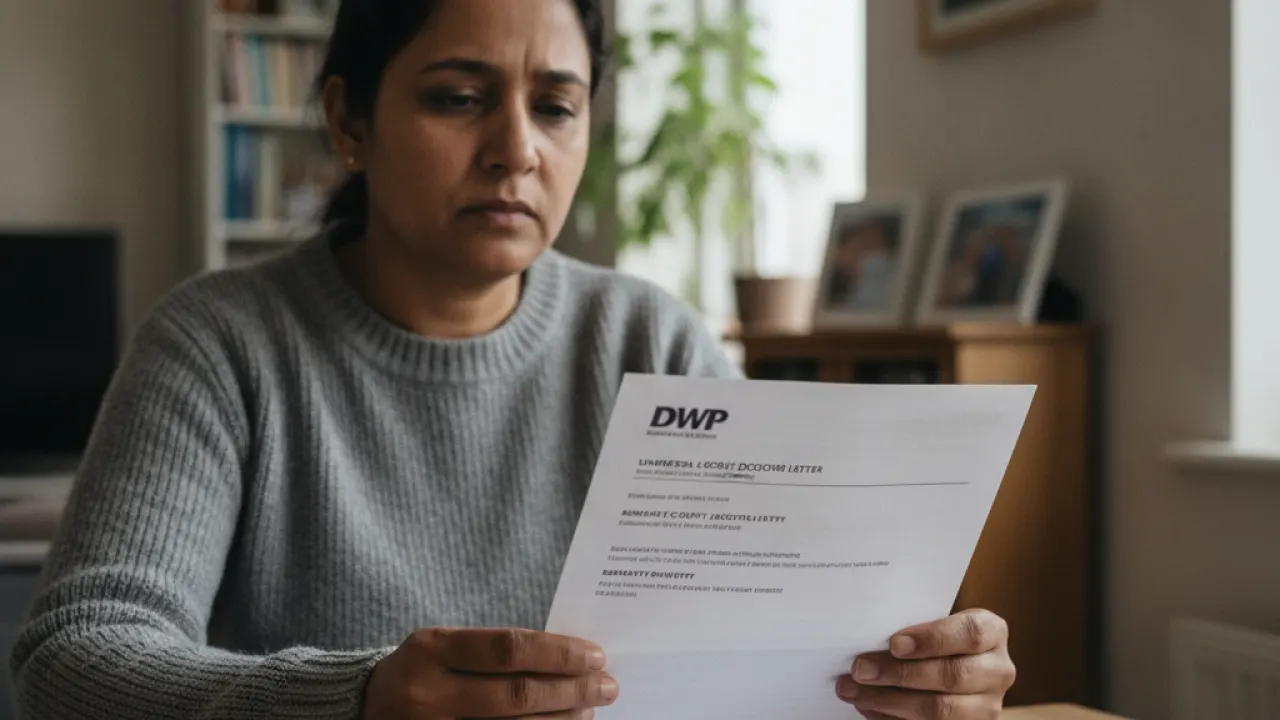
Knowing your rights as a benefits claimant matters. The DWP has specific timescales within which it must process claims and respond to mandatory reconsiderations. If a decision takes longer than the standard processing time, you have the right to request an explanation and, in some cases, a hardship payment while you wait. Citizens Advice and welfare rights organisations are well placed to advise you on your rights and to escalate cases where the DWP is not meeting its legal obligations.
At its core, knowing how to claim benefits UK residents qualify for is about accessing the financial support that exists for exactly the situations people face when life becomes difficult. Whether you are newly unemployed, living with a long-term health condition, caring for a family member, or simply finding that your income does not cover essential costs, there is likely a benefit or combination of benefits that can help. Take the time to check, claim and appeal if necessary.
If your benefits claim is refused or you receive less than you expected, you have the right to challenge the decision. The first step is to ask for a mandatory reconsideration, where the Department for Work and Pensions reviews the decision again. If the reconsideration does not change the outcome, you can appeal to an independent tribunal. The majority of tribunal appeals in the UK are successful, particularly for PIP and ESA decisions, so seeking support from Citizens Advice before your hearing is time well spent.
Frequently Asked Questions
What is the
The how to claim benefits UK is a structured approach designed to give clear, actionable steps that produce reliable results over time.
How do I start with the
Begin with the foundation steps, focus on consistency, and build intensity gradually as the plan progresses.
How long does the how to claim benefits UK take to work?
Most people notice initial improvements within a few weeks, with more meaningful results appearing after 8 to 12 weeks of consistent effort.
Is the how to claim benefits UK suitable for beginners?
Yes. The how to claim benefits UK is designed to be accessible, with progressions and modifications that let anyone start at their current level.
What are the main mistakes to avoid with the
Common mistakes include skipping the foundation phase, expecting overnight results, and not tracking progress consistently.
Help with Applications
Completing benefit applications can be complex, particularly if you have multiple conditions or a complicated financial situation. Local Jobcentres have dedicated case managers who can help with Universal Credit applications. Citizens Advice and independent welfare rights services can help with all types of benefit applications and are particularly helpful if you have been refused and need to build an appeal case. Many charities focused on specific conditions also provide benefits advice, including Scope for disability-related benefits and Age UK for older people.
If you have successfully claimed benefits or have questions about how to claim benefits UK residents are entitled to, what has your experience been? Share your tips in the comments below.
For related reading, see our guides on Benefits of Living in UK, NHS Salary 2026, Benefits of Living in UK 2026.
The how to claim benefits UK works when you follow it consistently.
This guide shows you how the how to claim benefits UK fits real life.
Start with the basics of the how to claim benefits UK and build from there.
The how to claim benefits UK removes common barriers that stop people from starting.
Follow the how to claim benefits UK for the full period to see real results.
The how to claim benefits UK scales as you get more experienced.
Sticking to the how to claim benefits UK matters more than any single step.
The how to claim benefits UK gives you a clear structure every week.
Use the how to claim benefits UK as your base and adjust it to your level.
Many people find the how to claim benefits UK easier to follow than complex alternatives.
Results from the how to claim benefits UK come from repetition, not perfection.
Keep the how to claim benefits UK simple and focus on showing up consistently.
The how to claim benefits UK works when you follow it consistently.
This guide shows you how the how to claim benefits UK fits real life.
Start with the basics of the how to claim benefits UK and build from there.
The how to claim benefits UK removes common barriers that stop people from starting.
Follow the how to claim benefits UK for the full period to see real results.
The how to claim benefits UK scales as you get more experienced.
Sticking to the how to claim benefits UK matters more than any single step.
The how to claim benefits UK gives you a clear structure every week.
Use the how to claim benefits UK as your base and adjust it to your level.
Many people find the how to claim benefits UK easier to follow than complex alternatives.
Results from the how to claim benefits UK come from repetition, not perfection.
Keep the how to claim benefits UK simple and focus on showing up consistently.
The how to claim benefits UK works when you follow it consistently.
This guide shows you how the how to claim benefits UK fits real life.
Start with the basics of the how to claim benefits UK and build from there.
The how to claim benefits UK removes common barriers that stop people from starting.
Follow the how to claim benefits UK for the full period to see real results.
The how to claim benefits UK scales as you get more experienced.
Sticking to the how to claim benefits UK matters more than any single step.