


Most people assume cheap travel means cramped hostels, miserable food, and missing out on the things that make a trip worth taking. That’s not how it works. Spending less on travel is mostly about timing, flexibility, and knowing where the real savings are. The save money on travel is the main focus of this guide.
This guide covers how to save money on travel at every stage: before you book, while you travel, on food, on accommodation, and on getting around. None of these tips require suffering through a bad trip. For more background, see Financial Conduct Authority guidance. This guide explains how the save money on travel works in practice.
Start Saving Before You Even Book
The biggest travel costs are flights and accommodation. Getting those two things right saves more money than any other tactic. That means doing your research before you commit to dates and destinations. Follow the save money on travel to get the best results.
Use Flight Search Tools the Right Way
Google Flights is one of the best free tools for finding cheap flights. Use the Explore map feature to see fares from your nearest airport to various destinations, without committing to a specific place. If you’re flexible on where to go, this often reveals flights that are 30 to 50% cheaper than your first-choice destination. The save money on travel gives you a clear starting point.
Skyscanner’s “Everywhere” search works similarly. Type your departure airport, select “Everywhere” as the destination, and set the date to “Cheapest Month.” This shows you the cheapest destinations available from your airport across the whole year. Many people search for the save money on travel because they want a simple answer.
For specific routes, set up price alerts on both platforms. Fares for popular routes fluctuate weekly. Booking when a price drops rather than when you decide you want to travel saves a important amount. Use the save money on travel as your reference point.
When to Book Flights
For international long-haul flights, booking six to nine months in advance often gives the best prices. For European or domestic short-haul, three to six weeks out is often the sweet spot. Last-minute deals exist but they’re not reliable enough to plan around unless you’re truly flexible on dates and destination. The save money on travel covers everything you need to know.
The day of the week you fly also matters. Tuesdays and Wednesdays are typically cheaper than Fridays and Sundays on most routes. A one-day shift in your departure date can save you more than cutting out checked luggage. This guide walks through the save money on travel step by step.
Consider Alternative Airports
Budget airlines often use smaller, secondary airports that are a bit further from city centres. The fare difference can be substantial. If you’re travelling to London, for example, Stansted and Luton often have cheaper flights than Heathrow, and the cost of a train or bus into the centre is much less than the fare saving.
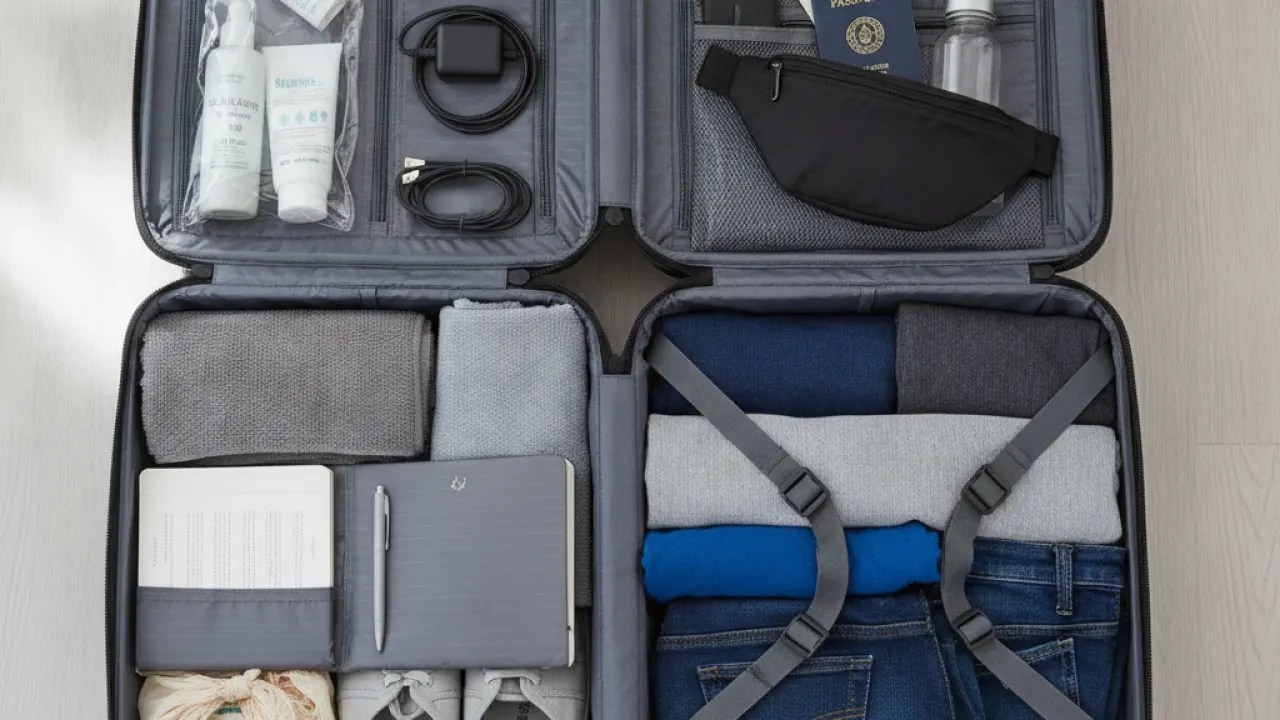
Pack Light and Save on Bag Fees
Budget airlines have made checked luggage fees a important additional cost. On some routes, a checked bag adds more to the fare than the base ticket itself. Travelling with only a carry-on eliminates this entirely. If you are looking to expand your knowledge, reading detailed breakdown of grand city mall dubai provides useful background context. If you are looking to expand your knowledge, reading detailed breakdown of grand city mall dubai provides valuable background context.
How to Pack Carry-On Only
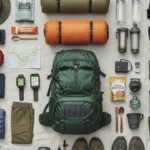
Most people pack too much. For trips up to two weeks, a well-planned carry-on is enough. Key strategies:
- Choose a neutral colour palette so fewer items mix and match into more outfits
- Pack clothes that dry overnight so you can do laundry mid-trip at a laundromat or in the sink
- Use compression bags or packing cubes to fit more into less space
- Wear your heaviest items on the plane, like boots and a jacket, to free up bag space
- Buy toiletries at your destination rather than packing full-size bottles
- Limit shoes to two pairs maximum, one for walking, one versatile pair for evenings
- Check carry-on size limits for your specific airline before you pack, they vary
If you need specific items like medication or electronics, check a detailed travel packing checklist to make sure nothing important gets left out.
Save on Accommodation Without Dropping Quality
The cheapest accommodation option isn’t always a hostel dorm. Depending on the destination, you might find a private room through a booking platform that’s better value than a hotel in the same price range.
Accommodation Options Ranked by Value
- Apartments and holiday lets often beat hotels on price per night for stays of four nights or more, especially if you’re cooking some meals yourself
- Private rooms in guesthouses are common in Asia and Southern Europe and offer far better value than equivalent hotel rooms
- Budget hotel chains like Ibis or Premier Inn offer reliable standards at predictable prices
- Hostel private rooms give you hostel prices with hotel-level privacy in most major cities
- Camping or glamping works well for nature-focused trips and cuts accommodation costs significantly
- House swapping through established platforms removes accommodation costs entirely
When to Book Accommodation
Unlike flights, accommodation often gets cheaper closer to the date in less-popular destinations. Hotels and guesthouses would rather fill a room at a discount than leave it empty. If you’re flexible, booking two or three days before arrival can get you a better room at a lower price.
For popular destinations during peak season like Santorini in August or Edinburgh during the Fringe, book well in advance. Last-minute availability in high-demand locations means paying a premium or staying somewhere inconvenient.

Eat Well Without Overspending on Food
Food is where many travellers overspend, not because they’re eating in expensive restaurants but because they’re paying tourist prices without realising it.
Where Locals Eat
The simplest rule is to walk at least two streets away from major tourist attractions before choosing a restaurant. The closer a restaurant is to a famous landmark, the more you’re paying for location rather than food quality.
Look for restaurants where locals are eating. A full room at lunchtime with few menus in English is usually a good sign. Markets and street food stalls offer excellent local food at low prices in most countries.
Eat the Main Meal at Lunch
In many European and Latin American countries, restaurants offer a set lunch menu, often called the menu del dia or plat du jour, that includes multiple courses at a much lower price than ordering the same dishes in the evening. Eating your main meal at lunch and having a lighter, cheaper dinner is one of the most effective food strategies for travel.
Grocery Shops and Local Markets
Buying breakfast items from a local supermarket cuts costs without sacrificing much. Yogurt, fruit, bread, and coffee from a local bakery cost a fraction of what hotel breakfasts charge. Picnic lunches from a market are often better than tourist restaurants and let you eat in interesting outdoor settings.

Get Around Cheaply
Transport within a destination is often an afterthought in travel budgeting. But daily transport costs add up quickly, especially in cities where taxis or rideshares are the default. Similar principles apply when reviewing detailed breakdown of naif police station, where preparation and research make a noticeable difference. Similar principles apply when reviewing detailed breakdown of naif police station, where preparation and research make a noticeable difference.
Use Public Transport
Most cities have reliable public transport that costs a fraction of taxis. A day pass or multi-day travel card gives unlimited rides and makes it easy to go back and forth without worrying about individual fares. Planning your itinerary around public transport routes also tends to take you through more interesting neighbourhoods than direct routes between tourist spots.
Walk More Than You Think You Should
Most city centres are walkable at distances that feel long on a map but take 20 to 30 minutes on foot. Walking between attractions costs nothing, gives you time to notice things you’d miss on transport, and keeps you active. Many travellers report that their best discoveries happen while walking between planned stops.
Rent a Bike or Scooter
In cities with good cycling infrastructure or flat terrain, renting a bike for the day is often cheaper than public transport and gives you far more flexibility. Many cities now have bike-sharing schemes with low per-ride costs.
Travel Insurance Saves Money in the Long Run
Skipping travel insurance to save money is a false economy. A single medical emergency, cancelled flight, or stolen bag without insurance can cost more than the entire trip. Good annual travel insurance for most people costs less than one night of accommodation.
Compare policies before buying. Coverage for medical expenses, trip cancellation, and lost luggage are the essentials. Check that the policy covers any activities you plan to do, like skiing or diving, as standard policies often exclude these.
Also check what your credit card covers. Some premium credit cards include travel insurance for trips booked on the card, which can eliminate the need to buy separate cover entirely.

Timing Your Trip to Save Money
When you travel matters as much as how you travel. Peak season prices in popular destinations can be two to three times higher than shoulder season prices for the same accommodation and flights.
Shoulder Season vs. Peak Season
Shoulder season, the period just before or just after peak tourist season, usually offers the best combination of reasonable prices and good weather. Late September in the Mediterranean, for example, still has warm temperatures and long days but far fewer crowds and lower prices than July and August.
- Mediterranean Europe: May to June and September to October are cheaper than July and August
- Southeast Asia: March to May before the monsoon season gives lower prices and fewer tourists
- Caribbean: May to early July before hurricane season is cheaper than winter peak season
- Japan: May and November are beautiful and cheaper than cherry blossom season in April
- Ski destinations: January and early February often have better snow but cheaper prices than Christmas and New Year
- City breaks in Europe: Avoid school holidays in the destination country, not just your own
Free and Cheap Things to Do
Most cities have far more free or cheap things to do than travellers realise. Museums with free entry days, free walking tours, public parks, beaches, markets, and religious sites are often the most interesting and authentic parts of any destination.
Before you pay for an attraction, check if it has a free entry day. Many major museums in Europe offer free entry one day per month or on national holidays. Research a proper step-by-step trip plan in advance to find these opportunities before you arrive. For broader insights, exploring detailed breakdown of china mall ajman will give you actionable takeaways you can apply right away. For broader insights, exploring detailed breakdown of china mall ajman will give you actionable takeaways you can apply right away.
Managing Money While Travelling
Currency exchange rates and fees eat into travel budgets in ways people rarely account for. A few simple steps save a meaningful amount. The save money on travel works when you follow it consistently.
Use a Travel-Friendly Bank Card
Several banks and fintech apps in 2026 offer cards with no foreign transaction fees and good exchange rates. Revolut, Wise, and Starling (in the UK) all offer competitive rates with no fees on overseas spending. Using a standard debit or credit card with foreign transaction fees can add three to five percent to every purchase.
Avoid Airport Currency Exchange
Airport currency exchanges offer some of the worst rates available. Withdraw cash from a local ATM at your destination instead, using a card with no foreign ATM fees. Take out a reasonable amount in one withdrawal rather than multiple small ones to minimise any per-transaction fees.
Frequently Asked Questions
What is the
The save money on travel is a structured approach designed to give clear, actionable steps that produce reliable results over time.
How do I start with the
Begin with the foundation steps, focus on consistency, and build intensity gradually as the plan progresses.
How long does the save money on travel take to work?
Most people notice initial improvements within a few weeks, with more meaningful results appearing after 8 to 12 weeks of consistent effort.
Is the save money on travel suitable for beginners?
Yes. The save money on travel is designed to be accessible, with progressions and modifications that let anyone start at their current level.
What are the main mistakes to avoid with the
Common mistakes include skipping the foundation phase, expecting overnight results, and not tracking progress consistently.
Budget Travel Is About Planning, Not Sacrifice
The travellers who spend the least don’t have a worse time than those who spend more. Often the opposite is true. Staying in locally-run guesthouses, eating where locals eat, and getting around on public transport puts you in contact with a destination in a way that expensive tourist infrastructure doesn’t.
A well-planned short break can be just as satisfying as a long expensive one. The key is deciding where you want your money to go rather than letting it dis
What’s your next planned trip, and which of these areas do you think offers you the biggest saving without changing the experience? This guide shows you how the save money on travel fits real life.
fers you the biggest saving without changing the experience?Common questions about the save money on travel
People often ask whether the save money on travel works for complete beginners. It does, because every step can be adjusted to match your current level. Start where you are, not where you think you should be.
Another common question is how much time the save money on travel takes each day. Most people spend between twenty and forty minutes on the core steps. That is enough to make progress without taking over your schedule.
Some readers wonder if they need expensive tools or subscrip
Consistency is the factor that separates people who get results from people who stay stuck. Missing one day is fine. Missing three days in a row is where momentum breaks. Start with the basics of the save money on travel and build from there.
ple who get results from people who stay stuck. Missing one day is fine. Missing three days in a row is where momentum breaks. Many readers who study this area also benefit from detailed breakdown of 20 most beautiful places in the world to ensure all key factors are covered. Many readers who study this area also benefit from detailed breakdown of 20 most beautiful places in the world to ensure all key factors are covered.Tracking progress is another habit that helps. Write down what you did, how it felt, and any small wins. Those notes become proof that the save money on travel is working, especially on days when motivation is low.
Finally, remember that the save money on travel