
Now Reading: UK Visa Rejection: Top Reasons and How to Avoid Them in 2026
-
01
UK Visa Rejection: Top Reasons and How to Avoid Them in 2026

UK visa rejection explained for 2026. The most common reasons applications are refused and practical steps to avoid them in your application.
UK visa rejection is one of the most stressful experiences for anyone applying to visit, study, or live in the United Kingdom. A refusal does not necessarily mean the end of your plans, but understanding why applications are refused and how to avoid those reasons is the most important preparation you can do before applying. This guide covers the most common reasons UK visas are rejected in 2026 and what you can do differently.
How Common Is UK Visa Rejection?
UK visa refusal rates vary significantly by nationality and visa type. For standard visitor visas from some countries, refusal rates run at 15 to 30 percent. For other nationalities with strong historical ties to the UK, refusal rates may be under 5 percent. Work and student visas from countries with strong documentary evidence and clear financial records tend to have lower refusal rates than visitor visas from countries where immigration compliance concerns are higher.
The Home Office does not publish detailed refusal rates by nationality for all categories, but the data available shows that the reasons for refusal follow consistent patterns regardless of the type of visa being applied for. Understanding these patterns helps you address them before submitting your application.
The Most Common UK Visa Rejection Reasons
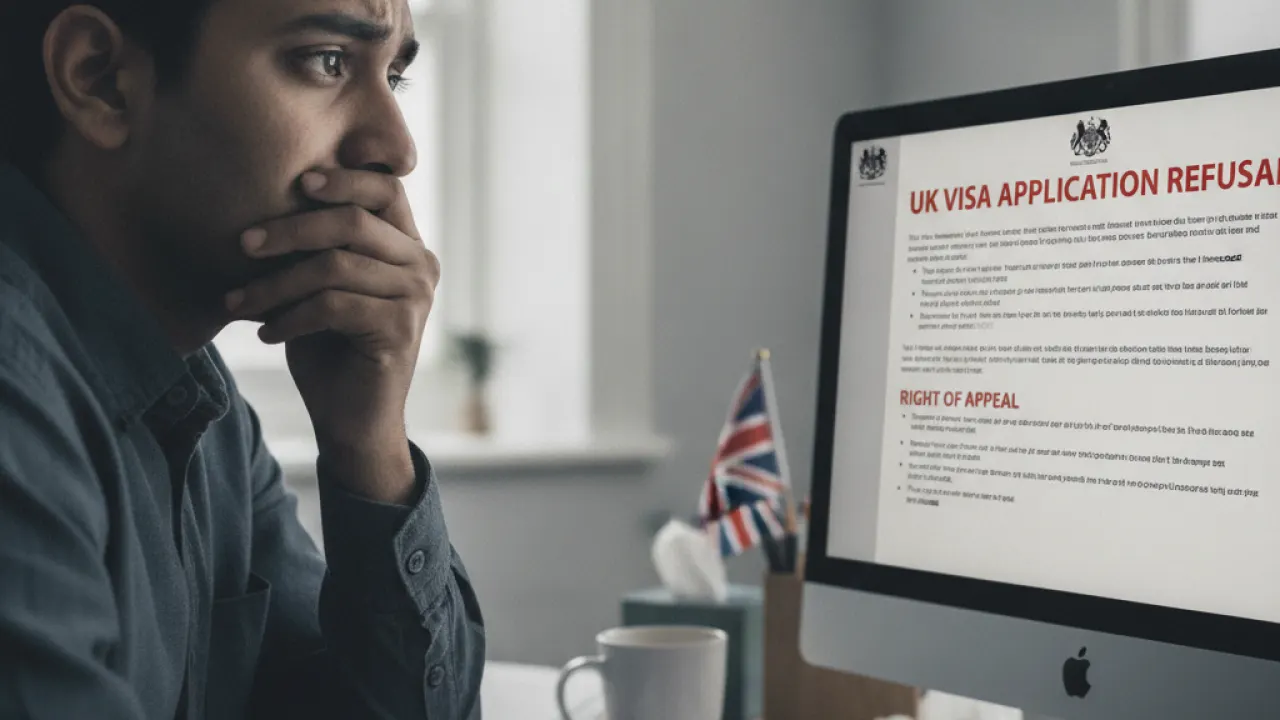
1. Failure to Demonstrate Strong Ties to Home Country
For visitor visas, the most common reason for UK visa rejection is failing to convince the visa officer that you will leave the UK at the end of your permitted stay. UK visa officers assess whether you have compelling reasons to return home after your visit. Strong ties to your home country include:
- Stable and established employment with evidence of approved leave
- Owned property in your home country
- Close family members who depend on you
- An ongoing business you manage and operate
- Evidence of regular previous travel and return from visits abroad
- Educational enrolment with upcoming exams or course requirements
Applicants who are unemployed, have no property, have no dependants, and have limited previous travel history are statistically much more likely to be refused a UK visitor visa because their situation does not demonstrate strong reasons to return home.
2. Insufficient Financial Evidence
The UK Home Office requires applicants to show they can fund their stay without working in the UK or relying on public funds. Insufficient financial evidence is one of the leading causes of UK visa rejection across all categories.
Common financial evidence problems include:
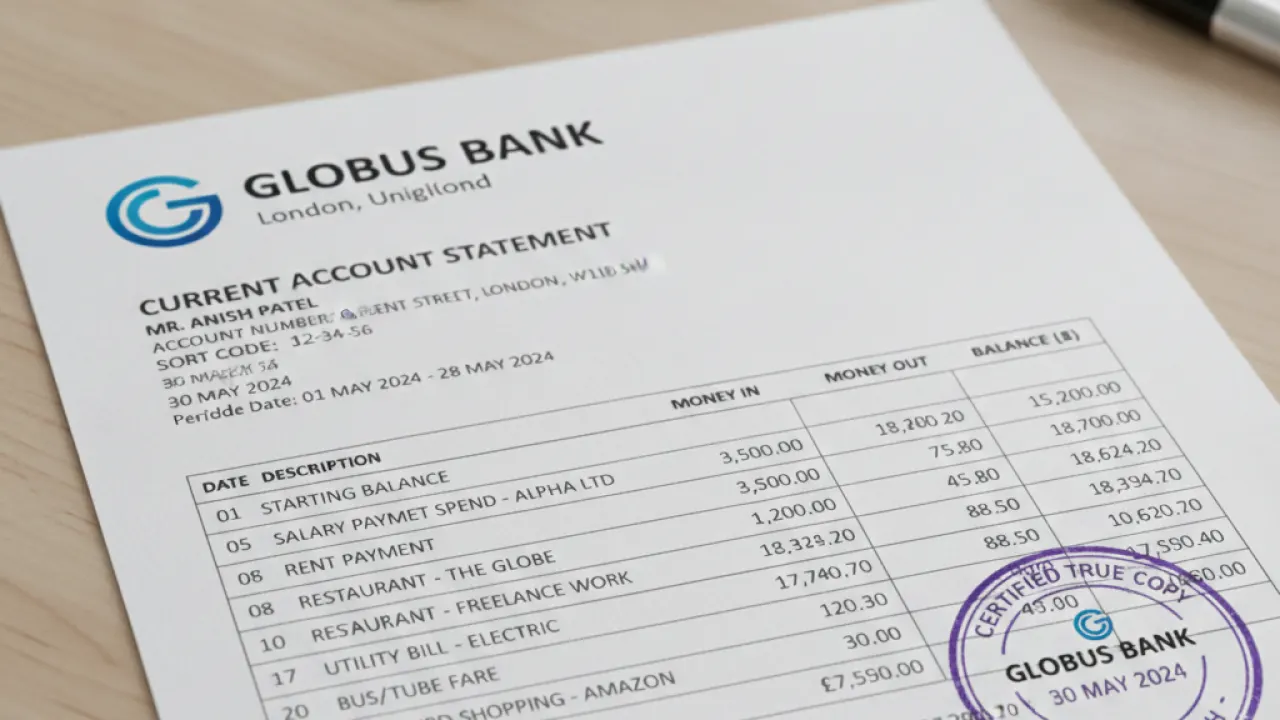
- Bank statements that do not cover the required period (usually the last three to six months)
- Bank balances that do not clearly cover the cost of the planned visit
- Funds that appeared suddenly in the account just before the application, suggesting they were borrowed
- Income that is informal or undocumented
- Significant unexplained transactions in and out of the account
- Statements from multiple accounts without a clear explanation of the relationship between them
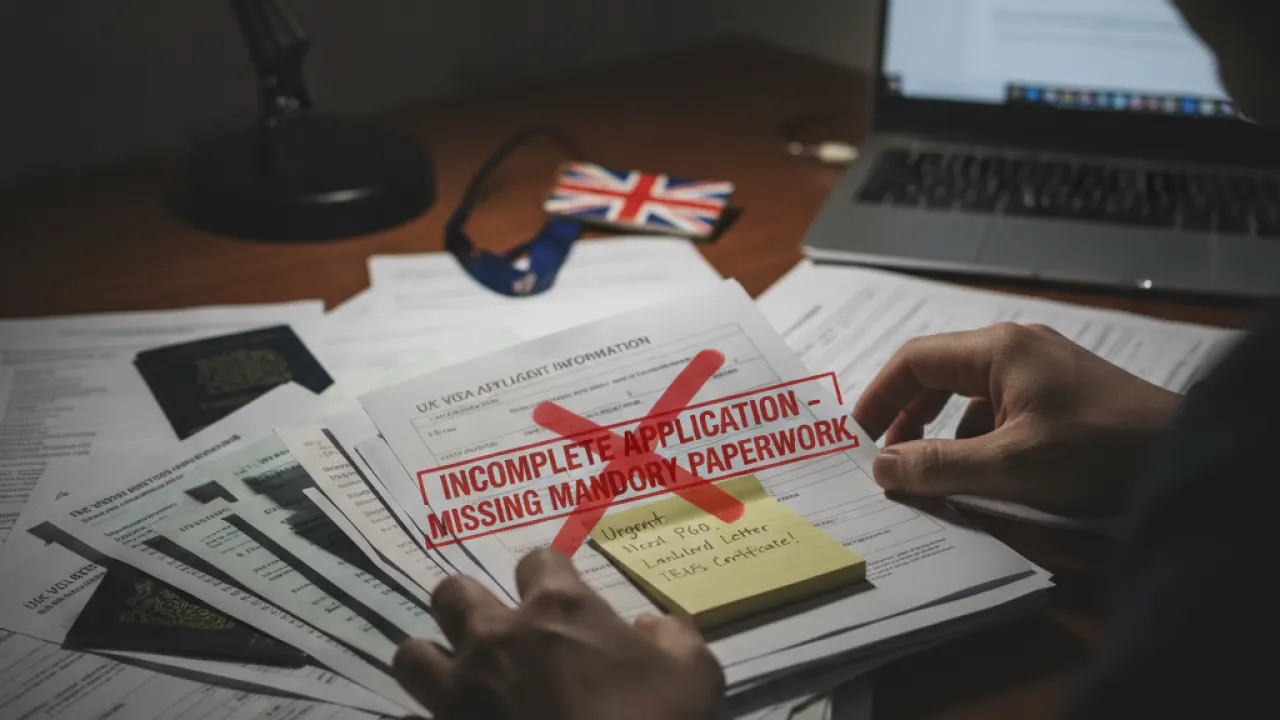
3. Incomplete or Incorrect Documentation
Missing documents is one of the most avoidable reasons for UK visa rejection. The Home Office publishes detailed lists of required documents for each visa category. Not providing all required documents, or providing documents that do not meet the specified requirements, gives visa officers grounds to refuse the application.
Common documentation problems include:
- Photographs that do not meet the specific size and format requirements
- Passport that is too close to its expiry date or has insufficient blank pages
- Missing certified translations of documents not in English or Welsh
- Employment letters that are too vague or do not confirm the specific details required
- Invitation letters that lack required information about the inviting party
- Missing sponsorship documentation when a sponsor is involved in the application
4. Previous Immigration History Issues
Any previous visa refusals, overstays, deportations, or other immigration compliance issues significantly increase the risk of UK visa rejection. The UK shares immigration intelligence with Australia, Canada, New Zealand, and the United States through the Five Eyes information-sharing arrangement. A refused visa or deportation from any of these countries may be visible to UK visa officers.
Failure to disclose previous visa refusals is itself a ground for refusal. Even if you think a previous refusal is minor or irrelevant, disclose it honestly and explain the circumstances. Concealment of material information is treated very seriously and can lead to a longer ban on applying.
5. Vague or Inconsistent Purpose of Visit
Visitor visa applications must clearly explain the purpose of the visit and provide evidence that matches the stated purpose. A vague statement like I want to visit London and see the sights is less convincing than a detailed itinerary with confirmed accommodation bookings, an explanation of specific attractions or events you plan to attend, and any planned meetings with named contacts.
Inconsistencies between the stated purpose and the evidence provided are treated as credibility issues. If you say you are visiting for a wedding but cannot provide an invitation, or say you are attending a business meeting but cannot provide a letter from the company, these gaps raise questions about the honesty of the application.
6. Medical or Criminal Grounds
The UK can refuse visas on both medical and criminal grounds. For medical grounds, this typically applies to conditions that represent a significant public health risk or that would place a significant financial burden on the NHS. TB screening is a mandatory requirement for applicants from certain countries.
For criminal grounds, offences that resulted in imprisonment for 12 months or more automatically result in visa refusal. Offences resulting in imprisonment between 12 months and four years carry a ban of 10 years. Those sentenced to four years or more face a permanent ban. Less serious offences are assessed on a case-by-case basis.
7. Poor Previous Compliance Record
If you have previously visited the UK and overstayed your visa, worked without permission, or otherwise breached your visa conditions, this creates a compliance record that will affect future applications. The Home Office has access to immigration records and entry and exit data, which makes compliance history increasingly visible to decision-makers.
How to Appeal or Challenge a UK Visa Refusal

Your options after a UK visa refusal depend on the type of visa that was refused and the reasons given:
Administrative Review
For some visa categories, you can request an administrative review if you believe the decision was made based on a legal error. Administrative review does not consider new evidence but checks whether the original decision followed the rules correctly. It costs approximately £80 and must be requested within a specific timeframe set out in your refusal letter.
Tribunal Appeal
Human rights-based applications and some other categories have a right of appeal to the First-tier Tribunal (Immigration and Asylum Chamber). This is a formal legal process and typically requires legal representation. The right of appeal will be stated in your refusal letter if it applies to your case.
Reapplying
For most visitor, student, and work visa refusals, the most practical option is to address the reasons given in the refusal letter and reapply. There is generally no waiting period before you can reapply, but submitting an application with the same weaknesses that caused the first refusal will almost certainly result in a second refusal. Read the refusal letter carefully, take professional advice if needed, and make sure every issue identified has been addressed before reapplying.
Tips to Avoid UK Visa Rejection
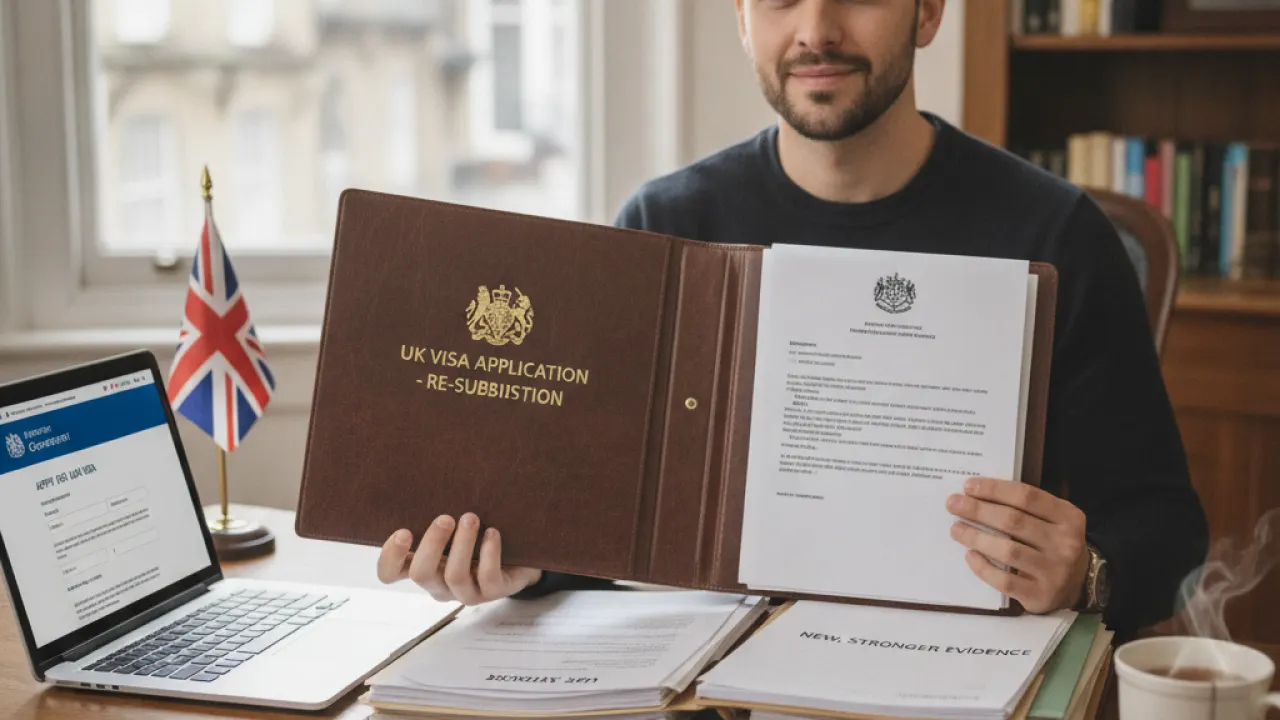
Following these steps before you apply significantly reduces the risk of UK visa rejection:
- Read the official UK government guidance for your specific visa type and create a checklist of every required document
- Prepare comprehensive bank statements showing consistent, stable finances over the past three to six months
- Write a clear covering letter explaining your purpose of visit, your ties to your home country, and your travel plans
- Provide employment confirmation on company letterhead with salary, length of employment, and approved leave dates
- Disclose all previous immigration history honestly in the application form
- Book confirmed, refundable accommodation and flights before applying to show a concrete plan
- Use a regulated immigration adviser or solicitor to review your application before submission, particularly if you have any complicating factors in your history
Getting Professional Help With UK Visa Applications
For complex cases, or for anyone who has been refused before, using a regulated immigration solicitor or adviser is strongly recommended. Only those regulated by the Office of the Immigration Services Commissioner (OISC) or a law firm regulated by the Solicitors Regulation Authority are legally permitted to provide paid immigration advice in the UK.
Be extremely cautious about immigration consultants who are not regulated. The UK has a significant problem with unlicensed immigration advisers who charge substantial fees, provide poor advice, and sometimes fabricate documents, creating serious problems for their clients including potential bans from the UK.
For more information about UK visas and travel, read our guide on best countries to visit and our article on best places to visit. You might also find useful background in our look at how to start an online business as a route that may offer alternative pathways to working internationally.
Understanding the Refusal Letter
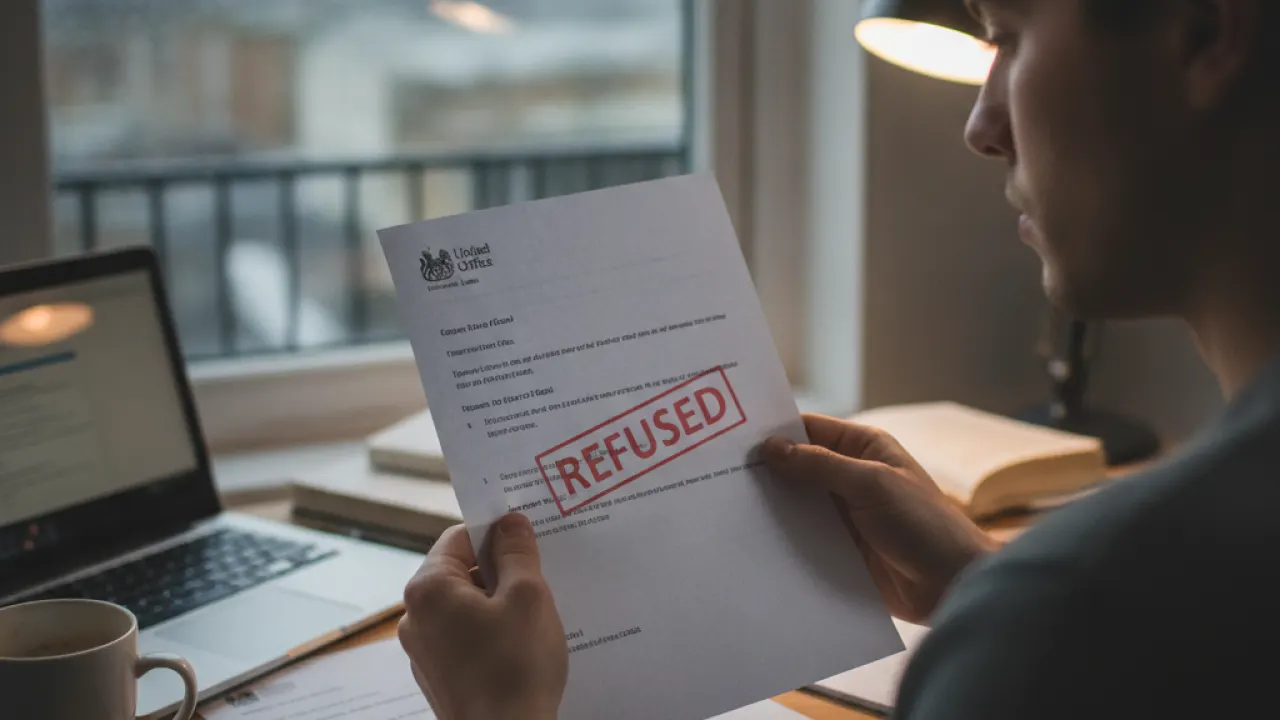
When your UK visa is refused, the Home Office sends you a refusal letter that explains the reasons for the decision. Reading this letter carefully is the most important thing you can do after receiving a refusal. The letter uses specific language that corresponds to the rules the visa officer applied to your case. Understanding what each reason means helps you address it properly.
Refusal letters often refer to paragraph numbers from the Immigration Rules. These references tell you precisely which rule the officer applied when refusing your application. If you plan to reapply or appeal, you or your legal adviser should read the relevant paragraph of the Immigration Rules to understand exactly what the officer found was not satisfied.
Some refusal letters are vague, giving reasons like the balance of probabilities suggests you would not leave the UK at the end of your visa without clearly explaining what evidence led to that conclusion. In these cases, taking legal advice to interpret the reasoning and plan your response is particularly important.
What Happens to Your Application Fee After Refusal?
UK visa application fees are not refunded if your application is refused. This is one reason why submitting the strongest possible application the first time matters so much. Paying the fee again on a second application after receiving a refusal, particularly when the Immigration Health Surcharge is involved for longer visas, can represent a very significant additional cost on top of the original application.
In very limited circumstances where UKVI fails to process your application within the stated service standard time, a partial refund may be available. However, refusals on the merits of the application are not eligible for any refund.
How to Write a Stronger Covering Letter
A covering letter is not technically required for UK visa applications, but for visitor visas and any application where the circumstances are at all complex, a well-written covering letter can make a meaningful difference. An effective covering letter for a UK visa application should:
- State your purpose of visit clearly and specifically at the start
- Explain your ties to your home country directly, naming the employer, property, family members, or other commitments that confirm you will return
- Reference your financial evidence and explain where the funds come from if this is not obvious from the bank statements alone
- Address any potential concerns proactively, such as a gap in employment or a large deposit into your account, before the officer raises them
- Confirm your understanding of your visa conditions and that you intend to comply fully with them
- Keep the tone factual and direct rather than emotional or persuasive in a sales-like way
A covering letter that explains your circumstances clearly and honestly can help offset a borderline financial position or answer questions that might otherwise lead to a refusal.
UK Visa Refusal and Future Applications to Other Countries
A UK visa refusal may affect your applications to other countries, particularly those that share immigration information with the UK. Australia, Canada, New Zealand, and the United States all ask about previous visa refusals on their application forms. Failing to disclose a UK refusal on these forms constitutes misrepresentation, which is a more serious issue than the original refusal itself.
Always answer honestly when asked about previous visa refusals on any application form. Explain the circumstances briefly and factually. A single UK visitor visa refusal from several years ago that you have since addressed is generally far less damaging than a pattern of refusals or a failure to disclose.
Have you experienced a UK visa rejection, and if so, what was the reason given? Share your experience in the comments below. Your story might help someone else prepare a stronger application and avoid the same outcome.