


The most beautiful places in the world turn a holiday into a memory built around colour, shape, light, and place. This guide shows what makes 20 destinations stand out and how to plan each visit with care.
Beauty can mean a quiet lake, a sharp mountain, a carved canyon, or a town set beside the sea. The right choice depends on the scenes you enjoy, the weather you prefer, and how active you want each day to be. Some places suit slow walks and cafe stops. Others call for boats, guided tours, or hikes on rough ground.
Use this list as a starting point, not a race to see everything. Check entry rules, seasonal access, local advice, and booking terms before leaving home. A first trip planning guide can also help with documents, packing, and simple routines. The most beautiful places in the world reward visitors who leave space in the day to look, listen, and learn.
1. Hallstatt, Austria, Among the Most Beautiful Places in the World
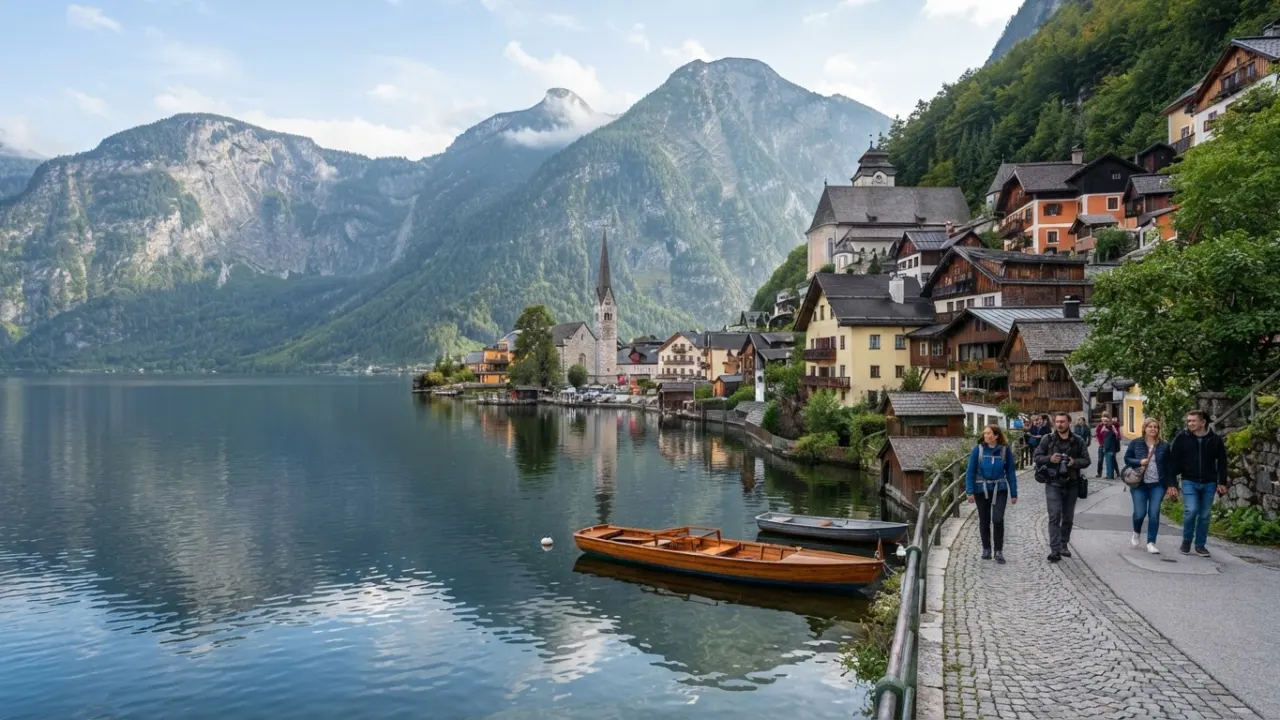
Hallstatt has a clear visual identity. Pale houses gather at the water’s edge, a church spire rises above tiled roofs, and high slopes frame the lake. Morning mist can soften the view, while clear days bring sharp reflections. These layers make the small Austrian village feel both close and grand.
Its place among the most beautiful places in the world also brings busy periods. Stay overnight if you want quieter early or late hours. Walk marked village paths, respect homes, and use public transport where it suits your route. Weather can change near the mountains, so bring light layers and shoes with grip.
2. Cinque Terre, Italy
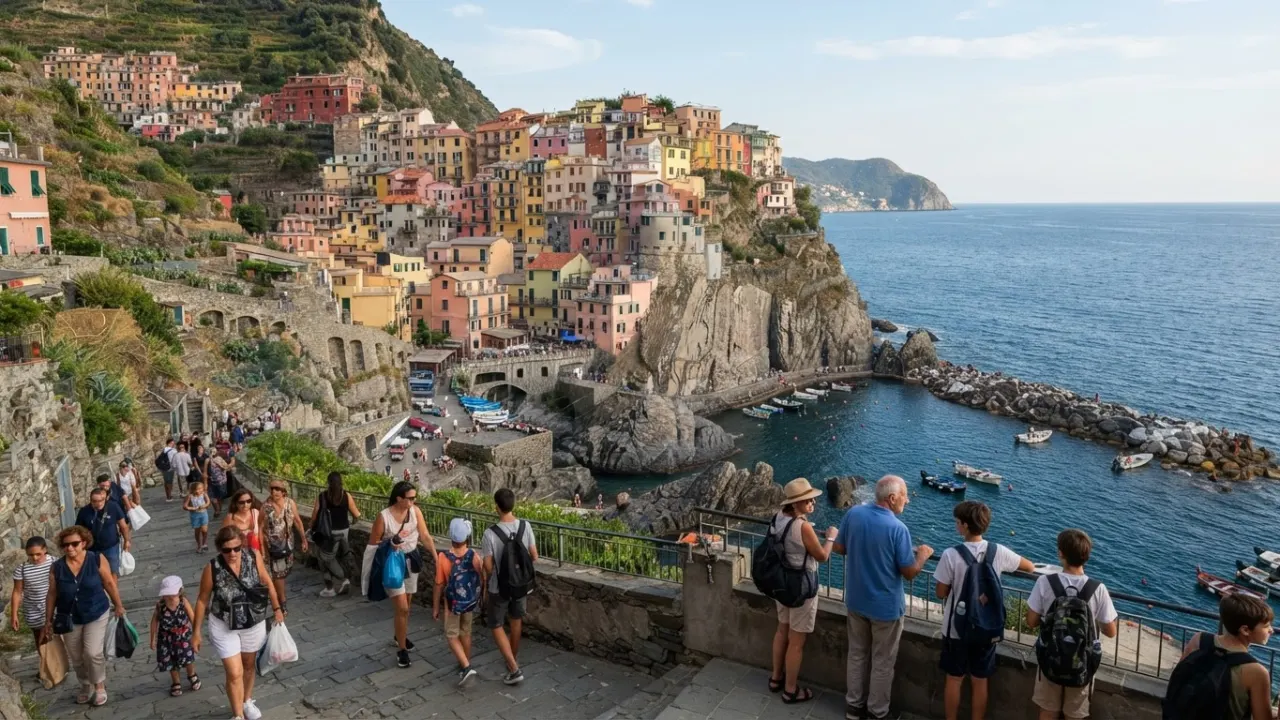
Cinque Terre is formed by five coastal villages linked by rail, paths, and sea routes. Tall homes in warm shades rise from coves and rocky points. Vine terraces cross the hills above them. The contrast between bright walls, dark rock, and deep blue water gives the area its well-known look.
For many travellers, it ranks among the most beautiful places in the world because each village offers a new angle. Check official path notices before hiking, since rain or repair work can close routes. Trains are useful for moving between villages. Pack lightly, expect steps, and choose marked paths rather than shortcuts through private terraces.
3. Patagonia, Argentina and Chile
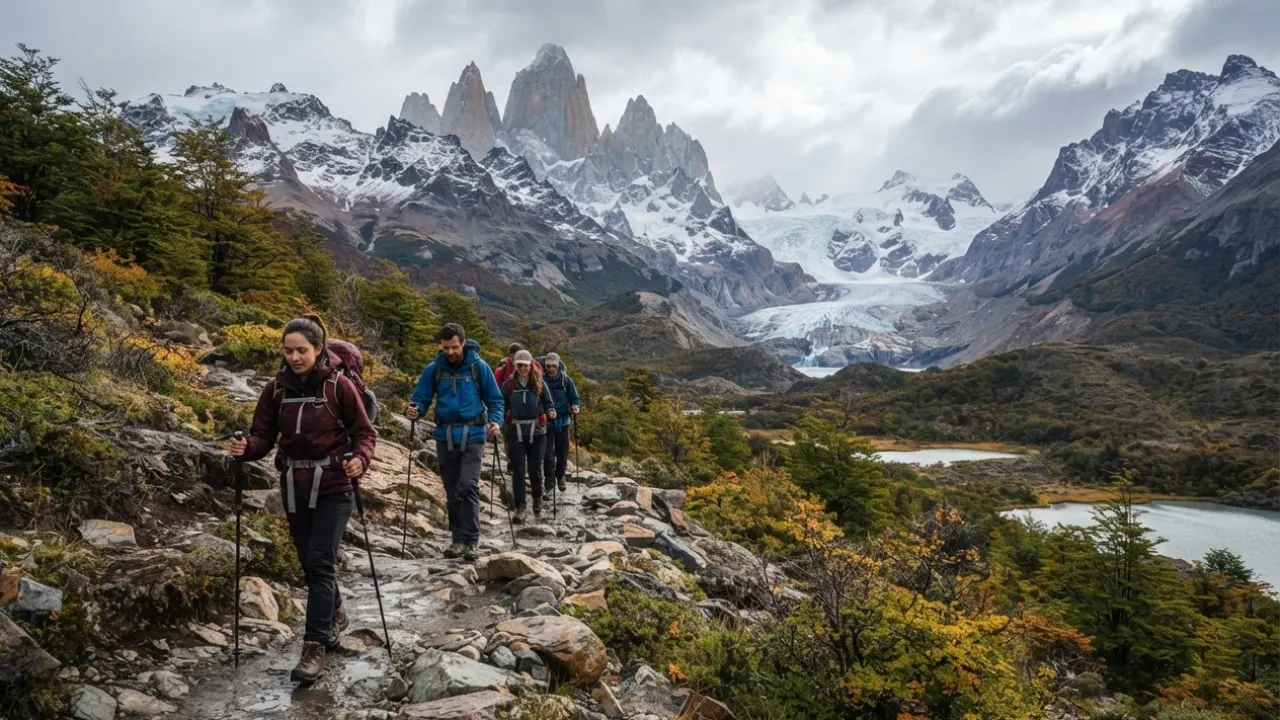
Patagonia spreads across southern Argentina and Chile, so it is a region rather than one stop. Granite towers, ice fields, dry steppe, and wind-shaped lakes create large, open scenes. Torres del Paine and Los Glaciares are famous areas, but their routes, permits, and access systems differ.
This scale helps place Patagonia among the most beautiful places in the world. Plan one area well instead of trying to cover both countries too quickly. Check park rules and seasonal opening details, then carry layers for sun, rain, and strong wind. On longer trails, match the route to your fitness and use local guides when needed.
4. Ha Long Bay, Vietnam

Ha Long Bay is known for steep limestone pillars that rise from calm water. Some stand alone, while others form clusters with caves and small inlets. Haze often adds soft depth between the rock towers. The changing gaps, shadows, and reflections make every boat view feel different.
The scale supports its place among the most beautiful places in the world. UNESCO says Ha Long Bay-Cat Ba Archipelago covers 65,650 hectares and includes 1,133 islands and islets. Choose a licensed boat operator, review its route and waste policy, and check current weather notices. A smaller route or overnight plan may offer more time to watch the bay change.
5. Lake Bled, Slovenia
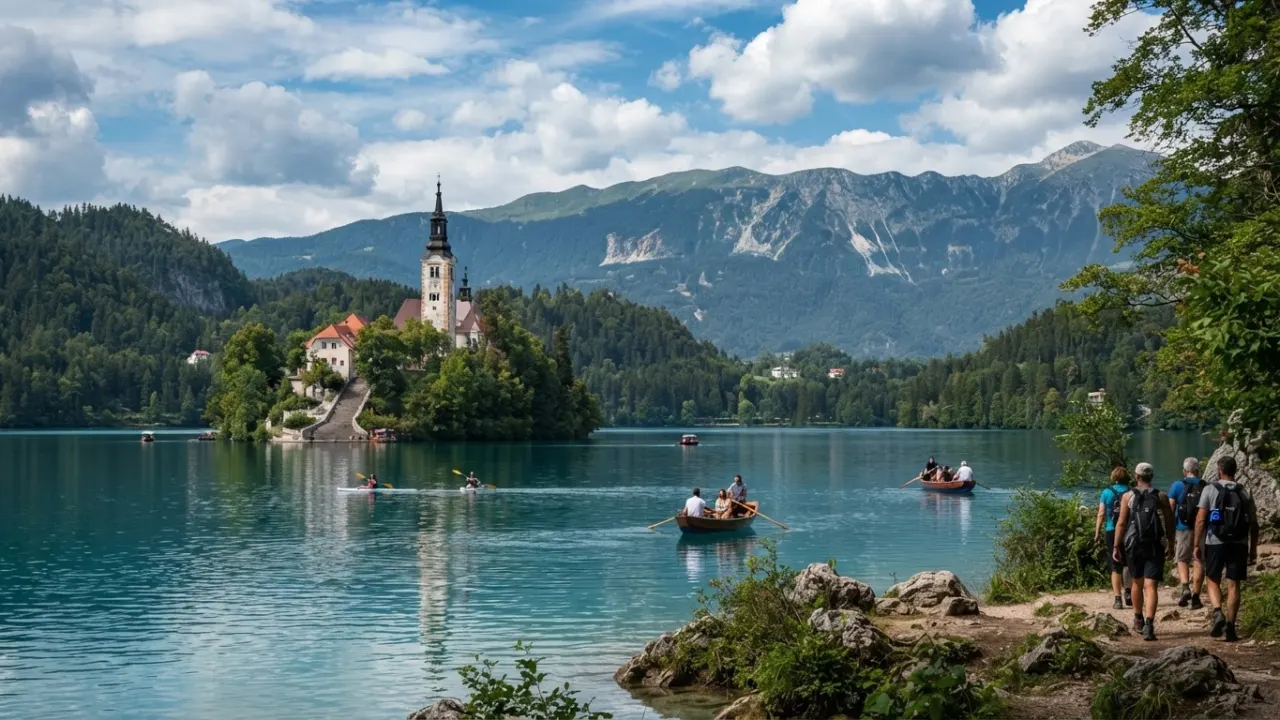
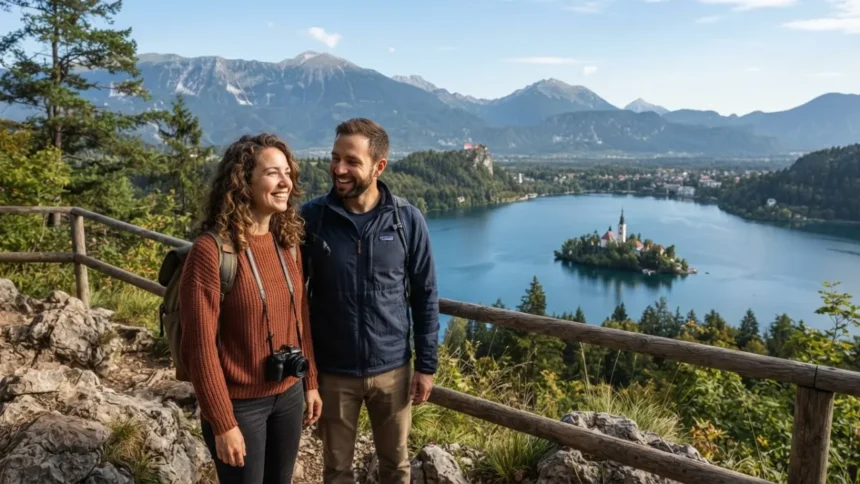
Lake Bled brings several strong features into one view. This is why it joins the most beautiful places in the world. A small church stands on a wooded island, a castle rests on a cliff, and Alpine peaks rise behind the water. The lake path reveals each feature from a new side.
It is often named among the most beautiful places in the world, yet planning can stay simple. Walk or cycle the shore if conditions suit you, and allow time for viewpoints away from the busiest stops. Boats serve the island, while buses connect the town with other parts of Slovenia. Follow local swimming and boating signs.
6. Lofoten Islands, Norway
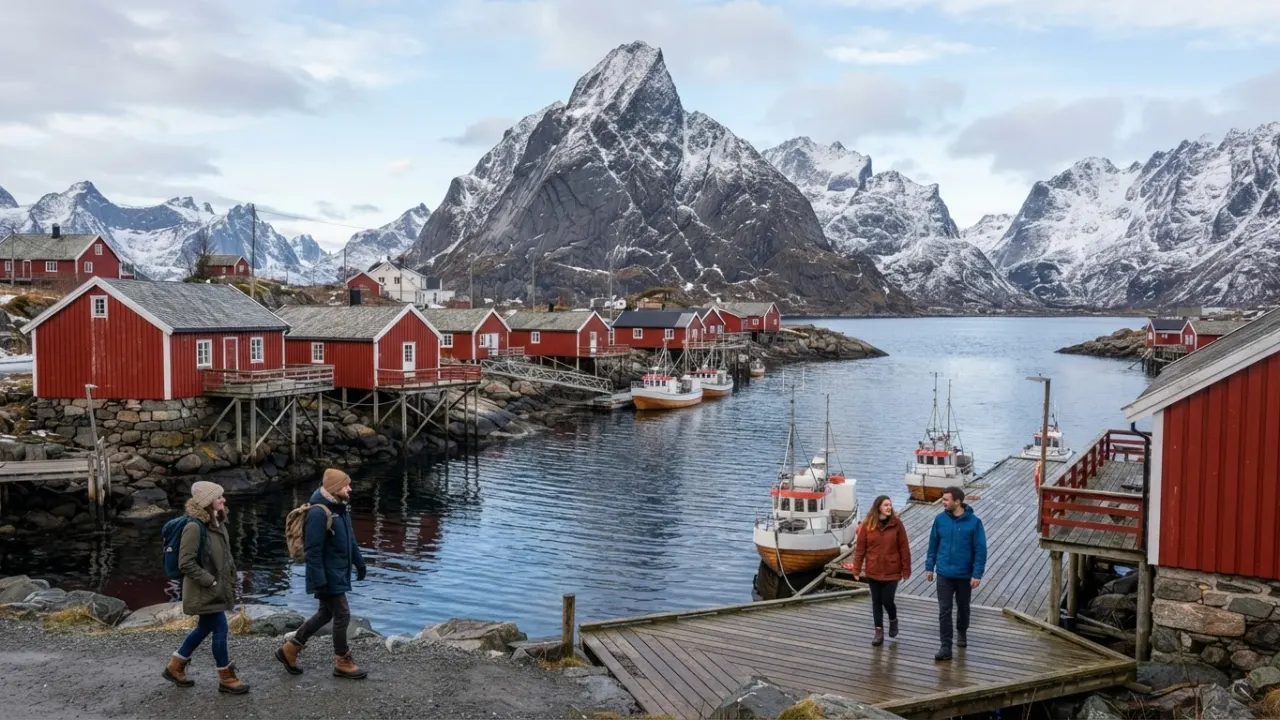
The Lofoten Islands have pointed mountains that drop toward clear coves and fishing harbours. Red cabins stand against grey rock, white beaches, and green summer slopes. In winter, low light can wash the peaks in pink. In warmer months, long daylight changes how visitors plan sleep and outdoor time.
Lofoten belongs on many lists of the most beautiful places in the world, but its roads and small communities need care. Choose a few bases and avoid stopping in unsafe roadside spots. Check hiking conditions, park only where allowed, and carry out all waste. Wind, rain, and sea fog can alter plans quickly.
7. Cappadocia, Turkiye
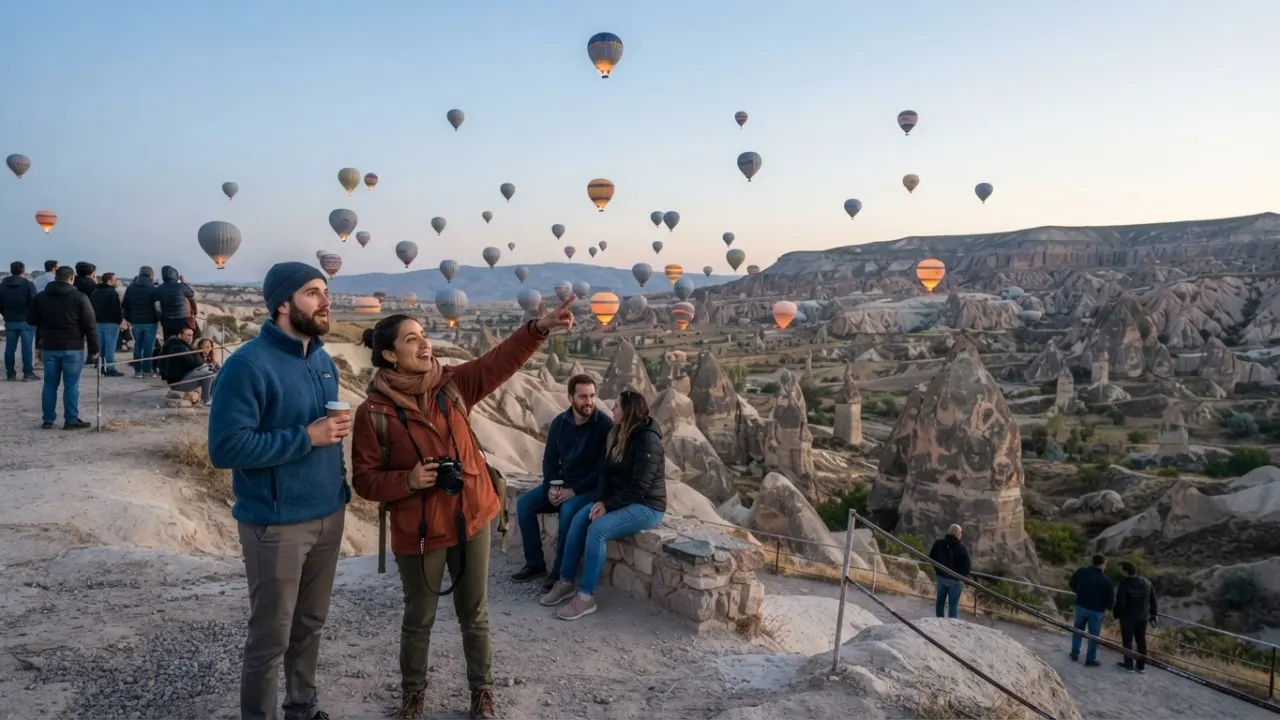
Cappadocia is shaped by soft volcanic rock, wind, water, and human hands. Cone-shaped formations fill broad valleys, while rooms, churches, and whole settlements were cut into stone. Balloons add colour overhead on suitable mornings, but the land itself remains the main sight from paths and ridge viewpoints.
As one of the most beautiful places in the world, Cappadocia deserves more than a single sunrise photo. Use marked walking routes and keep away from weak edges. Balloon flights depend on official weather approval, so do not build the full trip around one launch. Visit underground sites with care if tight spaces or stairs are a concern.
8. Kyoto, Japan
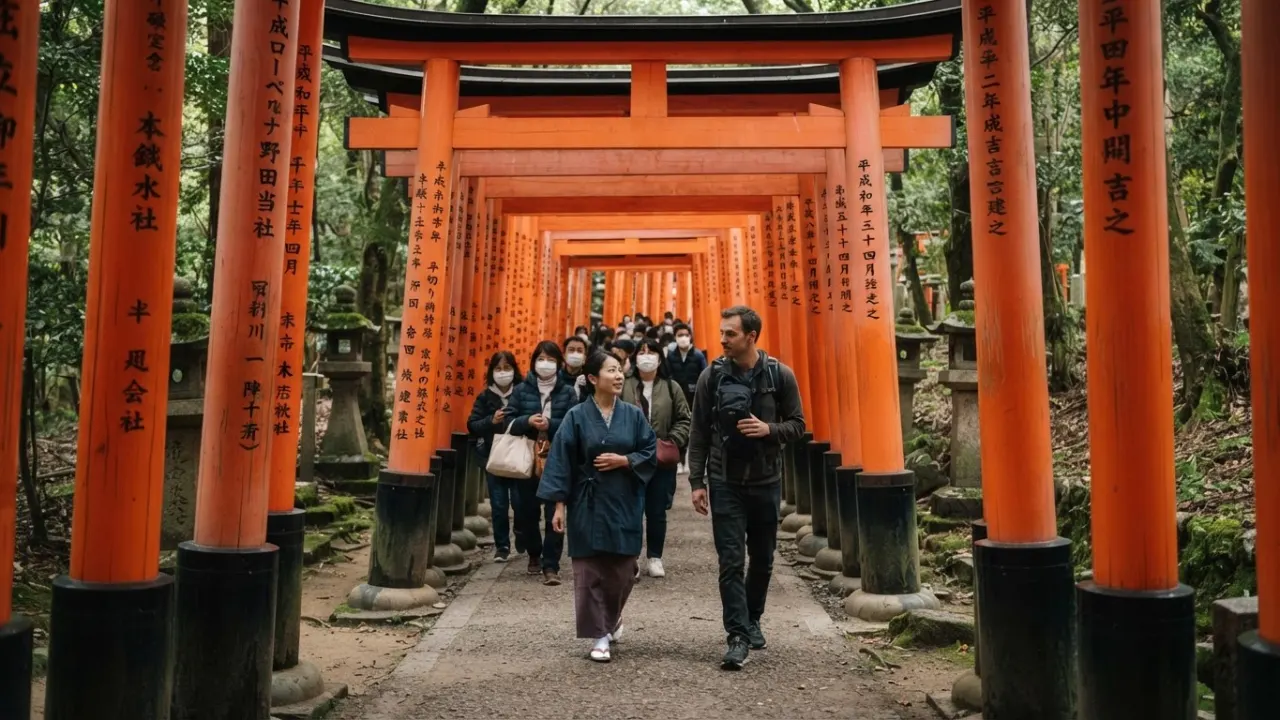
Kyoto’s beauty comes from detail and rhythm, placing it among the most beautiful places in the world. Temple gates frame garden views, narrow lanes pass wooden townhouses, and moss softens stone lanterns. Cherry blossom, green leaves, red maples, and winter snow each change the same scene. Quiet courtyards can feel as striking as famous golden halls.
Kyoto earns its place among the most beautiful places in the world through both nature and craft. Start early at popular sites, then explore smaller temples or local streets. Observe signs about photos and private lanes. Buses and trains cover much of the city, but grouping nearby sights reduces needless travel and crowd pressure.
9. Faroe Islands
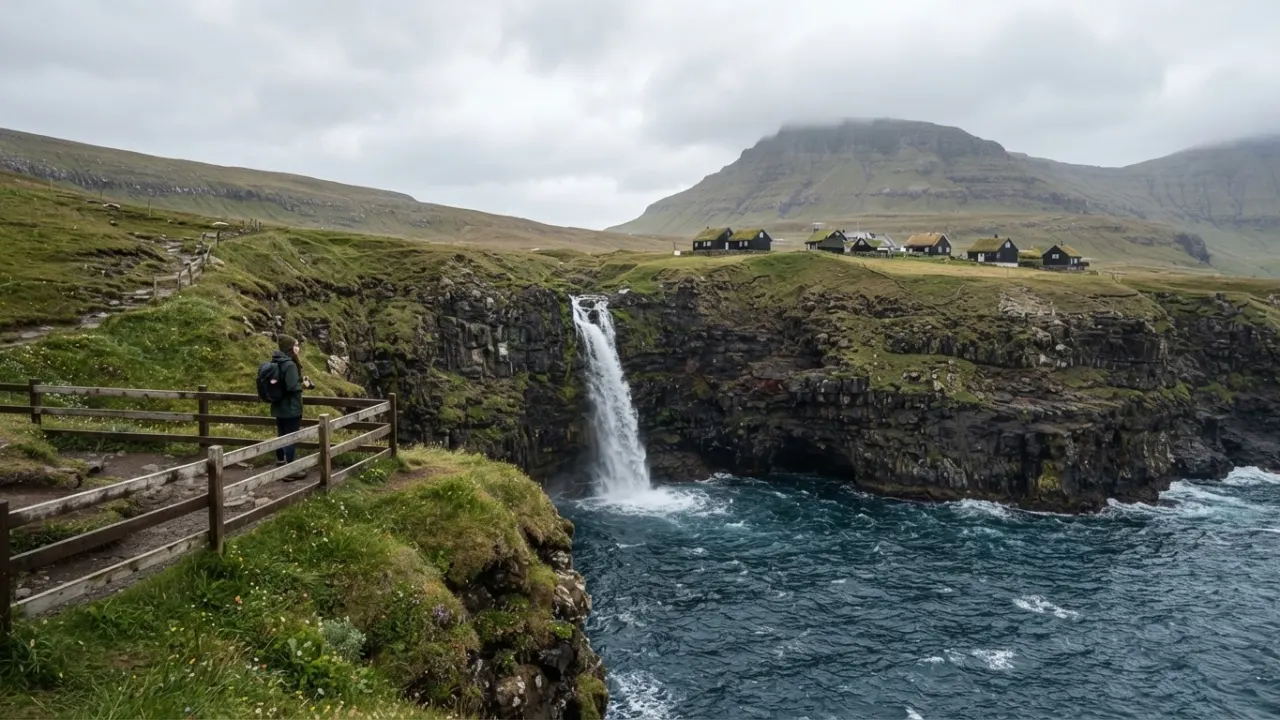
The Faroe Islands rise from the North Atlantic in steep green folds. Waterfalls fall from cliff edges, turf-roofed homes cluster beside narrow bays, and sea stacks stand offshore. Cloud and sunlight move fast across the hills, so familiar views can shift from soft grey to bright green in a short span.
That changing light puts the islands among the most beautiful places in the world. Check local rules before entering hiking land, since some routes need a fee, permission, or a guide. Wear waterproof layers and firm shoes. Keep back from cliff edges, especially in strong wind or poor sight, and never disturb nesting birds.
10. Plitvice Lakes, Croatia
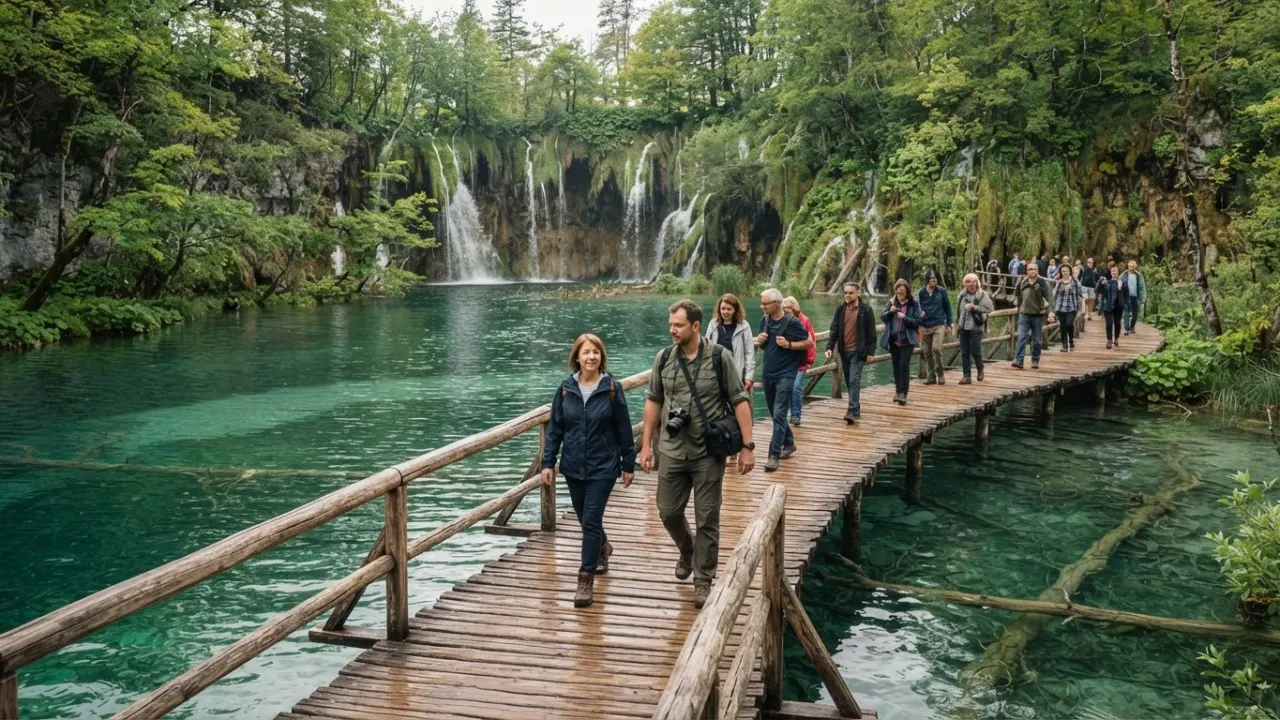
Plitvice Lakes is a chain of lakes joined by waterfalls and streams. Its colours make it one of the most beautiful places in the world. Mineral-rich water shifts between blue, green, and grey according to light and weather. Forest surrounds the water, while raised wooden paths bring visitors close to reeds, pools, and falls.
The park is one of the most beautiful places in the world for people who enjoy water and woodland together. Book the correct entrance and route for your plan, then follow the one-way signs in busy areas. Swimming is not allowed in the national park. Rain can make paths wet, so shoes with good grip help.
11. Bagan, Myanmar
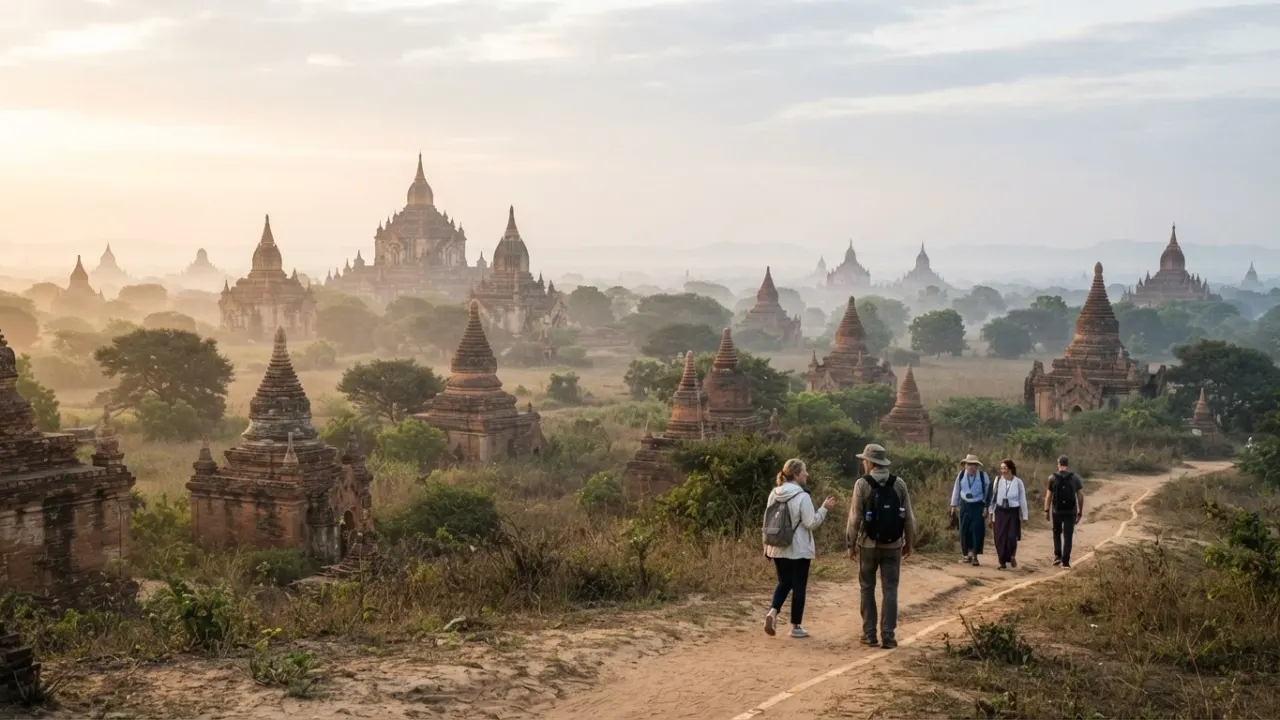
Bagan’s plain holds thousands of Buddhist monuments, from small brick shrines to tall temples with fine terraces. Warm stone and green trees stretch toward distant hills. Low sunlight brings out the shapes and gaps between the buildings, showing why this historic place has such a clear visual identity.
Bagan remains one of the most beautiful places in the world, but a visit needs current research. Check official travel guidance from your own government and trusted local notices before making plans. Conditions in Myanmar can change. If travel is advised and possible, follow site rules, do not climb closed monuments, and use authorised local services.
12. Banff National Park, Canada
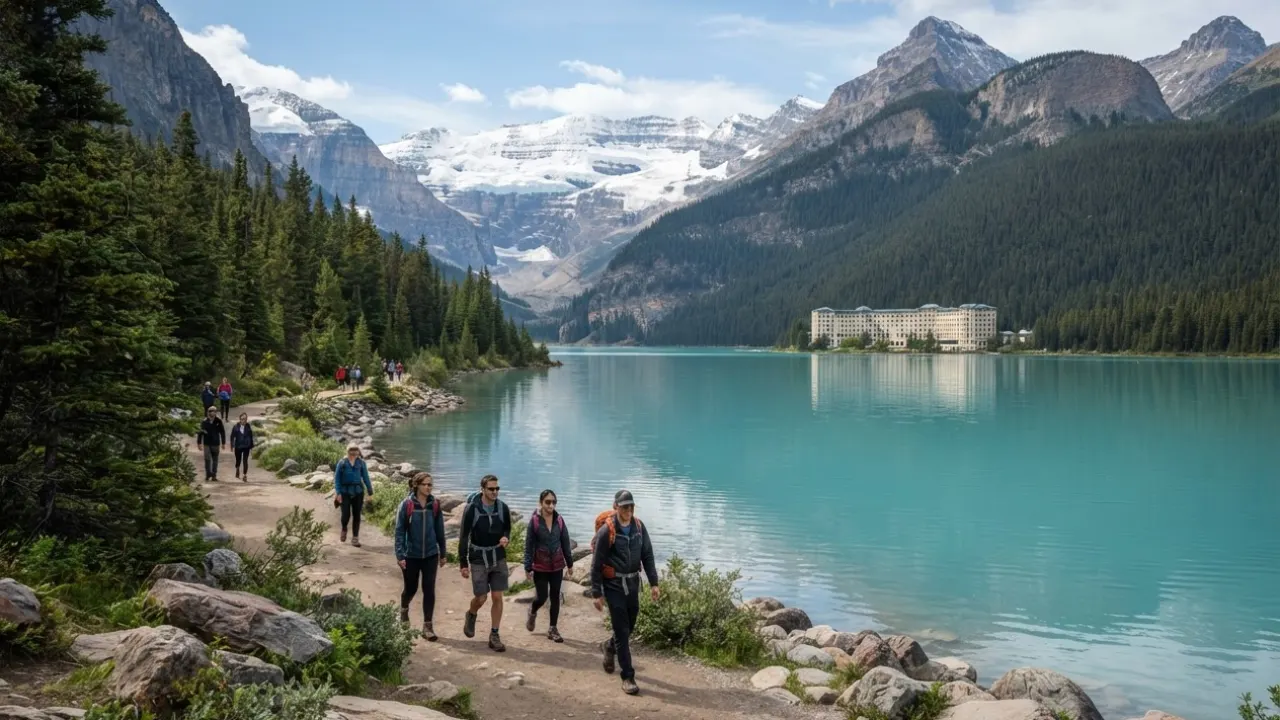
Banff National Park is defined by high peaks, glacial lakes, pine forest, and broad river valleys. It is easy to see why it ranks among the most beautiful places in the world. Water at Lake Louise and Moraine Lake can appear bright blue because of fine rock particles. Snow, cloud, and sunlight change the mood.
Banff is widely seen as one of the most beautiful places in the world. Reserve required shuttles, campsites, or park services through official channels. Keep food stored as directed and give wildlife a wide space. Trail conditions vary by season and height, so review park reports before setting out and turn back when conditions no longer suit you.
13. Antelope Canyon, United States
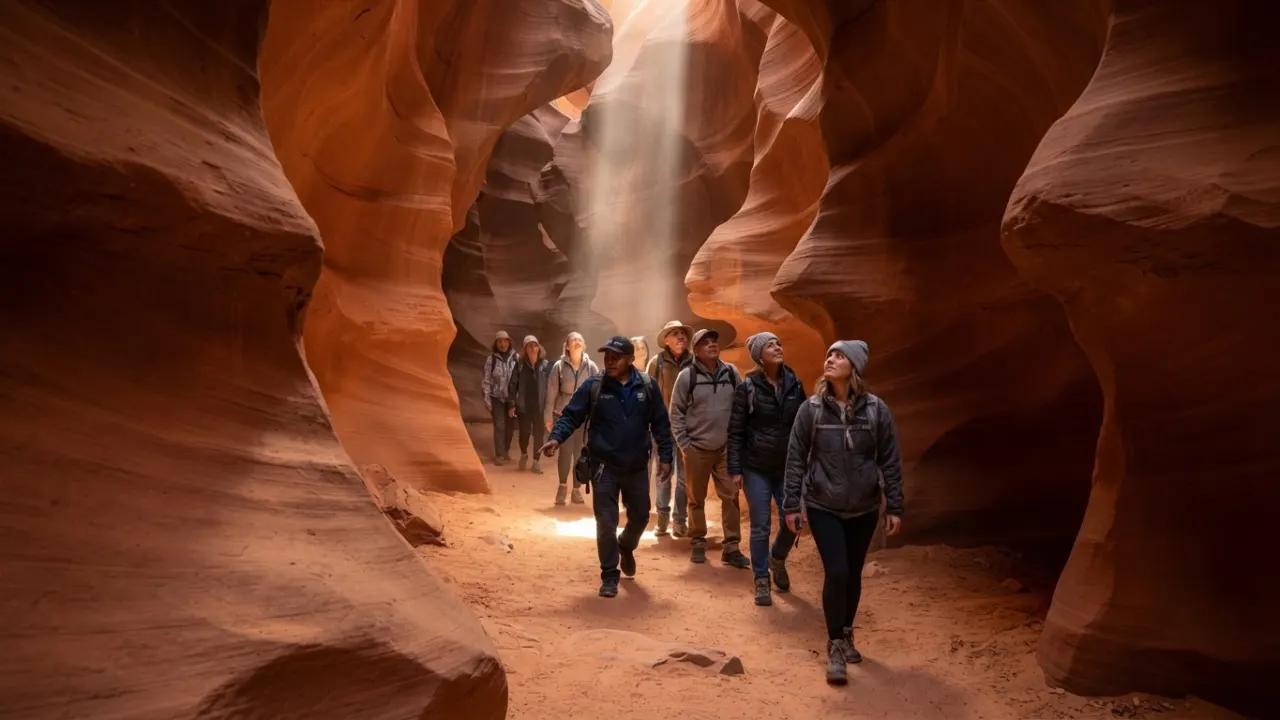
Antelope Canyon is a slot canyon on Navajo land near Page, Arizona. Its sandstone walls curve like waves, with orange, red, and purple tones appearing as light enters from above. Narrow passages and smooth rock lines make the view feel close, abstract, and unlike the open desert outside.
This is one of the most beautiful places in the world, and access is only through an authorised Navajo tour. Book with an approved operator and follow every guide instruction. Flash-flood risk controls access, even when nearby skies seem clear. For a wider regional plan, compare other places to visit in the US.
14. Machu Picchu, Peru
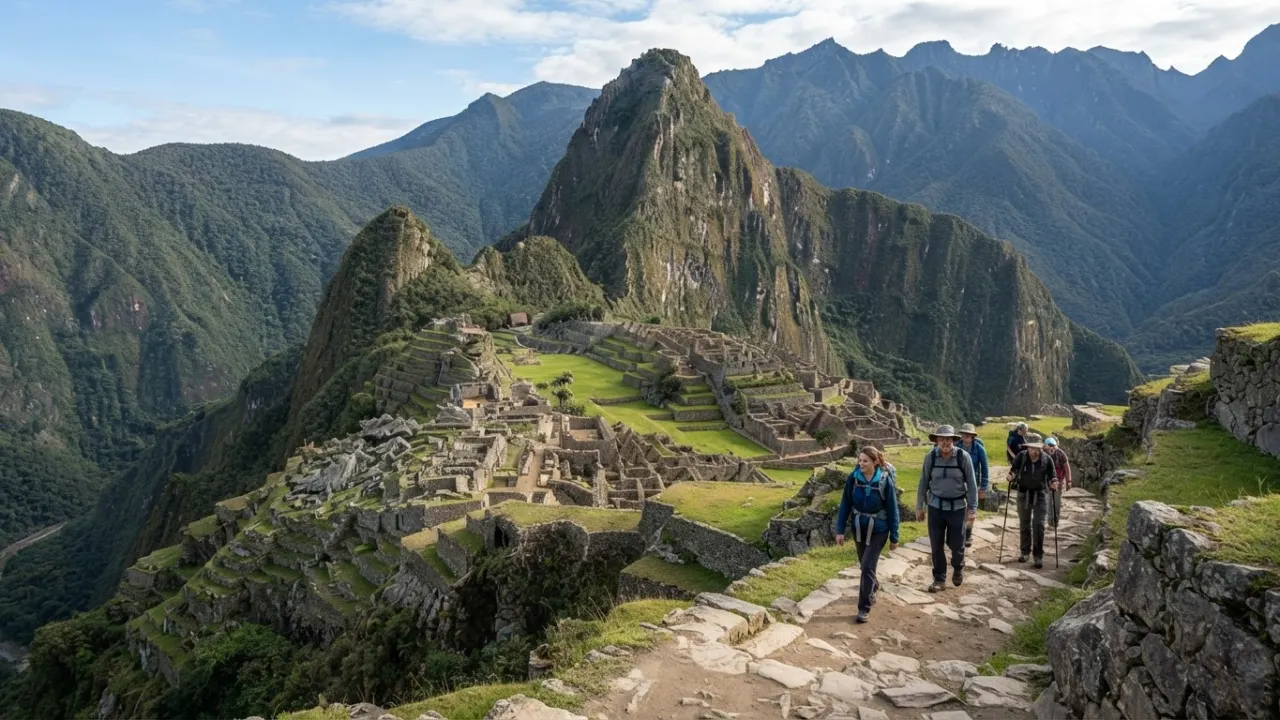
Machu Picchu sits high in the Andes, where stone walls and terraces follow a green ridge above the Urubamba valley. Sharp peaks rise around the site, and passing cloud can hide or reveal them within minutes. The bond between built form and mountain shape gives the citadel its power.
Its place among the most beautiful places in the world comes with firm visitor controls. Buy official entry for the correct circuit and date, and carry the required documents. Routes through the site are directed, so choose a circuit that matches the views you want. Allow time to adjust to altitude elsewhere in the region.
15. Santorini, Greece
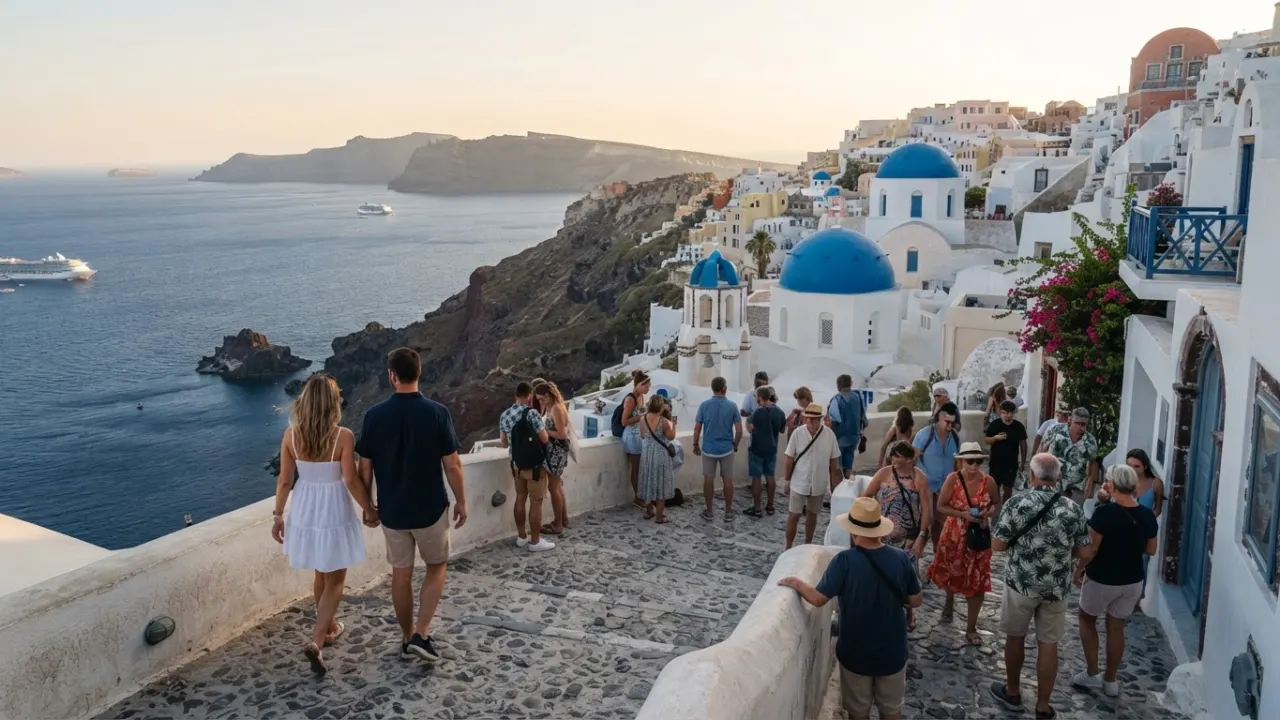
Santorini curves around a flooded volcanic caldera in the Aegean Sea. Its famous cliff view helps place it among the most beautiful places in the world. White homes cling to dark cliffs, blue domes punctuate village roofs, and lanes open onto wide sea views. Black beaches and bare volcanic slopes show another side of the island.
Santorini remains one of the most beautiful places in the world, especially when explored beyond one sunset stop. Stay on marked lanes near cliff edges and expect many steps. Buses link key villages, while boats serve parts of the caldera. Visit busy viewpoints earlier, later, or from a less crowded public path.
16. Hunza Valley, Pakistan
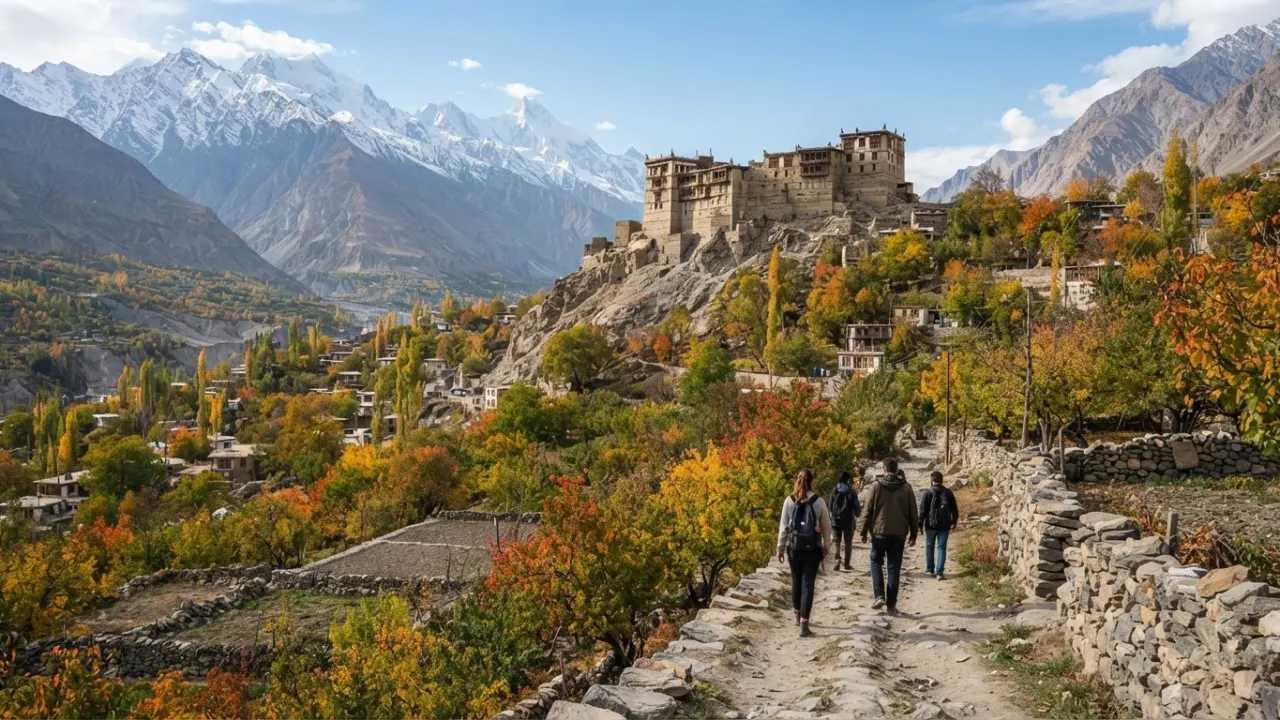
Hunza Valley is framed by some of the Karakoram’s highest and sharpest peaks. Villages, orchards, old forts, and river channels fill the lower ground. Spring blossom and autumn leaves add colour, while bare rock and ice keep the mountain scale clear. Viewpoints near Karimabad reveal these layers well.
Hunza is one of the most beautiful places in the world, but conditions and access need careful checks. Read current official travel guidance from your government before booking. Review road and weather reports through trusted local sources, and use skilled local drivers or guides where needed. High altitude and remote roads should shape a calm, flexible plan.
17. Vatnajokull, Iceland
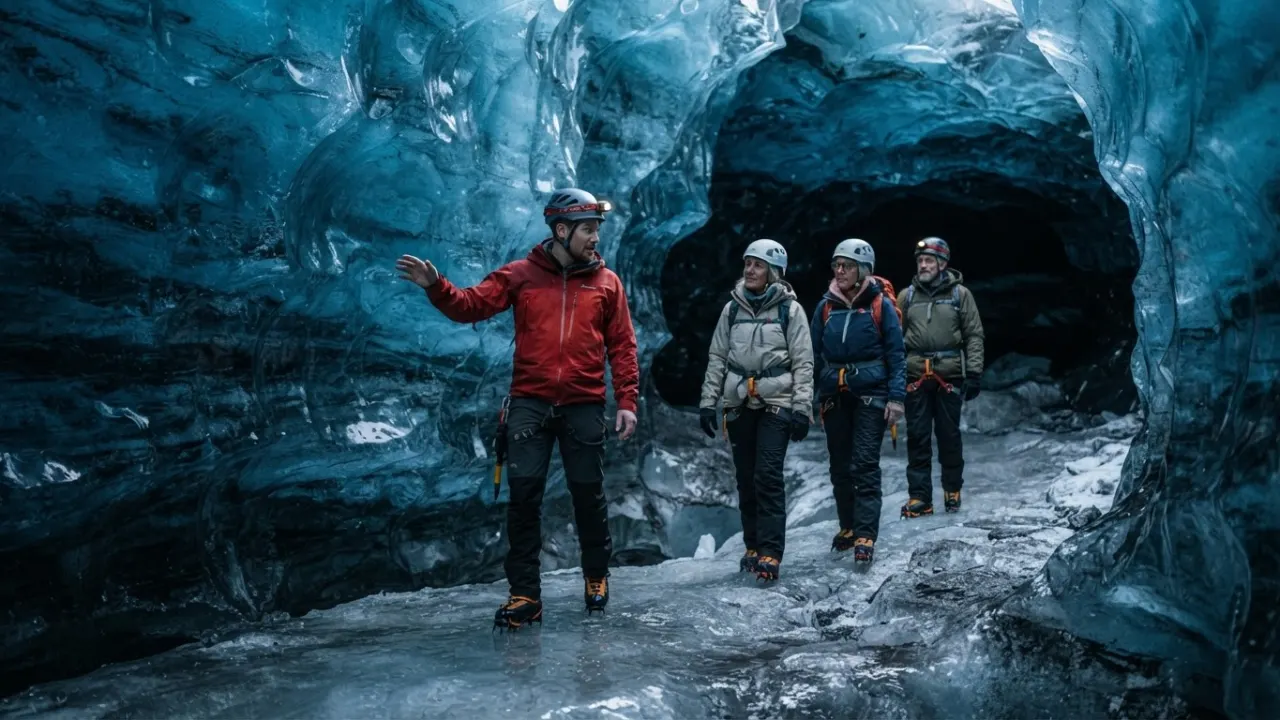
Vatnajokull is Europe’s largest glacier by volume, covering a vast part of southeast Iceland. Outlet glaciers flow between mountains toward dark plains, creating ridges, ice falls, and blue crevasses. Nearby glacial lagoons may hold floating ice, while volcanic ground adds a strong black contrast.
Vatnajokull stands among the most beautiful places in the world, but glacier travel is never a casual walk. Go onto glacier ice only with a qualified guide and when current conditions are judged safe. Use marked public viewpoints for independent visits. Check road, wind, flood, and weather notices before each outing, since conditions can shift fast.
18. Amalfi Coast, Italy
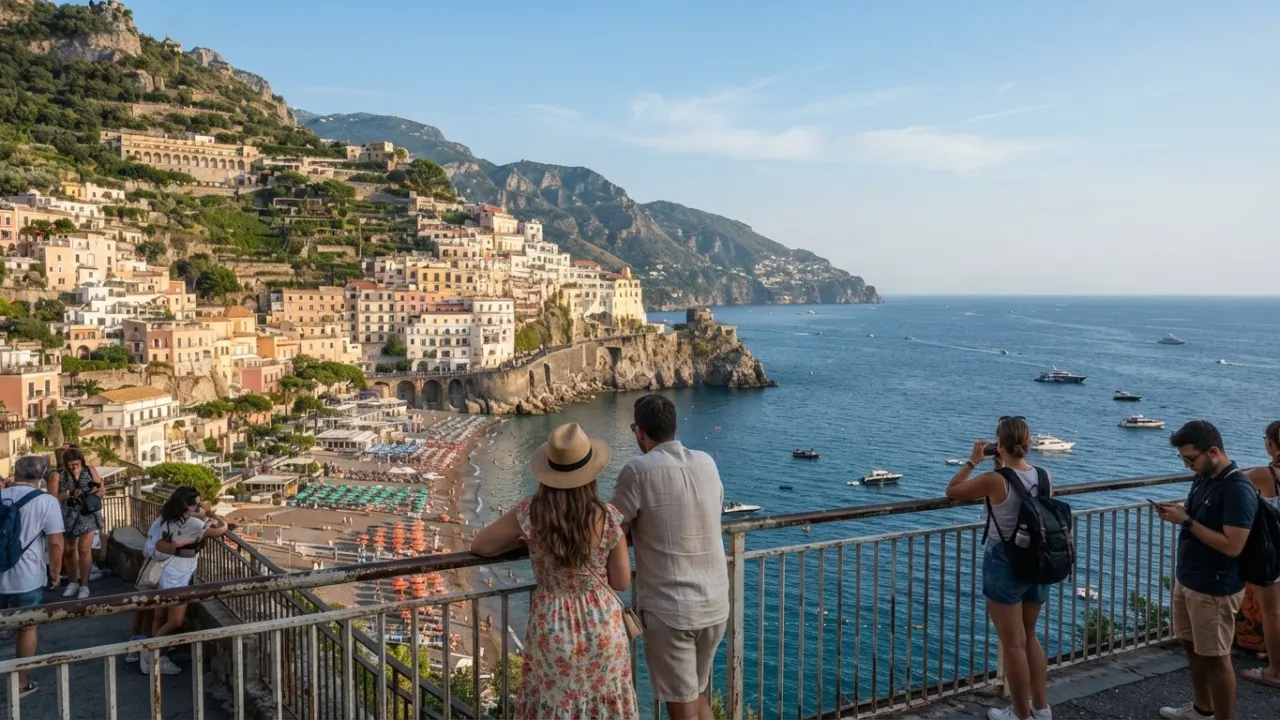
The Amalfi Coast runs along steep cliffs above the Tyrrhenian Sea. Towns stack upward from small beaches, with tiled churches, lemon terraces, and bright homes filling narrow folds in the rock. Roads and footpaths reveal sea views from different heights, while boats show how sharply the land rises.
It is one of the most beautiful places in the world and can fit a wider Italy plan. Buses, ferries, and private transfers each suit different seasons and needs. Avoid trying to visit too many towns in one day. For more country ideas, see these countries to consider for a future trip.
19. El Nido, Philippines
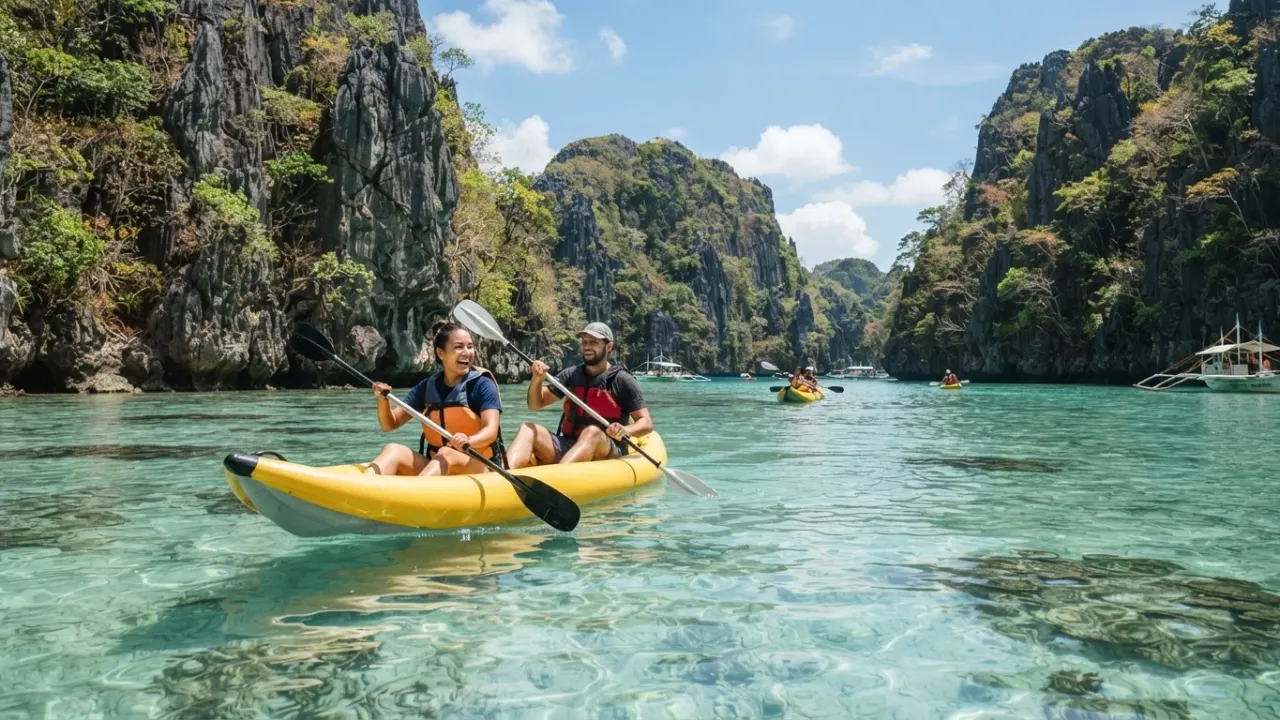
El Nido sits in northern Palawan, where tall limestone walls surround lagoons, beaches, and clear channels. Dark rock, bright water, and small strips of pale sand form a bold coastal scene. Boat routes lead through narrow gaps and around forested islands, so much of the area’s beauty is seen from water.
These features place El Nido among the most beautiful places in the world. Choose registered boat services and check which lagoons or routes are open. Weather and sea state can alter plans. Bring reef-safe sun cover, refillable water, and a dry bag. Follow local limits and never stand on coral or leave waste behind.
20. Mont Saint-Michel, France
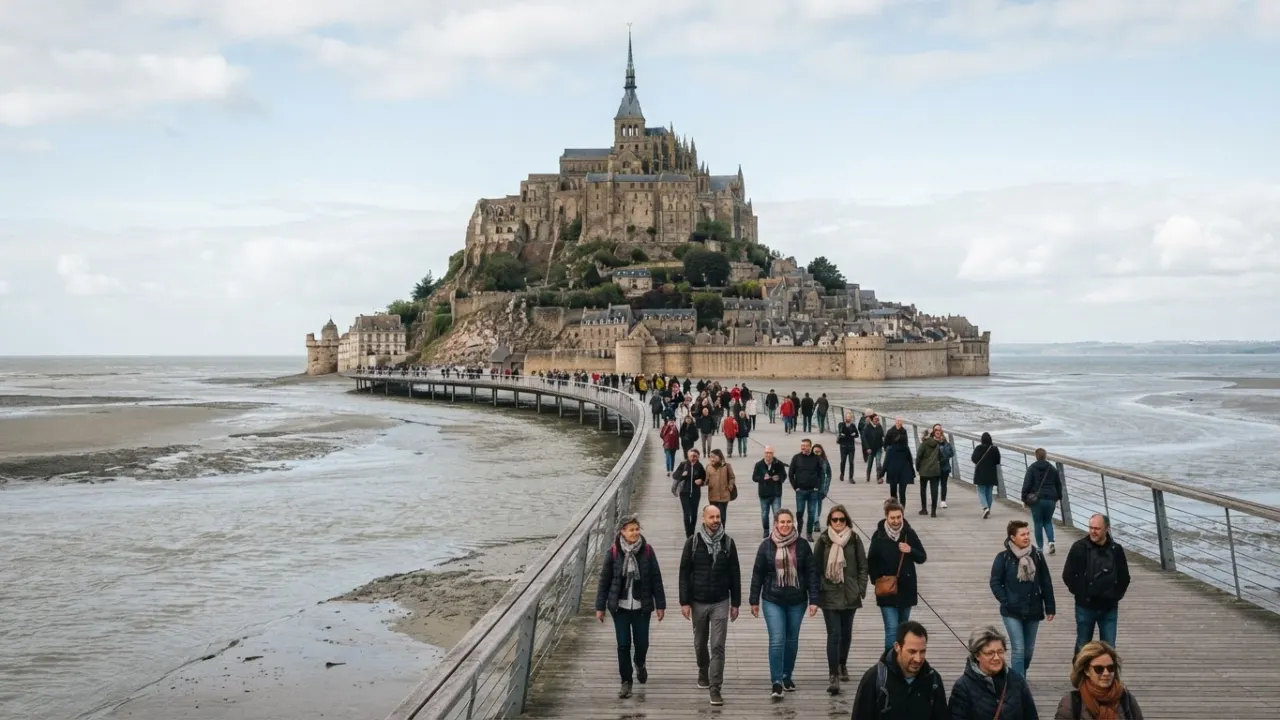
Mont Saint-Michel rises from a tidal bay off the Normandy coast. Stone homes and walls climb toward a Gothic abbey at the summit, creating a strong pointed outline from the causeway. Water, wet sand, mist, and changing light alter the setting around it through the day.
That striking form makes it one of the most beautiful places in the world. Check tide information and site opening details before visiting. Do not attempt an unguided tidal-flat crossing, since fast tides, soft ground, and hidden channels create serious risk. Inside the village, expect steep lanes and stairs. Families can compare it with other family holiday ideas.
Frequently Asked Questions
What are the most beautiful places in the world for a first big trip?
Lake Bled, Kyoto, Banff, and the Amalfi Coast can work well for a first big trip because each has clear visitor routes and several ways to explore. The best match still depends on your season, budget, mobility, and preferred pace.
How should I choose one destination from this list?
Start with the type of view you want, such as mountains, coast, old towns, or lakes. Then compare entry rules, seasonal conditions, transport, walking demands, and the amount of planning each place needs.
When is the best time to visit these places?
The best period varies by destination and by the experience you want. Check official climate records, park notices, local event dates, daylight, and likely crowd levels, then choose a season that fits your activities.
How can visitors help protect famous natural and historic sites?
Stay on marked routes, follow booking limits, carry out waste, respect homes and sacred places, and use authorised local services. These small choices reduce damage and support the people who care for each destination.
Which destination fits the trip you want to take next, and what would you like to know before planning it?