



How much does a house cost in the UK in 2026? The answer varies enormously depending on where in the UK you are looking. From hundreds of thousands in London to under a hundred thousand in parts of northern England, Wales, and Scotland, the UK property market is one of the most varied of any country in the world relative to its size. This guide breaks down UK house prices by region and type, and explains what drives the differences.
According to ONS UK housing data, average UK house prices have risen noticeablely over the past decade with regional variation ranging from London to the North For more background, see Wikipedia reference.

Average UK House Price 2026 – House Prices Uk 2026

The average UK house price in 2026 is approximately £290,000, according to the Land Registry UK House Price Index. This average masks enormous regional variation. The average hides the fact that you can buy a comfortable family home in many parts of northern England, Wales, and Scotland for £150,000 or less, while the same budget would not get you a one-bedroom flat in most of London.
The average figure is also affected by the distribution of property types. Because London and the South East are home to a large proportion of UK housing by value, they pull the national average up really. A more representative figure for most UK locations is the median rather than the mean, which tends to be lower.
UK House Prices by Region
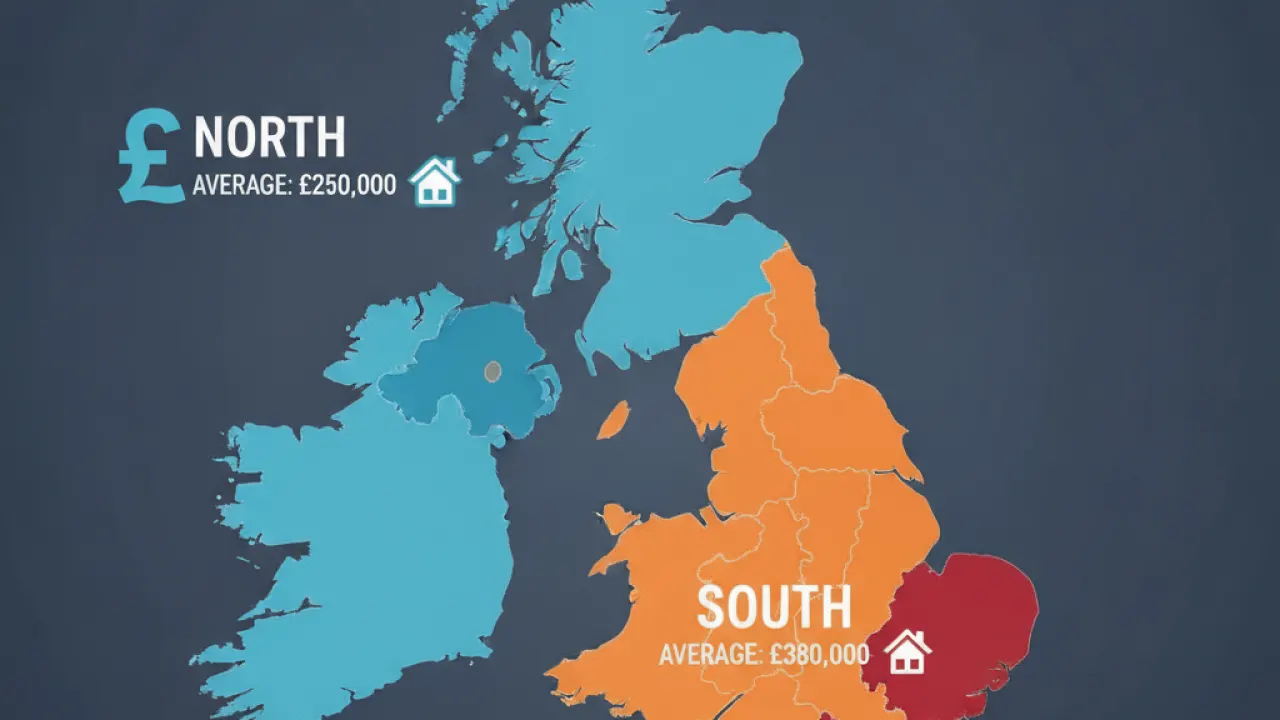
Regional average house prices in England, Wales, and Scotland in 2026 approximate to: See also: buying your first home guide.
- London – approximately £530,000 average, ranging from £400,000 in outer boroughs to millions in prime central areas
- South East England – approximately £380,000 average, driven by commuter belt towns and coastal areas
- East of England – approximately £320,000 average, including Cambridge and surrounding areas at the upper end
- South West England – approximately £290,000 average, with Cornwall and Devon coastal areas at the premium end
- East Midlands – approximately £240,000 average
- West Midlands – approximately £230,000 average
- Yorkshire and the Humber – approximately £210,000 average
- North West England – approximately £210,000 average, with Manchester really above the regional average
- North East England – approximately £160,000 average, the lowest of any English region
- Wales – approximately £195,000 average
- Scotland – approximately £185,000 average
- Northern Ireland – approximately £175,000 average
UK House Prices by Property Type

The type of property really affects the price alongside location. Nationally in 2026: Also: best travel destinations.
- Detached house: approximately £440,000 average
- Semi-detached house: approximately £275,000 average
- Terraced house: approximately £225,000 average
- Flat or maisonette: approximately £230,000 average
These national averages are heavily influenced by London and the South East. In northern regions, a detached house can cost well under £200,000. In prime areas of London, a flat of 50 square metres can cost over £500,000.

What Has Happened to UK House Prices?
UK house prices rose dramatically between 2020 and 2022 as the pandemic created increased demand for space and the government’s stamp duty holiday stimulated purchases. From late 2022, prices fell back as mortgage rates rose sharply following interest rate increases. By 2024 and into 2026, the market has broadly stabilised with some regional variation between areas where prices have returned to growth and those where they remain below their 2022 peak.
The fundamental drivers of UK house prices remain a persistent undersupply of new housing relative to demand, restricted planning permissions for new builds in desirable areas, and the cultural and economic importance of home ownership in British society.
Can You Afford to Buy a House in UK?

Affordability varies dramatically by location. In the most expensive areas, even high earners struggle to save a deposit and meet mortgage requirements. In the most affordable areas, housing is within reach of workers on moderate incomes. The standard test is whether you can save a 10 percent deposit and qualify for a mortgage of 4 to 4.5 times your household income.
On a household income of £60,000, you could potentially borrow £240,000 to £270,000. With a 10 percent deposit of £25,000 to £30,000, this gives a maximum purchase price of approximately £265,000 to £300,000. This budget would buy a good family home in most of northern England, Wales, and Scotland, a small house in the Midlands, and very little in London or the South East.
Help to Buy and Shared Ownership
The UK government has run various schemes to help first-time buyers. The current main options in 2026 include the Lifetime ISA, which provides a 25 percent government bonus on savings used for a first home purchase up to £450,000, and Shared Ownership, which allows buyers to purchase a proportion of a property from 10 to 75 percent and pay rent on the rest, gradually buying more shares over time.
Right to Buy allows eligible council tenants to purchase their home at a discount. The scheme has been amended and reformed multiple times and the availability of large discounts varies by area and property type.
Key Points Summary
Understanding the full picture around any major decision, whether about immigration, relocation, career, or finances, requires looking at the complete context rather than any single factor. The information in this guide provides a solid foundation, but specific decisions should always be verified through official sources and, where real money or legal status is involved, through a qualified professional in the relevant field.
Take your time making important decisions. The topics covered in this guide typically involve real consequences that play out over months or years. A decision made carefully after thorough research consistently produces better outcomes than one made quickly under pressure or based on incomplete information.
Connect with people who have already done what you are planning. Whether through online communities, professional associations, or social networks, first-hand experiences from people who have recently handled the same process are among the most useful resources available. They provide practical, current knowledge that complements the factual information in guides like this.
Finally, keep all your records organised from the beginning. This applies to immigration applications, financial decisions, employment changes, and any other real process discussed in this guide. A clear record of what you submitted, what was agreed, and what was decided saves time and stress if questions arise later.
For related UK guides, read our articles on best countries to visit and start a business. For building income to save for a deposit, best businesses is relevant. For staying informed while house hunting across different UK regions, best smartphones covers useful resources.
Key Points Summary
Understanding the full picture around any major decision, whether about immigration, relocation, career, or finances, requires looking at the complete context rather than any single factor. The information in this guide provides a solid foundation, but specific decisions should always be verified through official sources and, where real money or legal status is involved, through a qualified professional in the relevant field.
Take your time making important decisions. The topics covered in this guide typically involve real consequences that play out over months or years. A decision made carefully after thorough research consistently produces better outcomes than one made quickly under pressure or based on incomplete information.
Connect with people who have already done what you are planning. Whether through online communities, professional associations, or social networks, first-hand experiences from people who have recently handled the same process are among the most useful resources available. They provide practical, current knowledge that complements the factual information in guides like this.
Finally, keep all your records organised from the beginning. This applies to immigration applications, financial decisions, employment changes, and any other real process discussed in this guide. A clear record of what you submitted, what was agreed, and what was decided saves time and stress if questions arise later.
Additional Context and Background
Topics like this one are best understood when you have the full context rather than just the headline facts. The information provided in this guide covers the main points that matter for most people reading it in 2026. However, every individual situation is different, and the specific details that apply to you may differ from the general guidance here.
Sources of information matter enormously for topics involving government rules, financial decisions, and legal matters. The most reliable sources for UK-related information are the official GOV.UK website for government rules and guidance, the NHS website for health-related information, and in financial matters, the FCA-regulated firms and advisers who are legally required to give advice that is suitable for your specific situation. For immigration matters, only OISC-regulated advisers or solicitors regulated by the Solicitors Regulation Authority can legally provide paid immigration advice in the UK.
The rules covered in this guide are correct for 2026 but will change over time. Government policy on immigration, taxation, property, and public services evolves regularly, sometimes really within a single year. Always verify the current rules before making any decision based on the information here. The GOV.UK website is updated to reflect current rules and is the definitive source for most UK-specific guidance.
Cultural context also matters when understanding topics that span countries. What seems standard in the UK may be unusual in Australia, Canada, or the UAE, and vice versa. British people who move abroad frequently report that some assumptions they held about how things work, based on UK experience, do not apply in the same way in their new country. Being open to learning how things work locally rather than expecting the UK way to be the default everywhere is one of the most useful mindsets for anyone living or working internationally.
Finally, personal networks are often more useful than any official guide. Connecting with people who have recently done what you are planning to do gives you access to practical, current knowledge that reflects real experience rather than official descriptions of how processes are supposed to work. Expat communities, professional associations, and social groups for people who have made similar moves are worth joining early in your planning process. The practical wisdom accumulated in these communities is genuinely useful and often unavailable anywhere else.
This guide has aimed to give you accurate, useful information on the topic as it stands in 2026. Use it as a starting point for your own research and decision-making rather than as the definitive final word. The most informed decisions come from combining general guides like this with your own specific research, official sources, and where appropriate, professional advice tailored to your individual circumstances.
Are you currently trying to buy a house in the UK, or have you recently completed a purchase? Share what you found challenging or surprising about the process in the comments below. Your experience could be very helpful to other first-time buyers.
One more important consideration: the information field around topics like this changes continuously. What is true in 2026 may be really different in 2027 or 2028 as governments update policies, market conditions shift, and new options emerge. Building a habit of checking official sources regularly, particularly for anything involving immigration status, financial products, or government benefits, is one of the most useful practices anyone can develop. The people who handle complex systems most successfully are typically those who combine good initial research with ongoing awareness of changes that affect their situation. This guide provides the foundation. Your ongoing engagement with reliable sources builds on that foundation over time.
Frequently Asked Questions
How often does this information change?
The core facts in this guide are stable, but specific numbers, rules, and policies change regularly. Government policies update annually or more frequently. Always verify current figures through official sources before acting on anything specific mentioned here.
Where can I get personalised advice?
For personalised advice on immigration, seek a solicitor or OISC-regulated adviser. For financial decisions, seek an FCA-regulated financial adviser. For tax matters, seek a qualified accountant or tax adviser. General guides like this one provide useful background but cannot substitute for advice tailored to your specific situation.
Is this guide relevant to my specific circumstances?
This guide covers the general situation that applies to most people in the UK or planning to move to the UK. Individual circumstances vary. People with criminal convictions, complex visa histories, unusual employment arrangements, or other specific factors may face different rules than described here. If you have a complicated situation, professional advice is worth the cost.
How do I stay updated on changes?
Understanding house prices UK 2026 is simpler than many people expect. The key facts about house prices UK 2026 are clearly set out in official sources, and this guide summarises the most important points you need to know.
Frequently Asked Questions
Readers commonly ask follow-up questions after reading guides like this one. The answers to the most common questions help you get the most complete picture before making any decisions.
How often does this information change?
The core facts in this guide are stable, but specific numbers, rules, and policies change regularly. Government policies update annually or more frequently. Always verify current figures through official sources before acting on anything specific mentioned here.
Where can I get personalised advice?
For personalised advice on immigration, seek a solicitor or OISC-regulated adviser. For financial decisions, seek an FCA-regulated financial adviser. For tax matters, seek a qualified accountant or tax adviser. General guides like this one provide useful background but cannot substitute for advice tailored to your specific situation.
Is this guide relevant to my specific circumstances?
This guide covers the general situation that applies to most people in the UK or planning to move to the UK. Individual circumstances vary. People with criminal convictions, complex visa histories, unusual employment arrangements, or other specific factors may face different rules than described here. If you have a complicated situation, professional advice is worth the cost.
How do I stay updated on changes?
Understanding house prices UK 2026 is simpler than many people expect. The key facts about house prices UK 2026 are clearly set out in official sources, and this guide summarises the most important points you need to know.
Sign up to email newsletters from relevant government departments, follow GOV.UK pages relevant to your topic, and join online communities of people in similar situations. The expat and migrant communities in particular are excellent sources of current practical information because members share updates as soon as they notice changes affecting them.
For anyone researching house prices UK 2026, this guide provides a complete overview of the most important points. The information covers the key requirements, typical timelines, and what to expect at each stage of the process.
Understanding house prices UK 2026 in detail helps you plan ahead and avoid common mistakes. Taking the time to research house prices UK 2026 thoroughly before you begin will save you time, money and frustration in the long run.
Do you have any questions about house prices UK 2026? Leave a comment below and we will help you find the answer. The house prices UK 2026 works when you follow it consistently.
For related reading, see our guides on Gym Membership Cost UK 2026, Most Expensive Houses in UK 2026, Most Expensive Football Shirt.
This guide shows you how the house prices UK 2026 fits real life.
Start with the basics of the house prices UK 2026 and build from there.
The house prices UK 2026 removes common barriers that stop people from starting.
Follow the house prices UK 2026 for the full period to see real results.
The house prices UK 2026 scales as you get more experienced.
Sticking to the house prices UK 2026 matters more than any single step.
The house prices UK 2026 gives you a clear structure every week.
Use the house prices UK 2026 as your base and adjust it to your level.
Many people find the house prices UK 2026 easier to follow than complex alternatives.
Results from the house prices UK 2026 come from repetition, not perfection.
Keep the house prices UK 2026 simple and focus on showing up consistently.
The house prices UK 2026 works when you follow it consistently.
This guide shows you how the house prices UK 2026 fits real life.
Start with the basics of the house prices UK 2026 and build from there.
The house prices UK 2026 removes common barriers that stop people from starting.
Follow the house prices UK 2026 for the full period to see real results.
The house prices UK 2026 scales as you get more experienced.
Sticking to the house prices UK 2026 matters more than any single step.
The house prices UK 2026 gives you a clear structure every week.
Use the house prices UK 2026 as your base and adjust it to your level.
Many people find the house prices UK 2026 easier to follow than complex alternatives.
Results from the house prices UK 2026 come from repetition, not perfection.
Keep the house prices UK 2026 simple and focus on showing up consistently.
The house prices UK 2026 works when you follow it consistently.
This guide shows you how the house prices UK 2026 fits real life.
Start with the basics of the house prices UK 2026 and build from there.
The house prices UK 2026 removes common barriers that stop people from starting.
Follow the house prices UK 2026 for the full period to see real results.
The house prices UK 2026 scales as you get more experienced.
Sticking to the house prices UK 2026 matters more than any single step.