



Choosing the right family vacation destinations is less about activities and more about logistics. How far the kids will tolerate driving. How much queueing the adults can manage. Whether the food works for the picky eater. Whether the bedtime survives the time zone change. The best family trips share three traits. Short walking distances, easy food, and at least one daily activity that genuinely entertains both kids and adults. This guide lists the best family vacation destinations that meet all three, organised by trip style and age range. Every destination below has been chosen because real families return from it happy.
According to Wikipedia on family tourism, family holidays are the fastest-growing segment of the global travel market. That growth means more options, more marketing, and more noise. The best family vacation destinations cut through that noise because they work for parents as well as children.
What Actually Matters for Family Travel
Most family travel content focuses on what to do. The harder problem is usually what not to do. Family vacations fail when parents try to recreate their solo travel patterns with kids in tow. The kids are exhausted, the parents are frustrated, and the photos look great but no one had fun. For more on related topics, see our first-time traveller tips.
Three planning principles matter more than destination choice. First, match the pace to the youngest child. Second, build in rest days. Third, keep food simple. The best family vacation destinations make all three easy without forcing parents into a rigid schedule.
One activity per day is enough. Two for older kids. Three only on travel days where the kids will sleep most of the transit. Anything more produces a trip everyone needs a vacation from. The best trips reward a slower pace, not a packed itinerary.
Food has to be easy enough that one bad restaurant doesn’t ruin the day. All inclusive resorts, kitchen equipped rentals, and destinations with a dense restaurant scene all work. Remote destinations with limited dining options are where most family trips struggle.
Build in one true downtime day for every three days of activity. A pool day, a slow morning, a movie night. The trip everyone remembers fondly is the trip with rest built in. The best family vacation destinations make rest feel like part of the plan, not a failure of ambition.
The Big Impact Theme Park Trips

Orlando, Florida is still the standard for theme park family vacations. Disney World and Universal both pay back the planning effort. Stay inside one of the official park hotels for the time savings on transportation and the early park entry. The investment in advance planning pays back enormously during the trip. Visit between mid October and mid February to avoid the heaviest crowds and the worst Florida heat.
For families on the West Coast, Disneyland Resort in California works similarly. Smaller footprint, easier logistics, less heat. Two to three full days covers both parks comfortably. Theme parks remain some of the best family vacation destinations for kids who want clear structure and guaranteed entertainment.
Theme park trips work best for kids 6 to 12. Younger kids tire faster and miss the height requirements on the best rides. Older kids start to find the format predictable. The sweet spot age is real. For that age group, Orlando and Anaheim remain some of the best family vacation destinations on the planet.
National Park Family Trips That Actually Work
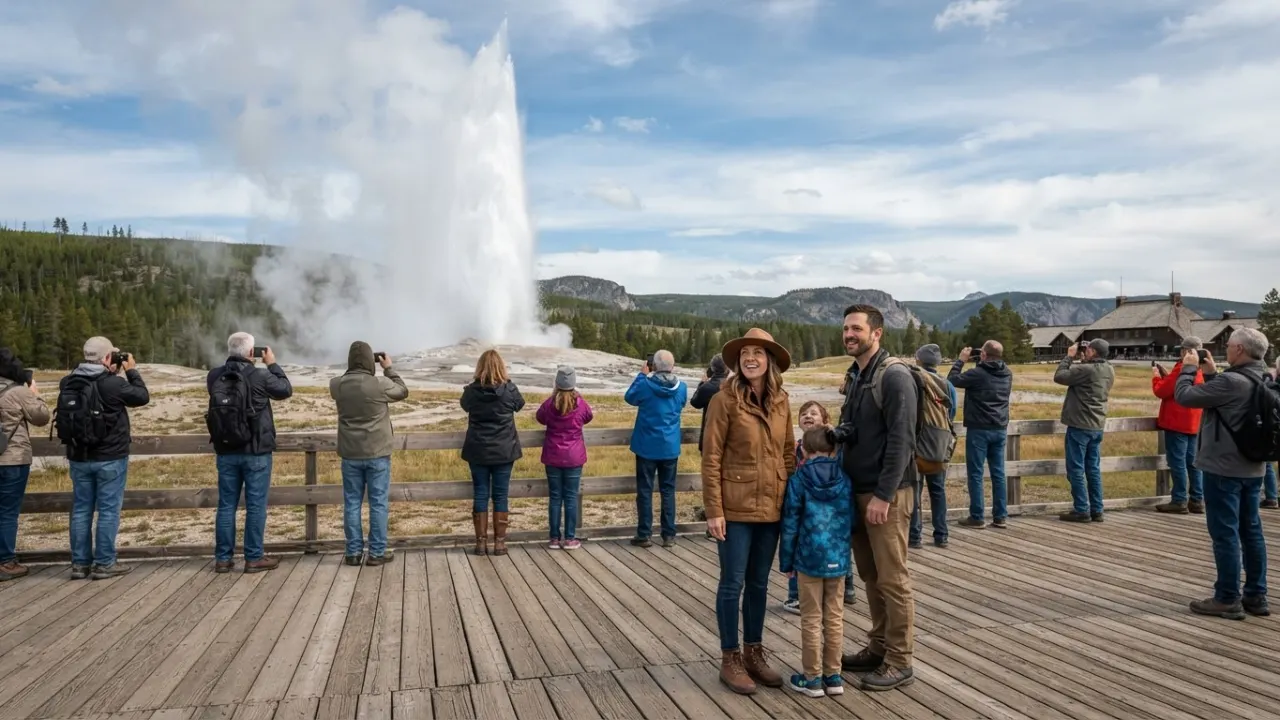
Four national park destinations consistently produce strong family trips for the widest age range.
- Yellowstone National Park. Geysers, bison, hot springs, and one of the most active wildlife environments in the lower 48. Best for families with kids 7 and older. Arrive at gates before 8 AM to beat traffic. It is one of the best family vacation destinations for nature-loving kids.
- Acadia National Park, Maine. Atlantic coast hiking with carriage trails, blueberry patches, and lobster shacks. Best in September when crowds thin.
- Zion National Park, Utah. Easy shuttle access, dramatic slot canyons, and family friendly hiking trails. Best in March or April for cooler weather.
- Grand Teton plus Yellowstone combo. Pair the two. Six to seven days total. The geysers and the dramatic peaks together produce one of the strongest field combinations for kids.
The America the Beautiful Pass costs $80 a year and covers entry fees at every federal site. It pays for itself after two parks. Buy at the first gate. National parks are some of the most budget-friendly best family vacation destinations in the United States. They also give kids space to move, explore, and burn energy without structured entertainment.
Beach and Resort Destinations That Work for Everyone

Five beach destinations consistently deliver across the widest family age range.
- Aruba. Consistent sunshine, calm shallow water, and a high concentration of family resorts. The most reliable Caribbean beach trip outside hurricane season.
- The Algarve, Portugal. Cheap by European standards, family friendly, and uncrowded outside July and August. The most underrated European family beach destination.
- Phuket, Thailand. Resorts with kids clubs and excellent food, with prices lower than Caribbean equivalents. Best from November through March.
- The Riviera Maya, Mexico. Short flights from much of North America, all inclusive options, cenotes and Mayan ruins for day trips.
- The Big Island of Hawai’i. The least crowded of the Hawaiian islands, with black sand beaches, snorkel reefs, and volcano viewing.
Beach and resort trips work because they combine downtime with easy activities. The best family vacation destinations in this category also have good food options outside the resort, so you are not trapped in one restaurant for a week. Beach trips also adapt easily to different budgets, from budget rentals to luxury all inclusives.
International Family Trips Worth the Long Flight

Long haul international family trips reward families with kids 7 and older. Younger kids generally don’t remember the trip enough to justify the flight cost. The destinations below work especially well and rank among the best family vacation destinations for families ready to travel farther.
Tokyo, Japan. The safest big city in the world. Themed restaurants, kid focused experiences from anime to ramen tasting, and a public transit system that older kids will genuinely love. Best for kids 8 and older. Spring or autumn for the most comfortable weather.
Costa Rica. Wildlife in the Arenal and Monteverde regions, beaches on both Pacific and Caribbean coasts, and a strong network of family friendly resorts with kids clubs. Two regions across 10 days, never more than three.
Iceland. Short flights from the US east coast, surreal scenery that fascinates kids, and a country small enough to drive the whole loop in a week. Best for kids 7 and older.
Italy with kids. Rome and Florence for ten days, with a few quiet hill town stops between. Pizza, gelato, and Roman ruins beat almost any other introduction to Europe for kids 8 to 14.
International trips require more planning around jet lag, travel documents, and health preparation. The payoff is often the most memorable week of the year. For families with older kids, these can become the best family vacation destinations they ever choose.
Quieter Destinations That Punch Above Their Weight
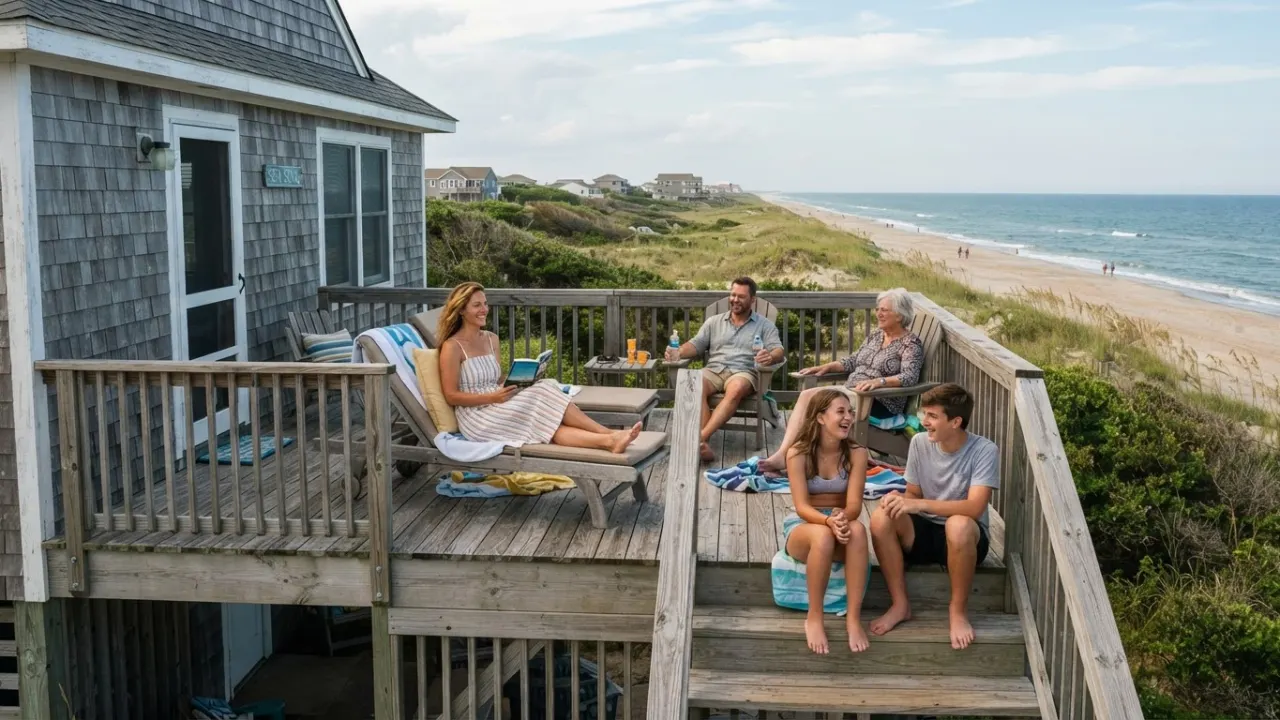
Four destinations that don’t make the headline family travel lists but consistently produce strong trips.
Door County, Wisconsin. A peninsula of lakeside cabins, cherry orchards, lighthouses, and small towns. The kind of summer destination that creates the family vacation memories that get re told for decades. Best from late May through mid October.
The Outer Banks of North Carolina. Calm beaches, wild horses, lighthouses, and a string of small beach towns. Better for families with younger kids who don’t need theme park scale entertainment. Rent a beach house and base for a week.
The Great Smoky Mountains. Cabin rentals, easy hiking trails, and the scenic drives of Cades Cove. Best in late spring or early autumn for comfortable temperatures and thinner crowds. It is one of the most affordable best family vacation destinations in the Appalachian region.
San Diego, California. Beaches, the zoo, Balboa Park, and Legoland within day trip range. Easier logistics than Los Angeles, better weather than San Francisco, and enough variety for a full week.
These quieter spots are often the best family vacation destinations because they reduce crowds, lower costs, and give families room to connect. They work especially well for families who have already done the headline trips and want something different.
Family Travel by Age Group

The best family vacation destinations change as kids age. A toddler trip and a teenager trip are almost different hobbies. What thrills a six-year-old will bore a sixteen-year-old, and what a teenager loves may overwhelm a younger child.
Ages 2 to 5. Short flights, simple routines, and a pool. Destinations with long car transfers or complicated public transit rarely work. Beach rentals and all inclusive resorts dominate this age.
Ages 6 to 11. Theme parks, national parks, and beach resorts all work. Kids this age tolerate more activity but still need downtime. The best family vacation destinations for this group offer a mix of structure and freedom.
Ages 12 to 15. Adventure trips, city breaks, and destinations with clear independence work well. Teens want activities that feel grown up. Whitewater rafting, city food tours, and snorkeling trips often beat theme parks at this age.
Ages 16 and up. Older teens can handle longer flights, more complex itineraries, and cultural destinations. This is the age when many families start travelling more like they did before kids.
Matching the destination to the age group is the fastest way to find the best family vacation destinations for your specific family. A destination perfect for a ten-year-old may bore a teenager, and vice versa.
Practical Planning Tips for Any Family Trip
Good planning separates the best family vacation destinations from the ones that look good on paper. These rules apply regardless of where you go.
Book flights for the kids’ best time of day, not the cheapest fare. A 6 AM departure saves money but costs you the entire first day. Arrive at your destination with enough time to settle in before dinner. A rushed first day sets a bad tone.
Pack lighter than you think. Most destinations have laundry, pharmacies, and stores. Carrying too much luggage turns every transfer into a chore. One checked bag per family member is usually enough for a two-week trip.
Leave at least one unplanned half day per week. The best moments often come from spontaneous discoveries. A random playground, a local market, or a beach you found by accident can become the highlight of the trip.
Solid planning turns decent locations into the best family vacation destinations by removing daily friction. When logistics are smooth, the actual destination has room to shine.
Budget Ranges for Family Travel
three and the trip will write itself.For more US travel ideas, see our guides to the best cities to visit in the USA and the best places to visit in the US. For international inspiration, see our guide to the best countries to visit.
What are your best family vacation destinations? Share your family’s favourite trip in the comments and tell us what made it work.
When you plan the best family vacation destinations, think about travel time, safety, and activities for all ages. The best family vacation destinations work when you balance kids and adults. Many families find the best family vacation destinations by mixing beach, city, and nature in one trip. If you want the best family vacation destinations for 2026, book early and check school holidays. The best family vacation destinations also offer good value when you travel off-peak.
Frequently Asked Questions
How to Choose the Best Family Vacation Destinations
Choosing the best family vacation destinations starts with your family’s needs. Think about ages, interests, and budget. The best family vacation destinations offer something for everyone. Young kids need safe beaches and short travel times. Teens want adventure and Wi-Fi. Parents want rest and good food. The best family vacation destinations balance all of these.
Start by listing what matters most. Do you want beach, city, or nature? The best family vacation destinations often mix two or three types. For example, you can spend days at the beach and one day in a nearby city. This keeps everyone happy. The best family vacation destinations also have good transport and healthcare nearby.
Budget is another key factor. The best family vacation destinations do not have to be expensive. Off-peak travel saves money. Booking early helps too. Look for family packages that include meals and activities. The best family vacation destinations offer free kids clubs and family rooms. These extras add value and reduce stress.
Tips for Booking the Best Family Vacation Destinations
Book the best family vacation destinations early, especially for school holidays. Popular places fill up fast. Check cancellation policies before you pay. The best family vacation destinations have flexible booking. This helps if plans change. Read reviews from other families. They give real insights about the best family vacation destinations.
Pack smart for the best family vacation destinations. Bring snacks, entertainment, and first aid. The best family vacation destinations are easier when you are prepared. Talk to your kids about the trip. Show them photos and maps. This builds excitement for the best family vacation destinations and helps them behave better on travel days.
How to Choose the Best Family Vacation Destinations
Choosing the best family vacation destinations starts with your family’s needs. Think about ages, interests, and budget. The best family vacation destinations offer something for everyone. Young kids need safe beaches and short travel times. Teens want adventure and Wi-Fi. Parents want rest and good food. The best family vacation destinations balance all of these.
Start by listing what matters most. Do you want beach, city, or nature? The best family vacation destinations often mix two or three types. For example, you can spend days at the beach and one day in a nearby city. This keeps everyone happy. The best family vacation destinations also have good transport and healthcare nearby.
Budget is another key factor. The best family vacation destinations do not have to be expensive. Off-peak travel saves money. Booking early helps too. Look for family packages that include meals and activities. The best family vacation destinations offer free kids clubs and family rooms. These extras add value and reduce stress.
Tips for Booking the Best Family Vacation Destinations
Book the best family vacation destinations early, especially for school holidays. Popular places fill up fast. Check cancellation policies before you pay. The best family vacation destinations have flexible booking. This helps if plans change. Read reviews from other families. They give real insights about the best family vacation destinations.
Pack smart for the best family vacation destinations. Bring snacks, entertainment, and first aid. The best family vacation destinations are easier when you are prepared. Talk to your kids about the trip. Show them photos and maps. This builds excitement for the best family vacation destinations and helps them behave better on travel days.
What is
best family vacation destinations refers to the top options and key facts you should know before making a decision. This guide covers the main points in simple terms.
How is best family vacation destinations determined?
The best family vacation destinations is based on official data, market reports, and verified sources. Rankings can change as new figures are released.
Why does best family vacation destinations matter in 2026?
Understanding best family vacation destinations helps you compare options, plan better, and avoid common mistakes. It gives you a clear picture of what to expect.