


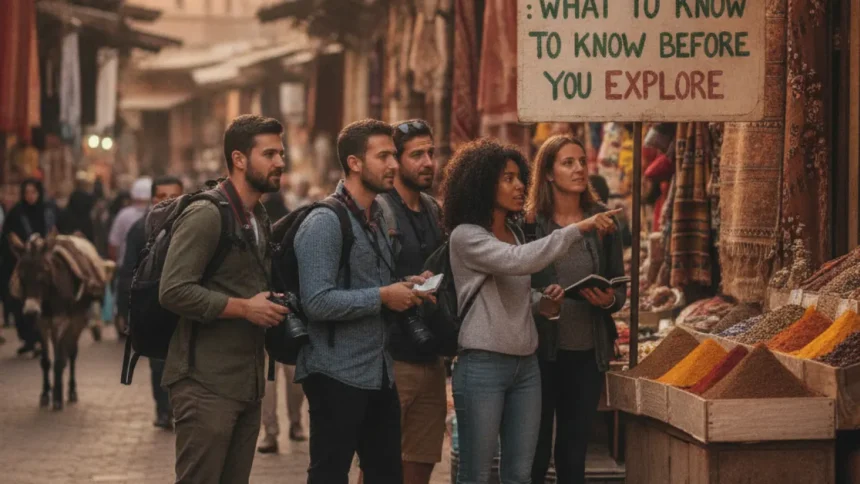
What is the
How do I start with the
Travel is one of the best things you can do. Every trip teaches you something new, and the more you travel, the easier it gets. This first trip is just the start. The
Start planning today. Go back through this guide, pick the first step that applies to you, and get moving. Your trip is closer than you think. Sticking to the first time traveller guide matters more than any single step.
eks, with more meaningful results appearing after 8 to 12 weeks of consistent effort.Is the first time traveller guide suitable for beginners?
What are the main mistakes to avoid with the
What has your experience with this approach been? Which tip worked best for you? Share in the comments below. The first time traveller guide gives you a clear structure every week.
Travel is one of the best things you can do. Every trip teaches you something new, and the more you travel, the easier it gets. This first trip is just the start.
Start planning today. Go back through this guide, pick the first step that applies to you, and get moving. Your trip is closer than you think.
Understanding this approach takes time and practice. The most effective approaches to first time traveller guide focus on consistency rather than perfection. People who commit to first time traveller guide as a long-term habit see better results than tho
What has your experience with this approach been? Share your questions or tips in the comments below. Use the first time traveller guide as your base and adjust it to your level.
be systematic and consistent. When you focus on first time traveller guide over time, the results compound in ways that are hard to achieve through sporadic effort alone.The approach to this approach should be systematic and consistent. When you focus on first time traveller guide over time, the results compound in ways that are hard to achieve through sporadic effort alone.
What has your experience with this approach been? Which tip worked best for you? Share in the comments below.
The key to success with this approach is consistent effort combined with the right approach. Understanding first time traveller guide clearly helps you avoid common mistakes and get better results faster.
The key to success with this approach is consistent effort combined with the right approach. Understanding first time traveller guide clearly helps you avoid common mistakes and get better results faster.
The key to success with this approach is consistent effort combined with the right approach. Understanding first time traveller guide clearly helps you avoid common mistakes and get better results faster.
Every first time traveller guide should include a checklist of essentials to review before departure. The fundamentals covered in this first time traveller guide apply whether you are flying for the first time or returning after a long break from international travel.
What has your experience with this approach been? Share your questions or tips in the comments below. If you are looking to expand your knowledge, reading detailed breakdown of grand city mall dubai provides useful background context. If you are looking to expand your knowledge, reading detailed breakdown of grand city mall dubai provides valuable background context.
Many people find the first time traveller guide easier to follow than complex alternatives.
Results from the first time traveller guide come from repetition, not perfection.
Keep the first time traveller guide simple and focus on showing up consistently.
The first time traveller guide works when you follow it consistently.
This guide shows you how the first time traveller guide fits real life.
Start with the basics of the first time traveller guide and build from there.
The first time traveller guide removes common barriers that stop people from starting.
Follow the first time traveller guide for the full period to see real results.
The first time traveller guide scales as you get more experienced.
Sticking to the first time traveller guide matters more than any single step.
The first time traveller guide gives you a clear structure every week.
Use the first time traveller guide as your base and adjust it to your level.
Planning your first trip is exciting. Whether you are heading to a neighbouring country or flying across the world, the experience can feel a little overwhelming at first. There are bookings to make, documents to sort, bags to pack, and a hundred questions running through your head.
This guide is here to help. It covers everything a first-time traveller needs to know, from getting your documents in order to what to do when you land. Read through it once before you start planning, and come back to it as your trip gets closer.
Start With the Basics: Documents and Identification – First Time Traveller Guide
Before anything else, make sure your documents are in order. Your passport is the most important piece of identification you will carry. If you do not already have one, apply well in advance. In many countries, getting a passport can take several weeks. In busy periods, it can take even longer.
Check the expiry date on your passport. Many countries require your passport to be valid for at least six months beyond your travel dates. If your passport expires soon, renew it before you book anything. See also our guide on best countries to visit.
Do You Need a Visa?

A visa is official permission from a foreign country to enter. Some countries let you visit without one, depending on where you are from. Others require you to apply before you travel. A few will give you a visa when you arrive at the airport.
Check the visa rules for your destination as soon as you know where you want to go. Look at the official government website of the country you plan to visit. Do not rely on travel blogs or forums for visa rules, as these can be out of date. See also our guide on best family vacation destinations.
Some visas take weeks to process. Others can be done online in a few days. Give yourself plenty of time so you are not rushing at the last minute. For more background, see UK foreign travel advice.
Planning Your Trip Step by Step
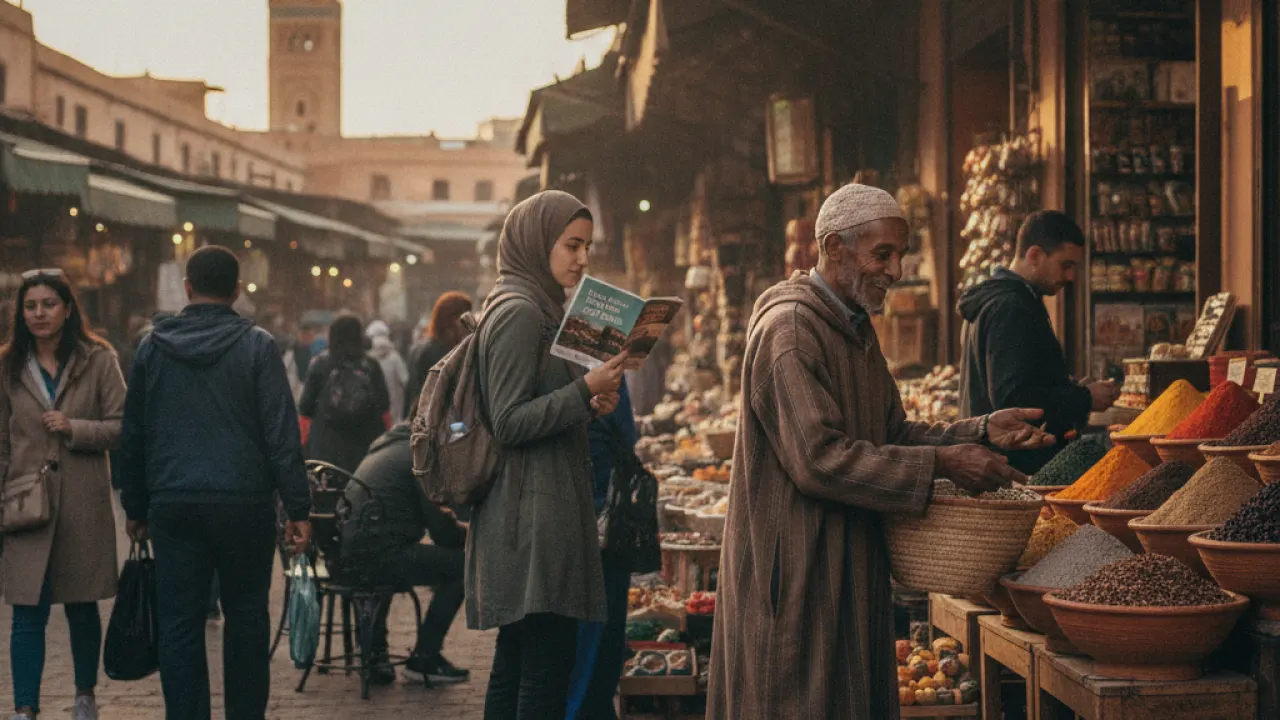
Good planning makes a big difference, especially on a first trip. You do not need to plan every hour of every day, but having the basics sorted before you leave will save you stress later. See
If you want a full walkthrough of how to plan a trip from start to finish, check out this detailed guide on how to plan a trip step by step. It covers choosing a destination, setting a budget, and building an itinerary that actually works. See also our guide on Get a Job in USA 2026.
lan a trip step by step. It covers choosing a destination, setting a budget, and building an itinerary that actually works.Pick the Right Time to Go
<figure class="wp-block-imagThe time of year you travel affects everything: the weather, the crowds, and the price. Most popular destinations have a peak season and an off season. Travelling in peak season usually means better weather but higher prices and bigger crowds. The off season is cheaper and quieter, but the weather may not be ideal. See also our guide on Invest in Property UK 2026.
ice. Most popular destinations have a peak season and an off season. Travelling in peak season usually means better weather but higher prices and bigger crowds. The off season is cheaper and quieter, but the weather may not be ideal.For a first trip, many people find shoulder season (just before or after peak season) is the sweet spot. You get reasonable prices and smaller crowds without giving up too much on the weather. Similar principles apply when reviewing detailed breakdown of naif police station, where preparation and research make a noticeable difference. Similar principles apply when reviewing detailed breakdown of naif police station, where preparation and research make a noticeable difference.
Book Your Flights Early
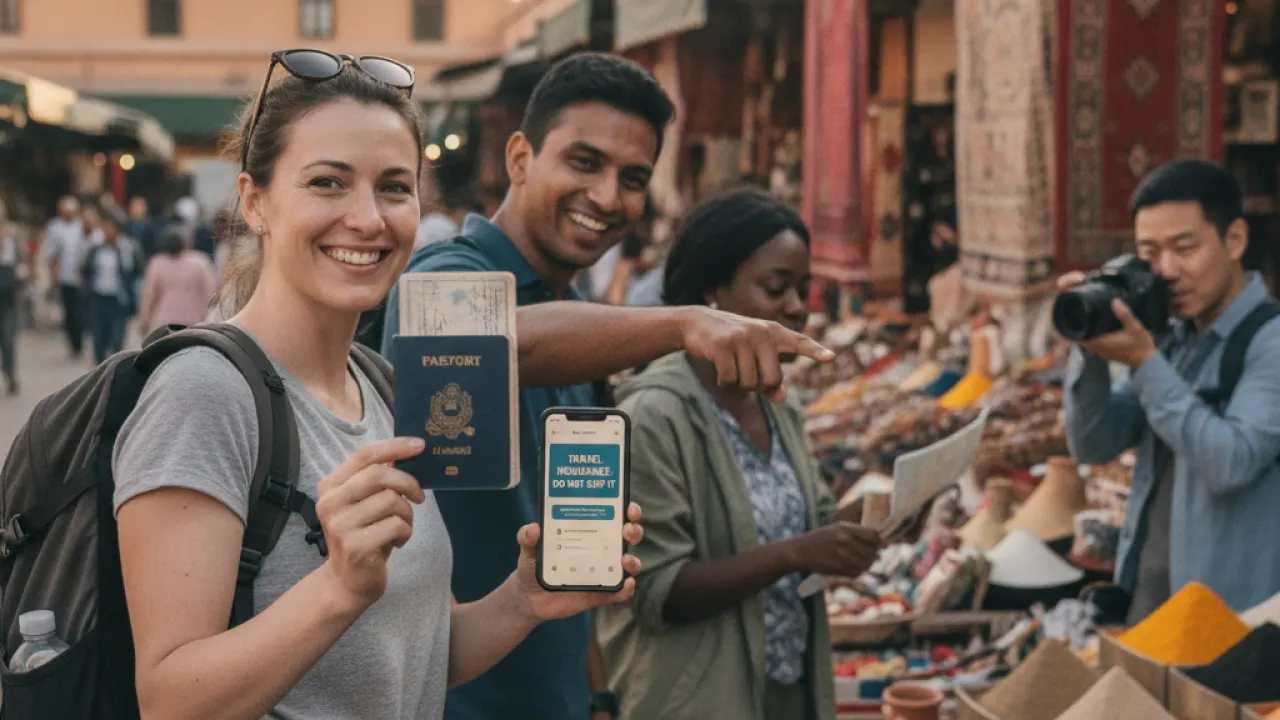
Flight prices change constantly. In general, booking around six to eight weeks in advance gives you a reasonable price without booking so far out that routes have not been confirmed yet. For popular routes or busy travel periods, booking earlier helps.
Travel Insurance: Do Not Skip It
Travel insurance is one of the most important things a first-time traveller can buy, and one of the most commonly skipped. Many people think nothing will go wrong on their trip. Most of the time, they are right. But when something does go wrong, not having insurance can turn a bad situation into a very expensive one.
Travel insurance can cover medical emergencies abroad, which can be extremely costly without cover. It can also protect you if your flight is cancelled, your luggage is lost, or you need to cut your trip short for an unexpected reason.
Read the policy carefully before buying. Make sure it covers the activities you plan to do. If you are going skiing, for example, check that adventure sports are included. If you are travelling to a country with high medical costs, make sure the medical cover limit is high enough.
What to Pack and How to Pack It
Packing is one of the things first-time travellers tend to get wrong. Most people pack too much. A heavy bag is harder to carry, costs more if you check it in, and slows you down. The first time traveller guide works when you follow it consistently.
The key is to think about what you will actually use, not what you might use. Pack clothes you can mix and match. Choose shoes that work for walking. Leave room for anything you might buy on your trip.
For a full breakdown of what to bring on any type of trip, use this travel packing checklist. It covers everything from clothing to toiletries to documents, so nothing gets forgotten.
Carry-On vs Checked Luggage

If you are going on a short trip, try to travel with carry-on luggage only. This saves you time at the airport and means you do not have to wait at baggage claim when you land. It also removes the risk of your bag being lost or delayed.
Different airlines have different rules on carry-on size and weight. Check your airline policy before you pack. Some budget airlines charge extra for cabin bags that do n
Always keep the following items in your hand luggage, not in your checked bag: This guide shows you how the first time traveller guide fits real life.
the following items in your hand luggage, not in your checked bag:- Your passport and any travel documents
- Your boarding pass (printed or on your phone)
- Medication you need during the flight
- A change of clothes (in case your checked bag is delayed
If you have never flown before, the airport process can feel confusing. Here is a simple breakdown of what happens. Start with the basics of the first time traveller guide and build from there.
What to ExpectIf you have never flown before, the airport process can feel confusing. Here is a simple breakdown of what happens.
Online Check-In

At the Airport Most airlines let you check in online, usually from 24 to 48 hours before your flight. Do this as soon as it opens. Online check-in lets you choose your seat and get your boarding pass sent to your phone or email. Having your boarding pass ready before you arrive at the airport saves time.
At the Airport
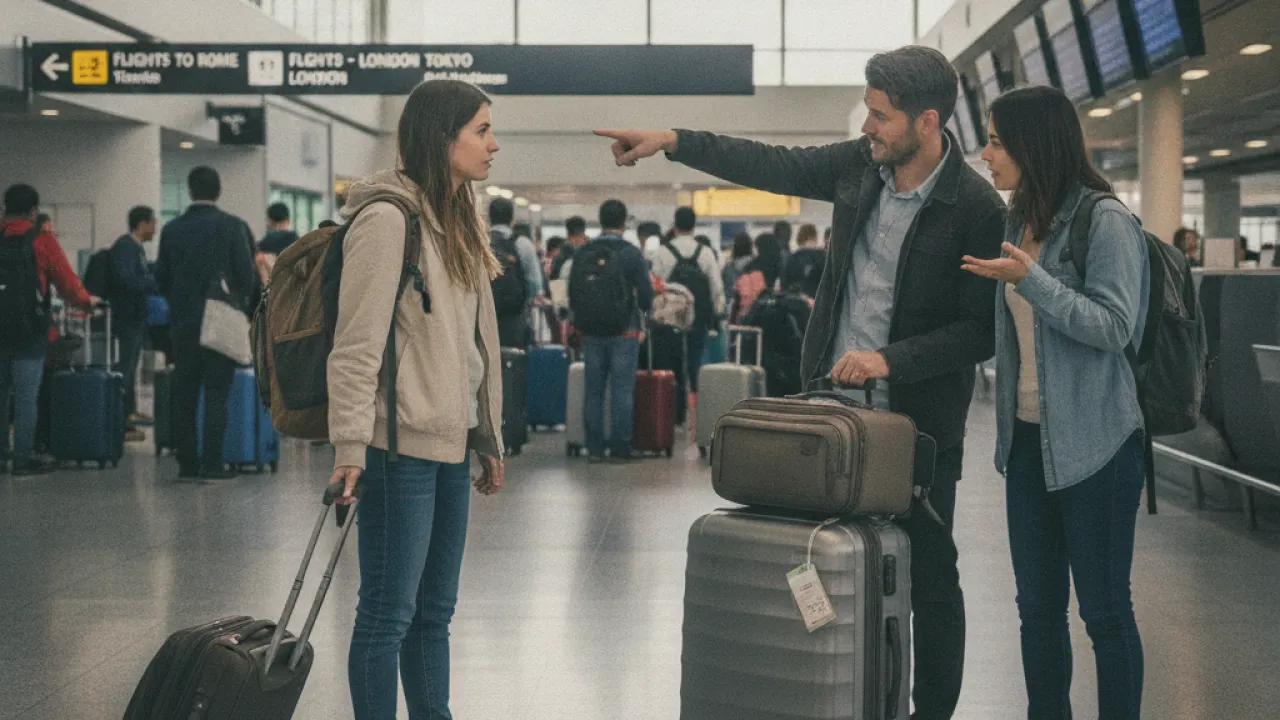
<figure class="wp-block-image size-lArrive early. For most international flights, arriving two to three hours before departure is recommended. For domestic flights, one and a half hours is usually enough. The first time traveller guide removes common barriers that stop people from starting.
Getting to Your GateArrive early. For most international flights, arriving two to three hours before departure is recommended. For domestic flights, one and a half hours is usually enough.
If you have checked luggage, go to the airline bag drop counter first. Then head through security. You will need to place your carry-on bag, jacket, belt, and shoes (in some airports) in a tray to go through the scanner. Put your phone, keys, and any liquids in the tray too.
Liquids in your carry-on must be in containers of 100ml or less, all fitting in a single clear resealable bag. This rule applies in most countries. Check the specific rules for the airports you will be using.
Getting to Your Gate
ou arrive (usually a decent rate, though check your bank fees) - Exchange at the airport (convenient but usually the worst rate)
- Use a travel money card or a card with no foreign transaction fees
Avoid exchanging large amounts at airport kiosks unless you have no other choice. The rates are typically poor. Instead, withdraw a small amount from an ATM after you land for immediate expenses, then exchange more at a bank or post office in the city.
Cards and Cash
Always carry a mix of card and cash when travelling. Cards are convenient, but some smaller businesses and markets only accept cash. In some countries, cash is the main way people pay for things.
Let your bank know you are travelling before you go. Some banks flag foreign transactions as suspicious and may block your card. A quick call or message to your bank beforehand prevents this.
Staying Connected: Roaming Charges and SIM Cards
Using your phone abroad can get expensive fast ifetwork international plans. Many providers offer a daily or weekly add-on that lets you use your normal allowance abroad for a set fee. This can be good value for short trips.
Another option is every week.
a flexible and cost-effective option. Several providers offer global or regional eSIM plans that you can activate before you leave home.Health and Safety Abroad
Staying safe is a priority on any trip, but especially your first. A little preparation goes a long way.
Before You Leave
For a more detailed list of safety steps to take before you leave home, read this guide on travel safety tips before leaving. Use the first time traveller guide as your base and adjust it to your level.
ny vaccinations for the country you are visiting. Some destinations require proof of certain . ManyKeep your bags close in busy tourist areas. Pickpocketing happens in crowded places in many cities. Use a money belt or an inside pocket for your passport and cards. Resu
Drink bottled water in countries where tap water is not safe. When in doubt, ask at your accommodation. Keep the firportant documents. Store passport scans in your email or a secure cloud service. Leave a copy with someone at home too. For broader insights, exploring detailed breakdown of china mall ajman will give you actionable takeaways you can apply right away. For broader insights, exploring detailed breakdown of china mall ajman will give you actionable takeaways you can apply right away.
Keep your bags close in busy tourist areas. Pickpocketing happens in crowded places in many cities. Use a money belt or an inside pocket for your passport and cards.
Drink bottled water in countries where tap water is not safe. When in doubt, ask at your accommodation.
Dealing With Jet Lag
Jet lag usually passes within a couple of days. Being outside in natural daylight helps your body adjust faster. Do not spend your first day in bed if you can help it. The first time traveller guide works when you follow it consistently.
er guide” />If you are flying across several time zones, jet lag is likely. Jet lag happens when your body internal clock is out of sync with the local time at your destination. You might feel tired during the day, wide awake at night, or generally off for a few days.
Tips to Reduce Jet Lag
- Adjust your sleep schedule slightly in the days before you travel
- Stay hydrated on the flight and avoid alcohol
- Try to get natural light at your destination during daytime hours
- Set your watch or phone to the local time as soon as you board
- Try to stay awake until a reasonable local bedtime on your first night
Jet lag usually passe
Airport transfers refer to the transport options that take you from the airport to your hotel or city centre. Common options include: This guide shows you how the first time traveller guide fits real life.
lp it.Getting Around: Airport Transfers and Local Transport
Getting from the airport to your accommodation is often the first challenge a traveller faces. Planning this in advance means you are not scrambling when you land, tired and unfamiliar with your surroundings.
Airport Transfers
Airport transfers refer to the transport options that take you from the airport to your hotel or city centre. Common options include:
- Pre-booked private transfer (
If you plan to hire, but make sure to use official taxi ranks or reputable apps)
Research your options before you go and note down the name and address of your accommodation in the local language. This is helpful if you need to show a driver where you are going.
Getting Around at Your Destination
Most cities have a mix of public commo
Here are some practical points to keep in mind as your trip gets closer: Follow the first time traveller guide for the full period to see real results.
hire a car, make sure your driving licence is valid in that country. Some coualt=”Ready to Start Planning? – first-time traveller guide” />There are many types of accommodation to choose from: hotels, hostels, guesthouses, apartments, and more. For a first trip, a hotel or well-reviewed guesthouse is often a good choice. You get a consistent level of service and usually someone at the front desk to help if you need it.
Read recent reviews before booking. Look for comments about location, cleanliness, and how helpful the staff are. A well-located hotel can save you a lot of time and transport costs during your trip.
Book directly with the h Make a checklist for the week before you travel and tick things off as you go Charge all your devices the night before and carry a portable power bank Download offline maps for your destination in case you lose signal Save your accommodation address, phone number, and check-in details to your phone Check the local customs and basic phrases in the local language Keep emergency contact numbers saved, including your country embassy or consulate at your destination Frequently Asked Questions What is the The first time traveller guide is a structured approach designed to give clear, actionable steps that produce reliable results over time.
How do I start with the Begin with the foundation steps, focus on consistency, and build intensity grad Travel is one of the best things you can do.
Every trip teaches you something new, and the more you travel, the easier it gets. This first trip is just the start.
The Start planning today. Go back through this guide, pick the first step that applies to you, and get moving. Your trip is closer than you think. Sticking to the first time traveller guide matters more than any single step.
eks, with more meaningful results appearing after 8 to 12 weeks of consistent effort.