


The United States is less one country than a stack of them. A desert, a glacier, a swamp, a skyline, a wine region, sometimes within the same week. Picking the right places to visit in the US comes down to one decision more than any other – do you want the headline sights or the quieter version of America that most travellers miss. The picks below balance both. The classic destinations that earn the headlines. The underrated stops that lock themselves into memory long after the famous photos fade. Read it as a starting point, not a checklist. Two strong anchors across 10 days will beat seven rushed days every single time. Pack walking shoes. Build in a slow day. Eat where the line is local.
The classic five every traveller should see once
Five destinations sit at the top of any serious American travel list. Each earns the headlines for a real reason. None should be skipped if it’s your first deep visit to the country.
- New York City. Three nights minimum, four better. Base in lower Manhattan or Brooklyn for the best walking access. Skip Times Square unless you have a show booked. The best parts of the city are the residential neighbourhoods, the museums, and the food scene that runs from food carts to two Michelin stars.
- San Francisco. A cool, layered Pacific city built for walking and ferries. The fog, the hills, the food culture make this one of the most photogenic cities in the country. Rent a car only for a day trip south to Big Sur or north to Napa.
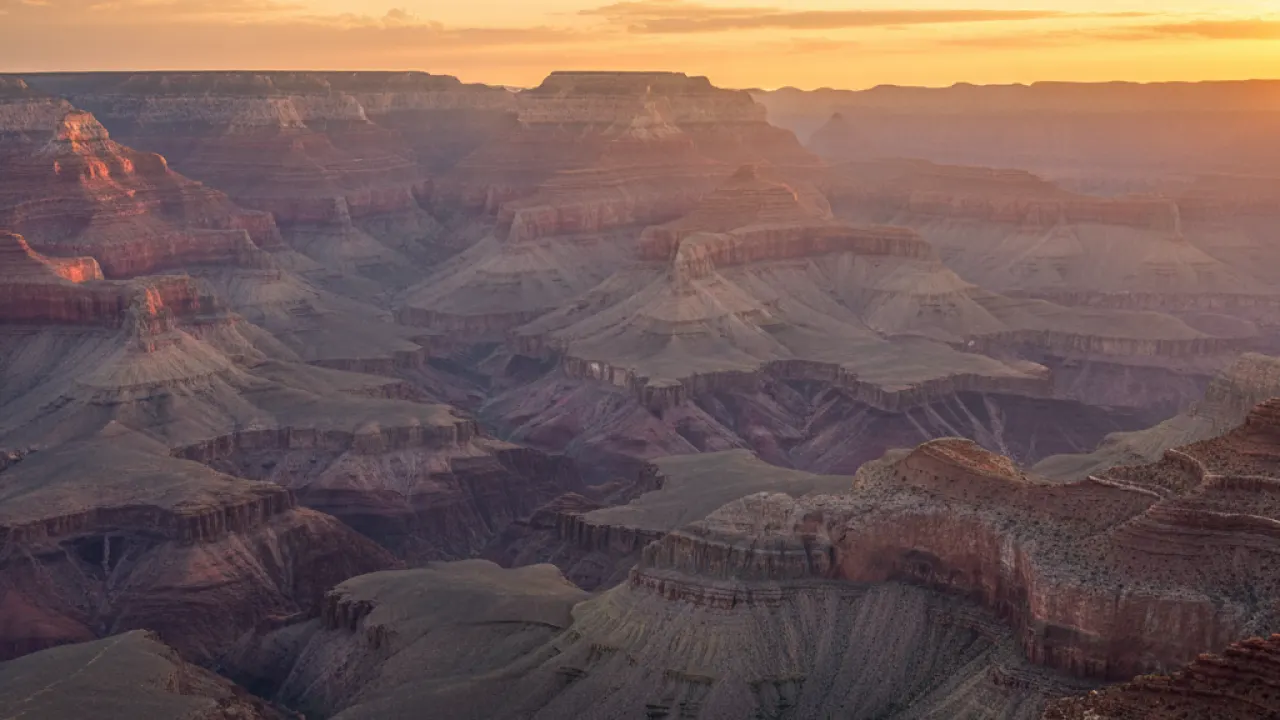
- The Grand Canyon. Best at sunrise from the South Rim. Photos do not capture the depth in person. Visitors who arrive at 6 AM see a completely different version of the canyon than visitors who show up at 2 PM. Stay overnight inside the park if you can.
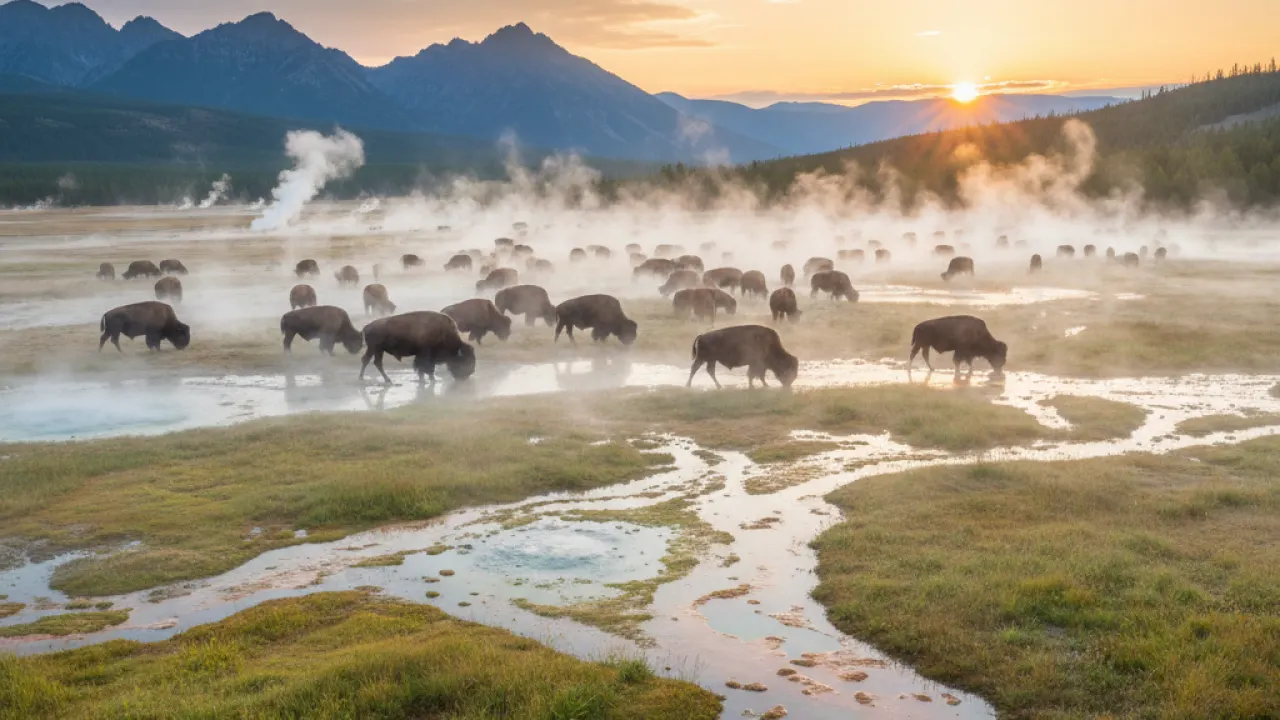
- Yellowstone National Park. Geysers, bison, hot springs, and one of the most active wildlife environments in the lower 48. Arrive at gates before 8 AM to beat traffic. Plan at least 3 full days inside the park.
- New Orleans. The most distinct food, music, and history of any American city. Three nights covers the French Quarter, Frenchmen Street for live music, the Garden District, and at least one serious cooking class. Visit between October and March to avoid the worst Gulf Coast heat.
Should you do a national park trip first?
For travellers visiting the country for the first time, the answer is often yes. The American national parks are unlike anything in Europe or Asia. They reward visitors who are willing to drive, hike, and accept that the best views come with some effort.
Five park trips that work as a 10 to 14 day itinerary on their own:
- The red rock corridor of southern Utah. Zion, Bryce, Capitol Reef, and Arches across a single 10-day road trip from Las Vegas. The variety in such a small area surprises every first-time visitor.
- Yellowstone plus the Grand Tetons. Pair the two. Three days each. The geysers and the dramatic peaks together produce one of the strongest landscape combinations in the country.
- Yosemite plus Sequoia. California’s central Sierras at their best. Visit in May or September. The waterfalls run hardest in spring after the snowmelt.
- Glacier National Park, Montana. The most dramatic park most travellers haven’t seen. The Going-to-the-Sun Road only opens fully from late June through early October.
- Acadia, Maine. Atlantic coast hiking with carriage trails, blueberry patches, and lobster shacks. Best in September when crowds thin and leaves begin to turn.
The America the Beautiful Pass costs 80 USD a year and covers entry fees at every federal site. It pays for itself after two parks. Buy at the first gate.
Why do US cities reward depth over breadth?
American cities are dense in some places and sprawling in others. Trying to visit five cities in a two-week trip produces a transit experience with photos, not a real visit. Picking one city and going deep produces stronger memories almost every time.
Three nights is the minimum for any major American city. Five is better. Ten nights at one base, with day trips, can outperform multi-stop travel for many destinations. The city that’s been on your bucket list for years deserves a real visit, not a passing hello.
A few mid-sized cities that consistently outperform a quick weekend stop:
- Charleston, South Carolina. Preserved historic centre, southern food culture, and harbour walks. Two to three nights covers the basics. Best from March through May and September through November.
- Savannah, Georgia. Spanish-moss-draped squares and one of the most photogenic downtowns in the south.
- Asheville, North Carolina. A mountain food and craft beer city with easy Blue Ridge Parkway access.
- Portland, Maine. One of the best per-capita food cities in the country.
- Santa Fe, New Mexico. Adobe architecture, pueblo culture, and a southwestern food scene that exists nowhere else in the country.
For travellers chasing the urban side specifically, our guide to the best cities to visit in the USA covers the urban list in detail.

What makes a great American road trip?
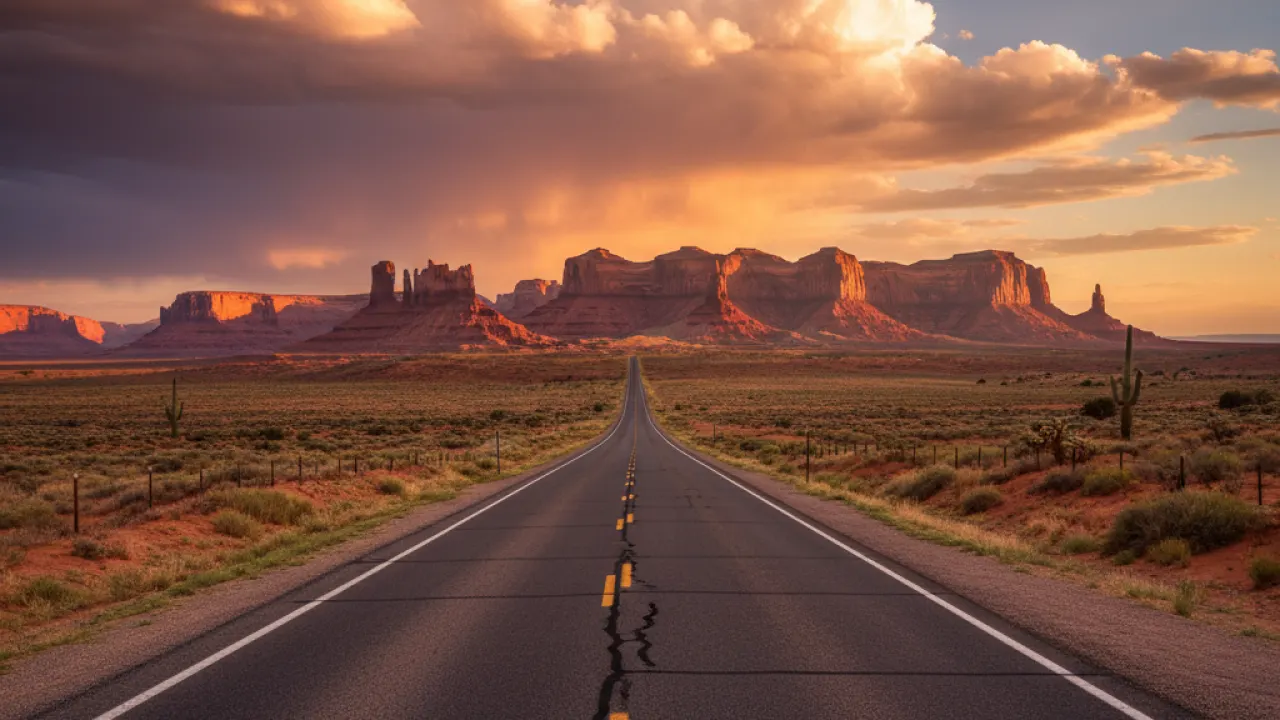
The road trip is the most American form of travel. It rewards patience, an open schedule, and a willingness to pull over for the unscheduled detour. The best American road trips share three things. A loop instead of a one-way drive. A theme – mountains, coast, music, food. And enough flexibility to add a day if a town turns out to be better than expected.
Five road trips that work for almost any traveller:
- Pacific Coast Highway from San Francisco to Los Angeles. Five to seven days. Big Sur, Santa Barbara, Malibu.
- The Blue Ridge Parkway from Roanoke to Asheville. Four to six days. Mountain towns, music, food.
- Route 66 highlights from Chicago to Santa Fe. Eight to ten days. Diners, neon, small-town Americana.
- New England fall foliage loop. Boston to Portland to the White Mountains. Six to seven days. Best in early October.
- Florida Keys drive from Miami to Key West. Three to four days. Ocean views the whole way.
A few road trip rules that save trips. Don’t drive more than 5 hours a day if you want to actually see the country. Stop in every small town that has a population sign and a downtown. Eat breakfast at the diner, not the chain. The unscheduled stops are usually the ones you’ll talk about for years.
The Pacific coast that nobody talks about enough
California’s Pacific coast gets the headlines, and it earns them, but the Pacific coast extends north into Oregon and Washington in ways most first-time visitors miss. The Olympic Peninsula in Washington holds rainforests, ocean coastline, and glacier-capped mountains within a 4-hour loop. The Oregon coast has fewer crowds and dramatic sea stacks at almost every viewpoint. Drive Highway 101 from Astoria to Brookings and the views compete with anything in California, at a fraction of the cost.
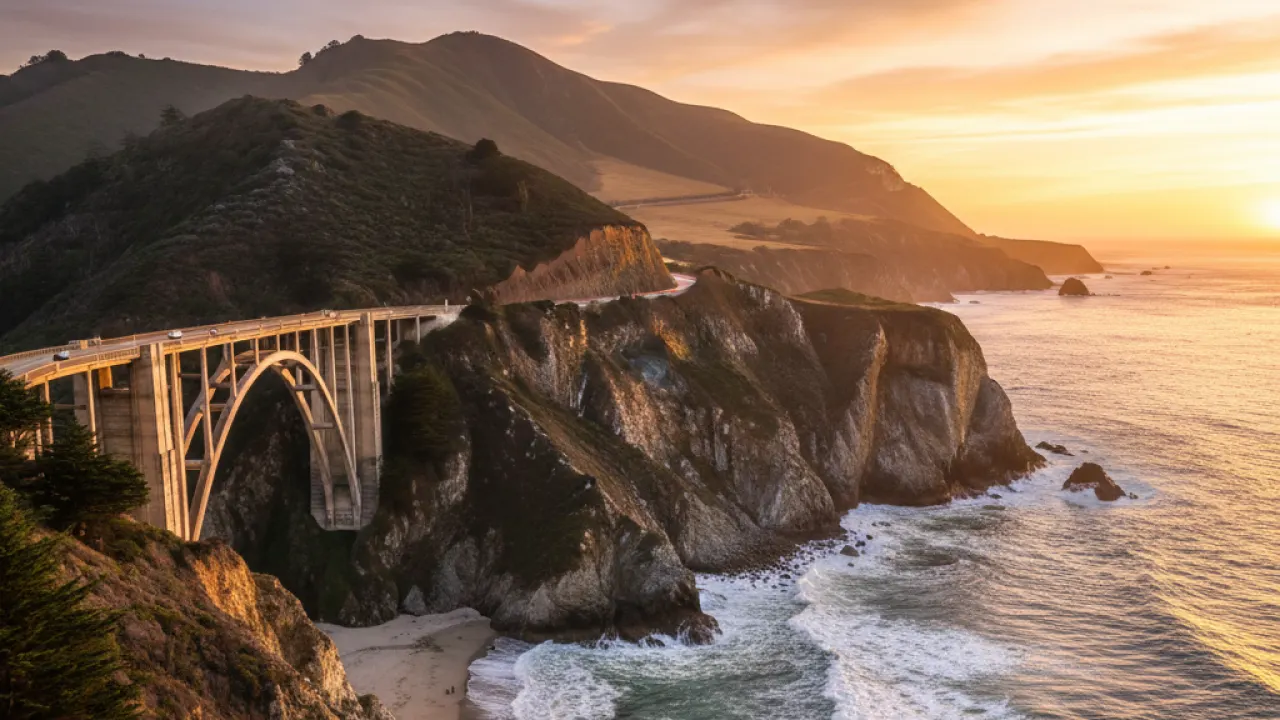
For the California stretch, Big Sur remains the highlight. Drive Highway 1 south from Monterey for two days. Stop at Bixby Bridge. Hike McWay Falls. Stay overnight in a small inn in Carmel or Cambria. The trip stretches longer than the distance suggests because every other viewpoint is worth a stop.
The most underrated American destinations
A handful of American places don’t make most lists and consistently exceed traveller expectations.
- Door County, Wisconsin. A peninsula of lakeside cabins, cherry orchards, lighthouses, and small towns. Best from late May through mid October.
- The Outer Banks of North Carolina. Calm beaches, wild horses on the sand, lighthouses, and small beach towns. Rent a beach house and base for a week.
- The Olympic Peninsula, Washington. Rainforests, glacier mountains, and Pacific Ocean coast within a single 4-hour loop.
- Marfa, Texas. A tiny town in west Texas that became one of the most distinctive art destinations in the country.
- Bend, Oregon. Outdoor activities for every age group from river floats to mountain biking. Easy access to Crater Lake.
Each delivers a 3 to 5 night stop you’ll talk about more than the big city you “had” to visit. They reward travellers who aren’t trying to check boxes.
The honest budget by region
For a comfortable mid-range trip, 2026 daily budget ranges look roughly like this, per person per day.
- Mountain west, Pacific northwest, and inland south: 140 to 220 USD per day.
- East coast outside NYC, Texas, and Florida resort areas: 170 to 260 USD per day.
- New York, San Francisco, Hawaii, and Aspen: 250 to 400 USD per day.
- National park camping and self-drive trips: 60 to 120 USD per day for two travellers.
- Cross-country road trips with motel stays: 130 to 200 USD per day.
Flights inside the United States are usually cheapest 6 to 8 weeks out for non-holiday travel. Tuesday and Wednesday departures undercut Monday and Friday by 15 to 25 percent on most routes. For deeper value travel options across the wider list, our piece on affordable vacation spots covers budget and mid-range trips.
Practical timing rules that save real money
The timing rules below come from travellers who run 10 or more trips a year inside the US.
Avoid August in the deep south and southwest. Heat and humidity at those latitudes is its own adventure, and not the good kind. Aim for spring or autumn whenever possible.
Use rideshare in any city where you don’t want to drive. Most major US cities have Uber and Lyft coverage that beats trying to park in unfamiliar neighbourhoods.
National hotel chains often run weekend deals. Most American cities empty out Friday afternoon as office workers leave, dropping prices for arriving travellers. Booking Friday and Saturday nights at a downtown chain hotel is often the cheapest stay of the week.
For dining, the safest tip is the simplest. Skip the restaurants on the most touristy blocks. Walk two blocks in any direction and the quality goes up while the prices drop. Reservations through Resy and OpenTable book most serious restaurants two to four weeks in advance for weekend tables.
Reader questions about US travel
Best time to visit the US? May, September, and October are the strongest months across most regions. Avoid July and August in the south.
How many days do I need? Ten days lets you combine one major city with one national park comfortably. Fourteen unlocks a regional road trip.
Is renting a car worth it? Almost always yes, outside of New York, Chicago, San Francisco, and Boston. The US is built around cars and the rental availability outside major cities can be limited at peak season.
Do I need a US travel visa? Most Western European, Australian, Japanese, and South Korean passport holders can use the ESTA program with online approval in minutes. Other countries require a B-1 or B-2 visa, which can take weeks. Check the current US State Department site for the latest list.
What’s the safest part of the country for travellers? Most travellers find Utah, Vermont, Maine, Idaho, and rural North Carolina among the safest regions. Big cities are usually safer than reputation suggests, with normal urban precautions.
Final thoughts and your turn
The US rewards travellers who pick two strong anchors and travel deep, instead of trying to see everything. A national park, plus one city, plus one quiet small town is enough for a 10-day trip that everyone remembers. The country is too vast to rush.
Which place on this list are you most likely to visit first? Drop a comment below with the destination on top of your list. Share the article with a friend who keeps saying they’ll do that American road trip someday and hasn’t started planning yet.
Frequently Asked Questions About US Travel
What is the most visited state in the USA?
California is the most visited US state, drawing visitors to Los Angeles, San Francisco, Yosemite, and the coastline. Florida comes second due to Orlando’s theme parks and Miami’s beaches. New York State is third, driven almost entirely by New York City, which is the single most visited city in the US for both domestic and international travelers.
How many days do I need to see the best of the USA?
The USA is simply too large to see comprehensively in any single trip. For a focused regional trip, 7 to 10 days allows you to explore one major region well. A coast-to-coast trip covering both cities and national parks comfortably takes 3 to 4 weeks. Most international visitors wisely choose one or two regions per visit and plan return trips for other areas.
What is the best time of year to visit the USA?
The answer depends on which part of the country. The Southwest and Florida are best visited in fall and winter when temperatures are comfortable. New England is spectacular in October for fall foliage. Pacific Northwest summers are ideal. National Parks like Yellowstone and Yosemite are best in late spring and fall to avoid summer crowds while maintaining good weather.
Do I need a visa to visit the USA?
Citizens of Visa Waiver Program countries, including most Western European nations, Australia, and Japan, can visit the US for up to 90 days without a visa using the ESTA authorization. Citizens of other countries need to apply for a tourist visa (B-1/B-2) through the nearest US embassy or consulate well in advance of travel.
For more US travel tips, see our best US cities guide, our family vacation guide, and our business guide.