

The problem with most cleaning advice is that it focuses on how to clean rather than how to stop needing to clean so often. The best cleaning tips aren’t about scrubbing harder. They’re about systems and habits that reduce how much mess builds up in the first place.
This guide covers the tips that make a genuine difference to how clean your home stays day to day. Not one-off tricks, but changes to the way you approach your space that compound over time. For more background, see Wikipedia reference.
Start with Your Setup, Not Your Cleaning Products
How your home is set up determines how easy it is to keep clean. A home where items don’t have designated places, where cleaning supplies are stored away from where they’re needed, and where every surface is covered with objects will always be harder to maintain than one with a clear, accessible layout.
Before you think about products or routines, look at the setup.
Setup changes that reduce mess
- Every item needs a home and that home should be close to where the item is used. Keys go by the front door. Scissors go in one drawer and only one. Remote controls go in a basket on the coffee table. When everything has a fixed location, putting things away becomes automatic.
- Keep surfaces as clear as possible by moving anything that doesn’t get used daily into a drawer or cupboard. A clear counter takes ten seconds to wipe. One covered with appliances, jars, and utensils takes several minutes.
- Use bins that are easy to use meaning bins that don’t require two hands to open, that are large enough not to overflow quickly, and that are in the rooms where rubbish gets generated. If the bin is inconvenient, rubbish gets left on the nearest surface instead.
- Keep a cleaning cloth in every wet room so a quick wipe is always within reach. In the kitchen, one microfibre cloth on the counter is used far more often than a stack of cloths under the sink in another room.
Habits That Do the Most Work
Cleaning tips that involve products or techniques are useful. But the habits that run in the background of your day are what actually determine how clean your home stays. These are the ones that make the biggest difference.
The wipe-as-you-go habit
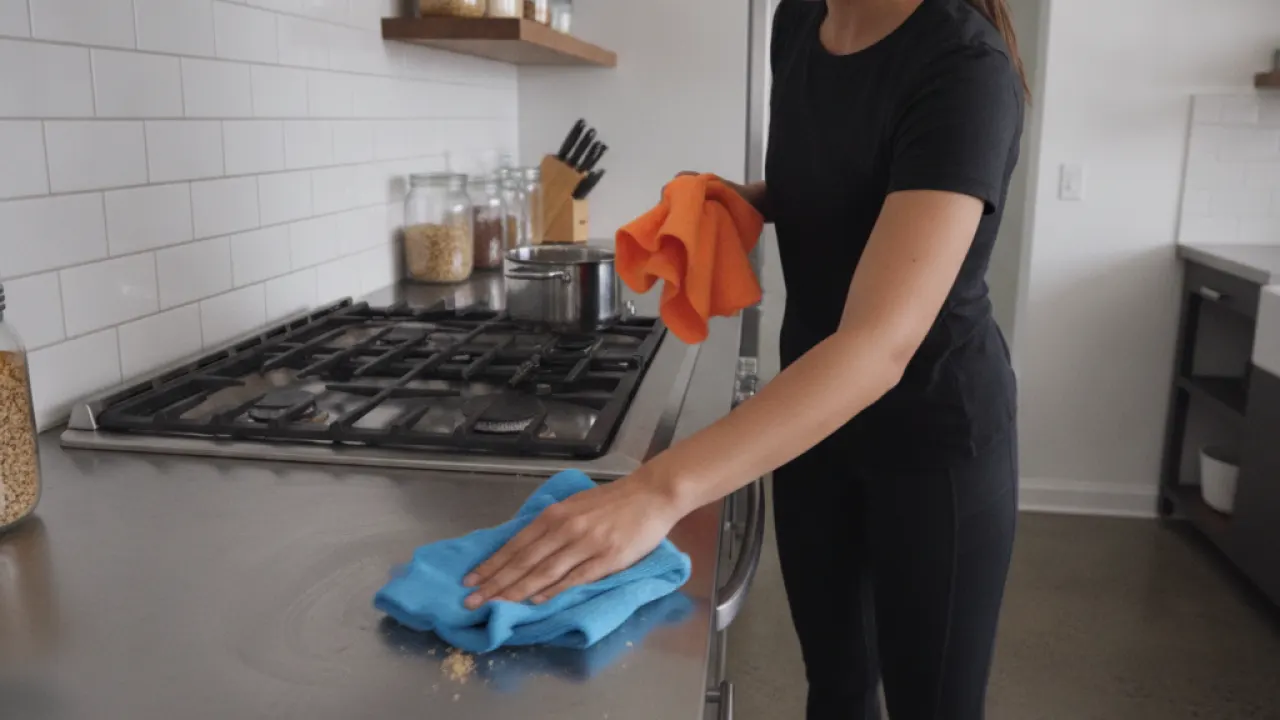
In the kitchen, wipe surfaces as you cook rather than after. A spill wiped immediately is gone in two seconds. The same spill left to dry and harden can take two minutes of actual scrubbing to remove. The Method Kitchen Spray or a similar daily kitchen cleaner is mild enough to use on surfaces several times a day without damaging them.
This applies to the bathroom too. A quick wipe of the sink after brushing your teeth and after washing your face prevents the slow buildup of toothpaste and soap residue that makes a bathroom look grimy within days of a proper clean.
The never-leave-empty-handed rule
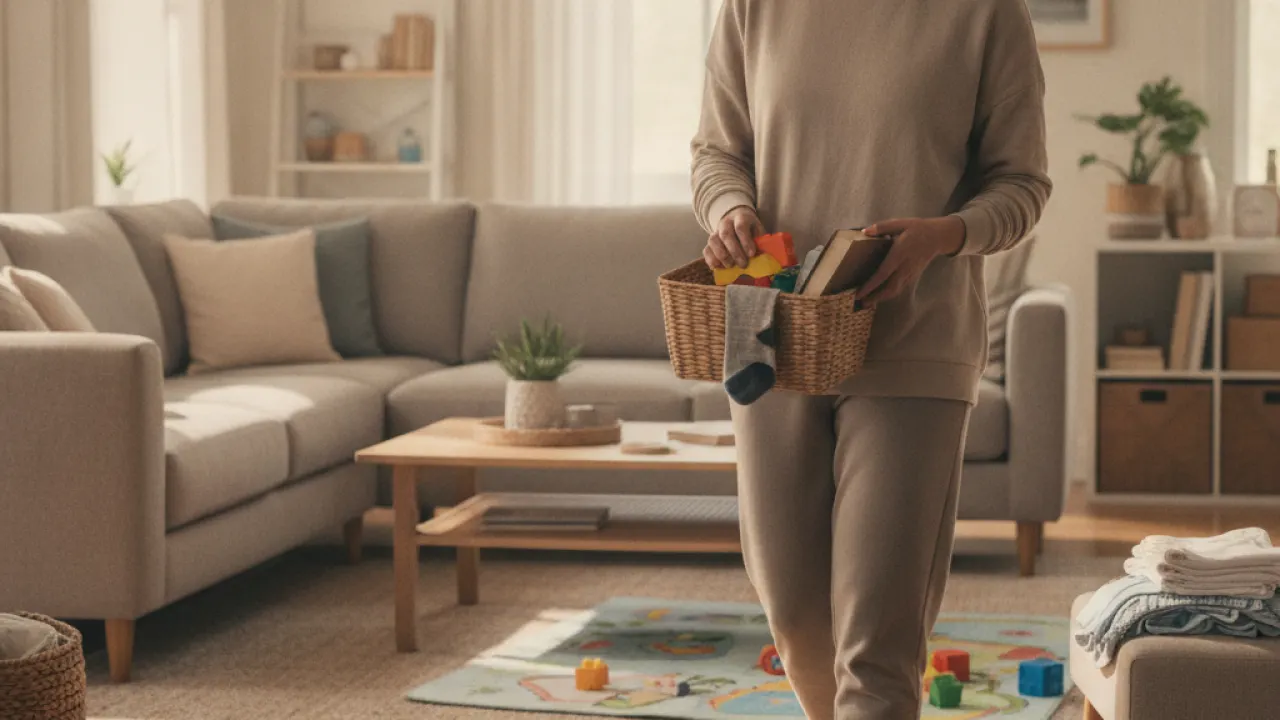
Every time you move from one room to another, take something with you that belongs in the destination room. A glass from the bedroom goes to the kitchen. A jacket from the sofa goes to the hook. A book from the coffee table goes to the shelf. You’re already walking in that direction. This habit moves things back to their homes without requiring a separate tidying session.
The one-in-one-out rule
Every time something new comes into the house, something else leaves. This applies to clothes, kitchen gadgets, books, toys, anything. Without this rule, possessions accumulate slowly but continuously. After a few years, every cupboard is full, every surface is crowded, and cleaning around all of it takes far longer than it should.
The Right Products in the Right Places
You don’t need a cupboard full of specialist cleaners. Most of a home can be cleaned with three or four products used correctly.
- A good all-purpose spray like Flash or Method handles kitchens, bathrooms, and most hard surfaces. Having one bottle that works everywhere means you’re not wasting time switching between products.
- Microfibre cloths are more effective than cotton cloths or paper towels on almost every surface. They pick up more dust and bacteria, they don’t streak on glass and mirrors, and they last through hundreds of washes before needing replacing.
- White vinegar and bicarbonate of soda are cheap, effective, and handle limescale, odours, and mild disinfecting without harsh chemicals. A small spray bottle of diluted white vinegar is the most useful thing you can keep in a bathroom cabinet.
- A cream cleaner for stubborn marks on enamel, sinks, and hobs where a spray alone doesn’t cut through. Brands like Cif and Bar Keepers Friend are both effective without being aggressive.
- Toilet drop-in tablets keep the bowl cleaner between scrubs and reduce the frequency and intensity of toilet cleaning sessions.
- A cordless vacuum from brands like Dyson that you can grab and put back in under a minute makes quick floor cleans actually happen. A corded vacuum that takes five minutes to set up and put away rarely gets used for small jobs.
Storage Tips That Make a Home Easier to Clean
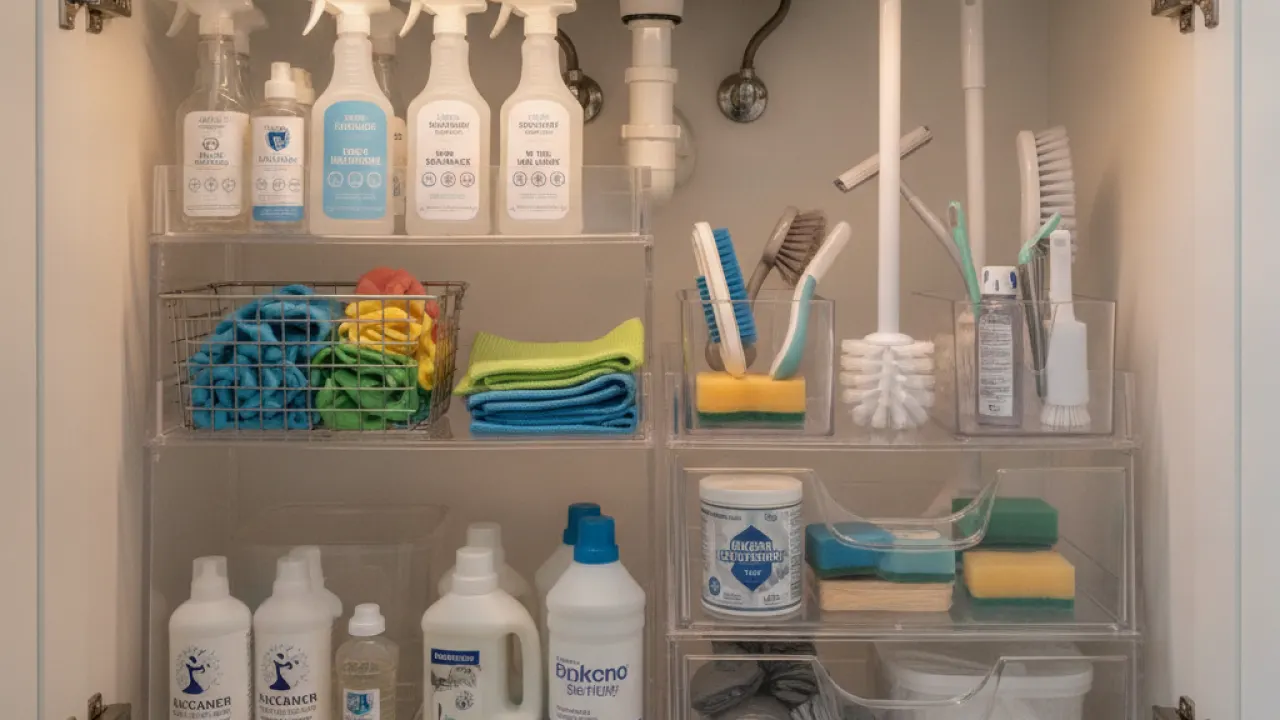
How you store things has a direct impact on how easy your home is to clean. Good storage doesn’t mean buying more boxes. It means making the current storage work better.
Storage adjustments that help
- Raise furniture off the floor where possible, or choose furniture that sits flush to the floor so dust can’t collect in the gap underneath. Mid-height furniture legs are the worst option as they create hard-to-reach spaces that become dust traps.
- Use drawer organizers in kitchen drawers so items don’t jumble together. Jumbled drawers become dumping grounds for anything that doesn’t have an obvious home. Organized drawers stay cleaner and are faster to clean out when you do need to.
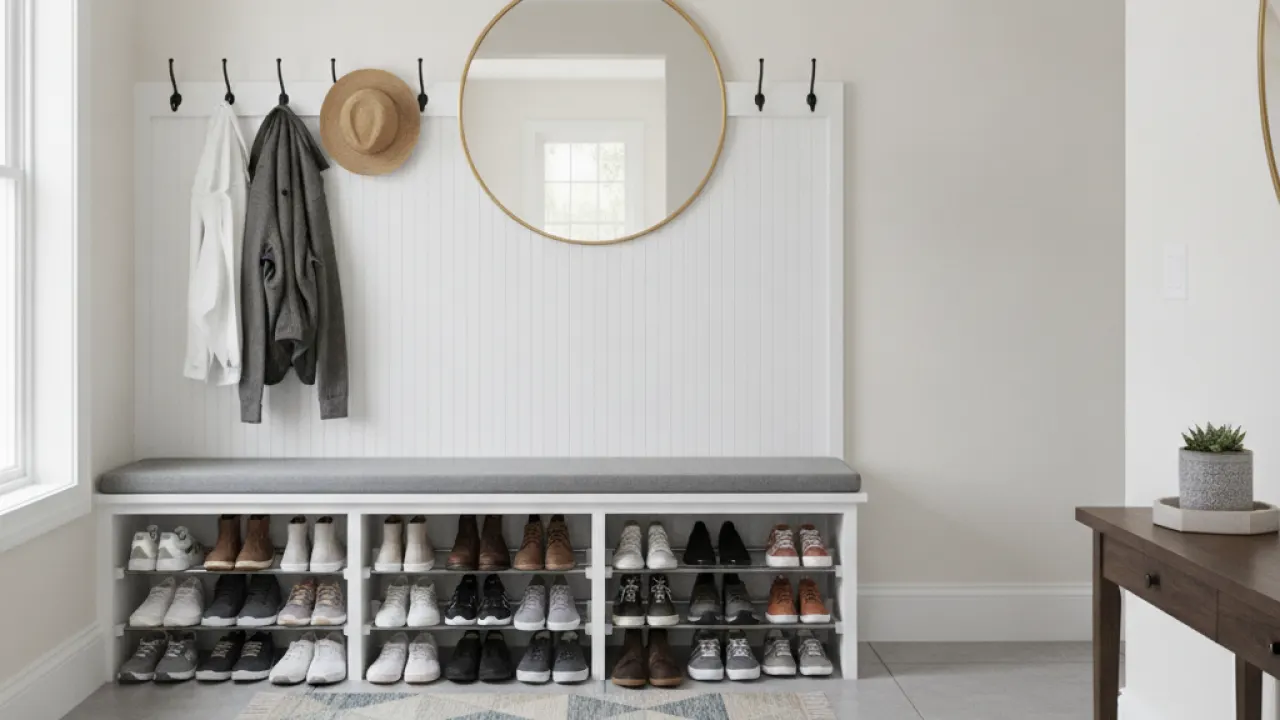
- Install hooks at the front door for coats, bags, and dog leads. If there’s no hook, these things end up on the floor or on the nearest chair.
- Keep a laundry basket in every bedroom so clothes never end up on the floor waiting to be moved to the right room. Floor clothes are the fastest way to make a bedroom look messy.
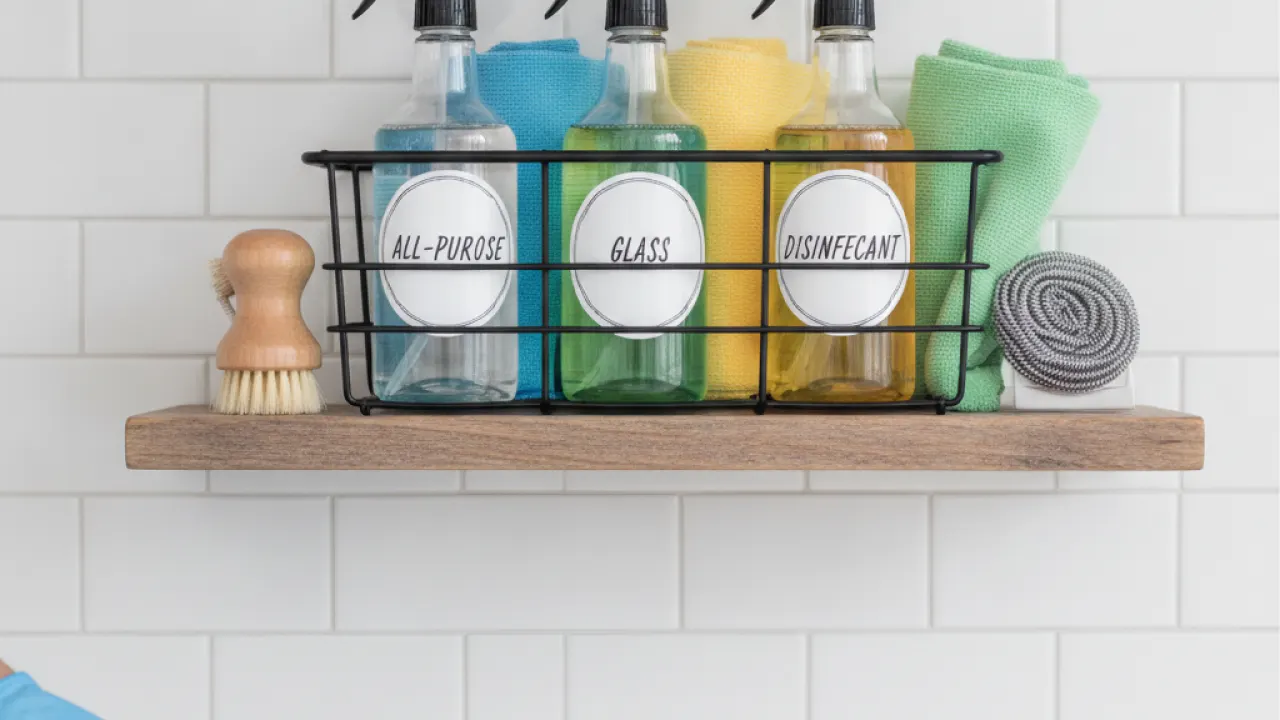
- Use a caddy for cleaning supplies in each bathroom so everything is together and accessible without opening multiple cupboard doors. A simple caddy with your spray, cloths, and toilet brush is all you need. n
- Store cleaning products in child-safe areas if you have young children, but at a height where you can still access them quickly. If they’re locked away inconveniently, you’re less likely to use them for quick cleans. n
- Label storage containers especially if you share your space with others. Labelled storage gets used correctly. Unlabelled storage gets ignored or used for the wrong things. n
Tackling the Areas People Always Miss
Standard cleaning sessions cover the obvious surfaces. But there are areas in every home that get missed consistently and that contribute to a home feeling less clean than it looks.
- Light switches and door handles are touched dozens of times a day and rarely wiped. A quick wipe with a damp microfibre cloth weekly keeps them clean without much effort.
- The top of the kitchen units if there’s a gap between the top of the cupboards and the ceiling. This space collects grease and dust rapidly and because it’s out of sight, it gets cleaned only when someone notices.
- The front of the oven and the area around the controls. The knobs and surrounding area pick up grease from cooking and from handling.
- Skirting boards gather dust continuously. A quick run with a microfibre cloth or a duster while you’re already doing other cleaning adds minutes to a session and makes a noticeable difference to the overall look of a room.
- Curtain and blind rails collect dust that then falls onto sills and furniture below. A quick wipe every few weeks prevents this.
- Behind the toilet is one of the most-missed spots in any bathroom. If you can’t get a cloth behind it easily, a long-handled brush or a disposable wipe on a reaching tool deals with it efficiently. n
- The inside of the bin beneath the bin bag. Bins that haven’t been cleaned in months contribute to smells that seem hard to trace. n
- The handles of the fridge and kitchen appliances. Touched constantly, cleaned rarely.
Protecting Your Floors
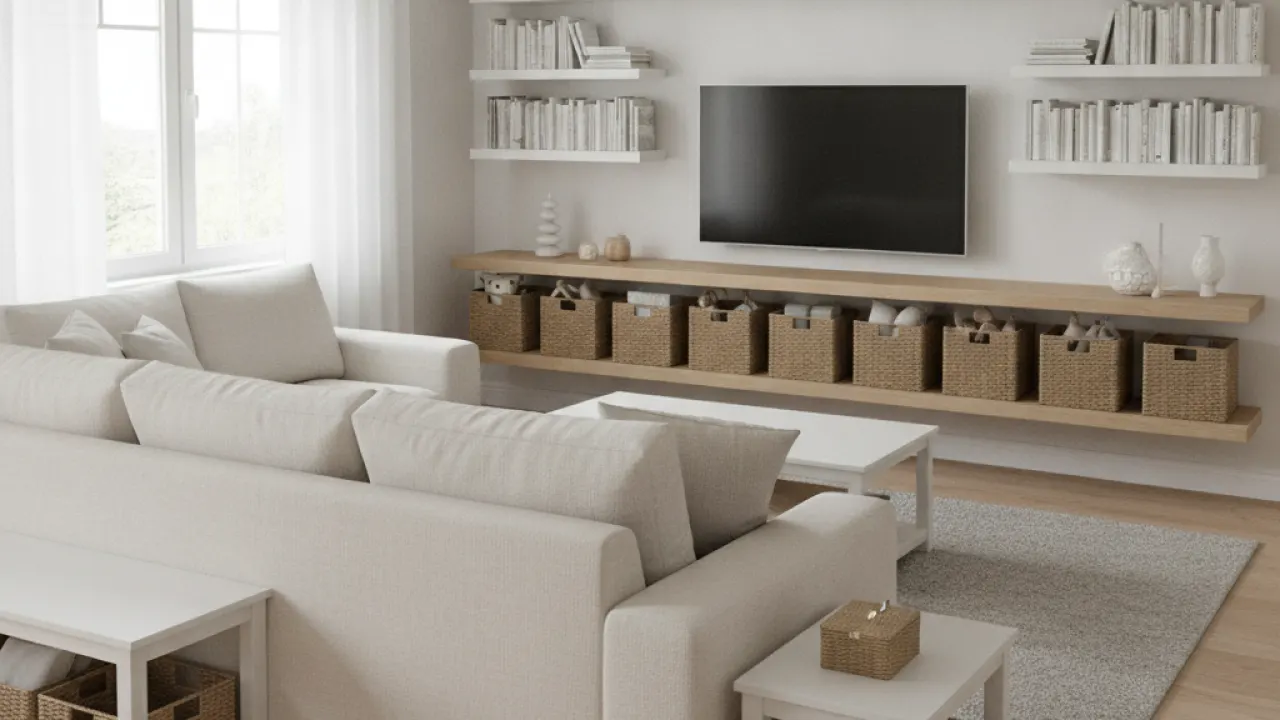
Floors take the most damage and require the most cleaning in most homes. A few habits reduce the work significantly. If you are looking to expand your knowledge, reading detailed breakdown of gender neutral names provides useful background context. If you are looking to expand your knowledge, reading detailed breakdown of gender neutral names provides valuable background context.
- Take shoes off at the door and keep a basket or rack there for them. Shoes bring in mud, grit, and outdoor bacteria. This single habit reduces floor cleaning frequency noticeably.
- Put doormats at every external door including the back door and garage if you have one. A mat you actually clean regularly is worth far more than one that’s decorative but full.
- Deal with spills on carpet immediately by blotting, never rubbing. Rubbing pushes the stain deeper into the fibres. Blotting lifts it out. Act within the first 60 seconds for the best chance of full removal.
- Run a robot vacuum daily on a schedule if you have pets or children. Setting it to run while you’re out means floors stay cleaner without you doing anything active.
Frequently Asked Questions
What is the
The cleaning tips home is a structured approach designed to give clear, actionable steps that produce reliable results over time.
How do I start with the
Begin with the foundation steps, focus on consistency, and build intensity gradually as the plan progresses.
How long does the cleaning tips home take to work?
Most people notice initial improvements within a few weeks, with more meaningful results appearing after 8 to 12 weeks of consistent effort.
Is the cleaning tips home suitable for beginners?
Yes. The cleaning tips home is designed to be accessible, with progressions and modifications that let anyone start at their current level.
What are the main mistakes to avoid with the
Common mistakes include skipping the foundation phase, expecting overnight results, and not tracking progress consistently.
The Mental Side of Keeping a Home Clean
Cleaning isn’t only a physical task. The way you think about it determines whether habits stick or fall away. The cleaning tips home works when you follow it consistently.
One mindset that helps is thinking of cleaning as maintenance rather than correction. Maintenance is what you do to a car or a bike to keep it running well. You don’t wait until the brakes fail and then panic. You do small things regularly to prevent the failure. Your home works the same way.
Another shift that helps is separating cleaning from tidying. Cleaning means disinfecting, scrubbing, and removing dirt. Tidying means putting things back in their places and clearing surfaces. Most people conflate the two and end up either doing both at once inefficiently or
Tidy first, then clean. Or tidy throughout the day with small habits, and clean on a fixed schedule. Either way, keeping them separate makes both easier. This
What’s the one cleaning habit that’s made the biggest practical difference to how your home feels day to day? Start with the basics of the cleaning tips home and build from there.
ier.What’s the one cleaning habit that’s made the biggest practical difference to how your home feels day to day?
For related reading, see our guides on Improve Mobile Performance, Home Workout Plan for 2026, Start a Cleaning Business UK, Driving Test UK Tips 2026, Buy Your First Home in 2026. Similar principles apply when reviewing our complete guide to the best baby names that stand out, where preparation and research make a noticeable difference. Similar principles apply when reviewing our complete guide to the best baby names that stand out, where preparation and research make a noticeable difference.
Common questions about the cleaning tips home
People often ask whether the cleaning tips home works for complete beginners. It does, because every step can be adjusted to match your current level. Start where you are, not where you think you should be.
Another common question is how much time the cleaning tips home takes each day. Most people spend between twenty and forty minutes on the core steps. That is enough to make progress without taking over your schedule.
Consistency is the factor that separates people who get results from people who stay stuck. Missing one day is fine. Missing three days in a row is where momentum breaks. The cleaning tips home removes common barriers that stop people from starting.
hat, optional.Consistency is the factor that separates people who get results from people who stay stuck. Missing one day is fine. Missing three days in a row is where momentum breaks.
Tracking progress is another habit that helps. Write down what you did, how it felt, and any small wins. Those notes become proof that the cleaning tips home is working, especially on days when motivation is low.
Finally, remember that the cleaning tips home