

Life doesn’t slow down to let you clean. Work, kids, errands, and everything else leaves most people with maybe 20 minutes on a good day. If that sounds familiar, the answer isn’t to clean less and accept mess. It’s to set up a system that does the heavy lifting for you.
This guide is about building habits that keep your home clean without turning every weekend into a scrubbing session. None of it requires you to be naturally tidy. It just requires you to do a few small things consistently. For more background, see Wikipedia reference.
Why Busy Homes Get Out of Control Fast
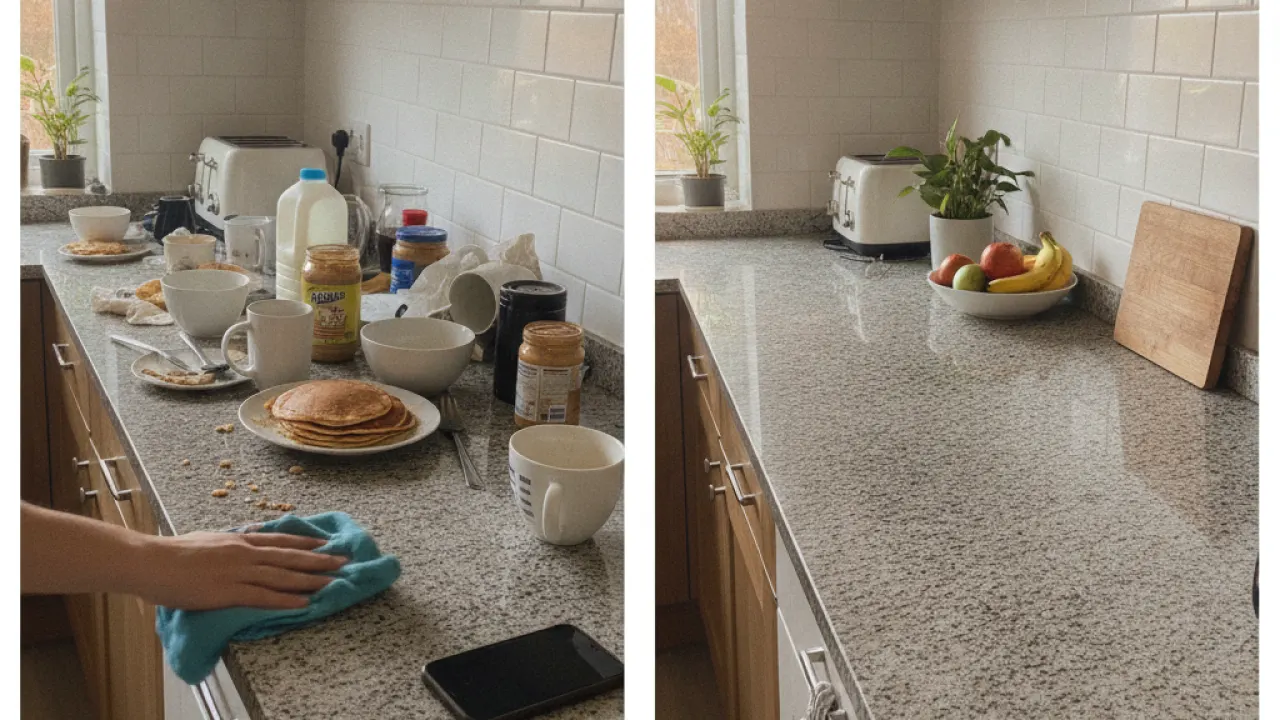
Mess doesn’t happen all at once. It builds in small increments. A coat dropped on the chair. Dishes left to soak. A pile of post on the counter. Each one feels minor at the time, but they compound. After a few days, a room that was fine now feels overwhelming, and you don’t know where to start.
This is the trap most busy people fall into. They wait until things get bad, then spend hours catching up. Then it gets bad again. The cycle repeats every week or two, and it’s exhausting.
The alternative is a different approach altogether. Instead of reactive cleaning, you move to preventive habits. Small actions taken regularly that stop mess from reaching that tipping point. Once you build these into your routine, cleaning stops feeling like a chore you dread and becomes something that just happens in the background of your day.
The real cause of a messy home
Most mess comes from a few consistent sources. Identifying yours is the first step to dealing with them.
- No designated homes for items means things get set down wherever. If every item has a fixed place, it gets returned to that place automatically.
- Delayed decisions create clutter. Post, shopping bags, clothes not yet put away. These pile up because you haven’t decided where they go yet.
- All-or-nothing thinking where you wait until you have time for a full clean instead of doing small things daily.
- Cleaning products that aren’t accessible mean you won’t use them. If the spray is under the sink in another room, you won’t wipe the surface you just noticed needs it.
The 15-Minute Daily Reset
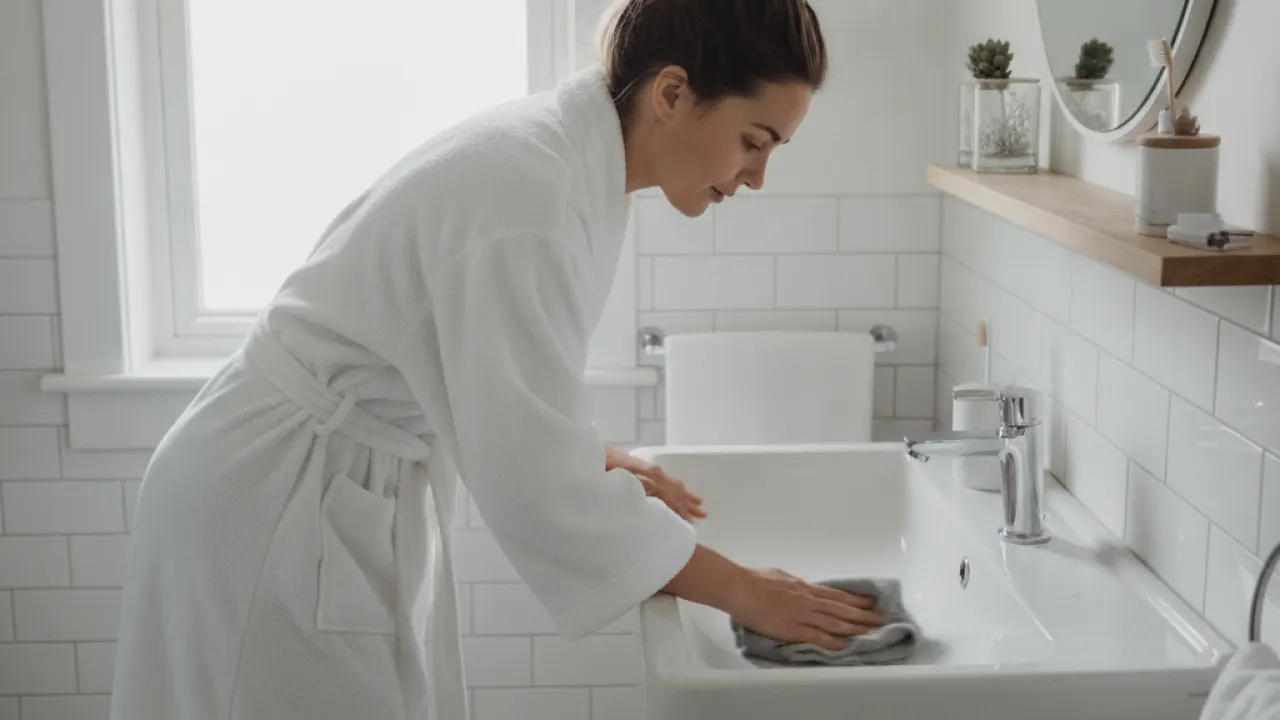
The single most effective habit for a busy person is a daily reset. Pick a time, either just after dinner or just before bed, and spend 15 minutes putting the house back to baseline. Not deep cleaning. Just returning things to where they belong and clearing any visible mess.
It sounds small, but 15 minutes a day is almost two hours a week of cleaning time. That’s more than most people spend in a single session, and it’s spread out so no single session feels heavy. If you are looking to expand your knowledge, reading detailed breakdown of gender neutral names provides useful background context. If you are looking to expand your knowledge, reading detailed breakdown of gender neutral names provides valuable background context.
What to cover in your daily reset
- Kitchen surfaces should be wiped down and cleared after each evening meal. It takes five minutes and means you don’t start the next day behind.
- Dishes should be loaded into the dishwasher or washed and dried each night. A clean sink is the baseline for a clean kitchen.
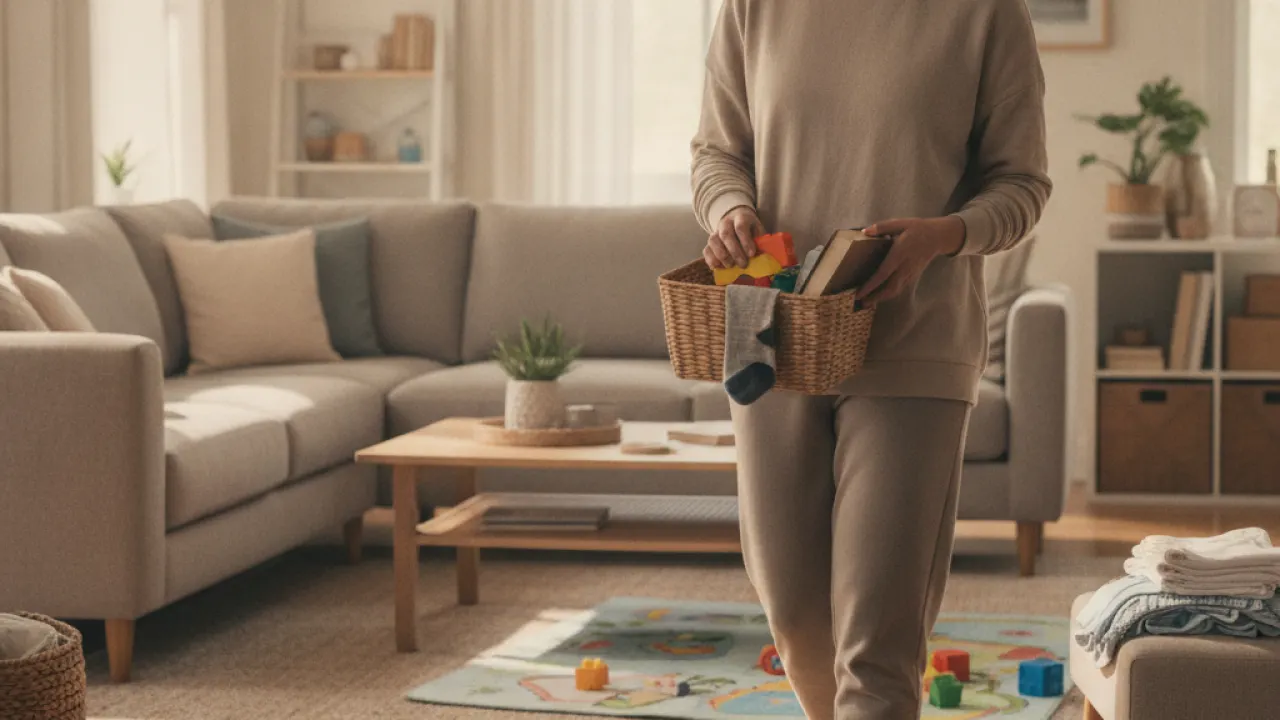
- Living areas need a quick collect. Cups, toys, remote controls, shoes. Pick them up and put them where they belong.
- Bathroom sink gets a 30-second wipe using a cloth kept right there beside the sink. Do it before you go to bed.
- Coats, bags, and shoes go back to their designated spots. Nothing left on chairs, floors, or the bottom of the stairs.
- Bins that are full get emptied. A full bin that doesn’t get dealt with becomes a bigger problem by morning.
The key is to do this every single day without exception, even if it only takes ten minutes some nights. Consistency matters more than thoroughness here.
Zone Cleaning for Time-Strapped Schedules

Rather than trying to clean the whole house at once, assign different rooms to different days. This way, every room gets attention over the course of a week, but you’re never trying to do it all in one go.
A simple zone split for a two to three bedroom home might look like this:
- Monday for the kitchen, a deeper wipe of surfaces and the stovetop beyond the daily reset.
- Tuesday for the main bathroom, toilet, sink, mirror, and floor.
- Wednesday for the living room, vacuuming, cushions, dusting surfaces.
- Thursday for the bedroom or bedrooms, vacuuming, dusting, tidying surfaces.
- Friday for any extra areas like a hallway, spare room, or utility space.
- Saturday for laundry and any catch-up from the week.
- Sunday as a rest day with no scheduled cleaning.
Each zone session should take no more than 20 to 30 minutes. You’re not deep cleaning. You’re doing the things that prevent buildup so you never need to deep clean urgently. Brands like Dyson and Method make products specifically for quick regular cleans rather than heavy-duty sessions, and they make zone cleaning easier.
The One-Minute Rule
This is one of the most practical habits you can build. If something takes less than one minute to deal with, do it immediately instead of putting it off.
Wipe the stovetop while you’re waiting for the kettle. Hang up your coat when you walk in the door. Rinse your cup before it crusts over. Put the scissors back when you’re done with them.
These micro-actions don’t feel like cleaning. They happen in the gaps of your day. But they eliminate the small accumulations that add up to a messy home. Mrs Hinch built an entire following around this idea that a tidy home is mostly about habits, not marathon cleaning sessions.
Where the one-minute rule makes the biggest difference
- The kitchen where wiping a surface immediately after use takes ten seconds instead of five minutes later once it’s dried and sticky.
- The bathroom where a quick mirror wipe after your morning routine takes less than a minute and means you’ll never dread a bathroom clean.
- The entryway where shoes and bags left for just a moment tend to stay there for days.
- The desk or home office where papers and cables accumulate fast if not dealt with immediately.
Reducing How Much You Have to Clean
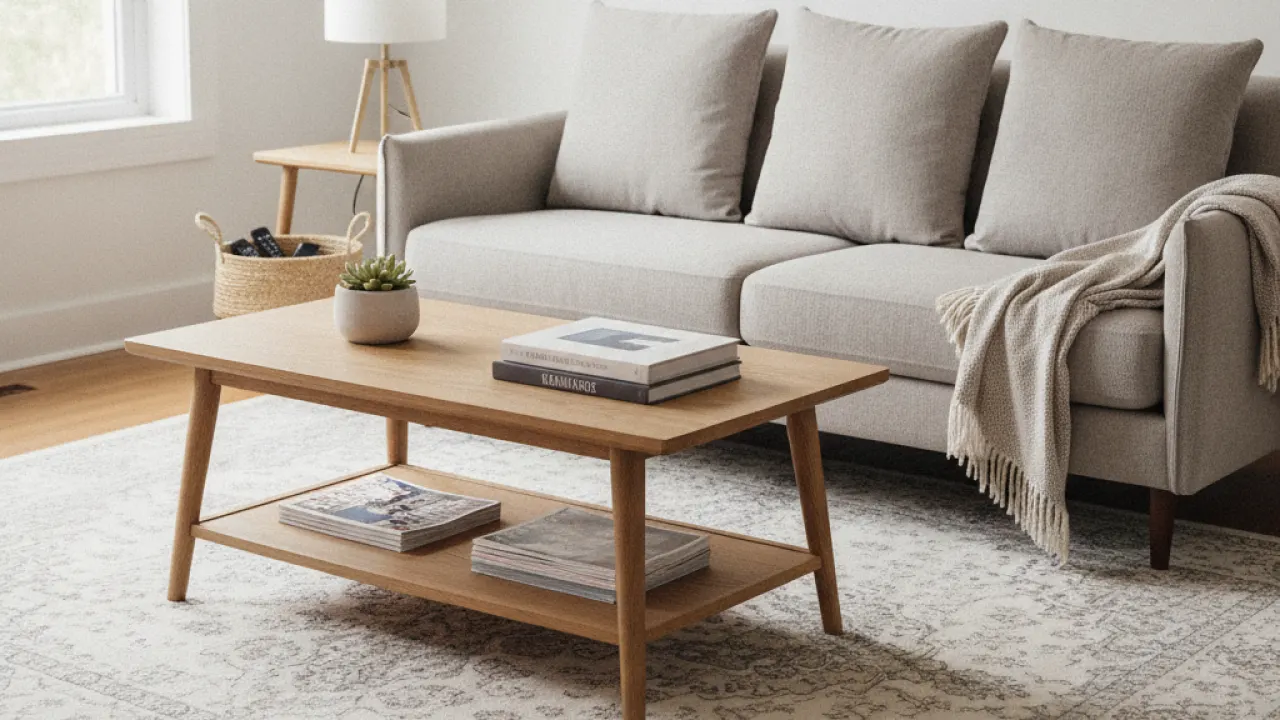
The fewer things you own, the less you have to clean around. This isn’t about going minimal, it’s about being thoughtful. Surfaces with fewer items on them take seconds to wipe. Rooms with less furniture are faster to vacuum. Storage that’s half-full is easy to maintain; storage that’s overflowing spills out constantly.
Do a pass through your home and look for things you’re keeping out of habit rather than use. If something hasn’t been used in six months and you don’t have strong feelings about it, consider whether it needs to stay.
Small decluttering habits that help long-term
- One in, one out means when something new comes into the house, something goes out. This prevents slow accumulation over time.
- Clear the counters in both kitchen and bathroom and keep only the things you use daily on them. Everything else goes in a cupboard.
- Deal with post immediately by sorting it over a bin. Junk mail goes straight in, important things go to a designated tray, not a pile on the worktop.
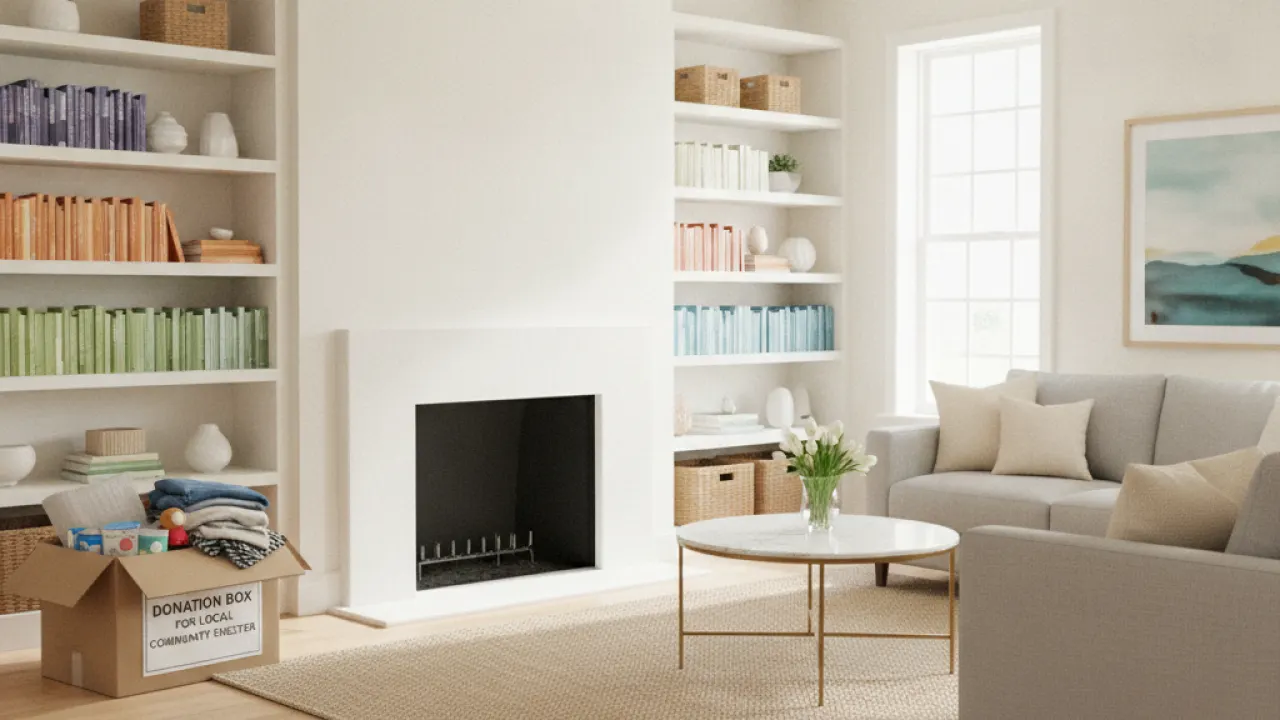
- Keep a donation box somewhere accessible. When you notice something you no longer need, it goes straight in. When the box is full, it leaves the house.
Cleaning Products That Actually Save Time
Having the right tools makes a genuine difference to how quickly you can clean. Not expensive tools, just the right ones kept in the right places.
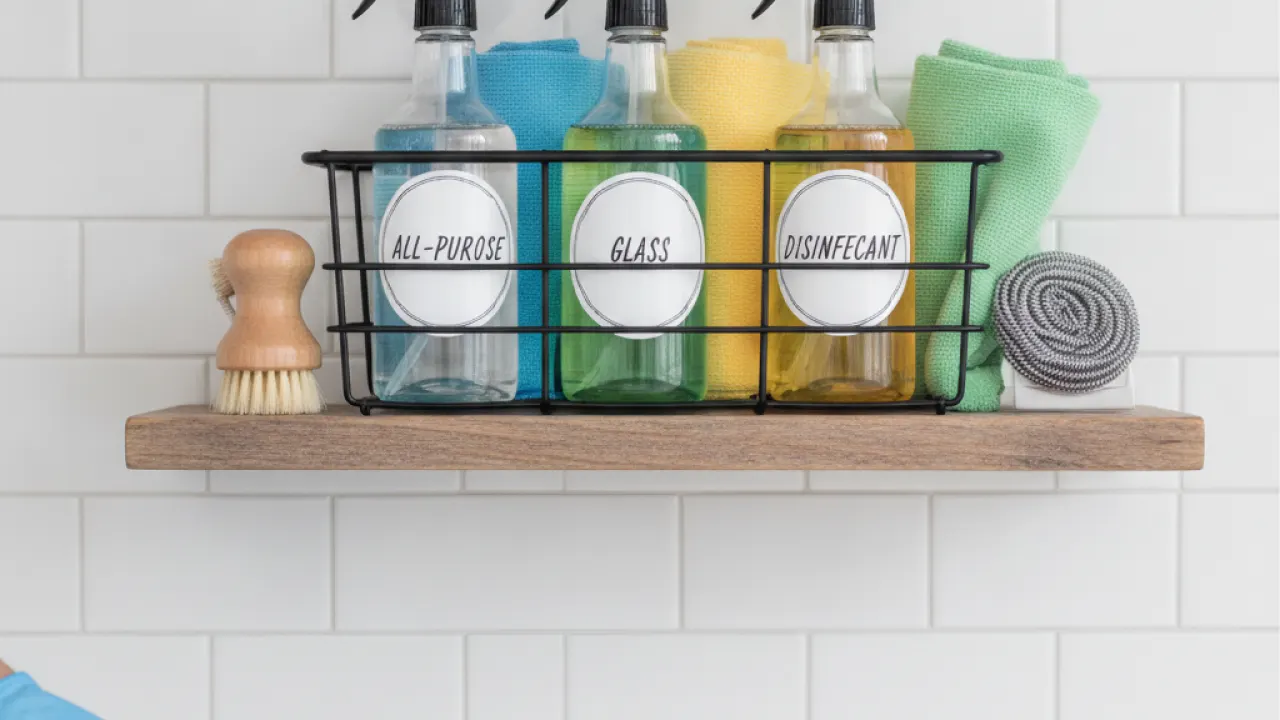
- Microfibre cloths work better and faster than cotton cloths or paper towels on most surfaces. Keep a stack in the kitchen and one in each bathroom.
- An all-purpose spray like Method or Flash that works on most surfaces means you’re not switching products between jobs.
- A good squeegee in the shower used after every shower stops soap scum and water marks from building up. It takes 20 seconds and means the shower needs proper cleaning far less often.
- Toilet drop-in tablets from brands like Kärcher or similar keep the bowl cleaner between scrubs so your weekly clean is much easier.
- A cordless vacuum that’s easy to grab and put back means you’ll actually use it for quick jobs instead of only getting it out when you have time for a full session.
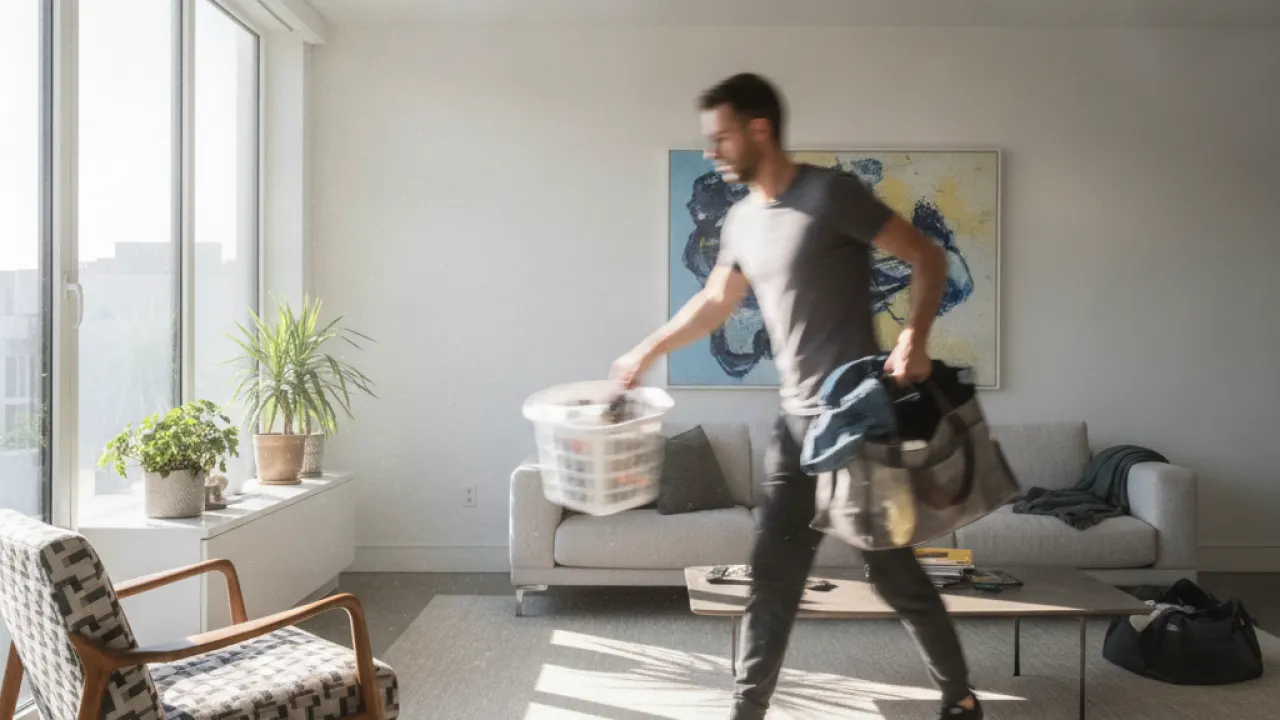
- Laundry baskets in every bedroom so clothes never sit on floors waiting to move to the right room.
Getting Everyone in the Household Involved
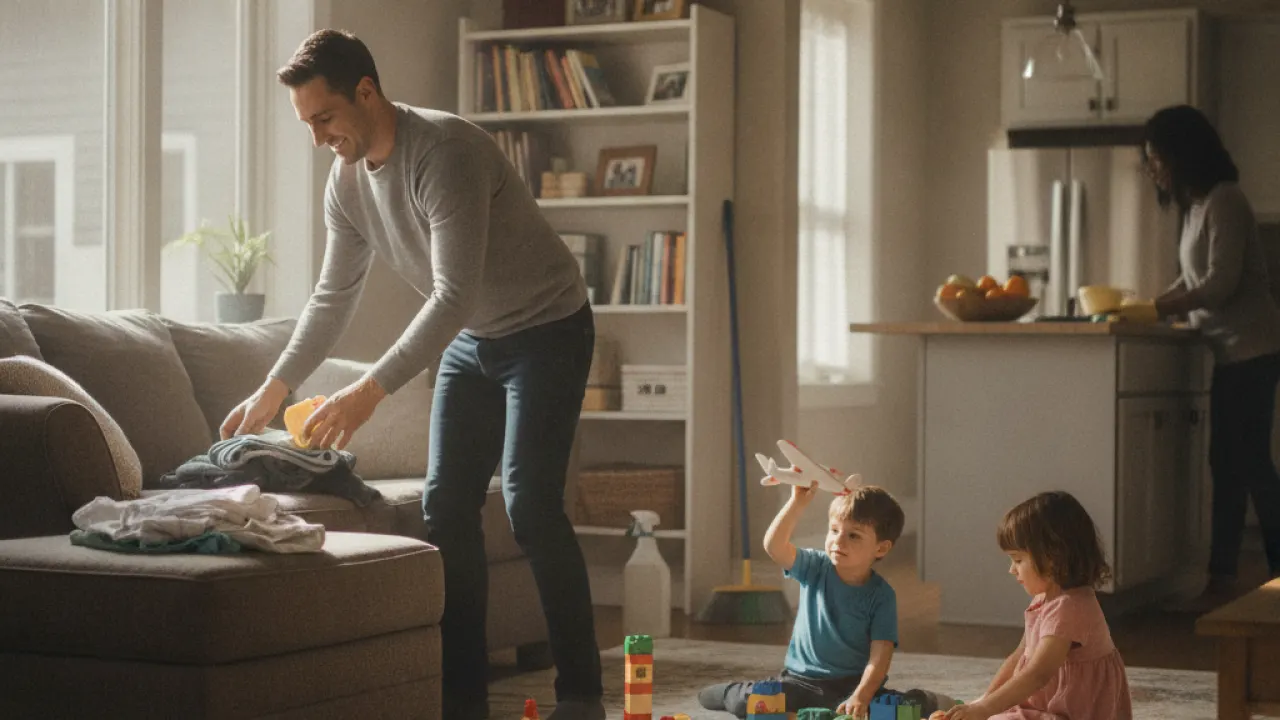
If you live with other people, cleaning can’t be one person’s job. It burns that person out and creates resentment. Even if the distribution isn’t perfectly equal, every household member should have regular responsibilities. Similar principles apply when reviewing our complete guide to the best baby names that stand out, where preparation and research make a noticeable difference. Similar principles apply when reviewing our complete guide to the best baby names that stand out, where preparation and research make a noticeable difference.
For children, age-appropriate tasks make a real difference. A five-year-old can put toys away. An eight-year-old can load the dishwasher and wipe the table. A twelve-year-old can vacuum a room and clean their own bathroom. These aren’t chores to punish with, they’re skills that teach children how to function in a home.
How to divide tasks fairly
- Make a list of all recurring tasks and how often they need to happen. Be specific: not just cleaning but vacuuming the living room every Wednesday.
- Assign tasks by preference where possible since people are more likely to do jobs they mind less.
- Rotate the tasks nobody likes so they don’t always fall to the same person.
- Hold a short weekly check-in to see what got done and what needs doing the following week. It doesn’t need to be formal, just a quick conversation.
The goal isn’t a perfect system. It’s a functioning one where everyone contributes and no one person carries all of it.
Frequently Asked Questions
What is the
The keep house clean no time is a structured approach designed to give clear, actionable steps that produce reliable results over time.
How do I start with the
Begin with the foundation steps, focus on consistency, and build intensity gradually as the plan progresses.
How long does the keep house clean no time take to work?
Most people notice initial improvements within a few weeks, with more meaningful results appearing after 8 to 12 weeks of consistent effort.
Is the keep house clean no time suitable for beginners?
Yes. The keep house clean no time is designed to be accessible, with progressions and modifications that let anyone start at their current level.
What are the main mistakes to avoid with the
Common mistakes include skipping the foundation phase, expecting overnight results, and not tracking progress consistently.
What to Do When It Gets Away from You
Even with good habits, life sometimes takes over. A busy period at work, an illness, a family event that takes all your time. When this happens, the house can fall behind quickly and feel impossible to catch up on.
The most important thing when this happens is not to let shame or overwhelm stop you from starting. A messy home doesn’t mean you’ve failed. It means you were busy.
When you need to reset after a bad patch, use this order:
- Start with the kitchen because a clean kitchen makes the whole house feel more manageable.
- Do a full rubbish collection through every room. Empty bins, collect any waste. This alone makes a big difference.
- Do a laundry run to clear any backlogged washing and start fresh.
- Reset one room fully before moving to the next. Don’t hop between rooms.
- Don’t try to deep clean while catching up since surface cleaning gets things back to baseline. Deep cleans come later.
- Then restart your daily habits from the next day. Don’t wait until everything is perfect before starting again.
What’s the one habit that has made the biggest difference to keeping your home tidy when life gets busy? The keep house clean no time works when you follow it consistently.
For related reading, see our guides on First-Time Traveller Guide, 8 Easy Vegetables to Grow at Home for First-Time Gardeners, Driving Test UK Tips 2026, Eat Clean, Rent a House UK.
Common questions about the keep house clean no time
People often ask whether the keep house clean no time works for complete beginners. It does, because every step can be adjusted to match your current level. Start where you are, not where you think you should be.
Another common question is how much time the keep house clean no time takes each day. Most people spend between twenty and forty minutes on the core steps. That is enough to make progress without taking over your schedule. For broader insights, exploring practical advice on how to be a better person will give you actionable takeaways you can apply right away. For broader insights, exploring practical advice on how to be a better person will give you actionable takeaways you can apply right away.
Some readers wonder if they need expensive tools or subscriptions. In most cases, the keep house clean no time works with what
Consistency is the factor that separates people who get results from people who stay stuck. Missing one day is fine. Missing three days in a row is where momentum breaks. This guide shows you how the keep house clean no time fits real life.
y is fine. Missing three days in a row is where momentum breaks.Tracking progress is another habit that helps. Write down what you did, how it felt, and any small wins. Those notes become proof that the keep house clean no time is working, especially on days when motivation is low.
Finally, remember that the keep house clean no time