

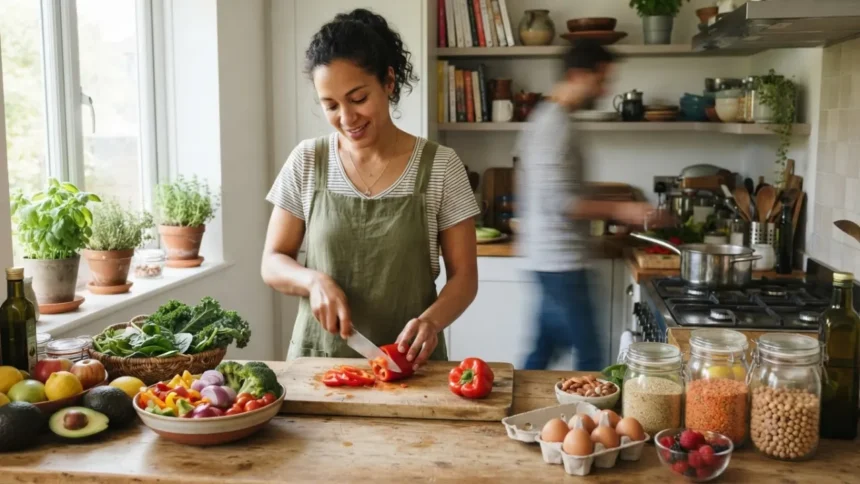
Eating clean does not mean eating perfectly. It means choosing foods that are close to their natural state, most of the time, without turning every meal into a project. The goal is not a short diet. The goal is a set of habits that are easy to keep. This guide explains how to eat clean in a practical way that works for beginners.
The idea sounds simple, but the advice online is often confusing. Some plans ban entire food groups. Others require expensive ingredients or complicated prep. The version of clean eating that actually works is flexible, affordable, and built around real life. Learning how to eat clean is really about learning how to make better choices more often.
What Clean Eating Actually Means
Clean eating is not a single diet. It is a way of choosing food. The core idea is to eat more whole foods and fewer heavily processed foods. Whole foods include vegetables, fruits, whole grains, beans, nuts, seeds, eggs, fish, poultry, and meat. Processed foods include packaged snacks, sugary drinks, refined grains, and ready meals with long ingredient lists. Understanding this difference is the first real step in how to eat clean.
The goal of how to eat clean is not to eliminate every packaged food. It is to move toward foods that look like food. An apple looks like an apple. A chicken breast looks like chicken. A flavoured protein bar does not look like any whole food. That simple test helps more than any rule.
The reason this matters is that processing usually strips away nutrients and adds salt, sugar, and unhealthy fats. A whole food keeps more of what your body needs. That does not mean all processed foods are bad. Frozen vegetables, canned beans, and plain yoghurt are processed but still healthy. The key is the level of processing and what was added.
According to the Harvard T.H. Chan School of Public Health Healthy Eating Plate, a healthy meal should be half vegetables and fruits, a quarter whole grains, and a quarter healthy protein. That simple visual is one of the most useful tools for how to eat clean.
Eating clean also helps stabilise energy. Processed foods often cause blood sugar spikes followed by crashes. Whole foods with fibre, protein, and healthy fats digest more slowly. That steadier energy is one of the first benefits people notice when they learn how to eat clean.
Digestion often improves too. More fibre from vegetables, fruits, and whole grains supports gut health. Many people report feeling less bloated within the first few weeks. That physical feedback helps reinforce the habit.
The 10 Simplest Swaps to Start With
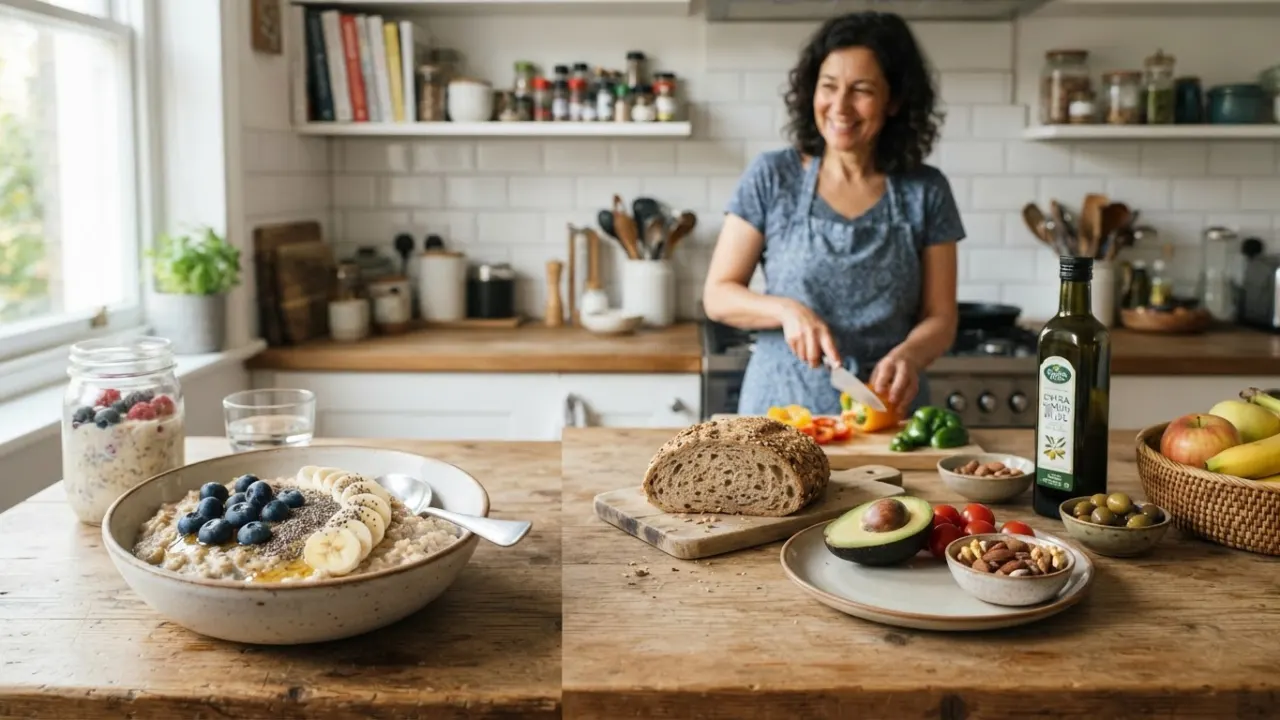
You do not need to overhaul your entire diet overnight. Small swaps make the biggest difference in the first month. Here are ten easy changes that teach you how to eat clean without making meals complicated.
- White bread to whole grain bread. Whole grain bread has more fibre and keeps you full longer.
- Sugary cereal to oatmeal. Oats are a whole grain with natural fibre and no added sugar.
- Fizzy drinks to water or sparkling water. Cutting sugary drinks is one of the fastest ways to reduce added sugar.
- Chips to nuts. A small handful of unsalted nuts gives protein, fibre, and healthy fats.
- Creamy salad dressing to olive oil and vinegar. Simple dressings avoid added sugars and thickeners.
- Flavoured yoghurt to plain yoghurt with fruit. Plain yoghurt has far less added sugar.
- Processed meats to fresh poultry or fish. Bacon, sausages, and deli meats often contain high sodium and preservatives.
- Instant noodles to rice and beans. A cheap, filling meal made from whole ingredients.
- Packaged snacks to fresh fruit. Fruit gives natural sweetness with fibre and vitamins.
- Butter to olive oil for cooking. Olive oil is a healthier fat for most cooking methods.
Pick two or three swaps to start. Once they feel normal, add another. That is the easiest way to learn how to eat clean for the long term. Trying to change everything at once usually leads to burnout. Small wins build confidence.
For more simple habit changes, see our guide to how to start a side hustle. The same consistency principles apply.
Drinks are another easy place to start. Replace sugary coffees with black coffee or tea. Swap fruit juice for whole fruit. These liquid swaps remove a surprising amount of added sugar from the average diet. If you are looking to expand your knowledge, reading our complete guide to the best foods for a healthy heart provides useful background context. If you are looking to expand your knowledge, reading our complete guide to the best foods for a healthy heart provides useful background context. If you are looking to expand your knowledge, reading our complete guide to the best foods for a healthy heart provides useful background context. If you are looking to expand your knowledge, reading our complete guide to the best foods for a healthy heart provides valuable background context.
How to Build a Plate That Works
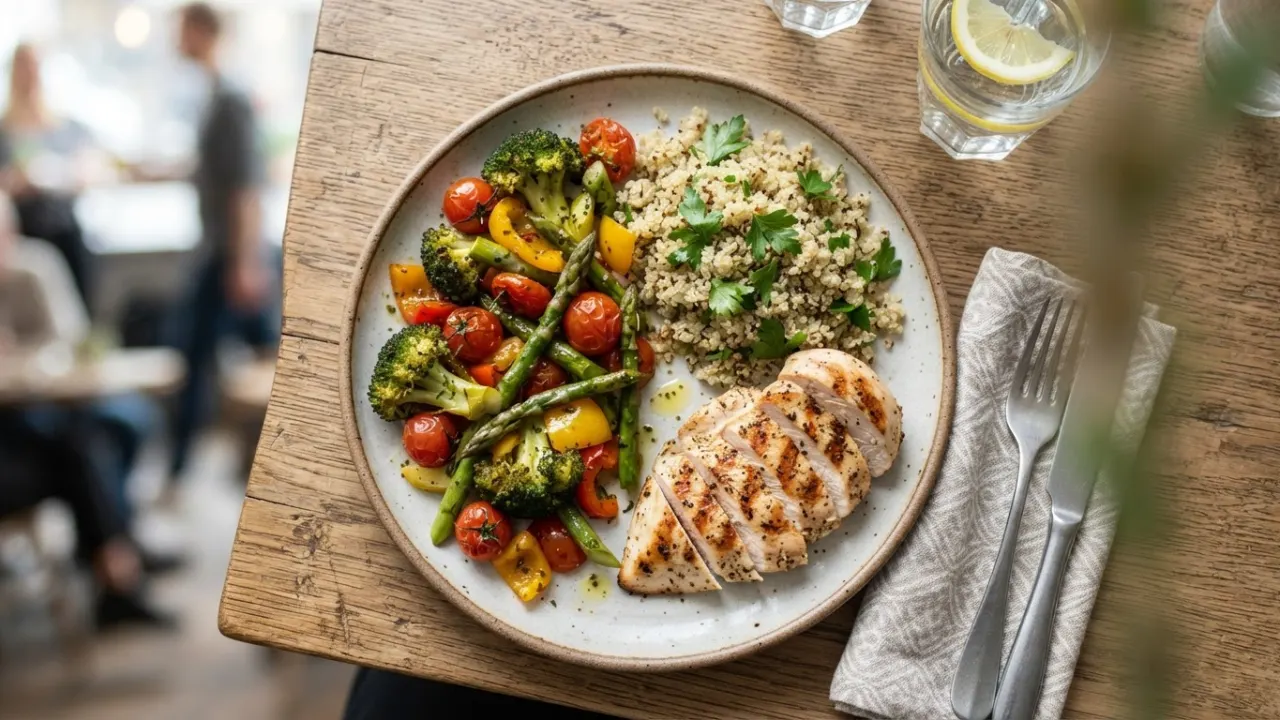
Portion confusion is one of the biggest barriers to clean eating. A simple plate method removes the need for counting calories. It also makes how to eat clean feel less restrictive.
Fill half your plate with vegetables and fruit. Fill one quarter with whole grains or starchy vegetables like potatoes or brown rice. Fill the final quarter with protein like chicken, fish, beans, tofu, or eggs. Add a small amount of healthy fat from olive oil, avocado, or nuts.
This method works because it balances nutrients without requiring exact measurements. It also works at restaurants and buffets. You can eyeball the proportions and still eat clean. The goal is progress, not perfection.
Learning how to eat clean becomes much easier when you stop counting and start building. The plate method gives you a visual guide you can use anywhere. It also helps you feel satisfied after meals because you are eating enough volume and fibre.
For example, a clean dinner might be grilled salmon, roasted broccoli, and quinoa. A clean lunch might be a chicken and vegetable grain bowl. Breakfast could be eggs with sauteed spinach and whole grain toast. Each meal follows the same plate idea.
The Weekly Meal Template That Works
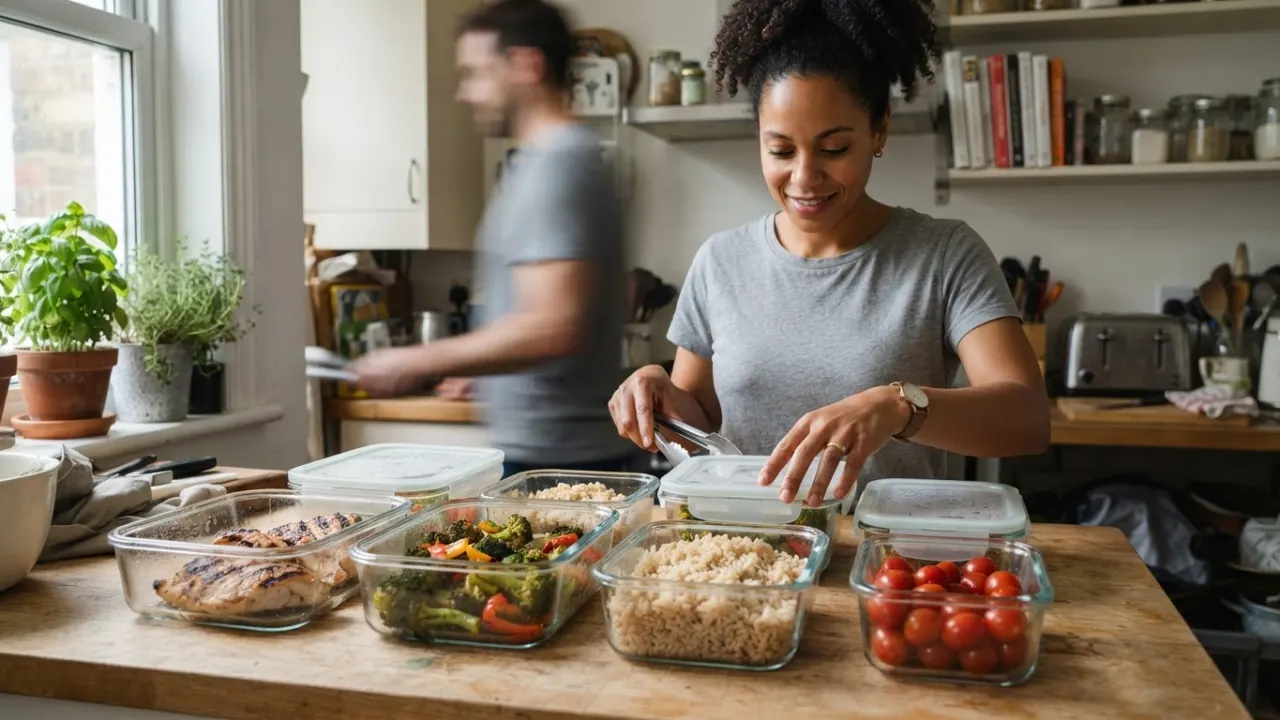
Planning is what turns clean eating from an idea into a habit. A weekly template removes daily decision fatigue and makes shopping easier. You do not need a rigid meal plan. You need a flexible structure.
A simple template might look like this. Breakfast is oatmeal with fruit on weekdays, and eggs with vegetables on weekends. Lunch is a grain bowl with vegetables and protein. Dinner is a protein source with two vegetable sides. Snacks are fruit, nuts, or plain yoghurt.
Cook once, eat twice. Roast a tray of vegetables and a pan of chicken at the start of the week. Use them in different combinations across lunches and dinners. Batch cooking saves time and makes how to eat clean far more practical. It also reduces the number of decisions you need to make when you are tired or busy.
Keep a few emergency meals available. Frozen vegetable stir-fry, canned soup with added beans, or eggs and toast take less than 15 minutes. Having backup options prevents the takeaway decision on busy nights. That is a practical part of how to eat clean.
A sample day might look like this. Breakfast is oatmeal with banana and peanut butter. Lunch is a lentil and vegetable soup with whole grain bread. Dinner is baked chicken with sweet potato and green beans. Snacks are an apple and a handful of almonds.
How to Actually Read a Food Label
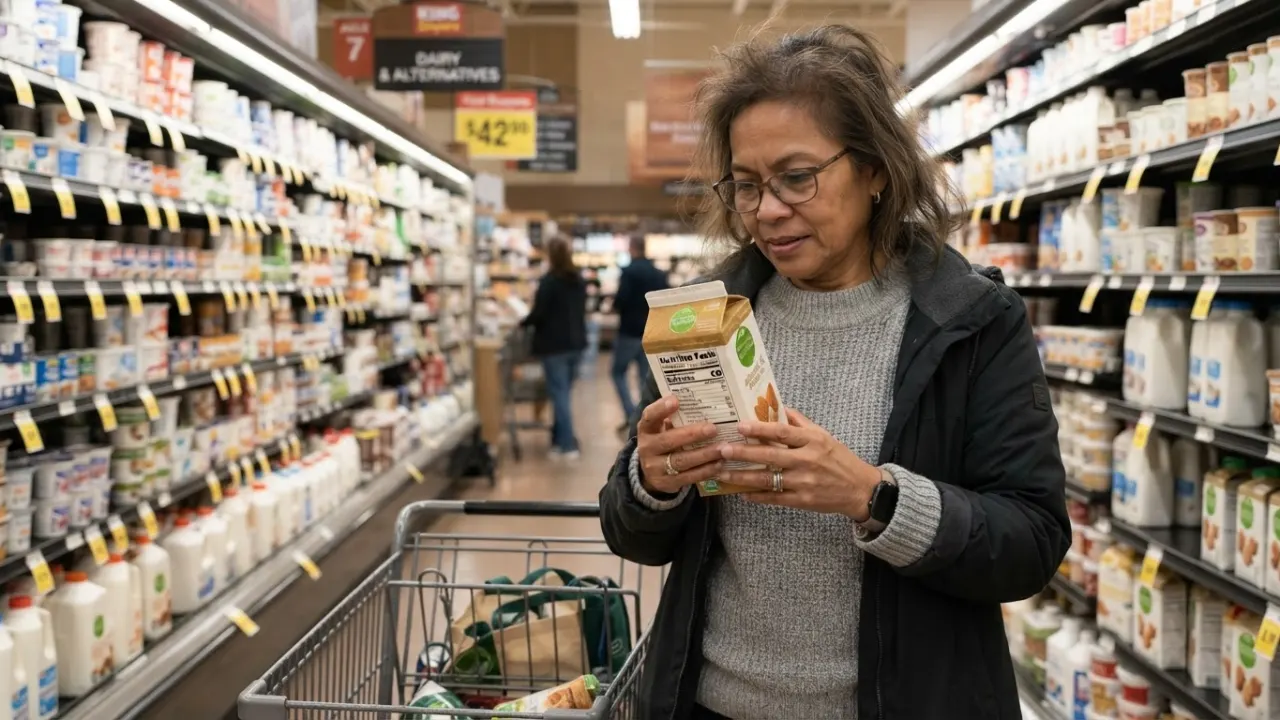
Labels can be misleading. Packages use words like natural, low fat, and healthy sounding claims that do not always mean much. Knowing what to look for is a key skill in how to eat clean.
Start with the ingredient list. The shorter, the better. Ingredients are listed by weight, so the first few ingredients make up most of the product. If sugar, salt, or refined oils appear near the top, the product is not a clean choice. Similar principles apply when reviewing our complete guide to the best home workout plan, where preparation and research make a noticeable difference. Similar principles apply when reviewing our complete guide to the best home workout plan, where preparation and research make a noticeable difference. Similar principles apply when reviewing our complete guide to the best home workout plan, where preparation and research make a noticeable difference. Similar principles apply when reviewing our complete guide to the best home workout plan, where preparation and research make a noticeable difference.
Check added sugar separately from total sugar. Fruit and dairy have natural sugar. Added sugar is what manufacturers put in. Try to keep added sugar under 10 grams per serving for most packaged foods.
Watch for sodium. Many packaged foods contain far more salt than you would add at home. A daily sodium target of around 2,300 milligrams is reasonable for most adults.
Ignore front-of-package health claims. Words like natural, lite, and farm fresh are marketing, not nutrition facts. The ingredient list and nutrition panel are the only parts that matter when you are learning how to eat clean.
For example, a breakfast cereal might claim high in whole grain on the front. But if sugar is the second ingredient and the fibre is low, it is not a clean choice. Always flip the package and read the back.
The Biggest Mistakes Beginners Make
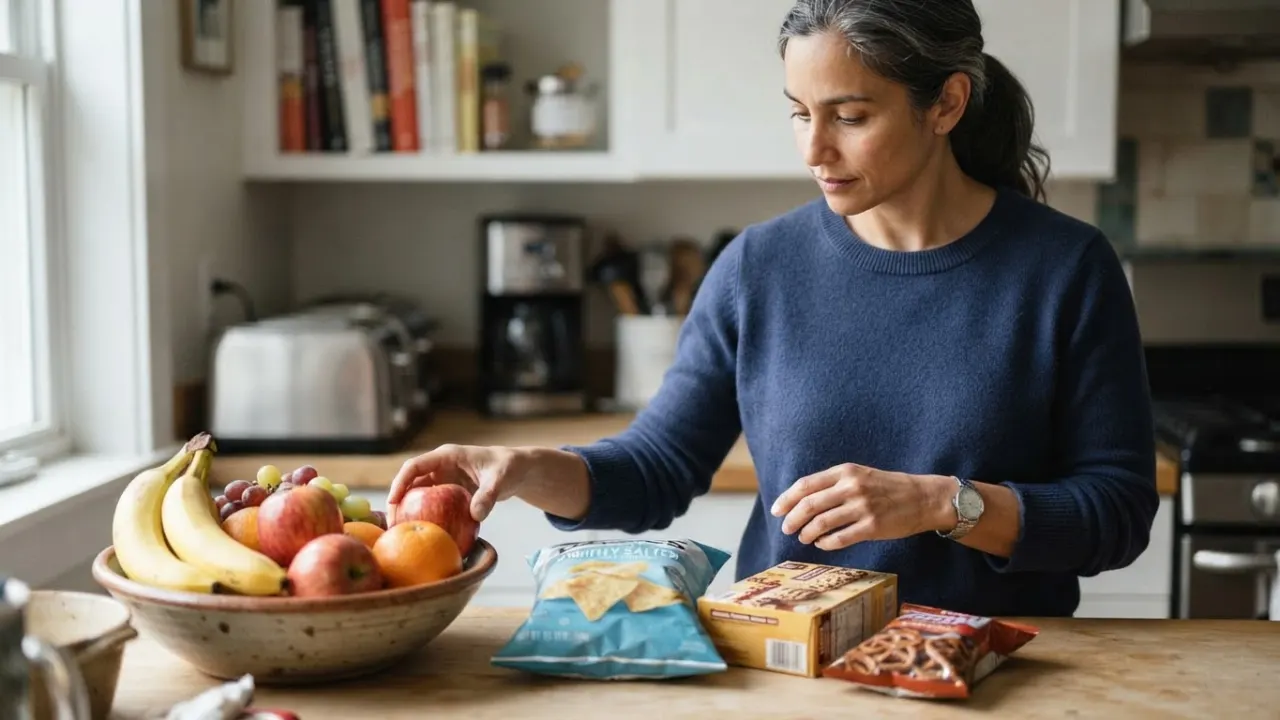
Most people who try clean eating do not fail because the idea is wrong. They fail because they take an extreme approach. Here are the most common mistakes and how to avoid them.
Cutting out all treats. Restriction usually leads to binge eating later. A small portion of chocolate or a takeaway meal once a week will not undo a week of clean eating. This balance is an important part of how to eat clean without feeling deprived.
Buying expensive superfoods. You do not need acai, spirulina, or organic everything. Frozen vegetables, oats, beans, and eggs are affordable and healthy.
Eating the same meals every day. Variety matters for nutrients and for staying interested. Rotate proteins, grains, and vegetables throughout the week.
Ignoring hunger. Clean eating is not about eating less. It is about eating better. If you are hungry, eat. Choose whole foods when you do.
Waiting for the perfect plan. The best plan is the one you start. You can adjust as you go. For broader insights, exploring our complete guide to the best self care habits for mental health will give you actionable takeaways you can apply right away. For broader insights, exploring our complete guide to the best self care habits for mental health will give you actionable takeaways you can apply right away. For broader insights, exploring our complete guide to the best self care habits for mental health will give you actionable takeaways you can apply right away. For broader insights, exploring our complete guide to the best self care habits for mental health will give you actionable takeaways you can apply right away.
Most beginners also make the mistake of thinking how to eat clean has to be expensive or time consuming. It does not. Simple whole foods are often cheaper and faster than ready meals once you build a few cooking habits.
Another common error is relying too much on willpower. Willpower runs out. The solution is to make clean eating the easy option. Keep healthy food visible, prepare ingredients ahead, and keep unhealthy snacks out of the house.
Clean Eating on a Budget
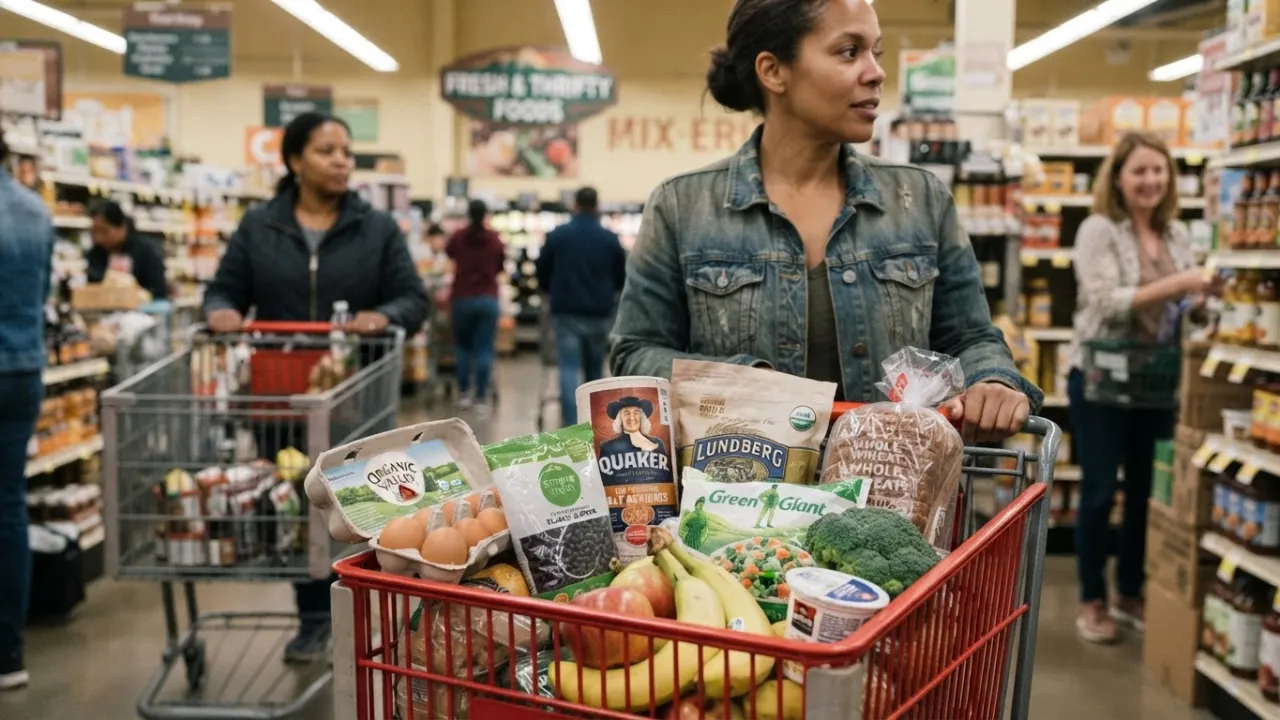
Clean eating is often painted as expensive, but it does not have to be. Some of the healthiest foods are also the cheapest. The key is buying simple ingredients and preparing them yourself.
Frozen vegetables are just as nutritious as fresh and last longer. Dried beans and lentils cost very little and provide protein and fibre. Whole grains like brown rice, oats, and whole wheat pasta are cheap in bulk. Eggs are one of the most affordable protein sources.
Avoid pre-cut vegetables, individual snack packs, and premium health products. These add cost without adding nutrition. Buy whole ingredients, cook in batches, and use leftovers. That is how to eat clean without spending more.
Seasonal produce is another budget win. Vegetables in season cost less and taste better. Frozen berries in winter, root vegetables in autumn, and fresh tomatoes in summer keep meals interesting and affordable.
For heart-focused eating ideas, see our guide to the best foods for a healthy heart.
Another budget tip is to use meat as a flavouring rather than the main event. A small amount of chicken in a vegetable stir-fry, or beans as the protein, lowers the cost while keeping meals satisfying. Beans and lentils are staples in almost every budget-friendly version of how to eat clean.
How to Make Clean Eating Sustainable
The biggest challenge is not starting. It is keeping going after the first two weeks. Sustainability comes from making clean eating fit your life, not the other way around.
Prep ingredients, not full meals. Wash and chop vegetables at the start of the week. Cook a batch of grains and a protein. Then assemble meals quickly each day. This gives you flexibility without daily cooking.
Keep healthy options visible. A fruit bowl on the counter, washed vegetables at eye level, and nuts in a jar make good choices easier. When healthy food is convenient, you are more likely to eat it. This small change is one of the easiest ways to make how to eat clean automatic. Many readers who study this area also benefit from our complete guide to the best foods for weight loss to ensure all key factors are covered. Many readers who study this area also benefit from our complete guide to the best foods for weight loss to ensure all key factors are covered. Many readers who study this area also benefit from our complete guide to the best foods for weight loss to ensure all key factors are covered. Many readers who study this area also benefit from our complete guide to the best foods for weight loss to ensure all key factors are covered.
Allow room for real life. Birthdays, travel, and busy days will happen. One off-plan meal does not break a healthy pattern. What matters is what you eat most of the time.
Track your habits loosely, not your calories. A simple note about whether you ate mostly whole foods today is enough. Perfect tracking is not required for how to eat clean. Awareness is.
Another sustainability tip is to involve family or housemates. When everyone eats the same meals, planning is easier and temptation is lower. Social support makes how to eat clean much easier.
For more habit-building advice, see our guide to how to build better daily habits.
Your Questions About How to Eat Clean
Is clean eating the same as dieting?
No. Dieting usually has an end date and calorie restriction. Clean eating is about food quality and long-term habits.
Can I eat out while eating clean?
Yes. Choose grilled proteins, vegetable sides, and dishes with simple sauces. Ask for dressings on the side.
Do I need to buy organic?
No. Organic has some benefits, but conventional whole foods are still healthy. Wash produce well and focus on variety.
Is clean eating good for weight loss?
It can help, because whole foods are more filling and less calorie dense. But weight loss still depends on total calories.
How long until I see results?
Energy and digestion often improve within two weeks. Other changes, like weight or blood markers, take longer.
Can I drink alcohol?
Moderate drinking can fit into a clean eating pattern. The key is keeping it moderate and choosing simple drinks over sugary cocktails.
Is coffee okay?
Plain black coffee is fine for most people. The problem is sugary syrups, flavoured creamers, and large sweetened drinks. Keep it simple.
Final Thoughts and Your Turn
0Learning how to eat clean is not about becoming perfect. It is about making better choices more often. Start with simple swaps, build a plate method that works, and plan a few meals ahead. The rest is consistency.
The foods that support your health are usually simple, affordable, and easy to prepare. Vegetables, fruits, whole grains, beans, nuts, eggs, and fish. Eating clean is mostly about returning to those basics.
The best part of how to eat clean is that mistakes do not undo progress. One off-plan meal is just one meal. The next meal is a fresh chance. That mindset is what keeps people going for years instead of quitting after a week.
What is the first clean eating swap you are going to try? Share in the comments and tell us why. If you have already started, tell us which habit made the biggest difference.
Remember, how to eat clean is not a race. It is a set of choices you make most days. Start small, stay consistent, and let the habits build over time.
Remember, how to eat clean is not a race. It is a set of choices you make most days. Start small, stay consistent, and let the habits build over time.
What are your thoughts on how to eat clean? Have you tried any of these steps, or do you have tips of your own to share? Leave a comment below and share this guide with friends or colleagues who might find it helpful.