

Becoming a better person sounds like a big promise. It’s not. It comes down to small daily habits that slowly change how you think, react, and treat other people. This guide on how to be a better person covers 15 habits that actually work, with no vague advice about “being your best self.” These are concrete actions you can start today.
The 15 habits below are built around three areas: how you treat others, how you manage your own mind, and how you take care of your body. All three connect. Work on one area and the others tend to lift as well. This is what people miss when they search for how to be a better person: it’s not a single action. It’s a slow shift in daily behaviour.
People who become better over time share one common trait: they focus on behaviours rather than character judgements. Instead of “I need to be kinder,” they practice specific actions that produce kindness. Instead of “I should be more disciplined,” they build routines that make discipline the default. This list of 15 habits for how to be a better person follows that same principle. Every habit here is something you can do, not something you have to feel. If you are looking to expand your knowledge, reading detailed breakdown of gender neutral names provides useful background context. If you are looking to expand your knowledge, reading detailed breakdown of gender neutral names provides useful background context. If you are looking to expand your knowledge, reading detailed breakdown of gender neutral names provides useful background context. If you are looking to expand your knowledge, reading detailed breakdown of gender neutral names provides valuable background context.
Habit 1. Listen More Than You Speak
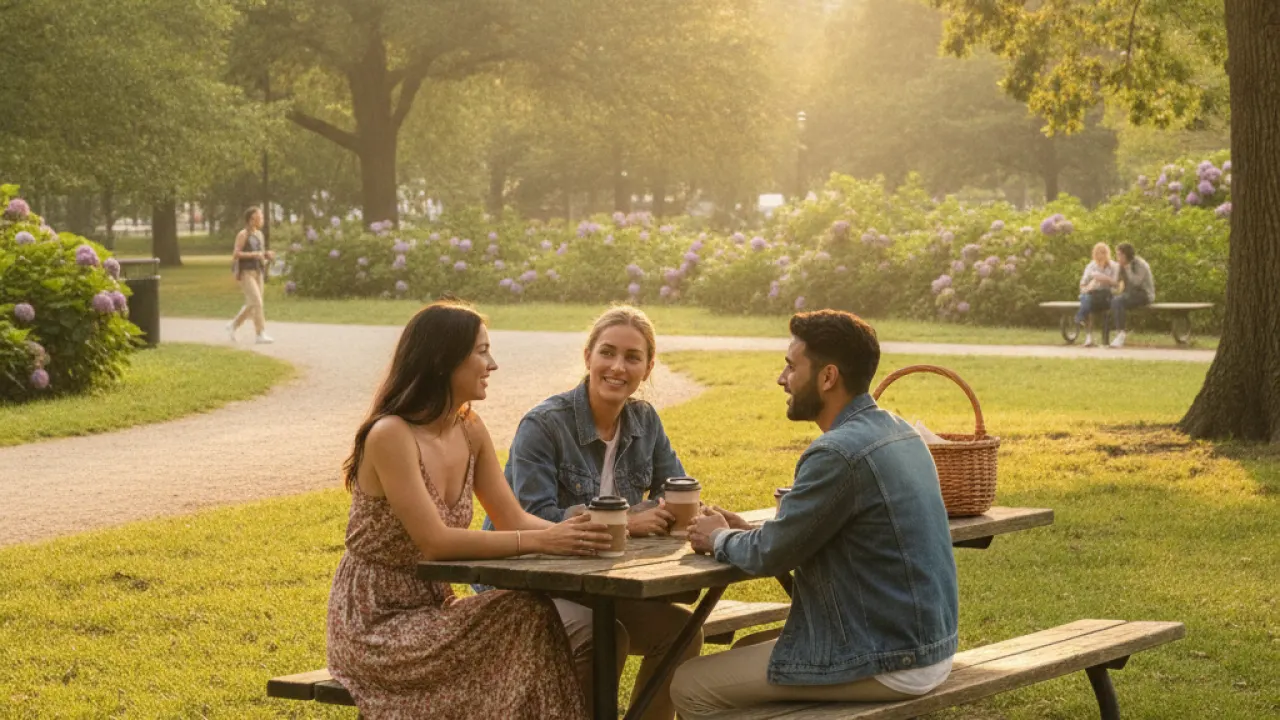
Most people listen to respond, not to understand. When you’re in a conversation, pay attention to whether you’re already forming your reply before the other person finishes. That’s a common habit and it makes people feel unheard. One of the clearest answers to how to be a better person is to slow down in conversations. Ask a follow-up question before adding your own opinion. This simple change improves every relationship you have. It’s the most underused habit in any guide on how to be a better person because it feels too small to matter. It isn’t.
Habit 2. Be On Time

Punctuality is respect made visible. When you show up late, you’re telling the other person that your time matters more than theirs. If you consistently struggle with timekeeping, start building in a 15-minute buffer for every commitment. Arriving a little early leaves you calm and focused rather than apologetic. Most people don’t think of this as a personal development habit, but it’s one of the most immediate ways to improve how others experience you.
Habit 3. Keep Your Word

Say what you’ll do, then do it. This applies to big promises and small ones. If you say you’ll call back, call back. If you say you’ll send something by Tuesday, send it by Tuesday. Trust is built through a long series of small commitments honoured. When you break a small commitment and think it doesn’t matter, others notice. For anyone serious about how to be a better person, reliability is non-negotiable. If you struggle with this, start by only making commitments you’re genuinely confident you can keep.
Habit 4. Practise Genuine Gratitude
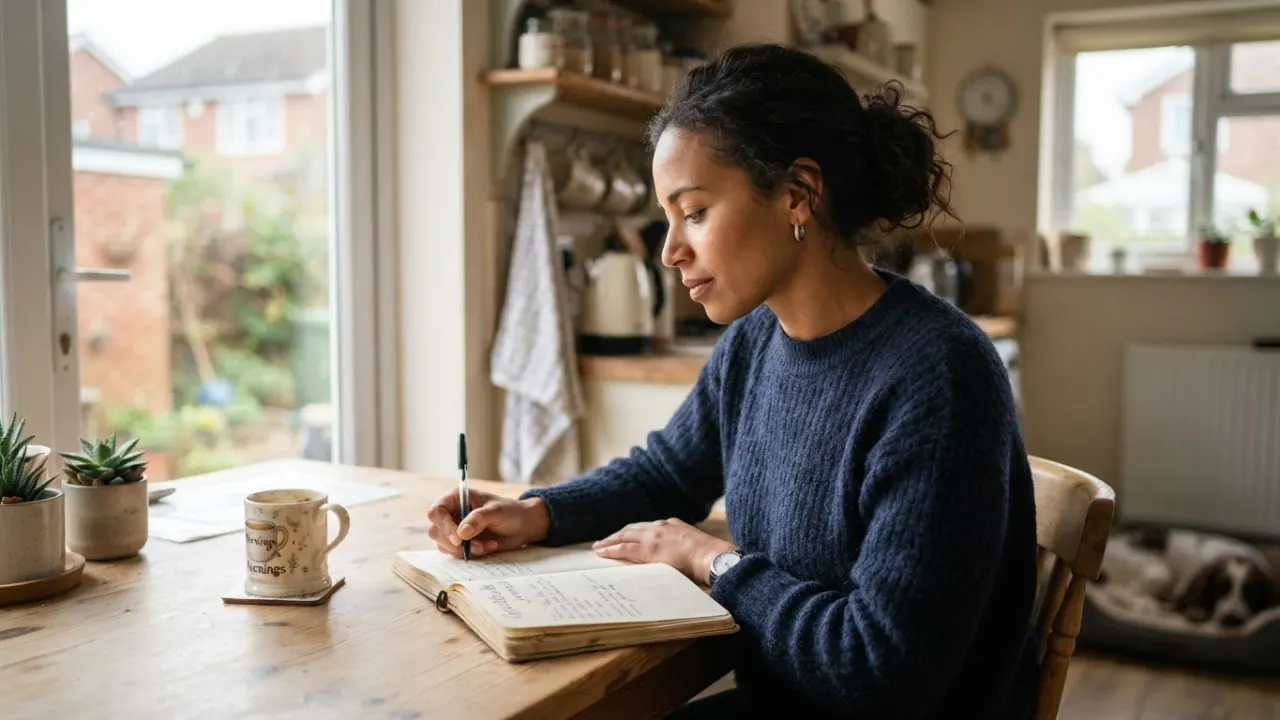
Gratitude isn’t a feelings exercise. It changes brain chemistry. People who actively acknowledge what’s working well in their lives show measurably lower anxiety and higher life satisfaction. Write down three things you’re grateful for each morning. Not generic things like “health” but specific ones: “the conversation with my sister last night” or “the coffee I had in the sun.” Specificity is what makes gratitude effective. Research from the University of California found that people who wrote detailed gratitude entries reported significantly greater life satisfaction than those who wrote generic ones. The difference is in the specificity, not the volume.
Habit 5. Stop Giving Unsolicited Advice
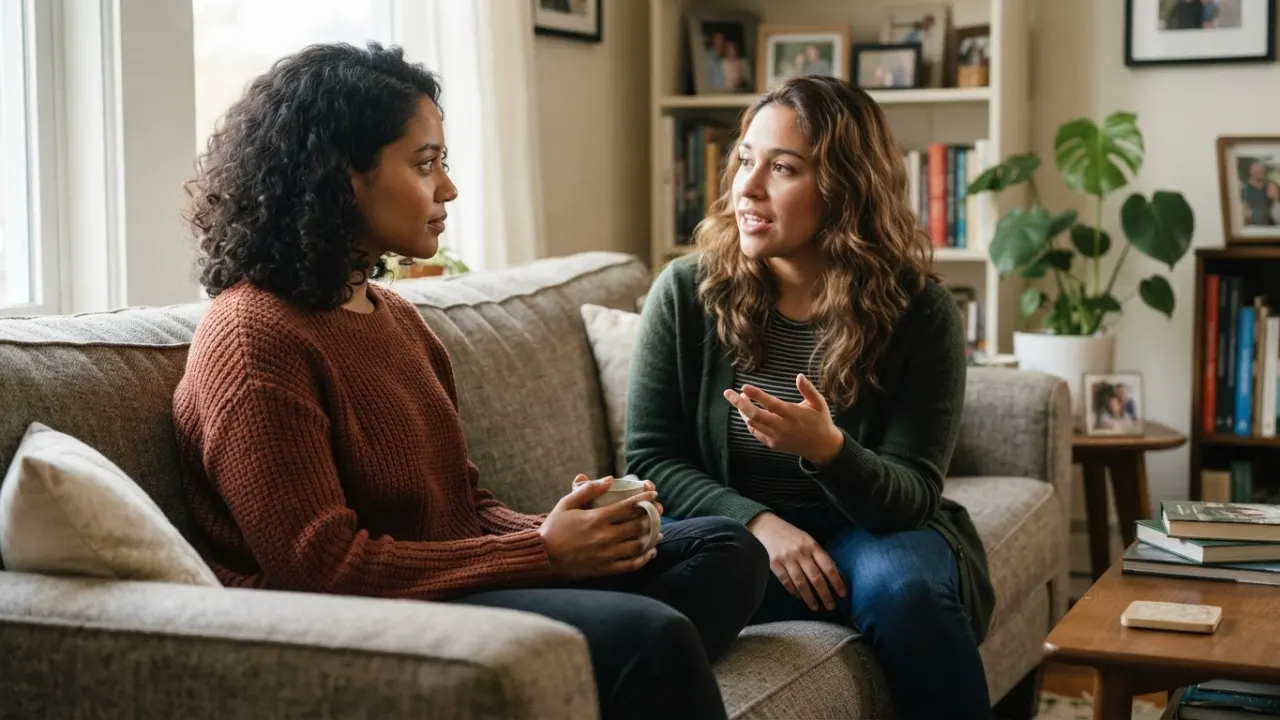
One of the fastest ways to improve how people feel around you is to stop fixing things they didn’t ask you to fix. Most of the time, when someone tells you about a problem, they want to feel heard, not immediately handed a solution. Ask “do you want me to just listen or do you want my thoughts?” before jumping in. This habit makes people feel respected and understood, which is central to how to be a better person in relationships.
Habit 6. Read for 20 Minutes a Day
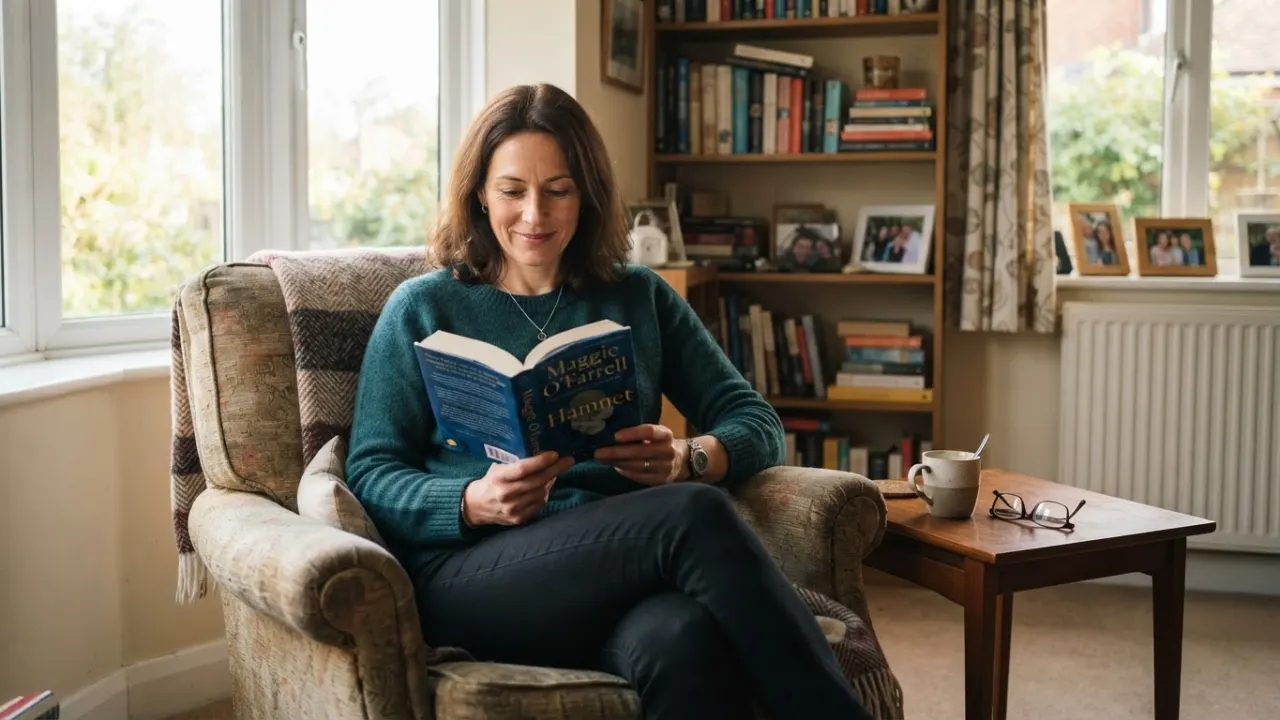
Reading expands your perspective in a way that scrolling doesn’t. Twenty minutes a day across a year is roughly 18 to 20 books. Pick anything you’re genuinely curious about: biography, science, history, fiction. The goal isn’t to become smarter. It’s to stay curious. People who read regularly tend to show more patience, more nuance in their thinking, and more genuine interest in others. That’s what makes reading a habit for how to be a better person, not just a hobby. If you’re not a habitual reader, start with one non-fiction book on a topic that genuinely interests you. The goal is 20 minutes, not 20 pages.
Habit 7. Apologise Without a “But”
A genuine apology ends at “I’m sorry.” An apology followed by “but” is an explanation, not an apology. “I’m sorry I was late, but the traffic was awful” cancels the apology. “I’m sorry I was late” accepts the impact without deflecting. Most people struggle with this because an unqualified apology feels like total defeat. It’s not. It’s the fastest way to rebuild trust. For anyone figuring out how to be a better person, learning to apologise cleanly is one of the hardest and most effective habits you’ll develop.
Habit 8. Eat One More Vegetable a Day
You can’t becomur plate. Our guide to the best foods for a healthy heart covers which nutritional choices make the biggest difference to energy and mood.
Habit 9. Move Your Body for 30 Minutes
Exercise doesn’t need to be ambitious. A 30-minute walk counts. A bike ride counts. A home workout with no equipment counts. The research is consistent: regular moderate exercise reduces anxiety, improves mood, and increases mental clarity. People who exercise regularly report better patience, better decision-making, and better relationships. When you’re working out how to be a better person, physical movement is one of the few habits with evidence behind every single one of those claims. If you haven’t exercised regularly before, start with a 20-minute walk. That’s enough to make a difference in the first month.
Habit 10. Sleep 7 to 8 Hours
0Sleep deprivation makes people irritable, impulsive, and less empathetic. If you’re running on 5 to 6 hours and wondering why you react sharply to things that wouldn’t normally bother you, sleep is likely the answer. Protecting 7 to 8 hours isn’t lazy. It’s the foundation everything else in this list sits on. You can’t be patient, generous, or focused if you’re chronically tired. If you’re getting fewer than 6 hours regularly, fix this first. It has a more immediate effect on mood and behaviour than any other habit on this list.
People who become better over time share one common trait: they focus on behaviours rather than character judgements. Instead of “I need to be kinder,” they practice specific actions that produce kindness. Instead of “I should be more disciplined,” they build routines that make discipline the default. This list of 15 habits for how to be a better person follows that same principle. Every habit here is something you can do, not something you have to feel.
Habit 11. Disconnect from Screens Before Bed
Blue light from screens disrupts melatonin production and delays sleep onset. More practically, the content you consume before bed (news, social media, work emails) keeps your brain in alert mode when it should be winding down. Stop screen use 45 minutes before you want to sleep. Replace it with reading, stretching, or simply sitting quietly. This single habit improves sleep quality, reduces anxiety, and makes the following morning significantly more productive. For anyone committed to how to be a better person at a foundational level, screen hygiene before bed is one of the quietest and most effective places to start.
People who become better over time share one common trait: they focus on behaviours rather than character judgements. Instead of “I need to be kinder,” they practice specific actions that produce kindness. Instead of “I should be more disciplined,” they build routines that make discipline the default. This list of 15 habits for how to be a better person follows that same principle. Every habit here is something you can do, not something you have to feel. Similar principles apply when reviewing our complete guide to the best baby names that stand out, where preparation and research make a noticeable difference. Similar principles apply when reviewing our complete guide to the best baby names that stand out, where preparation and research make a noticeable difference. Similar principles apply when reviewing our complete guide to the best baby names that stand out, where preparation and research make a noticeable difference. Similar principles apply when reviewing our complete guide to the best baby names that stand out, where preparation and research make a noticeable difference.
Habit 12. Reach Out to Someone You’ve Lost Touch With
2Relationships decay through inaction more than conflict. Most people have three to five friendships or family connections that have quietly faded because neither person made the first move. Choose one person you haven’t spoken to in more than six months and send them a short message. Not a life update. Just: “I was thinking about you, how are you doing?” This is one of the most underused habits on any honest list of how to be a better person, because it costs nothing but consistently improves your sense of connection and theirs.
People who become better over time share one common trait: they focus on behaviours rather than character judgements. Instead of “I need to be kinder,” they practice specific actions that produce kindness. Instead of “I should be more disciplined,” they build routines that make discipline the default. This list of 15 habits for how to be a better person follows that same principle. Every habit here is something you can do, not something you have to feel.
Habit 13. Take Full Responsibility for Your Mistakes
3Most people take partial responsibility. They acknowledge the mistake but leave room for the environment, other people, or bad luck to share the blame. Full responsibility means saying “I got that wrong and here’s what I’ll do differently.” Not “I got that wrong because of X.” It feels worse in the short term and builds significantly more trust in the long term. People respect those who own their mistakes without excuses. That respect is earned one incident at a time. The simplest practice: before explaining yourself, make sure you’ve clearly said what you did wrong and what the impact was. Then, if explanation is helpful, add it after.
People who become better over time share one common trait: they focus on behaviours rather than character judgements. Instead of “I need to be kinder,” they practice specific actions that produce kindness. Instead of “I should be more disciplined,” they build routines that make discipline the default. This list of 15 habits for how to be a better person follows that same principle. Every habit here is something you can do, not something you have to feel. For broader insights, exploring practical advice on how to read the news critically will give you actionable takeaways you can apply right away. For broader insights, exploring practical advice on how to read the news critically will give you actionable takeaways you can apply right away. For broader insights, exploring practical advice on how to read the news critically will give you actionable takeaways you can apply right away. For broader insights, exploring practical advice on how to read the news critically will give you actionable takeaways you can apply right away.
Habit 14. Spend 10 Minutes in Quiet Each Day
People who become better over time share one common trait: they focus on behaviours rather than character judgements. Instead of “I need to be kinder,” they practice specific actions that produce kindness. Instead of “I should be more disciplined,” they build routines that make discipline the default. This list of 15 habits for how to be a better person follows that same principle. Every habit here is something you can do, not something you have to feel.
Habit 15. Do One Uncomfortable Thing Per Week
5Growth requires discomfort. Not extreme discomfort, just the regular small kind that comes from doing things that are slightly outside your comfort zone. Introduce yourself to a stranger at a professional event. Ask for feedback from someone whose opinion you respect. Volunteer for a task you don’t feel fully ready for. People who consistently do small uncomfortable things become more adaptable, more confident, and more empathetic over time. This is how to be a better person as a long-term project, not a single decision. Comfort consistently produces stagnation. Minor discomfort, applied regularly, produces growth.
What is the fastest way to be a better person?
Pick one small habit, like listening fully, and practice it daily for a month.
Can daily habits really change your character?
Yes. Small repeated behaviours shape how you respond to others over time.
Which habit has the biggest impact?
Listening without interrupting often improves relationships faster than any other single change.
How long does it take to build a new habit?
Most habits take 30 to 60 days of consistent practice to feel automatic.
What should I do if I slip back into old habits?
Start again the next day. Progress matters more than perfection.
How to Be a Better Person: Choosing the Right Habits to Start
None of these 15 habits is a dramatic change. That’s the point. The answer to how to be a better person isn’t a transformation. It’s a long series of small choices made consistently. Pick three habits from this list and work on them for one month before adding more. Anyone who tries to implement all 15 at once usually fails at all of them. That’s one of the most important pieces of practical advice for anyone asking how to be a better person: sequence matters.
Someone truly committed to how to be a better person works across all three at once. The habits split roughly into three groups: relational habits (listening, keeping your word, apologising, reaching out), mental habits (silence, reading, taking responsibility, gratitude), and physical habits (sleep, movement, nutrition, screen limits). Improving one group strengthens the others. Better sleep produces better patience. Better patience produces better listening. Better listening produces stronger relationships. Many readers who study this area also benefit from detailed breakdown of sustainable living to ensure all key factors are covered. Many readers who study this area also benefit from detailed breakdown of sustainable living to ensure all key factors are covered. Many readers who study this area also benefit from detailed breakdown of sustainable living to ensure all key factors are covered. Many readers who study this area also benefit from detailed breakdown of sustainable living to ensure all key factors are covered.
For people who work from home and find their habits eroding without external structure, our guide to remote work habits that actually improve your focus covers the practical side of maintaining a routine without a commute or office to anchor it. For deeper reading on the nutritional side of daily habits, our beginner’s guide to eating clean gives a low-effort starting point that connects directly to the energy habits above.
According to research published by the American Psychological Association, personality and behaviour are malleable throughout adulthood. Most people underestimate how much they can change their patterns through consistent effort over 6 to 12 months. The habits above work precisely because they don’t demand a total personality change. They just ask you to make a slightly better version of the same decisions you’re already making.
Which of these 15 habits on how to be a better person is the one you most need to work on right now? Pick one, not all 15, and start this week. Drop a comment below with the habit you’re committing to and why it matters to you. For more on how to be a better person through daily practice, share this with someone who’d find these habits useful.
What are your thoughts on how to be a better person? Have you tried any of these steps, or do you have tips of your own to share? Leave a comment below and share this guide with friends or colleagues who might find it helpful.