


Investing in gold in the UK is simpler than most people expect. Whether you want to buy physical coins, use a gold ETF, or open a gold account, the options in 2026 are more accessible than ever. This guide covers every realistic way to invest in gold as a UK resident, the tax treatment of each, and what each method actually costs. The how to invest in gold uk is the main focus of this guide.

Why UK Investors Buy Gold
Gold has been used as a store of value for thousands of years. UK investors typically buy it for one of three reasons: as a hedge against inflation, as protection against stock market falls, or as a way to diversify a portfolio away from paper assets. This guide explains how the how to invest in gold uk works in practice.
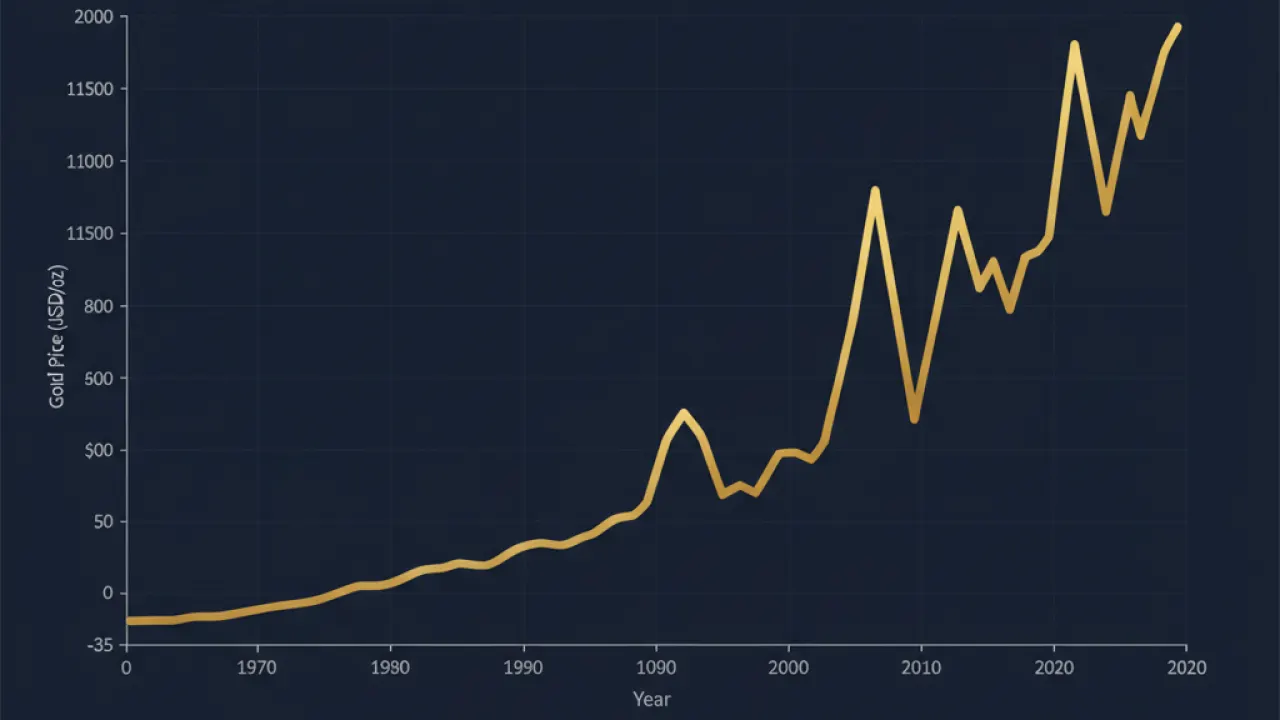
The gold price tends to rise when inflation is high and when investor confidence in other assets drops. During the 2008 financial crisis and again during the 2020 pandemic, gold prices climbed sharply while stock markets fell. This does not mean gold always performs well. Over short periods, the gold price can fall significantly. It is not a guaranteed safe haven, just a different type of asset that moves according to different forces. Follow the how to invest in gold uk to get the best results.
Before you invest in gold, be clear about what you want from it. If you want growth, gold may disappoint over many years. If you want a portfolio hedge and value stability over the long term, it has a reasonable track record. For more background, see Financial Conduct Authority guidance. The how to invest in gold uk gives you a clear starting point.
Physical Gold: Coins and Bars

Buying physical gold means owning actual metal. In the UK, you can buy gold coins and bars from dealers both online and in person. The Royal Mint, Chards, ATS Bullion, and Atkinsons Coins are among the better-known UK dealers. Many people search for the how to invest in gold uk because they want a simple answer.
Gold Coins
The most popular gold coins in the UK are sovereigns and Britannias, both produced by the Royal Mint. These coins have a specific advantage for UK investors: they are classed as legal tender, which means profits from selling them are exempt from Capital Gains Tax. If you pay CGT on other investments, this is a meaningful benefit. Use the how to invest in gold uk as your reference point.
Sovereigns contain 7.32 grams of gold (22 carat). Britannias are larger at one troy ounce (31.1 grams) and 24 carat. Proof coins and special editions cost more for their collectability, not their gold content. For investment purposes, bullion coins are the better choice. The how to invest in gold uk covers everything you need to know.
The premium on gold coins, meaning what you pay above the raw gold price, typically runs at 3% to 7% for bullion coins. Proof coins carry much higher premiums and should generally be avoided by investors focused on the gold value. This guide walks through the how to invest in gold uk step by step.
Gold Bars
Gold bars are available in weights from 1 gram to 400 troy ounces. For most private UK investors, bars between 1 troy ounce and 100 grams are the most practical. Smaller bars carry higher premiums as a percentage of the gold value. Larger bars are cheaper per gram but harder to sell partially.
Unlike UK coins, gold bars do not have the Capital Gains Tax exemption. Profits above your annual CGT allowance are taxable at your marginal rate. In 2026, the CGT annual exemption is £3,000. Keep records of what you paid and when, as you will need this if you ever sell.
Storing Physical Gold
Owning physical gold means you need somewhere to put it. Your options are:
- Home storage – a quality home safe rated for jewellery and precious metals. Costs range from £150 to £800 for a decent unit. Check your home insurance includes gold; most standard policies do not cover bullion above a low limit.
- Bank safe deposit box – banks charge £100 to £300 per year. The box contents are not covered by FSCS protection. You need your own insurance.
- Specialist vaulting – companies like Brinks and Via Mat provide allocated storage for gold investors. Costs run at approximately 0.5% to 1% of the value per year. Your gold is legally yours, not pooled with others.
Whichever option you choose, document what you own. Photograph the items, note the serial numbers of bars, and keep receipts. If you ever need to make an insurance claim or sell through an estate, this paperwork matters.
Gold ETFs and Investment Funds

A gold ETF is a fund that tracks the gold price and trades on a stock exchange. When you buy shares in a gold ETF, you get exposure to the gold price without owning physical metal. The fund manager handles the storage.
Popular gold ETFs available to UK investors through brokers and ISA platforms include iShares Physical Gold ETC (IGLN) and WisdomTree Physical Gold (PHGP). Both are listed on the London Stock Exchange.
Gold ETFs have several advantages over physical gold:
- No storage costs to manage directly (the fund pays them, but they come out of the annual charge)
- Easy to buy and sell through any stockbroker or online platform
- Can be held inside a Stocks and Shares ISA, making gains tax-free
- Annual charges are typically 0.12% to 0.25%
The main trade-off is that you do not own physical gold. If you are concerned about systemic financial risk, some investors prefer the tangibility of coins or bars. For most people investing for portfolio diversification rather than doomsday preparation, an ETF is the more practical choice.
Gold Savings Accounts
Several UK services allow you to buy and hold gold in an account, similar to a savings account but denominated in gold weight rather than pounds. The Royal Mint’s DigiGold account is one option. You can buy as little as £25 worth of gold and the Mint stores the metal on your behalf.
The gold is allocated to you specifically, not pooled, which means it is legally yours rather than a general debt of the provider. This matters if the provider ever ran into financial difficulty. Annual fees for these services run at around 0.5% to 1% of the gold value.
Gold savings accounts are less liquid than ETFs. Selling can take a few days. They also fall outside the FSCS protection scheme, so check the provider’s financial standing and the terms around what happens to your gold if the company ceases trading.
Gold Mining Stocks
Buying shares in gold mining companies gives you indirect exposure to gold. When the gold price rises, mining companies generally benefit, though the relationship is not exact. Mining stocks also carry company-specific risks such as poor management, operational problems at specific mines, and geopolitical issues in countries where mines operate.
UK investors can buy shares in companies like Barrick Gold, Newmont, and Fresnillo through standard stockbrokers. These can be held in an ISA. They are more volatile than gold ETFs and behave more like equities than like gold itself. They are not a straightforward substitute for gold exposure if your goal is portfolio stability.
Gold Funds
Actively managed gold funds invest in a mix of gold mining stocks and sometimes physical gold. They are run by fund managers who select which mining companies to hold. This active management comes with higher fees, typically 0.75% to 1.5% annually, compared to the 0.12% to 0.25% of passive gold ETFs.
The evidence that active gold fund managers consistently outperform passive gold ETFs is limited. For most UK investors, a low-cost gold ETF inside an ISA is likely to produce better net returns after fees than an actively managed fund.

Tax Treatment of Gold in the UK
The tax rules for gold investments in the UK depend on what you own and how you hold it. The how to invest in gold uk works when you follow it consistently.
Capital Gains Tax
Most gold investments are subject to Capital Gains Tax when you sell at a profit. In 2026, the annual CGT allowance is £3,000. Gains above this are taxed at 18% for basic rate taxpayers a
UK gold sovereigns and Britannias are exempt from CGT because they are legal tender. This is their main tax advantage over gold bars and foreign coins. This guide shows you how the how to invest in gold uk fits real life.
is is their main tax advantage over gold bars and foreign coins.ISA Wrapper
Holding gold ETFs inside a Stocks and Shares ISA means any gains are free from CGT. This is one of the most tax-efficient ways to invest in gold in the UK. The annual ISA allowance is £20,000, and gains within the ISA are never taxed regardless of how large they grow.
VAT
Investment gold in the UK is exempt from VAT under HMRC rules. This applies to gold coins meeting certain purity and weight criteria, including sovereigns, Britannias, and most major investment bars. Collectible or antique gold items may attract VAT, so check before buying anything unusual.
How Much Gold Should You Hold?
Financial planners and investment managers who include gold in portfolios typically recommend between 5% and 15% of the total portfolio in gold. Holding more than 15% concentrates too much in a single commodity that produces no income.
Gold pays no dividend and generates no yield. All your return comes from price appreciation. This means it needs to be weighed against income-producing assets like bonds, shares, and property in the context of your full financial picture.
If you are new to investing, gold is generally not the first asset class to buy. Building an emergency fund, contributing to a pension, and holding a diversified equity index fund inside an ISA are usually better starting points. Gold makes most sense as an addition to an existing diversified portfolio, not as the foundation of one.
If you have decided to invest in gold, here is how to get started depending on the method you choose: Start with the basics of the how to invest in gold uk and build from there.
in the UK: Step by StepIf you have decided to invest in gold, here is how to get started depending on the method you choose:
For Physical Gold
- Choose a reputable UK dealer. Check they are a member of the British Numismatic Trade Association (BNTA) or the London Bullion Market Association (LBMA) if buying bars.
- Decide on coins or bars. Coins for CGT exemption, bars for lower premiums on larger amounts.
- Compare prices across two or three dealers. Premiums vary and shopping around saves money.
- Arrange storage before buying. Do not have gold delivered to your home without somewhere secure to keep it.
- Keep your receipts and make a record of everything you buy.
For Gold ETFs
- Open a Stocks and Shares ISA or general investment account with a UK broker. Hargreaves Lansdown, AJ Bell, and InvestEngine are popular options.
- Search for a gold ETC such as IGLN or PHGP on the London Stock Exchange.
- Buy the number of shares you want. Most platforms allow you to set up a regular monthly investment.
- Hold inside your ISA for tax-free growth.
Frequently Asked Questions
What is the
The how to invest in gold uk is a structured approach designed to give clear, actionable steps that produce reliable results over time.
How do I start with the
Begin with the foundation steps, focus on consistency, and build intensity gradually as the plan progresses.
How long does the how to invest in gold uk take to work?
Most people notice initial improvements within a few weeks, with more meaningful results appearing after 8 to 12 weeks of consistent effort.
Is the how to invest in gold uk suitable for beginners?
Yes. The how to invest in gold uk is designed to be accessible, with progressions and modifications that let anyone start at their current level.
What are the main mistakes to avoid with the
Common mistakes include skipping the foundation phase, expecting overnight results, and not tracking progress consistently.
Risks of Investing in Gold
Gold carries real risks that are sometimes overlooked by first-time
Physical gold can be stolen, lost, or damaged. Insurance and secure storage add to the cost of ownership. Follow the how to invest in gold uk for the full period to see real results.
ium-term periods. Between 2011 and 2015, the price of gold fell by approximately 40% in sterling terms. Investors who bought at the 2011 peak waited years before returning to profit.Physical gold can be stolen, lost, or damaged. Insurance and secure storage add to the cost of ownership.
Gold ETFs and savings accounts carry counterparty risk. If the provider fails, recovery depends on the terms of the product and whether the gold was truly allocated to you or held in a pool.
For more on building wealth in the UK, you might find these guides useful: our article on how to start a business, our guide to best businesses to start, and our piece on how to build business credit. For understanding how to market a business you start, social media is also worth reading.
Do you already invest in gold or are you considering it for the first time? Leave a comment below and tell us which method appeals to you most, and why. Your experience could help other readers make a better-informed choice.
Common questions about the how to invest in gold uk
People often ask whether the how to invest in gold uk works for complete beginners. It does, because every step can be adjusted to match your current level. Start where you are, not where you think you should be.
Another common question is how much time the how
Consistency is the factor that separates people who get results from people who stay stuck. Missing one day is fine. Missing three days in a row is where momentum breaks. The how to invest in gold uk scales as you get more experienced.
>Some readers wonder if they need expensive tools or subscriptions. In most cases, the how to invest in gold uk works with what you already have. Any optional extras are just that, optional.
Consistency is the factor that separates people who get results from people who stay stuck. Missing one day is fine. Missing three days in a row is where momentum breaks.
Tracking progress is another habit that helps. Write down what you did, how it felt, and any small wins. Those notes become proof that the how to invest in gold uk is working, especially on days when motivation is low.
Finally, remember that the how to invest in gold uk is a framework, not a prison. Adjust the timing, order, or intensity to fit your life. The goal is steady progress, not perfect execution.
Who the how to invest in gold uk suits best
The how to invest in gold uk suits anyone who wants a clear plan without unnecessary complexity. It works for beginners because the steps are simple. It works for experienced people because the principles stay the same even as the difficulty increases.
Busy schedules are not a problem. The how to invest i
Review your notes once a week. Look for patterns. If something stops working, change one variable at a time. Small adjustments beat complete overhauls. Sticking to the how to invest in gold uk matters more than any single step.
at to track while using the how to invest in gold ukTracking keeps the how to invest in gold uk honest. Write down what you do, when you do it, and how it feels. Numbers help, but simple
The best sign that it is time to adjust is when progress stalls for three weeks or more. Before changing everything, change one thing. Give that change two weeks to show results. The how to invest in gold uk gives you a clear structure ever
One myth is that you need to be perfect from day one. That is not true. Progress comes from showing up regularly, not from one flawless attempt. Use the how to invest in gold uk as your base and adjust it to your level.
ow the how to invest in gold uk exactly forever. Life changes, and your approach should change with it. If your schedule shifts, adjust the timing. If your goals change, adjust the focus.The best sign that it is time to adjust is when progress stalls for three weeks or more. Before changing everything, change one thing. Give that change two weeks to show results.
Common myths about the how to invest in gold uk
One myth is that you need to be perfect from day one. That is not true. Progress comes from showing up regularly, not from one flawless attempt.
Many people find the how to invest in gold uk easier to follow than complex alternatives.
Results from the how to invest in gold uk come from repetition, not perfection.
Keep the how to invest in gold uk simple and focus on showing up consistently.
The how to invest in gold uk works when you follow it consistently.
This guide shows you how the how to invest in gold uk fits real life.