


Dogs are wonderful companions, but they cost a lot more than most people expect. This is not just the price you pay to get the dog. It is food, vet bills, insurance, grooming, training, equipment, and all the small things that add up throughout the year. Here is an honest full-year breakdown so you can decide if you are ready.

The Initial Cost of Getting a Dog
Before your dog even arrives home, you will spend money. How much depends on where you get your dog and what breed you choose. For more background, see Wikipedia reference.
Adopting from a rescue or shelter is the most affordable option, usually between 50 and 300 pounds or dollars. The fee often covers vaccinations, microchipping, and sometimes neutering.
Buying from a reputable breeder costs significantly more. For popular breeds, expect to pay anywhere from 800 to 3,000 pounds in the UK or similar in the US depending on the breed. Some rare or designer breeds cost even more.
On top of the dog itself, you need basic equipment before bringing them home:
- Crate or dog bed – 40 to 150 pounds depending on size and quality.
- Food and water bowls – 10 to 40 pounds for a decent set.
- Collar, ID tag, and lead – 20 to 60 pounds total.
- use – 20 to 50 pounds for a well-fitting use.
- Initial toys and chews – 30 to 80 pounds to get started.
- Poo bags and dispenser – Around 10 to 15 pounds for a year’s supply.
- Puppy pads if needed – 15 to 30 pounds for the first few weeks.
Total startup costs beyond the dog itself: roughly 150 to 400 pounds. For a puppy from a breeder, first-year costs including the purchase price can easily reach 3,000 to 5,000 pounds.

Annual Vet Costs
This is where costs vary most and where many new dog owners get a surprise. Routine vet care alone adds up fast. An unexpected illness or accident can add thousands on top.
Routine Vet Expenses Each Year
- Annual health check – 40 to 80 pounds for a standard consultation.
- Vaccinations – 50 to 100 pounds per year for boosters after the initial puppy vaccinations.
- Flea and tick prevention – 100 to 180 pounds per year depending on the product.
- Worming treatment – 50 to 100 pounds per year.
- Dental cleaning – 200 to 600 pounds if your dog needs it, which many dogs do by age five.
- Microchipping – 15 to 30 pounds, done once if not already included.
Routine care alone: 240 to 560 pounds per year for a healthy adult dog, not counting dental work.
Emergency and Illness Costs
This is the number most people underestimate. A single emergency vet visit can cost 200 to 500 pounds for the consultation and basic tests. Surgery can run from 1,000 to 5,000 pounds or more depending on the condition. Conditions like cruciate ligament tears, cancer treatment, or swallowed foreign objects are not unusual and each one can cost several thousand pounds.
Without insurance, one bad illness or accident can cost more than you paid for the dog. This is why pet insurance matters.

Food Costs for a Full Year
What you spend on food depends heavily on your dog’s size and what you feed them. A small dog eating a mid-range dry food might cost 30 to 50 pounds per month. A large dog eating premium food could cost 80 to 120 pounds per month or more. If you are looking to expand your knowledge, reading our complete guide to the best family dogs provides useful background context. If you are looking to expand your knowledge, reading our complete guide to the best family dogs provides valuable background context.
- Small dog on dry food – 360 to 600 pounds per year.
- Medium dog on dry food – 500 to 900 pounds per year.
- Large dog on dry food – 700 to 1,200 pounds per year.
- Raw or fresh food diets – These cost significantly more. Budget 150 to 250 pounds per month for a medium-sized dog on a full raw diet.
- Treats and chews – Add 100 to 300 pounds per year depending on how often you use them for training or enrichment.
For most medium-sized dogs on a quality dry food with regular treats, annual food costs sit around 700 to 1,000 pounds.
Pet Insurance: Worth It or Not?
Pet insurance is a regular expense that most financial advisors who own dogs will tell you is worth every penny. A single emergency vet bill that exceeds your annual premium makes it pay for itself.
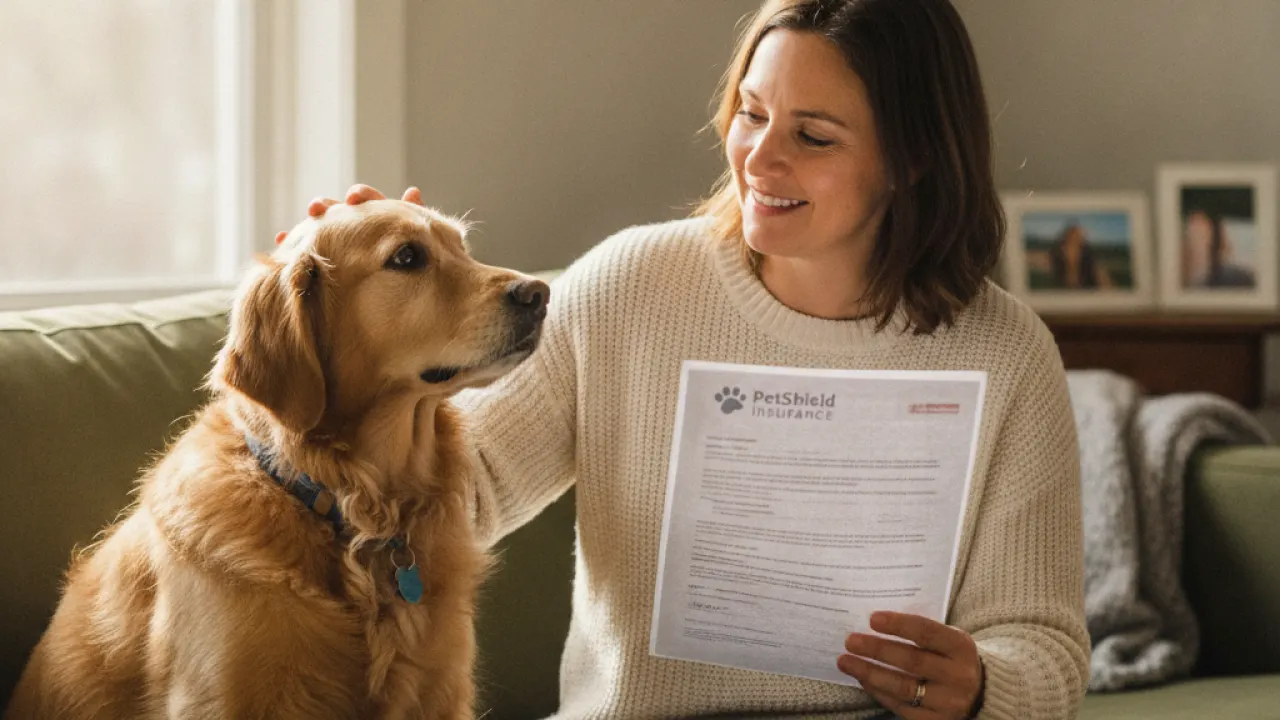
Insurance costs vary based on your dog’s breed, age, and the level of cover you choose:
- Basic accident-only cover – 15 to 30 pounds per month.
- Standard lifetime cover – 30 to 60 pounds per month for most dogs.
- Premium lifetime cover for large or high-risk breeds – 80 to 150 pounds per month.
Annual insurance cost: 360 to 1,800 pounds depending on breed and cover level. Lifetime cover that pays out up to 4,000 to 10,000 pounds per year is usually the most sensible option for most dog owners.
Start insurance early. Premiums are lower when your dog is young, and pre-existing conditions are excluded if they develop before you take out cover.
Grooming Costs
Grooming costs depend almost entirely on your dog’s breed and coat. Short-coated dogs like Labradors and Beagles need minimal professional grooming. Long or curly-coated breeds like Cockapoos, Bichons, and Standard Poodles need professional grooming every six to eight weeks.
- Low-maintenance breeds – 0 to 200 pounds per year for occasional grooming.
- Medium-maintenance breeds – 200 to 400 pounds per year.
- High-maintenance breeds – 600 to 1,200 pounds per year for regular professional grooming.
- At-home tools – Budget 50 to 150 pounds for brushes, nail clippers, and dog shampoo.

Training, Dog Walking, and Boarding
These costs are easy to overlook when budgeting but add up quickly.
Training
Puppy training classes typically cost 100 to 250 pounds for a six to eight week course. If your dog develops behavioral issues, one-to-one training with a behaviourist can cost 60 to 150 pounds per session and may require several sessions. Budget at least 150 to 300 pounds for training in the first year.
Dog Walking
If you work full-time, your dog needs walks during the day. A professional dog walker charges 12 to 20 pounds per walk, or 15 to 30 pounds for a group walk. Five walks per week at 15 pounds each comes to 3,900 pounds per year. This is one of the biggest variable costs and one many people do not factor in when getting a dog.
Boarding and Kennels
If you go on holiday, your dog needs care. Good kennels charge 25 to 50 pounds per night. A week away costs 175 to 350 pounds. A home boarding service or trusted dog sitter can cost similar amounts. Budget 200 to 600 pounds per year if you take one or two holidays.
Full Year Cost Summary
Here is a realistic annual cost breakdown for a medium-sized dog in year two and beyond (excluding the purchase price and first-year setup costs):
- Food and treats – 700 to 1,000 pounds
- Vet routine care – 300 to 600 pounds
- Pet insurance – 400 to 800 pounds
- Grooming – 100 to 600 pounds depending on breed
- Dog walking (if needed) – 0 to 3,900 pounds
- Boarding or kennels – 200 to 500 pounds
- Toys, accessories, and replacements – 100 to 300 pounds
Total without dog walking: roughly 1,800 to 3,800 pounds per year. Add dog walking five days per week and the total jumps to 5,700 to 7,700 pounds per year.
Over a dog’s lifetime of ten to fifteen years, the total cost of ownership commonly reaches 20,000 to 50,000 pounds when you include everything. Similar principles apply when reviewing practical advice on how to train your dog at home, where preparation and research make a noticeable difference. Similar principles apply when reviewing practical advice on how to train your dog at home, where preparation and research make a noticeable difference.

Ways to Reduce Dog Ownership Costs
You do not have to spend the maximum. There are sensible ways to cut costs without cutting corners on your dog’s welfare.
- Adopt instead of buy – Shelter dogs cost far less upfront and often come vaccinated and microchipped.
- Buy food in bulk – Larger bags of dry food cost less per kilogram. Check for subscription discounts.
- Learn basic grooming – Brushing and bathing at home between professional appointments extends the time between grooming visits.
- Use a dog-sharing arrangement – Some owners share walking duties with neighbors or use reciprocal pet-sitting to reduce boarding costs.
- Compare insurance before renewing – Premiums can vary by 30 to 50 percent between providers for similar cover. Review every year.
- Join a vet practice scheme – Many vets offer monthly wellness plans that bundle routine care at a lower total cost.
Frequently Asked Questions
What is the
The cost of owning a dog is a structured approach designed to give clear, actionable steps that produce reliable results over time.
How do I start with the
Begin with the foundation steps, focus on consistency, and build intensity gradually as the plan progresses.
How long does the cost of owning a dog take to work?
Most people notice initial improvements within a few weeks, with more meaningful results appearing after 8 to 12 weeks of consistent effort.
Is the cost of owning a dog suitable for beginners?
Yes. The cost of owning a dog is designed to be accessible, with progressions and modifications that let anyone start at their current level.
What are the main mistakes to avoid with the
Common mistakes include skipping the foundation phase, expecting overnight results, and not tracking progress consistently.
Is the Cost Worth It?
Most dog owners say yes without hesitation. A dog changes your daily routine, gets you outdoors more, and provides genuine companionship. But entering into dog ownership without understanding the financial commitment is a mistake that can end badly for you and the dog.
If the numbers above feel manageable, you are in a good position. If they feel tight, consider whether your lifestyle and income can genuinely support a dog before making a decision you cannot easily undo.
What part of dog ownership costs surprised you most, and is there anything in this breakdown you had not thought about before?
For related reading, see our guides on How Much Does a House Cost in UK 2026, Gym Membership Cost UK 2026, eating clean for beginners, building better daily habits, a home workout plan.
Common questions about the cost of owning a dog
People often ask whether the cost of owning a dog works for complete beginners. It does, because every step can be adjusted to match your current level. Start where you are, not where you think you should be.
Another common question is how much time the cost of owning a dog takes each day. Most people spend between twenty and forty minutes on the core steps. That is enough to make progress without taking over your schedule.
Some readers wonder if they need expensive tools or subscriptions. In most cases, the cost of owning a dog works with what you already have. Any optional extras are just that, optional.
Consistency is the factor that separates people who get results from people who stay stuck. Missing one day is fine. Missing three days in a row is where momentum breaks. For broader insights, exploring practical advice on how to choose the right dog breed for your family will give you actionable takeaways you can apply right away. For broader insights, exploring practical advice on how to choose the right dog breed for your family will give you actionable takeaways you can apply right away.
Tracking progress is another habit that helps. Write down what you did, how it felt, and any small wins. Those notes become proof that the cost of owning a dog is working, especially on days when motivation is low.
Finally, remember that the cost of owning a dog