


Planning a trip can feel overwhelming. But it doesn’t have to be. Break it into clear steps and it gets a lot easier. For more background, see Wikipedia reference.
This guide walks you through everything, from picking a destination to packing your bag. Follow each step and you’ll be ready to travel with confidence.

Step 1: Pick Your Destination
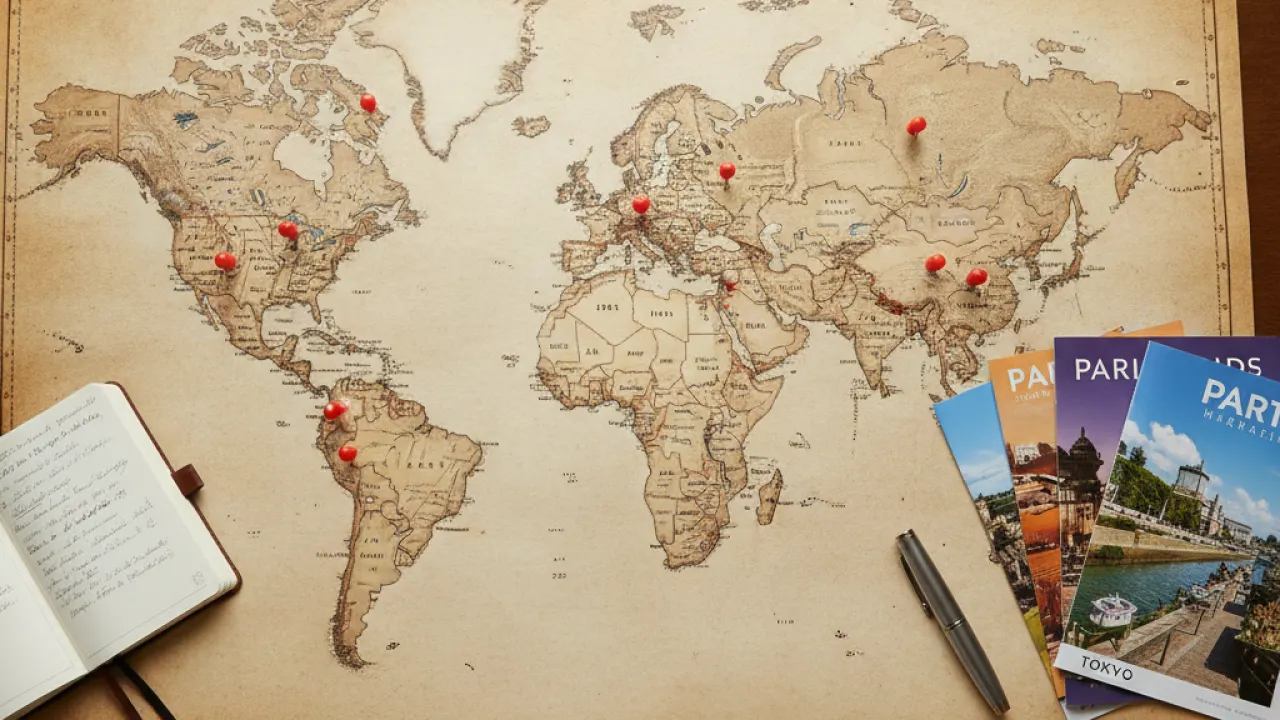
Start with what you actually want from this trip. Are you after beaches, mountains, cities, or countryside? Do you want to relax or stay busy? Your answers will narrow the options fast.
Once you have a general idea, think about a few practical things before you commit.
Things to consider when choosing where to go
- Budget – Some destinations cost far more than others. Southeast Asia is cheap. Scandinavia is not.
- Time of year – Check the weather and peak season dates for any place you’re considering.
- Travel time – A 20-hour flight for a 5-day trip may not be worth it.
- Visa requirements – Some countries need a visa weeks in advance. Check before you get attached to a destination.
- Safety – Look up current travel advisories for your home country’s foreign affairs website.
- Language – Not a dealbreaker, but knowing the basics helps. Apps like Duolingo and Google Translate can get you far.
- Your interests – Pick a place that genuinely excites you, not just one that looks good on social media.
Write a short list of 3 to 5 destinations that fit your criteria. Then compare them on budget and travel time before picking one.
Step 2: Set Your Travel Dates
Once you know where you’re going, lock in your dates. Flexible dates can save you a lot of money, especially on flights. If you are looking to expand your knowledge, reading detailed breakdown of grand city mall dubai provides useful background context. If you are looking to expand your knowledge, reading detailed breakdown of grand city mall dubai provides valuable background context.
How to choose the best travel dates
- Avoid peak holidays – Flights and hotels spike in price around school holidays, Christmas, and local festivals.
- Check shoulder season – The weeks just before or after peak season often offer good weather and lower prices.
- Give yourself buffer days – Don’t fly home the night before work starts. Give yourself a day to recover from long-haul travel.
- Check local events – Some events are worth traveling for. Others make your trip harder because everything gets booked out.
Once you have a window in mind, use Google Flights or Skyscanner to check actual prices. Sometimes shifting your dates by just a few days can drop the cost significantly.
Step 3: Book Your Flights
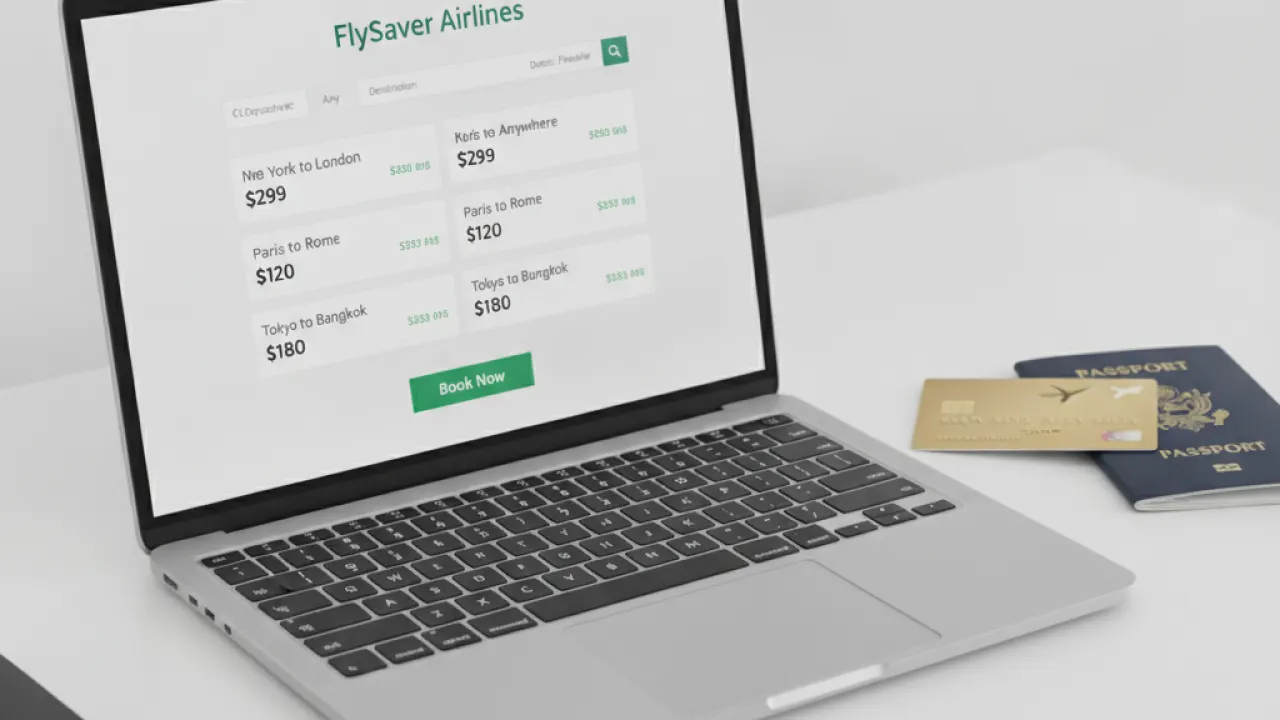
Flights are usually the biggest cost in any international trip. Book them early, but not too early. The sweet spot for most routes is 6 to 8 weeks out for short-haul and 3 to 6 months out for long-haul.
Tips for finding cheaper flights
- Use incognito mode – Flight prices can rise based on your search history. Use a private browser window when searching.
- Set up price alerts – Google Flights and Hopper let you track prices and notify you when they drop.
- Be flexible on airports – Flying into a nearby city and taking a train or bus can cut costs.
- Check budget airlines separately – Some low-cost carriers don’t appear on aggregator sites. Check their websites directly.
- Consider layovers – A flight with one stop is often cheaper than a direct one. Just make sure the layover is long enough to make your connection.
- Fly mid-week – Tuesdays and Wednesdays are often cheaper than weekends.
- Use airline miles or points – If you have a travel credit card, check whether your points can cover part or all of a flight.
- Book return flights together – Separate one-way tickets are sometimes more expensive than a return booking.
Once you find a good price, book it. Don’t wait too long hoping it will drop further. Prices are unpredictable, and seats sell out.
Step 4: Sort Your Accommodation
Where you stay shapes a lot of your trip experience. Your accommodation affects your location, your comfort, and your daily costs. Think about what matters most to you before you book.
Types of accommodation to consider
- Hotels – Good for comfort and consistency. Book directly with the hotel for the best rate or cancellation terms.
- Hostels – Cheap and social. Great for solo travelers or anyone on a tight budget.
- Apartments – More space and a kitchen. Better for longer stays or groups traveling together.
- Guesthouses and B&Bs – Often family-run and locally owned. Can offer a more personal experience than a large hotel.
- Camping – Very affordable. Works well for outdoor trips but needs more gear and planning.
- House swapping – You stay in someone else’s home while they stay in yours. Costs almost nothing but requires trust and advance planning.
What to check before booking
- Location – Is it close to public transport or the things you want to do? A cheap hotel 40 minutes from everything often isn’t a good deal.
- Cancellation policy – Look for free cancellation wherever possible. Plans change.
- Reviews – Read the most recent reviews, not the best ones. Look for patterns in complaints.
- Included amenities – Does breakfast cost extra? Is there a kitchen? Do you need to pay for Wi-Fi?

Step 5: Plan Your Budget
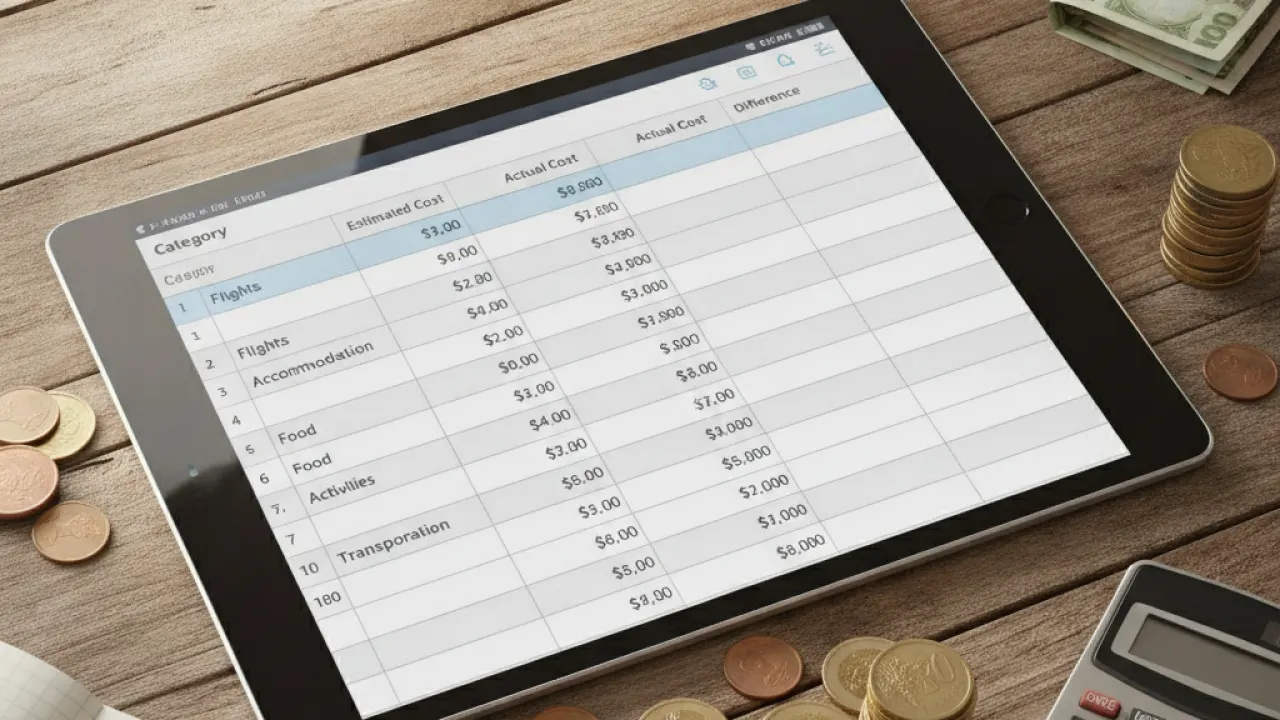
A clear budget stops you from running out of money halfway through a trip. It also tells you whether your plans are realistic before you book anything.
How to build a travel budget
Start by listing your fixed costs. These are things you pay no matter what.
- Flights – Your biggest upfront cost on most trips.
- Accommodation – Add up the total for every night, not just the nightly rate.
- Travel insurance – Never skip this. A medical emergency abroad without insurance can cost tens of thousands of dollars.
- Visa fees – Check if your destination requires one and what it costs.
Then estimate your daily spending. Be honest with yourself here.
- Food and drink – Look up average meal costs for your destination. Budget traveler or fine dining makes a big difference.
- Transport – Local buses are cheap. Taxis and rental cars are not.
- Activities and entrance fees – Museums, tours, and adventure activities add up quickly.
- Shopping and souvenirs – Set a fixed amount and stick to it.
- Emergency fund – Add 10 to 15 percent on top of everything else. Things go wrong.
Use a spreadsheet or an app like Trail Wallet or TravelSpend to track costs as you go. Knowing your daily spend helps you adjust before you overspend.
Step 6: Handle the Admin
The boring stuff is important. Sorting out documents, insurance, and health requirements before you leave saves a lot of stress later. Similar principles apply when reviewing detailed breakdown of naif police station, where preparation and research make a noticeable difference. Similar principles apply when reviewing detailed breakdown of naif police station, where preparation and research make a noticeable difference.
Pre-trip admin checklist
- Passport validity – Many countries require at least 6 months of validity beyond your travel dates. Check yours now.
- Visa – Apply well in advance. Some visas take weeks to process.
- Travel insurance – Get it before you book anything else. Make sure it covers medical, cancellation, and your activities.
- Vaccinations – Some destinations require proof of vaccination. Others just recommend it. Check with your doctor at least 6 to 8 weeks before you leave.
- Medications – Take enough for the trip plus a few extra days. Carry a copy of your prescription.
- Bank and cards – Tell your bank you’re traveling so your card doesn’t get blocked. Check international transaction fees.
- Local currency – Get some cash before you land. Airport ATMs and exchange desks often have poor rates.
- Copies of documents – Email yourself scans of your passport, insurance, and booking confirmations. Keep physical copies separate from the originals.
Step 7: Plan Your Itinerary
An itinerary doesn’t have to be a rigid schedule. It’s a rough plan so you don’t waste time figuring out what to do next while you’re already there.
How to build a simple itinerary
- List the things you don’t want to miss – These are your anchor activities. Build the rest of each day around them.
- Group activities by location – Don’t zigzag across a city. Cluster nearby things on the same day to save travel time.
- Book in advance where needed – Popular attractions, tours, and restaurants sell out. Don’t leave these to chance.
- Leave gaps – Every trip needs breathing room. Overscheduled trips are exhausting.
- Have a backup plan – Weather changes. Some things close. Know what you’d do instead.
- Use offline maps – Download Google Maps or Maps.me for your destination before you leave home. Data roaming isn’t always reliable.
Keep your itinerary somewhere you can access without internet. A printed copy or a saved note on your phone works fine.
Step 8: Pack Smart
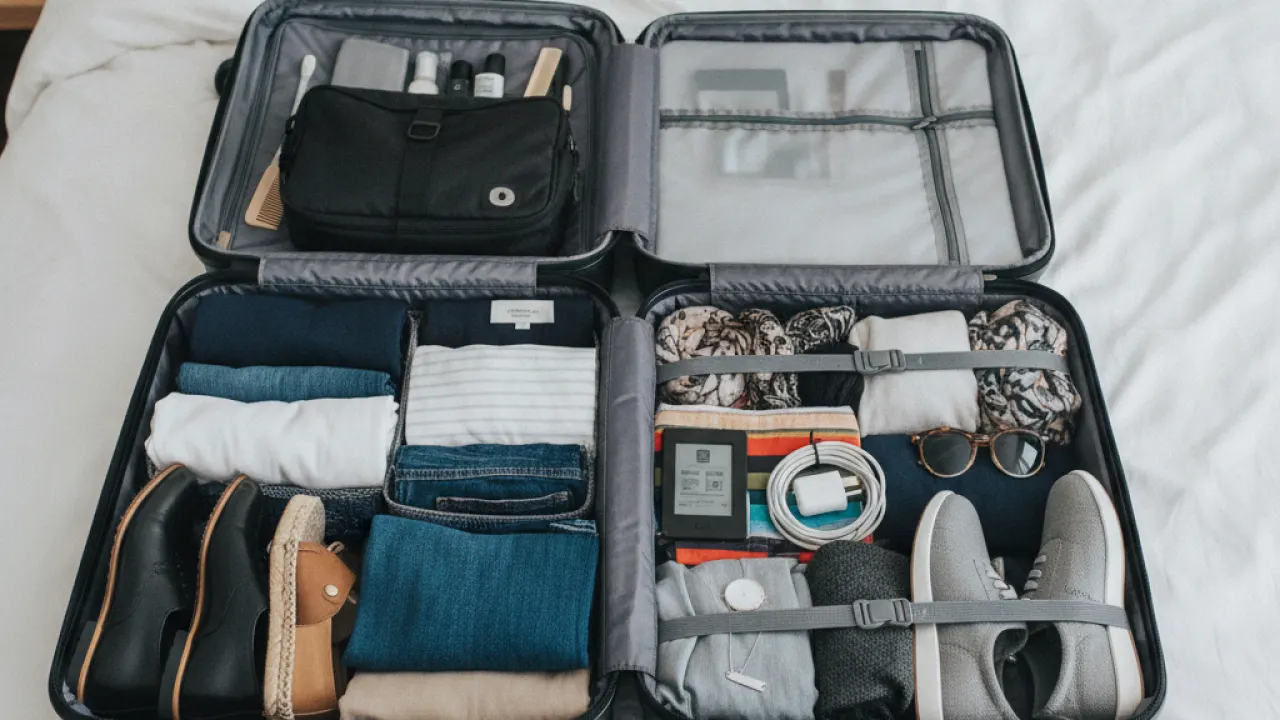
Most people pack too much. You end up carrying things you never use and paying extra for checked baggage you didn’t need.
Packing basics that most travelers get wrong
- Start with a list – Write everything down before you start putting things in the bag. Then cut it by a third.
- Check baggage allowances – Budget airlines are strict. Know the size and weight limits before you pack.
- Pick versatile clothes – Clothes that mix and match let you pack fewer items. Stick to a simple color palette.
- Roll, don’t fold – Rolling clothes saves space and reduces wrinkles.
- Use packing cubes – They keep your bag organized and compress clothing.
- Pack a day bag – A small backpack or tote for daily use keeps your main bag secure at the hotel.
- Don’t pack full-size toiletries – Buy travel sizes or use solid alternatives like shampoo bars. Decant what you need into small bottles.
- Leave room for souvenirs – If you know you’ll shop, pack lighter or bring a foldable bag.
Step 9: Prepare for the Unexpected
No trip goes exactly to plan. Flights get delayed. Bags get lost. You get sick. Knowing how to handle these things before they happen keeps them from ruining your trip.
How to prepare for common travel problems
- Flight delays and cancellations – Know your passenger rights. In many countries, airlines owe you compensation for long delays. Keep boarding passes and booking confirmations.
- Lost luggage – Pack a change of clothes and essentials in your carry-on. Report missing bags to the airline immediately at the airport, not at home.
- Illness – Locate the nearest clinic or hospital before you need it. Your travel insurance policy will have an emergency number. Save it in your phone.
- Lost documents – Keep digital copies in email. Know the location of your country’s embassy or consulate.
- Running out of money – Have a backup card from a different bank. Tell a trusted person at home your plans so they can help if needed.
- Scams and theft – Research common tourist scams for your destination before you arrive. Use a money belt or hidden pouch for your passport and cash.
Being prepared doesn’t mean expecting the worst. It just means you won’t be stuck when something small goes sideways.
Quick-Reference Trip Planning Checklist
Use this as a final check before you leave.
- Destination chosen and researched
- Dates confirmed and time off work approved
- Flights booked and confirmation saved
- Accommodation booked for all nights
- Budget set and tracked
- Passport valid for at least 6 months
- Visa obtained if required
- Travel insurance active
- Vaccinations done if required
- Bank notified of travel dates
- Documents copied and stored digitally
- Itinerary drafted and offline copy saved
- Bag packed within baggage limits
Run through this list a week before you leave and again the night before. It takes 5 minutes and stops you from forgetting something important.
Frequently Asked Questions
What is the
The how to plan a trip is a structured approach designed to give clear, actionable steps that produce reliable results over time.
How do I start with the
Begin with the foundation steps, focus on consistency, and build intensity gradually as the plan progresses.
How long does the how to plan a trip take to work?
Most people notice initial improvements within a few weeks, with more meaningful results appearing after 8 to 12 weeks of consistent effort.
Is the how to plan a trip suitable for beginners?
Yes. The how to plan a trip is designed to be accessible, with progressions and modifications that let anyone start at their current level.
What are the main mistakes to avoid with the
Common mistakes include skipping the foundation phase, expecting overnight results, and not tracking progress consistently.
Final Thoughts
Trip planning isn’t complicated when you take it one step at a time. Pick your destination, lock in your dates, book flights and accommodation, sort the admin, and pack smart. That covers most of it.
The rest you’ll figure out as you go. Most travelers find that the more they plan, the more relaxed they feel once they actually get there. You’re not removing the adventure, you’re just making room for it.
The best trips don’t happen by accident. They happen because someone sat down and made a plan.
What’s the first destination on your list this year, and what’s stopping you from booking it? For broader insights, exploring detailed breakdown of china mall ajman will give you actionable takeaways you can apply right away. For broader insights, exploring detailed breakdown of china mall ajman will give you actionable takeaways you can apply right away.
For related reading, see our guides on Home Workout Plan for 2026, UK Labour Party Policies 2026, eating clean for beginners, building better daily habits, a home workout plan.
Common questions about the how to plan a trip
People often ask whether the how to plan a trip works for complete beginners. It does, because every step can be adjusted to match your current level. Start where you are, not where you think you should be.
Another common question is how much time the how to plan a trip takes each day. Most people spend between twenty and forty minutes on the core steps. That is enough to make progress without taking over your schedule.
Some readers wonder if they need expensive tools or subscriptions. In most cases, the how to plan a trip works with what you already have. Any optional extras are just that, optional.
Consistency is the factor that separates people who get results from people who stay stuck. Missing one day is fine. Missing three days in a row is where momentum breaks. The how to plan a trip works when you follow it consistently. Many readers who study this area also benefit from detailed breakdown of 20 most beautiful places in the world to ensure all key factors are covered. Many readers who study this area also benefit from detailed breakdown of 20 most beautiful places in the world to ensure all key factors are covered.
Tracking progress is another habit that helps. Write down what you did, how it felt, and any small wins. Those notes become proof that the how to plan a trip is working, especially on days when motivation is low.
Finally, remember that the how to plan a trip