

The most expensive watch in the world carries a price tag most people will never see outside a museum or a private vault. These aren’t just timepieces. They’re statements of craftsmanship, history, and extreme wealth, and the records keep breaking year after year. Whether you’re a collector, an investor, or just curious, the numbers here will stop you cold.
In 2026, the five watches below represent the highest prices ever paid for a timepiece. Some sold at auction. Others sit in private collections. All of them changed what the world thinks a watch can cost. For more background, see Wikipedia reference.
The Most Expensive Watch in the World Right Now
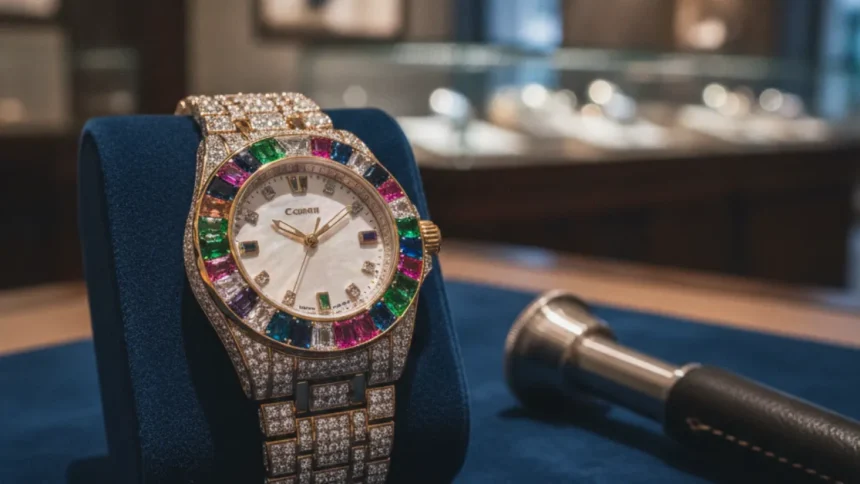
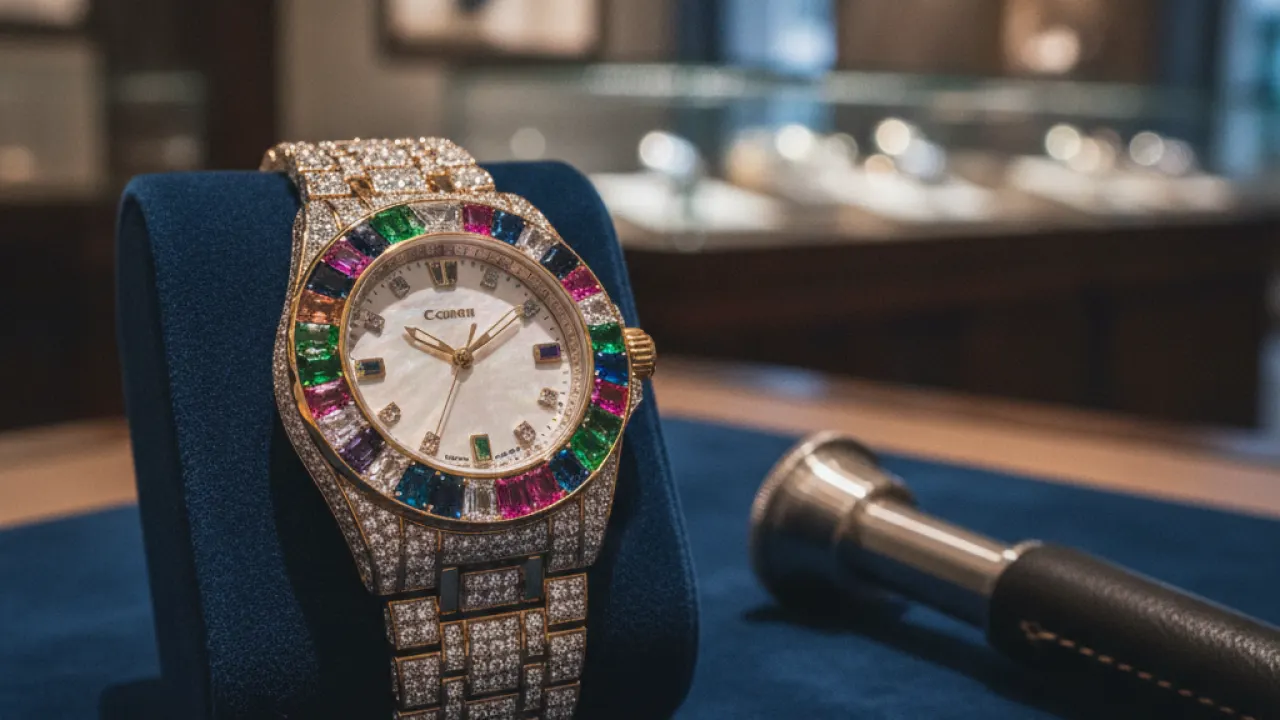
The title of the most expensive watch in the world belongs to the Graff Hallucination. Unveiled in 2014 and priced at $55 million, it has held the record ever since. No watch sold publicly has come close. The Hallucination is technically a bracelet watch, meaning the strap itself is part of the design, covered entirely in rare coloured diamonds.
What separates the watches on this list from everything else isn’t just the materials. It’s the combination of materials, history, technical complexity, and the names attached. Patek Philippe, Breguet, Graff, Rolex. These brands carry centuries of reputation. A watch with one of those names, paired with a famous previous owner or a record auction result, becomes something different from a luxury product. It becomes a trophy.
The list below covers the five most expensive watches ever recorded. Prices are verified from auction results and confirmed retail valuations. Where a watch is privately held at a stated price, that price comes from the maker’s official announcement.
Graff Hallucination: $55 Million
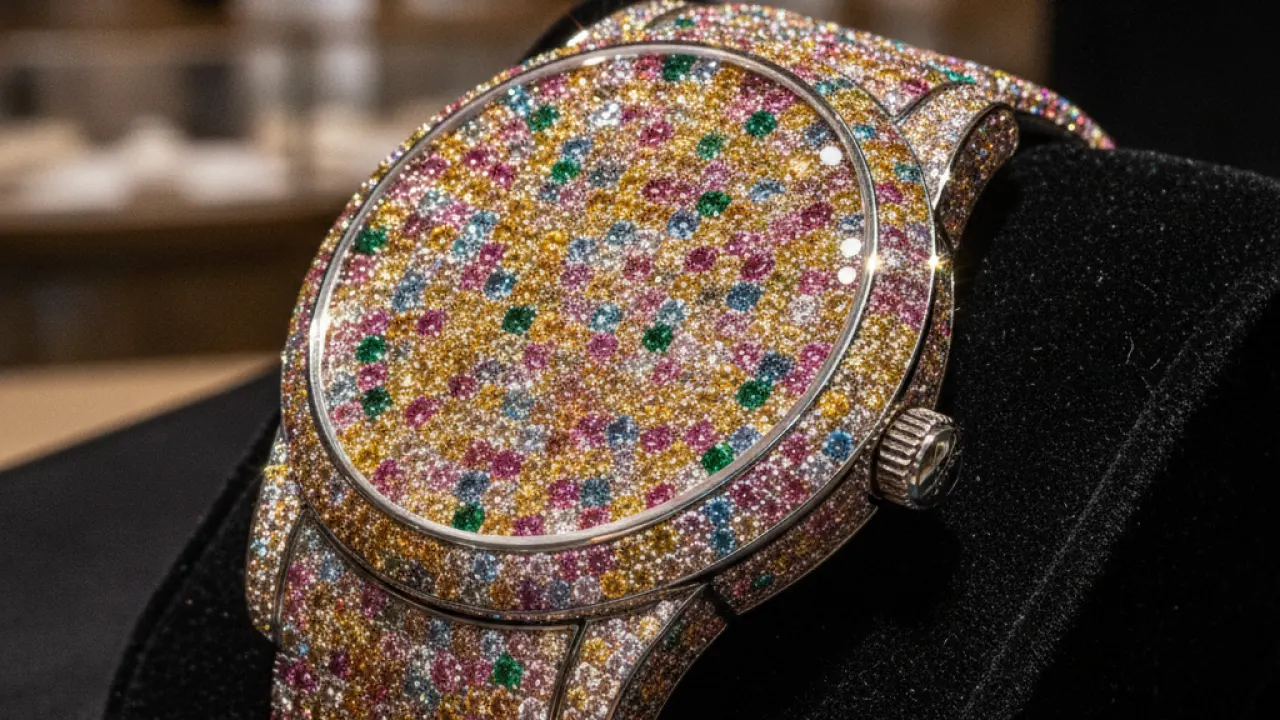
The Graff Hallucination is the most expensive watch in the world. Laurence Graff, the founder of Graff Diamonds, presented it at Baselworld in 2014 with a price of $55 million. No buyer has ever been publicly named. The watch is widely believed to be in a private collection.
What makes the Hallucination unlike anything else is its use of coloured diamonds. The case and strap are set with over 110 carats of rare coloured stones, including pink, yellow, blue, orange, green, and purple diamonds. Each stone was selected for its colour, cut, and clarity. Getting that many coloured diamonds to match across a single piece took years of sourcing.
The watch mechanism is hidden inside the case. It uses a movement from Graff’s in-house atelier, displayed only through a small aperture surrounded by the stones. The whole thing looks more like a bracelet than a watch, which was the point. Graff designed it to blur the line between jewellery and horology.
No other watch has been announced at a higher price. The Hallucination sits alone at the top of the list, and it’s hard to imagine what would dislodge it. To beat $55 million in materials alone, you’d need coloured diamonds of equal or greater rarity. There aren’t many of those available at any given time.
Why Coloured Diamonds Are So Rare
Natural coloured diamonds get their colour from impurities or structural defects during formation. A blue diamond contains boron. A pink diamond gets its colour from distortions in its crystal lattice. Green diamonds are irradiated naturally underground. Each colour is created by a different process, and each is far rarer than white diamonds.
Fancy coloured diamonds of high quality come up at auction once or twice a year at most. Getting enough of them in a single collection to cover a bracelet watch is an extraordinary feat of buying power and patience. Graff spent years building the stone inventory for the Hallucination before construction began.
Patek Philippe Grandmaster Chime Ref 6300A: $31 Million
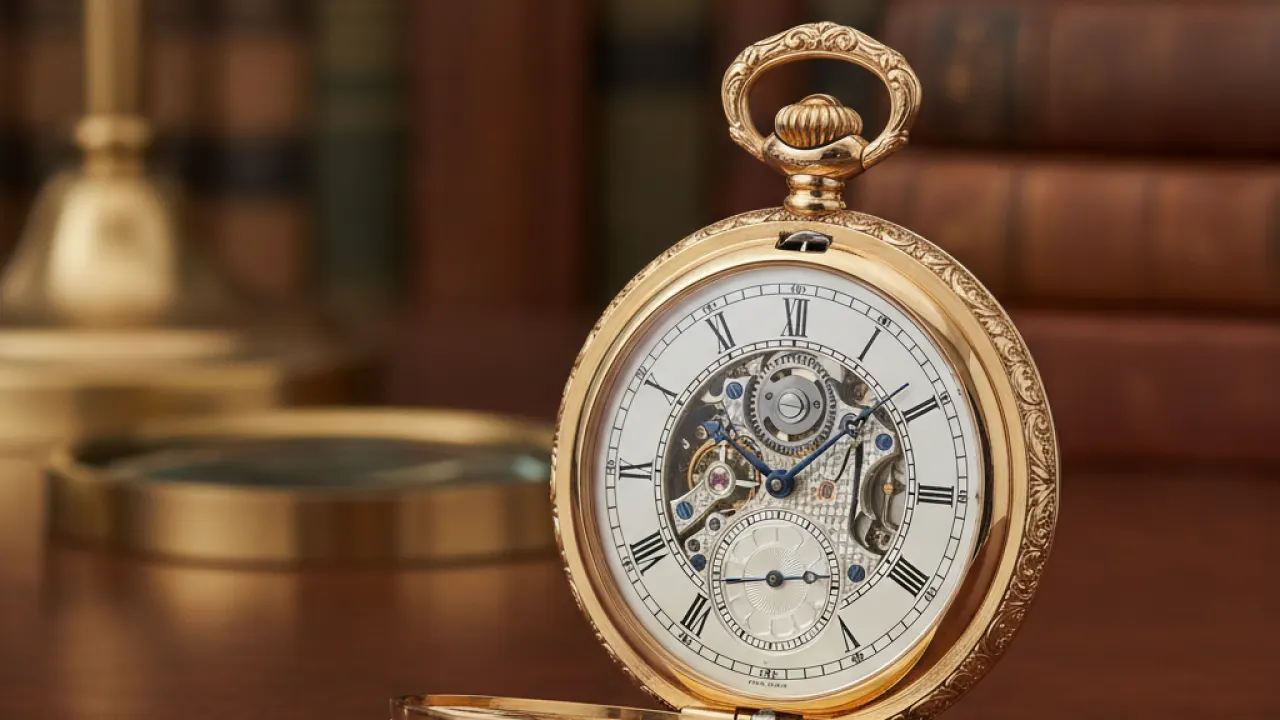
The Patek Philippe Grandmaster Chime Ref 6300A sold at a Only Watch charity auction in Geneva in November 2019 for CHF 31 million, roughly $31 million at the time. It holds the record for the most expensive wristwatch ever sold at auction. The previous record had been held by another Patek Philippe.
The Ref 6300A stands out for several reasons. First, it’s made of stainless steel, not gold or platinum. Patek Philippe almost never makes the Grandmaster Chime in steel. This was a one-off piece created specifically for the Only Watch auction, which raises money for Duchenne muscular dystrophy research. The steel case made it unique even within the Grandmaster Chime line.
Second, the movement is one of the most complicated ever built by Patek Philippe. It has 20 complications, including five chiming modes. The watch can strike the hours, quarters, and minutes. It can also play a grande sonnerie, chiming every quarter hour automatically. The mechanism inside contains 1,366 individual components.
The Grandmaster Chime has a double-face case. One side shows a perpetual calendar with instantaneous jumping date. The other side shows the four-digit year display, a patented Patek Philippe feature. Owning this watch means carrying a technical instrument that took Patek’s engineers years to develop and months to assemble by hand.
Patek Philippe is the gold standard for investment in luxury collectibles. Their watches consistently hold and increase in value over time, which is part of why collectors paid so much for the Ref 6300A. Buyers at that level aren’t just buying a watch. They’re acquiring an asset.
What Makes Patek Philippe the Top Watch Brand?
Patek Philippe was founded in Geneva in 1839. The brand has never been acquired by a larger group. It remains family-owned, which is rare among luxury watch manufacturers. That independence lets the company set its own production limits and quality standards without pressure from shareholders.
Production is deliberately low. Patek makes around 60,000 to 70,000 watches per year. Many of their most complicated models are made in double-digit quantities annually. Scarcity at the high end of their range drives prices at auction far beyond retail.
Breguet et Fils Marie-Antoinette No.160: $30 Million
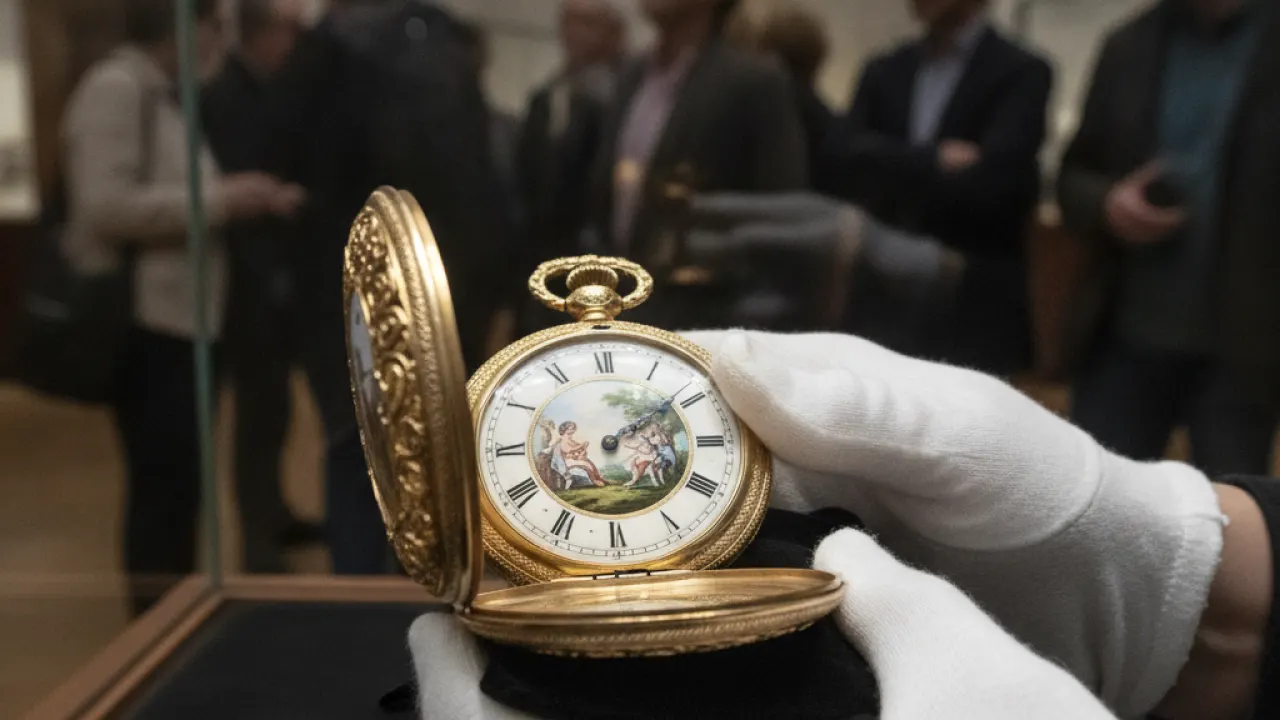
The Breguet Marie-Antoinette No.160 is in a different category from every other watch on this list. It isn’t a modern creation. It’s an 18th-century pocket watch with a story attached to it that spans over 200 years, a royal commission, a theft, and a recovery. The current value is estimated at approximately $30 million.
The watch was commissioned around 1783, reportedly by one of Marie-Antoinette’s admirers, possibly Count Axel von Fersen. The instructions were simple: use every known complication and the finest materials available, regardless of cost or time. Abraham-Louis Breguet, the greatest watchmaker of his era, spent decades on it.
Breguet died in 1823 without finishing the watch. His son completed it in 1827, 44 years after the commission was placed. By then, Marie-Antoinette had been dead for over 30 years, executed during the French Revolution in 1793. The watch that was meant for her never reached her.
The No.160 includes a grande sonnerie, a small seconds, a power reserve indicator, a thermometer, and an equation of time. The case is 18-carat gold. The movement has a shock absorber, one of Breguet’s own inventions. Every part of it represents the state of the art for the 1820s.
The watch spent decades in the L.A. Mayer Museum for Islamic Art in Jerusalem, where it was stolen in 1983 alongside 270 other timepieces. The theft wasn’t discovered for months. The watches were recovered in 2007, when a tip led investigators to a hidden stash in California. The No.160 was returned to the museum, where it remains on display.
The $30 million valuation comes from insurance assessments and expert appraisals. The watch has never been sold publicly. Its combination of historical importance, technical complexity, and the Marie-Antoinette connection puts it in a class of its own among antique timepieces.
Jacob and Co. Billionaire Watch: $18 Million
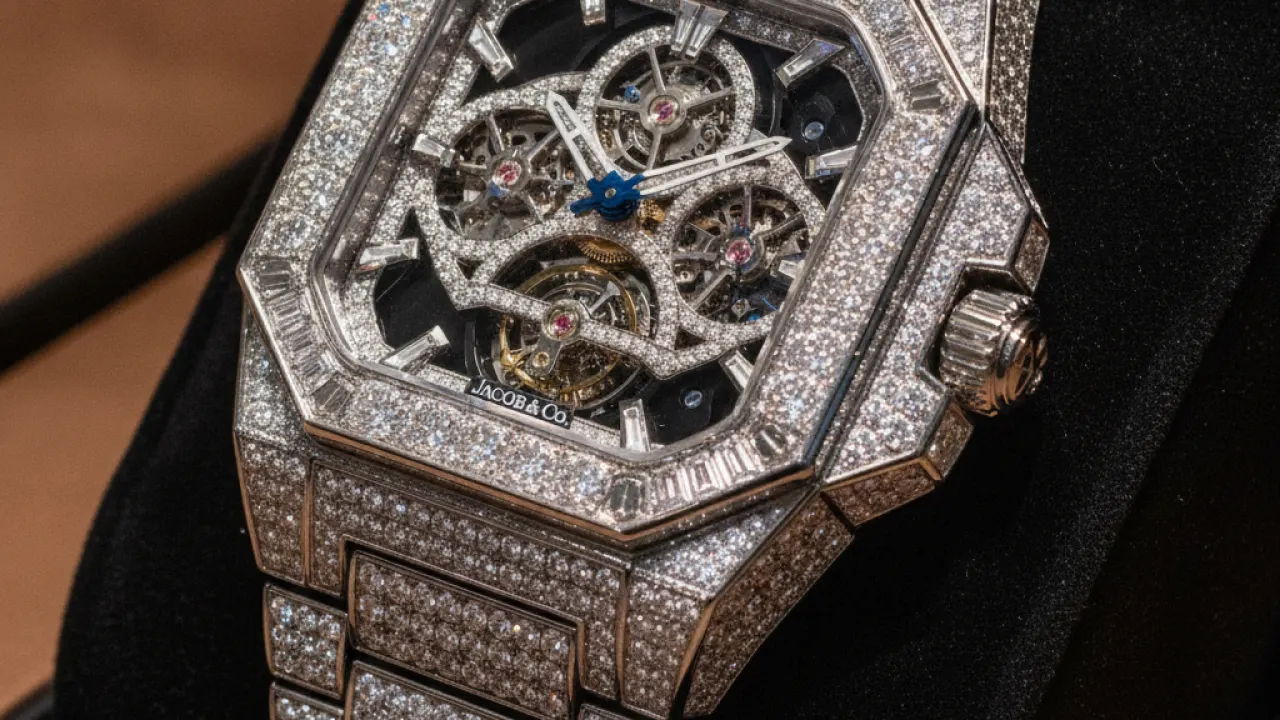
The Jacob & Co. Billionaire Watch was unveiled in 2015 at the Geneva Watch Salon and priced at $18 million. It became one of the most talked-about luxury watches of that year, not just for the price, but for the sheer scale of the diamond work involved.
The watch contains 260 carats of emerald-cut white diamonds. The entire case, bracelet, and crown are set with stones. There is almost no metal visible from the outside. The movement inside is a tourbillon, one of the most technically demanding mechanisms in watchmaking, and it’s visible through the case back through a layer of diamonds.
Jacob & Co. is a New York-based jewellery and watch brand founded by Jacob Arabo. The company built its reputation through celebrity clientele in the 1990s and 2000s, and the Billionaire Watch represents the extreme end of their philosophy: materials and visual impact above everything else.
The tourbillon mechanism inside the Billionaire Watch rotates on a visible axis, giving the watch movement a display element as much as a functional one. Tourbillons were invented in 1801 to counteract the effect of gravity on pocket watch accuracy. In modern wristwatches, the practical benefit is minimal, but the visual spectacle and the skill required to build one justify its place in high-end timepieces.
Only a handful of Billionaire Watches have been sold. Jacob & Co. has confirmed that the watch is made in extremely limited numbers, and each sale involves a personal consultation with the buyer. At $18 million, you’re not walking into a shop to pick one up.
How the Tourbillon Became a Symbol of Luxury
Abraham-Louis Breguet, the same maker behind the Marie-Antoinette watch, patented the tourbillon in 1801. The mechanism places the escapement and balance wheel inside a rotating cage. The cage turns once per minute, averaging out the positional errors that affect accuracy.
Today, a basic tourbillon movement can be bought for a few thousand pounds in a mid-range watch. But a hand-finished tourbillon in a high-end case, assembled by one person over weeks or months, is a different thing entirely. The time and skill involved push prices into six and seven figures on their own, before any gemstones are added.
Rolex Paul Newman Daytona: $17.75 Million
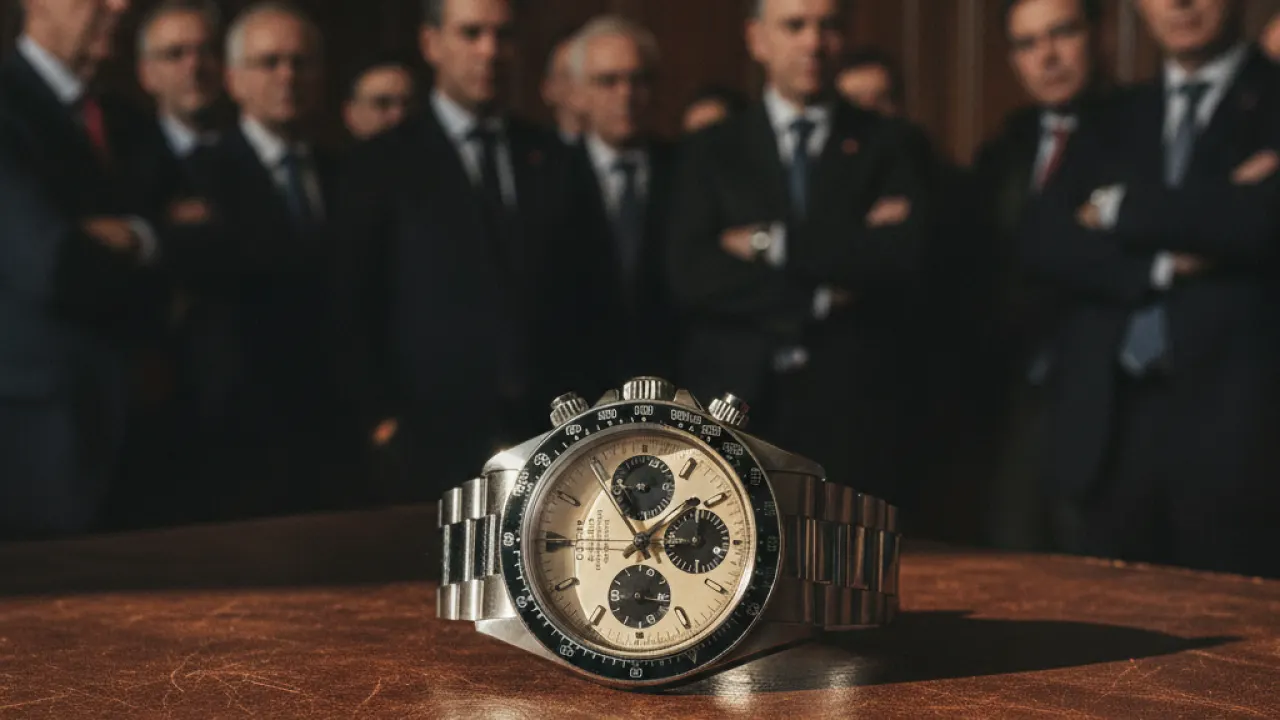
The Rolex Paul Newman Daytona is the most expensive Rolex ever sold. It went to auction at Phillips in New York in October 2017 and sold for $17.75 million, a figure that shocked even seasoned collectors. The watch had belonged to Paul Newman personally, and that provenance drove the price far beyond what the watch itself would normally command.
The Daytona in question is a reference 6239, produced in the late 1960s. It has a cream-coloured exotic dial with black sub-dials, red text, and a black bezel. This dial type became known as a “Paul Newman dial” among collectors because Newman wore one publicly so often. But this specific watch is the one he actually owned and wore, and it was a gift from his wife, Joanne Woodward.
The inscription on the case back reads: “Drive Carefully Me.” Woodward gave it to Newman in the 1970s as a reminder to be careful during his racing career. Newman was a serious amateur racing driver who competed in the 24 Hours of Le Mans and other major events. The watch accompanied him through all of it.
Newman later gave the watch to James Cox, his daughter’s boyfriend, as a gift. Cox held it for decades before consigning it to Phillips. The buyer chose to remain anonymous. The hammer price before buyer’s premium was $15.5 million, making it the highest-priced Rolex sold publicly.
Rolex holds value better than almost any other watch brand. Standard Daytona references routinely sell on the secondary market for double their retail price. But the Paul Newman Daytona shows what happens when scarcity, celebrity provenance, and an emotional backstory combine. The watch itself was worth perhaps $200,000 on the open market. The provenance added $17.5 million to that.
For anyone thinking about building serious long-term wealth, understanding how provenance and scarcity drive value at the top of any market is worth studying. The Daytona is one of the clearest examples in the world of what a story attached to an object can do to its price.
What Makes a Watch Worth Millions?
Looking at the five watches above, the common factors become clear. No single element creates the most expensive watch in the world. It’s always a combination, and the combination differs for each piece. But four factors appear consistently across all of them.
Rare Materials
The Graff Hallucination costs $55 million largely because of the stones. Natural coloured diamonds of high quality are among the rarest materials on earth. Pink diamonds in particular come almost entirely from the Argyle mine in Western Australia, which closed in 2020. The supply of new Argyle pinks has stopped. The existing stones in circulation become more scarce every year someone holds them.
The Breguet No.160 uses 18-carat gold throughout. But the material isn’t what drives the price. For antique watches, the case material is almost irrelevant compared to the movement and the history.
Complications and Movement Complexity
A complication is any function beyond basic timekeeping. A date display is a complication. A tourbillon is a complication. A minute repeater, a perpetual calendar, a power reserve indicator, a moon phase display, an equation of time, a second time zone. Each additional complication multiplies the number of parts and the skill required to assemble and regulate the movement.
The Patek Philippe Grandmaster Chime has 20 complications and 1,366 parts. Building it requires watchmakers who spend their entire careers specialising in a single type of mechanism. The labour alone on a movement like that, assembled by hand over months, runs into six figures before the case is even touched.
History and Provenance
Provenance is the ownership history of an object. The Paul Newman Daytona is the clearest proof of how much provenance matters. An identical reference 6239 with no celebrity connection might sell for $150,000 to $300,000. Newman’s personal watch sold for $17.75 million. The difference is purely the story attached to it.
The Breguet Marie-Antoinette No.160 carries arguably the greatest provenance of any watch in existence. It was commissioned for a queen. It was completed after she was executed. It was stolen and recovered. Every chapter of that story adds to the object’s cultural weight and its monetary value.
Brand Name and Maker Reputation
The same movement in a case from Patek Philippe sells for more than the same movement in a case from an unknown brand. Brand carries weight in the luxury watch market in a way that doesn’t apply in other industries. Collectors know which brands have maintained quality over centuries and which have cut corners.
Patek Philippe, Breguet, Audemars Piguet, and A. Lange & Sohne command premiums because they have earned them through decades of consistent output. Graff commands a premium because its stones are genuinely exceptional. Jacob & Co. commands its price through celebrity association and the sheer volume of diamonds used.
Frequently Asked Questions
What is the
The most expensive watch in the world is a structured approach designed to give clear, actionable steps that produce reliable results over time.
How do I start with the
Begin with the foundation steps, focus on consistency, and build intensity gradually as the plan progresses.
How long does the most expensive watch in the world take to work?
Most people notice initial improvements within a few weeks, with more meaningful results appearing after 8 to 12 weeks of consistent effort.
Is the most expensive watch in the world suitable for beginners?
Yes. The most expensive watch in the world is designed to be accessible, with progressions and modifications that let anyone start at their current level.
What are the main mistakes to avoid with the
Common mistakes include skipping the foundation phase, expecting overnight results, and not tracking progress consistently.
Are Luxury Watches a Good Investment?
Luxury watches can be strong investment assets, but the answer depends entirely on which watch and which market you’re talking about. The most expensive watch in the world isn’t necessarily the best investment. Some watches depreciate the moment they leave the boutique. Others double or triple within a few years. Knowing the difference is what separates a collector from someone who just spends a lot of money on watches.
Rolex Holds Value
Rolex is the most consistent performer in the secondary market among major watch brands. Sports models including the Daytona, Submariner, and GMT-Master II routinely sell used for more than their retail price. The reason is simple: Rolex production is deliberately limited, and demand consistently outstrips supply.
A Rolex Submariner bought at retail today might sell for 30% to 50% more in five years if the market conditions hold. That’s not a guaranteed return, and the watch market went through a sharp correction between 2022 and 2024. But over 10 to 20 year periods, Rolex has proven to be a store of value in a way that few consumer goods manage.
People interested in building a mixed investment portfolio sometimes include one or two key references from Rolex or Patek as alternative assets. The key word is “key references.” Common models with no particular rarity hold their value less reliably than limited runs and discontinued references.
Patek Philippe Appreciates
Patek Philippe watches, particularly complicated pieces in limited production, have an exceptional track record of appreciation over long periods. The brand’s own marketing line is “you never actually own a Patek Philippe, you merely look after it for the next generation,” which is marketing copy, but it isn’t far from the truth for their rarest pieces.
The Grandmaster Chime that sold for $31 million in 2019 had an estimated pre-sale value of $3 million to $5 million. The steel case and the charity auction context drove the final number up dramatically. But even setting aside that outlier, Patek Philippes in general have outperformed most asset classes over 20-year periods.
What to Watch Out For
Not every expensive watch is a good investment. Watches set entirely with diamonds often depreciate after purchase, because the diamonds themselves are worth less broken up than the whole piece commands at retail. The diamond market has shifted a great deal in the past decade, and the resale market for heavily jewelled watches outside auction houses is thin.
Watches from brands without long track records carry more risk. A new brand can produce technically excellent watches, but without decades of auction results to point to, the secondary market is uncertain. Collectors who buy for investment stick to brands with proven secondary market depth.
Condition matters enormously. A Rolex Submariner that has been polished loses value compared to one with original case sharpness and unpolished surfaces. Collectors want original everything: original dial, original hands, original bracelet with the correct clasp for the year. Replacements reduce value by a wide margin.
The watch market also has cycles. Prices spiked dramatically during 2020 and 2021, when pandemic-era spending and speculative buying pushed secondary market prices to unsustainable levels. By 2023, many references had corrected 30% to 40% from their peaks. Anyone who bought at the top of that market took losses on paper. Anyone who has held watches through multiple cycles understands that patience is as important as selection.
The Most Expensive Watch Brands to Know
If you’re researching the top end of the watch market, these four brands are the ones that appear most consistently in seven-figure and eight-figure auction results:
Patek Philippe leads in auction records for wristwatches. The Grandmaster Chime, the Nautilus, the Calatrava, and the complicated pocket watches all command serious money.
Breguet is the oldest surviving name on the list and arguably the most historically important. Breguet invented the tourbillon, the self-winding mechanism, the overcoil hairspring, and the Breguet numeral. Antique Breguets from the 18th and early 19th centuries are among the most collectible objects in the world.
Graff isn’t primarily a watchmaker. It’s a diamond house that makes watches. The Hallucination is the peak of what Graff does: exceptional stones in a technically functional case. Graff watches aren’t for collectors who prioritise movement complexity. They’re for those who prioritise stones.
Jacob & Co. targets a different buyer. The Billionaire Watch sits alongside extremely complicated pieces like the Astronomia and the Twin Turbo Furious. Jacob’s watches appeal to buyers who want spectacle, colour, and visible mechanism. It’s a different language from Patek or Breguet, and it has its own market.
People who follow the most expensive real estate in the world often notice the same buyers appearing in both markets. Watches and property are two of the most common ways ultra-high-net-worth individuals store and display wealth.
Can You Actually Buy the Most Expensive Watch in the World?
The Graff Hallucination is not for sale publicly. The Breguet Marie-Antoinette is in a museum. The Patek Philippe Ref 6300A is in a private collection, and the buyer has never been named. The Paul Newman Daytona was sold to an anonymous bidder.
At this level, watches don’t change hands through normal channels. If you want to buy something in the $10 million to $55 million range, you work through private dealers, auction house specialists, or the brands directly. Most transactions at that level never appear in public records.
For everyone else, the watches on this list represent the outer edge of what human craft and rare materials can produce. The most expensive watch in the world exists as a benchmark of what’s possible, as evidence that a watch can carry as much cultural and historical weight as any painting or sculpture.
The connection between ultra-luxury goods and building genuine wealth is worth understanding. The people buying these watches didn’t accumulate the money to do so by accident. They built wealth through deliberate strategy, and the watches are where some of it ends up.
Which of these five watches do you find most extraordinary, and why? Drop your answer in the comments below. The most expensive watch in the world works when you follow it consistently.
This guide shows you how the most expensive watch in the world fits real life.
Start with the basics of the most expensive watch in the world and build from there.
The most expensive watch in the world removes common barriers that stop people from starting.
Follow the most expensive watch in the world for the full period to see real results.
The most expensive watch in the world scales as you get more experienced.
Sticking to the most expensive watch in the world matters more than any single step.
The most expensive watch in the world gives you a clear structure every week.
Use the most expensive watch in the world as your base and adjust it to your level.
Many people find the most expensive watch in the world easier to follow than complex alternatives.
Results from the most expensive watch in the world come from repetition, not perfection.
Keep the most expensive watch in the world simple and focus on showing up consistently.
The most expensive watch in the world works when you follow it consistently.
This guide shows you how the most expensive watch in the world fits real life.
Start with the basics of the most expensive watch in the world and build from there.
The most expensive watch in the world removes common barriers that stop people from starting.
Follow the most expensive watch in the world for the full period to see real results.
The most expensive watch in the world scales as you get more experienced.
Sticking to the most expensive watch in the world matters more than any single step.
The most expensive watch in the world gives you a clear structure every week.
Use the most expensive watch in the world as your base and adjust it to your level.
Many people find the most expensive watch in the world easier to follow than complex alternatives.
Results from the most expensive watch in the world come from repetition, not perfection.
Keep the most expensive watch in the world simple and focus on showing up consistently.
The most expensive watch in the world works when you follow it consistently.
This guide shows you how the most expensive watch in the world fits real life.
Start with the basics of the most expensive watch in the world and build from there.
The most expensive watch in the world removes common barriers that stop people from starting.
Follow the most expensive watch in the world for the full period to see real results.
The most expensive watch in the world scales as you get more experienced.
Sticking to the most expensive watch in the world matters more than any single step.
The most expensive watch in the world gives you a clear structure every week.
Use the most expensive watch in the world as your base and adjust it to your level.
Many people find the most expensive watch in the world easier to follow than complex alternatives.
Results from the most expensive watch in the world come from repetition, not perfection.
Keep the most expensive watch in the world simple and focus on showing up consistently.
The most expensive watch in the world works when you follow it consistently.
This guide shows you how the most expensive watch in the world fits real life.
Start with the basics of the most expensive watch in the world and build from there.
The most expensive watch in the world removes common barriers that stop people from starting.
Follow the most expensive watch in the world for the full period to see real results.
The most expensive watch in the world scales as you get more experienced.
Sticking to the most expensive watch in the world matters more than any single step.
The most expensive watch in the world gives you a clear structure every week.
Use the most expensive watch in the world as your base and adjust it to your level.