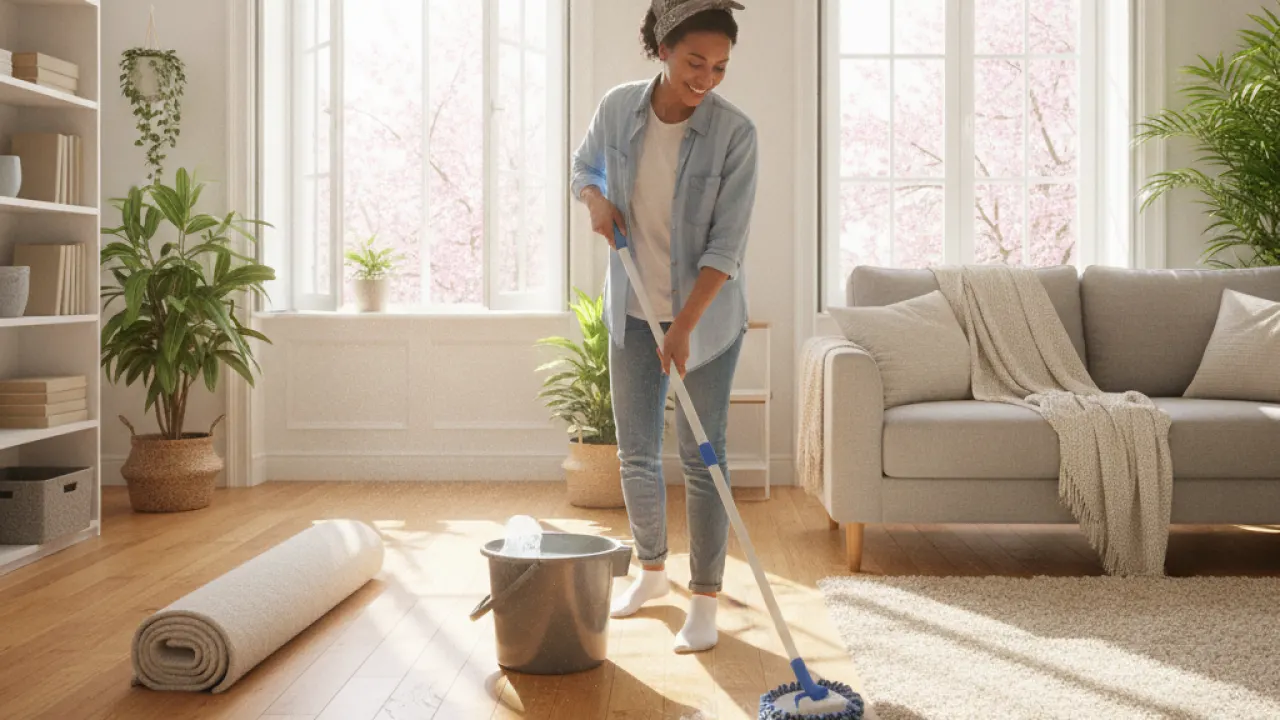


Natural cleaning products fill the shelves of every supermarket now, but the quality varies enormously. Some work just as well as chemical alternatives. Others are little more than water with a nice smell and a high price tag. Here is what actually works and what to skip.
The Basics: Natural Ingredients That Actually Clean
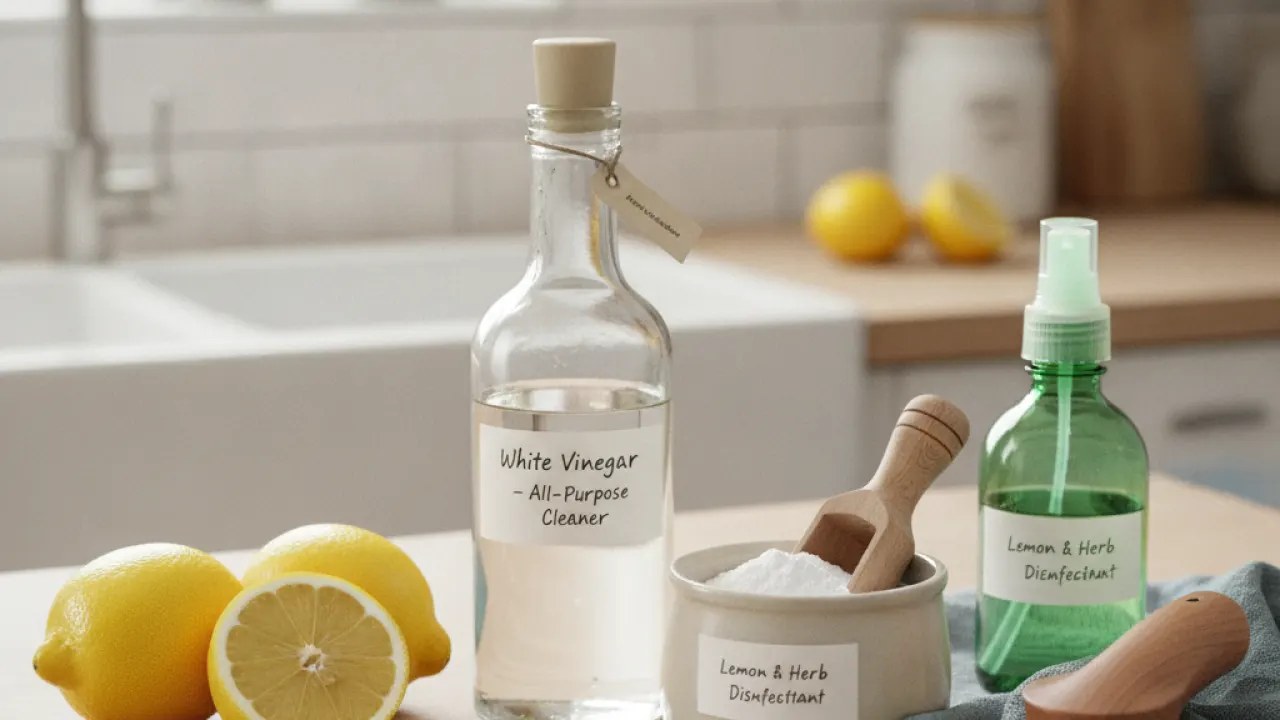
Before you spend money on branded natural products, know that most of them are built around a small number of core ingredients. Buy those ingredients directly and you can make effective cleaners for a fraction of the cost. For more background, see Wikipedia reference.
White Vinegar
White vinegar is one of the most useful natural cleaners you can own. Its acidity breaks down mineral deposits, soap scum, and grease. It kills some bacteria and mold, though it is not a full disinfectant. Use it diluted 50/50 with water for most surfaces.
It works well on glass, chrome taps, showerheads, and inside kettles. It also removes odors from fabrics and neutralizes pet smells. Do not use it on natural stone like marble or granite. The acid will etch the surface over time.
Baking Soda (Bicarbonate of Soda)
Baking soda is a mild abrasive that scrubs without scratching, neutralizes odors, and reacts with vinegar to fizz and lift grime from surfaces. It is safe on most materials and very cheap to buy in bulk.
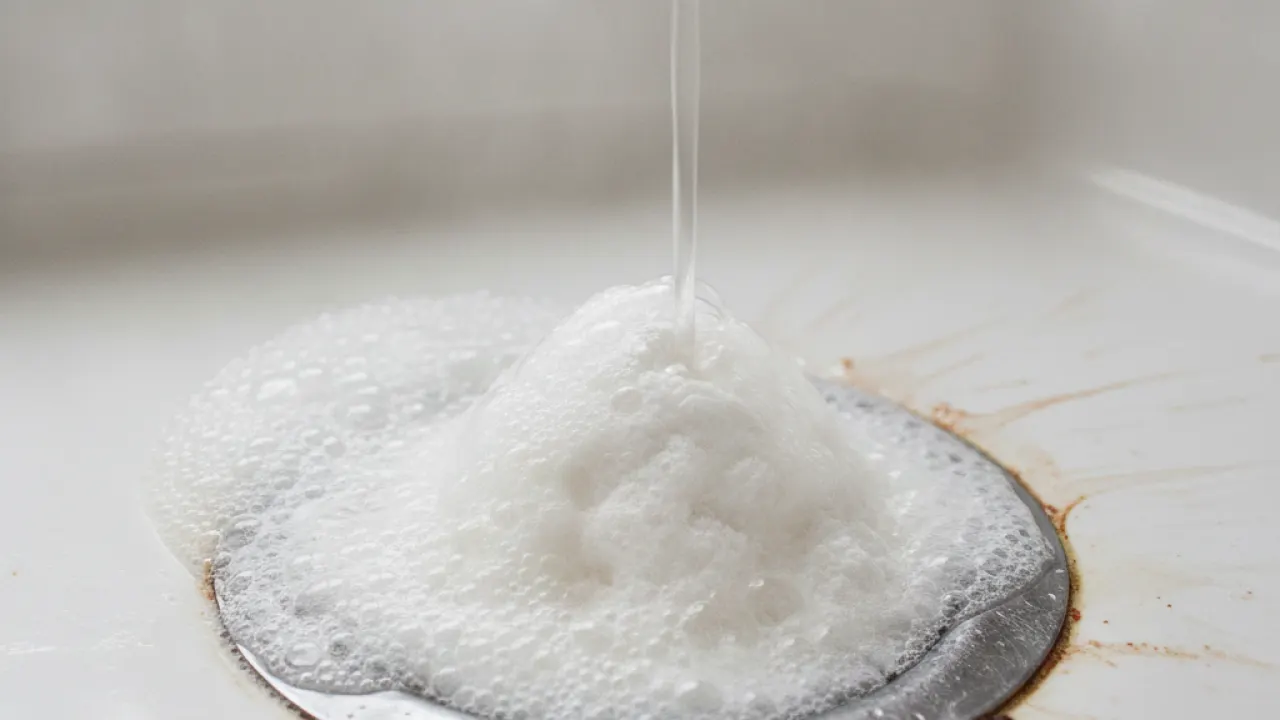
Use it as a paste mixed with a little water to scrub sinks, tiles, and stovetops. Sprinkle it in your oven, leave it overnight, and wipe clean in the morning. Pour it down drains followed by vinegar to clear mild blockages and smells. It also absorbs odors in the fridge when left in an open container.
Castile Soap
Castile soap is a plant-based soap that works as a general-purpose cleaner. A few drops in water clean floors, worktops, and bathrooms. It cuts grease and lifts dirt without any harsh chemicals. Dr. Bronner’s is the most widely known brand, but cheaper own-brand versions exist.
Do not mix castile soap with vinegar. They cancel each other out, leaving a cloudy residue. Use them separately.
Room-by-Room: What Natural Products Handle Well
Natural cleaners do a great job in most areas of the home. If you want to see how far they go before tackling specific areas, check out this room-by-room cleaning guide for a broader overview.
Kitchen
The kitchen is where natural cleaners perform best. Baking soda paste handles stovetop grease, burnt-on food, and stainless steel sinks. Diluted white vinegar cleans glass surfaces, taps, and the inside of the microwave. A few drops of castile soap in warm water cleans worktops and floors.
For the oven, sprinkle baking soda, spray with vinegar, leave overnight, and scrub clean. It takes longer than commercial oven cleaner but works without the harsh fumes.
Bathroom
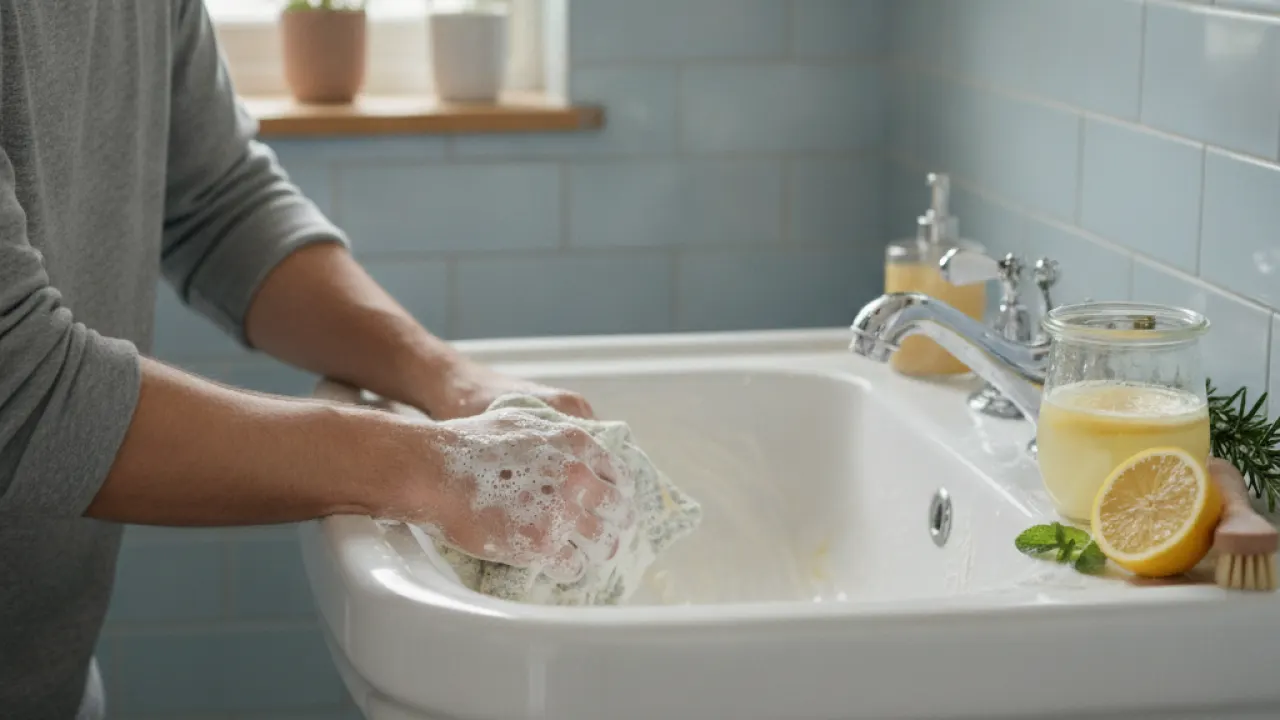
Vinegar removes limescale from taps, showerheads, and toilet bowls. Baking soda scrubs tiles, grout, and basins. A spray of diluted tea tree oil helps control mold on silicone seals and grout lines because tea tree has genuine antifungal properties.
For the toilet, pour half a cup of baking soda in and leave for twenty minutes before scrubbing. Follow with a splash of vinegar for extra action. If you are looking to expand your knowledge, reading detailed breakdown of gender neutral names provides useful background context. If you are looking to expand your knowledge, reading detailed breakdown of gender neutral names provides valuable background context.
Floors
For most hard floors, a bucket of warm water with a few drops of castile soap and a splash of vinegar cleans effectively without leaving residue. Do not use vinegar on unsealed wood or natural stone floors. Stick to plain warm water with a tiny amount of castile soap for those surfaces.
Branded Natural Cleaning Products: What to Look For
If you prefer to buy ready-made natural products rather than making your own, some brands deliver real results. Others are mostly marketing. Here is how to tell the difference.
Check the Ingredient List
A genuine natural product lists simple, recognizable ingredients. Look for things like citric acid, sodium bicarbonate, plant-derived surfactants, and essential oils. If the ingredient list is full of long chemical names, the product may not be as natural as the label claims.
Look for certification logos from bodies like the Soil Association, COSMOS, or Ecocert. These verify that the product meets specific natural and organic standards.
Brands That Generally Work
- Method – Plant-derived surfactants, good cleaning performance, pleasant scents. Their all-purpose spray and bathroom cleaner both work well.
- Ecover – One of the older natural cleaning brands. Their washing-up liquid, laundry detergent, and toilet cleaner are effective and widely available.
- Bio-D – UK-based, certified natural, strong performance on laundry and general cleaning. Their multi-surface sanitiser is genuinely effective.
- Miniml – Concentrated refillable products that reduce plastic waste. Effective cleaning and lower cost per use than most.
- Smol – Subscription laundry and dishwasher tablets that use plant-based ingredients. Good results for most loads.
- Seventh Generation – US brand available internationally. Their dish soap and laundry products perform consistently well.
Natural Products That Do Not Work Well
Honesty matters here. Some popular natural cleaning ideas circulate online that simply do not perform the way people claim.
Lemon Juice as a Disinfectant
Lemon juice has mild antibacterial properties but is not strong enough to disinfect surfaces properly. It is fine for odor removal and cutting through light grease, but do not rely on it when you need to kill bacteria on food prep surfaces or in the bathroom after illness.
Essential Oils as Cleaners
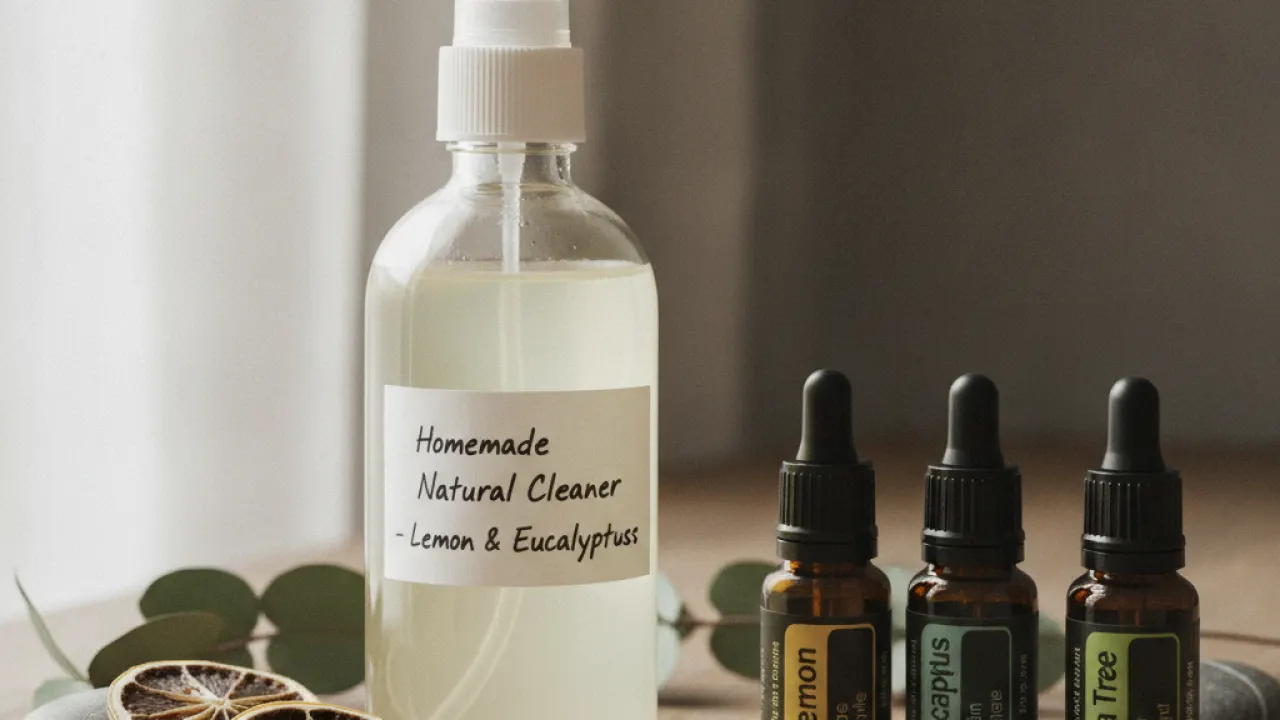
Tea tree oil has real antifungal and some antibacterial properties. Lavender and eucalyptus have mild antimicrobial effects. But most essential oils added to cleaning products are there for scent, not cleaning power. They will not disinfect surfaces on their own and should not be treated as a substitute for actual cleaning.
Cheap Own-Brand Natural Products with No Certification
Some products market themselves as natural with green packaging but contain the same chemical surfactants as conventional cleaners. Without a recognized certification or a transparent ingredient list, there is no way to verify the claim. If a product says natural but will not show you what is in it, that is a red flag.
Hydrogen Peroxide as a General Cleaner
Hydrogen peroxide does have real disinfecting properties, but standard 3 percent pharmacy-grade solution is relatively weak. It works on surfaces but breaks down quickly in light and needs to stay on a surface for several minutes to be effective. It also bleaches colored fabrics, so use it carefully.
When Natural Products Are Not Enough
Natural cleaning products have real limits. There are situations where they are genuinely not up to the job and where trying to force the issue wastes time and leaves you with inadequately clean surfaces.
- Heavy mold infestations – A important mold problem on walls or ceilings needs a proper mold killer, often bleach-based. Tea tree oil and vinegar will not shift deep mold.
- After illness involving norovirus or similar – Norovirus requires a bleach-based disinfectant to kill. Natural products will not do this reliably.
- Blocked drains beyond mild buildup – Baking soda and vinegar are good for maintenance but will not clear a seriously blocked drain. You need a proper drain unblocker or a plumber.
- Heavy grease in commercial kitchens – Natural degreasers struggle with industrial-level grease. This is more relevant to businesses than most homes, but good to know.
For a structured approach to keeping your home clean without it taking over your week, a weekly cleaning schedule makes it manageable. And when you are ready for a deeper reset, a spring cleaning checklist covers everything room by room.
How to Build a Natural Cleaning Kit on a Budget
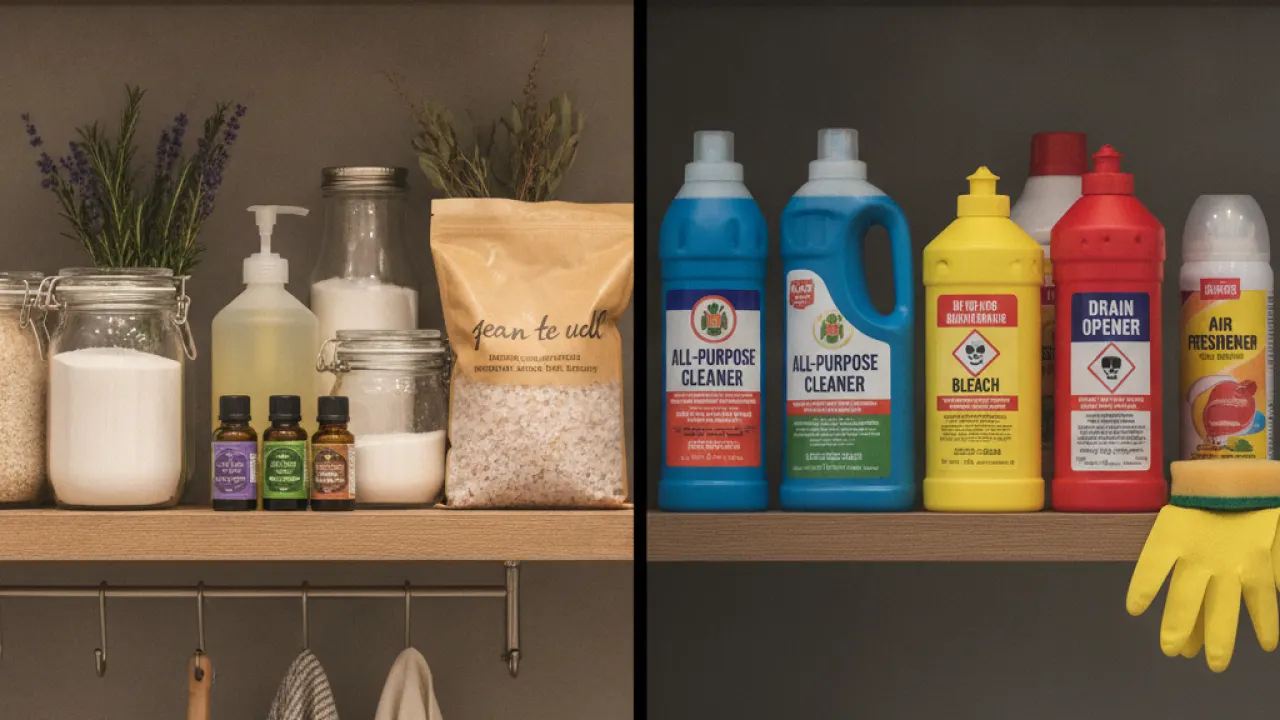
You do not need to buy a lot. A small set of core items handles most of your cleaning needs:
- White vinegar – Buy a large bottle from a supermarket or bulk supplier. Very cheap.
- Baking soda – A 500g box from a supermarket costs very little and lasts months.
- Castile soap – A concentrate diluted correctly lasts a long time. A 500ml bottle makes many batches of cleaner.
- Empty spray bottles – Fill and refill with your homemade solutions.
- Microfibre cloths – These clean more effectively than cotton cloths with less product. Wash and reuse them for years.
- Tea tree oil – A small bottle for mold control in bathrooms and on window seals.
Total cost for all of these: under 20 pounds. You can maintain a clean home with this kit for months, spending far less than you would on branded cleaners while using products that are safer for your family and the environment.
Frequently Asked Questions
What is the
The natural cleaning products is a structured approach designed to give clear, actionable steps that produce reliable results over time.
How do I start with the
Begin with the foundation steps, focus on consistency, and build intensity gradually as the plan progresses.
How long does the natural cleaning products take to work?
Most people notice initial improvements within a few weeks, with more meaningful results appearing after 8 to 12 weeks of consistent effort.
Is the natural cleaning products suitable for beginners?
Yes. The natural cleaning products is designed to be accessible, with progressions and modifications that let anyone start at their current level.
What are the main mistakes to avoid with the
Common mistakes include skipping the foundation phase, expecting overnight results, and not tracking progress consistently.
Final Verdict
Natural cleaning products work well for most everyday tasks. Vinegar, baking soda, and castile soap cover the majority of your cleaning needs at very low cost. Some branded natural products deliver good results if you choose ones with clear ingredient lists and proper certification. But not everything that calls itself natural is effective, and some situations call for stronger solutions.
Use natural products where they genuinely work, and do not feel guilty about reaching for something stronger when the job calls for it. Clean is the goal. Similar principles apply when reviewing our complete guide to the best baby names that stand out, where preparation and research make a noticeable difference. Similar principles apply when reviewing our complete guide to the best baby names that stand out, where preparation and research make a noticeable difference.
Which natural cleaning product have you found most useful in your home, and is there one that let you down when you expected it to work?
Common questions about the natural cleaning products
People often ask whether the natural cleaning products works for complete beginners. It does, because every step can be adjusted to match your current level. Start where you are, not where you think you should be.
Another common question is how much time the natural cleaning products takes each day. Most people spend between twenty and forty minutes on the core steps. That is enough to make progress without taking over your schedule.
Some readers wonder if they need expensive tools or subscriptions. In most cases, the natural cleaning products works with what you already have. Any optional extras are just that, optional.
Consistency is the factor that separates people who get results from people who stay stuck. Missing one day is fine. Missing three days in a row is where momentum breaks.
Tracking progress is another habit that helps. Write down what you did, how it felt, and any small wins. Those notes become proof that the natural cleaning products is working, especially on days when motivation is low.
Finally, remember that the natural cleaning products