


n
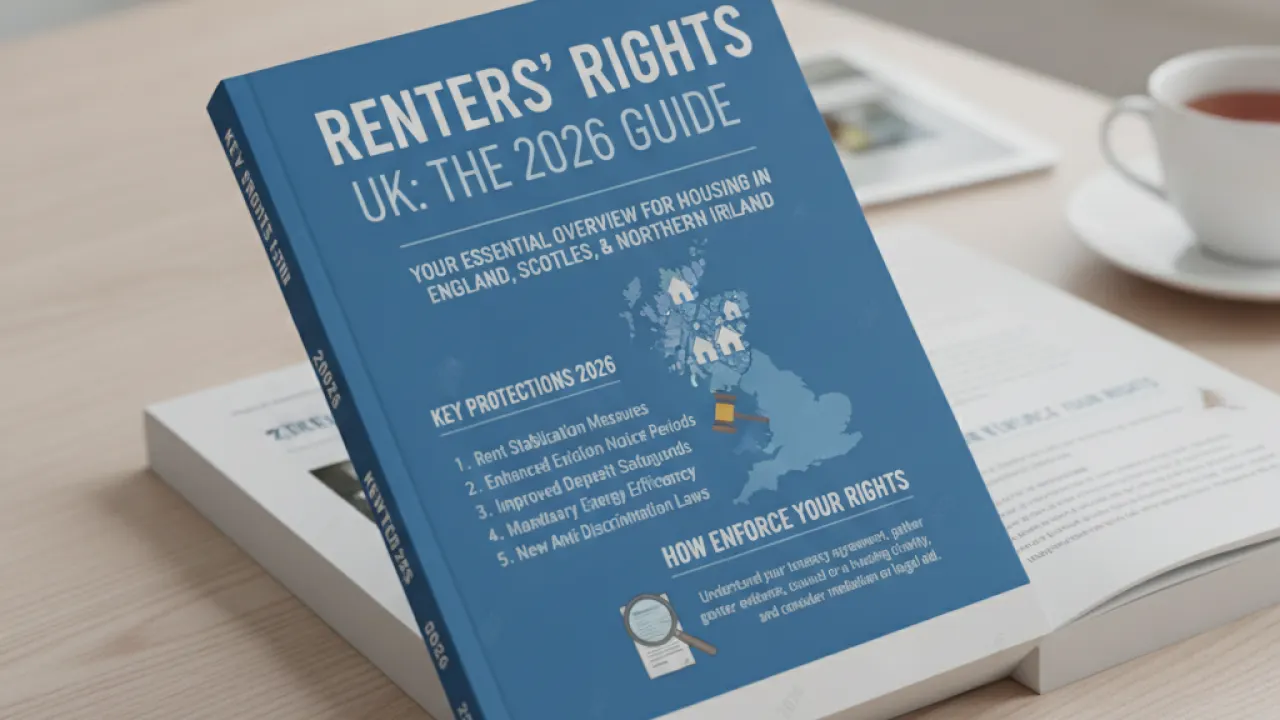
Renting a home in England, Wales, Scotland, or Northern Ireland gives you strong statutory protections that no landlord or letting agent can override. Understanding how renters rights uk operate ensures you live in a safe, warm, and secure home without fear of arbitrary treatment.
nn
The UK private rental market is undergoing landmark legislative changes designed to rebalance the relationship between tenants and landlords. In this complete 2026 guide, you will learn your legal rights regarding tenancy agreements, repairs, rent increases, deposit protection, privacy, and major new reforms.
nnnn
 n
nnn
1. Renters Rights UK in 2026: Key Changes Under New Laws
nn
The introduction of the Renters Rights Bill marks the most substantial overhaul of private tenancy law in over three decades. For millions of private tenants, these new rules replace temporary fixes with permanent statutory rights.
nn
The updated framework strengthens renters rights uk across several vital areas of daily life. It ends arbitrary evictions, prevents letting agents from encouraging bidding wars on listed rent prices, and extends council enforcement powers against landlords who fail to maintain healthy living standards.
nn
Under official GOV.UK private renting rules, landlords must comply with all national safety and legal standards regardless of what clauses they write into private contracts. Any contract clause that attempts to reduce your statutory rights is legally void.
nn
| Legal Protection | Previous Standard | New 2026 Standard |
|---|---|---|
| Eviction Rules | Landlords could use Section 21 without giving any reason | Section 21 banned; landlords must prove specific legal grounds |
| Tenancy Length | Fixed 6 or 12-month Assured Shorthold Tenancies | All tenancies periodic; tenants can leave with 2 months notice |
| Rent Bidding | Agents accepted offers above advertised rent | Illegal to ask for or accept bids above the advertised rate |
| Damp & Mould | No strict statutory time limits for repairs | Awaab’s Law enforces strict deadlines for health hazards |
nn
 n
nnn
2. Tenancy Agreements and the End of Fixed Terms
nn
Historically, private renting relied on fixed-term Assured Shorthold Tenancies lasting six or twelve months. When the fixed term ended, tenants often felt pressured into signing expensive renewals or faced abrupt eviction notices.
nn
Under the new system, all private tenancies transition into periodic tenancies from day one. A periodic tenancy rolls forward on a monthly or weekly basis without an artificial expiration date. This system allows tenants to stay in their homes indefinitely until they decide to hand in notice or the landlord establishes a genuine court ground for possession.
nn
As a tenant, your statutory renters rights uk allow you to give two months of written notice at any time to end your tenancy. This gives renters the flexibility to move for new employment or family reasons without being trapped in rigid annual contracts.
nn
Joint Tenancies and Notice Rules
n
If you rent with flatmates or a partner under a joint tenancy, you share joint and several liability. Under periodic tenancies, any single joint tenant can serve a valid two-month notice to quit, which brings the entire tenancy to an end for everyone named on the agreement. Understanding this rule helps housemates coordinate their moving plans smoothly.
nn
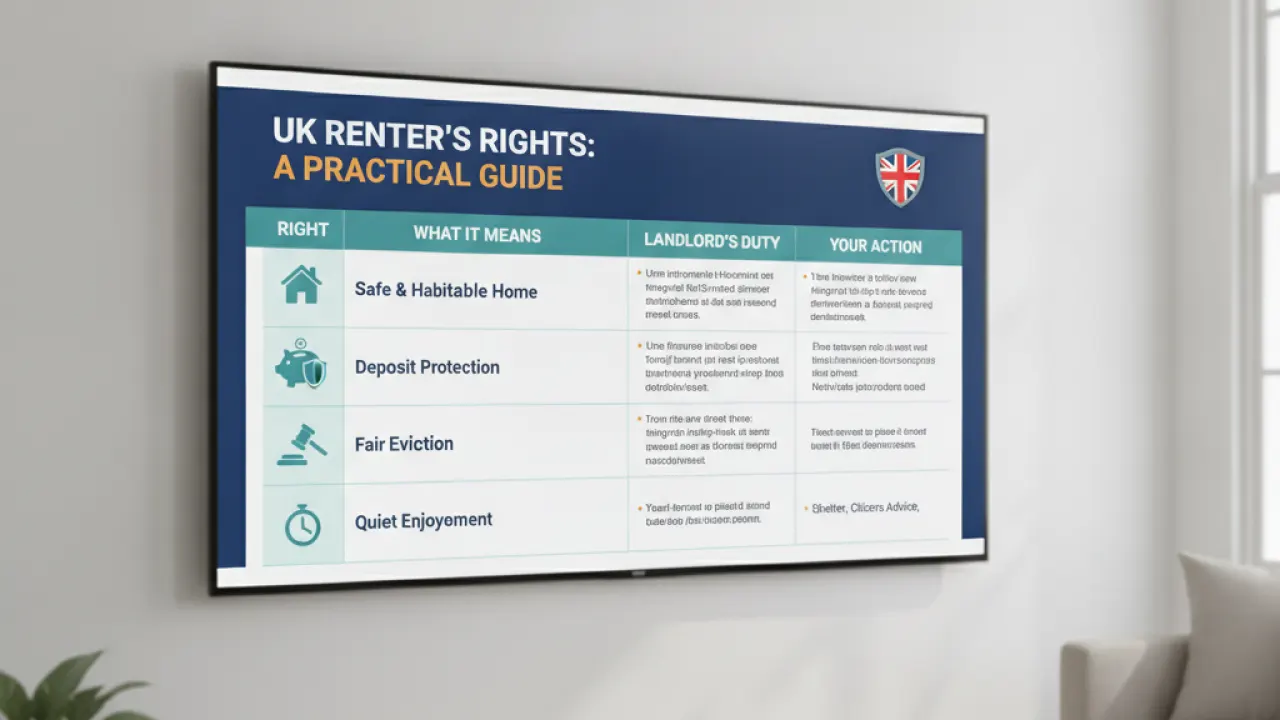
3. Abolition of Section 21 No-Fault Evictions
nn
The abolition of Section 21 no-fault evictions represents the cornerstone of updated renters rights uk protections. Previously, landlords could serve a Form 6A notice giving tenants two months to leave without showing any cause or fault.
nn
Under the reformed law, every eviction must proceed through court under defined Section 8 grounds. If your landlord wishes to sell the property or move into the property with close family members, they must provide four months of advance notice and prove their intention with formal documentation in court.
nn
To understand the complete legal timeline, court stages, and bailiff warrant procedures, read our detailed guide on the eviction process UK timeline and defense steps.
nn
 n
nnn
4. Rent Increases and the Ban on Rental Bidding Wars
nn
Uncontrolled rent increases have pushed many household budgets to breaking point. Modern tenancy laws establish clear boundaries around how and when a landlord can raise your rent, forming a core part of renters rights uk.
nn
Landlords can only propose a rent increase once per year using official Section 13 notice forms (Form 4). The notice must provide you with at least one month of advance warning before the new rent level takes effect. Any verbal demand or simple text message asking for more money is legally unenforceable unless you sign an agreement agreeing to it.
nn
Furthermore, the law outlaws rental bidding wars. Landlords and letting agents are legally prohibited from publishing listings without a clear price tag, encouraging prospective tenants to bid against each other, or accepting offers that exceed the advertised rent amount. This transparency prevents artificial price spikes in high-demand rental zones.
nn
If you pay rent weekly, your landlord is legally required under the Landlord and Tenant Act 1985 to provide a physical rent book detailing all payments made. Failing to supply a rent book for weekly tenancies is a criminal offense.
nn
5. Landlord Repair Duties and Awaab’s Law for Damp and Mould
nn
Under Section 11 of the Landlord and Tenant Act 1985, your landlord has an absolute legal responsibility to keep the structure and exterior of the property in repair. This duty covers roofs, walls, gutters, drains, windows, heating installations, gas boilers, and water pipes.
nn
Awaab’s Law extends strict statutory repair deadlines to the private rented sector. Named in memory of toddler Awaab Ishak, this law strengthens renters rights uk by mandating that landlords investigate reported health hazards, especially damp and mould, within specified timeframes:
n
- n
- Hazard investigation: Landlords must inspect reported damp, mould, or gas leaks within 14 calendar days of receiving written notification.
- Written findings: Landlords must provide a written report explaining findings and planned remedial works within 48 hours of inspection.
- Emergency hazards: Serious hazards posing an imminent risk to health or safety must be repaired within 24 hours.
- Standard repairs: Routine repair work must begin within seven calendar days of the investigation report.
n
n
n
n
nn
If your landlord ignores serious repair issues, you can contact your local council environmental health department. Council officers can inspect the property under the Housing Health and Safety Rating System (HHSRS) and issue legally binding Improvement Notices that force the landlord to complete works.
nn
 n
nnn
6. The Decent Homes Standard in Private Renting
nn
For the first time, the Decent Homes Standard applies legally to private rentals across England. Historically restricted to social housing, this standard ensures that private tenants live in safe, well-maintained properties that meet modern thermal and structural criteria.
nn
To comply with the Decent Homes Standard, a private rental property must satisfy four criteria:
n
- n
- Free from Category 1 hazards: The property must have no severe health hazards, such as dangerous electrical wiring, structural instability, or unvented combustion appliances.
- Reasonable state of repair: Essential building elements (including roofs, chimneys, external walls, and windows) must not be old, decayed, or needing urgent replacement.
- Reasonably modern facilities: The kitchen must have adequate workspace and be less than 20 years old; the bathroom must have an indoor toilet and be less than 30 years old.
- Effective thermal comfort: The property must feature adequate loft or wall insulation and an efficient heating system capable of maintaining comfortable room temperatures.
n
n
n
n
nn
Local authorities hold powers to fine non-compliant landlords up to £30,000 or issue banning orders that prohibit persistent offenders from renting properties.
nn
7. Pets in Lets: Expanding Renters Rights UK for Pet Owners
nn
Finding rented accommodation that accepts domestic pets has historically proven challenging for animal lovers. Blanket ‘no pets’ policies in tenancy agreements are now restricted under modern renters rights uk rules.
nn
Tenants hold the statutory right to request permission to keep a pet in writing. A landlord cannot unreasonably refuse or delay consent. When you submit a pet request, your landlord has 42 days to respond. If the landlord wishes to refuse, they must provide a clear and reasonable justification, such as building leaseholder restrictions or genuine health risks to other residents.
nn
To protect landlords from potential property damage, the law permits landlords to require tenants to hold pet damage insurance, or to agree to pay the landlord’s reasonable insurance costs covering pet damage. This balance ensures responsible pet owners can enjoy their animals without creating unfair financial risk for property owners.
nn
 n
nnn
8. Tenancy Deposit Protection Rules and Caps
nn
Security deposits remain one of the most contentious aspects of private leasing. Under the Tenant Fees Act 2019, statutory caps protect renters from excessive upfront deposit demands:
n
- n
- Standard tenancy deposit cap: Maximum of 5 weeks rent if the annual rent is under £50,000.
- Higher rent deposit cap: Maximum of 6 weeks rent if the annual rent is £50,000 or more.
- Holding deposit cap: Maximum of 1 week rent to reserve a property while references are checked.
n
n
n
nn
Your landlord must protect your deposit in a government-authorized tenancy deposit scheme (Deposit Protection Service, MyDeposits, or Tenancy Deposit Scheme) within 30 calendar days of receiving the funds. They must also provide you with Prescribed Information confirming the scheme name, deposit amount, and dispute resolution process.
nn
When your tenancy finishes, the landlord must return any undisputed deposit funds within 10 calendar days of both parties agreeing on deductions. If your landlord fails to protect your deposit within 30 days, you can apply to the county court for compensation. The court can order the landlord to pay you between one and three times the deposit amount as a statutory penalty. Having an emergency cash fund ensures you can handle moving costs if you ever need to relocate between homes.
nn
9. Right to Quiet Enjoyment: Landlord Visits and Privacy
nn
Every tenant possesses the common law right to quiet enjoyment of their home. This legal principle means you have the right to live peacefully without unnecessary intrusion or harassment from your landlord, letting agent, or contractors, forming a vital element of renters rights uk.
nn
Your landlord owns the physical building, but you own the legal right to occupy it. A landlord cannot turn up unannounced, enter the property using their spare key without permission, or conduct daily property inspections. Under UK law:
n
- n
- 24-hour written notice: The landlord or agent must give you at least 24 hours of advance written notice before any proposed visit.
- Reasonable visiting hours: Visits must occur at reasonable times of day (typically during normal daytime hours).
- Right of refusal: If the proposed time is inconvenient, you have the legal right to reschedule or decline entry, except in extreme life-threatening emergencies (such as a gas explosion risk or major burst water pipe).
n
n
n
nn
If a landlord repeatedly enters your home without consent or threatens you, this behavior constitutes unlawful harassment under the Protection from Eviction Act 1977.
nn
 n
nnn
10. Challenging Unfair Rents at the First-Tier Tribunal
nn
If your landlord serves a Section 13 notice seeking an excessive rent increase, you do not have to accept it passively. You have the statutory right to challenge the proposed rent by appealing to the First-tier Tribunal (Property Chamber).
nn
You must submit Form Landlord and Tenant 4 to the tribunal before the start date specified on the landlord’s Section 13 notice. Applying to the tribunal is free, and the process works as follows:
n
- n
- Market rent assessment: An expert tribunal panel reviews local property listings, recent letting prices, and the physical condition of your home.
- Binding determination: The tribunal determines the fair open market rent for the property. The landlord cannot charge more than the tribunal’s determined figure.
- Rent freeze during appeal: Your rent remains frozen at its current level while the tribunal considers your case, preventing sudden financial shocks.
n
n
n
nn
When preparing your tribunal case, gather local listings from property portals showing asking rents for similar homes on your street. Take clear photographs of any outstanding disrepair, unmodernized kitchens, or single-glazed windows. The tribunal factors property defects into its valuation, often reducing the landlord’s proposed increase.
nn
If you receive housing support through benefits, an increased rent could be covered by state payments. Check our guide on how to apply for Universal Credit housing support to understand local housing allowance rules, or explore retirement housing security in our State Pension payment rates guide.
nn
11. Where to Get Free Tenant Advice and Report Rogue Landlords
nn
If you encounter unfair treatment, unsafe housing conditions, or illegal fees, free and confidential support is accessible across the UK:
n
- n
- Shelter UK: Provides free specialist housing advice on repair disputes, tenancy rights, and eviction prevention via their free helpline (0808 800 4444).
- Citizens Advice: Advisers can examine your tenancy agreement, calculate deposit compensation claims, and help draft tribunal applications.
- Local Council Private Rented Sector Teams: Report hazardous housing, illegal evictions, or unlicensed HMO properties directly to your council environmental health officers.
- The Property Ombudsman: If your dispute involves an accredited letting agent, you can escalate formal complaints to the ombudsman for independent adjudication and financial compensation.
n
n
n
n
nn
12. Frequently Asked Questions
nn
Can a landlord increase my rent whenever they want?
n
No. Under standard periodic tenancies, a landlord can only propose a rent increase once every 12 months using a formal Section 13 notice with at least one month of advance warning. The proposed rent must align with open market prices for comparable homes in your immediate area.
nn
Can a landlord refuse to rent to me because I receive benefits?
n
No. Blanket ‘No DSS’ or ‘No benefits’ policies have been ruled unlawful indirect discrimination in UK county courts. Landlords and letting agents cannot automatically reject your application simply because you receive Universal Credit, disability benefits, or housing payments.
nn
Who is responsible for garden maintenance in a rental property?
n
Unless your tenancy agreement specifically states otherwise, the tenant is normally responsible for basic routine upkeep, such as mowing lawns, weeding borders, and keeping paths clear. However, major tree pruning, fence repairs, and structural garden walls remain the legal responsibility of the landlord.
nn
What can I do if my landlord refuses to return my deposit?
n
Your landlord cannot keep your deposit without your agreement. If there is a dispute over cleaning or damage, you can raise a free dispute through the tenancy deposit scheme where your money is held. The scheme’s independent adjudicator reviews photographic inventories and receipts before deciding how much money should be returned to each party.
nn
Can my landlord ban guests from staying overnight?
n
No. Your right to quiet enjoyment gives you the freedom to invite personal guests, friends, and family members to stay overnight. A landlord cannot impose curfews or ban visitors unless having guests breaches statutory overcrowding regulations or causes antisocial behavior that disturbs neighbors.
nn
Can a landlord charge for replacing a lost key?
n
Under the Tenant Fees Act 2019, a landlord or letting agent can only charge the reasonable, actual cost of replacing a lost key or security fob. They must provide written evidence and receipts proving the actual expenditure before demanding payment.
nn
How often can my landlord inspect the property?
n
Routine inspections typically take place once every three to six months. If a landlord demands monthly or weekly inspections without valid structural reasons, this frequency exceeds reasonable management and breaches your right to quiet enjoyment.
nn
Exercising your renters rights uk gives you peace of mind and ensures your home remains a safe and secure environment. Familiarize yourself with these legal standards, keep written records of all landlord communications, and seek independent advice whenever you face disputes.
nn
Have you encountered issues with landlord repairs, rent increases, or tenancy deposits in your rental property? Share your thoughts and questions in the comments below to join the discussion.
n