

Going somewhere alone for the first time is exciting and a little scary. That is completely normal. These solo travel tips will help you feel more ready before you go and more confident once you are there. For more background, see UK foreign travel advice.
Plan Enough, But Not Too Much
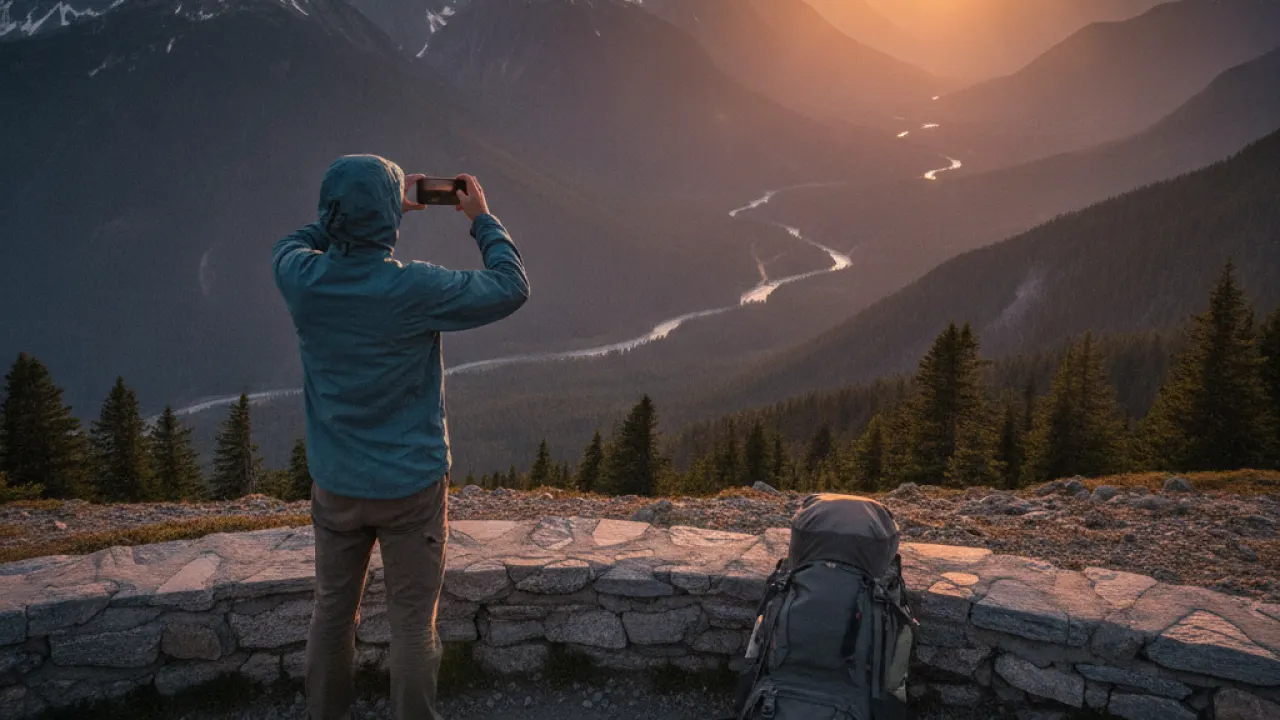
You do not need to book every hour of every day. But you do need a rough plan before you leave. Know where you are sleeping on night one. Know how you are getting from the airport to your accommodation. After that, leave room for things to happen naturally.
Over-planning kills the best parts of solo travel. The random afternoon you spent in a small bakery talking to a local. The market you stumbled on by accident. The viewpoint nobody told you about. These things happen when you have space in your schedule.
What You Should Book in Advance
- First night accommodation so you are not scrambling when you land tired
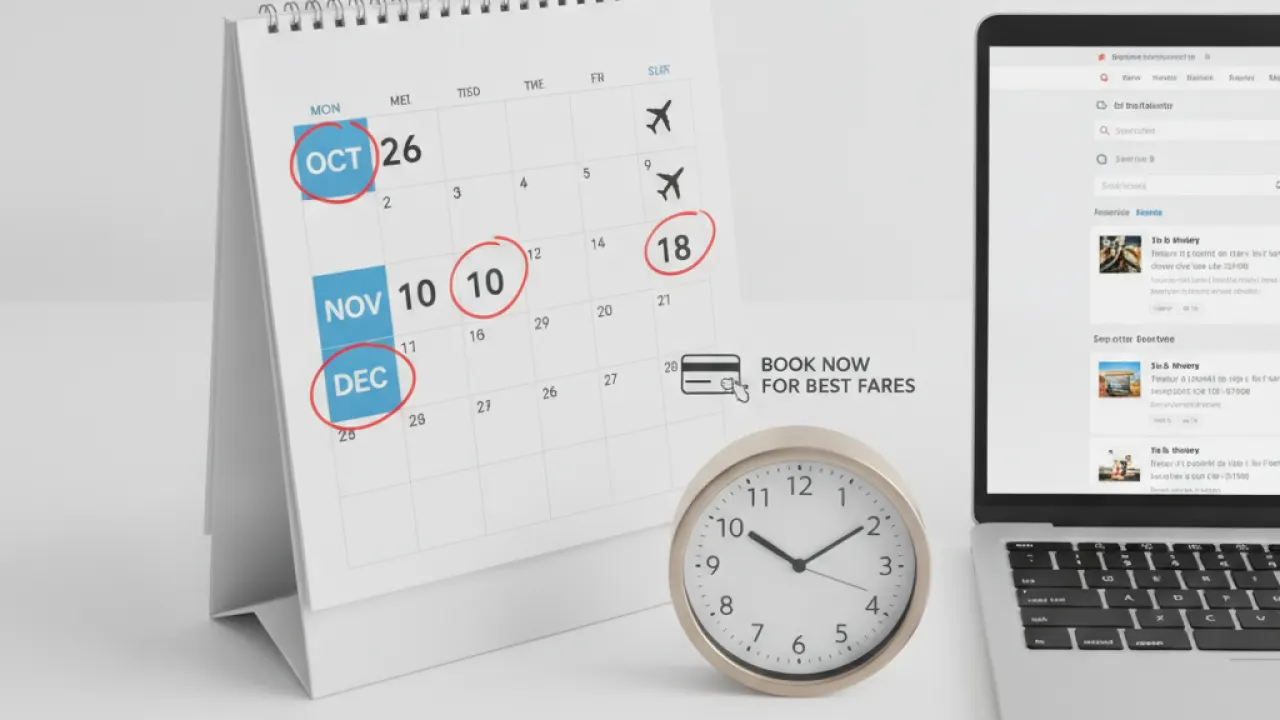
- Flights and major transport to lock in prices early
- Any must-see attraction that sells out, like popular tours or museums
- Travel insurance before you depart, not after
What You Can Leave Open
- Day trips and local activities that you can book on arrival
- Restaurants and cafes, unless it is a once-in-a-lifetime spot
- Which neighbourhoods to explore based on how you feel each day
- How long to stay somewhere if you fall in love with a place
- Nearby cities or towns that locals recommend once you arrive
- Rest days, because you will need them
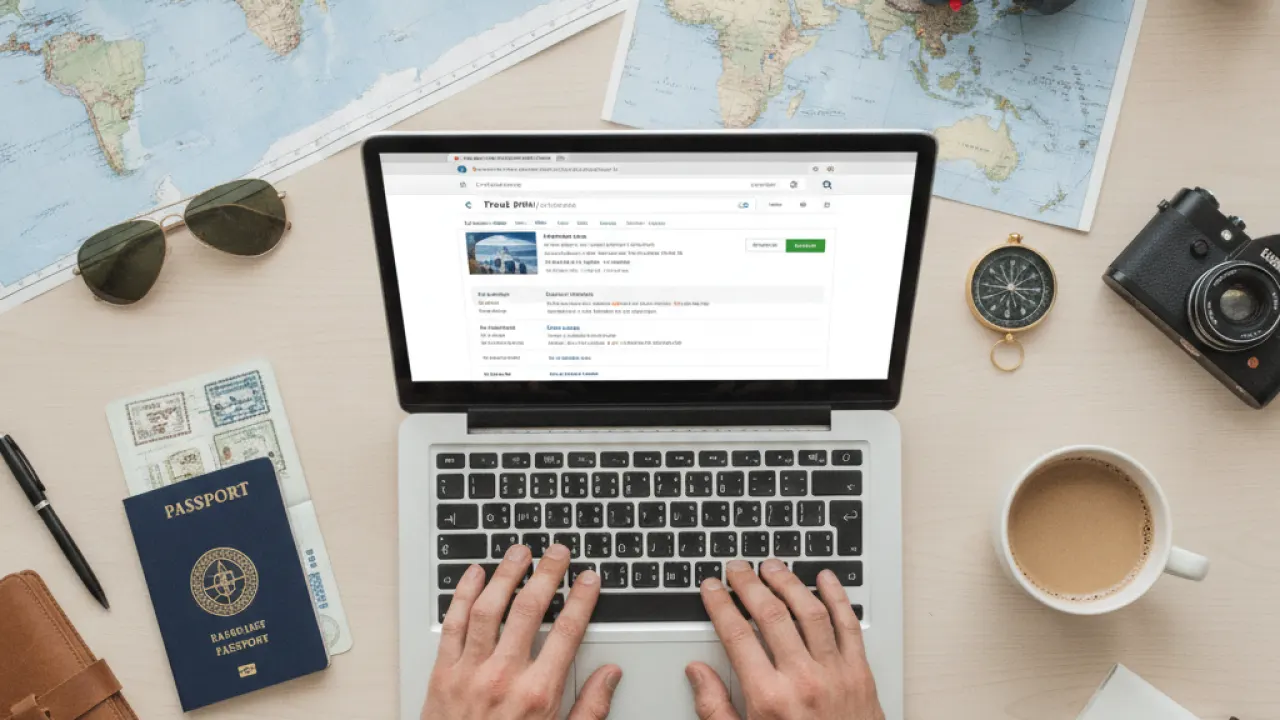
Stay Safe Without Being Paranoid
Safety is real, but fear should not run your trip. Most solo travellers go their whole lives without a serious incident. The goal is to be aware, not anxious.
Trust your gut. If a place feels off, leave. If someone makes you uncomfortable, walk away. You do not owe anyone your time or your company just because they seem friendly.
Basic Safety Habits That Work
- Share your itinerary with someone at home before you leave
- Keep a copy of your passport saved in your email and in your bag
- Use ATMs inside banks during the day rather than street machines at night
- Charge your phone every night so you always have battery
- Download offline maps so you can work through without data
- Avoid walking with headphones in both ears in unfamiliar areas
- Tell your hostel or hotel where you are going if you plan a long trip
- Keep a small amount of local cash separate from your main wallet
Digital Safety Matters Too
Use a VPN on public Wi-Fi. Do not log into your bank on a hostel computer. Keep your phone in your front pocket or inside your bag, not hanging out of your back pocket. These are small habits that make a big difference.
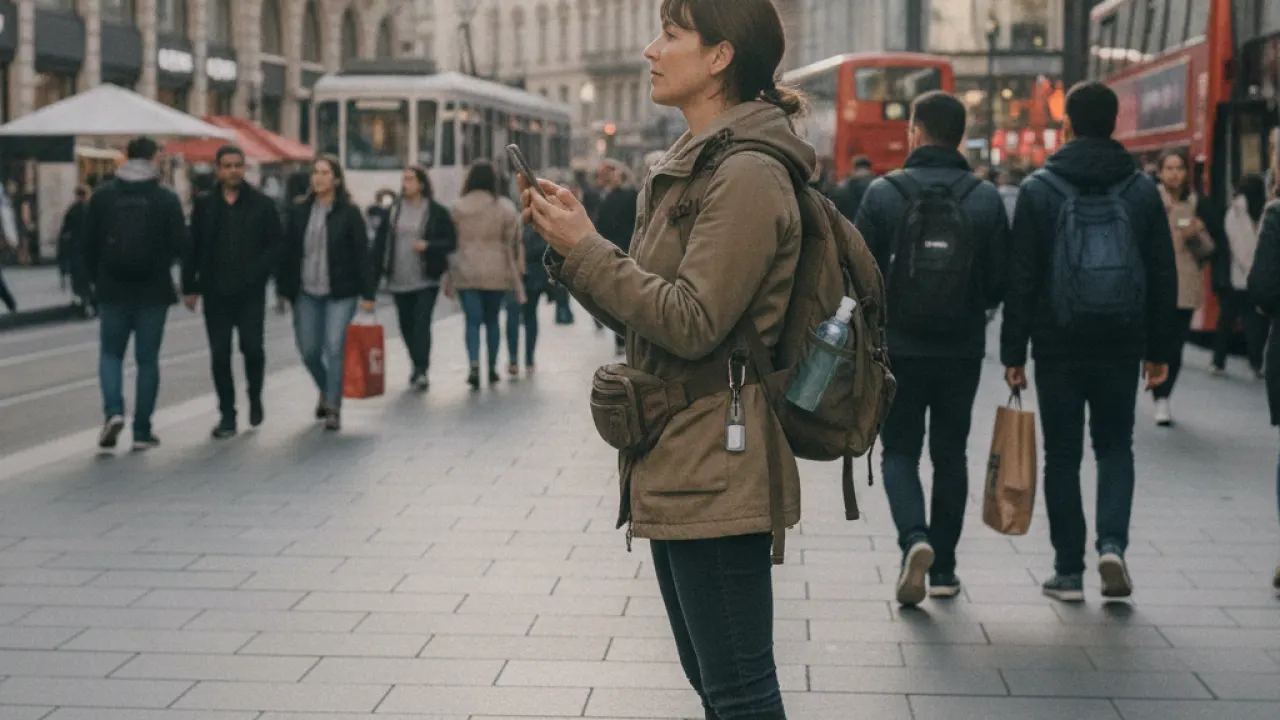
How to Meet People When You Are Alone
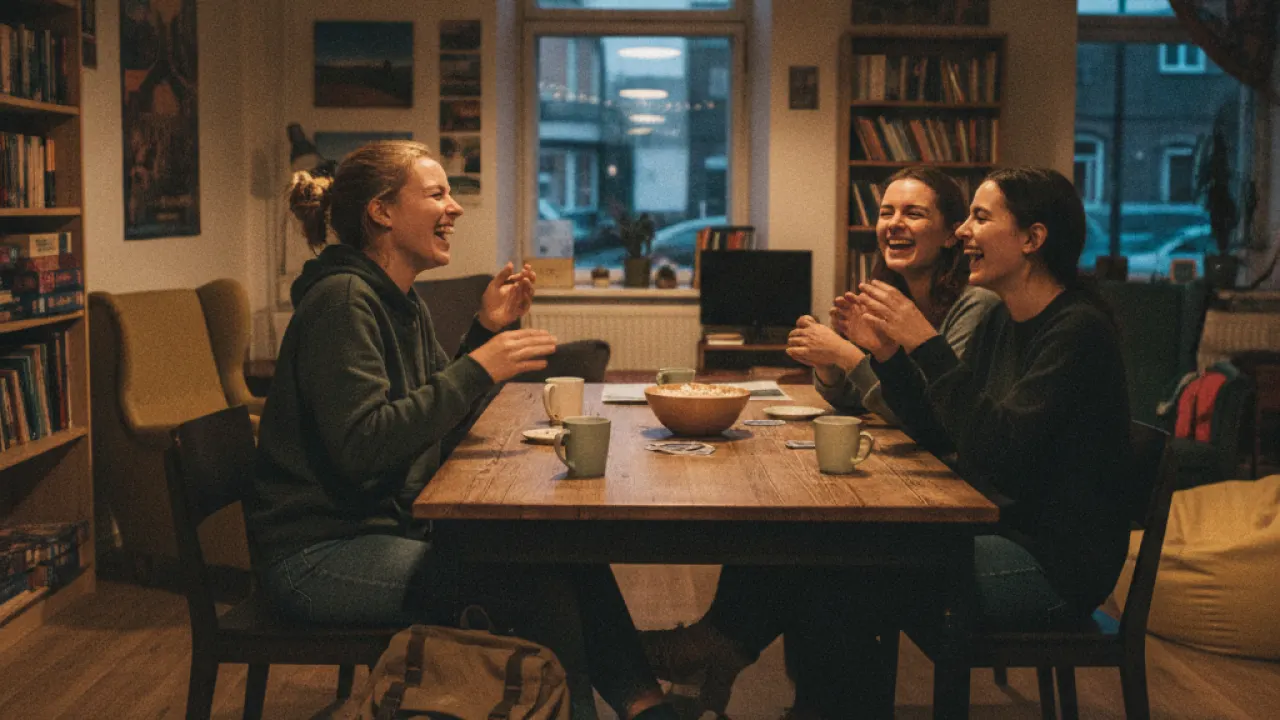
One of the biggest worries first-timers have is loneliness. It is a fair concern. But solo travellers are often the most social people in the room, because they have to be. You learn to start conversations. You say yes to things. You meet people faster than you ever do at home.
Best Places to Meet Other Travellers
- Hostel common rooms are the easiest place to meet people without trying
- Group tours and day trips put you with people who share your interests
- Cooking classes and food tours are social by design
- Language exchange meetups in local cafes
- Pub crawls and hostel-organised events if that is your scene
- Co-working spaces if you are a remote worker on the road
- Volunteer projects for longer stays in one place
Apps That Help You Connect
Meetup.com lists local events in most cities. Couchsurfing has a meetup feature even if you are not staying with anyone. Bumble BFF mode works surprisingly well for solo travellers looking for company in a new city. Hostelworld has a social tab for connecting with guests before you arrive.
Pack Smart, Pack Light
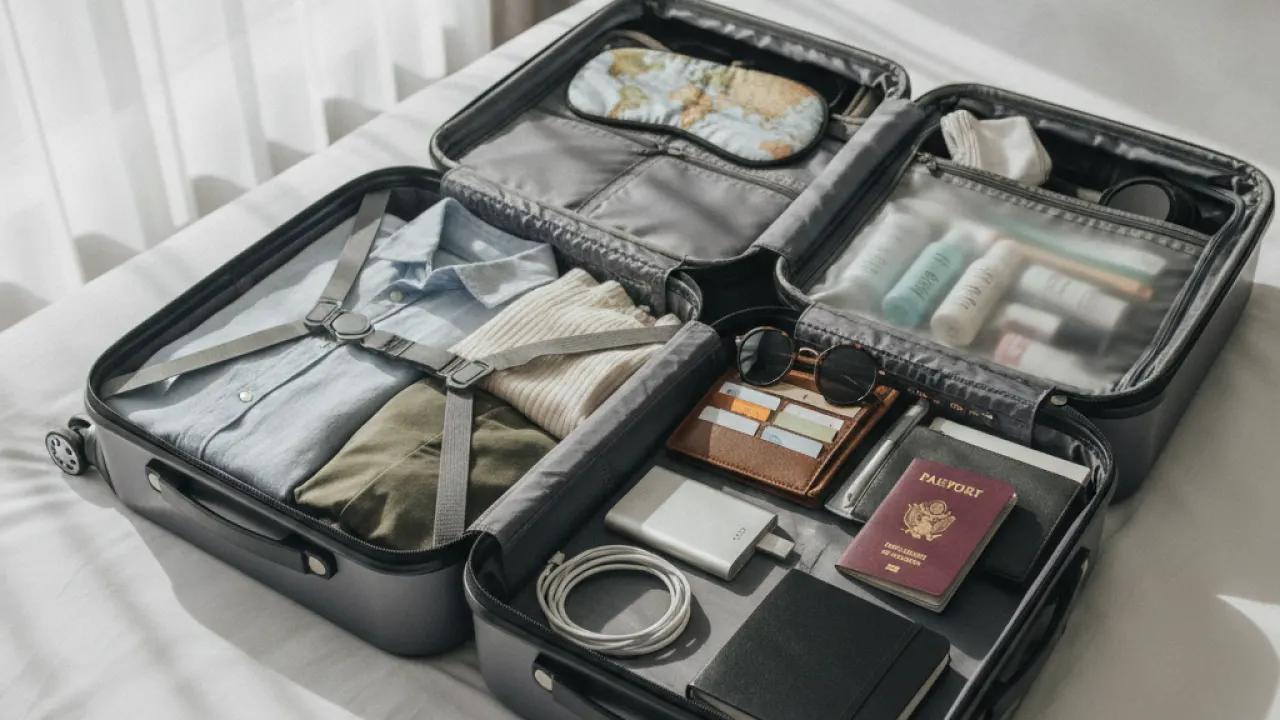
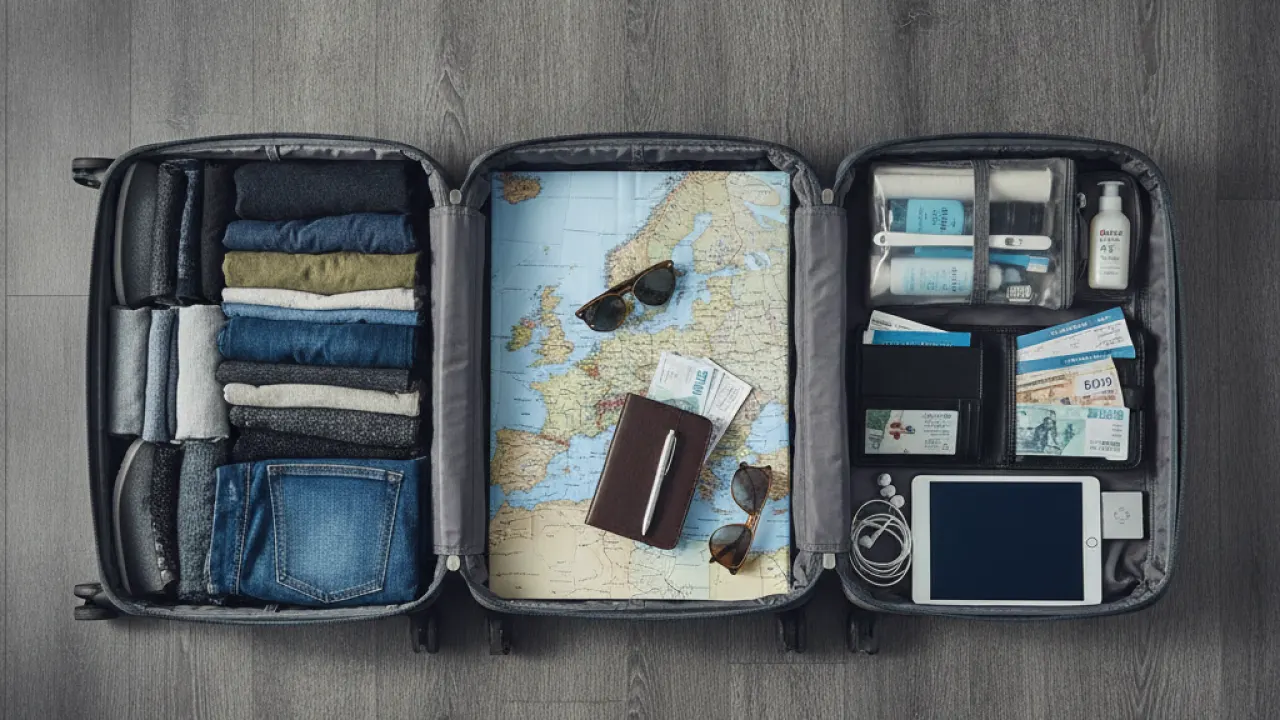
First-time solo travellers almost always pack too much. You will carry everything yourself. There is no one to help you drag a heavy bag up three flights of stairs at midnight. Pack once, then take out a third of it. That is the rule.
What to Actually Bring
- Clothes for 5 to 7 days that you can mix, match, and wash
- One pair of shoes for walking and one for going out
- A day bag or small backpack for daily exploring
- Universal power adapter and a power bank
- Basic first aid kit with pain relief, plasters, and stomach tablets
- A travel lock for hostel lockers
- Earplugs and an eye mask for shared dorms or noisy hotels
- Your most important documents in a waterproof pouch
What Most People Regret Packing
Too many just-in-case outfits. Books you never read. Full-size toiletries you can buy anywhere. A laptop when a tablet or phone would do. A towel when most hostels provide them or rent them cheap. Be honest with yourself about what you will actually use.
Money, Budgets, and Not Getting Ripped Off
Solo travel can cost more than group travel because you are splitting nothing with anyone. But it does not have to be expensive. The biggest wins come from where you sleep and how you eat, not from cutting fun. If you are looking to expand your knowledge, reading detailed breakdown of grand city mall dubai provides useful background context. If you are looking to expand your knowledge, reading detailed breakdown of grand city mall dubai provides valuable background context.
Money Tips That Actually Help
- Get a travel debit card like Wise or Revolut to avoid conversion fees
- Eat where locals eat rather than tourist-facing restaurants near attractions
- Book accommodation with a kitchen so you can cook a few meals a week
- Use free walking tours that run on tips to learn a city cheaply
- Set a daily budget and track it in a simple notes app each evening
- Negotiate respectfully in markets where bargaining is expected
When to Spend More
Do not cut corners on safety or sleep. A bad hostel in a sketchy area costs more than the money you saved. A flight that gets in at 3am might seem cheaper, but the taxi, the stress, and the lost day the next morning are not worth it. Spend on experiences. Save on stuff.
Handle Loneliness and Hard Days
Every solo traveller has a bad day. A day when things go wrong, when you feel homesick, when you wish someone was with you. This is part of the experience, not a sign you should not be there.
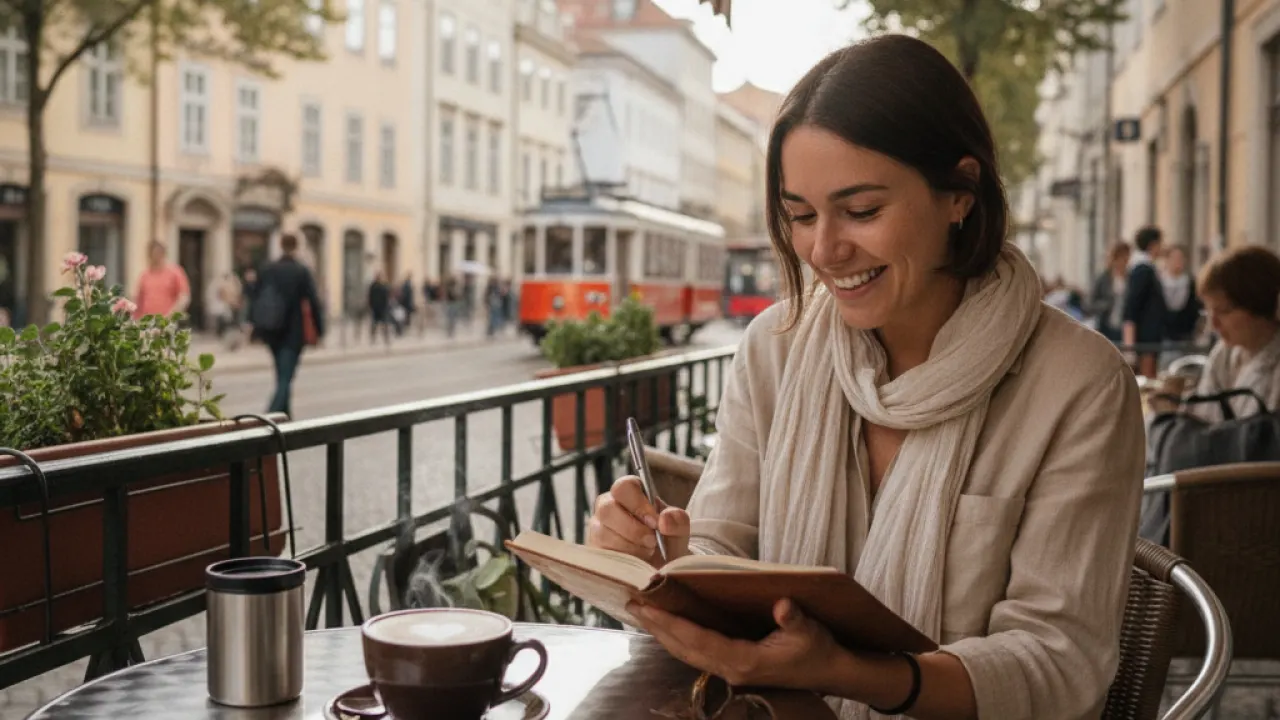
Go somewhere public. Get a coffee. Write in a journal. Call someone at home. Walk without a destination. The feeling passes faster than you think. The next day, or even the next hour, can be completely different.
Some of the most meaningful solo travel moments come right after the hard ones. The conversation you have with a stranger at a bus stop when you are feeling low. The sunset you watch alone that feels more beautiful because it is just yours.
First Destination Matters
Where you go first shapes how you feel about solo travel for a long time. Pick somewhere that suits your confidence level right now, not where you hope to be one day.
Good First Destinations for Solo Travellers
- Portugal is safe, affordable, English-friendly, and easy to get around
- Japan is safe, clean, and well-organised even if you do not speak the language
- Thailand has an excellent solo travel infrastructure and a huge traveller community
- New Zealand is outdoors-focused and very welcoming to solo visitors
- Colombia has transformed its image and is one of the most exciting solo travel picks in South America
A Note on Comfort Zones
Some people start with a country where English is spoken. Others jump straight into somewhere unfamiliar and love it. Neither approach is wrong. The only rule is to pick somewhere you actually want to go. Not somewhere others think is impressive. Not somewhere you chose because it is the cheapest flight. Somewhere that genuinely excites you.
Quick Tips for Your First Week
The first few days of solo travel are the hardest. Everything is new. You are figuring things out in real time. These habits will make the start much smoother.
- Walk everywhere you can on day one to get a feel for the neighbourhood
- Say yes to hostel social events even if you are tired
- Eat at the hostel or hotel restaurant on your first night to ease in gently
- Check in with someone at home every 24 to 48 hours
- Give yourself permission to rest if you need it
- Do not compare your trip to someone else online
- Write down three things you noticed each day, not just highlights
Frequently Asked Questions
What is the
The solo travel tips is a structured approach designed to give clear, actionable steps that produce reliable results over time.
How do I start with the
Begin with the foundation steps, focus on consistency, and build intensity gradually as the plan progresses.
How long does the solo travel tips take to work?
Most people notice initial improvements within a few weeks, with more meaningful results appearing after 8 to 12 weeks of consistent effort.
Is the solo travel tips suitable for beginners?
Yes. The solo travel tips is designed to be accessible, with progressions and modifications that let anyone start at their current level.
What are the main mistakes to avoid with the
Common mistakes include skipping the foundation phase, expecting overnight results, and not tracking progress consistently.
You Will Make Mistakes. That Is Fine.
You will get on the wrong bus. You will miss a booking. You will overpay for something. You will get lost. You will have a meal that was terrible and a night that did not go as planned.
None of these things will ruin your trip. They are the trip. The stories you end up telling are almost never about the perfect days. They are about the wrong turn that led somewhere unexpected, the missed train that meant you had to spend an extra night in a town you ended up loving.
Solo travel builds a kind of confidence you cannot get any other way. You figure things out. You deal with problems. You surprise yourself. That is the point.
So here is the only question that matters: where are you thinking of going first, and what is stopping you from booking it? Similar principles apply when reviewing detailed breakdown of naif police station, where preparation and research make a noticeable difference. Similar principles apply when reviewing detailed breakdown of naif police station, where preparation and research make a noticeable difference.
For related reading, see our guides on Improve Mobile Performance, Driving Test UK Tips 2026, Remote Work Tips That Actually Improve Your Focus, Home Office Setup Tips for Better Focus and Daily Output, Countries to Visit in 2026.
Common questions about the solo travel tips
People often ask whether the solo travel tips works for complete beginners. It does, because every step can be adjusted to match your current level. Start where you are, not where you think you should be.
Another common question is how much time the solo travel tips takes each day. Most people spend between twenty and forty minutes on the core steps. That is enough to make progress without taking over your schedule.
Some readers wonder if they need expensive tools or subscriptions. In most cases, the solo travel tips works with what you already have. Any optional extras are just that, optional.
Consistency is the factor that separates people who get results from people who stay stuck. Missing one day is fine. Missing three days in a row is where momentum breaks.
Tracking progress is another habit that helps. Write down what you did, how it felt, and any small wins. Those notes become proof that the solo travel tips is working, especially on days when motivation is low.
Finally, remember that the solo travel tips