


Packing for a trip doesn’t have to be stressful. This checklist covers everything you need, from your passport to your phone charger, so you don’t land somewhere and realize you forgot your toothbrush. For more background, see UK foreign travel advice.
Use it for every trip, short or long, and adjust it to match where you’re going.
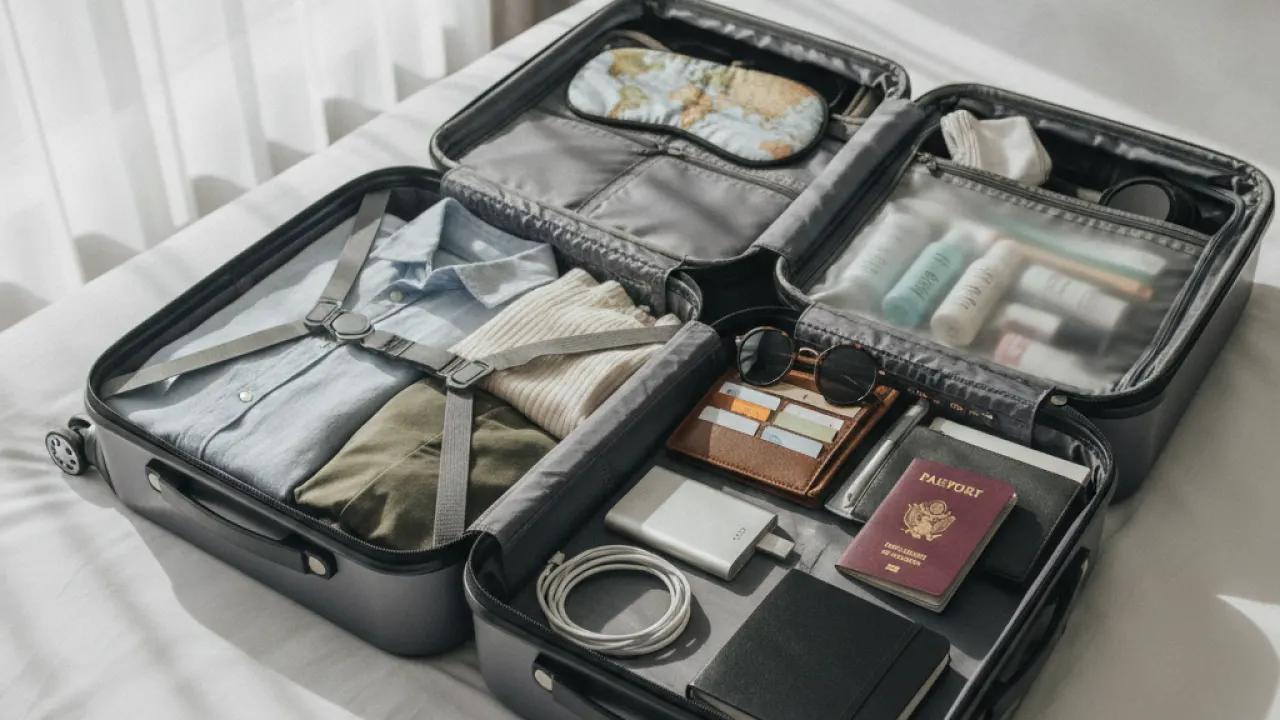
Travel Documents and Money
These are the items that can actually stop your trip if you leave them behind. Check this section first, and double-check it the night before you leave.
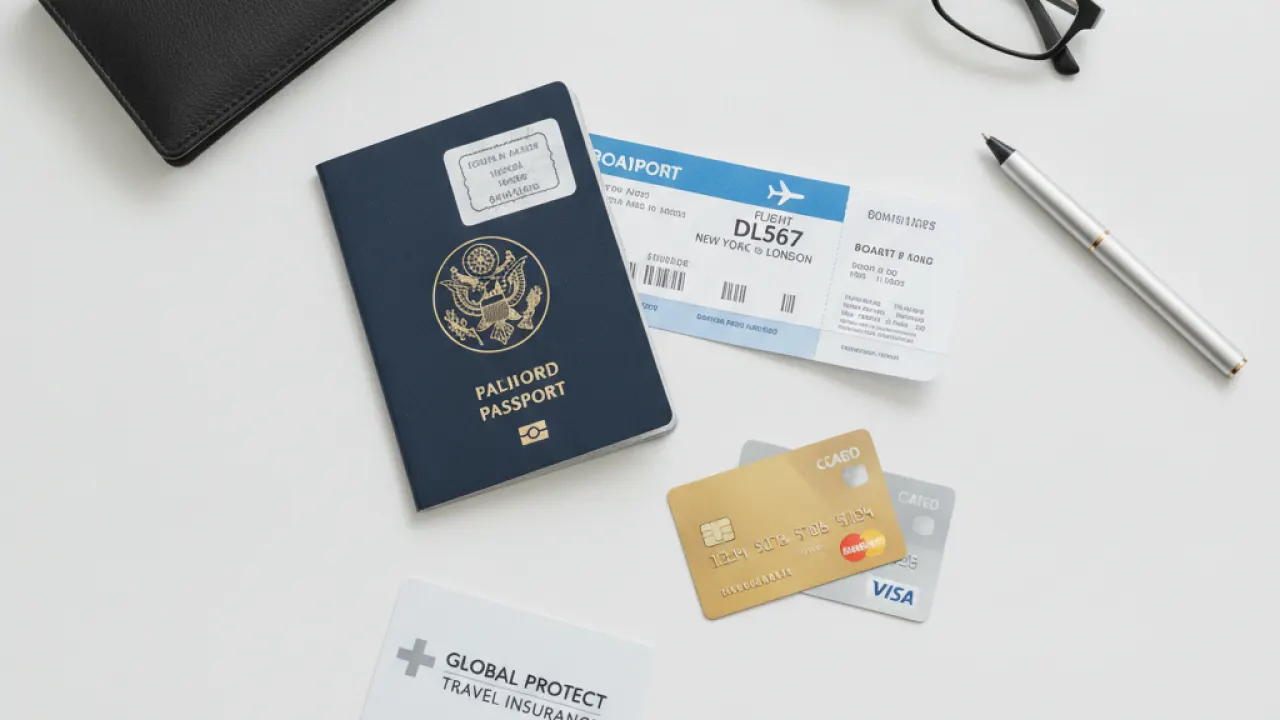
Must-Have Documents
- Passport (or government-issued ID for domestic trips)
- Visa or entry permit if required by your destination
- Flight tickets or booking confirmations, printed or saved offline
- Hotel and accommodation bookings
- Travel insurance details and emergency contact numbers
- Driver’s license if you plan to rent a car
- International driving permit for certain countries
- Vaccination records if your destination requires proof
Money and Cards
- Credit cards (at least two, in case one gets blocked)
- Debit card with access to your main account
- Local currency for the destination country
- Small emergency cash hidden separately from your wallet
- Copies of all cards stored securely in your email or cloud
- Notification to your bank that you’re traveling
Clothing
The biggest mistake people make is overpacking clothes. Pack for the activities you actually have planned, not every possible scenario. A good rule: lay out what you think you need, then remove two items.
Everyday Wear
- T-shirts or tops (one per day, minus one or two since you’ll rewear)
- Pants or shorts (two or three pairs for most trips)
- Underwear (one per day, pack a couple extra)
- Socks (one pair per day, plus one extra)
- Light jacket or hoodie for cold transport and cool evenings
- Comfortable walking shoes you’ve already broken in
- Sandals or flip-flops for beaches, pools, or hostel showers
Packing Smart by Destination
Your clothing list shifts based on where you’re going. A beach vacation calls for swimwear and light fabrics. A mountain trip needs layers and a waterproof jacket. A business trip needs at least one smart outfit. Think through each day roughly, and you’ll know what to bring.
- Swimsuit for beach or pool destinations
- Rain jacket or poncho if you’re heading somewhere wet
- Formal outfit for dinners or events (one is usually enough)
- Thermal base layer for cold-weather trips
- Workout clothes if you plan to exercise
- Scarf or light wrap for sun protection or religious sites

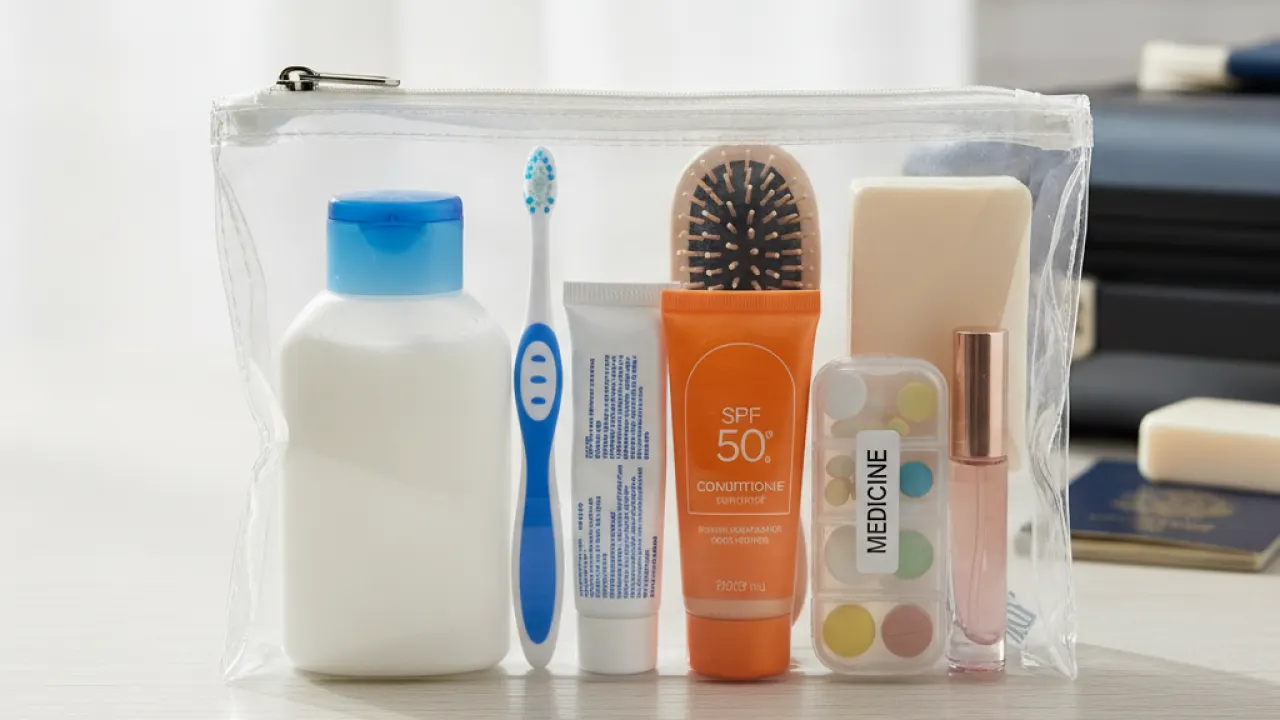
Toiletries and Personal Care
Most hotels provide shampoo and soap, but counting on that is a gamble. Bring the basics, especially anything specific to your skin or health needs.
Daily Essentials
- Toothbrush and toothpaste
- Deodorant
- Shampoo and conditioner in travel-size bottles
- Body wash or soap
- Moisturizer for face and body
- Sunscreen with appropriate SPF for your destination
- Razor and shaving cream if needed
- Feminine hygiene products if applicable
Health and Medicine
- Prescription medications with enough supply plus a few extra days
- Pain relievers like ibuprofen or paracetamol
- Antihistamines for allergies or insect reactions
- Anti-diarrheal medication for stomach issues abroad
- Motion sickness tablets if you need them
- Bandages and antiseptic wipes
- Hand sanitizer
Tech and Electronics
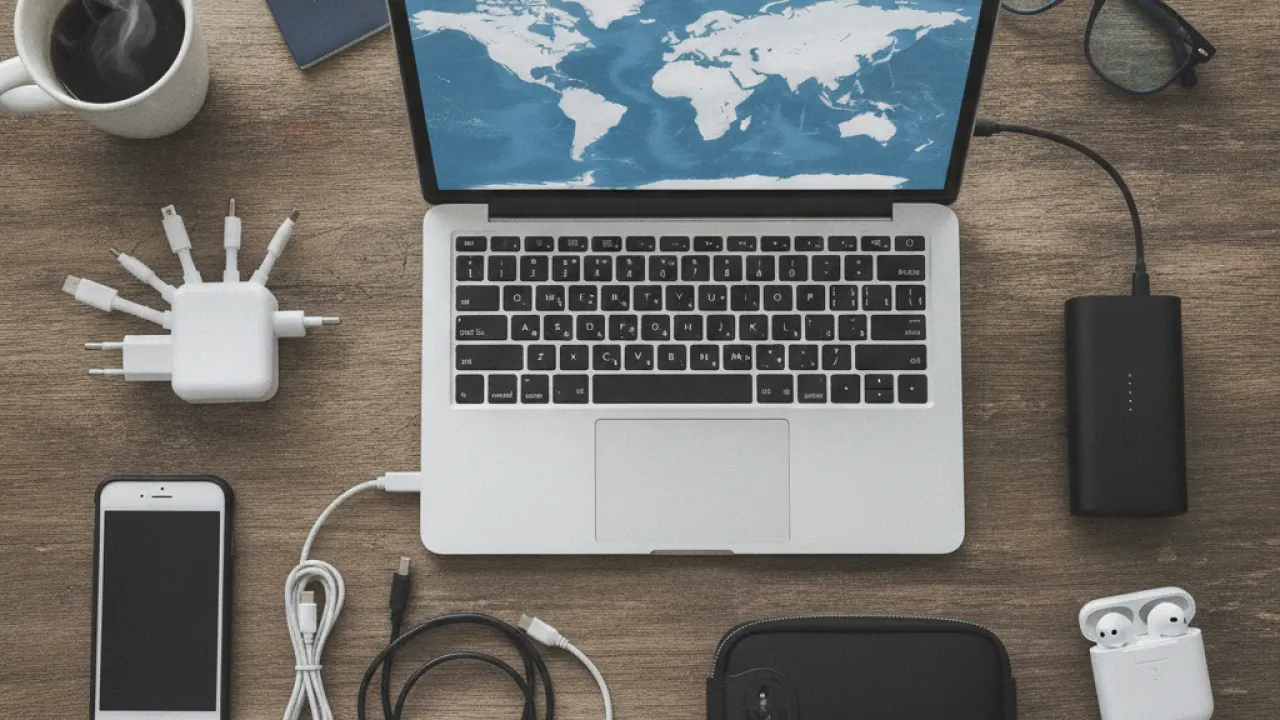
Tech is where people forget the most. The device is there, but the cable isn’t. Or the adapter is wrong. Go through this section carefully.
Devices
- Smartphone with maps, bookings, and important info downloaded offline
- Laptop or tablet if you need to work or want entertainment
- E-reader if you read a lot during travel
- Camera with charged battery and empty memory card
- Headphones or earbuds for flights and long transit
Cables, Chargers, and Adapters
- Phone charging cable (bring two if you rely heavily on your phone)
- Laptop charger
- Universal power adapter for international trips
- Portable battery bank for long days away from outlets
- Camera charging cable or spare battery
- USB multi-port charger so one wall plug charges everything
- Memory cards or external drive if you shoot a lot of photos
Things Most People Forget
These are the items that don’t come to mind when you’re making a quick mental checklist but are genuinely annoying to be without.
Easy to Miss, Hard to Find Abroad
- Earplugs for noisy hostels, planes, or hotel rooms near busy streets
- Sleep mask for overnight flights or bright hotel rooms
- Reusable water bottle to stay hydrated without buying plastic all day
- Laundry bags to separate dirty clothes from clean ones in your bag
- Packing cubes to keep your suitcase organized the whole trip
- Small padlock for hostel lockers or zipping luggage on overnight trains
- Spare bag or tote for day trips or bringing back souvenirs
- Copies of key documents (passport photo page, insurance, hotel addresses) saved offline and in email
Comfort Items for Long Travel Days
- Neck pillow for long flights or bus rides
- Snacks from home to avoid overpriced airport food
- Pen for customs forms (still required on many international arrivals)
- Lip balm because plane cabins are extremely dry
How to Pack Your Bag Efficiently
What you pack matters, but how you pack it changes how your whole trip feels. A messy bag means digging for things at every stop.
Use the Right System
Packing cubes are the single best investment for anyone who travels more than once a year. They keep clothes grouped by type, compress items slightly, and let you find things without unpacking everything.
Roll lightweight items like t-shirts and shorts. Fold heavier items like jeans flat. Put heavier items near the wheels of a suitcase or at the bottom of a backpack. Shoes go in separate bags or at the edges of the bag, not in the middle where they’ll dent everything.
Check Your Weight Before You Go
Airlines have different weight limits for carry-on and checked bags. Weigh your bag at home with a portable luggage scale. It takes two minutes and saves you from repacking at the check-in counter.
- Carry-on bags are usually limited to 7-10 kg depending on the airline
- Checked bags are often limited to 20-23 kg for economy class
- Budget airlines may charge extra for bags that even slightly exceed limits
- Liquids in carry-on must be under 100ml each and fit in a single clear bag
The Last-Minute Check
The night before you leave, do a final walkthrough using this list. Check that your phone is charged. Confirm your alarm is set. Put your travel documents in a spot you’ll reach easily at the airport, like a front pocket or a document organizer you carry on your person.
In the morning, before you leave the house, do one more check: phone, wallet, keys, passport. Those four things cover most travel disasters on their own.
Adjusting This Checklist for Your Trip Type
No single packing list works for every trip. A weekend city break needs less than two weeks in Southeast Asia. A camping trip needs different items than a cruise. If you are looking to expand your knowledge, reading detailed breakdown of grand city mall dubai provides useful background context. If you are looking to expand your knowledge, reading detailed breakdown of grand city mall dubai provides valuable background context.
Short Trips (1-3 Days)
You can carry everything in a small backpack or cabin bag. Limit yourself to three outfits maximum. Skip the full-size toiletries and use small tubes. Bring a single device. Focus on documents, medications, and one change of clothes per day.
Long Trips (2+ Weeks)
You’ll likely do laundry at some point, so you don’t need two weeks of clothing. Plan for roughly a week’s worth of clothes and wash when needed. Bring a small packet of travel laundry soap or use local laundry services.
For long trips, also consider bringing:
- Lightweight travel towel for places that don’t provide one
- Door alarm or portable door lock for solo travelers staying in budget accommodation
- First aid kit with slightly more supplies than a standard one
- Extra passport photos for visas on arrival in some countries
Traveling with Kids
Kids’ packing needs their own list, but a few things always apply. Bring more changes of clothing than you think you need. Pack their comfort items (a stuffed animal, a familiar snack). Keep medications and first aid easy to reach. Download shows or games on a device for long transit.
Frequently Asked Questions
What is the
The travel packing checklist is a structured approach designed to give clear, actionable steps that produce reliable results over time.
How do I start with the
Begin with the foundation steps, focus on consistency, and build intensity gradually as the plan progresses.
How long does the travel packing checklist take to work?
Most people notice initial improvements within a few weeks, with more meaningful results appearing after 8 to 12 weeks of consistent effort.
Is the travel packing checklist suitable for beginners?
Yes. The travel packing checklist is designed to be accessible, with progressions and modifications that let anyone start at their current level.
What are the main mistakes to avoid with the
Common mistakes include skipping the foundation phase, expecting overnight results, and not tracking progress consistently.
A Note on What to Leave Behind
Packing light changes how you travel. You move faster. You don’t check a bag and wait. You don’t pay extra fees. You’re not dragging heavy luggage up stairs.
Most travelers overpack clothing. You’ll wear the same few items most of the time. The outfit you chose for a dinner you didn’t end up going to is just weight you carried the whole trip.
If you finish packing and your bag is full, take something out. Almost always, you don’t need it as much as you think you do. The one real exception is medication. Always bring more than you need for that.
The best travel packing checklist isn’t about getting everything in. It’s about only bringing what you’ll actually use, and nothing more.
What’s one item you’ve forgotten on a past trip that you now make sure to always pack?
For related reading, see our guides on Countries to Visit in 2026, eating clean for beginners, building better daily habits, a home workout plan, gym membership costs in the UK.
Common questions about the travel packing checklist
People often ask whether the travel packing checklist works for complete beginners. It does, because every step can be adjusted to match your current level. Start where you are, not where you think you should be.
Another common question is how much time the travel packing checklist takes each day. Most people spend between twenty and forty minutes on the core steps. That is enough to make progress without taking over your schedule. Similar principles apply when reviewing detailed breakdown of naif police station, where preparation and research make a noticeable difference. Similar principles apply when reviewing detailed breakdown of naif police station, where preparation and research make a noticeable difference.
Some readers wonder if they need expensive tools or subscriptions. In most cases, the travel packing checklist works with what you already have. Any optional extras are just that, optional.
Consistency is the factor that separates people who get results from people who stay stuck. Missing one day is fine. Missing three days in a row is where momentum breaks.
Tracking progress is another habit that helps. Write down what you did, how it felt, and any small wins. Those notes become proof that the travel packing checklist is working, especially on days when motivation is low.
Finally, remember that the travel packing checklist