

Now Reading: UK Student Visa 2026: Complete Requirements and Application Guide
-
01
UK Student Visa 2026: Complete Requirements and Application Guide

UK Student Visa 2026 complete guide. CAS number, English tests, financial requirements, costs and step-by-step application for international students.
The UK Student Visa is the main route for international students planning to study in the UK in 2026. Formerly known as the Tier 4 student visa, it follows the same structure. This guide explains who qualifies, the full application process, English language requirements, financial proof needed, and the total cost.
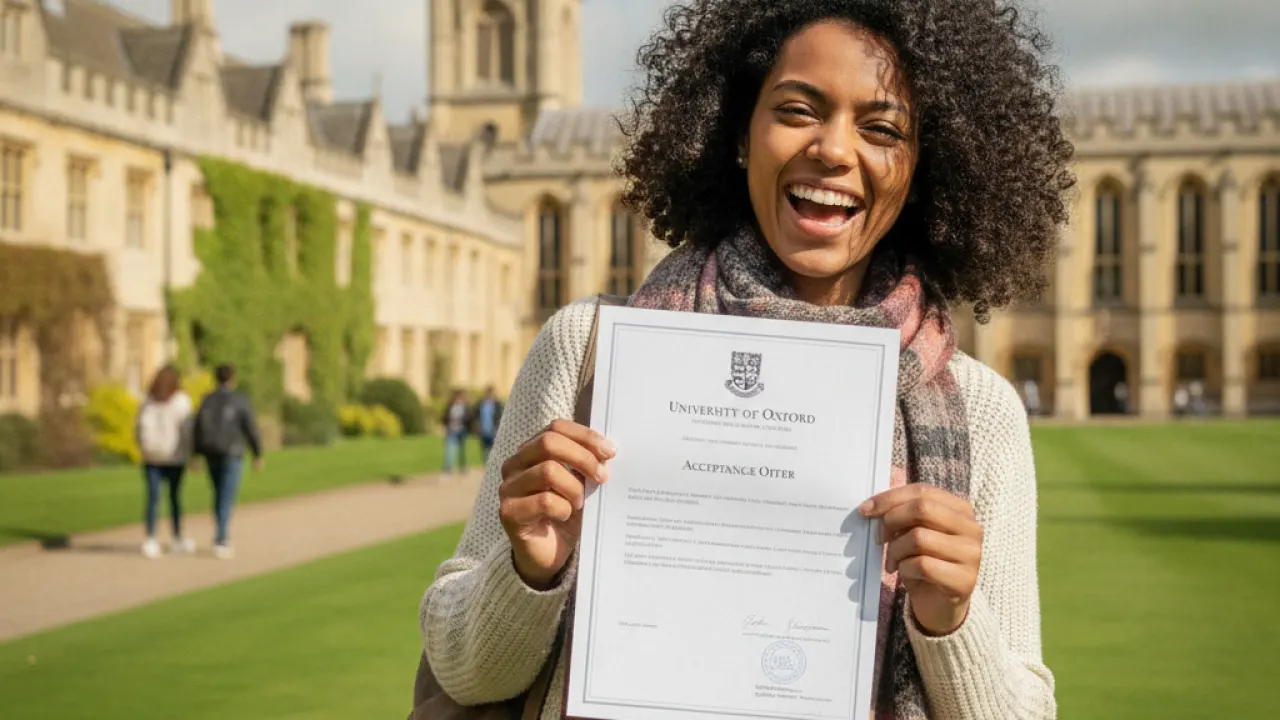
What Is the UK Student Visa?
The UK Student Visa replaced the Tier 4 General student visa in October 2020. The core requirements are identical. You need a confirmed place at a UK institution that holds a valid Sponsor Licence from the Home Office, you must meet the English language standard, and you must have enough money to pay for your studies and living costs.
The visa is available to applicants aged 16 and over. Under-18 applicants have additional requirements regarding accommodation and parental consent. The visa allows you to study any subject at a licensed provider, from foundation courses to postgraduate research degrees.
Who Can Apply?
You qualify to apply if all of the following apply to you:
- You have been offered a confirmed place at a licensed UK education provider
- Your institution has issued you a CAS number
- You have enough money to cover tuition fees and living expenses
- You meet the English language requirement for your course level
- You are 16 or over
- You are not from a country that has a separate entry route for students
Citizens of certain countries including Australia, Canada, New Zealand, and the USA have different arrangements for study in the UK. Always verify your specific nationality requirements on the official UK government website before applying.
Understanding the CAS Number

Before you can apply for a UK Student Visa, your university or college must issue you a Confirmation of Acceptance for Studies, commonly known as a CAS. The CAS is a unique reference number that connects your visa application to your specific course and institution in the UKVI system.
Your CAS contains your course title, start date, duration, tuition fee amount, sponsor details, and any conditions your institution has placed on the offer. You must enter this CAS reference number when completing your online visa application. Without a valid CAS, your application cannot proceed.
Contact your university international office to request your CAS as soon as you have accepted your course offer and met all its conditions. You must apply for your visa within three months of the CAS issue date and no earlier than six months before your course begins.
English Language Requirement
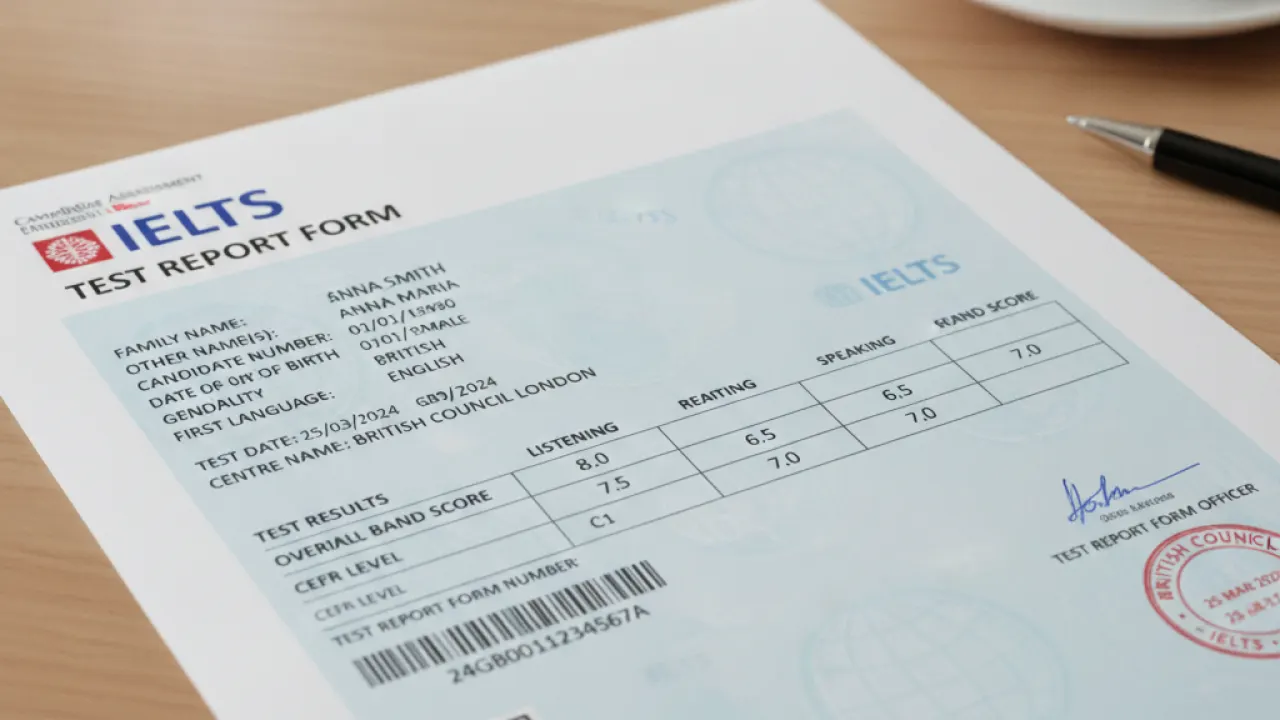
The UK Student Visa requires you to demonstrate your English language ability. The accepted ways to meet this requirement include:
- IELTS Academic – the most widely accepted test, minimum scores depend on your institution and course level
- TOEFL iBT – accepted at most UK universities as an alternative to IELTS
- Pearson Test of English (PTE) Academic – accepted by many institutions
- Cambridge English qualifications – B2 First, C1 Advanced, or C2 Proficiency
- A degree taught in English – if your previous degree was taught and assessed entirely in English
The minimum IELTS requirement varies between institutions and courses. Undergraduate programmes typically require a minimum of 6.0 overall with no component below 5.5. Postgraduate programmes often require 6.5 or 7.0. Check your specific university requirements carefully.
You are exempt from the English language requirement if you are a national of a majority English-speaking country as defined by the Home Office, including Australia, Canada, New Zealand, and the United States of America.
Financial Requirements
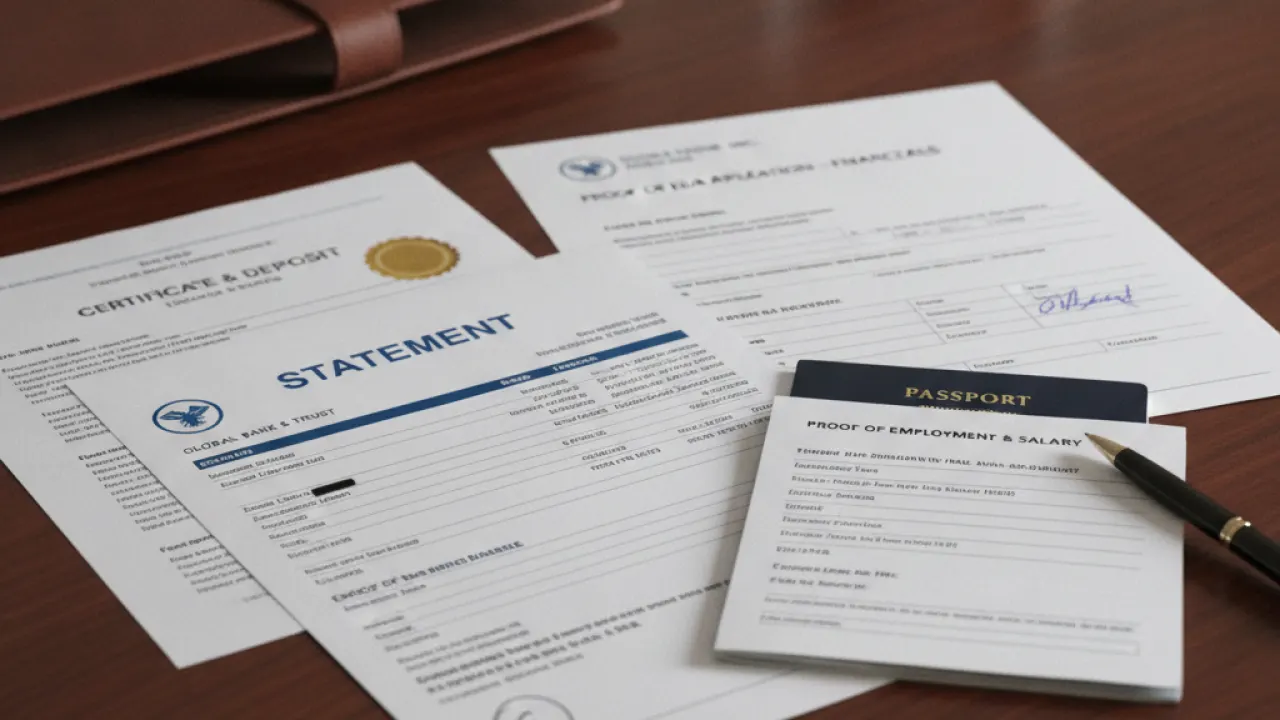
You must prove to UKVI that you have enough money to cover both your tuition fees and your living costs for the period of study. The key rule is that the money must have been in your bank account continuously for at least 28 days immediately before the date you apply for your visa.
The living cost amounts required for 2026 are:
- Studying in London – approximately £1,334 per month, for up to 9 months
- Studying outside London – approximately £1,023 per month, for up to 9 months
You must also show you can cover your course fees if they have not already been paid. If your institution is an Official Financial Sponsor, they may be able to cover the maintenance requirement directly, meaning you do not need to show it in your personal bank account.
Step-by-Step Application Process
The UK Student Visa application is completed online. Follow these steps in order:
- Accept your course offer and meet any conditions your university sets
- Request your CAS number from your university international office
- Gather all required documents before starting your application
- Apply online through the official UK Visas and Immigration portal
- Pay the visa fee (approximately £490) and the Immigration Health Surcharge
- Book a biometrics appointment at a Visa Application Centre in your country
- Attend your appointment with your passport and supporting documents
- Wait for a decision and then collect your Biometric Residence Permit after arriving in the UK
Cost of the UK Student Visa 2026
The total cost of a UK Student Visa in 2026 involves several separate payments:
- Visa application fee – approximately £490 regardless of course length
- Immigration Health Surcharge – approximately £776 per year of your course
- Medical exam – required for applicants from certain countries
- Document translation – variable, depending on what languages your documents are in
For a three-year undergraduate course, the IHS payment alone comes to approximately £2,328. Combined with the application fee, the total government cost is approximately £2,818 before any other expenses. For a one-year master degree, the total is approximately £1,266.
How Long Does Processing Take?
Standard processing in most countries takes up to three weeks. In some countries, priority and super priority services are available for an additional fee, reducing wait times to five business days or next business day respectively. Check what services are available in your country when applying.
Apply at least three months before your course start date to allow sufficient time for processing and to arrange accommodation and travel. Do not make non-refundable travel bookings until you have your visa in hand.
Working While Studying
Most UK Student Visa holders can work during their studies, subject to limits:
- Degree-level students at UK universities: up to 20 hours per week during term time, full time in official holidays
- Students on below-degree-level courses: up to 10 hours per week during term time
- Students at private colleges that are not publicly funded: work is not permitted
After You Graduate: The Graduate Visa
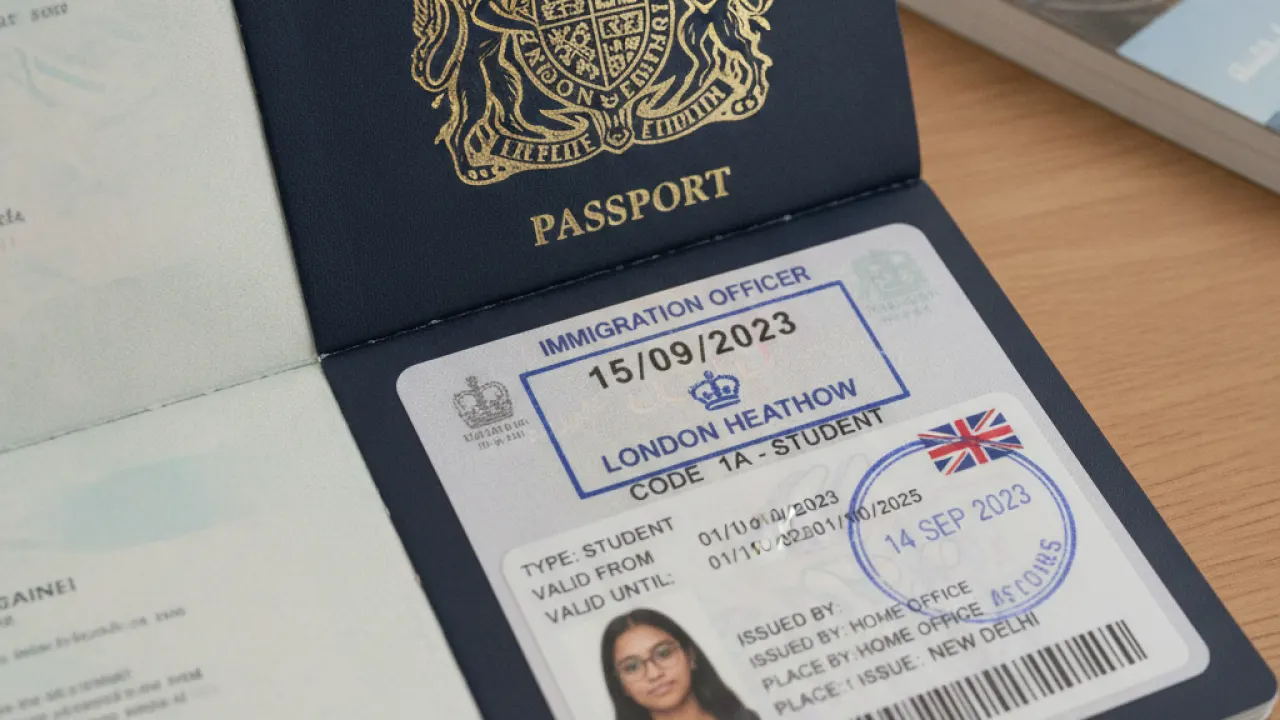
If you complete a bachelor or master degree at a licensed UK university, you can apply for the Graduate Visa immediately after completing your course. This visa allows you to stay and work in the UK for two years without needing a job offer. PhD graduates can stay for three years. The Graduate Visa has no work restrictions and can be a stepping stone to a Skilled Worker Visa if you find graduate-level employment.
After Your Studies: Options for Staying in UK
For many international students, the UK Student Visa is not the end of their UK journey but the beginning. Understanding the routes available after you graduate helps you plan from the start of your studies rather than scrambling in your final year.
The Graduate Visa
The Graduate Visa allows you to stay in the UK for two years after completing a bachelor or master degree at a licensed UK university. PhD graduates can stay for three years. There are no restrictions on the type of work you can do or the salary you need to earn. You can use this time to gain work experience, explore different careers, or build the qualifications needed for a longer-term visa.
Skilled Worker Visa
If you find a job at an approved UK employer paying at least the minimum salary threshold for your role, you can apply for a Skilled Worker Visa. This can lead to settlement after five years of continuous residence. Many international students transition directly from the Graduate Visa to a Skilled Worker Visa when they secure graduate-level employment.
Global Talent Visa
If you have demonstrated exceptional ability in your field during your UK studies, the Global Talent Visa may be available. This is particularly relevant for those in digital technology, science, engineering, arts, and humanities who have established a record of achievement during their studies and early career.
UK Universities and Their Reputations
The UK has several universities that consistently rank among the best in the world. Oxford and Cambridge are the most internationally recognised. Imperial College London, University College London, the London School of Economics, and King’s College London are prominent in engineering, science, social science, and medicine respectively. Edinburgh, Manchester, Bristol, Warwick, and Durham are highly regarded outside the London concentration.
For vocational and professional programmes, institutions including Loughborough for sport science and engineering, Bath for business and management, and various medical schools across the country have strong sector-specific reputations. Research the specific department or programme you plan to attend rather than relying solely on overall university rankings, as quality varies significantly between departments within the same institution.
Cost of Studying in UK for International Students
The total cost of a UK education for an international student involves more than just tuition fees and the visa costs discussed earlier. Additional expenses to budget for include:
- Accommodation: university halls typically cost 150 to 300 pounds per week. Private accommodation in cities costs more
- Food and daily living: typically 200 to 400 pounds per month outside London
- Textbooks and course materials: 300 to 600 pounds per year depending on subject
- Travel: monthly Oyster card in London, or regional transport costs
- Mobile phone and broadband contracts: typically 20 to 50 pounds per month
- Social activities and travel within the UK: budget according to your preferences
Total annual living costs for an international student studying outside London typically run to 15,000 to 20,000 pounds per year on top of tuition fees. London-based students should budget 20,000 to 25,000 pounds per year for living costs. These are realistic figures that help you plan your financing before applying.
Key Takeaways for UK Student Visa Applicants
The UK Student Visa process rewards careful preparation. Get your CAS first. Ensure your financial evidence is in order for 28 days before you apply. Book your biometrics appointment promptly. Respond to any requests for additional information quickly. Plan for the full cost including the Immigration Health Surcharge from the beginning rather than treating it as a surprise. The UK offers world-class education, genuine career opportunities after graduation, and a pathway to longer-term residence for those who want to stay. For most international students who prepare properly, the visa application is a manageable step toward a genuinely valuable experience.
One practical tip: when you receive your visa approval and your Biometric Residence Permit card after arriving in the UK, keep a copy of both documents securely stored in a separate location from the originals. Your BRP card is your primary proof of immigration status in the UK for the duration of your studies and should be treated with the same care as your passport.
The UK Student Visa, when used as part of a long-term plan that includes the Graduate Visa and a potential pathway to settlement, represents one of the most accessible routes to building a life in the UK for international professionals who want to combine world-class education with long-term career prospects.
Are you planning to apply for a UK Student Visa in 2026, or are you currently on this visa? Which part of the process do you find most confusing? Leave your question in the comments and we will do our best to help.