

Richest Cricketers in World 2026
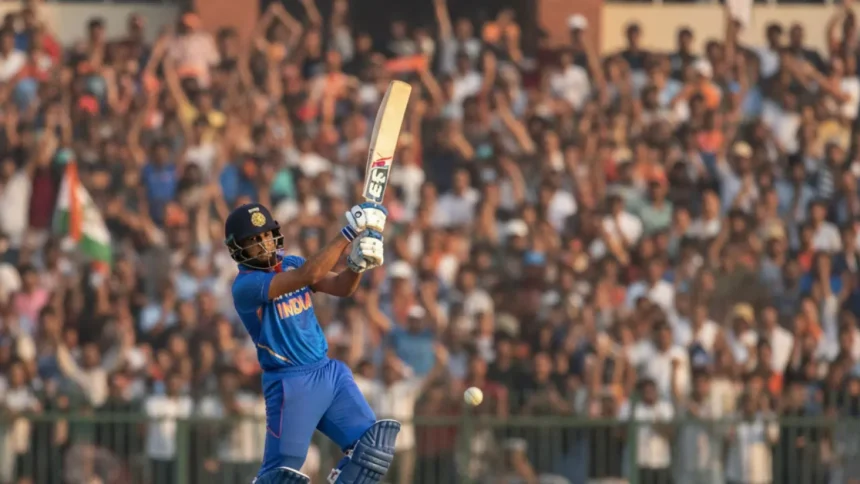
Sachin Tendulkar – Estimated Net Worth: $170 million
Sachin Tendulkar remains the richest cricketer in history. Despite retiring from international cricket in 2013, his brand value continues to generate real income. He was the first cricketer to earn over $100 million in endorsements during his playing career and continues to receive substantial fees for brand associations, media appearances, and franchise involvement. His business investments and property holdings have grown considerably since retirement.
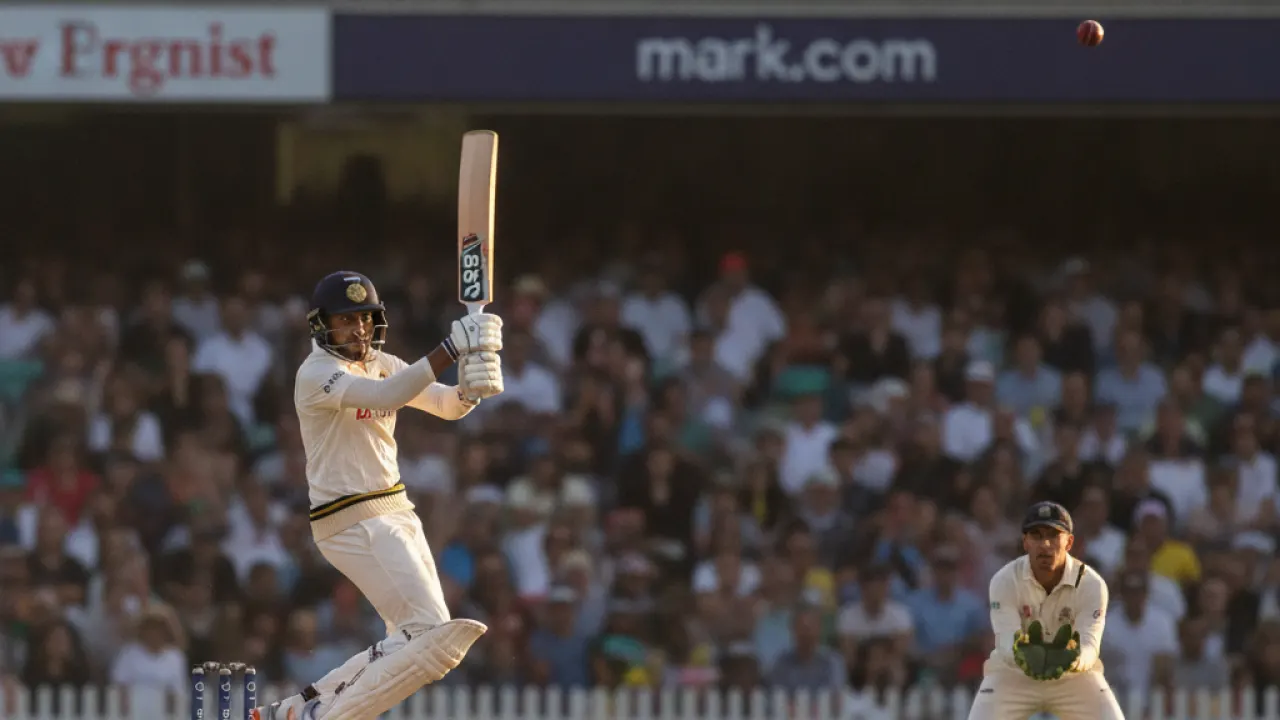
MS Dhoni – Estimated Net Worth: $130 million
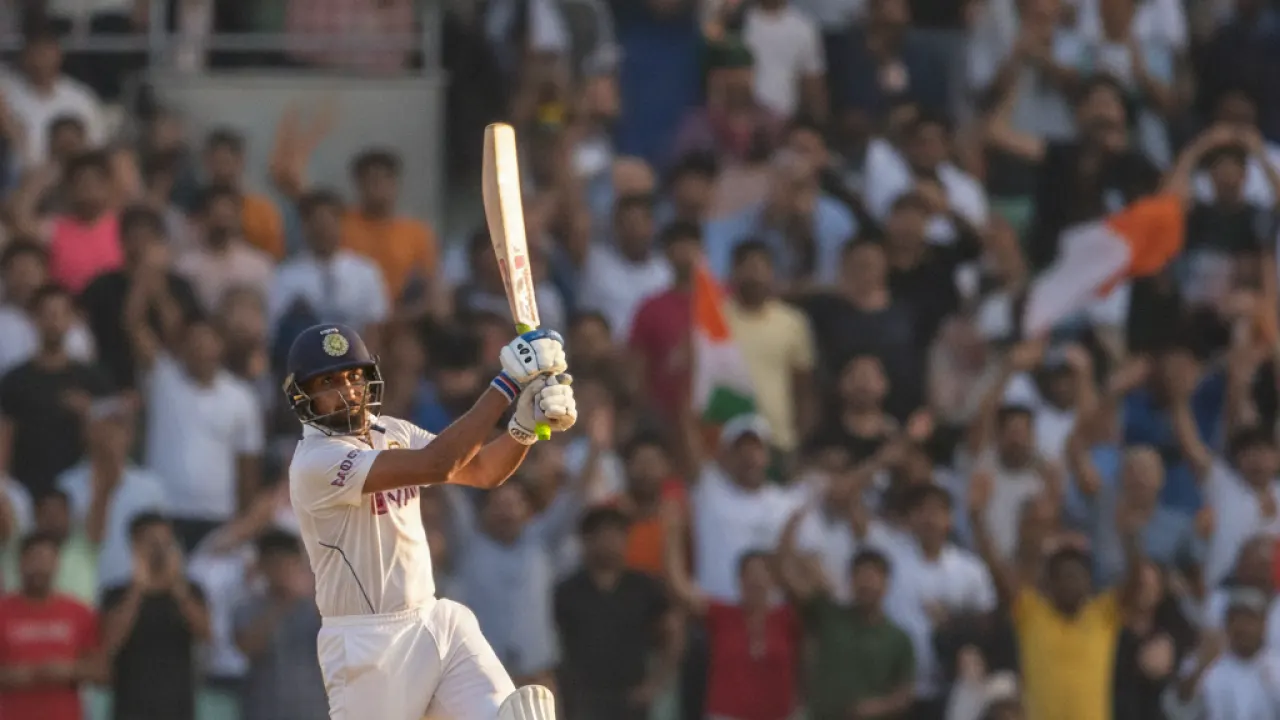
Mahendra Singh Dhoni built extraordinary wealth through his playing career, his leadership of India across all formats, and his long association with Chennai Super Kings in the IPL. His brand value in India remains enormous and his endorsement portfolio has always been among the most diverse in Indian sport. He is also a real investor in various businesses and sports ventures.
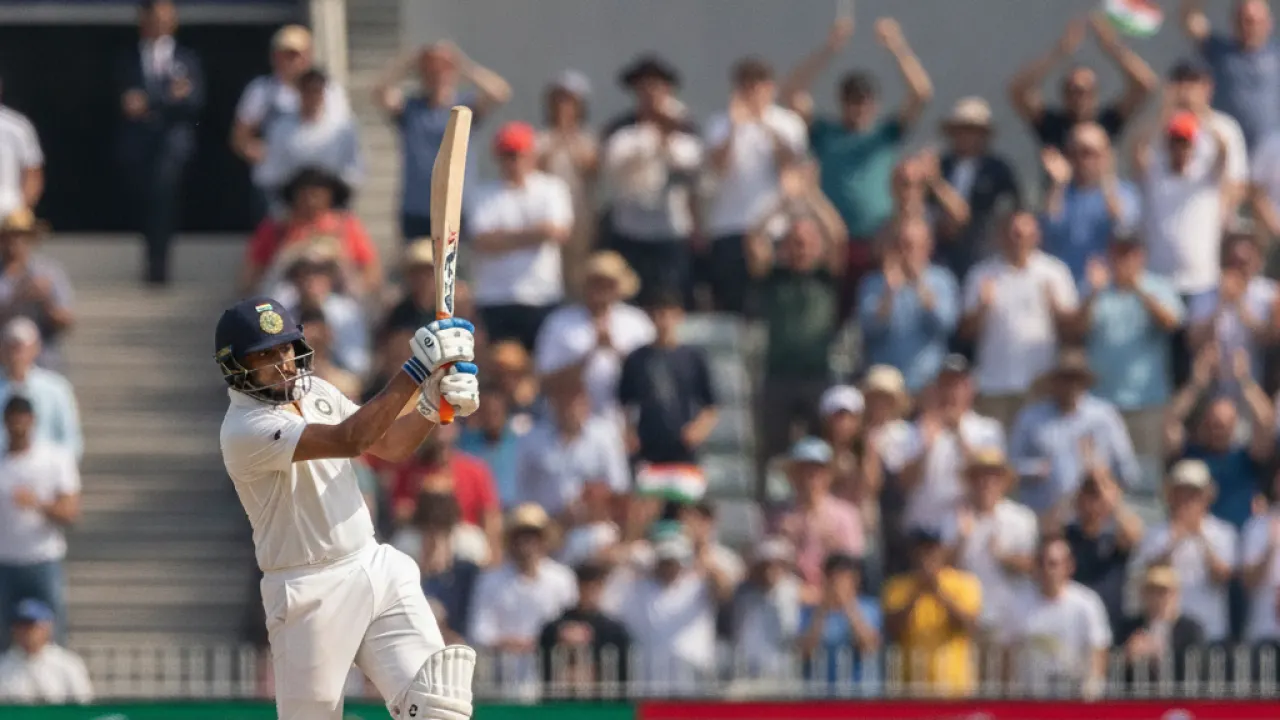
Virat Kohli – Estimated Net Worth: $125 million
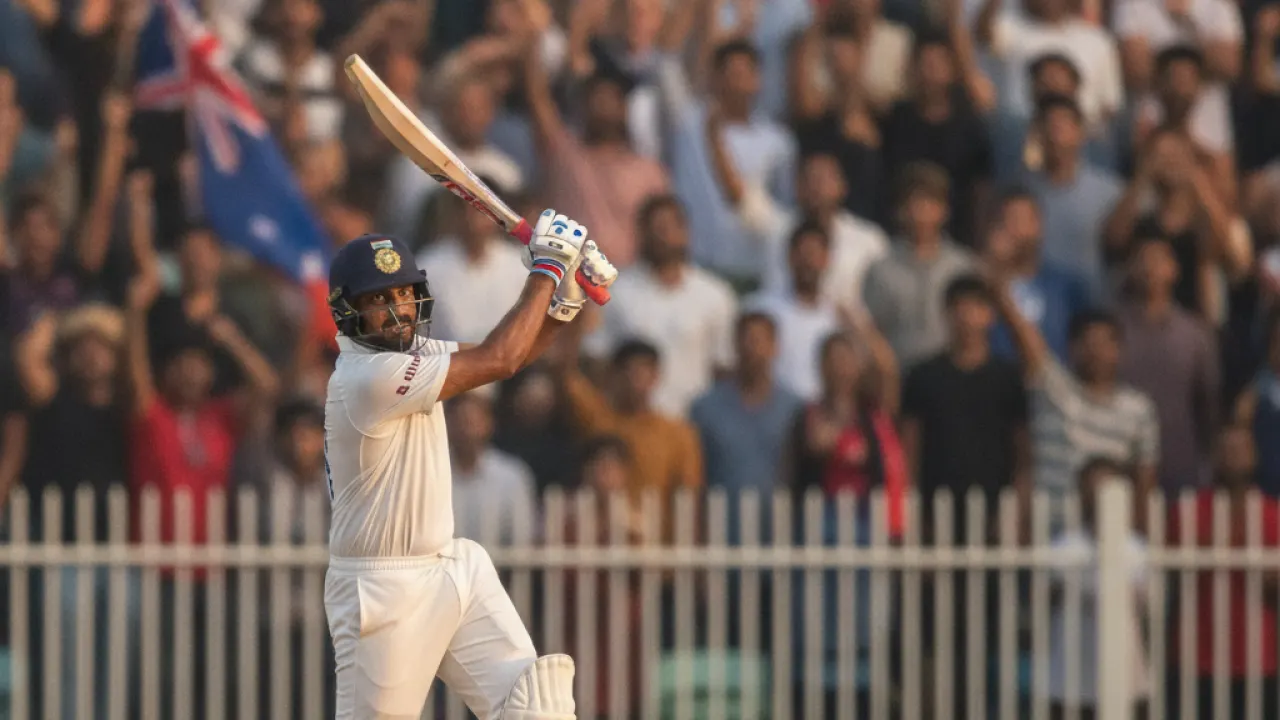
Virat Kohli is the wealthiest active cricketer in the world in 2026. His brand value in India is unmatched by any other active player. He endorses over 30 brands simultaneously, has ownership stakes in multiple businesses, and continues to command top IPL auction prices. His social media following is among the largest of any sportsperson globally.
Ricky Ponting – Estimated Net Worth: $70 million
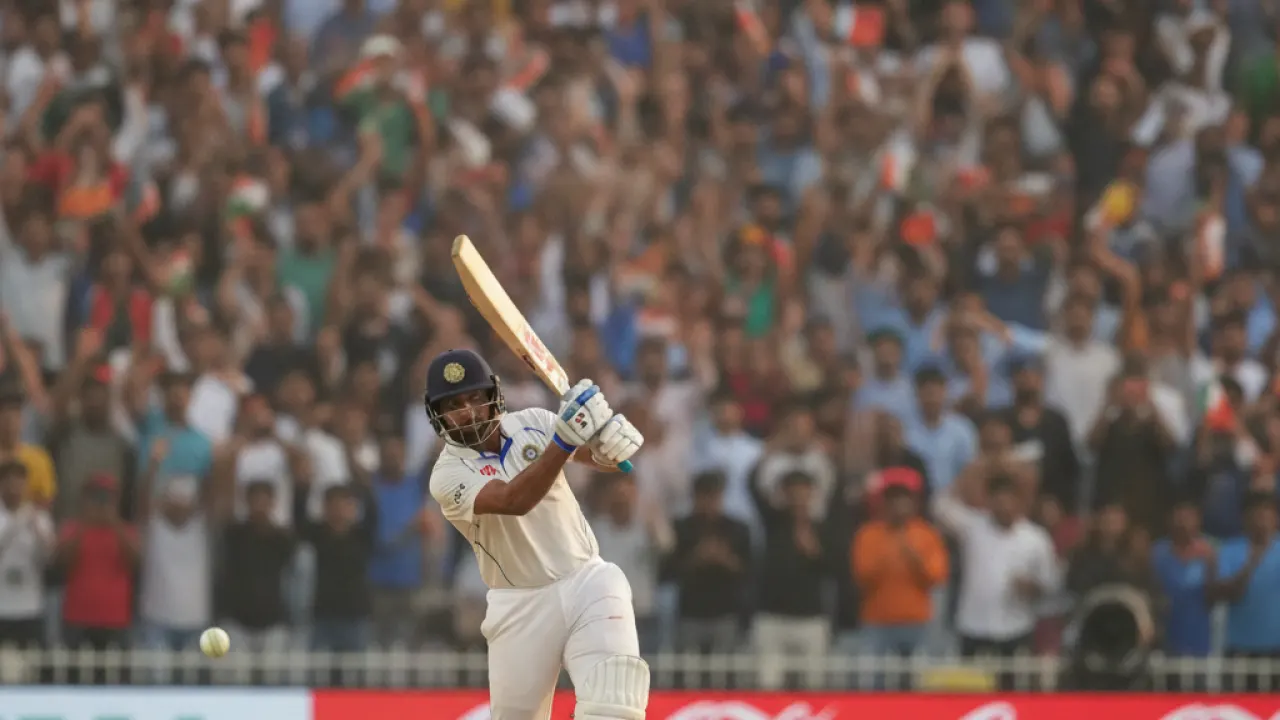
Australia’s most successful Test captain built considerable wealth during his playing career and has continued to grow it through media work, coaching roles in the IPL, and various commercial activities. He remains one of the most recognised names in Australian sport.
Rohit Sharma – Estimated Net Worth: $40 million
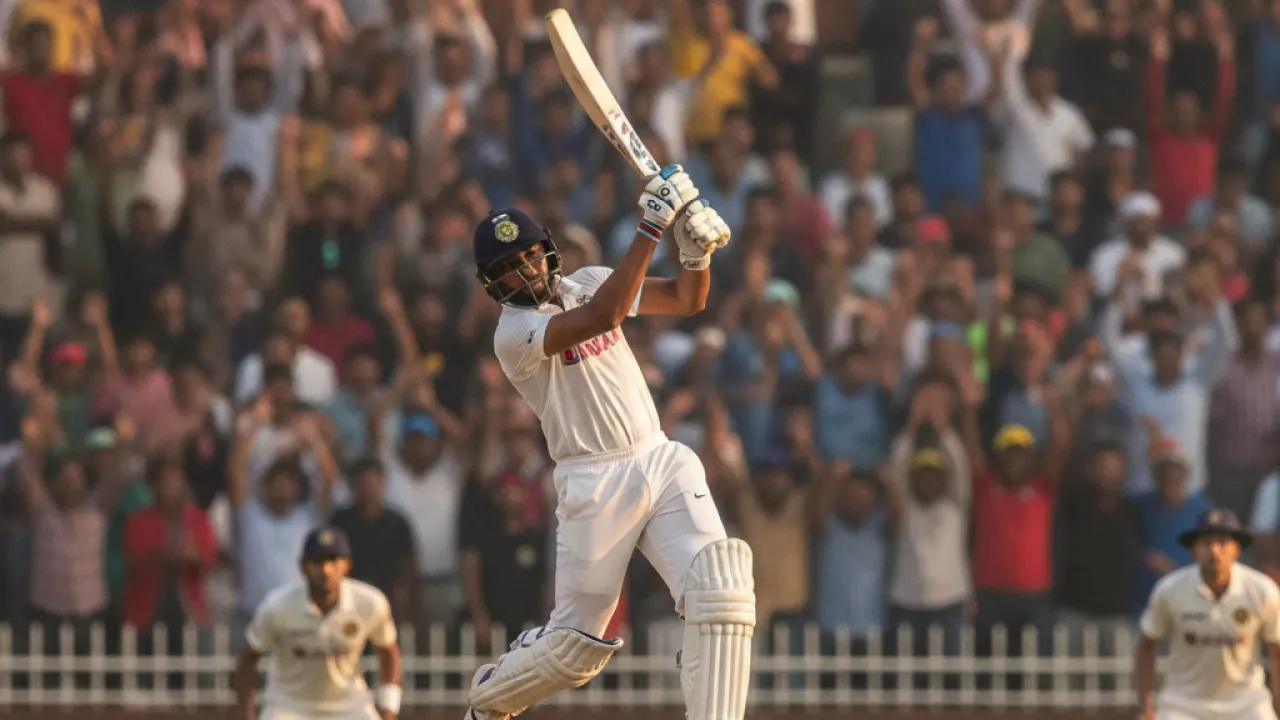
India’s current Test and ODI captain has built real wealth through his IPL association with Mumbai Indians, national team central contracts at the highest BCCI grade, and an extensive endorsement portfolio. He is one of the most marketable active cricketers in the sport.
AB de Villiers – Estimated Net Worth: $40 million
South Africa’s most celebrated modern cricketer earned generously through his international career and T20 league contracts around the world. Since retiring from international cricket, he has remained active in franchise cricket and media while growing his business interests.
Brian Lara – Estimated Net Worth: $60 million
West Indies’s greatest batsman earned substantial income during his playing career and has continued to build wealth through cricket administration, media commentary, and various business interests. He remains one of the most respected figures in world cricket.
Chris Gayle – Estimated Net Worth: $40 million
The self-styled Universe Boss earned across every major T20 league in the world throughout his extraordinary playing career. His IPL earnings across multiple franchises alone amounted to tens of millions of dollars. Endorsements and a series of personal business ventures have added to his wealigure>
Several younger players have recently reached record IPL auction prices. Players from India, England, and Australia continue to attract the biggest bids in global T20 auctions. The combination of playing ability, marketability, and social media following drives these prices higher each auction cycle.
For more sport content, read our guides on best basketball players of all time, best NBA players right now, and 100 amazing basketball facts. See also <a href="https://tltaneously. Contrary to what many fans assume, playing fees – even substantial IPL contracts – are often not the primary driver of wealth for the top earners. The richest cricketers combine multiple income sources over careers that span 15 to 25 years.
Central Contracts with National Boards
The BCCI offer worth approximately AUD $900,000 (around £475,000). These are baseline incomes before any match fees or T20 league payments.
IPL Auction Payments
The Indian Premier League auction has produced some extraordinary payments in recent years. Top Indian players have been retained by franchises for amouGlobal T20 League Contracts
Beyond the IPL, top cricketers play in the Big Bash League in Australia, The Hundred in England, the Caribbean Premier League, the SA20 in South Africa, the ILT20 in the UAE, and several other competitions. The best players move between these leagues during each country’s T20 window, stacking multiple tournament contracts on top of each other across the cricket calendar year.
Endorsements: Where the Real Money Is
For the richest cricketers, particularly Indians, endorsement income regularly exceeds playing income. Sachin Tendulkar is estimated to have earned well over $100 million from endorsements during his career. Virat Kohli endorses over 30 brands and earns several hundred crore rupees per year from brand associations even outside of any playing contract. MS Dhoni’s endorsement deals have included major brands across insurance, motorcycles, consumer goods, and food and beverage sectors.
Endorsement rates for international cricketers are set by marketability, which includes performance, personality, social media following, and the size of the market. Indian players have an enormous domestic market advantage because cricket is followed by approximately one billion people in India, making top Indian cricketers among the most commercially useful athletes in any sport globally.
Why Cricket Produces Some of the Richest Cricketers in World Sport
Top-earning cricketers make money from multiple income streams at the same time. Unlike most sports where player earnings come almost entirely from match fees, cricket offers its top performers a layered income model. A player like Virat Kohli earns from a BCCI central contract, an IPL franchise contract, and over 30 separate brand endorsement deals all running simultaneously. This combination makes cricket uniquely good at producing very wealthy athletes.
The IPL transformed what the this approach cricket could earn. Before the IPL launched in 2008, even the most famous players earned modest sums compared to footballers. The IPL introduced franchise-based T20 cricket with player auctions, setting market rates that quickly reached millions of dollars per season. Within a decade, it had fundamentally changed the income ceiling for cricket’s top performers.
Brand endorsements are where wealthy cricketers build the biggest margins. In markets like India, cricket stars command fees comparable to film stars for product endorsements. A single deal with a major brand can be worth more than an entire season of playing fees. Sachin Tendulkar had endorsement income that regularly exceeded his match earnings for most of his career. For the this approach cricket, the playing field matters less than the commercial field.
How the Net Worth of the Richest Cricketers in World Is Calculated
Net worth figures for the this approach sport come from combining several data sources. These include disclosed IPL auction prices, estimates of national board contract values, declared endorsement deals, and publicly reported business investments. Because cricketers rarely disclose total earnings openly, all net worth figures are estimates. The figures in this article reflect 2026 estimates based on the most recent available data.
These rankings shift as careers evolve, new leagues emerge, and endorsement portfolios change. A player who earns heavily during peak years may see income drop after retirement. Others like MS Dhoni continue generating substantial income from franchise ownership and brand deals long after their playing days end. Which cricketer tops the list in 2030 will depend largely on whoever dominates the next generation of T20 leagues.
Richest Cricketers by Country
Wealth in cricket is heavily concentrated in India, but other countries have produced wealthy cricketers: For more background, see Wikipedia reference.
- England – Ben Stokes, Jos Buttler, and Joe Root are the highest earners in English cricket in 2026, with central contracts, Hundred fees, and endorsements combining to put their annual earnings in the range of £2 million to £4 million
- Australia – Pat Cummins, David Warner, and Steve Smith are Australia’s highest earners. The BBL, Cricket Australia central contracts, and overseas T20 contracts combine to create total packages in the AUD $3 million to $6 million range for the top players
- West Indies – players like Kieron Pollard built substantial wealth through T20 league contracts worldwide despite the West Indies board not matching BCCI or ECB contract values
- South Africa – the launch of SA20 has improved earnings for South African cricketers really. Players like Quinton de Kock and Kagiso Rabada now earn comparable amounts to their Australian counterparts
- Pakistan – Babar Azam is Pakistan’s most marketable cricketer and has built growing endorsement income alongside PCB contracts and PSL fees
Cricket’s Wealthiest Franchise Owners
The ownership side of cricket has also created enormous wealth. IPL franchise valuations have grown exponentially since the league launched in 2008. The Mumbai Indians, Chennai Super Kings, and other major franchises are now worth several billioingly, international expansion. Several IPL franchises have acquired teams in other global leagues, creating cross-border cricket businesses that generate income year-round.
Women’s Cricket Wealth
Women’s cricket has seen real growth in26, with central contracts, Women’s IPL fees, and growing endorsement portfolios. England’s women cricketers benefit from ECB central contracts and The Hundred, where men’s and women’s competitions are equally valued.
Australian women cricketers have some of the strongest contracts in the world 733-1.webp” alt=”The IPL Effect on Player Wealth – richest cricketers in world 2026″ / The IPL Effect on Player Wealth Virat Kohli is widely considered the richest active cricketer in the world in 2026. His combination of BCCI central contract income, IPL earnings, and a brand endorsement portfolio spanning over 30 major companies puts his annual income well ahead of any other active player. His social media following of over 300 million contributes really to his brand value and commercial appeal.
How much do IPL players earn per match?
IPL players are paid a fixed contract fee for the entire season rather than per match. The IPL season consists of a minimum of 14 league matcillions. If T20 league values continue growing and top Indian players continue receiving combinations of BCCI contracts, IPL deals, and multi-brand endorsements, future cricketers who also invest in franchises could conceivably approach that level.
What Cricket Wealth Tells Us About the Sport
The extraordinary wealth of the richest cricketers in 2026 is a direct reflection of cricket’s status as the world’s second most-watched sport. The concentration of wealth among Indian players reflects the enormous size of the Indian market, the BCCI’s financial strength, and the commercial power of the IPL. For players from other countries, the growth of T20 leagues globally has created income opportunities that simply did not exist 15 years ago. Cricket is genuinely a global professional sport in a way it was not before the IPL changed the financial structure of the game entirely.
It is also worth noting that the richest cricketers from all countries have benefited from the global nature of T20 cricket in ways that previous generations could not. A player who retired in 2010 would not have had access to the IPL, The Hundred, SA20, and a dozen other leagues that today allow the very best players to earn year-round from the sport they play.
The financial transformation of cricket over the past two decades shows no sign of slowing. As new markets open and existing T20 leagues mature, the earning potential for elite cricketers will continue to grow, making the sport an increasingly attractive professional path for talented young players across the cricket-playing world.
Who do you think will be the richest cricketer in the world by 2030? Leave your prediction below and tell us which current player you believe is the most underrated earner in the sport today.
How Cricketers Build Wealth
Modern cricketers build their net worth through several income streams. Central contracts with national cricket boards provide a base salary, with the BCCI paying Indian players far more than any other board in the world. T20 auction contracts add really to this for elite players. Endorsement deals with brands across consumer goods, finance, and technology are particularly useful for Indian players given the enormous domestic market. Business investments and franchise ownership add further wealth over time.
Frequently Asked Questions
Who is the richest active cricketer in 2026?
Virat Kohli is widely considered the richest active cricketer in the world in 2026. His combination of BCCI central contract income, IPL earnings, and a brand endorsement portfolio spanning over 30 major companies puts his annual income well ahead of any other active player. His social media following of over 300 million contributes really to his brand value and commercial appeal.
How much do IPL players earn per match?
IPL players are paid a fixed contract fee for the entire season rather than per match. The IPL season consists of a minimum of 14 league matches plus playoff rounds. A player with a contract of Rs 10 crore earns that full amount whether they play every game or are rested for some matches.
Can cricketers become billionaires?
No cricketer has yet reached billionaire status, but the richest are in the hundreds of millions. If T20 league values continue growing and top Indian players continue receiving combinations of BCCI contracts, IPL deals, and multi-brand endorsements, future cricketers who also invest in franchises could conceivably approach that level.
The IPL Effect on Player Wealth
The Indian Premier League has fundamentally changed cricket economics. Auction prices for the top players have reached crore after crore of rupees for a single season. International stars from England, Australia, the West Indies, and South Africa earn multimillion-dollar contracts for the eight-week tournament. When combined with other global T20 leagues including the BBL, The Hundred, and the Caribbean Premier League, the top players now earn more than most professional athletes in traditional English sports.
Which of the richest cricketers in the world do you think will top the rankings in the next five years? Share your prediction in the comments below. The richest cricketers in world works when you follow it consistently.
The key to success with this approach is consistent effort combined with the right approach. Understanding richest cricketers in world clearly helps you avoid common mistakes and get better results faster.
The key to success with this approach is consistent effort combined with the right approach. Understanding richest cricketers in world clearly helps you avoid common mistakes and get better results faster.
The key to success with this approach is consistent effort combined with the right approach. Understanding richest cricketers in world clearly hel
What has your experience with richest cricketers in world been? Share your questions or tips in the comments below. This guide shows you how the richest cricketers in world fits real life.
in world been? Share your questions or tips in the comments below.Start with the basics of the richest cricketers in world and build from there.
The richest cricketers in world removes common barriers that stop people from starting.
Follow the richest cricketers in world for the full period to see real results.
The richest cricketers in world scales as you get more experienced.
Sticking to the richest cricketers in world matters more than any single step.
The richest cricketers in world gives you a clear structure every week.
Use the richest cricketers in world as your base and adjust it to your level.
Many people find the richest cricketers in world easier to follow than complex alternatives.
Results from the richest cricketers in world come from repetition, not perfection.
Keep the richest cricketers in world simple and focus on showing up consistently.
The richest cricketers in world works when you follow it consistently.
This guide shows you how the richest cricketers in world fits real life.
Start with the basics of the richest cricketers in world and build from there.
The richest cricketers in world removes common barriers that stop people from starting.
Follow the richest cricketers in world for the full period to see real results.
The richest cricketers in world scales as you get more experienced.
Sticking to the richest cricketers in world matters more than any single step.
The richest cricketers in world gives you a clear structure every week.
Use the richest cricketers in world as your base and adjust it to your level.
Many people find the richest cricketers in world easier to follow than complex alternatives.
Results from the richest cricketers in world come from repetition, not perfection.
Keep the richest cricketers in world simple and focus on showing up consistently.
The richest cricketers in world works when you follow it consistently.
This guide shows you how the richest cricketers in world fits real life.
Start with the basics of the richest cricketers in world and build from there.
The richest cricketers in world removes common barriers that stop people from starting.
Follow the richest cricketers in world for the full period to see real results.
The richest cricketers in world scales as you get more experienced.
Sticking to the richest cricketers in world matters more than any single step.
The richest cricketers in world gives you a clear structure every week.
Use the richest cricketers in world as your base and adjust it to your level.