

Basketball facts tell the story of a game that began in one school gym and grew across the world. The best ones explain why the court, rules, skills, and records look the way they do now.
This grouped guide sorts basketball facts by topic rather than forcing them into a long numbered list. You’ll learn how James Naismith made the game, why every standard rim stands 10 feet high, how the three-point line changed tactics, and which popular stories need more context. Records can change, so this guide gives dates where a claim may not stay fixed.
Where Basketball Began
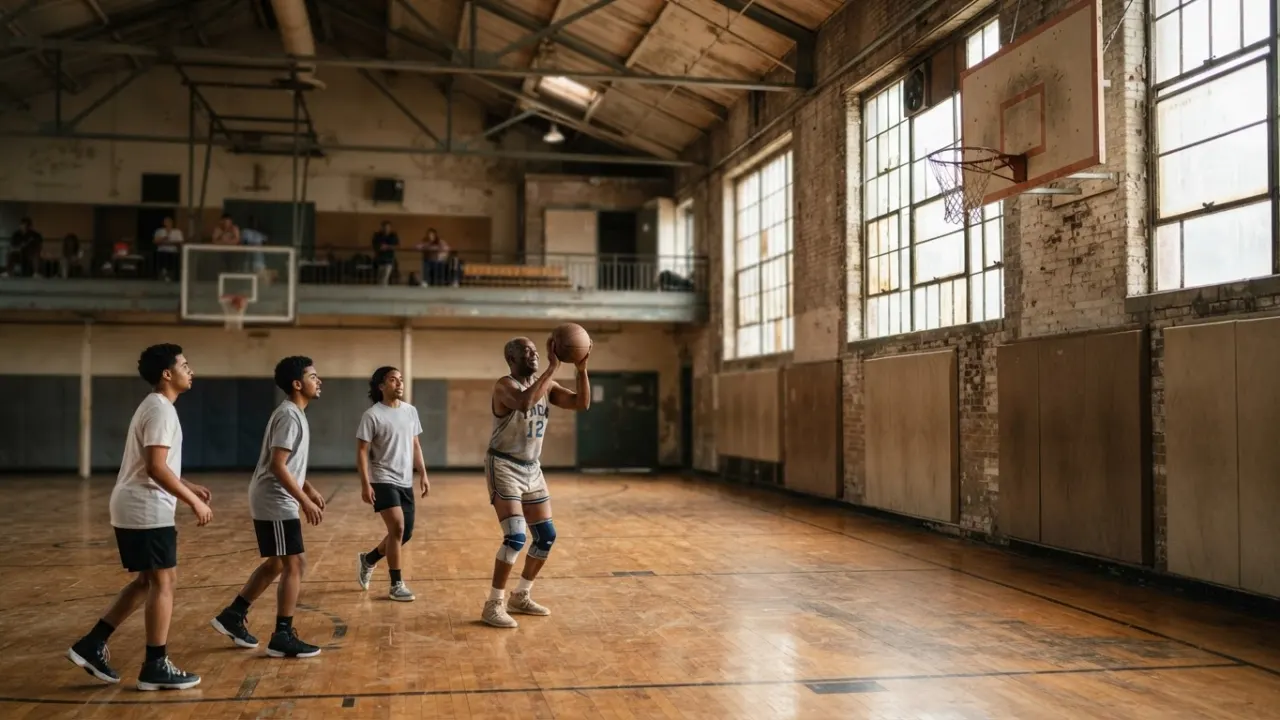
James Naismith invented basketball in 1891 at the YMCA Training School in Springfield, Massachusetts. The school was later called the International YMCA Training School and is now Springfield College. Naismith was a Canadian teacher who had been asked to make an indoor winter game. He needed an activity that kept students moving without the hard contact found in outdoor sports.
These early basketball facts show that the game was built to solve a simple teaching problem. Naismith wanted skill, teamwork, and movement. He placed the goals above the players because a raised target was harder to guard through force alone. That choice still shapes every shot and rebound.
Britannica says James Naismith invented basketball in 1891 and that the first game used peach baskets. Those baskets were fixed to the balcony of the school gym. Their bottoms were closed at first, so someone had to remove the ball after a goal. A soccer ball was used because a special basketball did not yet exist.
The first match had nine players on each side because Naismith had 18 students in his class. The final score was 1-0. William R. Chase made the only goal with a long throw. The low score makes sense when we remember that players were learning a new game with no dribbling and a closed basket.
Women began playing soon after the sport appeared. Senda Berenson brought the game to Smith College in 1892. These basketball facts show how quickly it moved beyond Naismith’s class.
Original Basketball Rules and Early Equipment
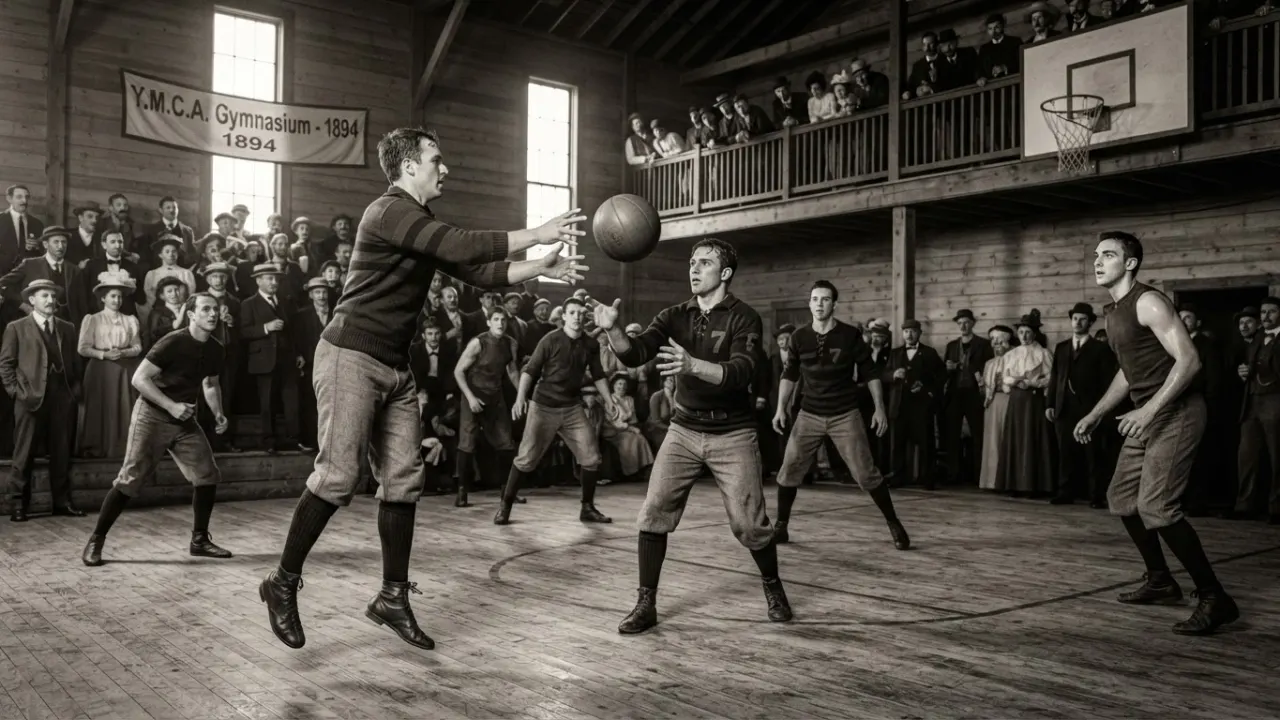
Naismith wrote 13 original rules. They described how players could throw or bat the ball, how fouls worked, and what counted as a goal. The first rules did not set five players per team. They also did not include a shot clock, a three-point line, or the modern act of dribbling down the floor.
Four early basketball facts show how different the first matches were:
- Moving with the ball: A player could not run after catching it and had to throw from that spot, with an allowance for a person who caught it while running.
- Scoring: A goal counted when the ball went into the basket and stayed there, as long as defenders did not move or disturb the goal.
- Physical play: Holding, pushing, tripping, and striking were fouls. A second foul could remove a player until the next goal.
- Match time: Games had two 15-minute halves with a five-minute rest between them.
The early ball was not made for bouncing. These basketball facts matter because its laces and uneven shape made passing more dependable. Purpose-made balls appeared during the 1890s, and better grip helped dribbling grow.
Open nets solved the delay caused by closed peach baskets. Backboards were added for another reason: spectators on balconies could reach toward the basket and affect shots. A board protected the goal. Players soon learned to use it for bank shots, so a barrier became part of the attack. If you are looking to expand your knowledge, reading detailed breakdown of artistic gymnastics olympics tickets provides useful background context. If you are looking to expand your knowledge, reading detailed breakdown of artistic gymnastics olympics tickets provides useful background context. If you are looking to expand your knowledge, reading detailed breakdown of artistic gymnastics olympics tickets provides useful background context. If you are looking to expand your knowledge, reading detailed breakdown of artistic gymnastics olympics tickets provides valuable background context.
Basketball facts about rule changes do not follow one straight line. Colleges, professional leagues, and international groups often tested different ideas. Five-player teams became common in the late 1890s. The centre jump once took place after every made goal, which slowed play. Removing that restart helped produce the quicker game fans know.
Basketball Records and Milestones
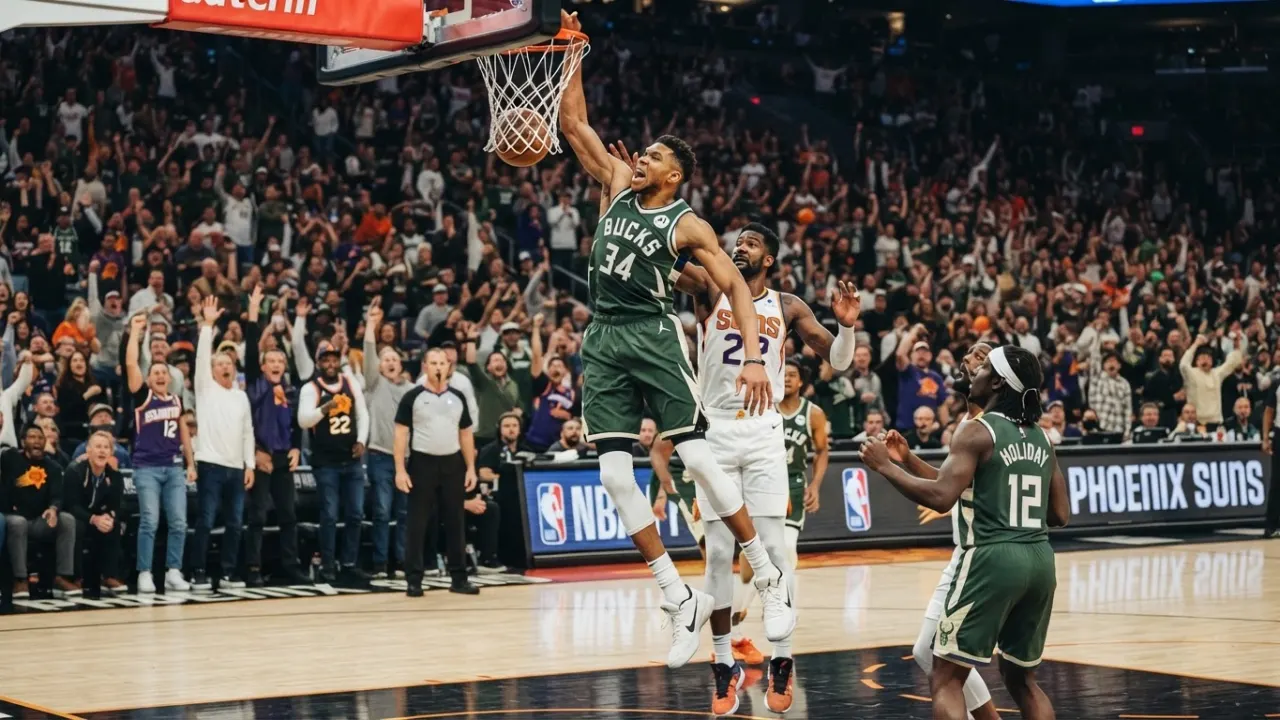
Records are some of the most shared basketball facts, but they need dates and context. Rules, season lengths, and styles differ by league and era. A professional record may not be an Olympic, college, school, or world record. Clear labels stop a true number from becoming a false claim.
Wilt Chamberlain scored 100 points for the Philadelphia Warriors against the New York Knicks on 2 March 1962. It remains the NBA single-game scoring record as of July 2026. The match took place in Hershey, Pennsylvania, and was not shown on television. A famous photo shows Chamberlain holding a paper marked “100.”
Among basketball facts, Kobe Bryant’s 81 points for the Los Angeles Lakers against Toronto on 22 January 2006 stand out. That is the second-highest NBA game total as of July 2026, but era comparisons need care.
Ten records and milestones offer a wider view of the sport:
- First NBA game: The New York Knickerbockers played the Toronto Huskies on 1 November 1946 in the league then called the Basketball Association of America.
- Olympic debut: Men’s basketball became an official Olympic medal sport at Berlin in 1936, where Naismith attended.
- Women’s Olympic event: Women’s basketball joined the Olympic programme at Montreal in 1976.
- Shot clock: The NBA brought in a 24-second clock for the 1954-55 season to stop teams from holding the ball for long periods.
- One hundred points: Chamberlain’s 1962 total remains the NBA single-game mark as of July 2026.
- Eleven NBA titles: Bill Russell won 11 championships with Boston between 1957 and 1969.
- Shortest NBA player: Muggsy Bogues, listed at 5 feet 3 inches, played 14 NBA seasons.
- Six-overtime game: Indianapolis beat Rochester 75-73 on 6 January 1951 after six extra periods.
- WNBA opening season: The league began play in 1997 after its launch was approved in 1996.
- International control: FIBA was founded in 1932 and now sets rules for major international play.
Basketball facts about championships and awards are only part of a player’s case. Fans may weigh peak skill, team role, defence, health, and the strength of each era. The debate over the best basketball players of all time is richer when basketball facts support an opinion instead of pretending to settle it.
Basketball Rim Height and Court Facts
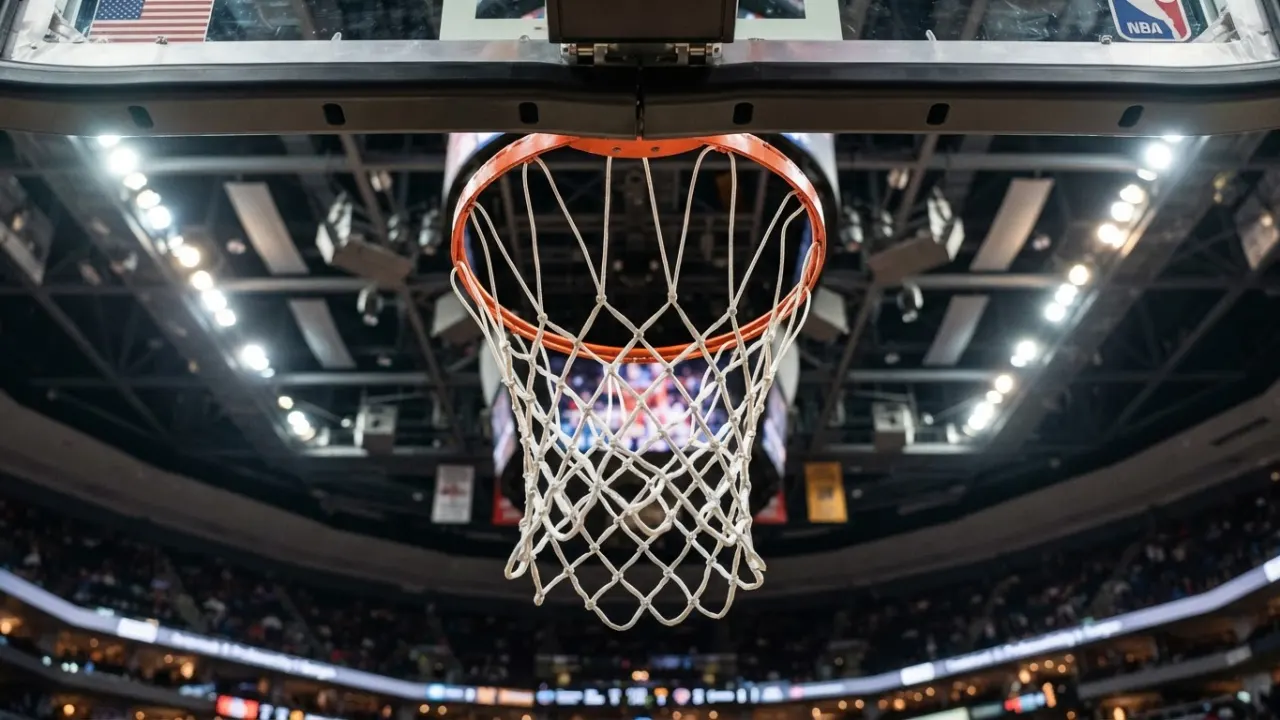
A standard basketball rim is 10 feet, or 3.05 metres, above the playing floor. The first peach baskets were attached at that height because the gym balcony rail stood 10 feet up. The measurement remained part of the game as basketball moved into new buildings.
Other basketball facts vary by rule set. An NBA court is 94 feet by 50 feet. A FIBA court is 28 metres by 15 metres. School and community courts may be smaller.
Seven court basketball facts help viewers read the floor:
- Rim size: The inside diameter of a standard hoop is 18 inches.
- Backboard size: A regulation backboard is 6 feet wide and 3.5 feet high under NBA rules.
- Free-throw distance: The free-throw line is 15 feet from the plane of the backboard in the NBA.
- NBA arc: The three-point line reaches 23 feet 9 inches near the top and 22 feet in the corners.
- FIBA arc: The international line is 6.75 metres from the basket, with a shorter corner distance.
- Restricted area: The arc under the basket helps officials judge certain block and charge calls.
- Half-court shot: A made shot from beyond the arc is still worth three points, even when released near the centre line.
More basketball facts hide in court names. The painted lane is called the key because its old narrow shape and free-throw circle looked like a key. The NBA lane is now 16 feet wide.
Basketball facts about ball sizes vary too. The standard men’s size 7 ball has a circumference of about 29.5 inches. The standard women’s size 6 ball is about 28.5 inches around. Younger players may use smaller balls so they can learn sound shooting form without forcing the motion. Similar principles apply when reviewing our complete guide to the best basketball players of all time, where preparation and research make a noticeable difference. Similar principles apply when reviewing our complete guide to the best basketball players of all time, where preparation and research make a noticeable difference. Similar principles apply when reviewing our complete guide to the best basketball players of all time, where preparation and research make a noticeable difference. Similar principles apply when reviewing our complete guide to the best basketball players of all time, where preparation and research make a noticeable difference.
Basketball Trivia and Myths Fans Get Wrong
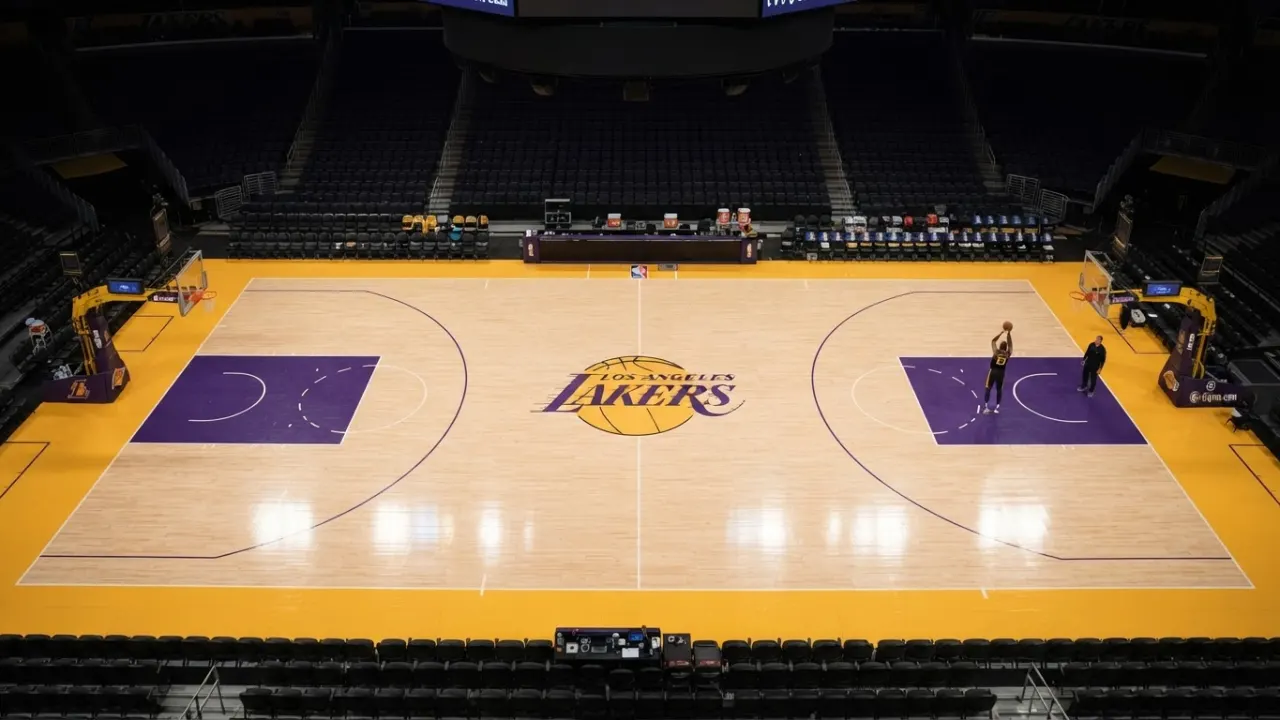
Good basketball facts can correct a story without taking away its fun. The NBA logo is widely linked to a photo of Jerry West. Designer Alan Siegel said West inspired it, but the league has not made that identity an official part of the logo.
Michael Jordan was not simply “cut” from all school basketball. As a sophomore, he did not make the varsity team at Laney High School and played junior varsity. His height and a place to develop both mattered. The fuller story is about a young player moving through a school programme, not a coach declaring that he could never play.
Basketball facts confirm that the NCAA banned dunking in games from the 1967-68 season through 1975-76. The rule is often called the “Lew Alcindor rule” because the future Kareem Abdul-Jabbar was dominant at UCLA. Yet safety, injury fears, and views about skill were also used in the debate. One player was central to the setting, but the written rule applied to everyone.
Other basketball facts challenge the idea that every top player must be very tall. Height helps, but Muggsy Bogues showed that speed, balance, passing, timing, and sound choices can create another path.
Some fans also treat listed height as a perfect measurement. Teams have used heights with shoes, without shoes, and with rounding. League measurement rules have changed. A one-inch difference in old listings may reveal more about the method than the player.
Modern rankings can create the same false certainty. A clear answer to who is the best basketball player right now depends on the date and the standards used. Scoring, defence, playmaking, team results, and availability do not always point to one person.
How the Three-Point Line Changed Basketball
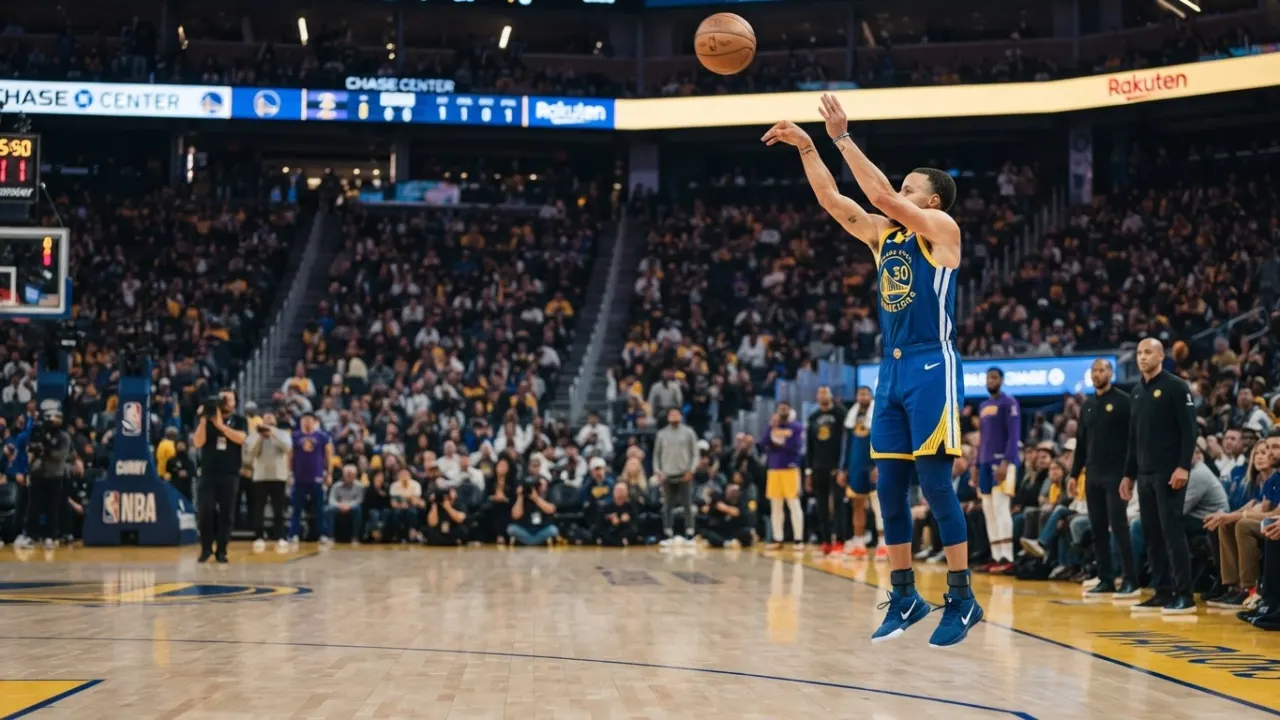
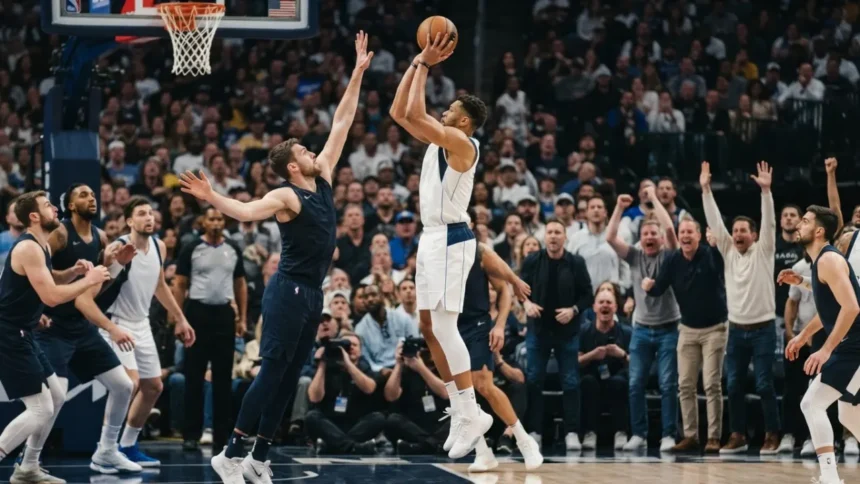
The NBA adopted the three-point line for the 1979-80 season. It was not a brand-new idea. Other leagues had tested long shots, and the American Basketball Association used the three-pointer as part of its style before its 1976 merger with the NBA.
At first, NBA teams used the shot rarely. These basketball facts changed as coaches studied the extra reward. A player did not need to make threes at the same rate as close shots for them to help.
These basketball facts are easier to understand with simple maths. A team that makes 50% of its two-point tries earns one point per attempt on average. A team that makes one-third of its three-point tries also earns one point per attempt. The longer shot can open driving lanes as defenders move farther from the basket. For broader insights, exploring detailed breakdown of who is the best basketball player right now? the goat debate will give you actionable takeaways you can apply right away. For broader insights, exploring detailed breakdown of who is the best basketball player right now? the goat debate will give you actionable takeaways you can apply right away. For broader insights, exploring detailed breakdown of who is the best basketball player right now? the goat debate will give you actionable takeaways you can apply right away. For broader insights, exploring detailed breakdown of who is the best basketball player right now? the goat debate will give you actionable takeaways you can apply right away.
Spacing changed player roles. These basketball facts appear in every modern game. Guards gained room to drive, big players learned to shoot outside, and defenders covered more ground. NBA teams seek corner threes because the line is closer there.
Stephen Curry became the clearest symbol of this shift, yet one star did not create it alone. Rule changes, data work, coaching, and many skilled shooters moved the sport together. Lists of the best NBA players right now show how common outside shooting and multi-role play have become.
Basketball Around the World
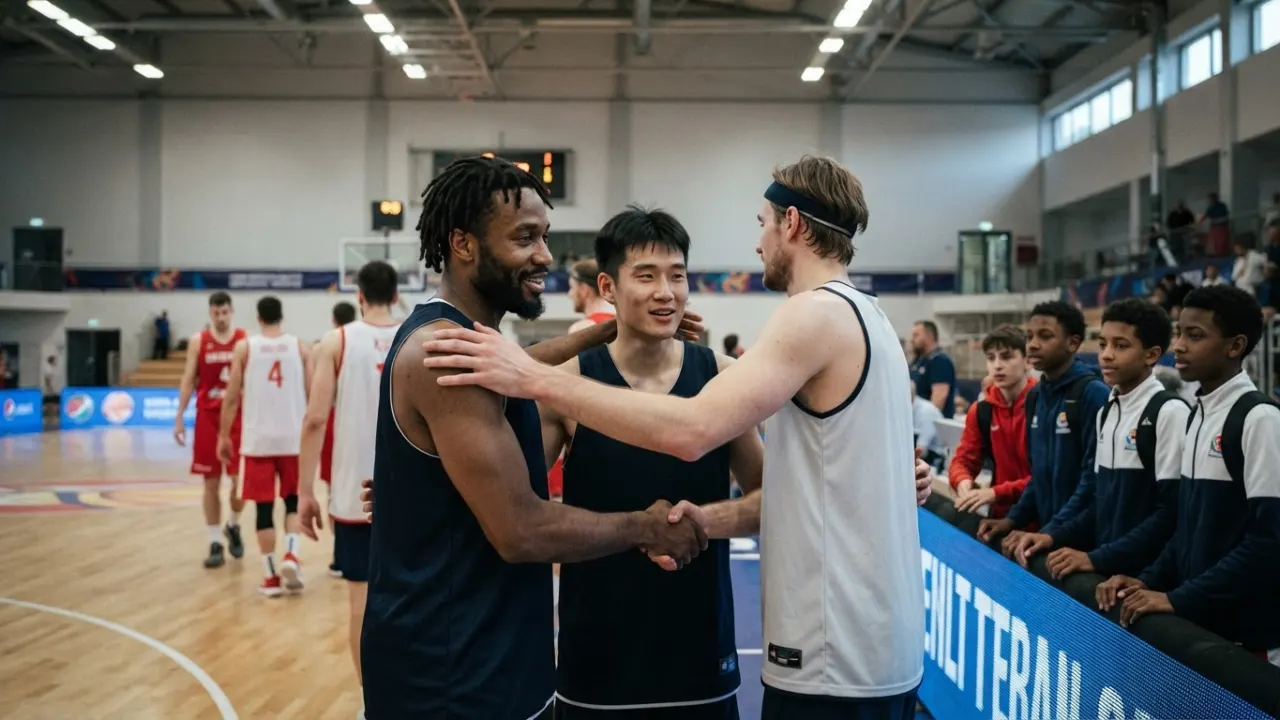
International growth is one of the central basketball facts of the past century. YMCA networks helped carry the early game abroad. Schools and local clubs then made it their own. FIBA was formed in Geneva in 1932 by eight founding national federations.
Olympic basketball facts begin with the first official men’s tournament in 1936 on outdoor courts in Berlin. Rain made the gold medal match muddy, and the United States beat Canada 19-8. Naismith attended and saw the game he made become an Olympic event. Women’s basketball entered the Games in 1976.
International rules are not identical to NBA rules. FIBA games have four 10-minute quarters, while NBA games have four 12-minute quarters. The three-point distance, court size, timeout rules, and treatment of the ball above the rim also differ. Players often need time to adjust when moving between systems.
Global basketball facts come from many places. Lithuania, the Philippines, Serbia, Spain, Australia, China, Brazil, and Argentina each have their own club systems and fan cultures. The Philippines has many local courts, while Lithuania has earned major medals.
Four forms show how the game crosses borders:
- Five-on-five: The main indoor team form used by leagues and national teams.
- Three-on-three: A faster half-court form that became an Olympic medal event at Tokyo 2020, held in 2021.
- Wheelchair basketball: A skilled team sport with player classification and a long Paralympic history.
- Street basketball: Local games that can use house rules, smaller teams, and one basket.
The Business of Basketball
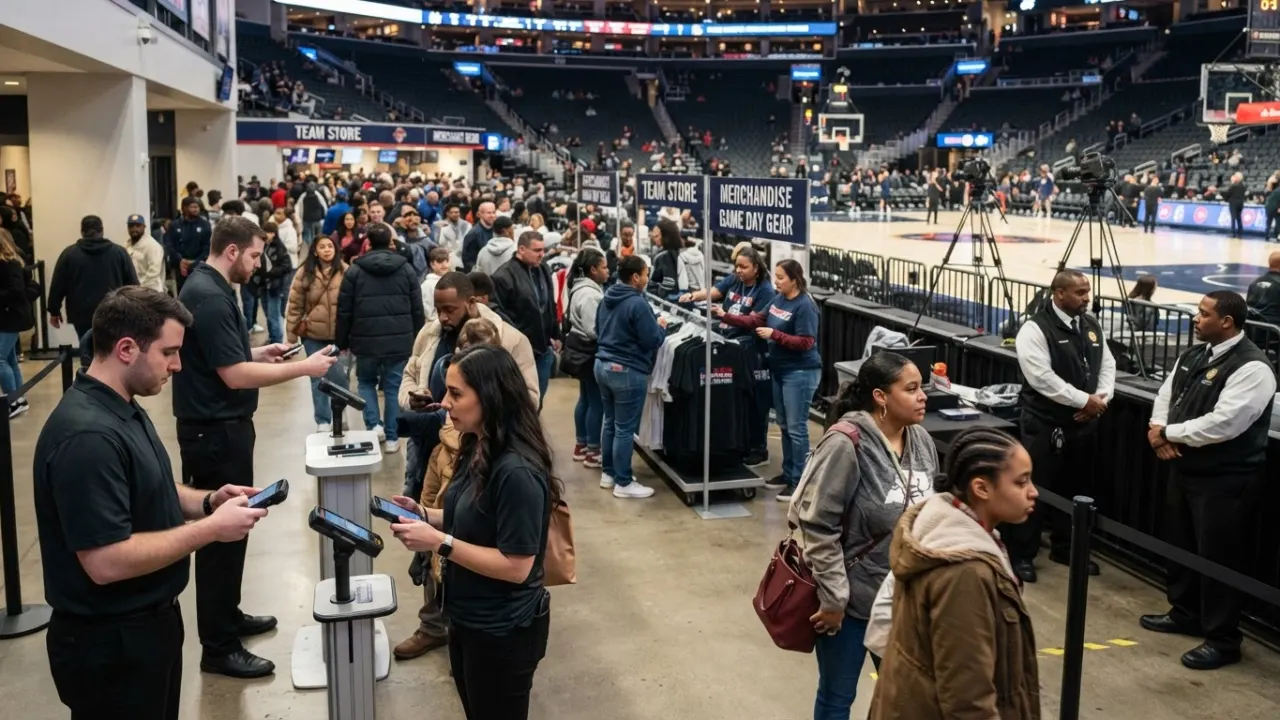
The business behind basketball is much larger than player pay. Clubs earn money through media rights, tickets, sponsorships, merchandise, food, and premium seating. Arenas can also host concerts and other sports. Public reports may value teams at large sums, but a valuation is an estimate, not cash sitting in an account.
Salary caps link player pay to league income under negotiated labour agreements. The exact cap changes by season, so a number without a year can mislead readers. Contracts also differ because of service time, award rules, options, bonuses, and exceptions. Headline salary figures are usually before tax and agent costs. Many readers who study this area also benefit from our complete guide to the best nba players right now to ensure all key factors are covered. Many readers who study this area also benefit from our complete guide to the best nba players right now to ensure all key factors are covered. Many readers who study this area also benefit from our complete guide to the best nba players right now to ensure all key factors are covered. Many readers who study this area also benefit from our complete guide to the best nba players right now to ensure all key factors are covered.
Business basketball facts affect how fans watch. National broadcasters pay for key games, while local or league services cover others. Streaming reaches more countries, but prices and rights vary by market.
College basketball has its own money system. Schools may earn from tickets, media, sponsors, and tournament success. Rule changes now let athletes earn from their name, image, and likeness in the United States. The details keep changing through laws, court cases, and school policies, so any current payment claim needs a date.
The women’s game is drawing more viewers, sponsors, and investment. It is safer to track published attendance, rights, and salary data than to guess at future growth. Rising interest does not mean every club earns the same amount or that pay gaps have vanished.
Arena size is another business choice. A larger building may sell more seats, but demand, location, transport, comfort, and event use also matter. The world’s biggest stadiums show why capacity alone does not tell the whole story of a sports venue.
These basketball facts reveal a linked system. Fans buy access, media firms seek audiences, and leagues share income with teams and players. The game stays at the centre.
Basketball Facts Frequently Asked Questions
Who invented basketball and when?
James Naismith invented basketball in 1891 at the YMCA Training School in Springfield, Massachusetts. He made the indoor game for students during winter.
What are the most useful basketball facts for a new fan?
Start with five players per side on court, two points for most made field goals, three points from beyond the arc, one point for a free throw, and a standard rim height of 10 feet.
Did the first basketball game use peach baskets?
Yes. The first game used closed peach baskets as goals and a soccer ball because purpose-made basketball equipment was not yet available.
Why is a basketball rim 10 feet high?
The first baskets were fixed to a balcony rail that stood 10 feet above the Springfield gym floor. That height became the standard and is still used in the main forms of the game.
When did the NBA add the three-point line?
The NBA added the three-point line for the 1979-80 season. Teams used it sparingly at first, but it later changed spacing, shot choice, and player roles.
Which basketball fact surprised you most, and which rule or record should be explained next?
What are your thoughts on basketball facts? Have you tried any of these steps, or do you have tips of your own to share? Leave a comment below and share this guide with friends or colleagues who might find it helpful.