



2. Rungrado 1st of May Stadium, Pyongyang, North Korea – 114,000

The Rungrado May Day Stadium is the second largest stadium in the world by capacity and the largest in North Korea. It hosts football matches, athletics events, and the Mass Games, a spectacular performance involving hundreds of thousands of participants. Very few international visitors have attended events there. This guide covers everything about biggest stadiums in world 2026.
3. Michigan Stadium, Ann Arbor, USA – 107,601

Known as The Big House, Michigan Stadium is the largest American sports stadium by seated capacity. Home to the University of Michigan Wolverines college American football team, it regularly sells out to over 100,000 fans on game days. The atmosphere during major college football fixtures is considered one of the most intense in all of American sport.
4. Beaver Stadium, Pennsylvania, USA – 106,572
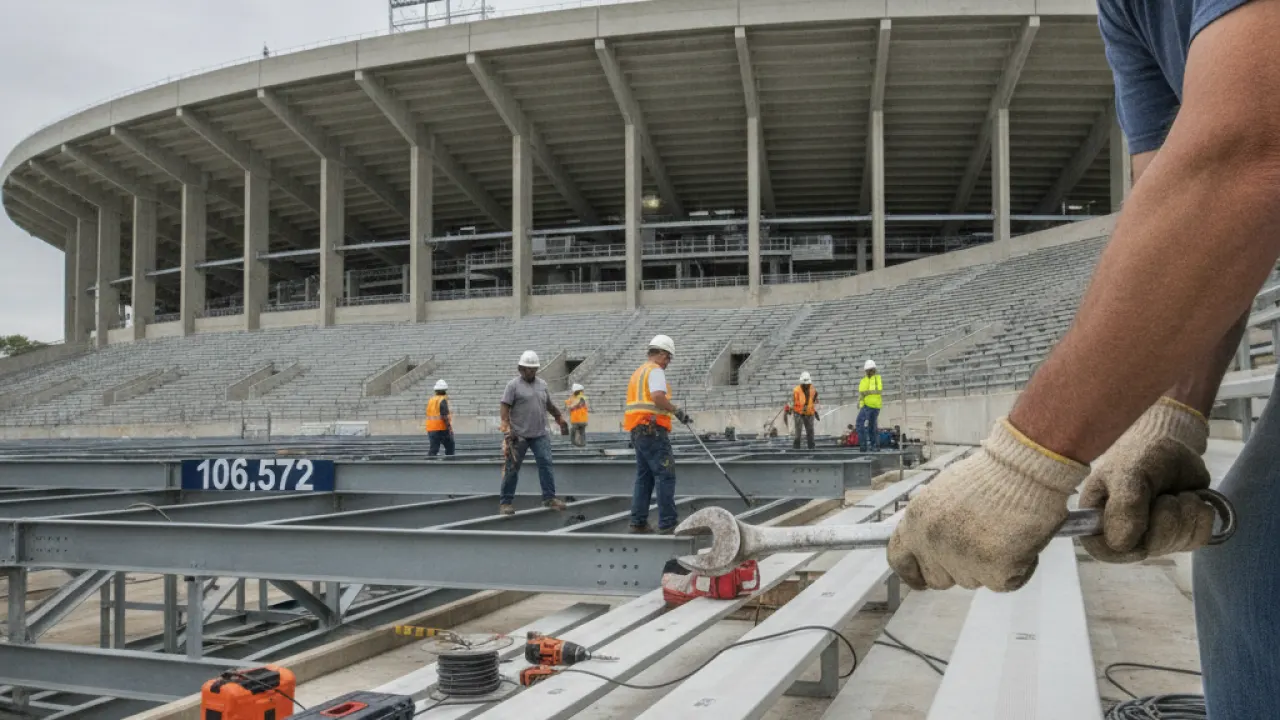
Beaver Stadium is home to Penn State Nittany Lions college football. Like Michigan Stadium, it generates enormous crowds for major games and creates a unique game day atmosphere unique to American college sport. For more background, see Wikipedia reference.
5. Ohio Stadium, Columbus, USA – 102,780

Ohio Stadium, known as The Horseshoe due to its shape, is one of the most recognisable venues in American college football. It hosts Ohio State Buckeyes home games and is a historic venue that has hosted some of the most celebrated moments in college football history. Also see: sports facts and records.
6. Kyle Field, Texas, USA – 102,733
Kyle Field at Texas A&M University holds over 100,000 spectators for college American football. The 12th Man tradition, where all fans in the crowd remain standing throughout the game as symbolic support players, is one of the most famous in American sport. Also: sports stadiums facts.
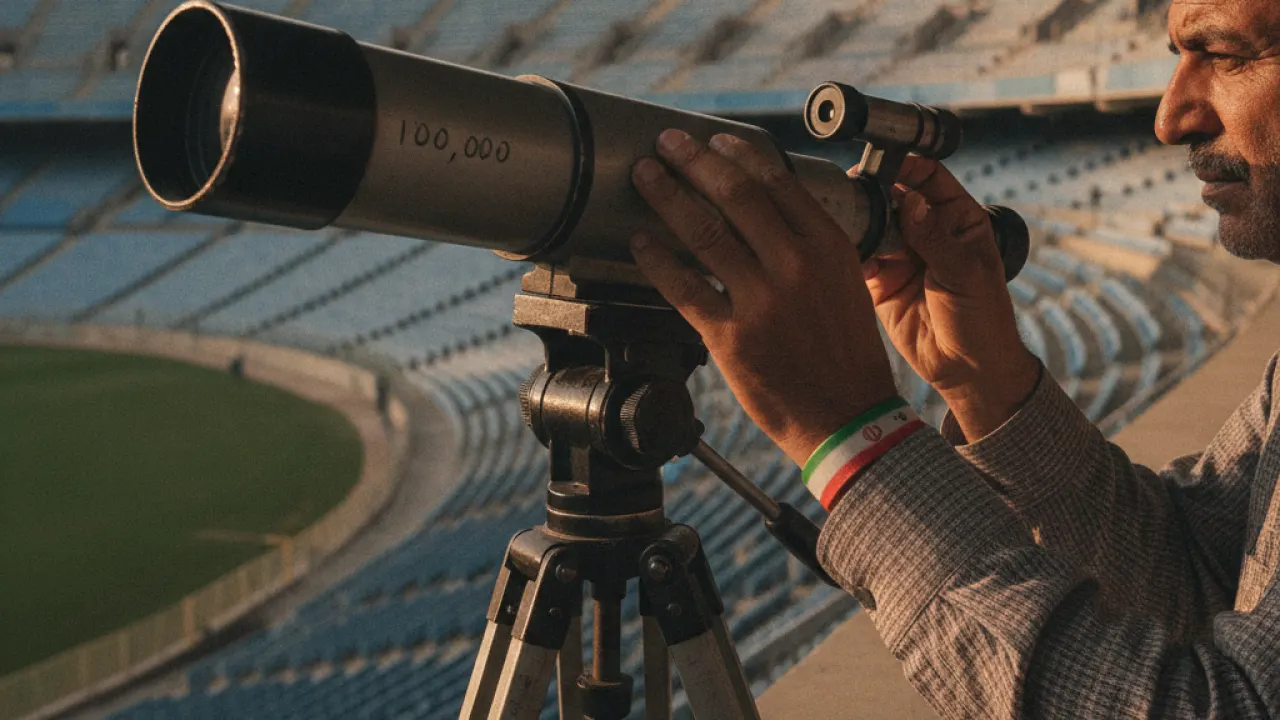
7. Azadi Stadium, Tehran, Iran – 100,000

The Azadi Stadium is the largest football stadium in the Middle East and one of the largest in the world. Home to Iranian national football team matches and two of the country’s biggest club sides, it creates an extraordinary atmosphere for international fixtures. See also our guide on Fastest Growing Cities in World 2026.
8. Wembley Stadium, London, UK – 90,000
Wembley is the largest stadium in the United Kingdom and one of the most famous sports venues in the world. Home to England national football team matches, the FA Cup Final, and major music events, the stadium’s arch is one of the most recognisable structures on the London skyline. The original Wembley hosted the 1966 World Cup Final. See also our guide on Most Expensive Watch in World 2026.
‘s arch is one of the most recognisable structures on the London skyline. The original Wembley hosted the 1966 World Cup Final.9. Camp Nou, Barcelona, Spain – 99,354 (after redevelopment)
<figure class="wp-block-image size-lCamp Nou, home to FC Barcelona, is undergoing major redevelopment in 2026 that will increase its capacity. It has historically been the largest club football stadium in Europe and one of the most visited sports venues in the world. The stadium is a landmark of Barcelona and attracts enormous numbers of tourists even on non-match days. See also our guide on UK Population by City 2026.
l increase its capacity. It has historically been the largest club football stadium in Europe and one of the most visited sports venues in the world. The stadium is a landmark of Barcelona and attracts enormous numbers of tourists even on non-match days.Biggest Football Stadiums in UK
The largest stadium primarily used for football is the Rungrado 1st of May Stadium in Pyongyang, North Korea, at 114,000 capacity. Among stadiums used for football in major international competitions, Azadi Stadium in Tehran at 100,000 and Wembley in London at 90,000 rank among the largest in active regular use.
Has the UK ever had a stadium over 100,000 capacity?
Yes. The original Wembley Stadium allowed over 100,000 people at historic matches. The 1923 FA Cup Final attracted an estimated 200,000 people, with thousands spilling onto the pitch. Modern safety regulations and all-seater requirements make such crowds impossible at any UK stadium today.
Why do American college football stadiums hold so many people?
American college football has enormous local importance that drives demand for large stadiums. Major universities are central to their communities and regional identities in a way that professional clubs are not in most countries. Season ticket waiting lists stretch for years, driving investment in ever-larger venues to meet demand.
Why Stadiums Still Matter in the Streaming Era
Despite every sport being available to watch on television or streaming platforms in high quality, the demand for seats in the world’s biggest stadiums has not declined. If anything, the contrast between the passive screen experience and the active stadium experience has made attending live sport feel more special rather than less. The biggest stadiums in the world fill up because being part of an enormous crowd, experiencing the atmosphere, and sharing the moment with tens of thousands of others is something that no broadcast can replicate. That is why stadiums continue to be built and why the biggest ones remain among the most extraordinary spaces that humans have created.
Have you visited any of the world’s biggest stadiums, and if so, what was the experience like? Which stadium on this list is at the top of your bucket list? Let us know in the comments.
Here is a quick summary of what this guide covered. Biggest Stadiums in World 2026: Capacity and Facts requires attention to detail and the right information. The steps in this article give you a solid base to work from. Take action on the points that apply to your situation, and revisit this guide when you need a refresher. Good preparation always leads to better results, whatever the topic.
How Stadium Capacity Is Measured
Stadium capacity figures refer to the maximum number of seated spectators a venue can legally hold. Many stadiums have had capacity reduced from historical highs due to the introduction of all-seater stands, which typically hold fewer people than standing terraces. The figures below reflect current seated capacity in 2026.
The 10 Biggest Stadiums in World 2026
1. Narendra Modi Stadium, Ahmedabad, India – 132,000
2. Rungrado 1st of May Stadium, Pyongyang, North Korea – 114,000
3. Michigan Stadium, Ann Arbor, USA – 107,601
Ohio Stadium, known as The Horseshoe due to its shape, is one of the most recognisable venues in American college football. It hosts Ohio State Buckeyes home games and is a histori”8. Wembley Stadium, London, UK – 90,000 – biggest stadiums in world 2026″ />
Kyle Field at Texas A&M University holds over 100,000 spectators for college American football. The 12th Man tradition, where all fans in the crowd remain standing throughout the game as symbolic support players, is one of the most famous in American sport.
7. Azadi Stadium, Tehran, Iran – 100,000
The Azadi Stadium is the largest football stadium in the Middle East and one of the largest in the world. Home to Iranian national football team matches and two of the country’s biggest club sides, it creates an extraordstralia – 100,024 – biggest stadiums in world 2026″ / 10.
Melbourne Cricket Ground, Melbourne, Australia – 100,024 Wembley is the largest stadium in the United Kingdom and one of the most famous sports venues in the world. Home to England national football team matches, the FA Cup Final, and major music events, the stadium’s arch is one of the most recognisable structures on thealt in Europe and one of the most visited sports venues in the world. The stadium is a landmark of Barcelona and attracts enormous numbers of tourists even on non-match days.
10. Melbourne Cricket Ground, Melbourne, Australia – 100,024
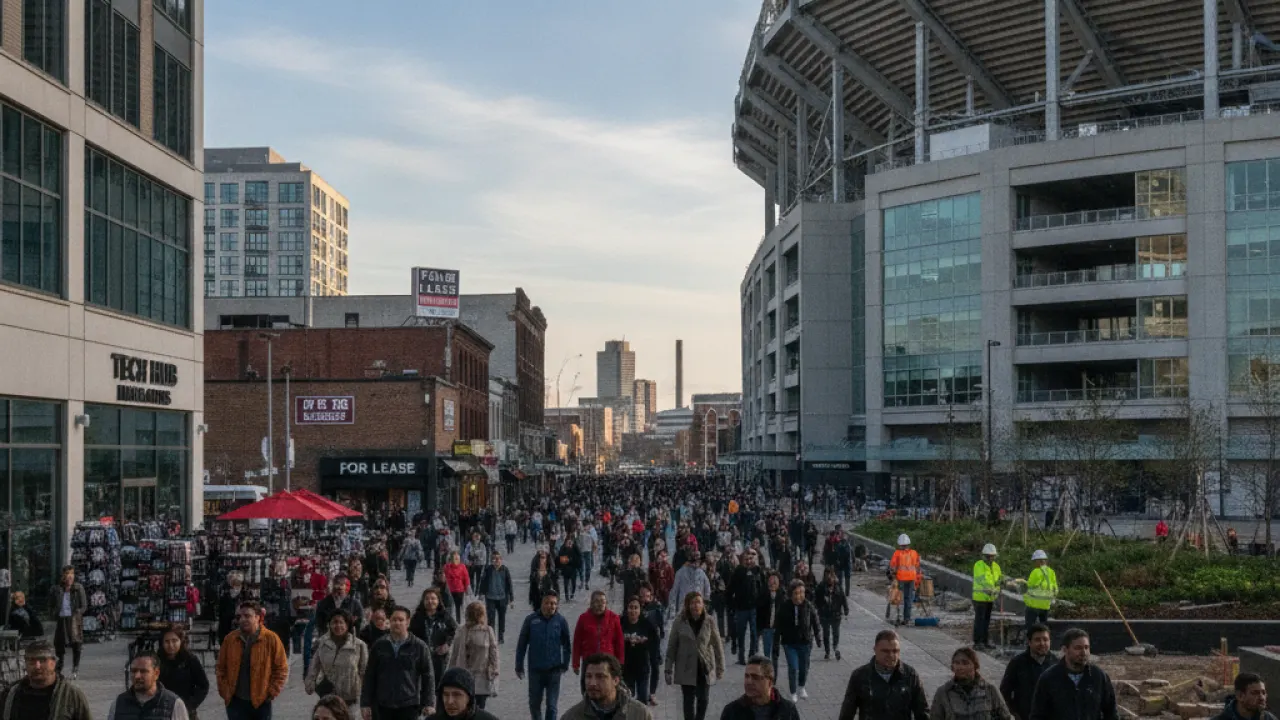
The MCG is crowds of over 80,000.
Stadium Records Beyond Capacity
The biggest stadiums in the world also hold various records beyond simple capacity:
- The largest recorded attendance at a football match was approximately 199,854 at the 1950 World Cup final between Uruguay and Brazil at the Maracana in Rio de Janeiro
- The loudest stadium crowd ever recorded measured 142.2 decibels at Arrowhead Stadium in Kansas City during a Kansas City Chiefs NFL game
- The most expensive stadium ever built is SoFi Stadium in Los Angeles, completed in 2020 at a cost of $5.5 bilrth Korea, at 114,000 capacity. Among stadiums used for football in major international competitions, Azadi Stadium in Tehran at 100,000 and Wembley in London at 90,000 rank among the largest in active regular use.
Has the UK ever had a stadium over 100,000 capacity?
2. Rungrado 1st of May Stadium, Pyongyang, North Korea – 114,000</fs hold so many people? American college football has enormous local importance that drives demand for large stadiums. Major universities are central to their commuand for seats in the world’s biggest stadiums has not declined. If anything, the contrast between the passive screen experience and the active stadium experience has made attending live sport feel more special rather than less. The biggest stadiums in the world fill up because being part of an enormous crowd, experiencing the atmosphere, and sharing the moment with tens of thousands of others is something that no broadcast can replLet us know in the comments.
Here is a quick summary of what this guide covered. Biggest Stadts, whatever the topic.
The biggest stadiums in the world are genuinely impressive feats of engineering and architecture. Some hold over 100,000 people and have witnessed some of the most historic moments in global sport. This guide covers the largest stadiums by capacity across football, cricket, American football, and athletics, and what makes each one remarkable.
How Stadium Capacity Is Measured
Stadium capacity figures refer to the maximum number of seated spectators a venue can legally hold. Many stadiums have had capacity reduced from historical highs due to the introduction of all-seater stands, which typically hold fewer people than standing terraces. The figures below reflect current seated capacity in 2026.
The 10 Biggest Stadiums in World 2026
1. Narendra Modi Stadium, Ahmedabad, India – 132,000
The Narendra Modi Stadium in Ahmedabad is the largest cricket stadium in the world and the largest sports stadium of any kind by seated capacity. It was redeveloped and expanded in 2020, replacing the old Sardar Patel Stakers positioned throughout the stadium reduce the effect of distance on audio quality. Roof structures play an important role in containing and directing sound as well as providing cover from rain.
The Economic Impact of Large Stadiums
2026 – biggest stadiums in world 2026″ /><figcaptid merchandise. The total economic output of a major match at a large venue can run into millions of pounds or dole singing of You’ll Never Walk Alone and a consistently electric atmosphere during European nights - San Siro, Milan (capacity 80,018) – shared by AC Milan and Inter 5) – home of Borussia Dortmund, with Europe’s largest standing section in a major stadium creating an atmosphere that visiting players consistently describe as overwhelming
- Eden Gardens, Kolkata (capacity 66,349) – India’s most historic tmosphere, with crowds of 80,000 to 90,000 on the opening day, is one of cricket’s great annual events
Future of Stadium Development
Has the UK ever had a stadium over 100,000 capacity?
Why do American college football stadiums hold so many people?
Why Stadiums Still Matter in the Streaming Era
Despite every sport being available to watch on television or streaming platforms in high quality, the demand for seats in the world’s biggest stadiums has not declined. If anything, the contrast between the passive screen experience and the active stadium experience has made attending live sport feel more special rather than less. The biggest stadiums in the world fill up because being part of an enormous crowd, experiencing the atmosphere, and sharing the moment with tens of thousands of others is something that no broadcast can replicate. That is why stadiums continue to be built and why the biggest ones remain among the most extraordinary spaces that humans have created.
Have you visited any of the world’s biggest stadiums, and if so, what was the experience like? Which stadium on this list is at the top of your bucket list? Let us know in the comments.
Here is a quick summary of what this guide covered. Biggest Stadiums in World 2026: Capacity and Facts requires attention to detail and the right information. The steps in this article give you a solid base to work from. Take action on the points that apply to your situation, and revisit this guide when you need a refresher. Good prepa
What has your experience with biggest stadiums in world 2026 been? Do you have any questions or tips to share? Leave a comment below. This guide shows you how the biggest stadiums in world 2026 fits real life.
en? Do you have any questions or tips to share? Leave a comment below.Start with the basics of the biggest stadiums in world 2026 and build from there.
The biggest stadiums in world 2026 removes common barriers that stop people from starting.
Follow the biggest stadiums in world 2026 for the full period to see real results.
The biggest stadiums in world 2026 scales as you get more experienced.
Sticking to the biggest stadiums in world 2026 matters more than any single step.
The biggest stadiums in world 2026 gives you a clear structure every week.
Use the biggest stadiums in world 2026 as your base and adjust it to your level.
Many people find the biggest stadiums in world 2026 easier to follow than complex alternatives.
Results from the biggest stadiums in world 2026 come from repetition, not perfection.
Keep the biggest stadiums in world 2026 simple and focus on showing up consistently.
The biggest stadiums in world 2026 works when you follow it consistently.
This guide shows you how the biggest stadiums in world 2026 fits real life.
Start with the basics of the biggest stadiums in world 2026 and build from there.
The biggest stadiums in world 2026 removes common barriers that stop people from starting.
Follow the biggest stadiums in world 2026 for the full period to see real results.
The biggest stadiums in world 2026 scales as you get more experienced.
Sticking to the biggest stadiums in world 2026 matters more than any single step.
The biggest stadiums in world 2026 gives you a clear structure every week.
Use the biggest stadiums in world 2026 as your base and adjust it to your level.
Many people find the biggest stadiums in world 2026 easier to follow than complex alternatives.
Results from the biggest stadiums in world 2026 come from repetition, not perfection.
Keep the biggest stadiums in world 2026 simple and focus on showing up consistently.
The biggest stadiums in world 2026 works when you follow it consistently.
This guide shows you how the biggest stadiums in world 2026 fits real life.
Start with the basics of the biggest stadiums in world 2026 and build from there.
The biggest stadiums in world 2026 removes common barriers that stop people from starting.
Follow the biggest stadiums in world 2026 for the full period to see real results.
The biggest stadiums in world 2026 scales as you get more experienced.
Sticking to the biggest stadiums in world 2026 matters more than any single step.
The biggest stadiums in world 2026 gives you a clear structure every week.
Use the biggest stadiums in world 2026 as your base and adjust it to your level.
Many people find the biggest stadiums in world 2026 easier to follow than complex alternatives.
Results from the biggest stadiums in world 2026 come from repetition, not perfection.
Keep the biggest stadiums in world 2026 simple and focus on showing up consistently.
The biggest stadiums in world 2026 works when you follow it consistently.
This guide shows you how the biggest stadiums in world 2026 fits real life.
Start with the basics of the biggest stadiums in world 2026 and build from there.
The biggest stadiums in world 2026 removes common barriers that stop people from starting.
Follow the biggest stadiums in world 2026 for the full period to see real results.
The biggest stadiums in world 2026 scales as you get more experienced.
Sticking to the biggest stadiums in world 2026 matters more than any single step.
The biggest stadiums in world 2026 gives you a clear structure every week.
Use the biggest stadiums in world 2026 as your base and adjust it to your level.
Many people find the biggest stadiums in world 2026 easier to follow than complex alternatives.
Results from the biggest stadiums in world 2026 come from repetition, not perfection.
Keep the biggest stadiums in world 2026 simple and focus on showing up consistently.
The biggest stadiums in world 2026 works when you follow it consistently.
This guide shows you how the biggest stadiums in world 2026 fits real life.
Start with the basics of the biggest stadiums in world 2026 and build from there.
The biggest stadiums in world 2026 removes common barriers that stop people from starting.
Follow the biggest stadiums in world 2026 for the full period to see real results.
The biggest stadiums in world 2026 scales as you get more experienced.
Sticking to the biggest stadiums in world 2026 matters more than any single step.
The biggest stadiums in world 2026 gives you a clear structure every week.
Use the biggest stadiums in world 2026 as your base and adjust it to your level.
Many people find the biggest stadiums in world 2026 easier to follow than complex alternatives.
Results from the biggest stadiums in world 2026 come from repetition, not perfection.
Keep the biggest stadiums in world 2026 simple and focus on showing up consistently.
The biggest stadiums in world 2026 works when you follow it consistently.
This guide shows you how the biggest stadiums in world 2026 fits real life.
Start with the basics of the biggest stadiums in world 2026 and build from there.
The biggest stadiums in world 2026 removes common barriers that stop people from starting.
Follow the biggest stadiums in world 2026 for the full period to see real results.
The biggest stadiums in world 2026 scales as you get more experienced.
Sticking to the biggest stadiums in world 2026 matters more than any single step.
The biggest stadiums in world 2026 gives you a clear structure every week.
Use the biggest stadiums in world 2026 as your base and adjust it to your level.
Many people find the biggest stadiums in world 2026 easier to follow than complex alternatives.
Results from the biggest stadiums in world 2026 come from repetition, not perfection.
Keep the biggest stadiums in world 2026 simple and focus on showing up consistently.
The biggest stadiums in world 2026 works when you follow it consistently.
This guide shows you how the biggest stadiums in world 2026 fits real life.
Start with the basics of the biggest stadiums in world 2026 and build from there.
The biggest stadiums in world 2026 removes common barriers that stop people from starting.
Follow the biggest stadiums in world 2026 for the full period to see real results.
The biggest stadiums in world 2026 scales as you get more experienced.
Sticking to the biggest stadiums in world 2026 matters more than any single step.
The biggest stadiums in world 2026 gives you a clear structure every week.
Use the biggest stadiums in world 2026 as your base and adjust it to your level.
Many people find the biggest stadiums in world 2026 easier to follow than complex alternatives.
Results from the biggest stadiums in world 2026 come from repetition, not perfection.
Keep the biggest stadiums in world 2026 simple and focus on showing up consistently.
The biggest stadiums in world 2026 works when you follow it consistently.
This guide shows you how the biggest stadiums in world 2026 fits real life.
Start with the basics of the biggest stadiums in world 2026 and build from there.
The biggest stadiums in world 2026 removes common barriers that stop people from starting.
Follow the biggest stadiums in world 2026 for the full period to see real results.
The biggest stadiums in world 2026 scales as you get more experienced.