

Some dogs just get it faster than others. If you want a dog that fits in with family life and doesn’t take months of frustration to train, choosing the right breed is half the battle. For more background, see Wikipedia reference.
Below are eight breeds that are genuinely good family dogs and easy to train. Each one has a real track record with families, not just a reputation built on looks.
Why Breed Matters for Training
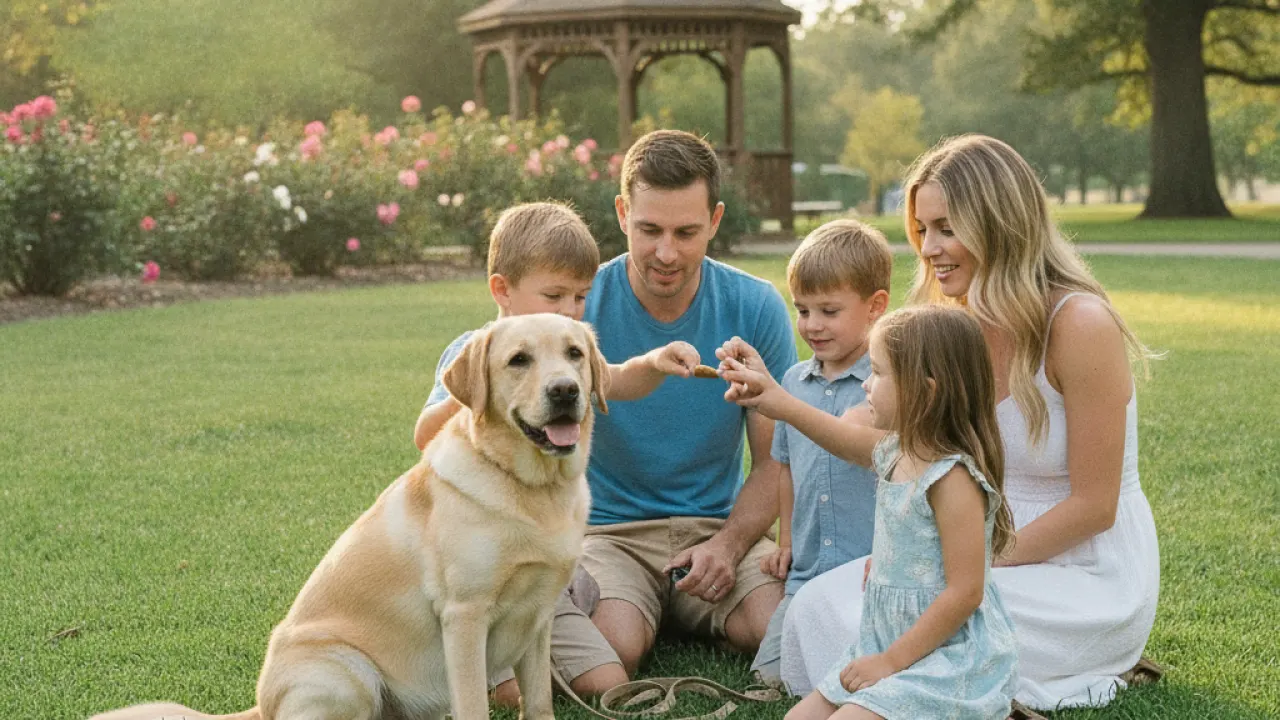
All dogs can learn. But some breeds were developed to work closely with people, follow directions, and solve problems. Those traits carry over into home training.
A dog bred for independent work, like a sled dog or scent hound, may be harder to hold attention during a training session. That doesn’t make them bad dogs. It just means they take more patience and experience. If you’re still figuring out which dog fits your household, our guide on choosing the right breed for your family walks through the key questions to ask first.
For families, especially those with kids or first-time dog owners, a breed that is naturally people-focused and eager to please makes the process much smoother.
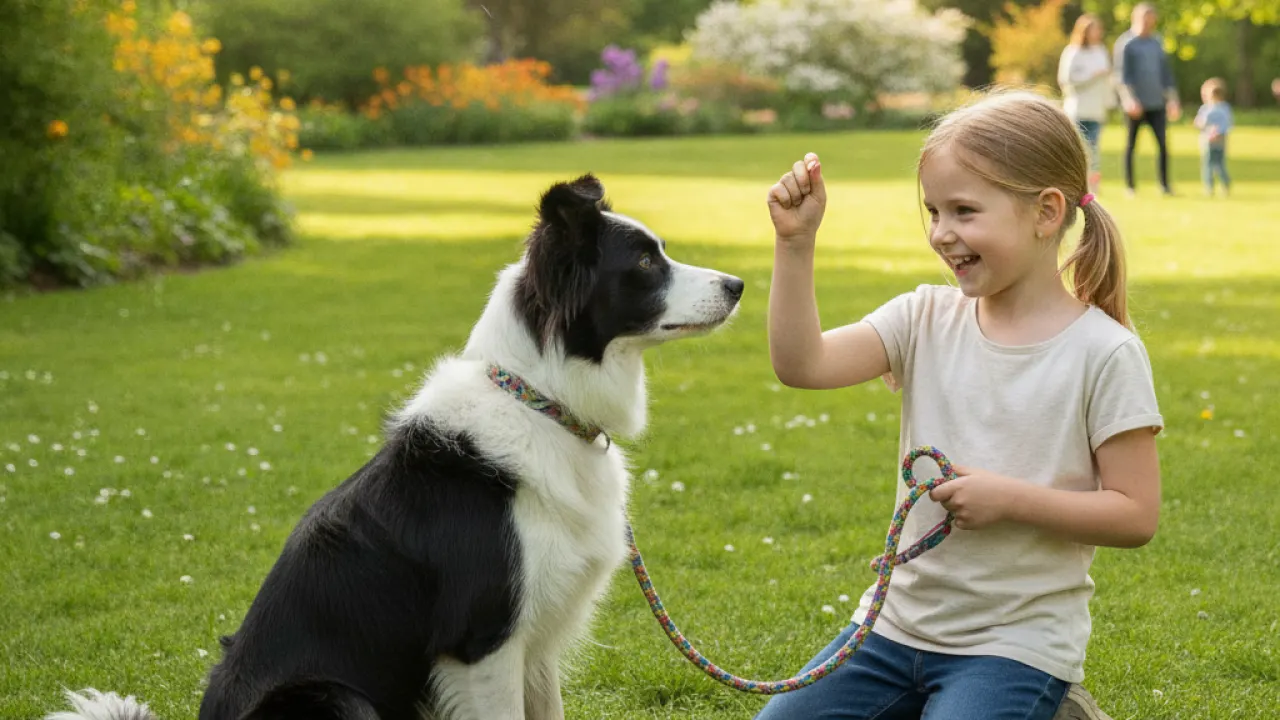
What Makes a Dog Easy to Train?
Four things matter most when it comes to trainability:
- Motivation to please – dogs that want your approval respond faster to praise and correction
- Attention span – a dog that can focus for five minutes learns faster than one that checks out after thirty seconds
- Low distraction threshold – breeds that stay on task even when squirrels or other dogs are nearby are easier to work with outdoors
- Low independence – dogs bred to make decisions on their own can ignore commands they don’t see a reason to follow
- Positive reinforcement response – most easy-to-train dogs respond well to treats and verbal praise, which makes reward-based training effective
- Gentle temperament – a dog that isn’t reactive or anxious can focus on learning instead of managing stress
The 8 Best Family Dogs That Are Easy to Train
These breeds are well-established as both family-friendly and responsive to training. They’re popular for good reason. For a broader look at popular family dog breeds, including some that didn’t make this list, that resource covers temperament and size across a wider range of options.
1. Golden Retriever
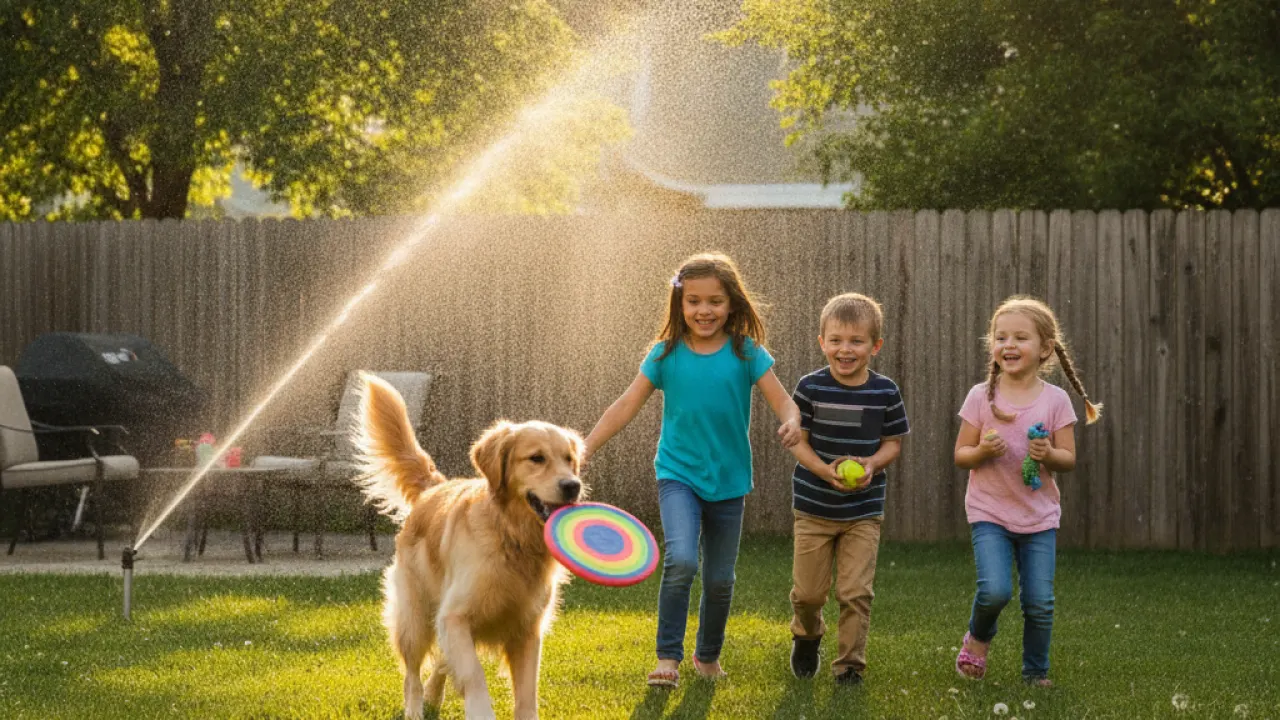
Golden Retrievers are one of the most consistent family dogs available. They are patient with children, friendly with strangers, and genuinely motivated to make their owners happy.
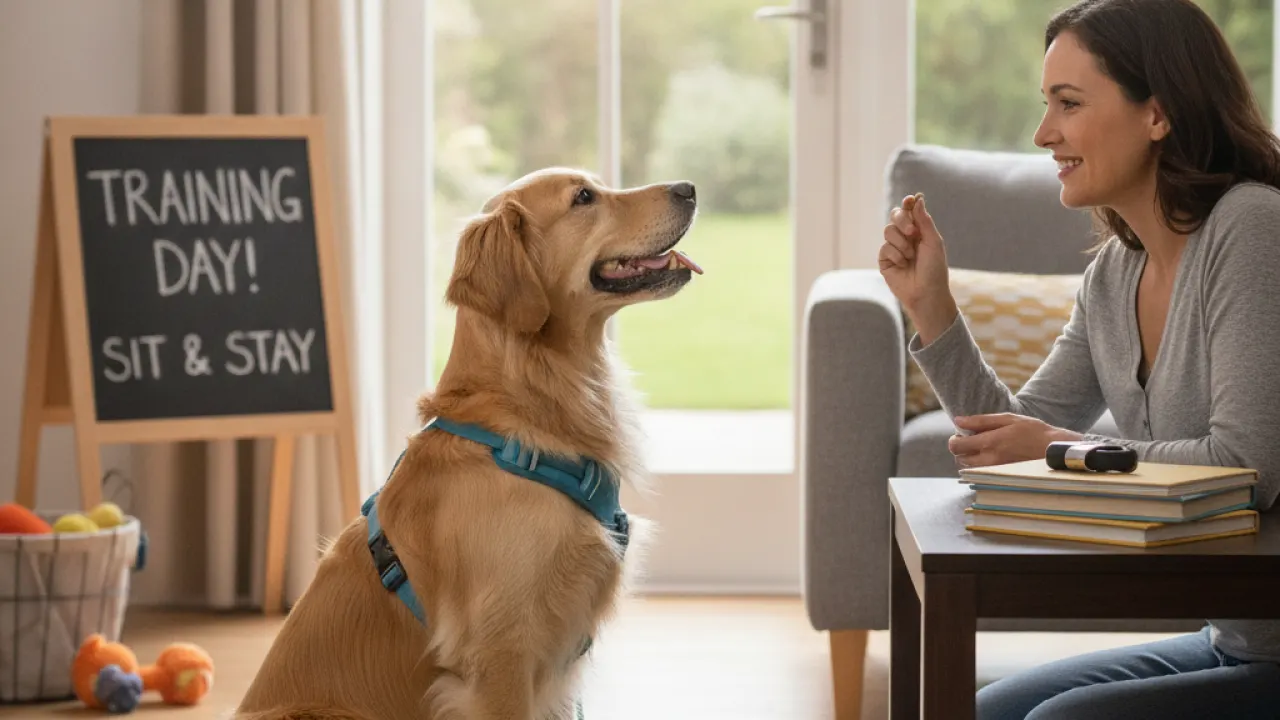
Training a Golden Retriever is usually straightforward. They respond well to positive reinforcement, pick up basic commands quickly, and rarely show aggression. They do get distracted sometimes, usually by other people or smells, but they come back to focus without much effort.
They need regular exercise. A bored Golden can become destructive, so daily walks and playtime are part of the deal. They’re also prone to some health issues like hip dysplasia, so keeping them at a healthy weight matters.
2. Labrador Retriever
Labs are the most popular dog breed in the United States, and that’s partly because they work so well in family settings. They’re energetic, friendly, and very responsive to training.
Labs were originally bred to retrieve game birds and work alongside hunters, which means they have strong focus and enjoy tasks. That work ethic shows up in training. They sit, stay, come, and heel with relatively few repetitions compared to many other breeds.
One thing to know: Labs are mouthy when young. Puppy biting is common, and they need consistent correction early. They also eat a lot and gain weight easily, so portion control matters from the start. If you are looking to expand your knowledge, reading our complete guide to the best family dogs provides useful background context. If you are looking to expand your knowledge, reading our complete guide to the best family dogs provides valuable background context.
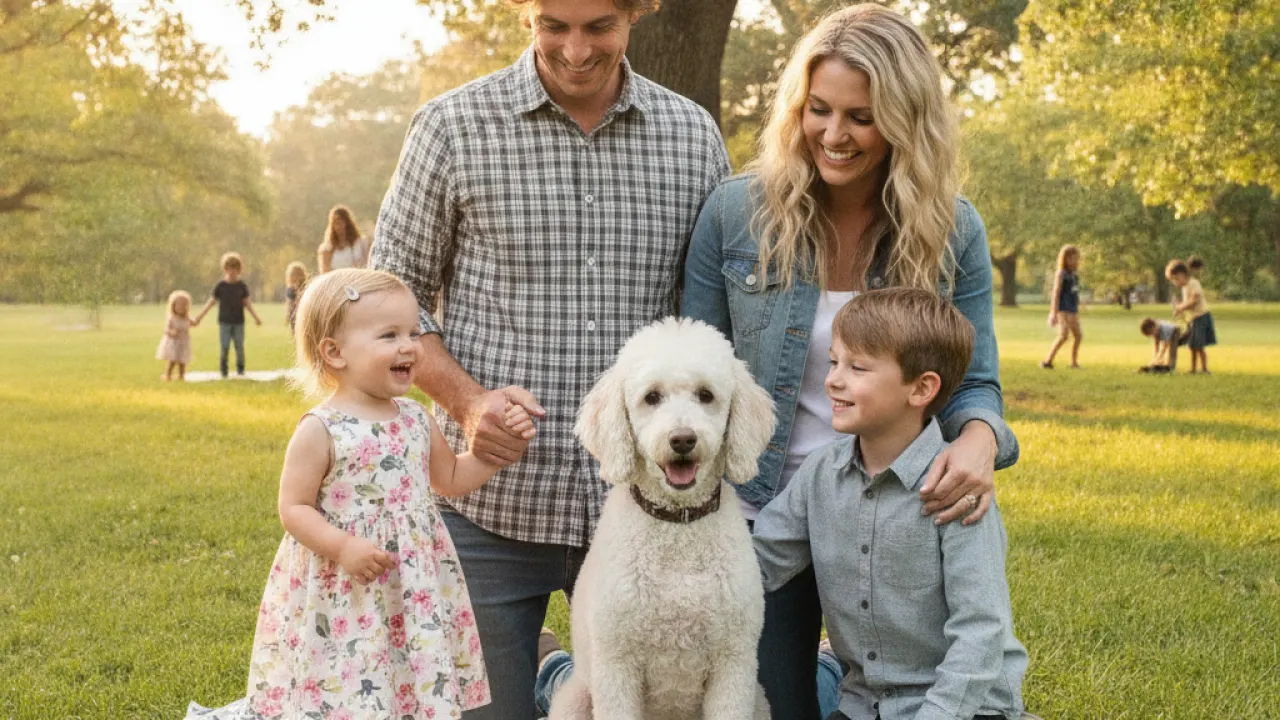
3. Poodle
Poodles are often misread as show dogs. In reality, they’re working dogs with some of the highest intelligence scores among all breeds. Standard Poodles especially are excellent family dogs.
They learn fast. Very fast. The downside is they also get bored fast. If you keep training sessions short and varied, Poodles thrive. They also adapt well to apartment living if given enough exercise.
Their low-shedding coat is a bonus for families with allergies, though it requires regular grooming to stay manageable. Miniature and Toy Poodles are also trainable, but Standard Poodles tend to be calmer and more patient with younger children.
4. Border Collie
Border Collies are often listed as the most intelligent dog breed. They were developed to herd sheep using eye contact, body posture, and commands, which means they’re built to pay attention and respond quickly.
They learn commands in very few repetitions. Some Border Collies can learn a new command after seeing it five times. But they need a job. A Border Collie that doesn’t get enough mental stimulation will redirect that energy in ways you won’t enjoy.
They’re best suited to active families with older children. They can be too intense for toddlers and may try to herd small kids. With the right family, they’re remarkable companions.
5. Shetland Sheepdog
Shelties look like miniature Rough Collies. They’re quieter than Border Collies but still very smart and responsive to training. They tend to bond closely with their family and are gentle with children.
They excel at obedience and agility and pick up commands with minimal repetition. They can be shy around strangers, so early socialization is important. They’re also known for barking, which is worth knowing before bringing one home.
For families that want a smaller, highly trainable dog that doesn’t require the intense exercise of a Border Collie, Shelties are a solid option.
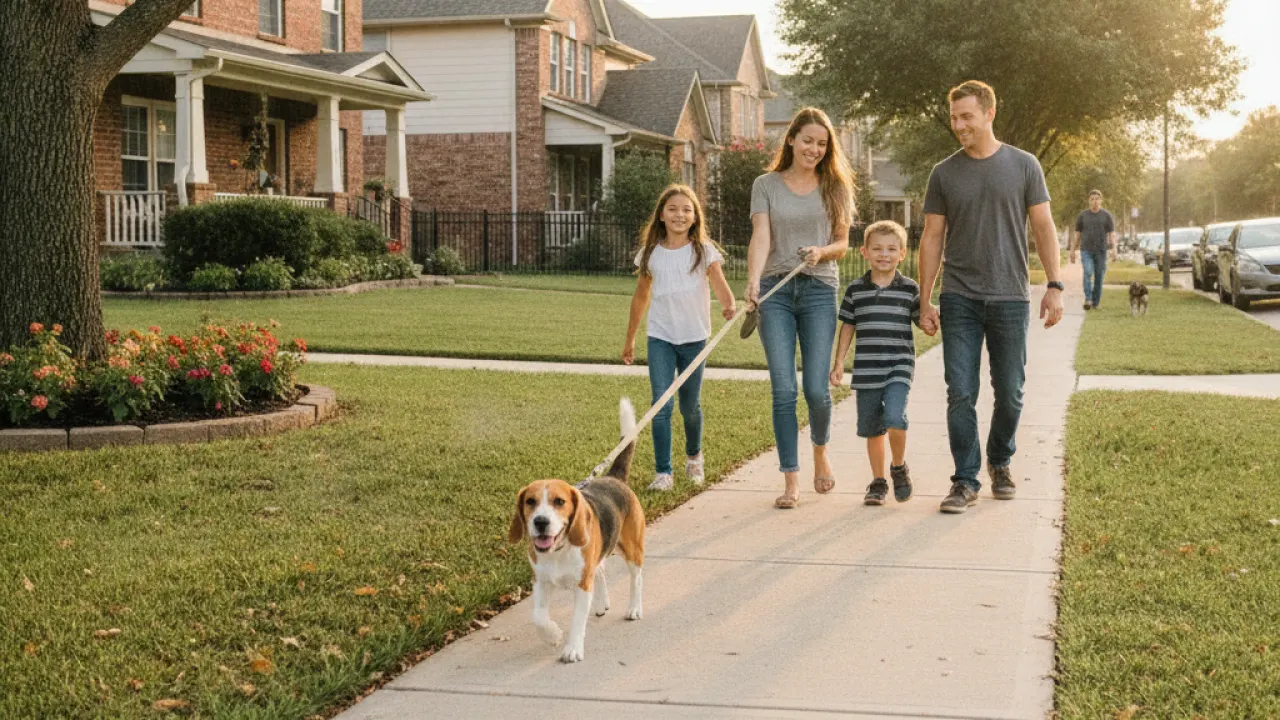
6. Beagle
Beagles are lovable, gentle, and great with kids. They’re also scent hounds, which means they can be stubborn when something smells interesting. Training a Beagle requires patience and consistency, but it’s very doable.
They respond well to treats since food motivation is high in the breed. Basic obedience like sit, down, and recall can be taught without much trouble. The recall command takes more work since their nose can override their ears on a walk. Similar principles apply when reviewing practical advice on how to train your dog at home, where preparation and research make a noticeable difference. Similar principles apply when reviewing practical advice on how to train your dog at home, where preparation and research make a noticeable difference.
Beagles are curious and need regular exercise. They do better with a fenced yard. They’re compact, friendly, and rarely aggressive, which makes them a popular choice for families with younger kids.
7. Papillon
Papillons are small dogs with a big reputation in obedience competitions. Don’t let their size fool you. They’re quick, focused, and highly motivated by praise and play.
They regularly rank among the top breeds in obedience trials. They can learn complex commands and sequences that would challenge much larger dogs. They’re also gentle and patient, which makes them good with calm, older children.
They’re not the best choice for families with very young children since they’re small and can be injured easily. But for families with kids six and older, Papillons are an underrated option.
8. Doberman Pinscher
Dobermans have a reputation that doesn’t match reality for most family settings. They’re loyal, protective, and among the most trainable breeds available. When raised with a family from puppyhood, they’re affectionate and gentle at home.
They respond to firm, consistent training and bond deeply with their family. They’re not suitable for first-time dog owners since they need confident handling. But for experienced families, a well-trained Doberman is a calm, obedient companion.
They need daily exercise and mental stimulation. Without it, they become anxious or destructive. With proper structure, they’re one of the best guard dogs that also works as a family pet.
Tips for Training Any Family Dog
Breed gives you a head start, but training still takes real effort. These approaches work across all eight breeds listed above.
Start Early
Puppies between eight and sixteen weeks are in a key learning window. Basic commands and socialization introduced during this period stick better than habits taught later. This doesn’t mean skipping training for older dogs. Adult dogs learn well too, it just takes slightly more repetition.
Keep Sessions Short
Five to ten minutes per session works better than thirty-minute marathons. Dogs, especially puppies, lose focus fast. Short sessions with clear rewards keep the dog engaged and make training feel positive rather than exhausting.
Use Positive Reinforcement
Reward the behavior you want. Treats, praise, and play all work. Punishment-based training can create anxiety and damage the dog-owner relationship. Most trainers today use reward-based methods because they get better results with less stress.
Be Consistent
Everyone in the family needs to use the same commands and rules. If one person lets the dog on the couch and another doesn’t, the dog gets confused. Confusion slows training down and frustrates everyone involved.
Socialize Early and Often
Expose your dog to different people, animals, sounds, and places while young. A well-socialized dog is easier to manage in public and less likely to react badly to new situations. This applies to every breed on this list.
Which of These Breeds Is Best for First-Time Owners?
If you’ve never owned a dog before, some breeds are more forgiving of mistakes than others. We’ve covered dogs well suited to first-time owners in more depth elsewhere, but here’s a quick ranking by ease for beginners:
- Golden Retriever – patient, forgiving, responds well to inconsistent training
- Labrador Retriever – high energy but easy to motivate and redirect
- Beagle – stubborn at times but gentle and not easily frustrated
- Shetland Sheepdog – eager to please, responds well to gentle handling
- Poodle – smart enough to train itself if you give it the right structure
- Papillon – great for calmer households, quick to learn
- Border Collie – needs more activity and mental work, better with some experience
- Doberman Pinscher – best with owners who have prior dog experience
Are Mixed Breeds Easy to Train?
Mixed breeds can be just as trainable as purebreds. If a mix includes breeds known for trainability, like a Golden-Lab cross, those traits often show up in the offspring. The challenge with mixes is that you don’t always know what you’re getting until the dog grows up.
Temperament testing and spending time with a dog before adopting gives you a better sense of how it will respond to training. Rescue dogs, including mixed breeds, can be excellent family pets with the right approach.
Common Training Mistakes to Avoid
Even with an easy-to-train breed, these mistakes slow progress and create confusion.
- Repeating commands – saying “sit, sit, sit” teaches the dog to wait for the third command. Say it once.
- Training when frustrated – dogs read your energy. A tense owner makes a tense dog. Stop the session if you’re losing patience.
- Rewarding the wrong thing – timing matters. If you reward a second after the dog sits and it’s already standing, you’re rewarding standing.
- Skipping the basics – some owners rush to tricks before the dog has solid sit, stay, come, and heel. Foundations make everything else faster.
- Irregular schedules – training sporadically confuses dogs. Even ten minutes a day beats two hours once a week.
- Not practicing in different places – a dog that sits in your kitchen may not sit at the park. Train in multiple environments.
- Giving up too early – even fast learners need repetition. Don’t assume the dog doesn’t understand after three tries.
What About Small Kids and Dog Training?
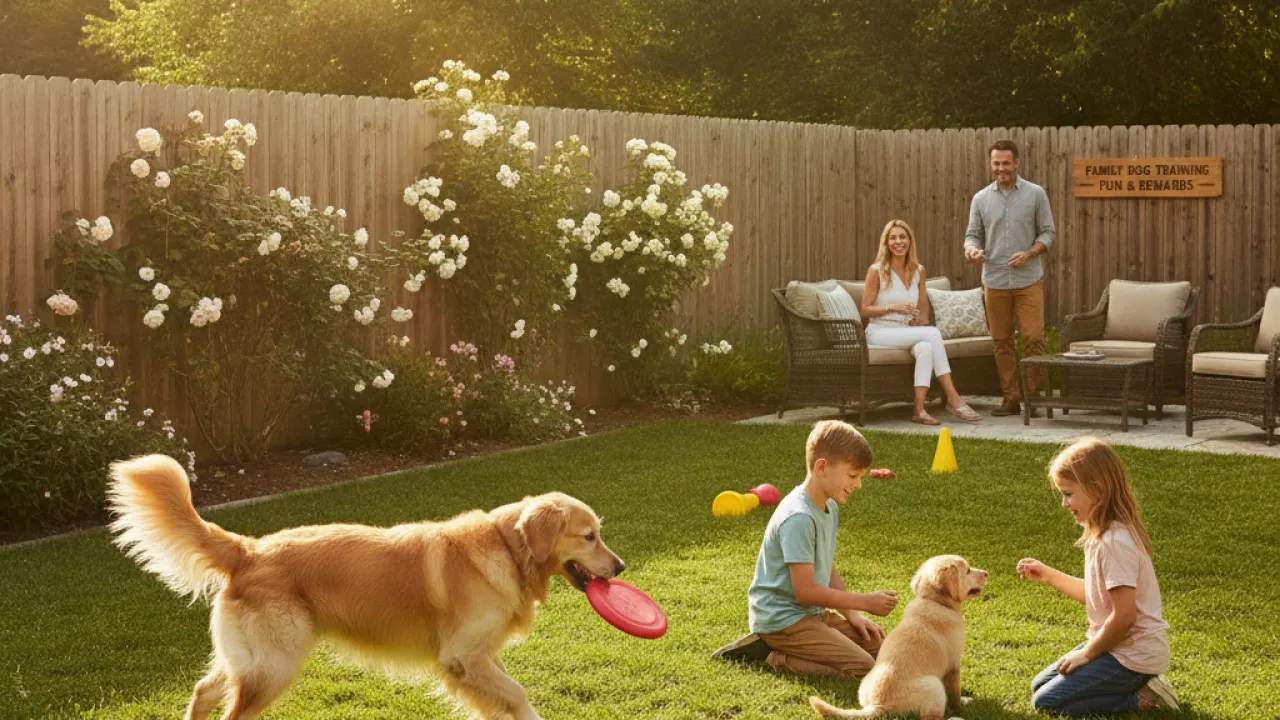
Kids can be part of the training process, which actually helps. When a child gives a command and the dog responds, it builds respect between the two. Dogs that respond to children are less likely to ignore commands from smaller family members. For broader insights, exploring practical advice on how to choose the right dog breed for your family will give you actionable takeaways you can apply right away. For broader insights, exploring practical advice on how to choose the right dog breed for your family will give you actionable takeaways you can apply right away.
Keep training sessions with kids supervised and short. Children under eight often don’t have the patience or consistency for full sessions, but they can practice one or two commands under a parent’s guidance.
Teach kids not to tease the dog during training and not to reward bad behavior with attention. Dogs don’t distinguish between negative and positive attention well. Any attention can reinforce behavior, including behavior you don’t want.
Frequently Asked Questions
What is the
The good family dogs easy to train is a structured approach designed to give clear, actionable steps that produce reliable results over time.
How do I start with the
Begin with the foundation steps, focus on consistency, and build intensity gradually as the plan progresses.
How long does the good family dogs easy to train take to work?
Most people notice initial improvements within a few weeks, with more meaningful results appearing after 8 to 12 weeks of consistent effort.
Is the good family dogs easy to train suitable for beginners?
Yes. The good family dogs easy to train is designed to be accessible, with progressions and modifications that let anyone start at their current level.
What are the main mistakes to avoid with the
Common mistakes include skipping the foundation phase, expecting overnight results, and not tracking progress consistently.
Final Thoughts
Picking a trainable breed gives you a real advantage, but it’s not a shortcut. Every dog still needs time, consistency, and clear communication. The breeds on this list are genuinely easier to work with, but none of them train themselves.
Golden Retrievers and Labs are the safest choice for most families, especially first-time owners. Border Collies and Dobermans are excellent but need more experience or commitment. Poodles and Shelties split the difference and often surprise people with how quickly they learn.
Whatever breed you choose, start training from day one. The habits formed in the first few months shape the dog you’ll have for the next ten to fifteen years. The g
Which of these eight breeds are you considering for your family, and what’s the biggest training challenge you’re worried about? This guide shows you how the good family dogs easy to train fits real life.
amily, and what’s the biggest training challenge you’re worried about?Common questions about the good family dogs easy to train
People often ask whether the good family dogs easy to train works for complete beginners. It does, because every step can be adjusted to match your current level. Start where you are, not where you think you should be.
Another common question is how much time the good family dogs easy to train takes each day. Most people spend between twenty and forty minutes on the core steps. That is enough to make progress without taking over your schedule.
Some readers wonder if they need expensive tools o
Consistency is the factor that separates people who get results from people who stay stuck. Missing one day is fine. Missing three days in a row is where momentum breaks. Start with the basics of the good family dogs easy to train and build from there.
r that separates people who get results from people who stay stuck. Missing one day is fine. Missing three days in a row is where momentum breaks.Tracking progress is another habit that helps. Write down what you did, how it felt, and any small wins. Those notes become proof that the good family dogs easy to train is working, especially on days when motivation is low.
Finally, remember that the good family dogs easy to train