

Picking a dog for your family isn’t something you want to rush. The wrong match can mean years of stress for both you and the dog. For more background, see Wikipedia reference.
This guide covers the most important things to think about before you bring a dog home.
Start With Your Lifestyle, Not a Breed
Most people start by falling in love with a breed online. That’s backwards. Start with your own life and then find a breed that fits it.
Ask yourself these questions honestly:
- How active is your household? Do you walk or run daily, or do you prefer quiet evenings at home?
- How much space do you have? A house with a yard is different from a small apartment.
- How much time will the dog spend alone? Some breeds handle solitude poorly and can become destructive.
- Do you have young children? Temperament and size both matter here.
- Does anyone in the house have allergies? Some breeds shed far less than others.
- What’s your budget for food, grooming, and vet bills? Larger dogs and some breeds cost more to maintain.
Your answers to these questions narrow the field significantly. A breed that’s wrong for your lifestyle won’t become right just because you love it.

Understanding Energy Levels
Energy level is probably the single most important factor most families underestimate. A bored, under-exercised dog can be destructive, anxious, and hard to live with.
High-Energy Breeds
Breeds like Border Collies, Australian Shepherds, Siberian Huskies, and Weimaraners need a lot of exercise every day. We’re talking 1-2 hours of real physical activity, not just a short walk around the block. These dogs thrive with active families who hike, run, or have large outdoor spaces.
If you don’t give these dogs enough to do, they’ll find their own entertainment. That usually means chewing furniture, digging up the garden, or barking non-stop.
Medium-Energy Breeds
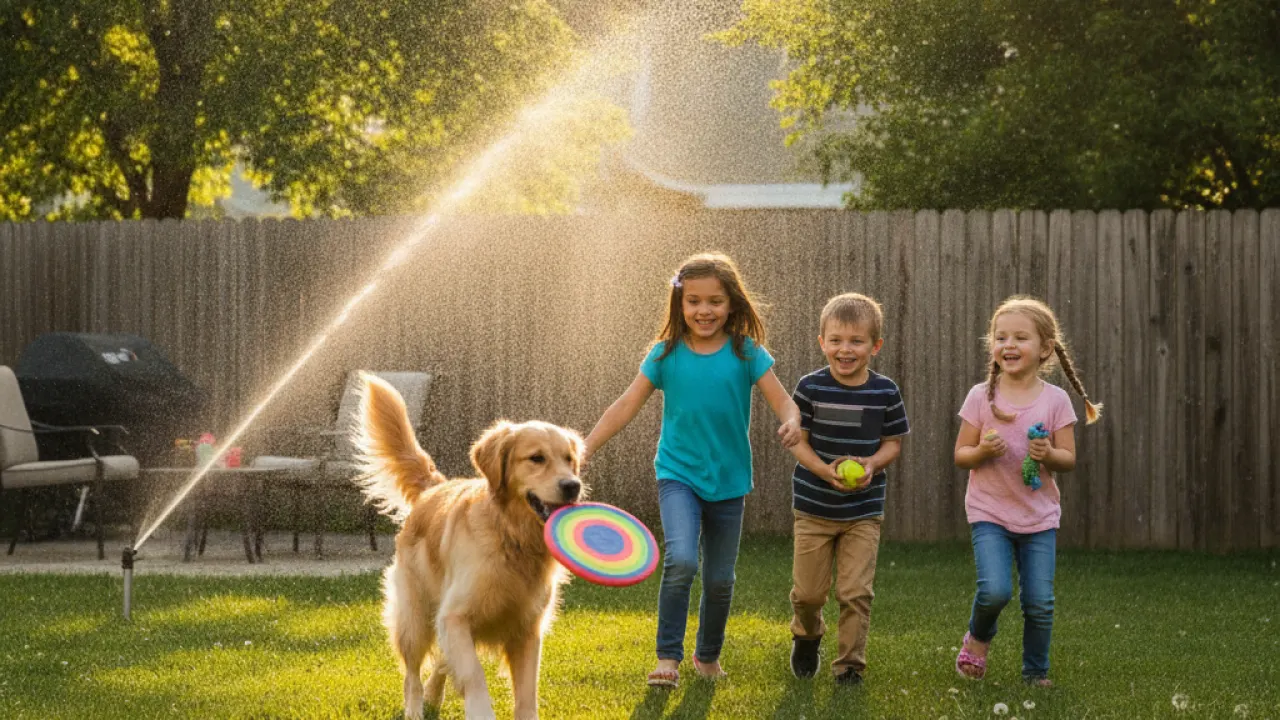
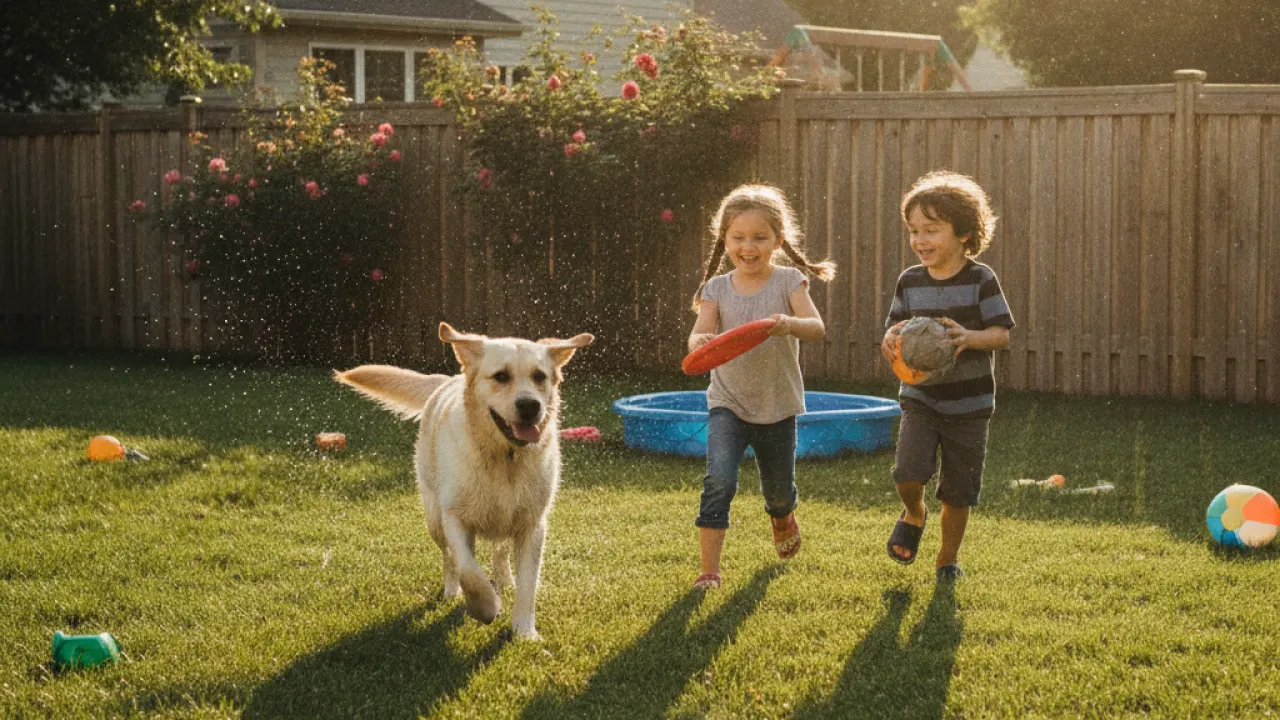
Many families do well with medium-energy dogs. Breeds like Labrador Retrievers, Golden Retrievers, Beagles, and Cocker Spaniels enjoy exercise but don’t demand it constantly. A good walk each day and some playtime in the yard keeps them happy.
These are often a good fit for families with kids because they’re playful but not overwhelming.
Low-Energy Breeds
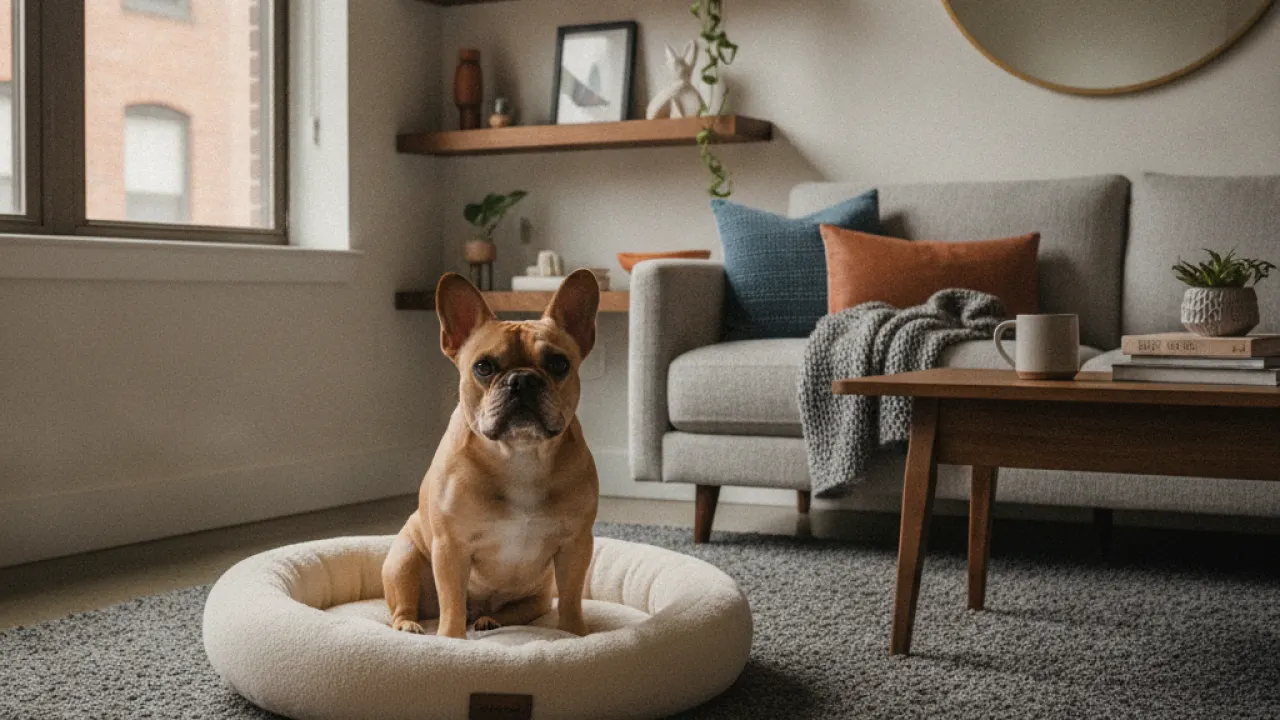
Basset Hounds, Bulldogs, Shih Tzus, and Cavalier King Charles Spaniels are content with shorter walks and more couch time. They’re a solid choice for people who aren’t very active or live in smaller spaces.
But don’t mistake low energy for no exercise. All dogs need some daily movement for their physical and mental health.

Size: More Than Just Preference
Size affects everything from your food bill to how easily the dog can accidentally knock over a toddler. It’s not just about what looks cute.
Large Breeds
Dogs over 50 pounds need more food, more space, and sometimes more veterinary care. Large breeds like German Shepherds, Rottweilers, Great Danes, and Bernese Mountain Dogs are wonderful with the right family. But they require confident handling and solid training, especially around small children.
Larger dogs also have shorter average lifespans than smaller breeds. A Great Dane may live 7-10 years compared to a small breed that can reach 15 years or more.
Small Breeds
Small dogs are easier to transport, cheaper to feed, and can do well in apartments. But some small breeds are fragile around rough-playing toddlers, and others have big personalities that need firm, consistent training.
Don’t assume small means easy. A poorly trained Chihuahua or Dachshund can be just as much trouble as a larger dog. If you are looking to expand your knowledge, reading our complete guide to the best family dogs provides useful background context. If you are looking to expand your knowledge, reading our complete guide to the best family dogs provides valuable background context.
Medium Breeds
For many families, medium-sized dogs are the sweet spot. They’re sturdy enough to handle family life without the space requirements of a giant breed. We cover this in detail in our roundup of the best medium dog breeds for families. Breeds like Beagles, Bulldogs, and Welsh Corgis fall in this range.
Temperament and Trainability
A dog’s temperament is partly inherited and partly shaped by early socialization and training. Some breeds have been developed over centuries for specific jobs, and that history shows up in their behavior.
Breeds Bred for People
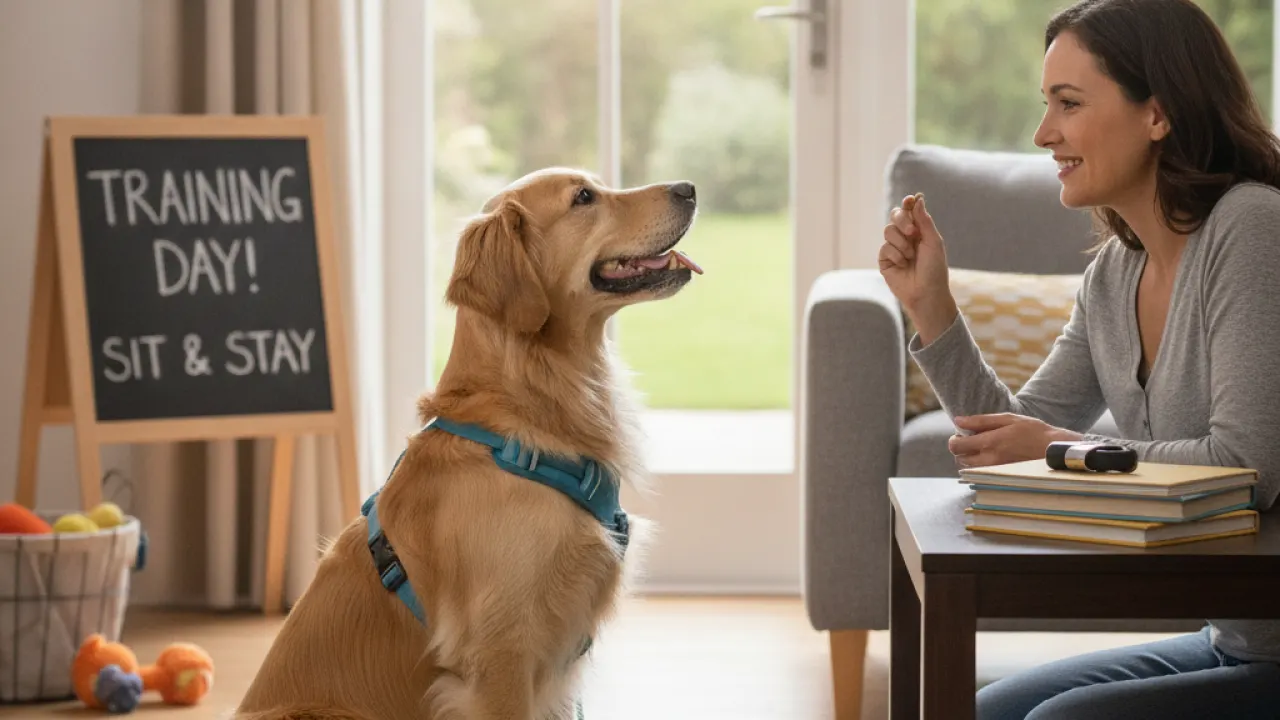
Golden Retrievers, Labradors, and Poodles were bred to work closely with humans. They tend to be eager to please, which makes training easier. If you want dogs that respond well to commands from the start, check out our guide to family dogs that are easy to train. They’re also generally patient and gentle, making them good with children.
Independent and Working Breeds
Breeds like Akitas, Chow Chows, and some terriers are more independent. They can be loyal and loving, but they don’t always follow commands eagerly. They often need a more experienced owner who understands dog behavior.
Herding Breeds
Border Collies, Australian Shepherds, and Shelties are highly intelligent. They learn fast. But that intelligence means they get bored easily and can develop unwanted behaviors without enough mental stimulation. They may also try to herd children, which can be a problem with young kids.
How to Assess Trainability
Look at what the breed was originally developed to do. Dogs bred to work independently (like sled dogs or scent hounds) often follow their instincts over commands. Dogs bred to work alongside humans are usually more responsive.
That said, any dog can be trained with patience and consistency. Some just take more effort than others.
Dogs and Young Children
If you have children under 10, this section deserves extra attention. Not every breed is well-suited to life with young kids, and it’s not fair to the dog or the child to ignore that.
Breeds commonly considered good with young children include (see our full list of top family dog breeds for kids for more detail):
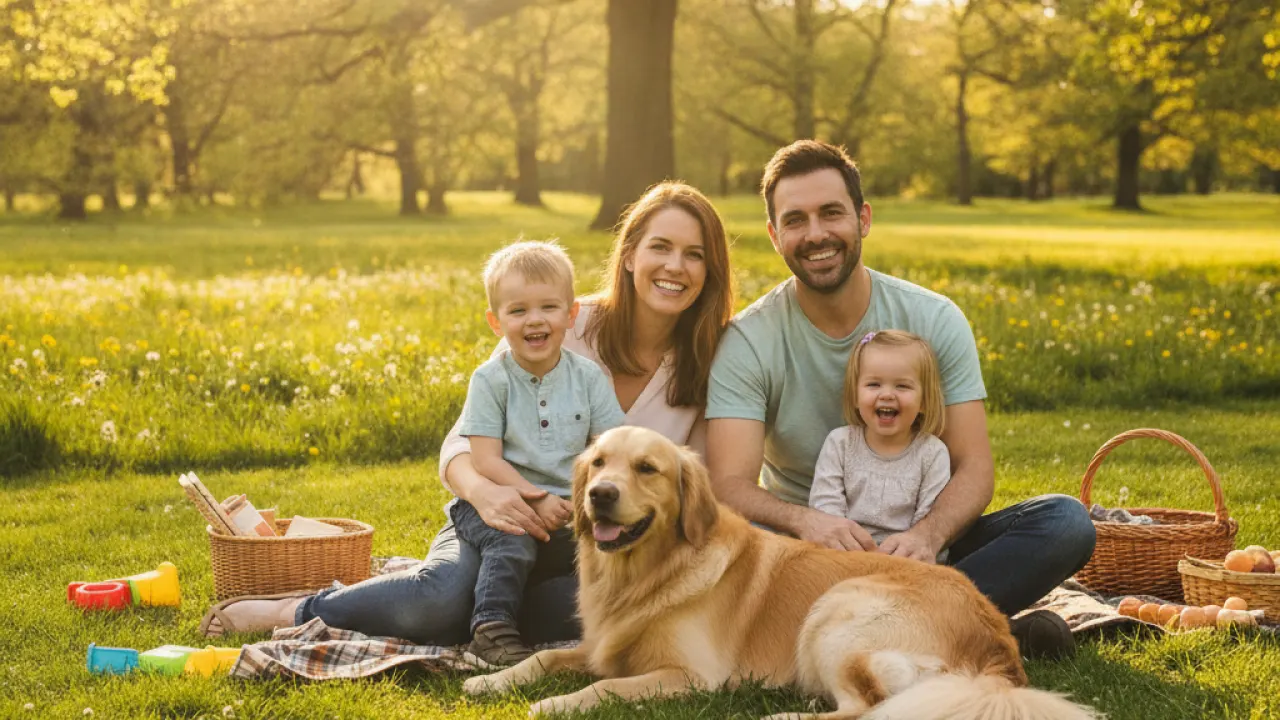
- Golden Retriever – patient, gentle, and forgiving of clumsy kids
- Labrador Retriever – playful, sturdy, and easy to train
- Beagle – curious and sociable, tends to be gentle
- Cavalier King Charles Spaniel – calm and affectionate, good with quieter families
- Boxer – energetic and loyal, bonds strongly with family members
- Poodle (standard or miniature) – intelligent, low-shedding, and trainable
- Bichon Frise – gentle and playful without being boisterous
- Irish Setter – enthusiastic and sociable, patient with children
Keep in mind that individual temperament varies. A dog’s upbringing and early socialization matter a great deal. A well-socialized dog of a “difficult” breed can be better with kids than a poorly socialized dog of a “family-friendly” breed.
Always supervise interactions between dogs and young children, regardless of breed.
Purebred vs. Mixed Breed
This is a question many families wrestle with. Both have genuine advantages.
Purebred dogs give you predictability. You know roughly how big the dog will get, what its coat will be like, and what its temperament tendencies are. That predictability is helpful when you’re trying to match a dog to your lifestyle.
Mixed breeds, often called mutts, can be wonderful family dogs. They’re frequently healthier due to greater genetic diversity, and they’re usually available through shelters at lower cost. The uncertainty is that you can’t always predict their adult size or temperament as reliably.
If you go the purebred route, research the breed’s common health problems. Some breeds have important issues like hip dysplasia, heart conditions, or breathing problems that come with the territory.
Puppy or Adult Dog?
Puppies are adorable. They’re also a lot of work.
A puppy needs:
- Frequent bathroom trips – every 2-3 hours in the early weeks
- Basic training from the start, including sit, stay, and leash manners
- Socialization with other people, dogs, and environments during the critical window of 3-14 weeks
- Supervision to prevent chewing, accidents, and getting into trouble
- Vet visits for a series of vaccinations over the first several months
- Patience – adolescent dogs (6-18 months) can test your limits even if the puppy phase went well
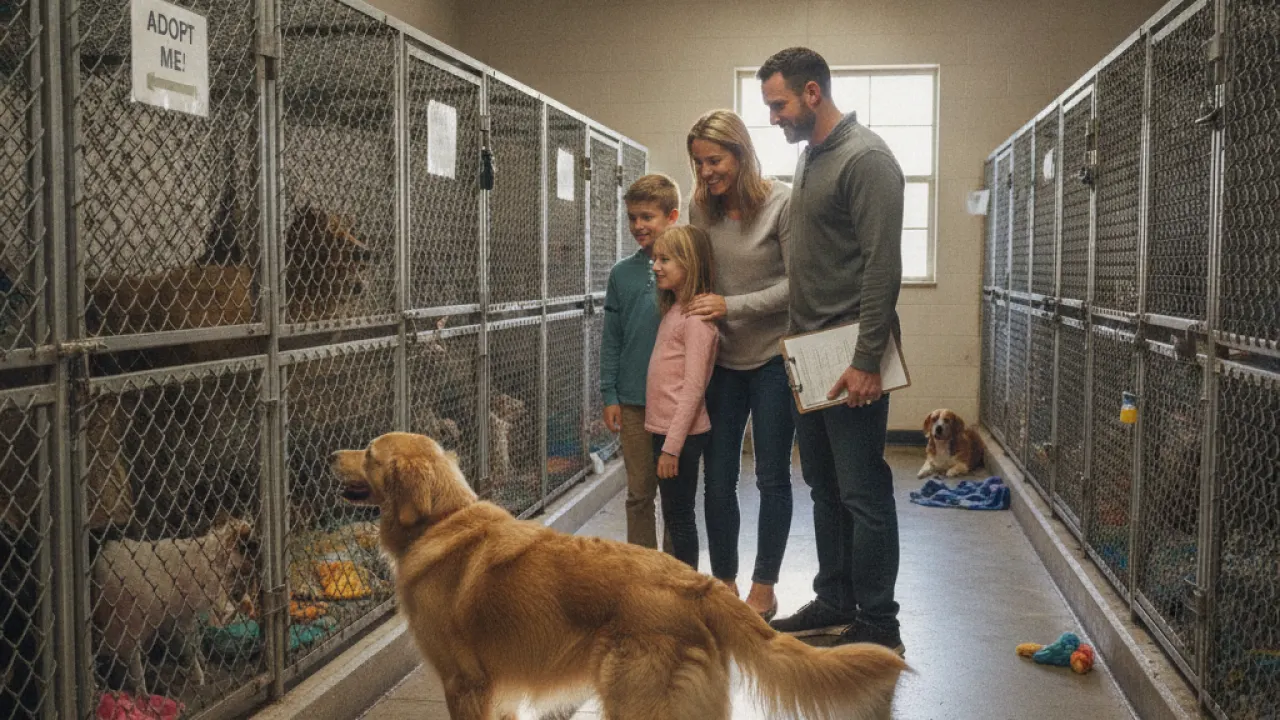
An adult dog from a shelter or rescue often skips these early challenges. Many adult dogs are already house-trained and have some basic manners. What you see is closer to what you get in terms of size and temperament. Similar principles apply when reviewing practical advice on how to train your dog at home, where preparation and research make a noticeable difference. Similar principles apply when reviewing practical advice on how to train your dog at home, where preparation and research make a noticeable difference.
build-to-adopt programs are a smart way to see how an adult dog fits into your home before making a permanent commitment.
Grooming and Maintenance
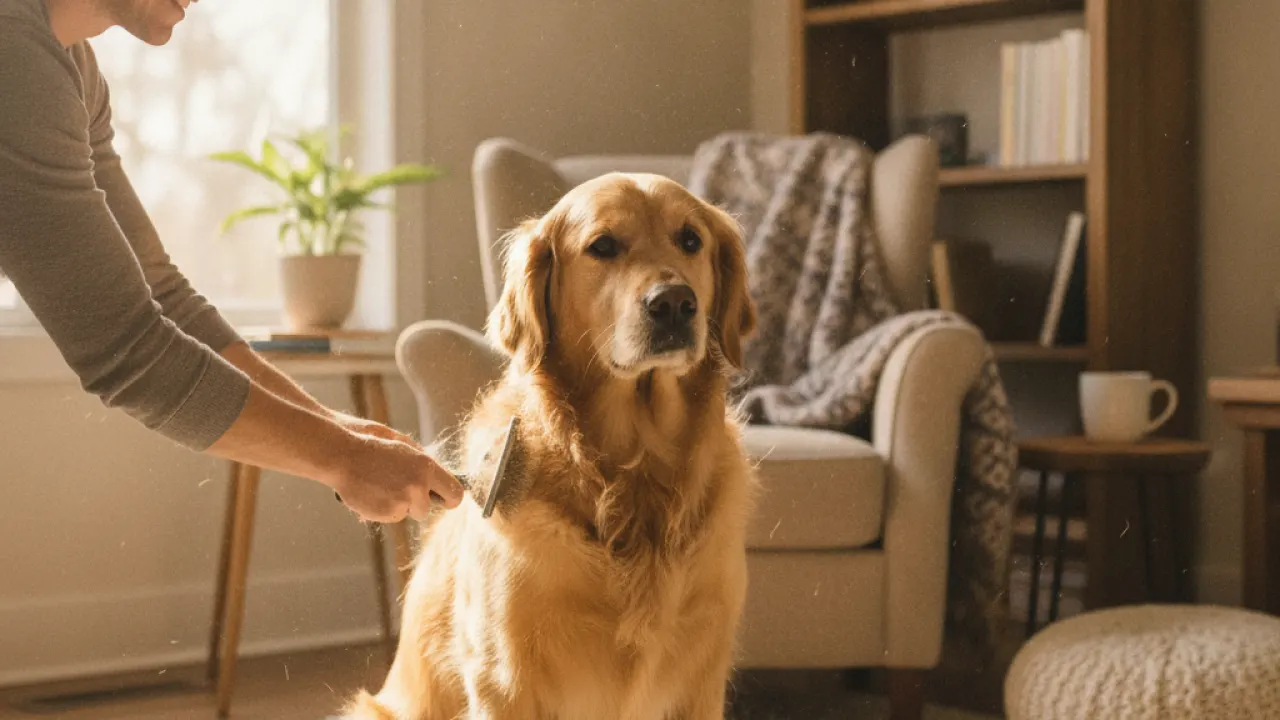
Some dogs need professional grooming every 6-8 weeks. Others just need a brush now and then. This affects both your time and your budget. If you’re new to this, our overview of dog grooming basics every owner should know is a good starting point.
Long-coated breeds like Shih Tzus, Maltese, and Afghan Hounds need regular grooming to prevent matting. Double-coated breeds like Huskies and German Shepherds shed heavily, especially seasonally. Wire-coated terriers need a process called “stripping” rather than regular clipping.
If you don’t want to deal with a lot of hair around the house, look into low-shedding breeds like Poodles, Bichon Frises, or Portuguese Water Dogs. These dogs still need grooming, but they tend to leave less hair on your furniture and clothing.
Health and Lifespan
Before you settle on a breed, look up the common health issues. Some are minor. Others are expensive and heartbreaking.
Flat-faced breeds (Bulldogs, Pugs, French Bulldogs) often have breathing difficulties that can require surgery and limit their ability to exercise in heat. Large and giant breeds are prone to joint problems and bloat. Some breeds have hereditary eye or heart conditions.
Pet insurance is worth considering, especially for breeds with known health vulnerabilities. The monthly premium can save you from a very difficult financial decision down the road.
Talk to a veterinarian before you decide on a breed. They see the health consequences of breed choices every day and can give you honest feedback on what to expect.
Where to Get Your Dog
You have several options:
- Reputable breeders – do health testing on their breeding dogs, let you meet the parents, and take puppies back if needed
- Breed-specific rescues – often have purebred dogs of all ages available for adoption
- Local shelters – mix of purebreds and mixed breeds, usually lower adoption fees, often include vaccinations and spay/neuter
- build networks – dogs live in homes before adoption, so you get more information about their personality and habits
Avoid pet stores that source from commercial breeders. These puppies are often raised in poor conditions and can have health and behavioral problems that don’t show up until you’ve already bonded with the dog.
If you’re buying from a breeder, visit in person. A good breeder will welcome you. They’ll ask you questions too, because they care where their puppies go.
Getting the Family on the Same Page
A dog requires commitment from everyone in the household. Before you bring one home, make sure the whole family agrees on a few basics:
- Who feeds the dog and at what times
- Who handles training and what commands everyone will use consistently
- Who walks the dog when, and how often
- Where the dog sleeps – changing this later is harder than setting the rule from day one
- House rules – is the dog allowed on furniture? In all rooms?
- What happens during vacations – boarding, pet sitter, or family?
- Who manages vet appointments and how costs will be covered
- How to handle the dog if someone in the family becomes allergic or circumstances change
- A plan for training classes in the first few months
- What the dog will do during work hours if everyone is out of the house
These conversations can feel like a lot. But they prevent arguments later, and they help everyone take the responsibility seriously from the start. For broader insights, exploring our complete guide to the best dogs for first-time owners will give you actionable takeaways you can apply right away. For broader insights, exploring our complete guide to the best dogs for first-time owners will give you actionable takeaways you can apply right away.
Give It Time
Even the best-matched dog needs time to settle in. Many rescue dogs go through a “decompression” period in the first few weeks where they seem shut down, anxious, or overly calm. Others test limits once they realize this is home.
Give a new dog at least 3 months before judging how they fit. That’s when you’ll see their real personality come through. Be consistent with routines and training during that period. It pays off.
The families who struggle most are usually those who expected the dog to fit their life immediately without effort. Dogs adjust, but they need your help to do it.
Frequently Asked Questions
What is the
The how to choose a dog breed is a structured approach designed to give clear, actionable steps that produce reliable results over time.
How do I start with the
Begin with the foundation steps, focus on consistency, and build intensity gradually as the plan progresses.
How long does the how to choose a dog breed take to work?
Most people notice initial improvements within a few weeks, with more meaningful results appearing after 8 to 12 weeks of consistent effort.
Is the how to choose a dog breed suitable for beginners?
Yes. The how to choose a dog breed is designed to be accessible, with progressions and modifications that let anyone start at their current level.
What are the main mistakes to avoid with the
Common mistakes include skipping the foundation phase, expecting overnight results, and not tracking progress consistently.
Final Thoughts
The right dog for your family is one that fits your real life, not your ideal life. Be honest about your activity level, your schedule, your home size, and your experience with dogs.
Do the research before you fall in love with a face. Talk to owners of the breeds you’re considering. Visit shelters. Speak with a vet. Take your time.
A well-matched dog is a joy for 10-15 years. A mismatched one can be a source of stress for the dog and everyone around it.
The work you put in before bringing a dog home is some of the best work you’ll ever do for your family.
What’s the one thing about your lifestyle that you think will matter most in choosing the right dog breed for your family?
Common questions about the how to choose a dog breed
People often ask whether the how to choose a dog breed works for complete beginners. It does, because every step can be adjusted to match your current level. Start where you are, not where you think you should be.
Another common question is how much time the how to choose a dog breed takes each day. Most people spend between twenty and forty minutes on the core steps. That is enough to make progress without taking over your schedule.
Some readers wonder if they need expensive tools or subscriptions. In most cases, the how to choose a dog breed works with what you already have. Any optional extras are just that, optional.
Consistency is the factor that separates people who get results from people who stay stuck. Missing one day is fine. Missing three days in a row is where momentum breaks. The how to choose a dog breed works when you follow it consistently.
Tracking progress is another habit that helps. Write down what you did, how it felt, and any small wins. Those notes become proof that the how to choose a dog breed is working, especially on days when motivation is low. Many readers who study this area also benefit from our complete guide to the best medium dog breeds for families in smaller homes to ensure all key factors are covered. Many readers who study this area also benefit from our complete guide to the best medium dog breeds for families in smaller homes to ensure all key factors are covered.
Finally, remember that the how to choose a dog breed