

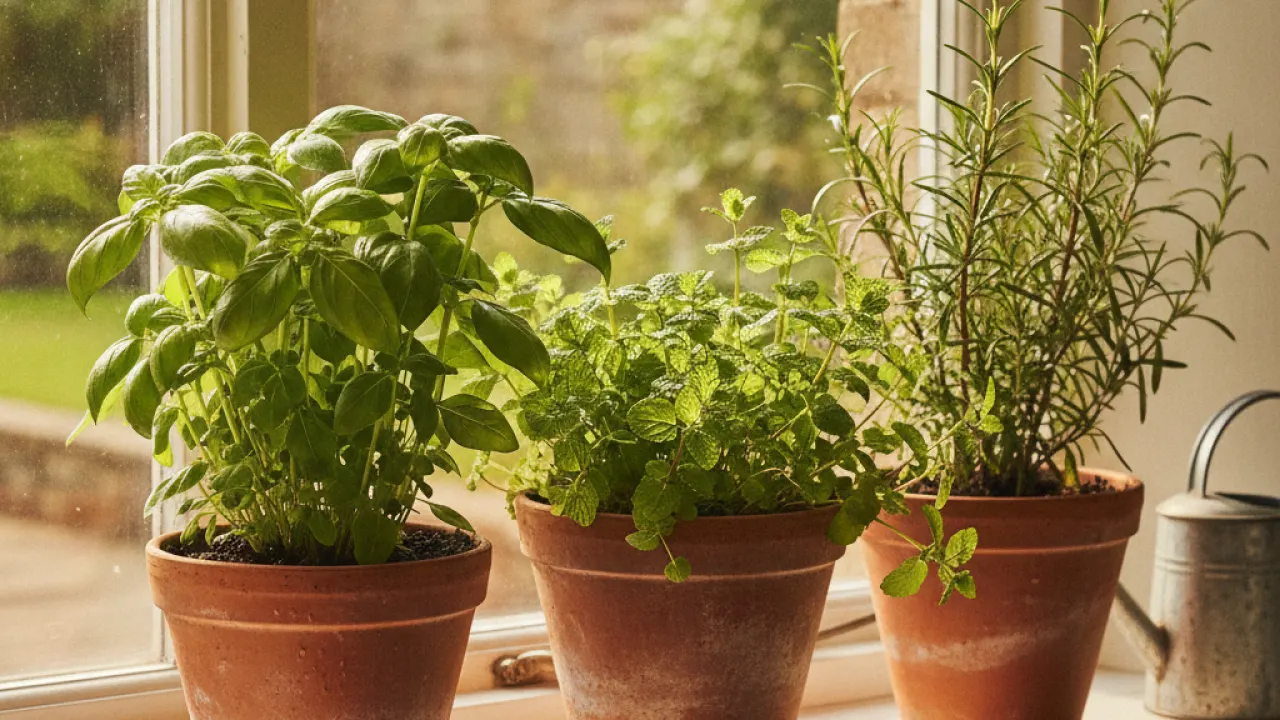
You don’t need a big garden to grow your own herbs. A windowsill, a few small pots, and some basic knowledge are enough to keep basil, mint, and rosemary growing in your kitchen all year. The process is straightforward once you know what each herb actually needs. The how to grow herbs indoors is the main focus of this guide.
This guide walks you through everything: which herbs to start with, what containers and soil to use, how much light and water they need, and when to start harvesting. Whether you’re renting a flat or living in a house with no outdoor space, you can grow herbs indoors. This guide explains how the how to grow herbs indoors works in practice.
Why Growing Herbs Indoors Makes Sense
Fresh herbs from the supermarket come in plastic packets that cost more per gram than most spices. You use a small handful, the rest wilts within a few days, and you bin it. Growing your own means you pick exactly what you need, when you need it. Follow the how to grow herbs indoors to get the best results.
There’s also the quality difference. Herbs picked fresh from the plant taste more intense than shop-bought ones that have been sitting in cold storage. Chefs know this, which is why restaurant kitchens often keep a small herb collection nearby. The how to grow herbs indoors gives you a clear starting point.
Beyond the practical side, tending to plants is good for your mental state. Looking after something small and watching it grow gives a sense of satisfaction that’s hard to explain until you experience it. For more background, see Wikipedia reference. Many people search for the how to grow herbs indoors because they want a simple answer.
The Best Herbs to Grow Indoors for Beginners
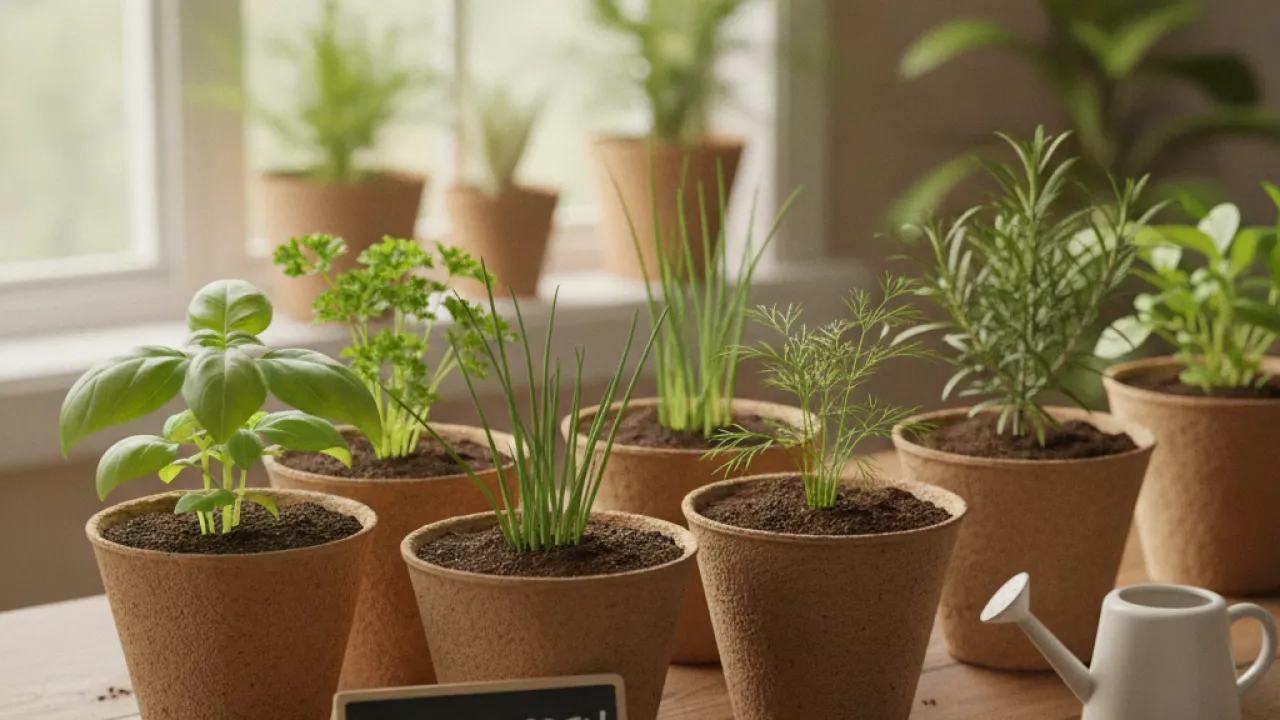
Not all herbs are equally easy to grow indoors. Some need more space, some are fussy about temperature, and some just don’t thrive without direct outdoor sun. These seven are the best starting points: Use the how to grow herbs indoors as your reference point.
- Basil grows quickly, loves warmth and bright light, and is one of the most useful cooking herbs
- Mint is almost impossible to kill, spreads fast, and works in teas, sauces, and desserts
- Chives are low-maintenance, regrow after cutting, and add onion flavor to anything
- Parsley grows well indoors with moderate light and is used in almost every type of cooking
- Rosemary likes dry conditions and does well on a sunny windowsill
- Thyme is compact, drought-tolerant, and pairs well with roasted vegetables and meats
- Coriander grows fast but bolts to seed quickly, so stagger your planting every few weeks
Start with two or three herbs rather than all seven at once. Basil, chives, and mint are the easiest combination for most kitchens. The how to grow herbs indoors covers everything you need to know. If you are looking to expand your knowledge, reading practical advice on how to grow your instagram following provides useful background context. If you are looking to expand your knowledge, reading practical advice on how to grow your instagram following provides valuable background context.
Herbs to Avoid for Your First Attempt
Lavender, bay, and tarragon are harder to grow indoors. They either need more space than a kitchen provides, or they struggle with low light and indoor humidity levels. Save those for later once you’ve got the basics sorted. This guide walks through the how to grow herbs indoors step by step.
Choosing the Right Pots and Containers
The container matters more than most beginners realise. The two most important factors are drainage holes and size.
Drainage Holes Are Non-Negotiable
Without a drainage hole, water sits at the bottom of the pot and roots rot. This is the single most common reason herb plants die indoors. If you fall in love with a decorative pot that has no hole, use it as an outer sleeve and plant the herb in a plain plastic pot inside it.
Pot Size by Herb Type
Mint spreads aggressively and needs its own pot of at least 15cm diameter. Basil does well in a 15cm pot. Thyme, chives, and rosemary can share a longer window box if you have one. Coriander grows a long taproot, so it needs a deeper pot than most people expect, at least 20cm deep.
Best Materials for Indoor Herb Pots
- Terracotta allows airflow to roots and is good for rosemary and thyme which prefer drier soil
- Plastic retains moisture longer, which suits basil and parsley
- Ceramic works well but is heavier and usually has no drainage hole, so check before buying
- Grow bags are a cheap option for herbs like coriander that need depth
Soil, Compost, and Drainage Tips
Regular garden soil is too heavy for containers. It compacts, drains poorly, and suffocates roots. Use a good-quality multi-purpose compost instead. For herbs like rosemary, thyme, and sage that prefer drier conditions, mix in about 20% perlite or coarse sand to improve drainage.
Soil pH for Herb Growing
Most herbs prefer a slightly acidic to neutral soil pH, somewhere between 6.0 and 7.0. Standard multi-purpose compost sits in this range. You don’t need to test pH for indoor herb growing unless plants are consistently struggling despite good light and watering habits.
When to Repot
You’ll know a herb is rootbound when roots start poking out of the drainage hole or when the plant wilts quickly after watering despite getting enough water. Move it to a pot one size larger and use fresh compost. Don’t go too large in one jump, a pot that’s too big holds more moisture than the roots can use and leads to rot.
Light Requirements for Indoor Herbs
Light is the most common limiting factor for indoor herb growing. Most herbs want at least six hours of direct or bright indirect light per day. In most UK and northern European homes, a south-facing windowsill provides the best natural light year-round.
Which Windowsill Works Best
- South-facing windowsill gets the most sun and suits basil, rosemary, and thyme
- East or west-facing windowsill gets a few hours of direct sun and works for parsley, chives, and mint
- North-facing windowsill is too dark for most herbs without a grow light
Using a Grow Light
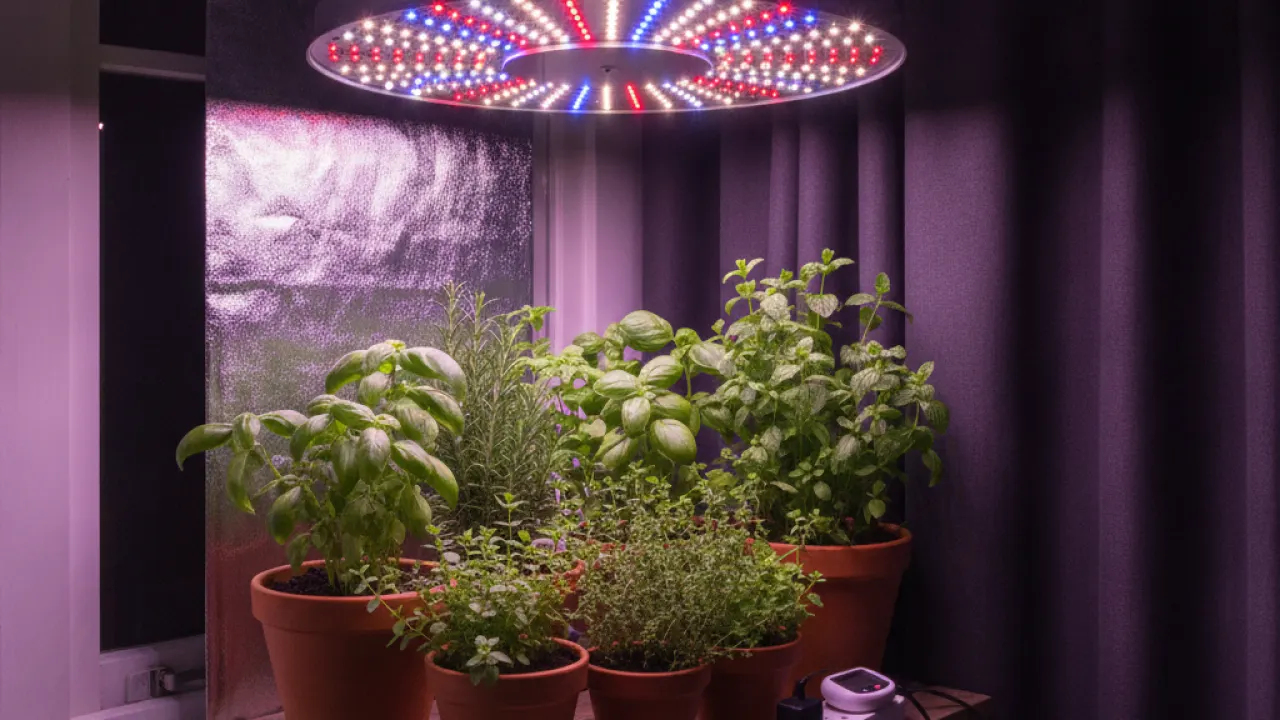
If your home doesn’t get much natural light, a grow light solves the problem. Full-spectrum LED grow lights are the most energy-efficient option in 2026. Position the light about 15 to 30cm above the plants and run it for 12 to 14 hours a day. You can use a simple plug-in timer so you don’t have to remember to switch it on and off.
How to Water Indoor Herbs Correctly
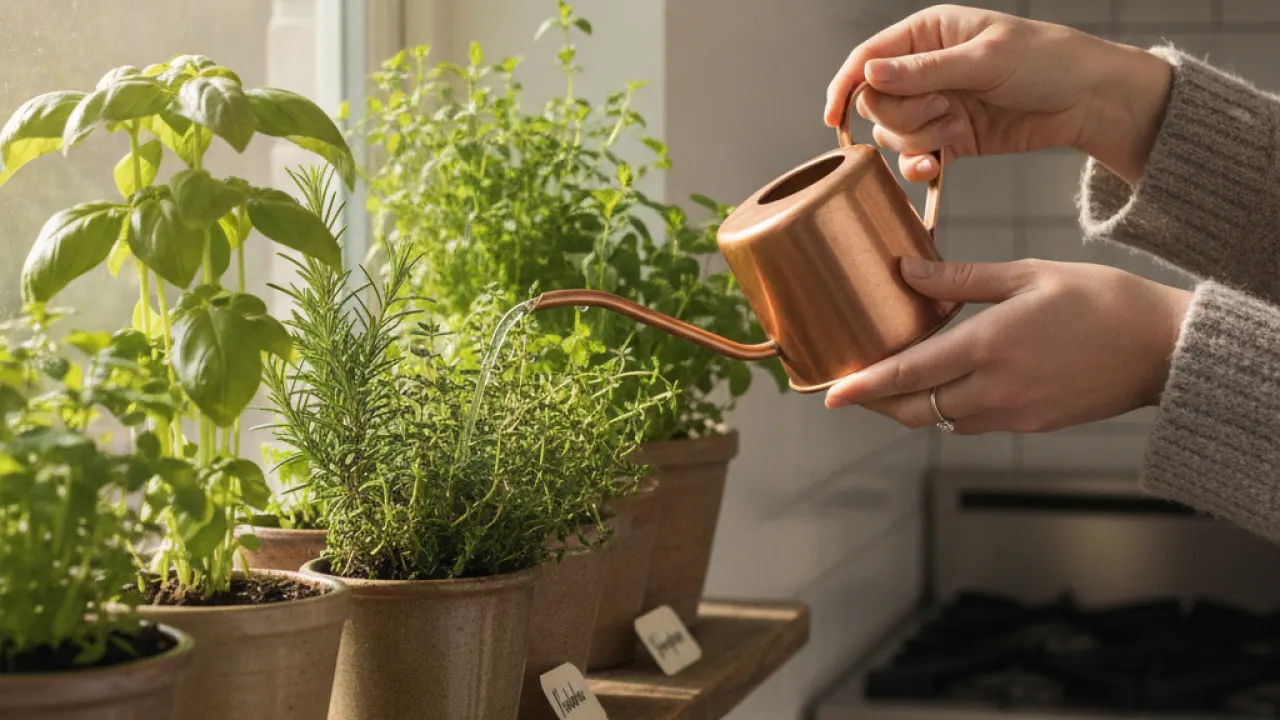
Overwatering is far more common than underwatering with indoor herbs. The rule is simple: check before you water. Push your finger about 2cm into the soil. If it’s still moist, wait. If it’s dry, water thoroughly until water drains out of the bottom of the pot.
Watering Frequency by Herb
- Basil needs consistent moisture and wilts quickly if it dries out, so check every day in warm weather
- Mint likes moisture and should not dry out completely between waterings
- Rosemary and thyme are drought-tolerant and prefer to dry out slightly between waterings
- Chives and parsley like moderate moisture, roughly every two to three days in summer
- Coriander bolts when stressed, so keep soil evenly moist to extend your harvest window
- Sage prefers dry conditions and is prone to root rot if overwatered
Water Quality
Tap water works fine for most herbs. If your area has hard water and you notice white mineral deposits on the soil surface, use filtered water or let tap water sit overnight before using it. This also lets any chlorine evaporate.
Feeding Your Indoor Herbs
Fresh compost contains nutrients that last about six to eight weeks. After that, herbs in containers need feeding. A liquid feed diluted to half strength and applied every two to three weeks during the growing season (spring and summer) keeps plants producing well.
The RHS recommends a general-purpose liquid fertiliser for herbs rather than a high-nitrogen feed, which pushes leaf growth at the expense of flavour. If you’re growing herbs for cooking, balanced nutrition produces better-tasting leaves.
Stop feeding in autumn and winter when growth slows. Feeding dormant plants does more harm than good.
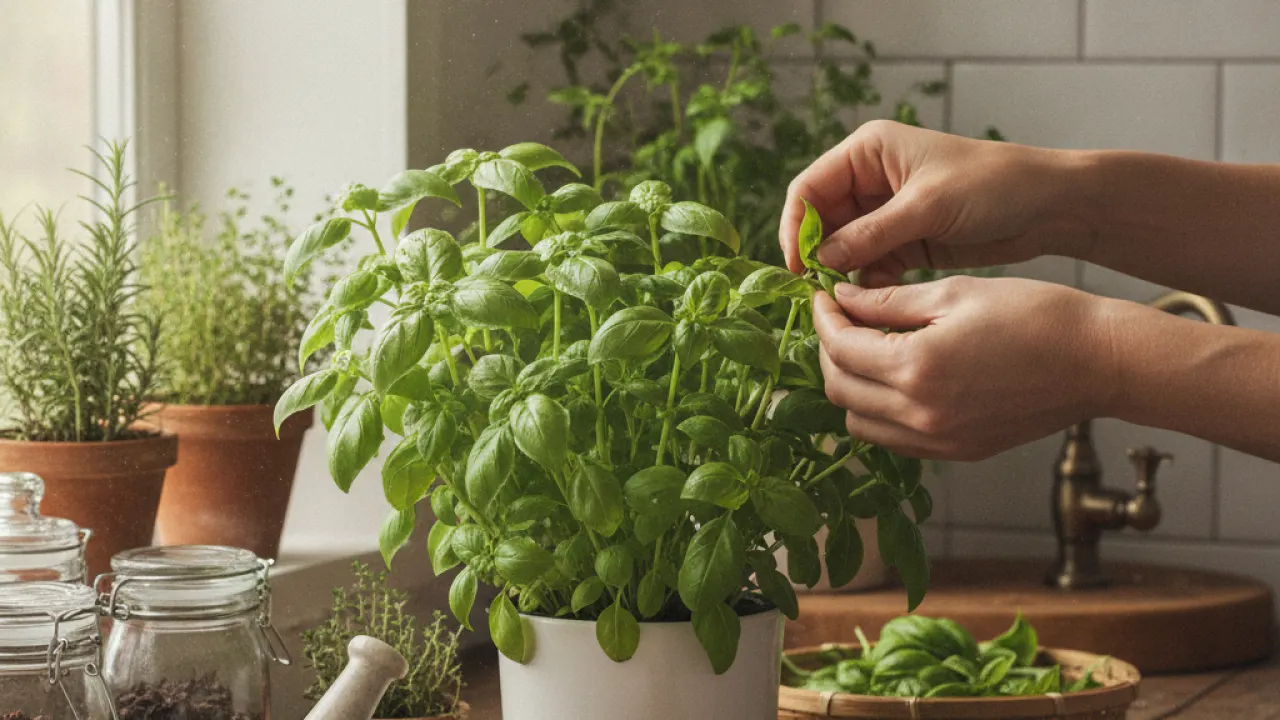
When and How to Harvest Indoor Herbs
The way you harvest makes a big difference to how long your plant produces. The mistake most people make is taking too much at once, or cutting from the wrong place.
General Harvesting Rules
- Never take more than a third of the plant at one time
- Cut just above a leaf node to encourage branching and more growth
- Harvest in the morning when the oils in the leaves are at their peak
- Pinch out flower buds on basil before they open to extend leaf production
- Use clean scissors to avoid spreading disease between plants
- Harvest regularly because taking small amounts often encourages the plant to keep growing
- Start harvesting early once the plant has six or more sets of leaves
- Don’t cut back to bare stems because most herbs can’t recover from that
Common Problems and How to Fix Them
Indoor herb growing is not without its frustrations. Here are the most common problems and what to do about each one.
Leggy, Stretched Growth
When a herb reaches toward the window and grows tall with long gaps between leaves, it’s not getting enough light. Move it to a brighter spot or add a grow light. Pinch back the long stems to encourage bushier growth.
Yellow Leaves
Yellowing leaves are usually a sign of overwatering or poor drainage. Check the roots. If they’re brown and mushy, you’ve got root rot. Remove the affected roots, repot in fresh compost, and cut back on watering. If the roots look fine, yellow leaves might signal a nutrient deficiency, start feeding every two weeks.
Wilting Despite Watering
If a plant wilts even when the soil is moist, root rot is likely the cause. Soggy soil suffocates roots and they can no longer take up water even when it’s there. This is why drainage holes and correct watering habits matter so much.
Pests
Aphids, fungus gnats, and whitefly are the most common indoor herb pests. Aphids collect on new growth and can be washed off with water. Fungus gnats lay eggs in moist soil, so letting the top layer of compost dry out between waterings discourages them. A layer of horticultural grit on top of the soil also helps prevent fungus gnats.
Keeping Your Herb Garden Going Through Winter
Most herbs slow down in winter because of lower light levels and cooler temperatures. Here’s how to keep your indoor herb garden productive year-round.
- Move plants closer to windows as days get shorter to maximize available light
- Add a grow light on a timer to supplement daylight hours from October onwards
- Reduce watering frequency because plants drink less when not actively growing
- Keep herbs away from cold draughts near windows that aren’t well insulated
- Don’t place herbs above radiators as hot dry air damages leaves
- Consider overwintering basil as a fresh plant from the supermarket every few months rather than trying to keep one plant alive all year
- Sow new coriander seeds every three weeks to maintain a supply, as individual plants bolt and finish quickly
Starting From Seed vs. Buying Young Plants
Seeds are cheaper but slower. A seed-grown basil plant takes six to eight weeks before you can start harvesting. A young plant from a garden centre is ready to use almost immediately.
For beginners, buying young plants is the better starting point. You get faster results, can see immediately what a healthy plant looks like, and avoid the disappointment of seeds that don’t germinate. Once you’re comfortable growing herbs, move to seeds to save money and have more variety. Similar principles apply when reviewing detailed breakdown of tiktok marketing strategy, where preparation and research make a noticeable difference. Similar principles apply when reviewing detailed breakdown of tiktok marketing strategy, where preparation and research make a noticeable difference.
Supermarket herb pots are cheap but not ideal for long-term growing. They’re usually packed with many seedlings crowded into too little soil. For the best results, split them out into separate pots with fresh compost when you get home.
Frequently Asked Questions
What is the
The how to grow herbs indoors is a structured approach designed to give clear, actionable steps that produce reliable results over time.
How do I start with the
Begin with the foundation steps, focus on consistency, and build intensity gradually as the plan progresses.
How long does the how to grow herbs indoors take to work?
Most people notice initial improvements within a few weeks, with more meaningful results appearing after 8 to 12 weeks of consistent effort.
Is the how to grow herbs indoors suitable for beginners?
Yes. The how to grow herbs indoors is designed to be accessible, with progressions and modifications that let anyone start at their current level.
What are the main mistakes to avoid with the
Common mistakes include skipping the foundation phase, expecting overnight results, and not tracking progress consistently.
Building Your Herb Collection Over Time
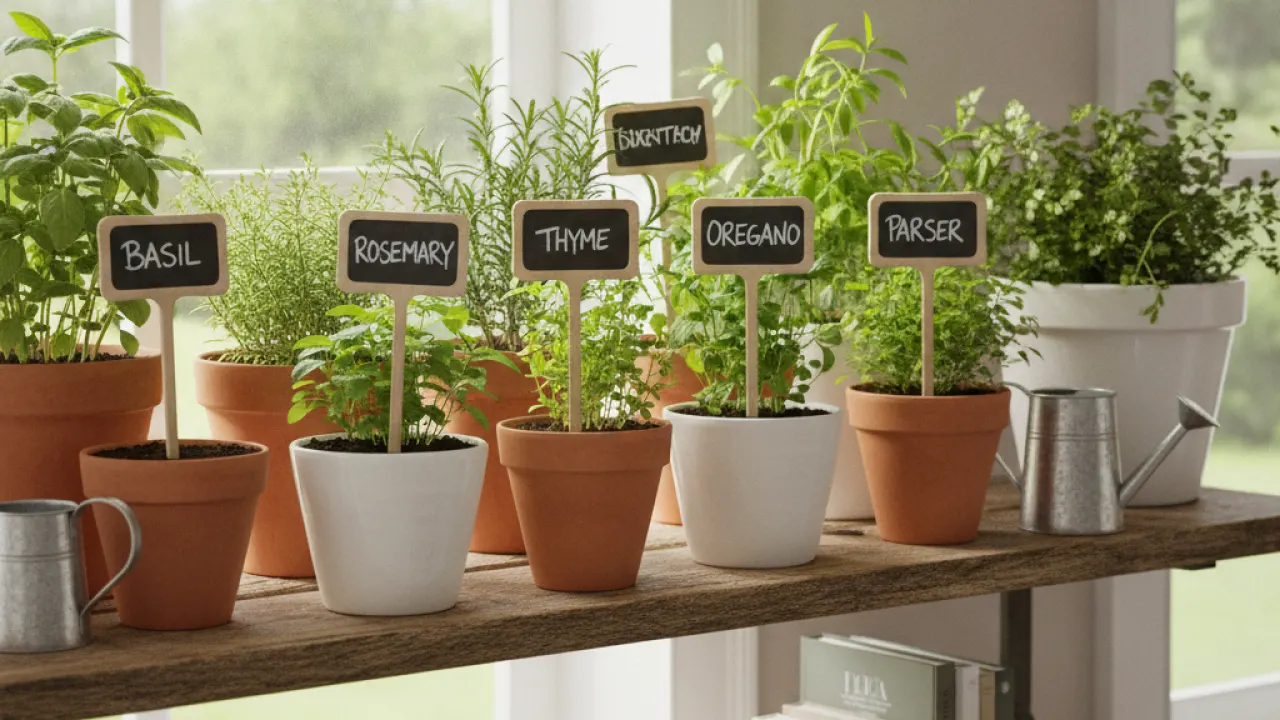
Start small. Two or three pots on a windowsill are enough to get the hang of what each herb needs. Once those are growing well, add one or two more. Within a few months, you’ll have a working indoor herb garden that cuts your weekly grocery costs and improves the flavour of your cooking.
The hardest part is getting past the first few weeks when you’re figuring out how much water each plant needs and whether the light is enough. Once you have a routine, maintaining an indoor herb garden takes less than five minutes a day.
Most people who start with herbs end up growing more than they planned. It’s a satisfying and practical hobby that costs very little once you have the basic setup in place. The h
Which herb are you thinking of growing first, and do you have a south-facing windowsill to work with? This guide shows you how the how to grow herbs indoors fits real life.
ng first, and do you have a south-facing windowsill to work with?For related reading, see our guides on 8 Easy Vegetables to Grow at Home for First-Time Gardeners, eating clean for beginners, building better daily habits, a home workout plan, gym membership costs in the UK.
Common questions about the how to grow herbs indoors
People often ask whether the how to grow herbs indoors works for complete beginners. It does, because every step can be adjusted to match your current level. Start where you are, not where you think you should be.
Another common question is how much time the how to grow herbs indoors takes each day. Most people spend between twenty and forty minutes on the core steps. That is enough to make progress without taking over your schedule. For broader insights, exploring practical advice on how to start a vegetable garden will give you actionable takeaways you can apply right away. For broader insights, exploring practical advice on how to start a vegetable garden will give you actionable takeaways you can apply right away.
Some readers wonder if they need expensive tools or sub
Consistency is the factor that separates people who get results from people who stay stuck. Missing one day is fine. Missing three days in a row is where momentum breaks. Start with the basics of the how to grow herbs indoors and build from there.
arates people who get results from people who stay stuck. Missing one day is fine. Missing three days in a row is where momentum breaks.Tracking progress is another habit that helps. Write down what you did, how it felt, and any small wins. Those notes become proof that the how to grow herbs indoors is working, especially on days when motivation is low.
Finally, remember that the how to grow herbs indoors