

A vegetable garden layout can make a small space grow much more food. The best plan gives each plant enough light, keeps paths clear and makes daily care easy. For more background, see Wikipedia reference.
This guide shows 7 easy layout plans for beginners, with raised beds, containers, vertical supports and simple crop rotation. You can use it for a UK back garden, patio, balcony or small side plot.
Vegetable Garden Layout Basics for Small Spaces
A good vegetable garden layout starts with access. If you cannot reach a plant, you will avoid weeding, watering and harvesting it. That is why a small bed with clear edges often beats a wide patch of open soil.
Start by choosing the sunniest part of your space. Most fruiting crops, such as tomatoes, beans, courgettes and peppers, need strong light. Leaf crops, such as lettuce and spinach, can cope with some light shade, especially in hot weeks.
The University of Minnesota Extension explains that crops such as tomatoes, peppers and eggplants need at least 6 to 8 hours of sun each day, which is why light should guide your layout before looks.
Next, mark your paths before you plant. A path is not wasted space. It protects the soil from your feet, gives you a place to kneel and lets you carry a watering can without brushing against young plants.
For most beginners, the easiest vegetable garden layout uses beds that are no more than 1.2 metres wide. You can then reach the middle from either side. If a bed sits against a wall or fence, keep it closer to 60cm wide because you can only reach from one side.
Keep tall crops at the north side of the bed if you can. In the UK, the sun sits to the south for much of the day. Tall plants on the south side can shade everything behind them.
A beginner layout should also match your weekly time. If you can only garden at weekends, start with one bed or a few large containers. A neat small plan is easier to keep alive than a huge plot that needs daily rescue.
Before you buy seeds, read our guide on how to start a vegetable garden. It pairs well with this layout plan because it covers soil, tools and the first setup steps.
7 Easy Layout Plans You Can Use
These 7 plans fit most beginner spaces. Pick one, then adjust it to your garden shape.
- Single raised bed for a first season with low risk and easy care.
- Two-bed path layout for crop groups and simple rotation.
- L-shaped corner layout for a fence corner or side return.
- Square grid layout for neat planting in small blocks.
- Vertical trellis layout for beans, peas, cucumbers and tomatoes.
- Container patio layout for renters, balconies and paved spaces.
- Long narrow layout for side gardens and thin back gardens.
Raised Bed Vegetable Garden Layout for Beginners
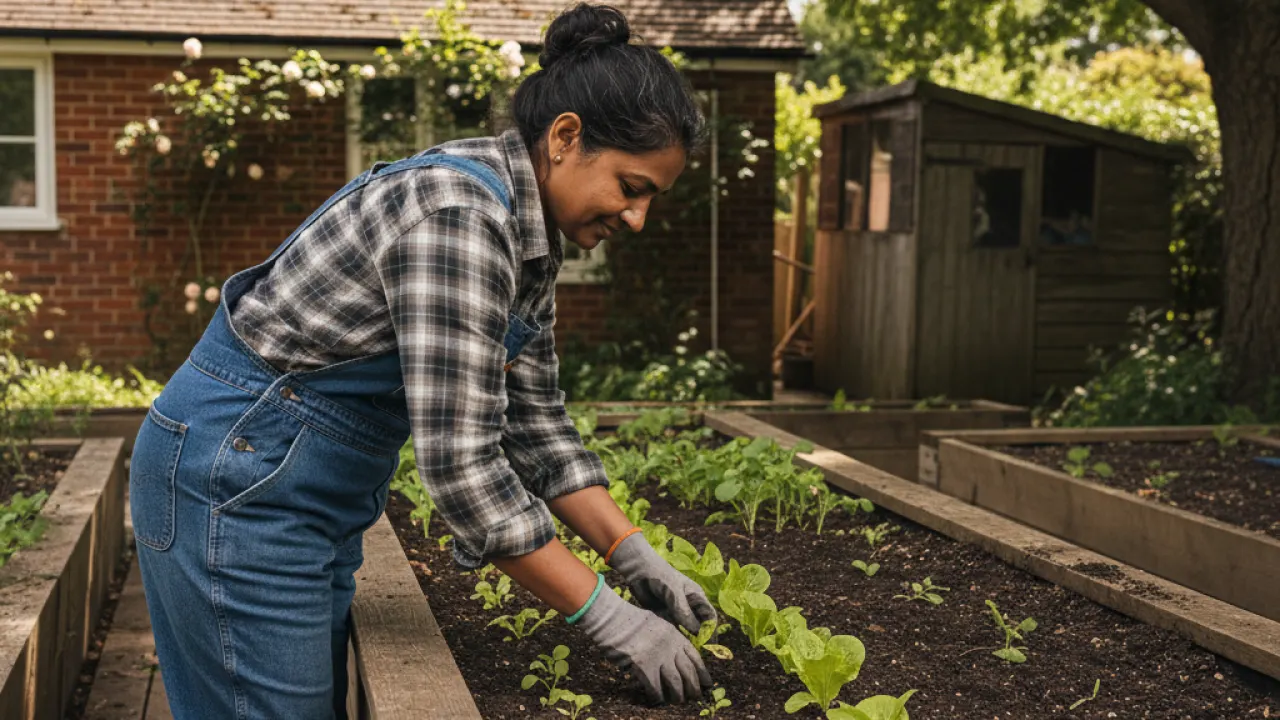
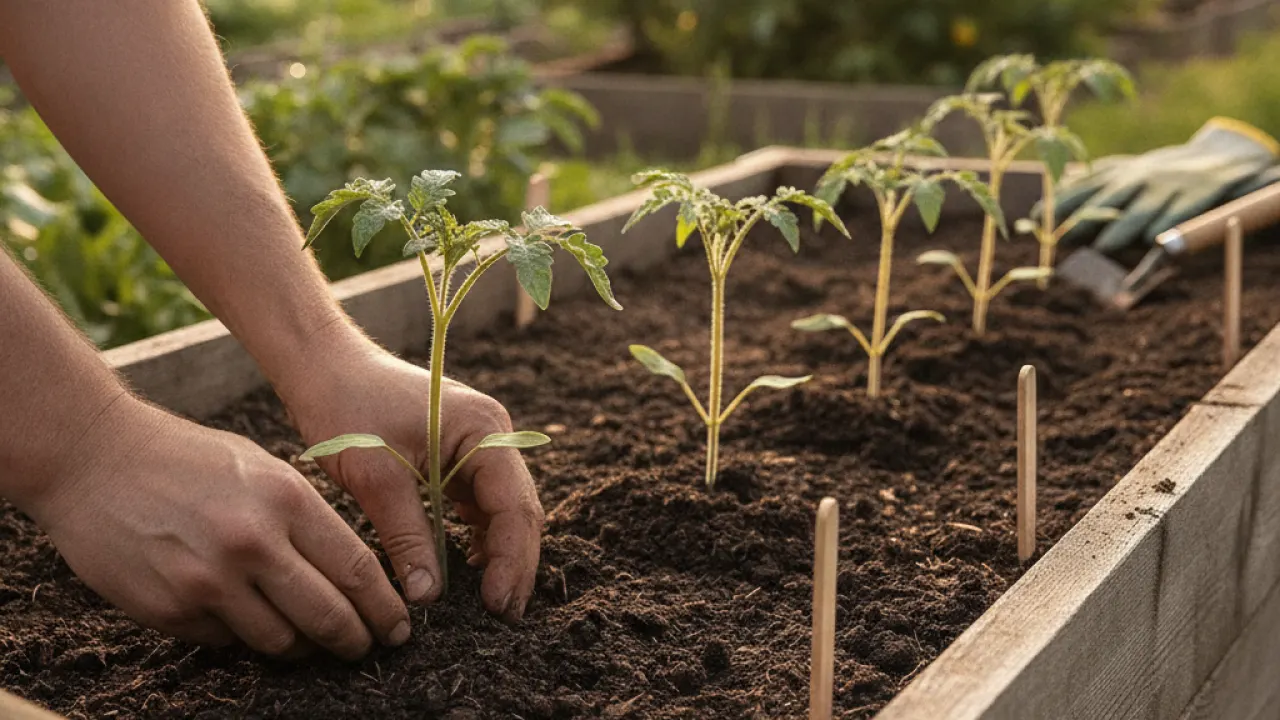
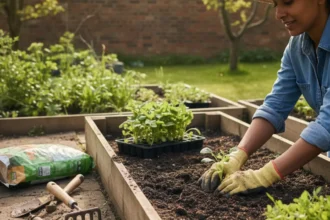
The raised bed is the best vegetable garden layout for many beginners. It gives you a clear edge, better control over soil and a simple way to keep paths separate from growing space.
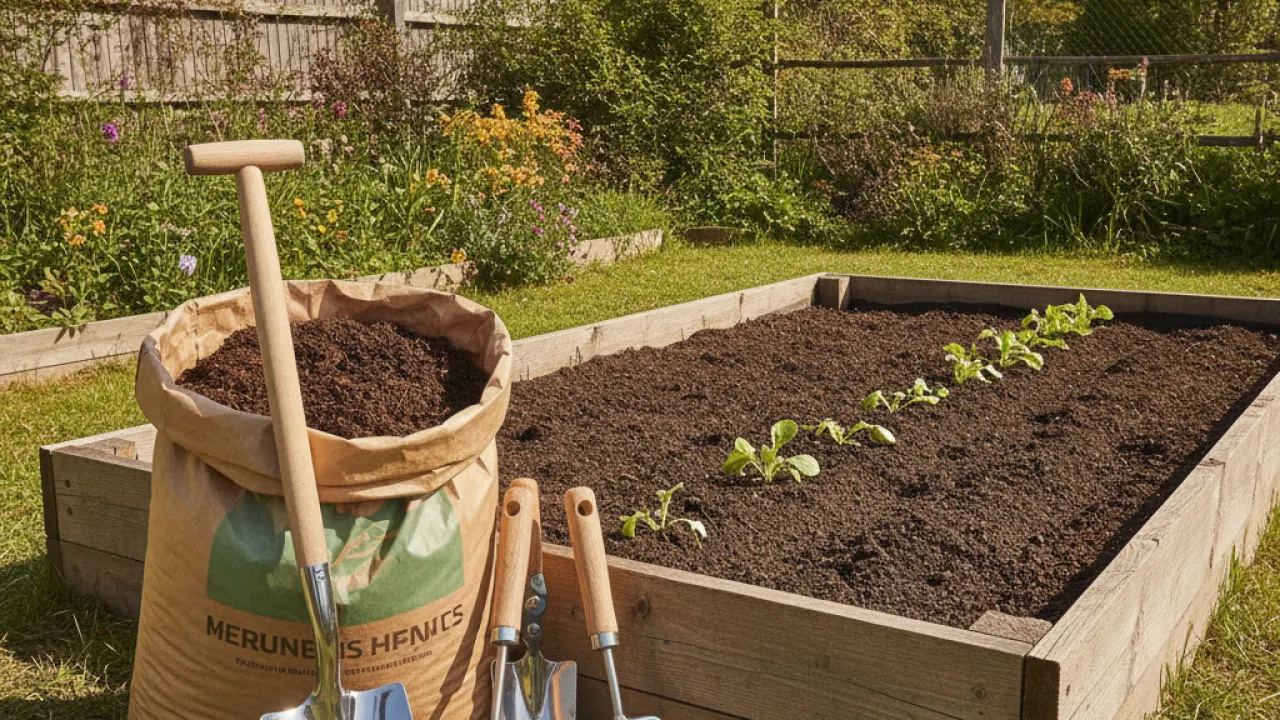
A strong first bed is 1.2 metres wide and 2.4 metres long. That gives enough room for a real mix of crops without becoming hard to manage. If you only have space for a smaller bed, that is fine. A 1.2 metre square bed can still grow salad, herbs, beans and beetroot.
Put the bed where it gets the most sun. Leave at least 45cm for a path around the working sides. If you use a wheelbarrow, make the main path wider. A 60cm path feels much better when plants are full in July.
A simple vegetable garden layout for one raised bed can look like this:
- North edge with 3 tomato plants on canes or a bean frame.
- Middle strip with beetroot, spring onions or dwarf French beans.
- Front edge with lettuce, spinach, radish and parsley.
- Corner space with one courgette only if the bed is large enough.
Do not squeeze too many large plants into one bed. One courgette can fill a huge area by midsummer. Four tomato plants may sound better than two, but crowding can reduce airflow and make watering harder.
If you want a low-stress first season, choose crops that give quick wins. Salad leaves, radishes, spring onions, dwarf beans and beetroot are good options. Our guide to easy vegetables to grow can help you choose the first set.
Two-Bed Layout With a Clear Path
A two-bed vegetable garden layout is a smart upgrade. Put two narrow beds side by side with a path in the middle. You can kneel in the path and work both beds without stepping on the soil.
Use one bed for leafy crops and roots. Use the other for fruiting crops and climbers. Next year, swap the main crop groups. This keeps the plan easy and helps you avoid growing the same plant family in the same place again and again.
You can also make one bed the “daily harvest” bed. Put lettuce, herbs and spring onions nearest the kitchen door. Put slower crops, such as potatoes or brassicas, farther away.
Vertical Vegetable Garden Layout for Small Spaces
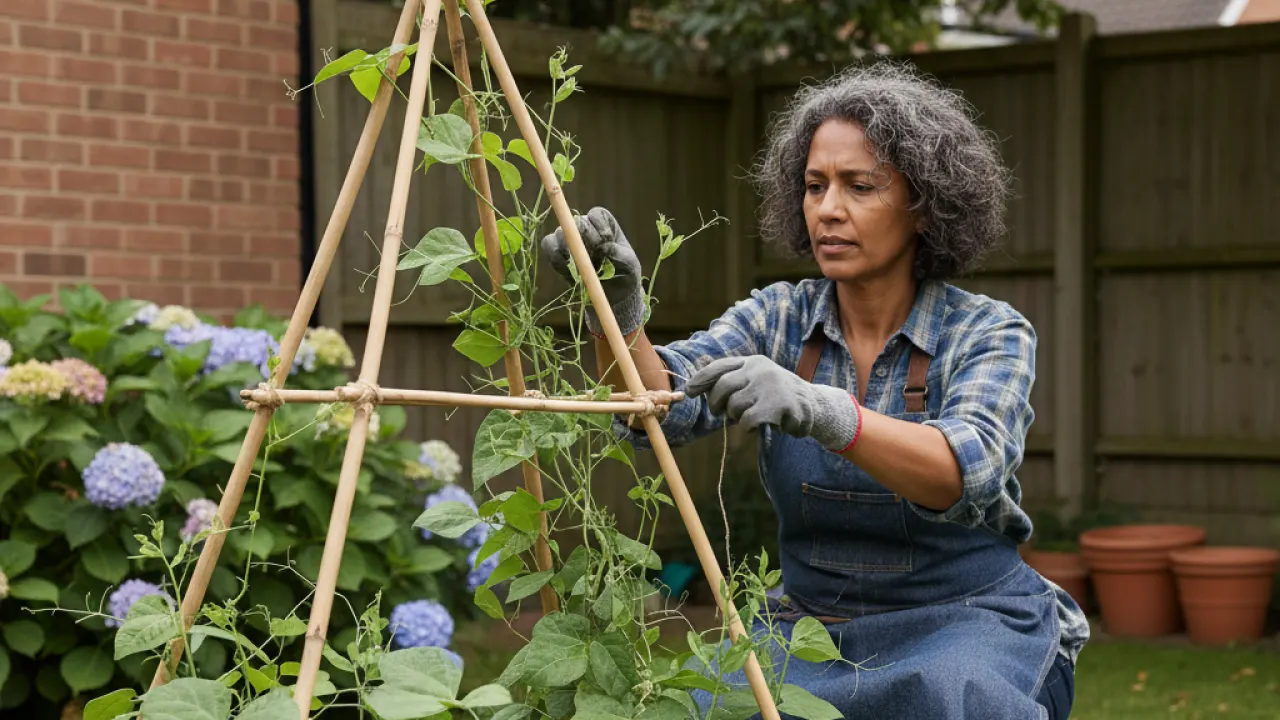
A vertical vegetable garden layout uses height, not just floor space. This is one of the fastest ways to grow more food in a small garden.
Use vertical supports for runner beans, climbing French beans, peas, cucumbers and cordon tomatoes. These crops grow upward, so they leave ground space for low plants in front.
Place your strongest supports before you plant. It is much harder to add a frame after roots have spread. Bamboo canes, trellis panels, strong netting and metal obelisks all work if they are fixed well.
Put the support at the north side of a bed where possible. This lets taller crops rise without shading the rest of the vegetable garden layout. In a fence border, place climbers against the fence and shorter crops along the front.
A good vertical plan can include:
- Beans on an A-frame, with lettuce beneath the light shade.
- Peas on netting, with radishes in front for a fast crop.
- Tomatoes on canes, with basil or parsley near the base.
- Cucumbers on a trellis in a warm and sheltered spot.
- Hanging baskets with tumbling tomatoes or strawberries.
- Wall planters for herbs, salad leaves and compact greens.
- Fence shelves for seed trays and small herb pots.
Vertical growing still needs care. Tall crops dry out faster in wind. Check ties often so stems do not snap. Water at the base, not over the leaves, and keep the support strong enough for a heavy late-summer crop.
Long Narrow Garden Layout
A long, narrow garden needs short beds across the width, not one thin strip down the side. Short beds create more edges and make each crop easier to reach.
Use a central path or stepping stones. Put beds on both sides. Keep the tallest frame at the far north end or along a fence. This vegetable garden layout stops the space feeling like one hard-to-reach corridor.
Container Vegetable Garden Layout for Patios
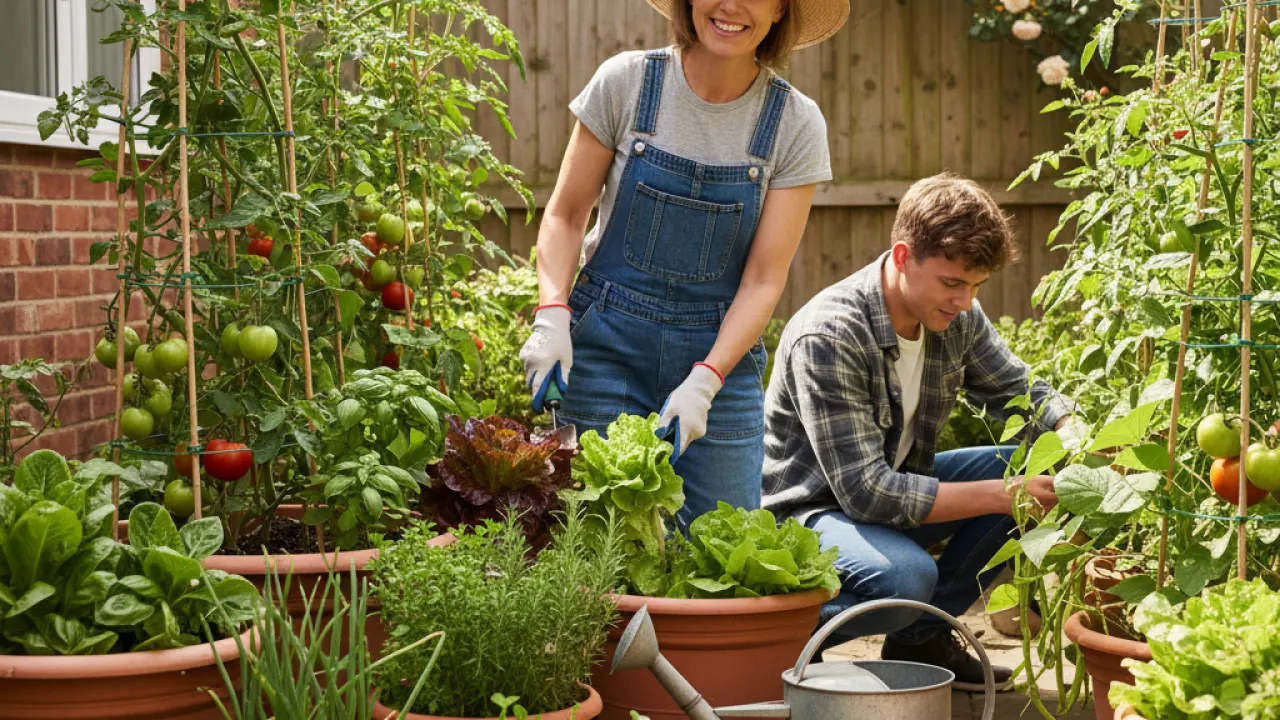
A container vegetable garden layout is perfect if you rent, have poor soil or only have a patio. The plan is simple: use the biggest pots you can, group plants by water needs and keep daily harvest crops close to the door.
Containers dry out faster than ground beds. The University of Minnesota Extension’s container vegetable guide says container crops may need daily watering in warm weather, so your layout should make watering easy.
Put large, thirsty plants together. Tomatoes, courgettes and cucumbers need more water than herbs like rosemary or thyme. If they sit in one zone, you can water the thirsty group well without soaking the drier herbs.
Arrange pots by height. Tall tomatoes and beans go at the back or the north side. Medium pots go in the middle. Salad boxes, herbs and spring onions go at the front where you can pick them quickly.
For a small patio, try this vegetable garden layout:
- Back row with 2 tomato pots and a bean pot against a wall.
- Middle row with beetroot, dwarf beans and a compact courgette.
- Front row with lettuce boxes, herbs and spring onions.
- Corner pot with mint on its own so it cannot spread.
Use saucers if the patio is very dry, but do not let roots sit in water for long. Good drainage still matters. Raise pots slightly on feet or bricks if water pools after rain.
Balcony Layout Tips
On a balcony, weight matters. Large wet pots can be heavy. Use light compost mixes, spread pots out and avoid huge troughs unless you know the balcony can take the load.
Wind also matters. A high balcony can dry leaves and break tall plants. Use low containers for salad and herbs. Put climbers near a strong rail only if you can secure them safely.
Plan Your Vegetable Garden Layout Before Planting
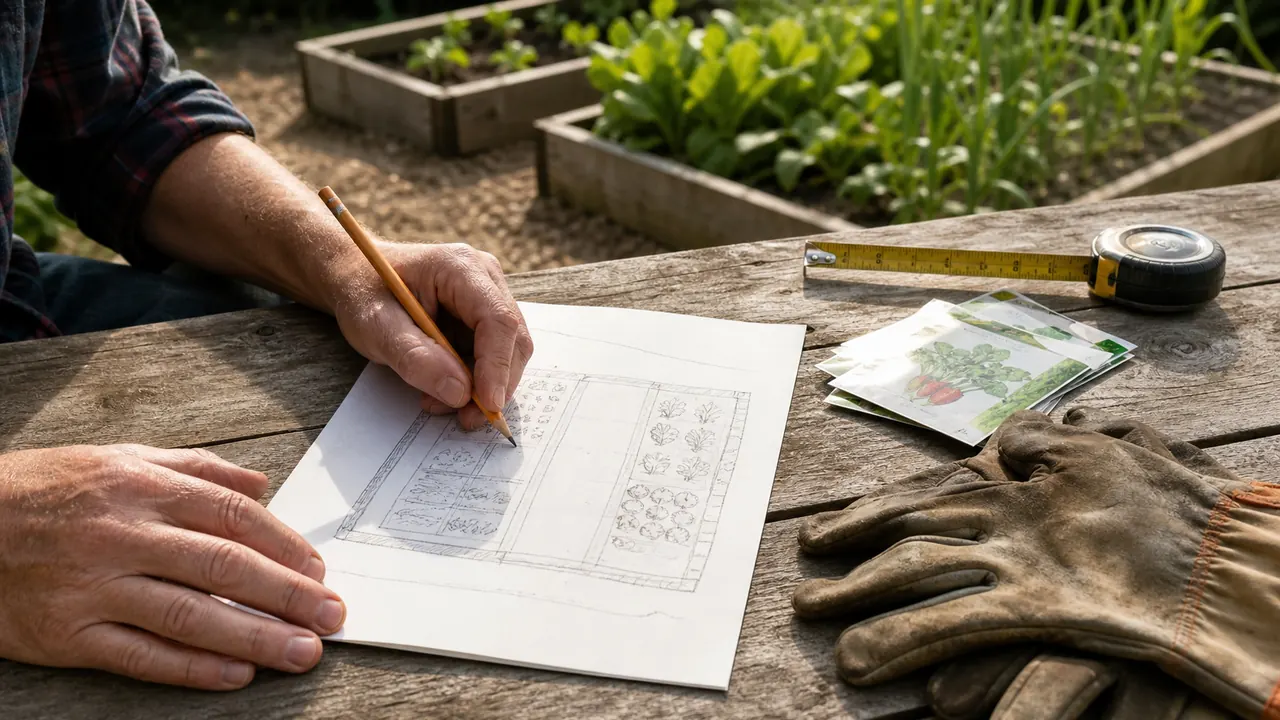
Always sketch your vegetable garden layout before you buy plants. The sketch does not need to be neat. It only needs to show beds, paths, sun, water access and the main crop groups.
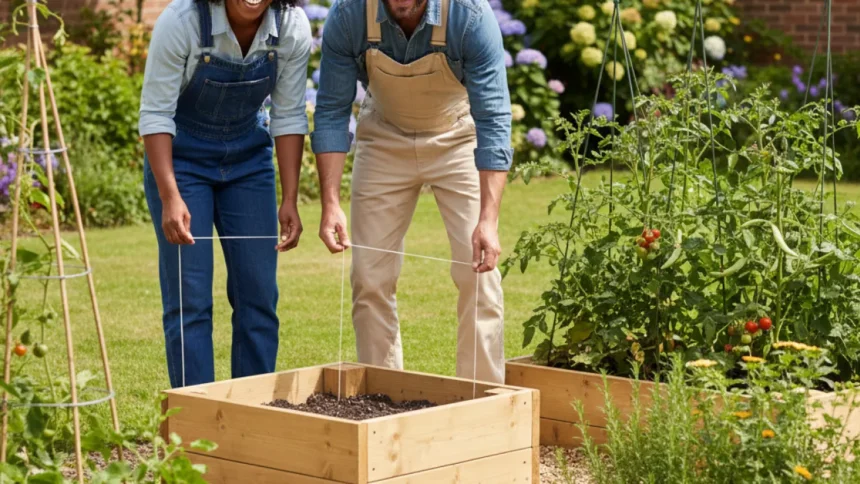
Measure the space first. Many beginners guess, then buy too many plants. A tape measure will save you money and stress. Mark fixed things too, such as walls, sheds, trees, drains and doors.
Next, watch the sun. Note which area gets morning light, midday light and afternoon shade. Do this for a few days if you can. A sunny spring spot can become shady in summer when trees and hedges fill out.
Then add paths. Put paths where your feet will naturally go. If the plan fights your normal movement, you will walk across the bed later.
Use this simple planning checklist:
- Sun shown on the sketch with the brightest area marked first.
- North marked so tall crops can go in the right place.
- Water marked so the hose or watering can route is clear.
- Paths at least 45cm where you need to kneel or carry tools.
- Bed width kept narrow enough to reach the centre.
- Crop groups placed together for easy rotation next year.
- Harvest crops near the door if you pick them often.
- Large plants given real space before they become huge.
- Containers grouped by water needs and height.
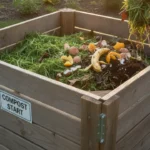
- Compost area placed where it is easy to reach but not in the way.
If you are starting with no clear plan, read our guide to starting a vegetable garden from scratch. It can help you set the base before you choose a final layout.
Crop Rotation and Companion Planting
A vegetable garden layout should not stay exactly the same every year. Crop rotation means moving plant families around the beds so pests and soil problems do not build up in one place.
The RHS guide to crop rotation explains that rotation helps group crops by plant family and soil needs. That makes it a good source for beginners planning more than one bed.
You can keep rotation simple. Use three groups: roots, legumes and brassicas. Roots include carrots, beetroot and parsnips. Legumes include peas and beans. Brassicas include cabbage, kale and broccoli.
In year one, put each group in a different bed. In year two, move each group one bed along. In year three, move again. After that, start the cycle again.
Tomatoes, potatoes, peppers and aubergines are in the same wider family. Try not to grow them in the same spot year after year. Salad leaves are more flexible, but it still helps to move them around.
Companion planting can support the vegetable garden layout, but do not treat it like magic. Some pairings are useful because they save space or bring insects. Others are just garden folklore.
Useful pairings include basil near tomatoes, nasturtiums near brassicas and lettuce under taller crops. Beans and sweetcorn can share space if the sweetcorn is strong enough. Herbs near paths can attract insects and make harvesting easier.
Keep fennel away from the main bed because it can slow nearby growth. Keep mint in a pot because it spreads fast. Give courgettes and squashes more space than you think they need.
Common Vegetable Garden Layout Mistakes
Most layout mistakes come from excitement. You buy too much, plant too close and forget where you need to walk. The fix is to make the vegetable garden layout serve your hands, feet and watering routine.
Making Beds Too Wide
A bed that is too wide becomes a problem every week. You step on the soil, miss weeds and leave crops unpicked. Keep beds narrow enough to reach without stretching.
Putting Tall Plants in Front
Tall plants can shade smaller crops. Put climbing beans, tomatoes and tall supports at the north side where possible. If the space is against a fence, put the climbers by the fence and shorter plants in front.
Skipping Paths
A bed without paths looks larger at first, but it becomes hard to manage. Paths protect soil and make the garden feel calm. Use woodchip, grass, slabs or compacted soil, but make the route clear.
Ignoring Water
If water is hard to reach, the garden will suffer in dry spells. Put containers near water. Keep thirsty plants in one zone. Add mulch after watering to slow drying.
Planting Everything at Once
One huge planting day can create one huge harvest and then an empty bed. Use succession sowing. Plant a small amount of salad, radish or spring onion every 2 to 3 weeks during the growing season.
Vegetable Garden Layout FAQs
What is the best vegetable garden layout for beginners?
The best vegetable garden layout for beginners is one raised bed with paths around it. Keep it narrow, sunny and close to water. Add more beds only after you can manage the first one well.
How big should my first vegetable garden be?
Start small. One 1.2 metre by 2.4 metre raised bed is enough for a useful first season. You can grow salad, beans, beetroot, spring onions and a few tomatoes in that space.
Should rows run north to south?
Rows that run north to south can help light reach both sides during the day. Still, sun matters more than perfect direction. A sunny bed with a simple layout will beat a shady bed with perfect rows.
Can I grow vegetables in containers only?
Yes. A container vegetable garden layout can work well on patios and balconies. Use large pots, good drainage and a watering plan. Put tall pots at the back and daily harvest crops near the door.
Which vegetables should I plant first?
Start with easy crops such as lettuce, radish, spring onions, beetroot, dwarf beans and herbs. Our beginner gardening guide explains what to plant first and when.
Frequently Asked Questions
What is the best vegetable garden layout for beginners?
The best vegetable garden layout for beginners is one raised bed with paths around it. Keep it narrow, sunny and close to water. Add more beds only after you can manage the first one well.
How big should my first vegetable garden be?
Start small. One 1.2 metre by 2.4 metre raised bed is enough for a useful first season. You can grow salad, beans, beetroot, spring onions and a few tomatoes in that space.
Should rows run north to south?
Rows that run north to south can help light reach both sides during the day. Still, sun matters more than perfect direction. A sunny bed with a simple layout will beat a shady bed with perfect rows.
Can I grow vegetables in containers only?
Yes. A container vegetable garden layout can work well on patios and balconies. Use large pots, good drainage and a watering plan. Put tall pots at the back and daily harvest crops near the door.
Which vegetables should I plant first?
Start with easy crops such as lettuce, radish, spring onions, beetroot, dwarf beans and herbs. Our beginner gardening guide explains what to plant first and when.
Start With One Clear Plan
The best vegetable garden layout is not the biggest one. It is the one you can water, weed and harvest without stress. Start with a simple bed, path or container group, then improve it after one season of real use.
Sketch the space before you plant. Put the tallest crops where they will not shade the rest. Keep paths wide enough to work from. Choose crops you will actually eat.
Once your first layout works, you can add a second bed, a trellis or a container zone. That slow growth is much easier than fixing a crowded garden in midsummer.
What part of your vegetable garden layout feels hardest right now: sun, space, paths, containers or choosing what to plant first?