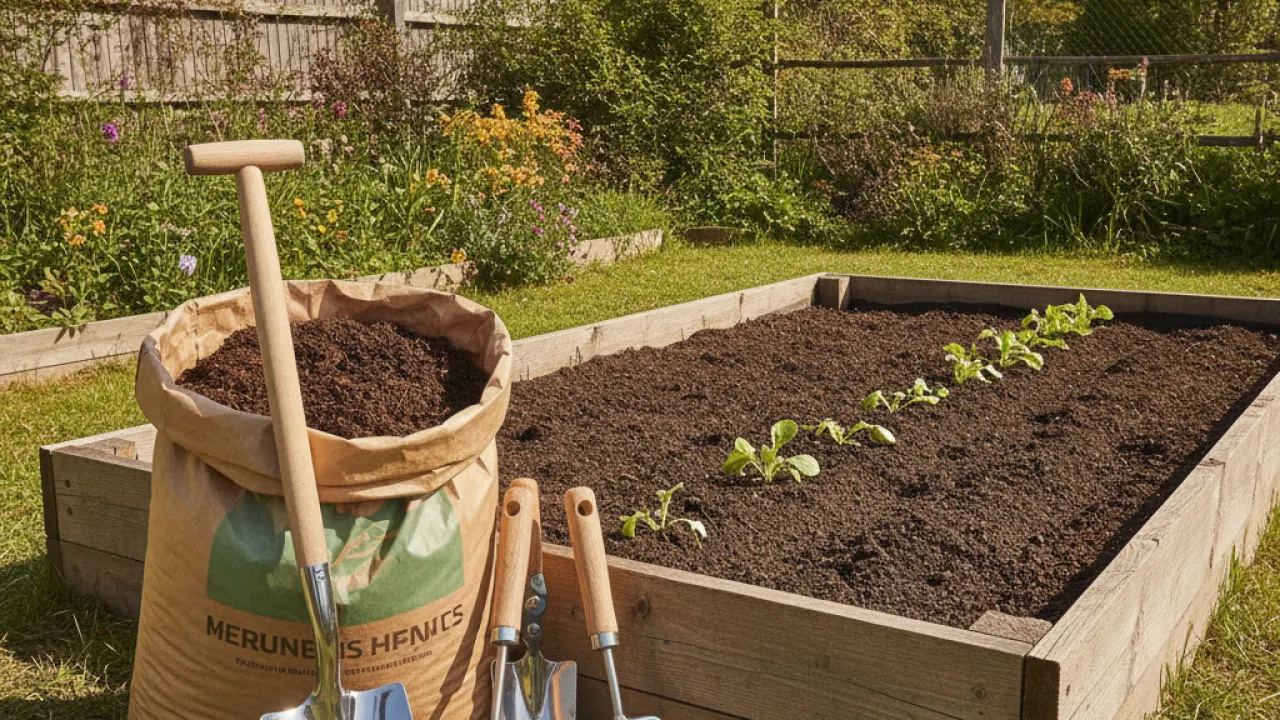


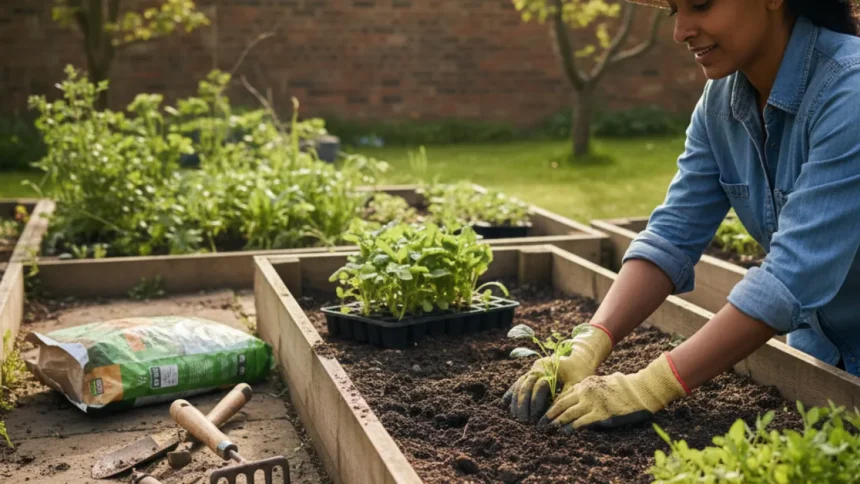
Starting a vegetable garden doesn’t have to be hard. If you pick the right spot, use decent soil, and choose easy plants, you can grow real food in your first season. For more background, see Wikipedia reference.
This guide walks you through every step. No experience needed.
Why Grow Your Own Vegetables?
People grow vegetables for all kinds of reasons. Some want fresh food that tastes better than shop produce. Others want to save money on groceries. A lot of people just like being outside and doing something with their hands.
Whatever your reason, a vegetable garden gives you results you can actually eat. That’s more satisfying than almost any other hobby.
Here’s what most first-time gardeners say after their first harvest:
- The taste is completely different from supermarket vegetables
- It’s cheaper than expected once the setup is done
- It’s more relaxing than they thought it would be
- They wish they started sooner
You don’t need a big garden. A few square metres of decent ground, a raised bed, or even large containers will do the job.
Picking the Right Spot
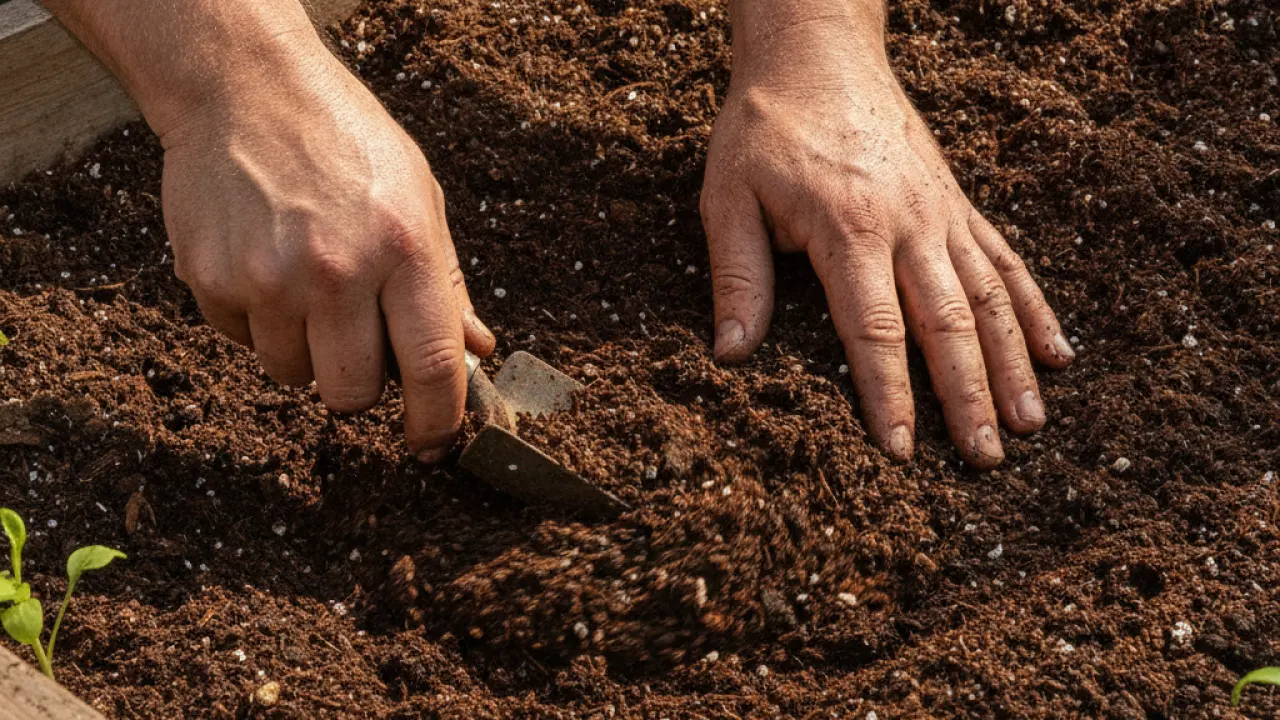
The spot you choose matters more than anything else. Get this wrong and your vegetables will struggle no matter what you do.
How Much Sun Do You Need?
Most vegetables need at least 6 hours of direct sun each day. Tomatoes, courgettes, and peppers want even more, around 8 hours. Leafy greens like lettuce and spinach can manage with 4 to 5 hours.
Watch your garden for a full day before you decide where to dig. Notice where the sun hits in the morning, midday, and afternoon. Pick the sunniest patch you have.
What About Water?
You need to be able to water easily. If your patch is 50 metres from the tap, you’ll water less often than you should. Put your garden somewhere a hose or watering can can reach without too much effort.
Also check that the spot doesn’t flood or sit in water after heavy rain. Vegetables don’t like wet feet. If it drains slowly, raised beds are a much better option.
Other Things to Check
- Tree roots compete with vegetables for water and food. Stay at least 3 metres away from large trees.
- Wind can dry out soil fast and knock over tall plants. A fence or hedge on the windward side helps.
- Slope causes water to run off before it soaks in. Flat ground is easier to manage.
- Access matters. If you can’t reach the middle of your bed, you’ll have trouble planting and harvesting.
Soil: The Most Important Factor
Vegetables grow in soil. Good soil means good vegetables. Bad soil means struggling plants that produce very little.
Most garden soil is not ideal for vegetables straight away. It might be too heavy, too sandy, too compacted, or lacking nutrients. The good news is you can fix almost any soil with a bit of work.
What Does Good Vegetable Soil Look Like?
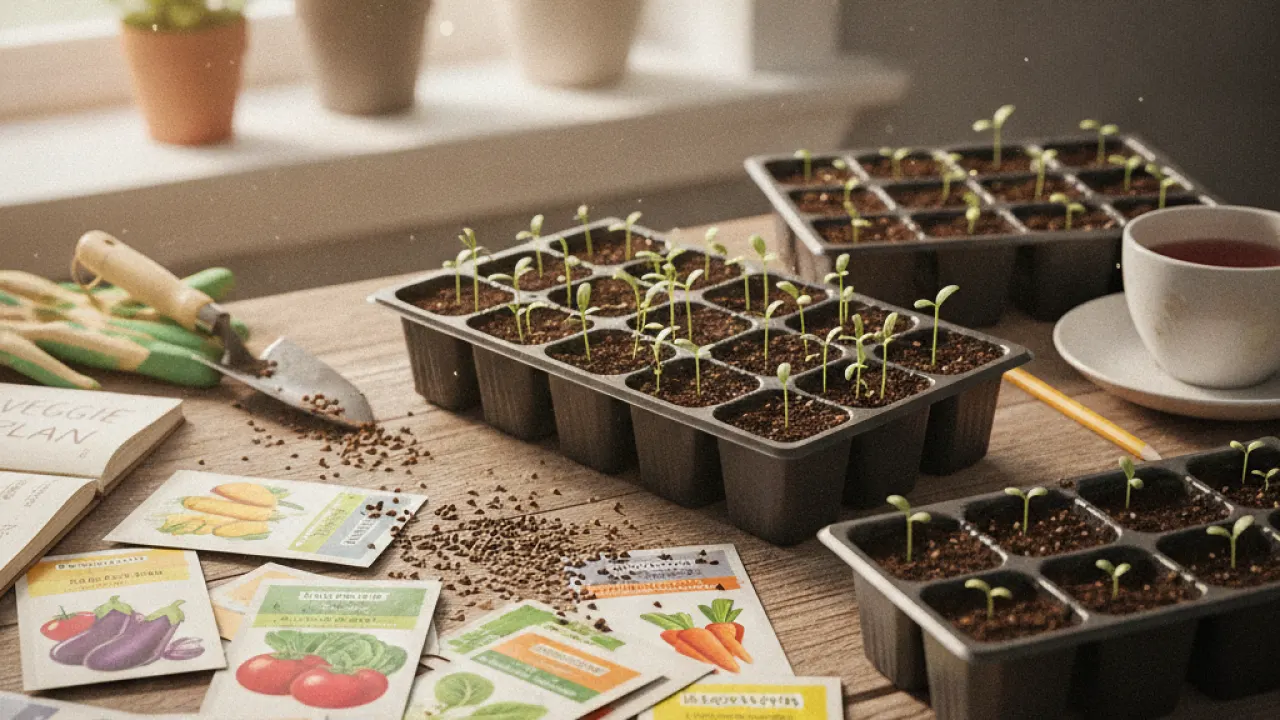
Good vegetable soil is dark, loose, and crumbly. Pick up a handful and squeeze it. It should hold together for a second, then break apart when you poke it. If it stays in a tight lump, it’s too heavy. If it falls apart immediately and feels like sand, it needs organic matter.
It should also smell earthy and good. If it smells sour or like rotting rubbish, something is wrong.
How to Improve Your Soil
The best thing you can add to almost any soil is compost. Compost is decomposed organic matter. It improves drainage in clay soils, holds moisture in sandy soils, and adds nutrients to all soils.
Dig or fork your soil to a depth of about 30cm. Then add a layer of compost 5 to 10cm thick and mix it in well. You can buy bags of compost from any garden centre, or make your own in a compost bin over several months.
Other things you can add to improve soil:
- Well-rotted manure from horses, cows, or chickens adds both nutrients and structure
- Leaf mould improves moisture retention and feeds soil organisms
- Grit or sharp sand opens up heavy clay soils and improves drainage
- Perlite works well in containers to keep compost loose and airy
- Worm castings are an excellent nutrient boost for any bed or container
- Bark chips used as mulch on the surface help retain moisture and suppress weeds
Raised Beds: A Shortcut to Good Soil
If your soil is really bad, or if you’re gardening on concrete or tarmac, raised beds are the answer. You fill them with a mix of topsoil and compost, so you control exactly what you’re growing in.
Raised beds also warm up faster in spring, drain better, and are easier to work without bending down too far. A standard raised bed is about 1.2m wide so you can reach the middle from either side.
What to Plant First
Don’t try to grow everything in your first year. Pick a handful of easy vegetables that give you quick results. Success early on keeps you motivated.
Best Vegetables for Beginners
These vegetables are forgiving, fast-growing, and give you a lot for your effort:
- Radishes are ready to eat in as little as 3 to 4 weeks. Perfect if you want quick results.
- Lettuce and salad leaves grow fast and you can harvest a few leaves at a time for weeks.
- Courgettes are very productive. One or two plants will give you more than you can eat.
- French beans are easy to grow from seed and produce well through summer.
- Tomatoes take a bit more attention but are very rewarding. Start with a small cherry variety.
- Spring onions grow quickly and don’t need much space at all.
- Peas are good to direct sow and kids love picking them straight from the pod.
- Beetroot is a reliable root vegetable that grows well in most conditions.
What to Avoid in Your First Year
Some vegetables are harder to grow or take too long. Leave these until you have a bit more experience:
- Celery needs a lot of water and consistent conditions
- Cauliflower is sensitive and easily goes wrong
- Asparagus takes 2 to 3 years before you can harvest it
- Watermelon needs a long hot summer that the UK rarely provides
Understanding Timing and Planting Seasons
Timing is one of the things that catches beginners out most often. Plant too early and a frost kills your seedlings. Plant too late and plants don’t have enough time to produce.
The Last Frost Date
In the UK, the average last frost date in most areas is around mid-April, but in northern Scotland it can be much later. In southern England, some years see no frost after March.
Tender vegetables like tomatoes, courgettes, and French beans can’t go outside until after the last frost. You can start them indoors from seed in March or April and plant them out in May once the risk has passed.
Hardy Versus Tender Plants
Hardy plants can handle frost and cold. Peas, broad beans, garlic, onions, and many salad leaves fall into this group. You can plant them earlier in spring, even late winter in mild areas.
Tender plants die if they touch frost. Tomatoes, courgettes, peppers, cucumbers, and basil are all tender. Keep them inside until temperatures are reliably above 10 degrees at night.
A Simple Planting Calendar
- January to February: Start broad beans indoors or in a cold frame. Order seeds.
- March: Sow tomatoes, peppers, courgettes, and peas indoors. Direct sow hardy salads outside under fleece.
- April: Plant out hardy seedlings. Keep tender ones inside.
- May: Plant out tender seedlings after the last frost. Sow French beans, beetroot, and carrots directly.
- June: Keep sowing salads and radishes for a continuous supply. Plant out any remaining tender plants.
- July: Sow French beans, squashes, and autumn salads for later harvests.
- August to September: Harvest main crops. Sow winter salads, kale, and garlic.
- October to December: Plant garlic cloves. Dig over beds and add compost. Plan for next year.
See also: how to grow a vegetable garden and easy vegetables to grow.
Seeds Versus Seedlings: Which Is Better?
You can start your vegetables from seed or buy young plants ready to go in the ground. Both approaches work. The right choice depends on your time, budget, and space.
Growing From Seed
Seeds are much cheaper than plants. A packet of tomato seeds costs around £2 to £3 and gives you 20 or more plants. A single tomato plant from a garden centre costs about the same.
The downside is that seeds need more time and attention. You need somewhere warm and light to germinate them. You need to pot them on as they grow. You need to harden them off before planting out.
Growing from seed is very satisfying, but it does take longer and requires a bit more effort early in the season.
Buying Young Plants
Young plants, called plug plants or transplants, are ready to grow on and plant out. They save you weeks of work inside and are ideal if you don’t have a greenhouse or sunny windowsill.
The cost adds up if you’re buying lots of plants, but for your first year it’s a perfectly good way to start without worrying about germination.
Which Vegetables Work Best From Direct Sowing?
Some vegetables do better when sown directly in the ground rather than started in pots. These don’t like having their roots disturbed:
- Carrots must be direct sown. They fork and go wrong if transplanted.
- Parsnips also need to go straight in the ground.
- Beetroot can be transplanted carefully but is easier direct sown.
- Peas grow best from seed sown directly where they’ll grow.
- French beans dislike root disturbance and do well direct sown.
- Radishes grow so fast there’s no point starting them inside.
- Spinach and chard can be direct sown throughout the season.
Spacing and Planting Depth
Plants need room to grow. Crowded plants compete for light, water, and nutrients. They produce less and get sick more often.
Always check the spacing on the seed packet or plant label. It’s there for a reason. It can feel like you’re leaving huge gaps when you first plant out, but those gaps fill up quickly.
General Spacing Guide
Here are rough spacings to give you an idea:
- Tomatoes: 50 to 60cm apart
- Courgettes: 90cm apart. These get very large.
- French beans: 15 to 20cm between plants, rows 45cm apart
- Lettuce: 20 to 30cm apart
- Beetroot: 10cm between plants
- Carrots: 5 to 7cm after thinning
- Peas: 5 to 7cm apart in the row
- Radishes: 2 to 3cm apart
- Spring onions: 1cm apart in rows 10cm apart
- Kale: 45 to 60cm apart
How Deep to Plant Seeds
The general rule is to plant a seed at a depth equal to twice its diameter. Tiny seeds like lettuce go barely under the surface. Large seeds like peas and beans go about 2 to 4cm deep.
Planting too deep is a common mistake. Seeds have limited energy to push through too much soil. If they can’t reach the light in time, they die before emerging.
Watering and Feeding Your Vegetables
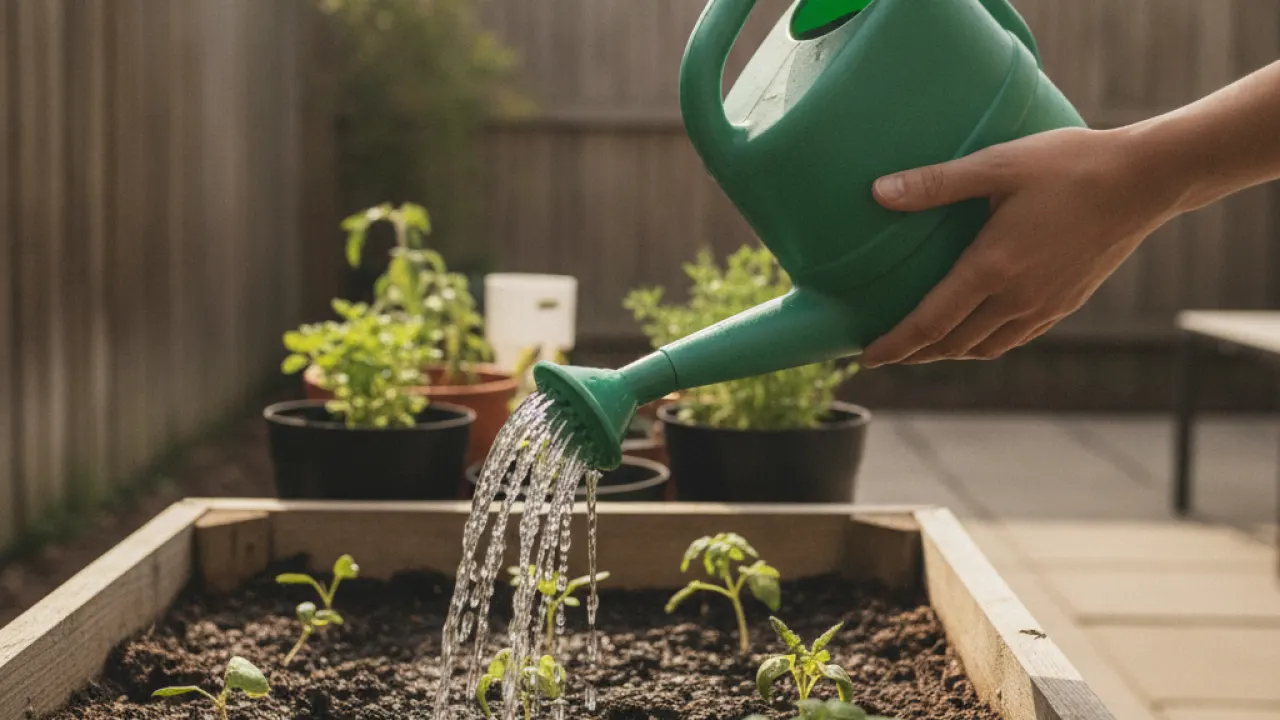
Vegetables need consistent moisture. They don’t want to go from bone dry to waterlogged. Regular, thorough watering is much better than frequent shallow watering.
How Often to Water
In dry weather, most vegetable beds need watering every 2 to 3 days. Containers dry out much faster and may need daily watering in summer.
The best time to water is early in the morning. This reduces evaporation and gives the leaves time to dry before evening, which reduces disease.
Push your finger into the soil up to your first knuckle. If it feels dry at that depth, water well. If it still feels moist, leave it another day.
Signs of Overwatering
It’s possible to water too much. Overwatered plants show yellowing leaves, wilting despite wet soil, and sometimes mould on the soil surface. Make sure your beds and containers drain well.
Feeding Your Plants
If you’ve added plenty of compost, your soil should have enough nutrients to get plants started. But heavy-feeding crops like tomatoes, courgettes, and peppers will need extra feeding once they start fruiting.
Use a high-potassium liquid feed like tomato fertiliser every 7 to 14 days once flowers appear. Potassium promotes flowering and fruiting. Avoid high-nitrogen feeds for fruiting crops or you’ll get lots of leaves but little fruit.
Common Beginner Mistakes
Most beginner gardeners make the same errors. Knowing what they are helps you avoid them.
Planting Too Much
It’s tempting to grow everything at once. But too many plants means too much work, too much watering, and often too much produce at once. Start small. Grow 3 or 4 types of vegetable well rather than 15 types badly.
Ignoring Weeds
Weeds compete hard with your vegetables. A patch left unweeded for two weeks can become a serious problem. Spend 10 minutes weeding every few days rather than letting it build up into a massive job.
Mulching with straw, bark chips, or cardboard between plants reduces weed growth significantly and saves you a lot of time.
Not Hardening Off Seedlings
Seedlings grown indoors aren’t used to wind, direct sun, and outdoor temperatures. If you put them outside straight away, they get stressed and may die.
Harden off seedlings by putting them outside in a sheltered spot for a few hours each day for a week or two before planting them in their final position. Gradually increase the time outside each day.
Forgetting to Thin Seedlings
When seeds are sown directly, you’ll often get more seedlings than you need. Thinning means removing the weaker seedlings so the stronger ones have space. It feels wrong to pull up healthy plants, but it’s essential for good results.
Planting in Shade
This goes back to choosing the right spot. A vegetable garden in shade is always a disappointment. Even plants that tolerate partial shade do better with more sun.
Dealing With Pests
Something will eat your vegetables at some point. That’s just gardening. The key is to manage pests without panicking and without reaching for harsh chemicals.
Slugs and Snails
These are the most common problem for new gardeners. They eat seedlings and young plants overnight, leaving you confused in the morning about where your plants went.
Control methods that work:
- Copper tape around pots creates a mild deterrent
- Nematodes are microscopic organisms you water into the soil to kill slugs underground
- Hand picking at night with a torch is time-consuming but effective
- Beer traps attract and drown slugs. They work but need regular emptying.
- Grit and eggshells around plant bases make it harder for slugs to cross. Results vary.
- Raising beds helps but doesn’t eliminate the problem completely
- Encouraging hedgehogs and frogs into your garden creates natural predators
- Wildlife-friendly slug pellets containing ferric phosphate are safer than metaldehyde
Aphids
Aphids cluster on soft growing tips and the undersides of leaves. They weaken plants by sucking sap. A strong jet of water from the hose knocks them off. Ladybirds eat huge numbers of them, so encourage these into your garden. You can also buy or attract lacewings and parasitic wasps.
Caterpillars
Caterpillars of the cabbage white butterfly love brassicas like kale and cabbage. Cover your brassicas with fine mesh or fleece after planting to stop the butterflies laying eggs. Check under leaves regularly and remove caterpillars by hand if you find them.
Getting Ready for Next Year
Once the main growing season is over, there’s still work to do. Autumn and winter preparation makes the following year much easier.
Clear, Compost, and Cover
Remove spent plants from beds once they’ve finished producing. Most can go on the compost heap, but diseased plants should go in the bin to avoid spreading problems.
Add a thick layer of compost to your cleared beds and leave it on the surface. Worms will drag it down into the soil over winter, improving structure and fertility naturally.
Cover bare soil with cardboard, a mulch layer, or a green manure crop. Bare soil loses nutrients to rain and grows weeds. Keeping it covered saves you work in spring.
What to Plant in Autumn and Winter
Autumn isn’t the end of growing. Garlic goes in between October and December and is harvested the following July. Hardy winter salad leaves and kale can be sown in late summer for harvests through autumn and winter. Broad beans sown in November in mild areas overwinter and crop earlier than spring-sown ones.
Keep Notes
Write down what worked and what didn’t. Note when you planted things and when you harvested them. Record any problems and what you did about them. A simple garden notebook is one of the most useful things a new gardener can have.
Next year you’ll know exactly which varieties you liked, which spots worked best, and what to change. Every year you learn something new.
Tools You Actually Need
You don’t need a shed full of expensive tools to grow vegetables. Start with the basics and add more as you work out what you actually use.
The tools worth buying from the start:
- A spade for digging and turning soil
- A fork for breaking up clumps and lifting root vegetables
- A hand trowel for planting seedlings and transplants
- A hoe for surface weeding between rows
- A watering can or hose with a rose head for gentle watering
- Gloves to protect your hands
- A kneeling pad if you have knee or back problems
- Labels and a marker pen so you don’t forget what you planted where
- Bamboo canes and twine for supporting climbing plants
- A trug or bucket for carrying weeds and harvested vegetables
Buy the best quality tools you can afford. A cheap spade with a weak handle is frustrating to use and won’t last. A good spade can last 20 years or more.
Your First Vegetable Garden: A Simple Plan
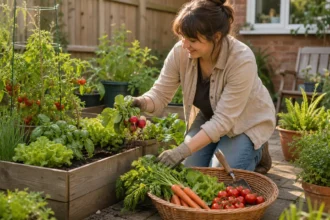
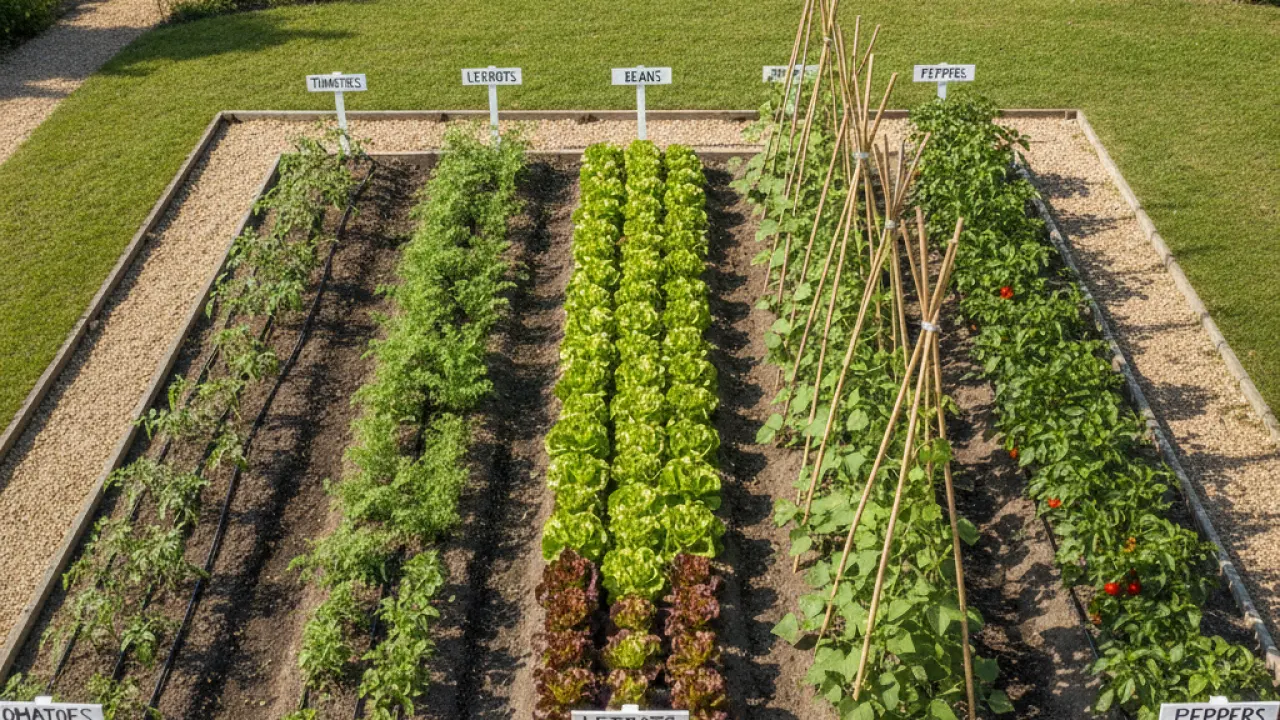
If you want a starting point, here’s a simple plan for a 1.2m by 2.4m raised bed for a first-time gardener in the UK.
This plan gives you a variety of crops without overwhelming you:
- One courgette plant at one end. It will spread a lot.
- Four or five tomato plants if you have a sunny fence or support to tie them to
- A row of French beans across the middle
- A few beetroot sown directly in rows
- A patch of mixed salad leaves at the other end for cut-and-come-again harvests
- Some radishes tucked between other plants. They’ll be done before anything else crowds them.
This gives you harvests from June through October with very little fuss. The how to start a vegetable garden works when you follow it consistently.
Can I grow vegetables in containers?
How much space do I need for a vegetable garden?
You can grow a surprising amount of food in a 1.2m by 1.2m raised bed. Containers on a patio work too. More space means more food, but you don’t need a large garden to get started.
Can I grow vegetables in containers?
Yes. Tomatoes, lettuce, herbs, peppers, French beans, and courgettes all grow well in containers. Use large containers, good compost, and water more frequently than you would with a ground bed.
How much does it cost to start a vegetable garden?
A basic setup with a raised bed, compost, and seeds could cost £50 to £150 to set up. After that, ongoing costs are mainly seeds and compost, which are much lower. You’ll likely save money on food within a year or two.
Do I need to dig every year?
Not necessarily. The no-dig approach involves adding compost to the surface each year without digging it in. Worms do the work of incorporating it. Many gardeners find no-dig saves time and improves soil over time.
What if I kill everything in my first year?
It happens to almost everyone at some point. Bad weather, pests, or just a lack of experience can wipe out crops. The important thing is to learn from it and try again. Every failed plant teaches you something useful.
Ready to Get Started?
You now have everything you need to plan and plant your first vegetable garden. Pick a sunny spot, improve your soil, choose a few easy crops, and get them in the ground. Don’t overthink it.
The best vegetable garden is the one you actually start. A few pots of tomatoes on a patio
What’s the first vegetable you want to grow, and what’s stopping you from planting it this weekend? Start with the basics of the how to start a vegetable garden and build from there.
ple keep coming back to this every year.What’s the first vegetable you want to grow, and what’s stopping you from planting it this weekend?
The how to start a vegetable garden removes common barriers that stop people from starting.
Follow the how to start a vegetable garden for the full period to see real results.
The how to start a vegetable garden scales as you get more experienced.
Sticking to the how to start a vegetable garden matters more than any single step.
The how to start a vegetable garden gives you a clear structure every week.
Use the how to start a vegetable garden as your base and adjust it to your level.
Many people find the how to start a vegetable garden easier to follow than complex alternatives.
Results from the how to start a vegetable garden come from repetition, not perfection.
Keep the how to start a vegetable garden simple and focus on showing up consistently.
The how to start a vegetable garden works when you follow it consistently.
This guide shows you how the how to start a vegetable garden fits real life.
Start with the basics of the how to start a vegetable garden and build from there.
The how to start a vegetable garden removes common barriers that stop people from starting.
Follow the how to start a vegetable garden for the full period to see real results.
The how to start a vegetable garden scales as you get more experienced.
Sticking to the how to start a vegetable garden matters more than any single step.
The how to start a vegetable garden gives you a clear structure every week.
Use the how to start a vegetable garden as your base and adjust it to your level.
Many people find the how to start a vegetable garden easier to follow than complex alternatives.
Results from the how to start a vegetable garden come from repetition, not perfection.
Keep the how to start a vegetable garden simple and focus on showing up consistently.
The how to start a vegetable garden works when you follow it consistently.
This guide shows you how the how to start a vegetable garden fits real life.
Start with the basics of the how to start a vegetable garden and build from there.
The how to start a vegetable garden removes common barriers that stop people from starting.
Follow the how to start a vegetable garden for the full period to see real results.
The how to start a vegetable garden scales as you get more experienced.
Sticking to the how to start a vegetable garden matters more than any single step.
The how to start a vegetable garden gives you a clear structure every week.
Use the how to start a vegetable garden as your base and adjust it to your level.
Many people find the how to start a vegetable garden easier to follow than complex alternatives.
Results from the how to start a vegetable garden come from repetition, not perfection.
Keep the how to start a vegetable garden simple and focus on showing up consistently.
The how to start a vegetable garden works when you follow it consistently.
This guide shows you how the how to start a vegetable garden fits real life.
Start with the basics of the how to start a vegetable garden and build from there.
The how to start a vegetable garden removes common barriers that stop people from starting.
Follow the how to start a vegetable garden for the full period to see real results.
The how to start a vegetable garden scales as you get more experienced.
Sticking to the how to start a vegetable garden matters more than any single step.
The how to start a vegetable garden gives you a clear structure every week.
Use the how to start a vegetable garden as your base and adjust it to your level.
Many people find the how to start a vegetable garden easier to follow than complex alternatives.
Results from the how to start a vegetable garden come from repetition, not perfection.
Keep the how to start a vegetable garden simple and focus on showing up consistently.
The how to start a vegetable garden works when you follow it consistently.
This guide shows you how the how to start a vegetable garden fits real life.
Start with the basics of the how to start a vegetable garden and build from there.
The how to start a vegetable garden removes common barriers that stop people from starting.
Follow the how to start a vegetable garden for the full period to see real results.
The how to start a vegetable garden scales as you get more experienced.
Sticking to the how to start a vegetable garden matters more than any single step.
The how to start a vegetable garden gives you a clear structure every week.
Use the how to start a vegetable garden as your base and adjust it to your level.