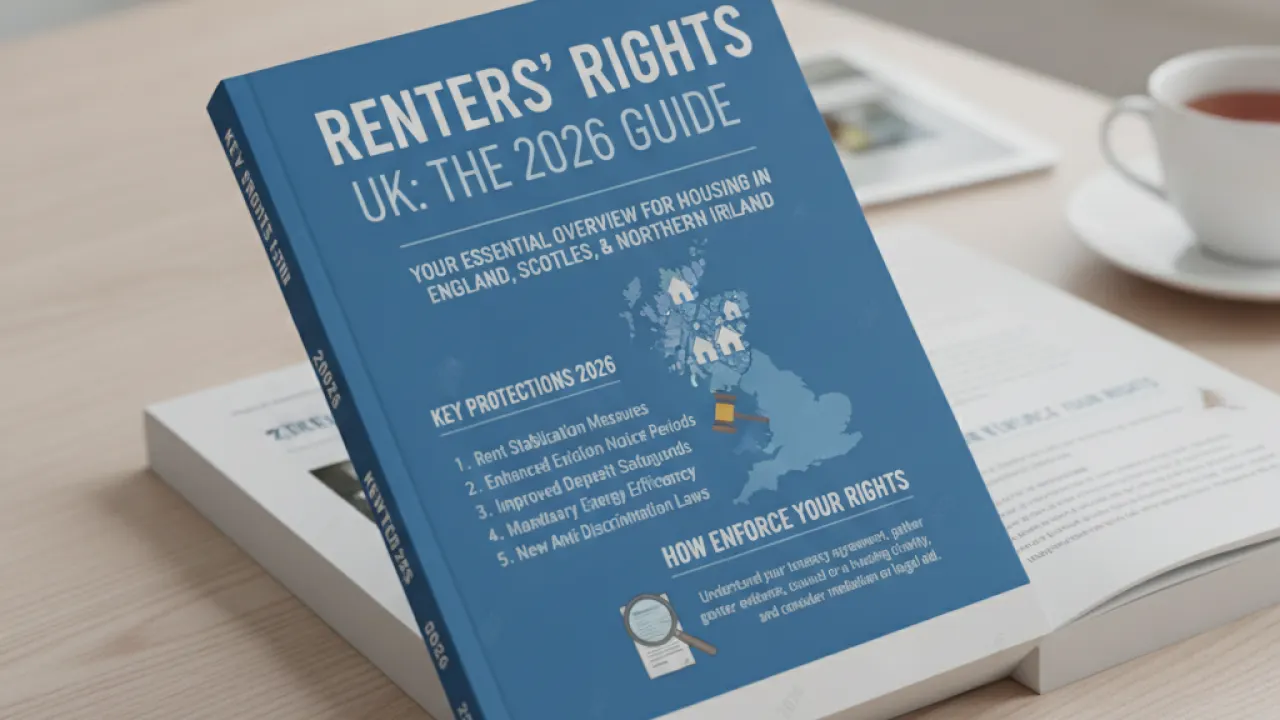



Knowing how to rent a house UK the right way saves you money, protects your rights, and stops you getting caught out by bad landlords. The UK rental market in 2026 is tighter than ever, but the rules have also shifted firmly in tenants’ favour. This guide walks you through every step.

How to Rent a House UK: Finding the Right Property

The three big search portals are Rightmove, Zoopla, and OnTheMarket. Set up alerts on all three. Properties go fast in most UK cities, especially in London, Manchester, and Bristol. If you see something good, contact the agent the same day.
OpenRent is worth knowing. It lists properties directly from landlords, cutting out the letting agent. This means no referencing fee to a third party and sometimes lower rents. Many private landlords in smaller towns use Gumtree or Facebook Marketplace, though you should be more careful about scams on these platforms.
Local letting agents still handle a large share of the UK rental market. Walk into agencies near where you want to live. Register your details. Agents sometimes show properties before they go online, especially to registered applicants they’ve met in person.
What to Look for at a Viewing
Go to every viewing with a list of questions. Check for damp, mould on ceilings, working boiler, water pressure, mobile signal, and broadband availability. Find out who the utility providers are. Ask whether the landlord lives locally. A landlord 300 miles away is harder to reach when the boiler breaks.
Look at the Energy Performance Certificate (EPC). Landlords must have one. The minimum legal rating is E. Anything below E means the landlord is likely breaking the law. A property with a C or B rating will cost you less on energy bills month to month.
Take your own photos at the viewing. Note anything that looks worn, broken, or questionable. These photos protect you later if there’s a deposit dispute. For official UK guidance, see GOV.UK guidance.
Tenant Rights: What You Need to Know Before You Rent a House UK

The Renters Reform Act 2024 changed a lot. The most important change: Section 21 “no fault” evictions are banned in England. A landlord can no longer evict you simply because they want to without giving a specific legal reason. This gives tenants far more security than they had before 2024.
Other key rights you have as a tenant in 2026:
- Right to keep a pet. Landlords cannot blanket-ban pets. They can charge a higher deposit to cover potential damage, but they must have a genuine reason to refuse a pet request.
- Right to request a fixed-term tenancy. You can ask for a fixed term of up to 12 months if you want security.
- Right to complain without fear. Landlords cannot evict you in retaliation for raising a complaint or contacting the council.
- Right to be informed. Landlords must give you a copy of the government’s “How to Rent” guide before you move in. If they don’t, they cannot use certain eviction procedures against you later.
- Right to a safe home. The landlord must keep the structure, roof, boiler, hot water, gas, and electricity in working order. Repairs are their legal responsibility, not yours.
These rights apply to assured tenancies in England. Scotland, Wales, and Northern Ireland each have their own tenancy law. If you’re renting in Scotland, the Private Residential Tenancy rules apply, which differ in several ways.
What Landlords Must Provide Before You Move In
Before you move in, your landlord is legally required to give you:
- A current gas safety certificate (signed within the last 12 months)
- An electrical safety report (valid for up to 5 years)
- The government’s “How to Rent” guide
- Details of the deposit protection scheme being used
- The EPC for the property
If any of these are missing, ask for them in writing. Keep records of everything via email.
Deposits: How They Work and How to Protect Yourself

One of the most common questions people ask when they first figure out how to rent a house UK is about deposits. The rules are strict, and landlords who break them face real penalties.
Holding Deposit
When a landlord or agent agrees to hold a property for you while referencing is completed, they can ask for a holding deposit. The legal maximum is one week’s rent. This is refundable unless you pull out, provide false information, or fail the referencing checks for reasons within your control. It must be refunded within 15 days if the landlord pulls out or you do not pass referencing through no fault of your own.
Tenancy Deposit Maximum
For annual rents under £50,000, the maximum deposit is five weeks’ rent. For annual rents above £50,000, the maximum is six weeks’ rent. These caps are set by the Tenant Fees Act 2019 and still apply in 2026. Agents and landlords cannot legally charge more.
Government-Approved Deposit Protection Schemes
Your landlord must protect your deposit in one of the three government-approved schemes:
- TDS (Tenancy Deposit Scheme) is one of the most used in the UK
- DPS (Deposit Protection Service) offers both custodial and insured options
- MyDeposits is widely used by private landlords and agents
You must receive deposit protection information (the “prescribed information”) within 30 days of paying the deposit. If the landlord fails to do this, you can claim compensation of 1 to 3 times the deposit amount through the county court. Keep a record of when you paid, how much, and to whom.
You should also check your credit position before applying. A strong credit file makes referencing easier. See our guide on understanding your credit score in the UK for tips on improving yours before you start your rental search.
The Reference Check Process

Most landlords and agents run a reference check before agreeing to rent to you. This usually includes three elements:
- Credit check: they look at your credit history, CCJs, and whether you have a track record of paying bills on time
- Employment reference: they contact your employer to confirm your income. The standard requirement is a salary of 2.5x the annual rent. A job earning £30,000 qualifies you for rents up to £1,000 a month in most cases
- Previous landlord reference: they contact your last landlord to ask whether you paid on time and left the property in good condition
If You’re Self-Employed or Have a Low Income
Self-employed renters often need to show two to three years of tax returns (SA302 from HMRC) to prove income. Some agents accept accounts from an accountant. If your income is variable or below the standard requirement, you may need a rent guarantor: usually a UK homeowner who agrees to cover unpaid rent if you default.
Students and people on benefits may find fewer landlords willing to accept their application. Some councils run guaranteed rental scheme registers that can help.
Signing the Tenancy Agreement
Before you sign, read the whole agreement. Don’t skim it. Here’s what to check:
- Rent amount and when it’s due: confirm the monthly figure and what day it is payable
- Tenancy start date and length: most standard tenancies are 12 months, then rolling monthly
- Notice periods: both sides should be clear on how much notice each party needs to give
- What is and isn’t allowed: smoking, subletting, pets, alterations to the property
- Permitted occupants: the agreement should name every person who will live in the property
- Break clause: if included, this allows early termination after a set period (often 6 months)
- Rent review clause: check if and how rent can be increased during or after the tenancy
If anything in the agreement is unclear, ask before you sign. Once signed, it is a binding legal contract. You cannot easily remove a clause after signing just because you didn’t notice it.
Joint Tenancies
If you are renting with others, you will likely be on a joint tenancy. Each person named on the agreement is jointly and severally liable for the full rent. This means if one flatmate stops paying, the remaining tenants are legally responsible for the shortfall. Choose your co-tenants carefully.
The Inventory Check and Move-In Day

On the day you move in, the landlord or agent should provide a detailed inventory. This lists every item in the property and describes its condition. Go through it item by item.
Photograph everything:
- Every room from multiple angles
- Any existing marks, scuffs, or damage on walls and floors
- The state of appliances and white goods
- The garden or outdoor space
- Meter readings (gas, electricity, water)
Email the photos to yourself and the landlord on day one. This creates a time-stamped record. When you move out, the landlord compares the checkout inventory against the check-in inventory. If they claim damage you didn’t cause, you’ll need this evidence to dispute it.
Reporting Repairs
Always report repairs in writing. Send an email or text rather than calling. Keep a log of every report. If the landlord ignores a serious repair, a broken boiler, leaking roof, or dangerous electrics, you have several options:
- Contact your local council’s housing team, who can inspect and issue an improvement notice
- Use the Property Ombudsman if the property is managed by an agent
- In serious cases, withhold rent into a separate account while the repair is outstanding (seek legal advice before doing this)
The landlord’s legal duty covers anything affecting health and safety. Minor cosmetic issues, faded paint, old carpet, are generally not their legal responsibility unless specifically agreed in the tenancy.
How Much Does It Cost When You Rent a House UK in 2026?
Rents have risen sharply across the UK. According to ONS private rental data, average UK private rents rose 8.7% in the year to April 2026. The national median is now around £1,300 a month, but this varies enormously by region.
Typical monthly rent ranges in 2026:
- London: £1,800 to £3,500+ for a two-bedroom flat
- Manchester: £950 to £1,400 for a two-bedroom
- Birmingham: £800 to £1,200 for a two-bedroom
- Leeds: £850 to £1,200 for a two-bedroom
- Bristol: £1,100 to £1,700 for a two-bedroom
- Glasgow: £750 to £1,100 for a two-bedroom
- Cardiff: £750 to £1,050 for a two-bedroom
Beyond rent, budget for: council tax (usually the tenant’s responsibility), utility bills, contents insurance, and broadband. In a shared house, these are typically split. For your own property, the full amount falls on you.
Rent Increases
Your landlord can increase rent but must follow a process. They must give you proper written notice, and the increase must happen at the right point in your tenancy. Under the Renters Reform Act, rent increases are limited to once a year for periodic tenancies. If you think a proposed increase is above market rate, you can challenge it through the First-tier Tribunal.
How to Get Your Deposit Back
At the end of your tenancy, you are entitled to your full deposit back unless there is genuine damage beyond fair wear and tear. Normal ageing, light carpet wear, small nail holes from hanging pictures, fading paint, does not justify deposit deductions.
The landlord has 10 days to return your deposit or raise a dispute after you agree on the end date. If they miss this deadline and have not raised a formal dispute through the scheme, you may be able to claim the full amount directly.
If there is a dispute, all three deposit protection schemes offer free adjudication. Submit your move-in photos, move-out photos, and any communication with the landlord about the property’s condition. The adjudicator is independent and their decision is binding.
Things That Landlords Try to Deduct (That Are Often Unjustified)
Common improper deductions to watch for:
- Professional cleaning when the property was not professionally cleaned at move-in
- Repainting entire rooms for one small mark
- Replacing an entire carpet when only one area was damaged
- Deducting for items that were already broken before you moved in
- Charging for items not listed in the original inventory
If you disagree with any deduction, challenge it through the deposit scheme adjudicator rather than accepting it. Many tenants get money back this way.
What to Know About Renting With Bad Credit
Bad credit makes renting harder but not impossible. Options include:
- Finding a rent guarantor (family member or friend who owns property)
- Paying a few months’ rent upfront (some landlords agree to this)
- Private landlords (less formal than agency-managed properties)
- Renting a room in a shared house (householder landlords are often more flexible)
Improving your credit before you start looking helps a lot. Read our guide to credit scores in the UK for practical steps. Even clearing small outstanding debts or getting on the electoral roll can improve your score within 30 days.
If you’re looking to buy eventually after renting, our first-time buyer guide for 2026 covers the full path from renting to owning. Social housing tenants may also want to check whether the Right to Buy scheme applies to them.
Common Mistakes When You Rent a House UK for the First Time
Knowing how to rent a house UK the right way means avoiding the errors that catch out first-timers:
- Not reading the tenancy agreement: signing without reading a clause you later regret
- Skipping the inventory check: the landlord can claim damage you didn’t cause
- Not reporting repairs in writing: verbal reports are hard to prove later
- Paying more than the legal deposit cap: if they charge over 5 weeks, that’s illegal
- Trusting handshake agreements: everything should be in writing
- Forgetting contents insurance: the landlord’s insurance covers the building, not your belongings
- Missing direct debit payments: late rent damages your rental record and can cost you future tenancies
Keeping good records and responding to communications promptly protects you throughout the tenancy. A good relationship with your landlord makes the whole experience easier for both sides.
Finding Help If Things Go Wrong
You are not alone if a tenancy goes badly. There are free services that can help:
- Citizens Advice: free legal guidance on tenant rights, eviction, and disputes
- Shelter: specialist housing charity that offers phone advice and local support
- Your local council housing team: can investigate disrepair, harassment, and illegal eviction
- The Property Ombudsman: handles complaints against regulated letting agents
- Deposit protection schemes: free adjudication for deposit disputes
If you face illegal eviction (a landlord changing the locks or removing your belongings without a court order), this is a criminal offence. Contact the police and your local council immediately.
Building a financial safety net before and during your tenancy gives you options if something goes wrong. Our emergency fund guide explains how much to set aside and where to keep it.
Frequently Asked Questions
What is the
The how to rent a house uk is a structured approach designed to give clear, actionable steps that produce reliable results over time.
How do I start with the
Begin with the foundation steps, focus on consistency, and build intensity gradually as the plan progresses.
How long does the how to rent a house uk take to work?
Most people notice initial improvements within a few weeks, with more meaningful results appearing after 8 to 12 weeks of consistent effort.
Is the how to rent a house uk suitable for beginners?
Yes. The how to rent a house uk is designed to be accessible, with progressions and modifications that let anyone start at their current level.
What are the main mistakes to avoid with the
Common mistakes include skipping the foundation phase, expecting overnight results, and not tracking progress consistently.
Final Checklist: How to Rent a House UK Without Regrets
Run through this list before you commit to any rental property in the UK: The how to rent a house uk works when you follow it consistently.
- Has the landlord given you the current gas safety certificate?
- Is there a valid EPC (minimum rating E)?
- Have you received the “How to Rent” guide?
- Is the deposit within the legal cap (max 5 weeks for most properties)?
- Have you checked the deposit will be protected in a government-approved scheme?
- Have you read every clause of the tenancy agreement?
- Have you done a thorough viewing and taken photos?
- Have you checked the broadband speed for the property?
- Do you know who to contact for repairs?
- Do you have contents insurance in place for move-in day?
Anyone who takes the time to learn how to rent a house UK properly will be in a much stronger position. Renting in the UK in 2026 is more tenant-friendly than it was five years ago. The protections are real, but they only work if you know about them and use them. Go in prepared, keep records, and don’t let anything slide.
Are you currently searching for your first rental property, or dealing with a specific issue like a deposit dispute or a landlord refusing repairs? Drop your question below and we’ll help you find the right answer.
This guide shows you how the how to rent a house uk fits real life.
Start with the basics of the how to rent a house uk and build from there.
The how to rent a house uk removes common barriers that stop people from starting.
Follow the how to rent a house uk for the full period to see real results.
The how to rent a house uk scales as you get more experienced.
Sticking to the how to rent a house uk matters more than any single step.
The how to rent a house uk gives you a clear structure every week.
Use the how to rent a house uk as your base and adjust it to your level.
Many people find the how to rent a house uk easier to follow than complex alternatives.
Results from the how to rent a house uk come from repetition, not perfection.
Keep the how to rent a house uk simple and focus on showing up consistently.
The how to rent a house uk works when you follow it consistently.
This guide shows you how the how to rent a house uk fits real life.
Start with the basics of the how to rent a house uk and build from there.
The how to rent a house uk removes common barriers that stop people from starting.
Follow the how to rent a house uk for the full period to see real results.
The how to rent a house uk scales as you get more experienced.
Sticking to the how to rent a house uk matters more than any single step.
The how to rent a house uk gives you a clear structure every week.
Use the how to rent a house uk as your base and adjust it to your level.
Many people find the how to rent a house uk easier to follow than complex alternatives.
Results from the how to rent a house uk come from repetition, not perfection.
Keep the how to rent a house uk simple and focus on showing up consistently.
The how to rent a house uk works when you follow it consistently.
This guide shows you how the how to rent a house uk fits real life.
Start with the basics of the how to rent a house uk and build from there.
The how to rent a house uk removes common barriers that stop people from starting.
Follow the how to rent a house uk for the full period to see real results.
The how to rent a house uk scales as you get more experienced.
Sticking to the how to rent a house uk matters more than any single step.
The how to rent a house uk gives you a clear structure every week.
Use the how to rent a house uk as your base and adjust it to your level.
Many people find the how to rent a house uk easier to follow than complex alternatives.
Results from the how to rent a house uk come from repetition, not perfection.