

How to buy your first home in 2026 looks different than five years ago. Mortgage rates settled in the 5 to 6 percent range. Home prices stayed high in most metro areas but stopped climbing relentlessly. Inventory is finally recovering. The window for first time buyers has opened a bit, but the process is still complex, and the financial decisions get harder once the emotion of the search kicks in. This guide walks through the steps in order, the actual costs, and the mistakes that hit most first time buyers. If you want to learn how to buy your first home, follow the steps in order.
According to the CFPB guide to owning a home, first-time buyers should compare loan estimates from at least three lenders and review the closing disclosure carefully before signing. These two steps alone can save thousands of dollars when you buy your first home.
The honest timeline of buying a first home – Buying Your First Home
This step matters when you learn how to buy your first home.
Before the steps, the timeline. Most first time buyers think the process takes a few months. The realistic timeline is 9 to 18 months from the day you decide to buy to the day you have keys. See also our guide on building extra income for a deposit.
Months 1 to 6 are credit cleanup, down payment savings, and figuring out the budget. Months 6 to 9 are pre approval and active house hunting. Months 9 to 12 are offers, the chosen home, inspection, and closing. The aggressive timeline of “saved up and bought within a year” assumes you started with strong credit and a down payment already in hand.
The reason the realistic timeline matters. People who try to compress it into three months end up making rushed decisions on lenders, agents, and the home itself. The rushed buyer overpays for the house, picks the wrong loan, and skips the inspection that would have saved them tens of thousands. A calm timeline is one of the best tools for how to buy your first home. Also see: better personal habits.
Step 1: Check your credit and clean it up
This step matters when you learn how to buy your first home.
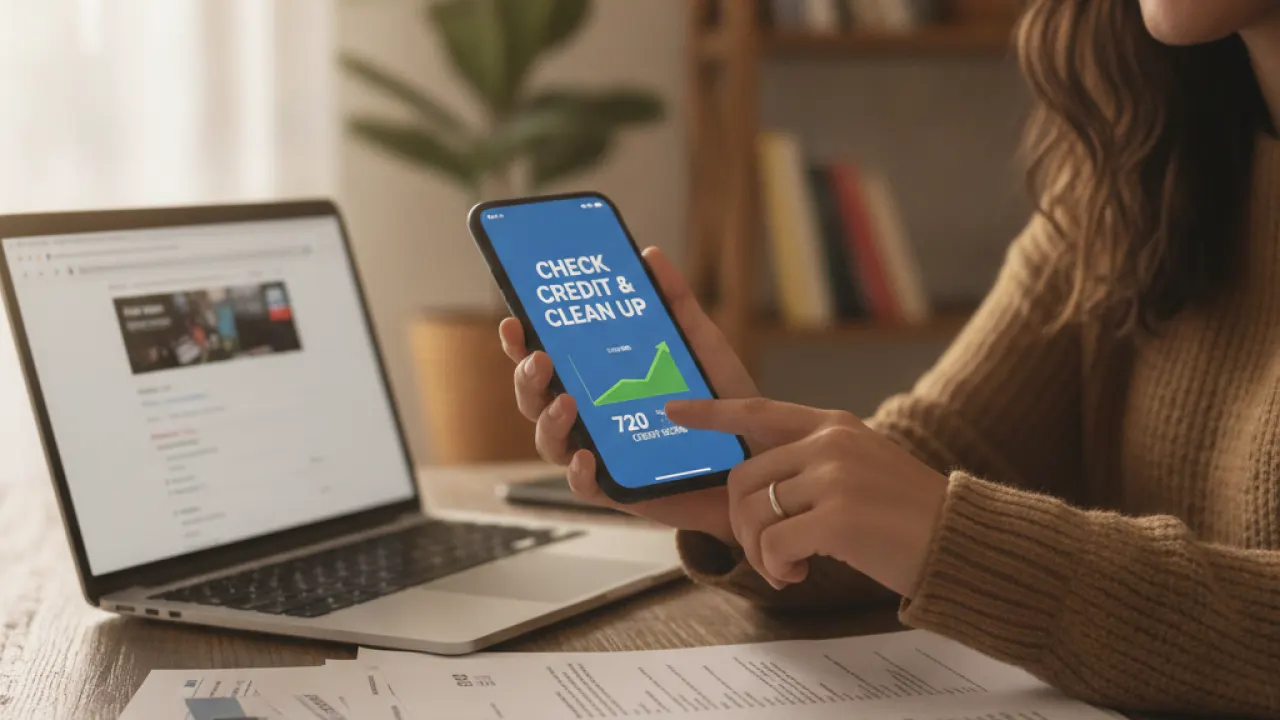
Credit score is the single biggest factor in what you’ll pay for the mortgage. A buyer with a 750 score and a buyer with a 670 score, on the same house, with the same down payment, pay roughly $200 to $400 more per month on the mortgage at the lower score. Over 30 years that’s $70,000 to $140,000.
How to check it. Free credit reports through annualcreditreport.com once per year from each of the three bureaus – Equifax, Experian, TransUnion. Free FICO scores through Discover, Wells Fargo, and most credit card issuers. Pull all three reports and look for errors, accounts in collections that shouldn’t be, and unpaid balances you can clear.
What to fix in the 6 months before applying. Pay off any balance that shows over 30 percent of the credit limit on any single card. Don’t close old credit cards – the history matters. Don’t open new credit lines, including store cards. Set up auto pay on every recurring bill that affects credit. If anything is in collections, negotiate a pay for delete agreement in writing.
What 700 plus credit gets you in 2026. The best mortgage rates, the lowest mortgage insurance premiums, and the strongest negotiating position. Below 620 you’ll struggle to get conventional financing at all and will be steered to FHA loans with higher costs.
Step 2: Figure out the real budget
This step matters when you learn how to buy your first home.
Most lenders will pre approve a buyer for a loan amount that requires the buyer to spend 35 to 40 percent of gross monthly income on housing. This is the number they’ll let you borrow, not the number you should borrow.
The honest budget formula. Total monthly housing cost – mortgage principal and interest, property taxes, homeowner’s insurance, HOA fees if any, and PMI if down payment is under 20 percent – should not exceed 28 to 30 percent of gross monthly income. Anything higher and the house becomes a financial weight rather than a home.
What this looks like in dollars. A household earning $90,000 per year, gross $7,500 per month, should target $2,100 to $2,250 in total monthly housing cost. In 2026 with a 6 percent rate, that supports roughly a $310,000 to $340,000 home purchase price with 10 percent down.
Don’t forget the hidden costs. Homeownership adds 1 to 3 percent of the home value per year in maintenance, repairs, and unexpected costs. A $300,000 house adds $3,000 to $9,000 in annual costs beyond the mortgage. This is the number most first time buyers underestimate hardest.
Step 3: Save the down payment and reserves
This step matters when you learn how to buy your first home.
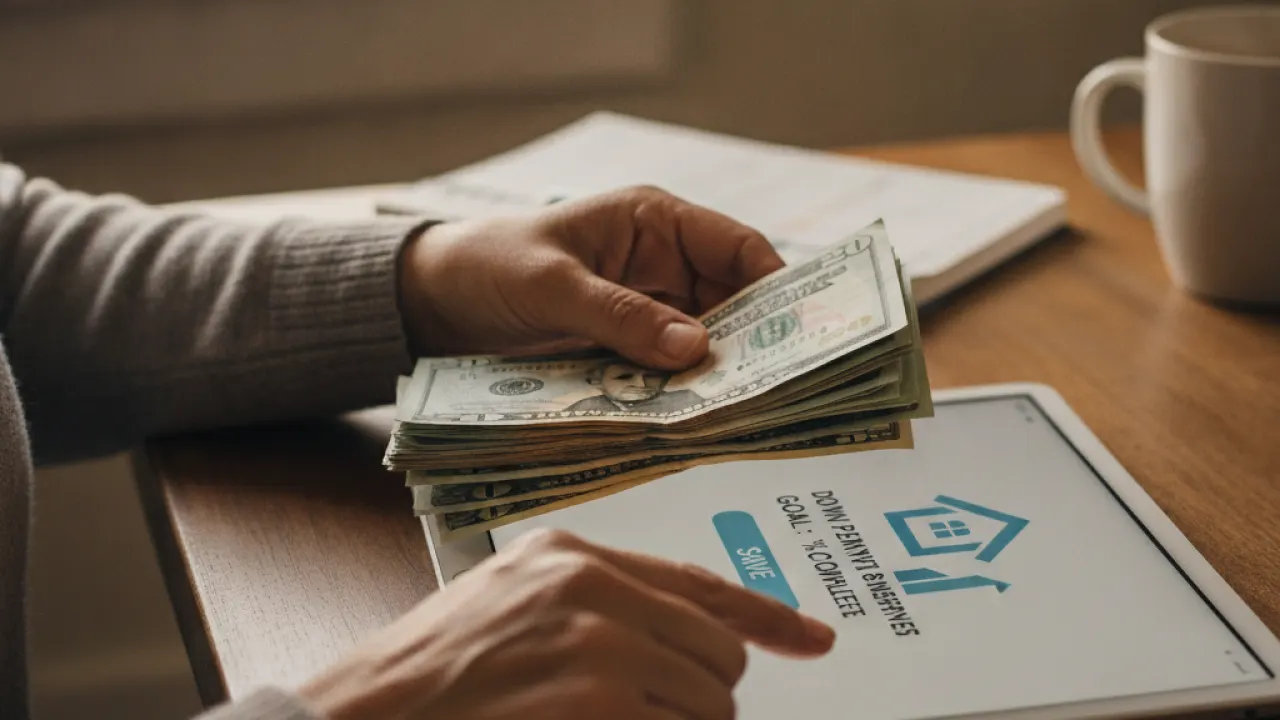
The 20 percent down payment is the goal but not the requirement. Most first time buyer programs allow 3 to 5 percent down. FHA loans allow 3.5 percent down with credit scores down to 580. VA loans for eligible veterans require zero down. Conventional loans typically require 5 percent for first time buyers, 10 to 20 percent for everyone else.
The trade off on less than 20 percent down. Anything below 20 percent down adds private mortgage insurance, or PMI, which runs 0.5 to 1.5 percent of the loan amount per year. On a $300,000 loan that’s $125 to $375 per month extra. PMI drops off automatically once you have 22 percent equity, but the early years cost real money.
The reserves number that gets missed. Lenders look for 2 to 6 months of mortgage payments in savings after the down payment and closing costs are paid. A buyer who drains every dollar into the down payment and closing costs often gets the loan denied at the last minute because the reserves test failed.
Total cash needed at closing on a $300,000 house with 10 percent down. Down payment $30,000, closing costs $9,000 to $15,000, prepaid items (taxes, insurance, escrow) $3,000 to $6,000, reserves $5,000 to $10,000. Total $47,000 to $61,000. Most buyers underestimate by half.
Step 4: Get pre approved, not just pre qualified
This step matters when you learn how to buy your first home.
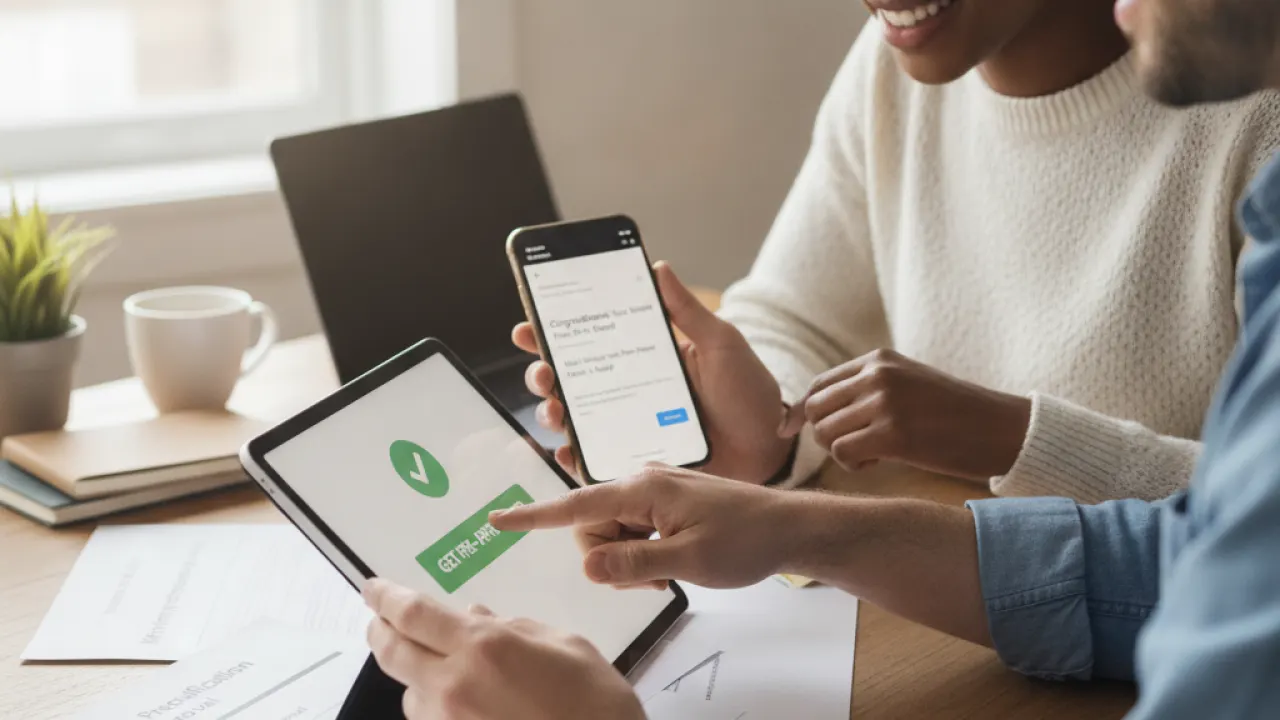
Pre qualification is a casual estimate from a lender based on your stated income. Pre approval is a thorough underwriting based on verified tax returns, pay stubs, bank statements, and credit. Sellers don’t take pre qualification seriously in 2026. Pre approval letters from real lenders are required to make competitive offers.
Shop at least three lenders. The mortgage rate from the first lender is almost always 0.25 to 0.5 percentage points higher than what you can get by comparison shopping. On a $300,000 loan, 0.5 percent in rate equals roughly $90 per month or $32,000 over 30 years.
The three lenders to compare. One big bank like Wells Fargo, Chase, or Bank of America. One online lender like Rocket Mortgage, Better, or Loan Depot. One local credit union or community lender, which often has the best rates for buyers with strong credit. Get loan estimates from all three on the same day and compare line by line.
The pre approval is valid for 60 to 90 days. After that you have to refresh the underwriting with new pay stubs and bank statements. Time your pre approval to start when you’re seriously ready to make offers.
Step 5: Find an agent who actually represents you
This step matters when you learn how to buy your first home.
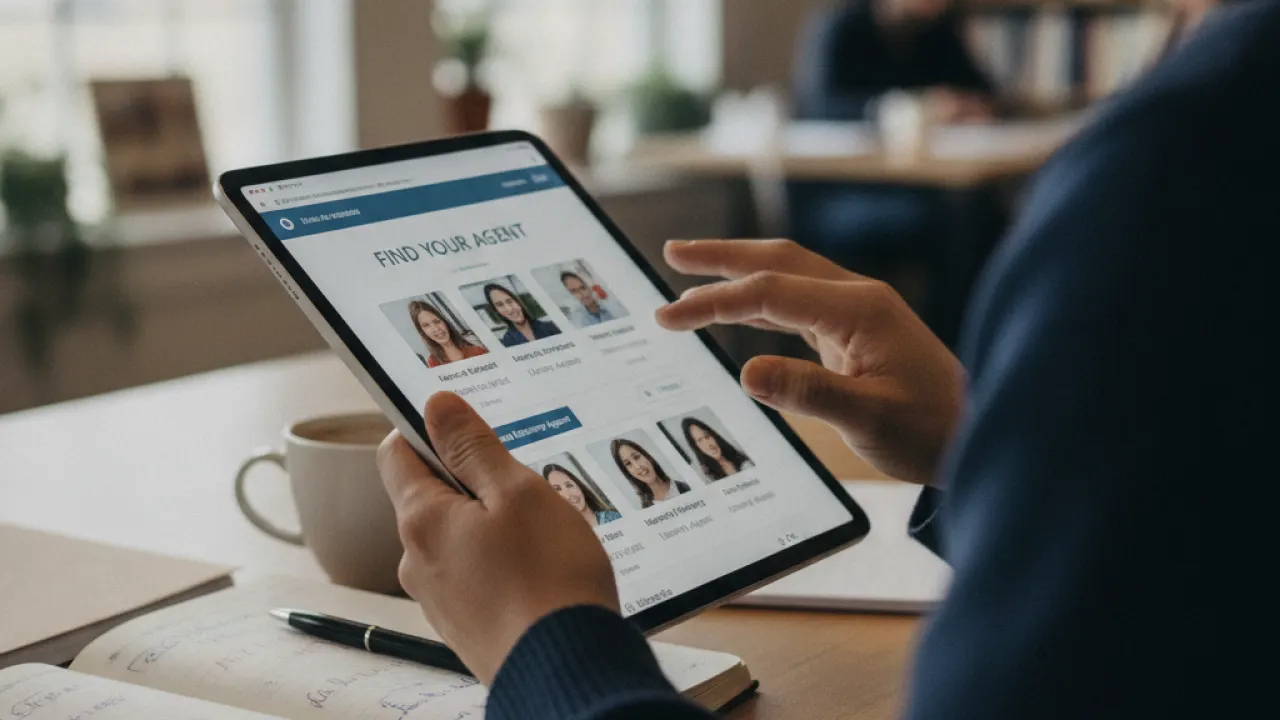
A buyer’s agent is paid through the listing commission in most transactions, which means the service is technically free to the buyer. But agents work for whoever signs the agreement, and buyer’s agents in 2026 require written buyer agency agreements before showing homes.
What to look for in a buyer’s agent. Five plus years of full time experience in the specific area you’re shopping. Strong references from recent first time buyer clients, not just any clients. Willingness to look at fixer uppers, not just turnkey homes if that’s your strategy. Quick response time during the offer phase. Honest opinions on whether a house is overpriced rather than just pressing you to make offers.
Red flags. An agent who pushes you to make offers above the listing price on every house. An agent who recommends one specific lender exclusively, often with a referral relationship. An agent who’s a part timer balancing real estate with another full time job. An agent who doesn’t show you comps when you ask.
Step 6: House hunting without going crazy
This step matters when you learn how to buy your first home.
The home search itself is where most first time buyers lose perspective. The first 10 houses look perfect because everything is exciting. By house 30 the same buyer is jaded and overlooking real issues because they’re tired. The middle window, houses 10 to 25, is where the best decisions usually get made.
What actually matters at a showing. Location and neighbourhood, which can never be changed. The school district, even if you don’t have kids – it drives resale value. Floor plan and how the rooms actually flow. The roof, foundation, and major systems – HVAC, electrical, plumbing – because these cost five figures to replace. Storage, which always feels insufficient after move in.
What doesn’t matter as much as you think. Paint colours, which cost $400 to redo. Light fixtures, which you can swap in an afternoon. Carpet, which can be replaced for $4 to $8 per square foot. Outdated kitchens, which cost real money to renovate but don’t break the house.
The non negotiable list. Write down your three deal breakers before the search starts. Two bedrooms minimum. Garage required. Under 30 minute commute. Once these are written down, every house gets measured against the list before emotion takes over.
Step 7: Make a smart offer
This step matters when you learn how to buy your first home.
Offers in 2026 are less aggressive than financing contingency, inspection contingency, appraisal contingency, closing date, and any concessions you want from the seller (credits for closing costs, repairs, or specific items).
What to never give up. The inspection contingency. Waiving inspection saves money but exposes the buyer to massive repair surprises after closing. In 2026’s slightly cooler market, inspection contingencies are once again standard. Don’t waive them just because an agent pressures you to look more competitive.
How much to offer below or above list. In a slow market, 5 to 10 percent below list is reasonable. In a fast market, list price is the floor and 2 to 5 percent above might be needed. Comparables and days on market both signal which market you’re in. Houses that have been listed 60 plus days are negotiable. Houses listed under 7 days with multiple offers are not.
Step 8: The inspection
This step matters when you learn how to buy your first home.
The homt to do with the inspection report. Categorise findings ibing, or HVAC issues are reasons to ask for seller credits or repairs. Cosmetic items aren’t. The seller doesn’t owe the buyer a perfect house, only one in the condition the buyer believed they were buying.
The optional but useful tests. Radon test in basements, $150. Sewer line scope, $200. Mould test if there’s any visible moisture, $300. These three together cost $650 and have saved buyers tens of thousands in concealed problems.
Step 9: Closing day
This step matters when you learn how to buy your first home.
Closing is the final paperwork session. The day arrives 30 to 45 days after the accepted offer. The buyer typically signs 50 to 80 documents over 60 to 90 minutes, transfers the down payment and closing costs via wire (never cheque), and receives the keys at the end.
What to do the day before closing. Final walk through of the house to confirm nothing has changed since the inspection. Wire transfer instructions confirmed verbally with the title company – wire fraud has stolen down payments from buyers who trusted emailed instructions. Photo IDs and cashier’s cheques ready as backup.
The hidden last minute trap. The lender does one final credit check 24 to 72 hours before closing. New credit applications, missed payments, or large purchases in this window can blow up the loan. Don’t buy furniture, open store cards, or change jobs in the 30 days before closing.
What you actually own after closing. The house itself, the legal title, the responsibility for taxes, insurance, maintenance, and every problem the house will have for as long as you own it. The romantic part is the keys. The real part is the next 30 years of upkeep.
The post closing checklist nobody mentions
This step matters when you learn how to buy your first home.
After closing, the work is not done. These tasks protect the investment you made when you decided how to buy your first home.
Six common mistakes that show up over and over again.
Stretching the budget. The lender says you qualify for $400,000. You buy at $395,000. The house is technically affordable but the monthly payment leaves zero room for maintenance, savings,s away on FHA, while it drops off conventional loans at 22 percent equity. Many buyers refinance from FHA to conventional within 5 years – factor that into the comparison.
Falling in love with the wrong house. Emotion makes terrible homebuyers. The house that needs a $40,000 kitchen renovation but feels perfect gets bought, and then becomes a $40,000 surprise. Always run the numbers cold.
Buying at the top of a hot neighbourhood. The most expensive house on a block has the worst resale economics. Buying the middle priced house in a great neighbourhood produces better long term wealth building than the dream house in a less established area.
Treating the home as an investment. Primary residences appreciate but the math is rarely as strong as people assume once maintenance, taxes, and opportunity cost are included. Buy the house because you want to live in it, not because you expect to flip it for profit in three years.
Final thoughts and your turn
This step matters when you learn how to buy your first home.
The process of how to buy your first home is long, but it does not have to be overwhelming. Take it one step at a time and trust the checklist.
How to buy your first home in 2026 isn’t about luck or timing the market perfectly. It’s about doing each step in the right order, with clear eyes and conservative numbers. Buyers who follow the process get the right house at the right prthe post with anyone in your circle starting the home buying process.
For related guidance, see our online business guide, our how to build business credit guide. Also check our best businesses to start for additional income to save for your home deposit.
Frequently Asked Questions
Learning how to buy your first home means you understand deposits, mortgages, and legal checks. Many guides on how to buy your first home skip the hidden costs, but you should budget for them. If you follow how to buy your first home step by step, you reduce stress and avoid delays. Knowing how to buy your first home also helps you compare lenders and spot good deals early. The full process of how to buy your first home includes viewing, offers, surveys, and completion.
How long does it take to buy your first home?
The realistic timeline is 9 to 18 months from deciding to buy to getting the keys. Saving the deposit, improving credit, and finding the right property each take time.
How much deposit do you need to buy your first home?
Most lenders prefer 10 to 20 percent of the purchase price. Some programmes allow lower deposits, but a larger deposit usually means a better mortgage rate and lower monthly payments.
Should you get pre-approved or pre-qualified?
Pre-approval is stronger because the lender has verified your income, credit, and assets. Pre-qualification is only an estimate and may not hold up when you make an offer.
What is the biggest mistake first-time buyers make?
The biggest mistake is skipping the inspection or rushing the lender comparison. Both can cost tens of thousands of dollars over the life of the loan.
Which step of how to buy your first home feels most daunting to you? Share your experience of how to buy your first home. Share your biggest question in the comments below.
What is the most important thing to understand about how to buy your first home 2026?
The fundamentals matter most. Before diving into advanced strategies or techniques, making sure you have a solid grasp of the core principles saves time and prevents common mistakes. Starting with quality sources of information, whether from books, courses, or established experts, gives you the knowledge foundation needed to make good decisions and avoid pitfalls that most beginners encounter.
How long does it take to get good at how to buy your first home 2026?
Understanding buying your first home takes time and practice. The most effective approaches to buying your first home focus on consistency rather than perfection. People who commit to buying your first home as a long-term habit see better results than those who treat it as a one-time effort.
Progress depends on your starting point, how much time and focus you commit, and the complexity of what you are trying to achieve. Most people see meaningful progress within 3 to 6 months of consistent, focused effort. Reaching an expert level typically takes several years of dedicated practice and ongoing learning. The key is consistent application over time rather than intensive bursts followed by long breaks.
What resources are most helpful for learning about how to buy your first home 2026?
The approach to buying your first home should be systematic and consistent. When you focus on buying your first home over time, the results compound in ways that are hard to achieve through sporadic effort alone.
The approach to buying your first home should be systematic and consistent. When you focus on buying your first home over time, the results compound in ways that are hard to achieve through sporadic effort alone.
The process of buying your first home has changed noticeablely over the past decade, but the fundamentals remain the same. Buying your first home requires patience, thorough research, and a clear budget before you start viewing properties.
The best resources vary by topic, but a combination of well-reviewed books, reputable online courses, expert communities, and practical hands-on experience typically produces the best results. Look for resources from authors and instructors with verifiable track records. Communities of practice where you can ask questions and get feedback from experienced practitioners are particularly useful.
What are the most common mistakes people make with how to buy your first home 2026?
The most universal mistakes include trying to learn everything at once rather than mastering basics first, giving up before seeing meaningful results, not tracking progress to stay motivated, failing to learn from mistakes and adjust approaches, and not seeking help from those who have already succeeded. Patience and persistence combined with smart, focused effort typically outperform raw talent without discipline.
For official information, check the guidance available at bbc.co.uk.
Found this useful? Drop a comment below with your thoughts, and share this article with someone who needs it. If you want to know how to buy your first home in 2026, start by checking your credit and budget early.