


The list of the most popular social media platforms in 2026 is more crowded and more fragmented than at any point in the social media era. No single platform owns attention anymore. The right pick for a brand, a creator, or a small business depends on where the customer base actually spends time, not on which platform produces the most headlines. This guide ranks the most popular social media platforms by raw users, by time spent, and by demographic relevance, and then explains how to pick the right two for any goal.
According to Wikipedia’s overview of social media, social networking sites have fundamentally changed how people communicate and share information globally. That change means the most popular social media platforms are no longer just places to post updates. They are search engines, shopping destinations, and private community hubs.
Understanding the most popular social media platforms matters because time is limited. A business that spreads itself across six platforms usually underperforms on all six. A business that masters two platforms usually outperforms competitors who chase every new trend.
For creators trying to turn social media into income, see our guide to how to start a side hustle. It covers how to monetise attention once you have built an audience.
The Current Rankings by Raw Users
Five platforms dominate the top of the list by monthly active users in 2026, although the order between them depends on the exact source. For more on related topics, see our starting an online business guide.
Facebook still leads on raw monthly active users globally, with over 3 billion. The demographic skew is older than most marketing teams realise, with the strongest engagement among users 35 to 65. The platform remains essential for local businesses and community group based marketing, even if it no longer dominates younger conversation.
YouTube sits second, with over 2.5 billion monthly active users, and dominates by time spent. The average viewer watches more than 60 minutes per day. It’s both a discovery platform for long form content and a search engine, with the second highest query volume globally after Google itself. For brands building real audience depth, YouTube is the single most useful long term platform among the most popular social media platforms.
WhatsApp is the most underdiscussed platform in Western marketing despite being one of the largest in the world. Over 2.5 billion users, and the primary communication platform in most of Asia, Latin America, and large parts of Europe. For brands serving international markets, ignoring WhatsApp is a mistake.
Instagram holds over 2 billion monthly active users and remains the dominant visual platform for the 18 to 34 demographic. Reels, the short form video product, drives most engagement now, with feed posts a distant second.
TikTok reaches 1.6 billion monthly active users and has the highest engagement per session of any platform. Users average over 90 minutes per day across short form video, comments, and live streams.
These five make up the core of the most popular social media platforms by raw user count. But popularity is not the same as relevance. A platform with fewer users can be more useful if those users match your audience perfectly. That is why the most popular social media platforms are only a starting point. If you are looking to expand your knowledge, reading detailed breakdown of improve mobile performance provides useful background context. If you are looking to expand your knowledge, reading detailed breakdown of improve mobile performance provides useful background context. If you are looking to expand your knowledge, reading detailed breakdown of improve mobile performance provides useful background context. If you are looking to expand your knowledge, reading detailed breakdown of improve mobile performance provides valuable background context.
The Fast Growing Platforms Worth Watching

Several platforms below the top tier are growing fastest in 2026 and deserve attention.
LinkedIn has quietly become the top organic publishing platform for business content. It now has over 1 billion total members, with roughly 250 million monthly active users in 2026. The combination of professional context, high quality discussions, and strong content distribution makes it the single most useful platform for B2B brands and most senior professionals.
X, formerly known as Twitter, continues to dominate real time news despite stagnant growth in raw users. Around 350 million monthly active users in 2026, with a heavily concentrated user base of journalists, executives, creators, and political voices.
Threads has grown rapidly since its launch in 2023 and now sits near 250 million monthly active users. It benefits from Meta’s infrastructure and Instagram’s social graph, which gives it a built-in advantage over standalone competitors.
Reddit is larger than most marketing teams realise. Top 10 globally on time spent, with serious depth in every imaginable niche community. For businesses serving specific interests, Reddit is one of the most underrated of the most popular social media platforms.
Discord has crossed from a gaming platform into the dominant private community platform for younger audiences. Over 200 million monthly active users in 2026.
These platforms may not top the most popular social media platforms list, but they are where attention is shifting fastest. Smart marketers watch them before they become mainstream.
What Changed Since 2024?
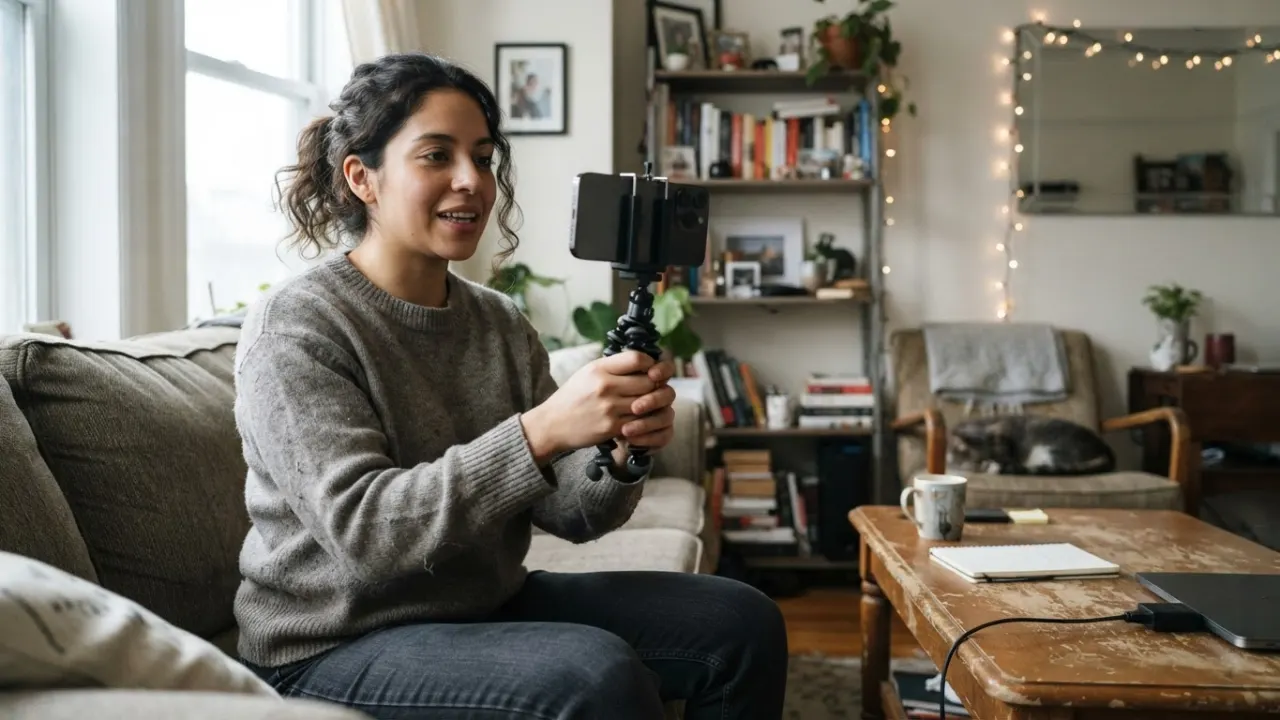
Three structural shifts reshaped the platform field since 2024.
Short form video became the default format across almost every platform, even ones not built around video. Pinterest, LinkedIn, and X have all integrated short form video. Brands still publishing only text or static images on platforms that reward video are quietly losing reach.
Audiences moved from public feeds to private messaging communities. WhatsApp groups, Telegram channels, Discord servers, and Slack communities are where conversation increasingly happens. The open public feed is becoming a top of funnel discovery tool, with the real engagement moving to private spaces. Similar principles apply when reviewing detailed breakdown of free movie sites warning, where preparation and research make a noticeable difference. Similar principles apply when reviewing detailed breakdown of free movie sites warning, where preparation and research make a noticeable difference. Similar principles apply when reviewing detailed breakdown of free movie sites warning, where preparation and research make a noticeable difference. Similar principles apply when reviewing detailed breakdown of free movie sites warning, where preparation and research make a noticeable difference.
Authenticity became a commodity. The polished influencer aesthetic that dominated 2018 through 2022 is fading. Raw, casual, talking to camera content outperforms over produced content on every short form platform. This is partly a backlash to AI generated content and partly audiences craving recognisable human signals.
These three shifts affect every entry on the most popular social media platforms list. Any strategy built on 2024 assumptions is already behind.
The shift toward private communities is especially important. Public posts get reach, but private groups build loyalty. The most successful brands on the most popular social media platforms in 2026 are using public content to drive private membership.
Platforms by Demographic
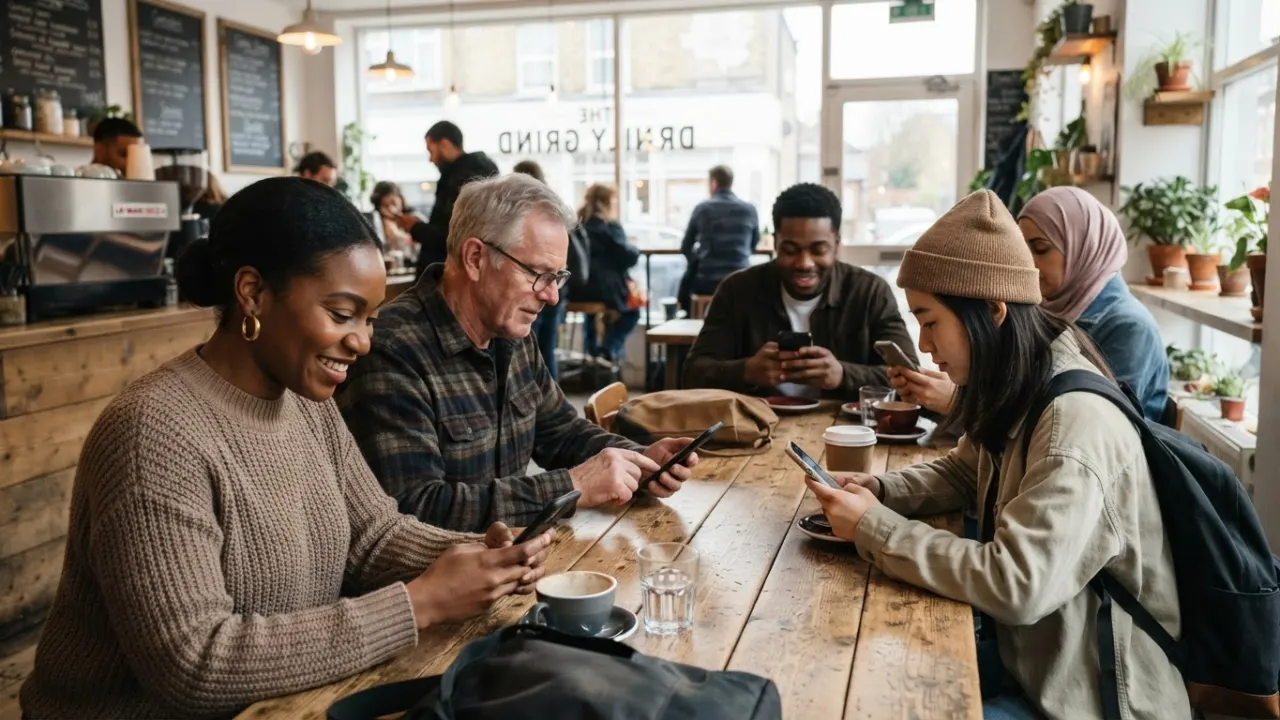
Picking a platform by raw users misses the demographic context. Each platform has a distinct audience profile, and matching that to your customer base matters more than total user count.
- Gen Z, ages 16 to 28. TikTok and Instagram lead, with Discord, Reddit, and Snapchat strong in private community use.
- Millennials, ages 29 to 44. Instagram, YouTube, and TikTok dominate. Facebook still has strong use for community groups and event organising.
- Gen X, ages 45 to 60. Facebook leads, followed by YouTube and LinkedIn. Instagram has grown sharply in this group over the last three years.
- Boomers, 60 and up. Facebook overwhelmingly leads. YouTube second. Other platforms are minor players.
- Professional B2B audiences. LinkedIn, X, and YouTube cover the major use cases.
- Local businesses. Facebook, Instagram, and Google Business cover most cases.
For more business-focused platform advice, see our guide to the best businesses to start.
Demographics are often the fastest way to narrow the most popular social media platforms down to the two or three that actually matter for your audience.
Where Your Time Is Best Spent

You don’t need to be everywhere. The brands and creators winning in 2026 commit deeply to two platforms, one for discovery and one for depth, rather than spreading thin across six.
For B2B brands, the strongest combination is LinkedIn for discovery and YouTube for depth. LinkedIn drives the top of funnel attention. YouTube produces the long form content that supports buying decisions.
For consumer brands, Instagram and TikTok cover discovery, with YouTube as the depth layer. The right ratio depends on the product category. Visual products lean Instagram. Behaviour change products lean TikTok. Considered purchases lean YouTube.
For local businesses, Facebook and Instagram dominate, with Google Business as the third leg that often produces the highest conversion. For broader insights, exploring detailed breakdown of what are ai business solutions? a complete beginner’s guide will give you actionable takeaways you can apply right away. For broader insights, exploring detailed breakdown of what are ai business solutions? a complete beginner’s guide will give you actionable takeaways you can apply right away. For broader insights, exploring detailed breakdown of what are ai business solutions? a complete beginner’s guide will give you actionable takeaways you can apply right away. For broader insights, exploring detailed breakdown of what are ai business solutions? a complete beginner’s guide will give you actionable takeaways you can apply right away.
For individual creators, the pattern is one short form and one long form platform. TikTok or Reels for reach. YouTube or Substack for depth. The combination produces sustainable audience growth that survives algorithm shifts among the most popular social media platforms.
The pattern is clear. Discovery on one platform, depth on another. That is how the most successful creators use the most popular social media platforms in 2026. They do not treat every platform the same. They assign each platform a specific job.
Where Audiences Are Quietly Migrating
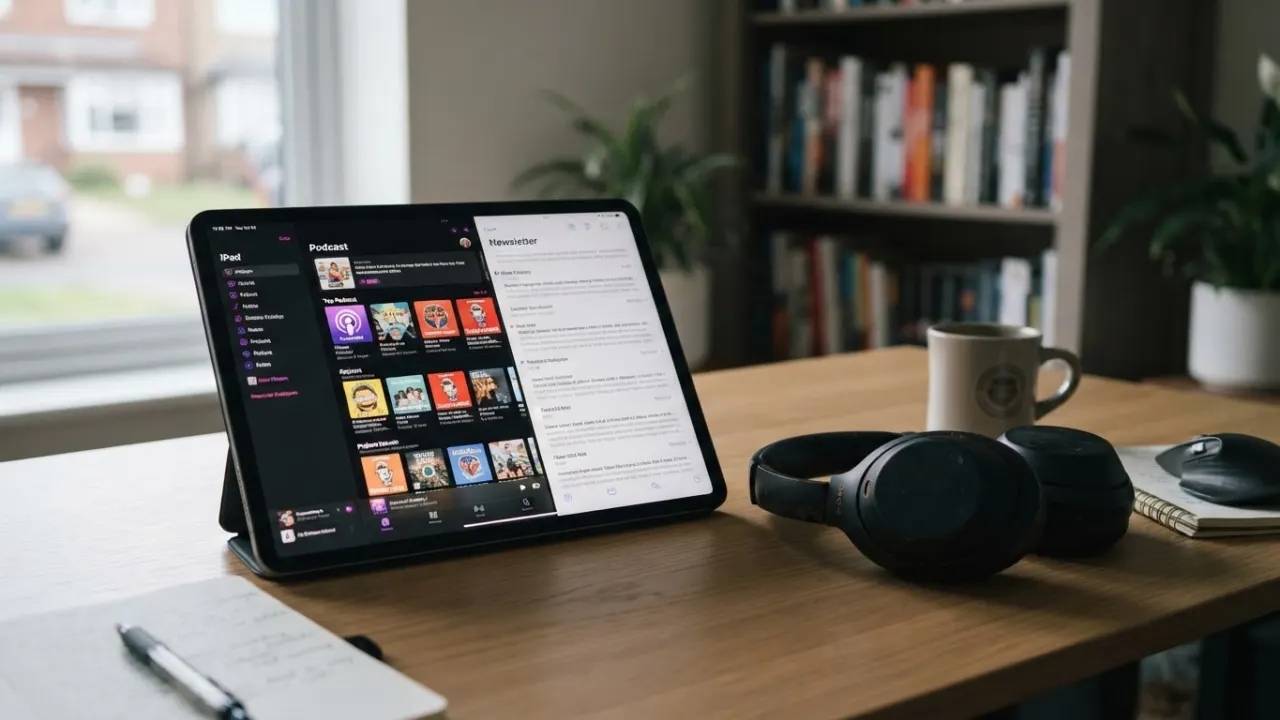
Three platforms are showing patterns of growth that don’t always show up in headline numbers but matter for the next 18 months.
Newsletter platforms continue to grow as creators rebuild audience layers they actually own. Beehiiv and Substack both passed 100 million combined active subscribers in 2025. The newsletter economy has become a serious media category, with single newsletter operators producing six and seven figure annual revenues.
Audio-first platforms have plateaued but stabilised. Spotify podcasts, Apple Podcasts, and YouTube Music together cover most listener time. The fragmented podcast app market of 2018 has consolidated.
Niche community apps continue to fragment further. Circle, Mighty Networks, and self-hosted Discord-style communities serve creators building owned communities. The trade-off is reach for retention.
These quieter migrations matter because they shape where attention will be in 2027 and 2028. The most popular social media platforms today may not be the most important ones tomorrow.
How to Pick Your Platform Mix

Three questions to pick your two platforms.
First, where does your customer base spend the most time today. Not where you think they spend time, but where the data shows they do. Most brands underestimate Facebook’s reach for older customers and overestimate TikTok’s reach for B2B audiences.
Second, where can you produce content sustainably for at least 12 months. Picking a platform you’ll burn out on in 8 weeks is worse than not starting at all. Match the platform to your honest content production capacity. Many readers who study this area also benefit from our complete guide to the best smartphones to buy to ensure all key factors are covered. Many readers who study this area also benefit from our complete guide to the best smartphones to buy to ensure all key factors are covered. Many readers who study this area also benefit from our complete guide to the best smartphones to buy to ensure all key factors are covered. Many readers who study this area also benefit from our complete guide to the best smartphones to buy to ensure all key factors are covered.
Third, where can you measure results clearly. Instagram metrics are clear. LinkedIn ROI takes more effort to track. Pick platforms where you can demonstrate value to yourself and your team within 90 days.
Answering these three questions honestly usually reduces the most popular social media platforms list to two strong options. That focus is what produces results.
Businesses that ignore this step often end up posting the same content everywhere. That approach wastes effort because each platform rewards different formats and behaviours. The most popular social media platforms demand different strategies.
How to Choose the Right Social Media Platform for Your Business
Not every business needs to be on every platform. Spreading yourself too thin leads to mediocre presence everywhere rather than strong presence where it matters. Here is how to decide:
- Know your audience. Where do your customers actually spend time? A B2B company will find LinkedIn more useful than TikTok. A fashion brand will find Instagram and TikTok essential.
- Consider your content type. If you create short videos well, TikTok and YouTube Shorts make sense. If you produce long written content, LinkedIn and Facebook are better fits.
- Evaluate your resources. Each platform requires consistent content. Choose platforms you can actually maintain rather than abandoning accounts after a few weeks.
- Start with two platforms. Develop real expertise and presence on two platforms before expanding. It is far better to be excellent on two than mediocre on six.
These four rules apply to any business choosing among the most popular social media platforms. They prevent the common mistake of trying to be everywhere at once.
Social Media Platform Comparison Table
| Platform | Best For | Primary Content | Demographics |
|---|---|---|---|
| Community building, local business | Mixed content | 25-55+ | |
| Visual brands, lifestyle | Photos, Reels | 18-40 | |
| TikTok | Entertainment, discovery | Short video | 16-34 |
| YouTube | Education, entertainment | Long and short video | All ages |
| B2B, professional services | Articles, posts | 25-55 | |
| Twitter/X | News, conversation | Short text, threads | 25-50 |
| Shopping, inspiration | Images, ideas | Primarily women, 25-45 |
Use this table as a quick reference, not a final answer. The most popular social media platforms for your specific audience may differ from the global rankings.
Treat the table as a starting point for discussion, not a rulebook. Your customers may behave differently than the average user. Test content on the platforms that look promising, measure results, and then double down on what works.
Reader Questions About the Most Popular Social Media Platforms
u003cstrongu003eWhich platform has the most users in 2026?u003c/strongu003e
Facebook, with around 3 billion monthly active users, although YouTube is close behind and growing more quickly.
u003cstrongu003eBest platform for a small business?u003c/strongu003e
Instagram and Facebook for local consumer businesses. LinkedIn and YouTube for B2B businesses. Google Business in addition to social for any business with a physical location.
u003cstrongu003eIs TikTok worth it for B2B?u003c/strongu003e
Only for B2B that targets younger decision makers in design, marketing, or creative industries. Most B2B brands still get more from LinkedIn.
u003cstrongu003eShould I be on Threads?u003c/strongu003e
Yes, if you’re already on Instagram. The cross post is essentially free. No, as a standalone platform commitment.
u003cstrongu003eWill X survive long term?u003c/strongu003e
Likely yes, but as a smaller, more concentrated platform than its Twitter peak. Real time news and creator monetisation keep the platform relevant.
u003cstrongu003eWhat is the fastest growing social media platform?u003c/strongu003e
Threads and LinkedIn are among the fastest growing of the most popular social media platforms in 2026. Threads benefits from Meta’s infrastructure, while LinkedIn has grown as organic business publishing becomes more useful.
u003cstrongu003eShould a business be on every platform?u003c/strongu003e
No. The most effective approach is to dominate one or two of the most popular social media platforms before expanding. Quality and consistency beat breadth.
u003cstrongu003eHow often should a business post?u003c/strongu003e
Consistency matters more than frequency. A business that posts twice a week for a year beats one that posts daily for a month and then disappears.
Final Thoughts and Your Turn
The platforms shift, but the rules of attention don’t. Pick two platforms, commit for at least six months, and focus on building real audience depth over chasing surface metrics. The brands and creators winning in 2026 aren’t the ones on every platform. They’re the ones doing one platform really well, and using a second platform as a complementary layer.
Social commerce is also reshaping the most popular social media platforms. Instagram Shopping, TikTok Shop, and Pinterest Product Pins are blurring the line between social media marketing and e-commerce. For businesses, this creates new opportunities to sell directly through the platforms where customers already spend time.
The most popular social media platforms will keep changing. New apps will launch. Algorithms will shift. Audiences will migrate. The brands and creators who win are not the ones chasing every change. They are the ones who understand their audience and commit to the platforms where that audience already spends time.
Success on the most popular social media platforms is not about being everywhere. It is about being consistent where it matters. Pick your platforms, commit to a format, and post for at least six months before judging results. Patience separates the accounts that grow from the ones that quit.
Which two platforms are you committing to this year? Share your pick and your reasoning in the comments below.
What are your thoughts on most popular social media platforms in? Have you tried any of these steps, or do you have tips of your own to share? Leave a comment below and share this guide with friends or colleagues who might find it helpful.