


Top skincare routines for 2026 cut through one of the most marketing saturated wellness categories. The skincare industry generates $200 billion globally and most of that money buys products with marginal benefits. The real routine, based on what dermatology research actually supports, takes 5 minutes per day, costs under $200 per year, and produces measurably better skin over 6 to 12 months. This guide walks through what to use, what to skip, and how to build the routine without falling for the trends that don’t deliver.
What skincare research actually shows
Before the routine, the honest framing. The skincare routines 2026 is the main focus of this guide.

Five ingredients have strong evidence. Sunscreen. Retinoids. Vitamin C. Alpha hydroxy acids (AHA) and beta hydroxy acids (BHA). Niacinamide. These are the foundation of evidence backed skincare. Most everything else is variations on themes or marketing. This guide explains how the skincare routines 2026 works in practice.
The 10 step Korean routine is mostly overkill. The intricate multi serum protocols look impressive but offer diminishing returns. A 4 step routine with the right ingredients outperforms a 10 step routine with random ones. For more background, see Wikipedia reference. Follow the skincare routines 2026 to get the best results.
The biggest skin variable is genetics, then sun damage, then lifestyle. Products at the margin. The fundamental skin quality comes from factors outside the routine. The skincare routines 2026 works when you follow it consistently. The skincare routines 2026 gives you a clear starting point.
The 5 minute morning routine
What the morning routine should look like f Step 2. Vitamin C serum (or skip if budget conscious – cleanser to moisturiser works fine). 30 seconds to absorb. This guide shows you how the skincare routines Step 4. Sunscreen SPF 30 plus, even indoors and on cloudy days. 60 seconds. Start Total time. 3 to 5 minutes. Total cost. $20 to $60 monthly across all products. The skincare routines 2026 removes common barriers that stop people from starting. Many people search for the skincare routines 2026 because they want a simple answer.
Step 1. Double cleanse if wearing makeup or sunscreen. Otherwise gentle cleanser. 60 seconds. Follo Step 2. Retinoid 3 nights per week (start 1 night, work up). Or AHA or BHA exfoliant on alternate nights. 30 seconds. The s Step 3. Moisturiser slightly heavier than morning. 60 seconds. Sticking to the skincare routines 2026 matters more than any single step. Use the skincare routines 2026 as your reference point.
tal cost. $20 to $60 monthly across all productsIf you do nothing else in skincare, do this. Daily SPF 30 plus prevents 80 percent of visible skin aging. The single highest impact intervention. The skincare routines 2026 gives you a clear structure every week. The skincare routines 2026 covers everything you need to know.
gentle cleanser. 60 seconds.Step 2. Retinoid 3 nights per week (start 1 night, work up). Or AHA or BHA exfoliant on alternate nights. 30 seconds. This guide walks through the skincare routines 2026 step by step.
Step 3. Moisturiser slightly heavier than morning. 60 seconds. The skincare routines 2026 helps you avoid common mistakes.
Total time. 3 to 5 minutes. The simplicity is the point. Keep the skincare routines 2026 in mind as you read each section.
4. Cleanser – simpler is better
The least important step in terms of ingredients. The job is to remove dirt, oil, and makeup without stripping the skin.
What to look for. Gentle pH 5 to 6 cleansers. Free of strong sulfates that strip natural oils. No fragrance for sensitive skin types.
The good options. Cerave Hydrating Cleanser. Cetaphil Gentle Skin Cleanser. La Roche Posay Toleriane Hydrating Cleanser. All under $20.
The double cleanse for makeup days. Oil based balm first to dissolve makeup and sunscreen. Then the regular cleanser. Only when wearing makeup or heavy sunscreen.
5. Moisturiser – the unsung hero
The skin barrier function is more important than most people realise. A properly moisturised skin barrier protects against irritation, inflammation, and water loss.
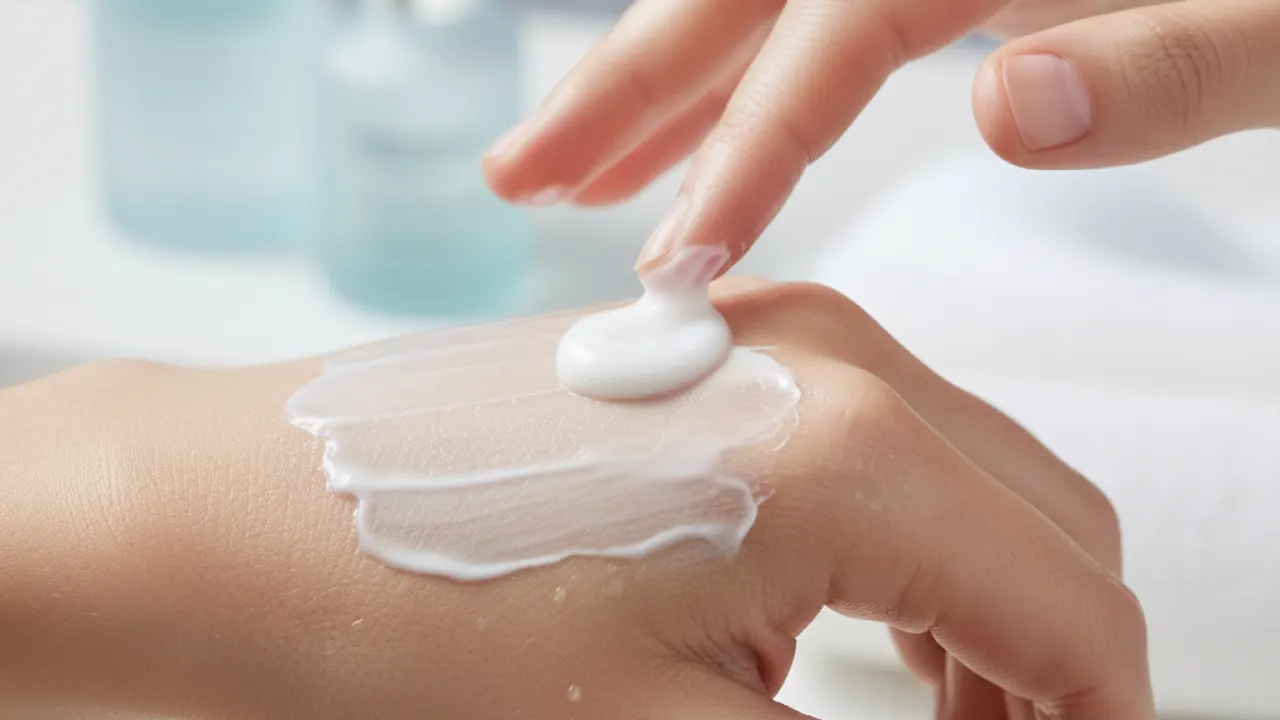
The ingredients that matter. Ceramides (replenish skin barrier). Hyaluronic acid (water binding). Glycerin (humectant). Squalane (lightweight oil).
The good options across budgets. Cerave Moisturising Cream ($15). La Roche Posay Lipikar Balm ($25). Tatcha Dewy Skin Cream ($75) for those willing to pay for elegance. Avoid anything with high alcohol content.
The morning versus night choice. Lightweight gel cream in the morning under sunscreen. Heavier cream in evening. Both can be the same product for most people.
6. Exfoliation – chemical beats physical
Physical scrubs with beads or sugar can damage skin. Chemical exfoliants with AHAs or BHAs dissolve dead skin cells more effectively and gently.
The choices. Glycolic acid (AHA) for normal to oily skin. Lactic acid (gentler AHA) for sensitive skin. Salicylic acid (BHA) for oily acne prone skin.
How to use. 1 to 3 times per week, in the evening. Not on the same nights as retinoid. Start once weekly. Most adults need exfoliation no more than twice weekly.
The signs you’re over exfoliating. Sensitive irritated skin. Redness. Peeling that doesn’t heal. Skin that stings when products are applied. If any of these, back off immediately.
7. Niacinamide – the multi tasker
Niacinamide (vitamin B3) is one of the most versatile ingredients in skincare. Reduces inflammation, regulates oil production, fades hyperpigmentation, improves skin barrier.
The concentration that works. 5 to 10 percent. Higher than 10 percent doesn’t provide additional benefit and can irritate.
The options. The Ordinary Niacinamide 10% (cheap and effective). Paula’s Choice 10% Niacinamide. Most CeraVe products include 4 percent niacinamide which is added benefit.
The good news. Niacinamide combines well with almost everything. Vitamin C, retinoids, AHA BHA. Few incompatibilities.
The ingredients to be cautious with
Five categories that get more hype than benefit.
Snail mucin. Some moisturising effect. Texture might be unpleasant for some. Not magic.
Caffeine eye cream. The effect on dark circles and puffiness is minimal and temporary.
Argan, jojoba, rosehip oil. Mostly fine but not transformative. Cheaper carrier oils with similar effects exist.
Sheet masks. Pleasant ritual. Marginal long term benefit. Save the money for the daily routine.
Anti aging eye creams. Mostly the same ingredients as face moisturiser at 3 times the price for the eye area. Usually a marketing premium.
The skincare myths to ignore
Five common claims that don’t hold up.
You need to switch products seasonally. Skin doesn’t need a different routine for summer versus winter beyond perhaps slightly heavier moisturiser in dry months.
Toner is essential. Mostly redundant if cleanser and moisturiser are working. Few exceptions for specific skin needs.
Expensive products work better. The active ingredients are largely the same across price tiers. Cerave at $15 contains the same ceramides as Tatcha at $75.
Pore strips clean out pores. The black gunk is sebum that returns within hours. The strips also damage skin barrier.
You can shrink pore size. Pore size is largely genetic. You can reduce the appearance of pores by keeping them clean and supporting skin texture. You cannot permanently change them.
Beauty from within – the real foundation
Five lifestyle variables that matter more than any product.

Sleep. 7 to 8 hours nightly. Skin repair happens primarily during deep sleep. Chronic sleep restriction shows up on skin within 2 weeks.
Water and hydration. Adequate water intake supports skin function. The exact amount varies but 2 to 3 litres daily is a reasonable target.
Diet. Whole foods, low sugar, sufficient protein, omega 3s, antioxidants. Processed food and excess sugar consistently show up on skin.
Stress management. Chronic stress raises cortisol which contributes to acne, premature aging, and inflammation. Stress reduction shows up on skin within weeks.
Alcohol moderation. Heavy drinking dehydrates and inflames skin. Reducing alcohol consumption produces visible skin improvements within 30 days.
Skincare by age band
The routine should evolve with age.
Teens to early 20s. Gentle cleanser. Sunscreen. Moisturiser. Spot treatment if acne prone. Keep it simple. Skip anti aging products.
Mid 20s to 30s. Add vitamin C in the morning. Start retinol once weekly. Continue daily sunscreen religiously.
40s. Add gentle exfoliation. Slightly heavier moisturiser. Continue retinol 3 to 5 nights per week. Consider professional treatments if interested.
50s and beyond. Consider peptides. Possibly add facial oils. Continue everything else. Professional treatments (microneedling, IPL, lasers) start producing meaningful benefits.
Professional treatments worth considering
Five treatments with genuine evidence.
Chemical peels (medium depth). Done by dermatologist every 6 to 12 months. Improves skin texture and tone over multiple treatments.
Microneedling with PRP. Improves collagen, texture, scars. Course of 3 to 6 treatments. $300 to $600 per session.
IPL (intense pulsed light). Removes brown spots and reduces redness. 2 to 4 treatments. $200 to $500 per session.
Botox for prevention. Small amounts starting in late 20s or early 30s prevent the formation of expression lines. $300 to $600 every 3 to 4 months.
The ones to skip. Cheap discount Botox. Aggressive lasers on darker skin. Fillers in the lower face for younger patients. Treatments without licensed providers.
The honest budget skincare
A complete effective routine on a tight budget.
Cleanser. Cerave Hydrating Cleanser. $15.
Moisturiser. Cerave Daily Moisturising Lotion. $15.
Sunscreen. Skinceuticals or budget alternative Korean sunscreen. $20 to $40.
Vitamin C. The Ordinary 10%. $10.
Retinol. The Ordinary Retinol 0.5%. $10.
Total under $100. Lasts 4 to 6 months. Complete evidence backed routine.
For more on the broader self care habits that pair with good skincare, our piece on best self care habits for mental health walks through the lifestyle foundation.
Final thoughts and your turn
Top skincare routines for 2026 prove the point that simpler is better. Five products, used consistently, with the right ingredients, produce dramatically better results than 15 products with random ingredients used sporadically. The skincare industry profits from complexity. The skin benefits from simplicity.
Which step in your current routine would you change based on this guide? Drop a comment with your current setup. Share the post with someone in your life who keeps buying new products without seeing real results.
For related guidance, see our guides on start an online business, best businesses to start, how to be a better person, best places in the US.
The most important skincare routine principle for 2026 is consistency over complexity. A three-step routine applied every morning and evening for six months produces better skin than an elaborate twelve-step routine applied sporadically. Cleansing, moisturising and applying SPF daily is a complete skincare routine in 2026 that produces genuine results. Additional steps like serums, acids and treatment products enhance outcomes for specific concerns but are secondary to the basics. Start simple, master the fundamentals, and add complexity only when the basic routine is consistently maintained.
Frequently Asked Questions
What is the most important thing to understand about skincare routines 2026?
The fundamentals matter most. Before diving into advanced strategies or techniques, making sure you have a solid grasp of the core principles saves time and prevents common mistakes. Starting with quality sources of information, whether from books, courses, or established experts, gives you the knowledge foundation needed to make good decisions and avoid pitfalls that most beginners encounter.
How long does it take to get good at skincare routines 2026?
Progress depends on your starting point, how much time and focus you commit, and the complexity of what you are trying to achieve. Most people see meaningful progress within 3 to 6 months of consistent, focused effort. Reaching an expert level typically takes several years of dedicated practice and ongoing learning. The key is consistent application over time rather than intensive bursts followed by long breaks.
What resources are most helpful for learning about skincare routines 2026?
The best resources vary by topic, but a combination of well-reviewed books, reputable online courses, expert communities, and practical hands-on experience typically produces the best results. Look for resources from authors and instructors with verifiable track records. Communities of practice where you can ask questions and get feedback from experienced practitioners are particularly useful.
What are the most common mistakes people make with skincare routines 2026?
The most universal mistakes include trying to learn everything at once rather than mastering basics first, giving up before seeing meaningful results, not tracking progress to stay motivated, failing to learn from mistakes and adjust approaches, and not seeking help from those who have already succeeded. Patience and persistence combined with smart, focused effort typically outperform raw talent without discipline.
Frequently Asked Questions
What is the most important thing to understand about skincare routines 2026?
The fundamentals matter most. Before diving into advanced strategies or techniques, making sure you have a solid grasp of the core principles saves time and prevents common mistakes. Starting with quality sources of information, whether from books, courses, or established experts, gives you the knowledge foundation needed to make good decisions and avoid pitfalls that most beginners encounter.
How long does it take to get good at skincare routines 2026?
Progress depends on your starting point, how much time and focus you commit, and the complexity of what you are trying to achieve. Most people see meaningful progress within 3 to 6 months of consistent, focused effort. Reaching an expert level typically takes several years of dedicated practice and ongoing learning. The key is consistent application over time rather than intensive bursts followed by long breaks.
What resources are most helpful for learning about skincare routines 2026?
The best resources vary by topic, but a combination of well-reviewed books, reputable online courses, expert communities, and practical hands-on experience typically produces the best results. Look for resources from authors and instructors with verifiable track records. Communities of practice where you can ask questions and get feedback from experienced practitioners are particularly useful.
What are the most common mistakes people make with skincare routines 2026?
The most universal mistakes include trying to learn everything at once rather than mastering basics first, giving up before seeing meaningful results, not tracking progress to stay motivated, failing to learn from mistakes and adjust approaches, and not seeking help from those who have already succeeded. Patience and persistence combined with smart, focused effort typically outperform raw talent without discipline.