

Most travel problems are avoidable. A little planning before you leave can stop a bad situation before it starts. These travel safety tips cover what actually matters, from documents to digital security. For more background, see Office for National Statistics data.
Get Your Documents in Order First
Documents are the foundation of safe travel. Lose them and everything else gets harder. Do this before you leave home.
Make Copies of Everything
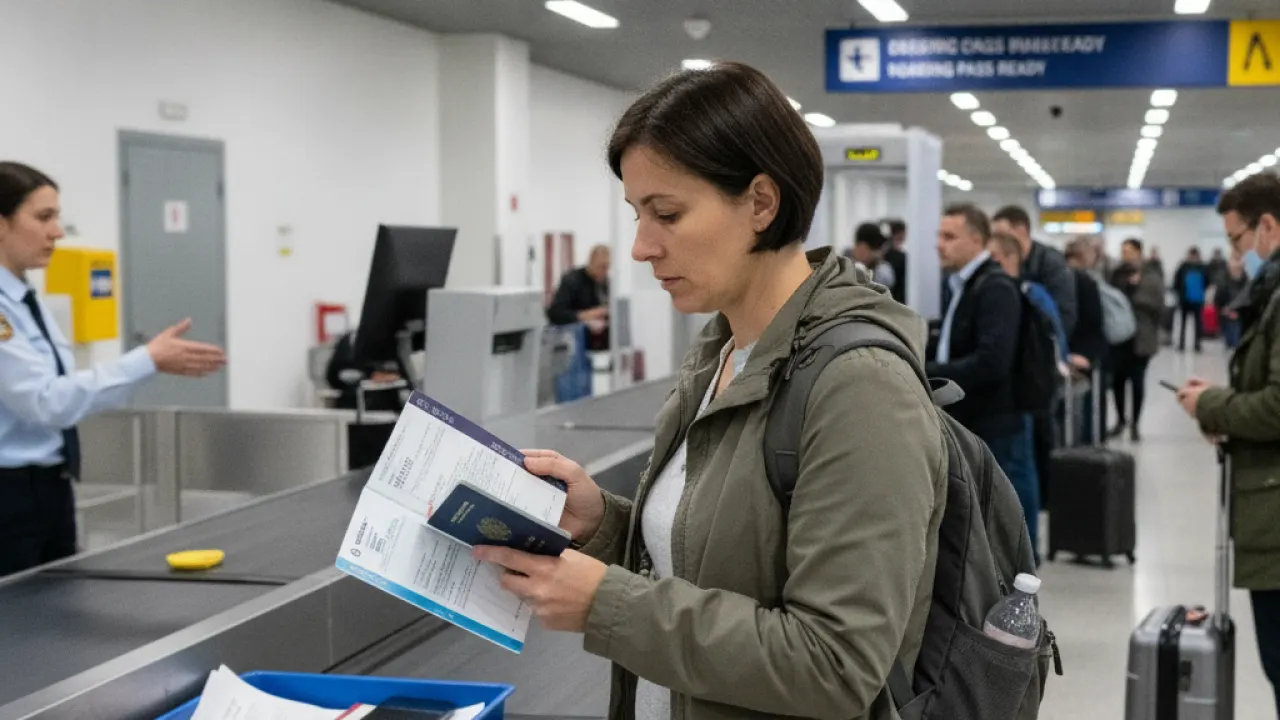
Scan your passport, driver’s license, travel insurance card, and any visas. Email copies to yourself and save them to a cloud folder. Give a physical copy to someone at home. If your passport gets stolen, having a copy makes the replacement process much faster at an embassy or consulate.
Check Expiration Dates Early
Many countries require your passport to be valid for at least six months beyond your travel dates. Check this at least three months before your trip. Renewing a passport takes time, and rushing it costs more money.
Register with Your Embassy
If you are traveling internationally, register your trip with your country’s embassy or consulate. The U.S. State Department has a free program called STEP (Smart Traveler Enrollment Program). It lets the embassy contact you during emergencies like natural disasters or civil unrest. It only takes a few minutes to sign up.
Keep Originals and Copies Separate
Carry your original passport on you, but store a copy in your hotel room safe. If you carry your luggage around all day, keep one set of document copies in a different bag from your originals. That way, losing one bag does not mean losing everything.
Protect Your Money and Cards
Financial safety while traveling is not complicated. A few habits go a long way toward keeping your money where it belongs.
Notify Your Bank Before You Go
Tell your bank and credit card companies where you are going and when. Many banks will freeze your card if they see charges from an unexpected country. A quick call or a note in your banking app prevents that headache.
Use ATMs Wisely
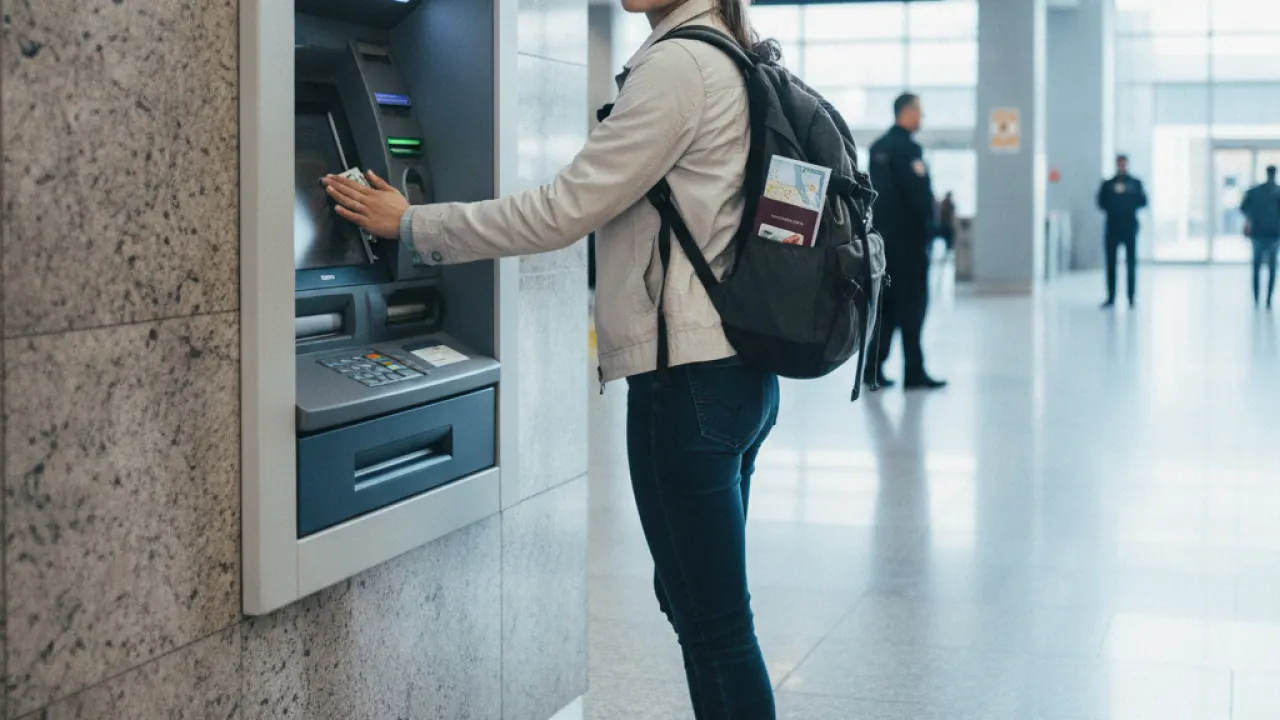
Stick to ATMs inside banks or well-lit public buildings. Avoid ATMs in dark alleys or tourist-heavy spots where skimming devices are more common. Cover the keypad when you enter your PIN. Take out enough cash for a day or two so you are not constantly withdrawing small amounts.
Split Your Cash and Cards
Do not keep all your money in one place. Carry enough cash for the day in your pocket or a small wallet. Keep your main debit card and backup credit card in a separate, secured part of your bag. A money belt worn under your clothes works well in high-theft areas.
Avoid Flashy Displays of Wealth
Leave expensive jewelry at home. Do not pull out a thick wallet in public. If you need to count money, step into a shop or a private corner. Thieves look for easy targets, and someone flashing cash or high-end electronics in a crowd stands out.
Have a Backup Payment Method
Carry at least two ways to pay. If your primary card gets blocked or lost, a backup card keeps you from being stranded. Store your backup card separately from your main wallet so one theft does not wipe you out entirely.
Know Emergency Numbers for Your Bank
Save the international customer service number for each of your cards in your phone and on paper. If a card gets stolen, you need to report it fast. Waiting until you get home lets the thief rack up charges you may not recover.
Stay on Top of Your Health
Getting sick or injured abroad is stressful. You can cut that risk significantly with some preparation before you leave.
See a Doctor Before International Travel
Visit a travel medicine clinic or your primary care doctor at least four to six weeks before an international trip. Some vaccines need time to take effect. Your doctor can also advise you on medications like malaria prophylaxis based on where you are going.
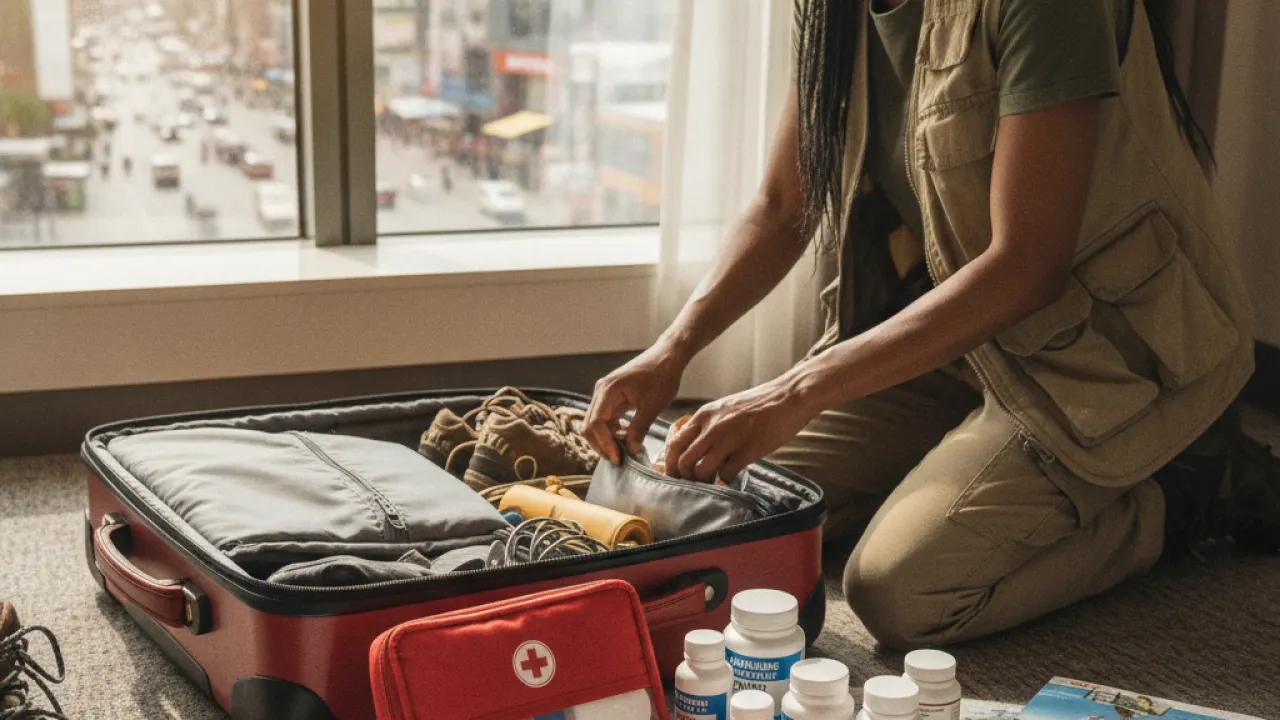
Pack a Basic Travel Health Kit
A basic kit covers most minor issues on the road. Include these items:
- Prescription medications in their original bottles with enough supply for your whole trip plus a few extra days
- Pain relievers like ibuprofen or acetaminophen
- Anti-diarrheal medication for stomach upsets from unfamiliar food or water
- Antihistamines for allergic reactions
- Adhesive bandages and antiseptic wipes for minor cuts
- Sunscreen appropriate for your destination’s UV levels
- Insect repellent if traveling to areas with mosquito-borne illness
- Rehydration salts in case of dehydration from heat or illness
Understand Your Travel Insurance
Buy travel insurance before you go, and read what it covers. A good policy covers medical evacuation, which can cost tens of thousands of dollars without it. Know the emergency contact number for your insurer and keep it somewhere accessible, not just on your phone.
Know Where to Go for Medical Help
Before you arrive at your destination, look up the nearest hospital or clinic to where you are staying. Some countries have international hospitals with English-speaking staff. Knowing this ahead of time means you are not scrambling while sick or panicked.
Stay Aware of Your Surroundings
Situational awareness is one of the most effective travel safety tools you have. It costs nothing and works everywhere. The travel safety tips works when you follow it consistently. If you are looking to expand your knowledge, reading detailed breakdown of grand city mall dubai provides useful background context. If you are looking to expand your knowledge, reading detailed breakdown of grand city mall dubai provides valuable background context.
Learn Basic Info About Your Destination
Before you arrive, read about common scams in that area. Know which neighborhoods are considered unsafe at night. Check your government’s travel advisory page for current alerts. This is not about being paranoid. It is about making informed decisions.
Look Confident Even When You Are Unsure
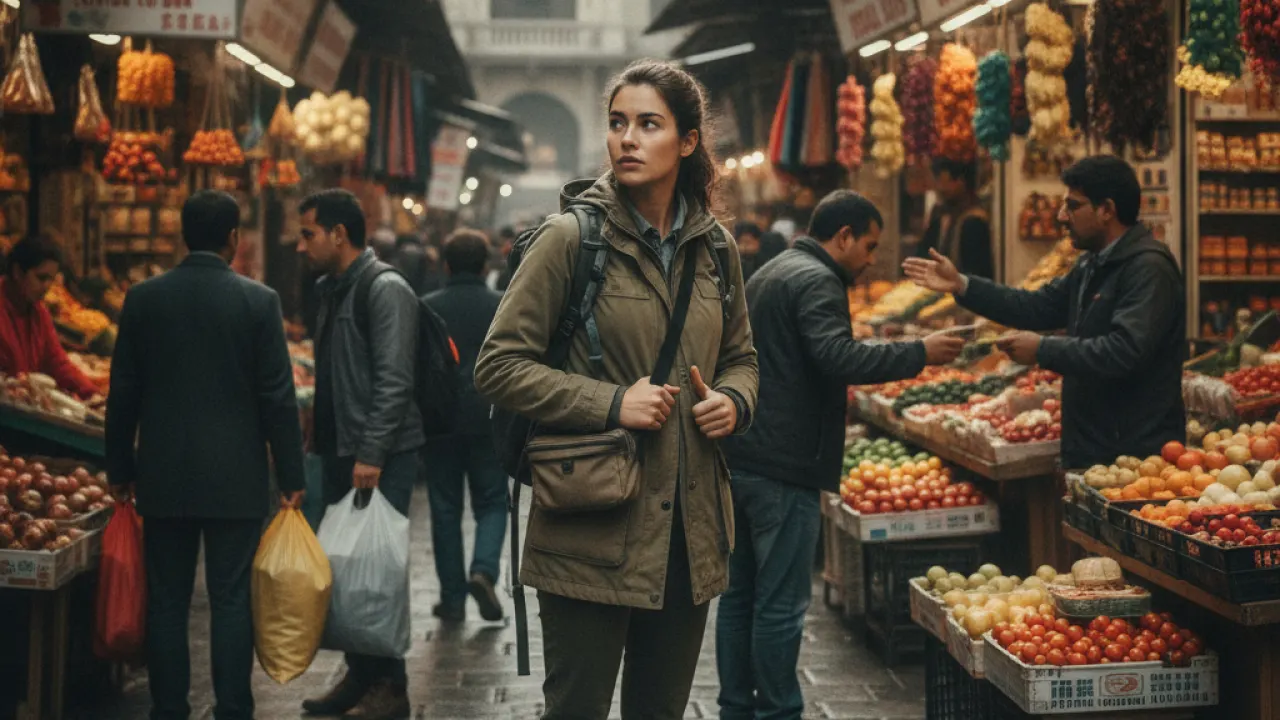
Tourists who look lost or confused are easier targets. If you need to check a map, step into a cafe or shop. Walk with purpose. Make eye contact when appropriate. Projecting confidence does not guarantee your safety, but it reduces the chance you will be seen as an easy mark.
Trust Your Instincts
If a situation feels off, leave. You do not need a reason. Feeling uncomfortable in a place, with a person, or during a transaction is enough justification to walk away. Tourists often override their instincts because they do not want to seem rude. That trade-off is not worth it.
Avoid Isolating Yourself at Night
Stay in well-lit, busy areas after dark. If you are going out at night, tell someone where you are going and when you expect to be back. Traveling with another person at night is safer than going alone, especially in unfamiliar areas.
Be Careful with Strangers Offering Help
Not everyone who approaches you is a scammer. Most people are genuinely kind. But some common scams start with someone offering unsolicited help, a free gift, or a too-good-to-be-true deal. If something feels like a setup, it probably is. Politely decline and move on.
Keep Emergency Numbers Saved
Know the local emergency number for your destination. It is not always 911. In the EU, it is 112. In the UK, it is 999. In Australia, it is 000. Save the number before you land so you are not searching for it when you need it most.
Have a Meeting Point
If you are traveling with others, agree on a meeting point in case you get separated. Busy places like markets, train stations, and tourist sites make it easy to lose each other. A pre-arranged spot takes the stress out of a separation.
Where you sleep matters. Some simple habits protect you at hotels, hostels, rentals, and guesthouses. This guide shows you how the travel safety tips fits real life.
protect you at hotels, hostels, rentals, and guesthouses.Check Reviews Before Booking
Read recent reviews on multiple platforms. Look specifically for comments about safety, neighborhood, and staff behavior. A hotel with cheap rates but consistent complaints about theft or poorly lit entrances is not worth the savings.
Use the Room Safe
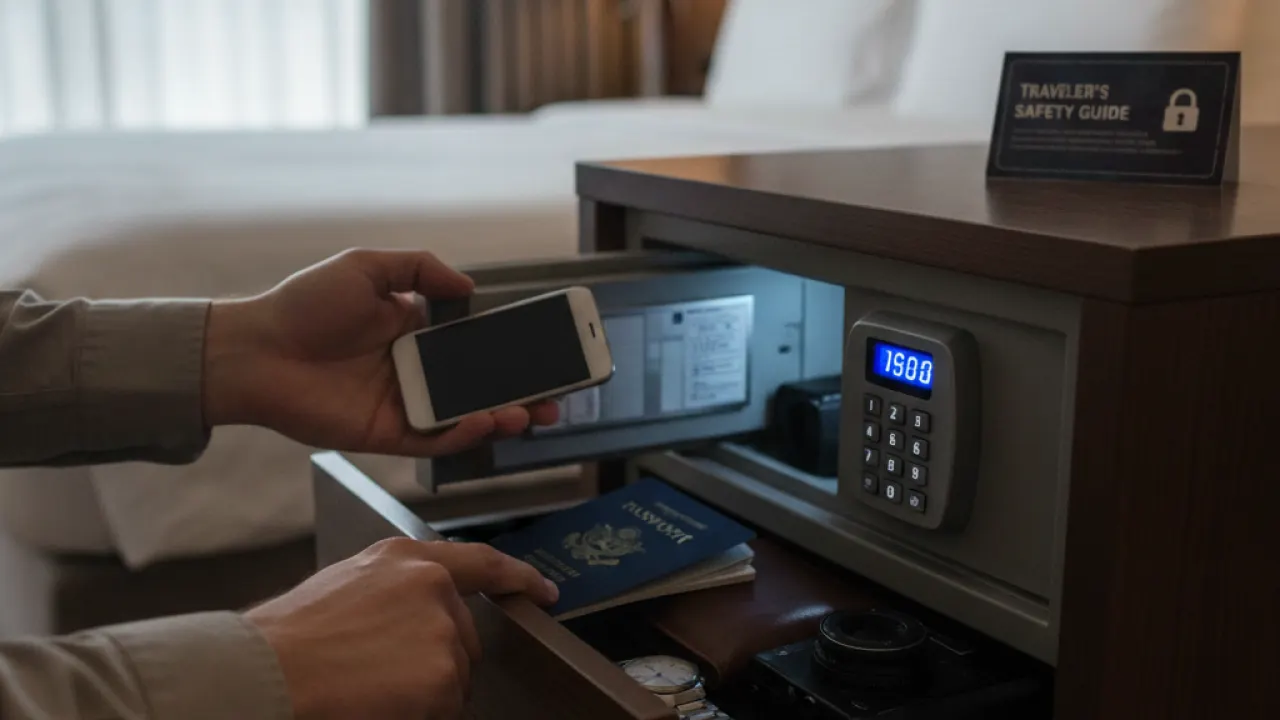
If your room has a safe, use it. Store your passport, extra cash, and a backup card inside whenever you leave. Do not leave valuables visible on a desk or in an open bag. Housekeeping staff are usually trustworthy, but minimizing temptation is good practice anywhere.
Secure Your Door
Use the deadbolt and door chain every time you are in the room. When you first arrive, check that the door and any windows lock properly. If something does not work, ask for a different room or report it immediately. A door stopper alarm is cheap, compact, and adds an extra layer of security in hostels or lower-budget accommodations.
Do Not Announce Your Absence
Avoid telling hotel staff or other guests your full daily itinerary. Saying you will be out all day at the beach lets strangers know your room will be empty. Leave the TV on low when you go out if you are concerned about appearing absent.

Your phone and laptop carry a lot of sensitive information. Digital theft is just as real as physical theft. Start with the basics of the travel safety tips and build from there.
lingYour phone and laptop carry a lot of sensitive information. Digital theft is just as real as physical theft.
Use a VPN on Public Wi-Fi
Public Wi-Fi in airports, cafes, and hotels is convenient but not secure. Anyone on the same network can potentially intercept your data. A VPN encrypts your connection. Install one before you leave home and use it every time you connect to public Wi-Fi.
Enable Two-Factor Authentication
Turn on two-factor authentication for your email, banking apps, and any accounts you might access while traveling. Even if someone gets your password, they cannot log in without the second step. Set this up before you go.
Lock Your Devices
Set a strong PIN or use biometric lock on your phone. If your phone is stolen without a lock, the thief has access to your banking apps, emails, and any saved passwords. Enable remote wipe so you can erase the device if it does not come back.
Back Up Important Files
Back up your photos and important documents to cloud storage regularly. If your phone is lost or stolen, you do not lose everything. Most phones back up automatically when connected to Wi-Fi, but verify this setting is turned on before you leave.
Be Careful About What You Share Online
Avoid posting your real-time location on social media. Announcing that you are at a specific place at a specific time,
Getting around safely means making good choices about how you move, especially in unfamiliar places. The travel safety tips removes common barriers that stop people from starting.
photos after the fact instead of in real time.Transportation Safety Tips
Getting around safely means making good choices about how you move, especially in unfamiliar places.
Use Official and Licensed Transportation
Book taxis through official apps or hotel desks. Avoid unmarked cabs or rides offered by strangers outside airports. Apps like Uber, Lyft, Bolt, and Grab operate in many cities and give you a record of your driver and route. If you must take a local taxi, note the license plate before getting in.
Research the Transportation Norms
In some cities, buses are the safest way to get around. In others, the metro is better. In a few places, certain areas are better avoided entirely after dark. Reading travel forums or blogs for your specific destination gives you ground-level advice that guidebooks sometimes miss.
Keep Bags Close on Public Transit
On buses, trains, and metros, keep your bag in front of you or on your lap. Pickpockets work in crowds and often target backpacks or bags worn on the back. Zip all pockets. In very crowded situations, consider keeping one hand on your bag.
Share Your Itinerary
Tell someone at home your general travel plans. Share your flight numbers, accommodation names, and any major travel days. Check in with them periodically. This is not about surveillance. It is about having someone who will raise an alarm if you go quiet unexpectedly.
Frequently Asked Questions
What is the
The travel safety tips is a structured approach designed to give clear, actionable steps that produce reliable results over time.
How do I start with the
Begin with the foundation steps, focus on consistency, and build intensity gradually as the plan progresses.
How long does the travel safety tips take to work?
Most people notice initial improvements within a few weeks, with more meaningful results appearing after 8 to 12 weeks of consistent effort.
Is the travel safety tips suitable for beginners?
Yes. The travel safety tips is designed to be accessible, with progressions and modifications that let anyone start at their current level.
What are the main mistakes to avoid with the
Common mistakes include skipping the foundation phase, expecting overnight results, and not tracking progress consistently.
Final Thoughts
Travel safety is not about avoiding the world. It is about being prepared enough to enjoy it without unnecessary risk. The tips above apply whether you are taking a weekend road trip or a month abroad. Most of them take under an hour to sort out befo
Start with documents, secure your money, pack for your health, and stay aware of your surroundings. Build those habits and travel becomes much less stressful over time. Follo
Which of these travel safety tips are you already using, and which ones are you adding to your pre-trip checklist this time? The travel safety tips scales as you get more experienced.
options when things go sideways.Start with documents, secure your money, pack for your health, and stay aware of your surroundings. Build those habits and travel becomes much less stressful over time. Similar principles apply when reviewing detailed breakdown of naif police station, where preparation and research make a noticeable difference. Similar principles apply when reviewing detailed breakdown of naif police station, where preparation and research make a noticeable difference.
Which of these travel safety tips are you already using, and which ones are you adding to your pre-trip checklist this time?
For related reading, see our guides on Improve Mobile Performance, Driving Test UK Tips 2026, Remote Work Tips That Actually Improve Your Focus, Home Office Setup Tips for Better Focus and Daily Output, Countries to Visit in 2026.
Common questions about the travel safety tips
People often ask whether the travel safety tips works for complete beginners. It does, because every step can be adjusted to match your current level. Start where you are, not where you think you should be.
Another
Consistency is the factor that separates people who get results from people who stay stuck. Missing one day is fine. Missing three days in a row is where momentum breaks. Sticking to the travel safety tips matters more than any single step.
thout taking over your schedule.Some readers wonder if they need expensive tools or subscriptions. In most cases, the travel safety tips works with what you already have. Any optional extras are just that, optional. For broader insights, exploring detailed breakdown of china mall ajman will give you actionable takeaways you can apply right away. For broader insights, exploring detailed breakdown of china mall ajman will give you actionable takeaways you can apply right away.
Consistency is the factor that separates people who get results from people who stay stuck. Missing one day is fine. Missing three days in a row is where momentum breaks.
Tracking progress is another habit that helps. Write down what you did, how it felt, and any small wins. Those notes become proof that the travel safety tips is working, especially on days when motivation is low.
Finally, remember that the travel safety tips