
Now Reading: UK Visa Fee 2026: Complete Guide to All Costs
-
01
UK Visa Fee 2026: Complete Guide to All Costs

UK visa fees for 2026 explained. Tourist, student, work, and family visa costs, plus the Immigration Health Surcharge and what is included.
UK visa fees change every year, and many applicants are caught off guard by the total cost. The UK visa fee you pay depends on the type of visa, how long you want to stay, and where you are applying from. This guide covers all the main UK visa fees for 2026, what is included in the cost, and how to avoid common payment mistakes.
How UK Visa Fees Work
The UK Home Office sets visa fees for applications made worldwide. Fees are set in US dollars globally but you can usually pay in your local currency at the point of application. The visa fee itself does not include the Immigration Health Surcharge (IHS), which is a separate mandatory payment for most visas lasting more than six months.
UK visa fees are non-refundable in almost all cases. If your application is refused, you do not get the fee back. If you withdraw your application before a decision is made, some fees may be refunded. Always read the refund policy carefully before applying.
Fees changed significantly in 2024 and again in 2026 as the UK government increased charges across most visa categories. The increases affect tourist visas, work visas, family visas, and student visas.
UK Visitor Visa Fee 2026

The Standard Visitor Visa allows you to visit the UK for tourism, business, or family visits. You can stay for up to six months per visit. The fees in 2026 are:
- Standard Visitor Visa (up to 6 months) – approximately £115
- Long-stay Visitor Visa (up to 2 years) – approximately £400
- Long-stay Visitor Visa (up to 5 years) – approximately £771
- Long-stay Visitor Visa (up to 10 years) – approximately £963
The multi-year visitor visas are good value if you visit the UK regularly. A 10-year visa works out much cheaper per visit than applying for a new six-month visa each time. These visas do not allow you to work or study in the UK.
UK Student Visa Fee 2026
The Student Visa (previously called the Tier 4 visa) is for people aged 16 or over who want to study a full course in the UK. The fee in 2026 is:
- Student Visa (applying from outside UK) – approximately £490
- Student Visa (switching inside UK) – approximately £490
- Child Student Visa (under 18) – approximately £490
The Immigration Health Surcharge applies on top of this. For students, the IHS is approximately £776 per year. A three-year student visa would therefore cost approximately £490 plus £2,328 in IHS, totalling over £2,800 before other costs are considered.
UK Work Visa Fees 2026
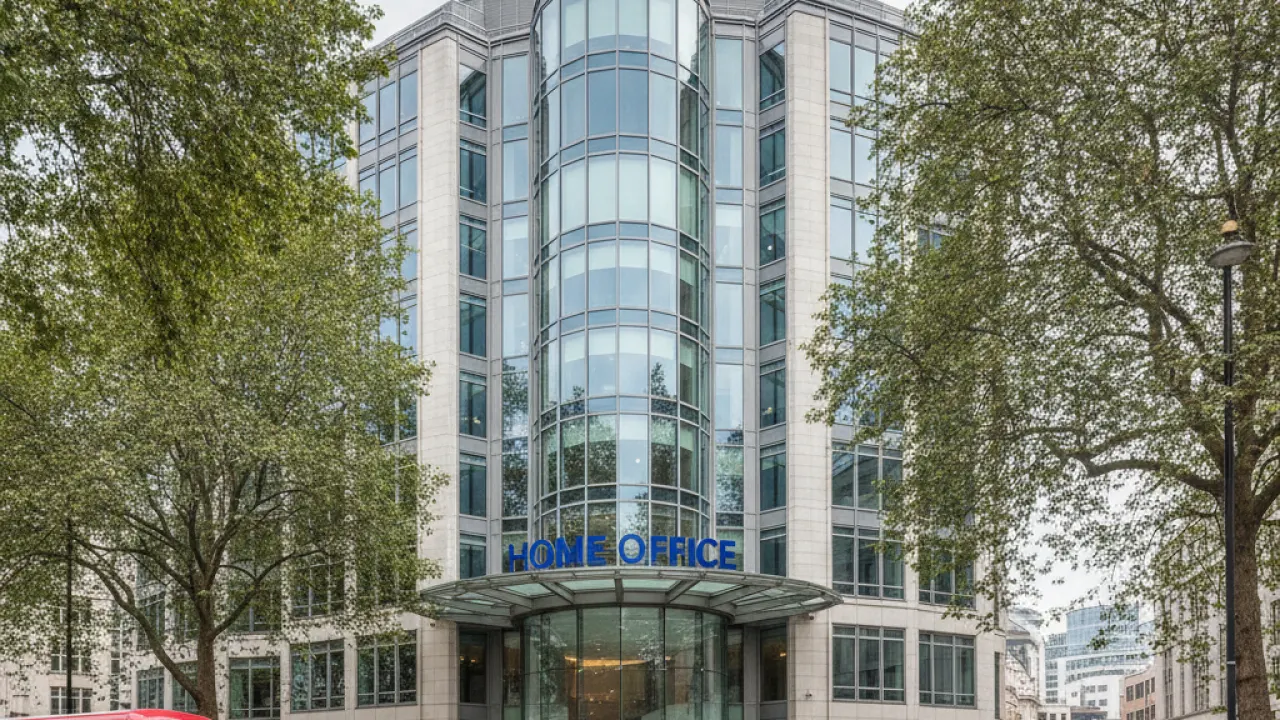
Work visas in the UK cover several different routes depending on your job, salary, and situation.
Skilled Worker Visa
The Skilled Worker Visa replaced the old Tier 2 General visa. It is the main work visa for most people moving to the UK for employment. Fees depend on the job type and how long you want to stay:
- Up to 3 years (shortage occupation) – approximately £479
- Over 3 years (shortage occupation) – approximately £943
- Up to 3 years (standard) – approximately £827
- Over 3 years (standard) – approximately £1,636
Global Talent Visa
The Global Talent Visa is for leaders and potential leaders in digital technology, science, engineering, arts, and culture. The endorsement fee varies by endorsing body, but the visa itself costs approximately £716.
Innovator Founder Visa
The Innovator Founder Visa replaced the Innovator and Start-up visas. It is designed for people starting a business in the UK that is innovative, viable, and scalable. The fee is approximately £1,486 for applications from outside the UK.
Health and Care Worker Visa
Doctors, nurses, and healthcare workers on the shortage occupation list pay reduced fees. The Health and Care Worker Visa costs approximately £284 for up to three years and approximately £551 for over three years. This route also includes an exemption from the Immigration Health Surcharge, which is a significant saving.
UK Family Visa Fees 2026

Family visas allow you to join or remain with a family member in the UK.
- Spouse or Partner Visa (applying from outside UK) – approximately £1,846
- Spouse or Partner Visa (switching inside UK) – approximately £1,048
- Fiancé Visa – approximately £1,846
- Child Visa (joining family in UK) – approximately £1,846
- Parent Visa (joining child in UK) – approximately £1,846
- Adult Dependent Relative Visa – approximately £3,250
Family visa fees are among the highest in the UK visa system. The cost does not include the Immigration Health Surcharge, which adds hundreds or thousands of pounds depending on visa length. Settlement fees (Indefinite Leave to Remain) add a further approximately £2,885 when applying for permanent residence.
Immigration Health Surcharge (IHS)
The Immigration Health Surcharge is a fee paid by most visa applicants staying in the UK for more than six months. It gives access to National Health Service healthcare during your stay. Rates in 2026 are:
- Standard rate – approximately £1,035 per year
- Student rate – approximately £776 per year
- Child rate (under 18) – approximately £776 per year
The IHS is calculated based on the full length of your visa, not just the time you actually spend in the UK. A five-year visa at the standard rate would cost £5,175 in IHS alone. Some visa categories are exempt, including Health and Care Worker Visa holders and children in local authority care.
How to Pay UK Visa Fees
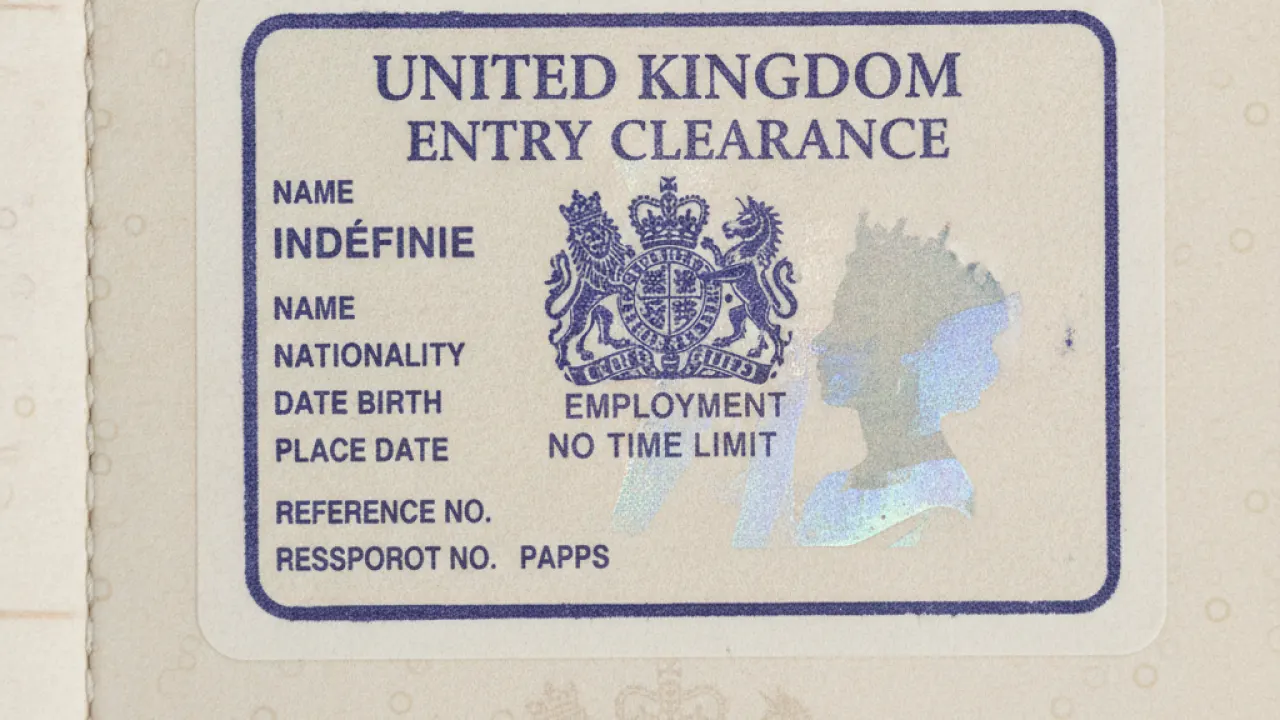
You pay UK visa fees online when you submit your visa application. The payment must be made by debit or credit card. The UKVI accepts most major cards including Visa, Mastercard, and American Express.
For applications made through Visa Application Centres (VACs), you may also be able to pay in local currency at the centre, but online payment in advance is more common. Always check the current accepted payment methods for your country before applying.
The fee must be paid in full. Partial payments are not accepted. If your card is declined, you need to resolve the issue before your application can proceed.
Are UK Visa Fees Refundable?
UK visa fees are almost never refunded after an application has been submitted and assessed. There are a small number of circumstances where a refund may be given:
- You withdraw your application before it has been assessed
- You paid the wrong fee and the UKVI accepts the correction
- The fee was paid more than once in error
- Your application was not processed within the service standard time (for some applications only)
If your visa is refused, the fee is not returned. This is one reason why getting the application right first time matters significantly. Errors can cost hundreds or thousands of pounds in lost fees and reapplication costs.
UK Visa Fee Waivers
Some applicants may qualify for a fee waiver. This applies mainly to people applying on human rights grounds who can show they cannot afford the fee. The fee waiver is not automatic and must be applied for separately before submitting the main visa application. Very few applications qualify.
Tips to Manage UK Visa Costs
- Check the official UK government website for the most current fees before budgeting
- Calculate the full cost including IHS, not just the application fee
- Consider whether a multi-year visitor visa is more economical if you visit the UK regularly
- Factor in other costs such as biometric enrolment, document translation, and legal advice
- Apply for the right visa category first time to avoid paying again for a new application
Which UK visa are you planning to apply for, and has the fee surprised you? Leave a comment below with your questions or share your experience of the application process.
UK Visa Fee Payment: What You Need to Know
The UK visa fee payment system is entirely online. When you submit your application through the UK Visas and Immigration (UKVI) portal, you pay the fee as part of the application process. The fee must be paid in full before your application is submitted. If your payment fails, your application does not go forward.
UK visa fees are set in US dollars globally. The amount you pay in your local currency depends on the exchange rate at the time of payment. The UKVI uses a fixed exchange rate that is updated periodically, so the amount you pay in pounds, euros, or another currency may differ slightly from the listed dollar amount.
Immigration Health Surcharge: What It Covers
The Immigration Health Surcharge gives you access to the National Health Service during your time in the UK. This covers GP visits, hospital treatment, and emergency care on the same basis as a UK resident. You do not pay anything extra when you use NHS services beyond the surcharge you paid when applying.
The surcharge does not cover everything. Dental treatment, optical care, and some prescriptions are charged at standard NHS rates even if you have paid the IHS. Private healthcare is also not included.
The IHS is calculated based on the full length of your visa, rounded up to the nearest whole year. Even if your visa is for 18 months, you pay two full years of IHS. This makes shorter visa lengths proportionally more expensive when IHS is included in the calculation.
Visa Fees for Multiple Entry Visits
One option worth considering for frequent visitors to the UK is the long-term multiple entry visitor visa. Instead of applying for a new six-month visitor visa each time you visit, you can apply once for a two-year, five-year, or ten-year visa.
The ten-year multiple entry visitor visa costs approximately £963 in 2026. Spread across ten years of regular visits, this represents significantly better value than applying annually at approximately £115 per application. The visa still limits you to a maximum of six months per visit and does not allow you to work or study during your stay.
How UK Visa Fees Compare Internationally
UK visa fees are among the higher-priced in the developed world, particularly for family and settlement visas. By comparison:
- The US tourist visa costs approximately $185 (around £145)
- The Schengen visa for most of Europe costs approximately £80 to £90
- Australia tourist visa costs approximately AUD $150 (around £80)
- Canada visitor visa costs approximately CAD $100 (around £60)
For work and family visas, the UK’s charges are particularly high compared to equivalent routes in other English-speaking countries. The Immigration Health Surcharge adds significantly to the total cost for longer-stay visas and has drawn criticism from settled migrants, employers, and advocacy groups.
Recent Changes to UK Visa Fees
UK visa fees have increased substantially in recent years. In 2023 and 2024, the government raised most visa fees by between 15 and 20 percent. Further adjustments were made in 2025 and 2026. The reasons given have included the cost of processing applications, funding UKVI operations, and broader government revenue needs.
If you are planning to apply for a UK visa, always check the current fee on the official government website immediately before applying. The fees listed in this article are correct for 2026 but are subject to change. Using outdated fee information is one of the most common avoidable mistakes in the UK visa application process.
What to Do If You Cannot Afford the UK Visa Fee
If you are applying for a UK visa on human rights grounds and cannot genuinely afford the fee, you can apply for a fee waiver before submitting your main application. Fee waivers are granted in very limited circumstances and are not available for standard visitor, student, or work visa categories. The bar for approval is high and most applications are refused. If you believe you might qualify, seek advice from a regulated immigration adviser or solicitor before applying.