


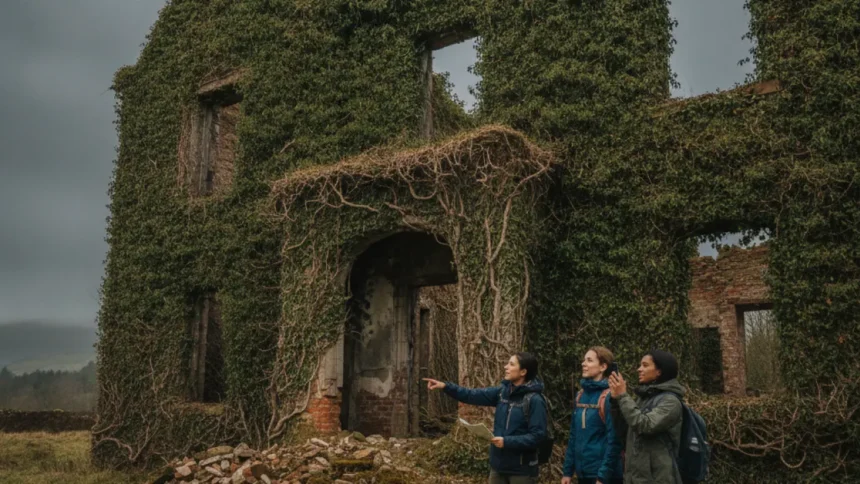
these sites hold some of the most atmospheric and historically noticeable derelict sites in Europe. From crumbling Victorian asylums to disused military installations, the United Kingdom has an extraordinary collection of forgotten buildings that tell the story of industries, institutions and communities that once thrived. This guide covers the most notable abandoned places UK explorers seek out, the history behind them, and what responsible exploration actually means in practice.

Why the UK Has So Many Abandoned Places
Britain’s long industrial history created an extraordinary density of buildings that served their purpose for a generation or two and then fell into disuse. Victorian-era asylums, built on the principle that fresh air and space would aid mental health, housed thousands of patients and employed hundreds of staff. When care in the community became government policy in the 1980s and 1990s, these enormous buildings became suddenly redundant. Many stood empty for decades before developers found uses for them or local authorities demolished them.
Coal mining, the industry that powered the British Empire, left behind thousands of disused sites across Wales, Yorkshire, County Durham and Nottinghamshire. When the mines closed through the 1980s and 1990s, the infrastructure above ground – headframes, engine houses, processing buildings – often remained long after the shafts were sealed. Some of these sites are now heritage attractions; others have quietly collapsed into the space.
Military history has left perhaps the most dramatic these sites contains. Two world wars, the Cold War and the decades of base closures that followed left an extraordinary range of fortifications, airfields and listening stations scattered across the British countryside. Some, like Orford Ness in Suffolk, have been taken over by conservation bodies and opened to visitors. Others remain off-limits and in various states of decay.
Abandoned Hospitals and Asylums
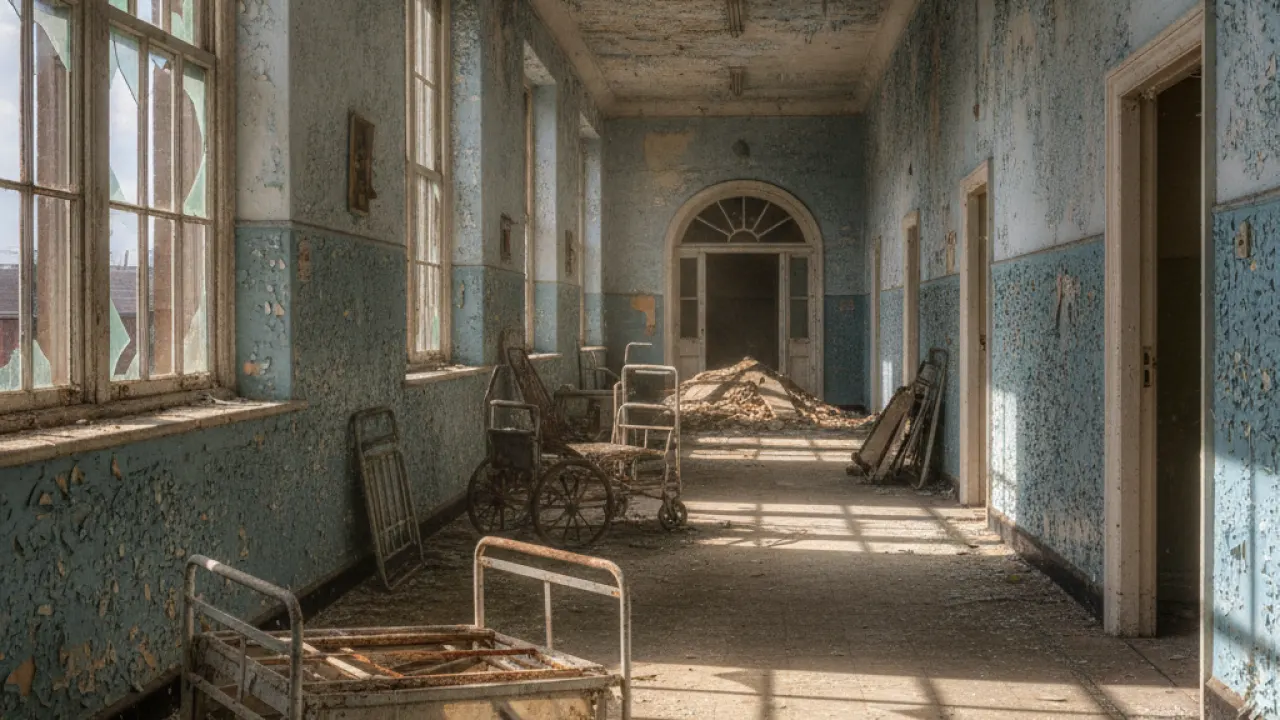
Victorian psychiatric institutions were built on a grand scale, often covering dozens of acres with elaborate red-brick architecture intended to project stability and permanence. Cane Hill Hospital in Coulsdon, Surrey, was one of the most photographed these sites urban explorers sought out before its eventual demolition in 2010. The institution opened in 1882 and could accommodate over 2,000 patients at its peak. Its closure in 1991 left behind an enormous complex of buildings that decayed rapidly over the following two decades.
Claybury Asylum in Essex, Severalls Hospital in Colchester and Hellingly Hospital in East Sussex all followed similar trajectories – built in the late nineteenth or early twentieth century, expanded during wartime and the post-war years, then gradually wound down as policy changed. Each represented a particular vision of institutional care that the twentieth century first expanded and then abandoned entirely. See also our guide to the most beautiful places to visit.
Abandoned Industrial Sites
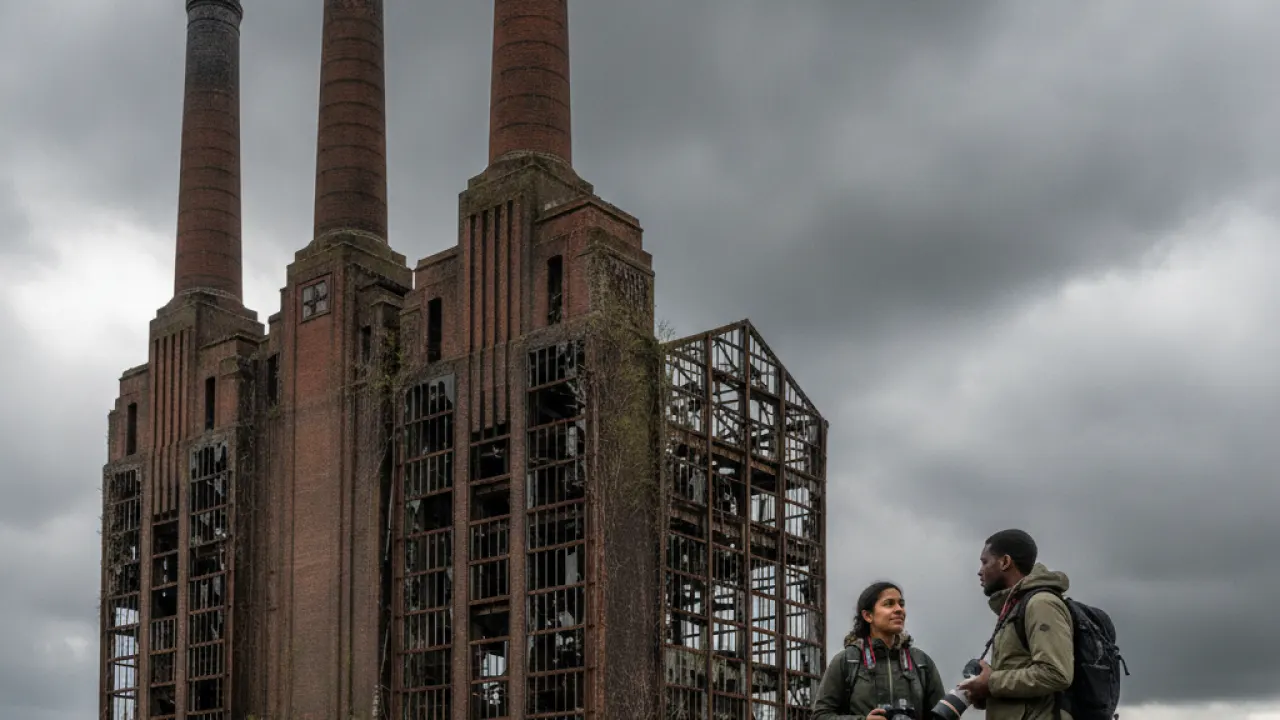
Battersea Power Station stood empty for over three decades before its recent redevelopment into flats, offices and a shopping destination. During its abandoned years, it became one of the most iconic images of urban decay in Britain and the backdrop for countless film and music productions. The station’s four chimneys are now restored and the site thoroughly reimagined, though its years of dereliction made it one of the most recognisable these sites ever produced. For more travel planning tips, see our lifestyle guides.
Ironbridge in Shropshire remains the birthplace of the Industrial Revolution, and though the famous bridge is preserved, surrounding areas contain derelict furnaces and foundry buildings from the eighteenth and nineteenth centuries. The juxtaposition of World Heritage Site visitor attractions with genuine industrial decay makes the Ironbridge Gorge area uniquely interesting for anyone fascinated by the physical remains of Britain’s industrial past. See also our guide on Places to Retire in Australia 2026.
Abandoned Prisons
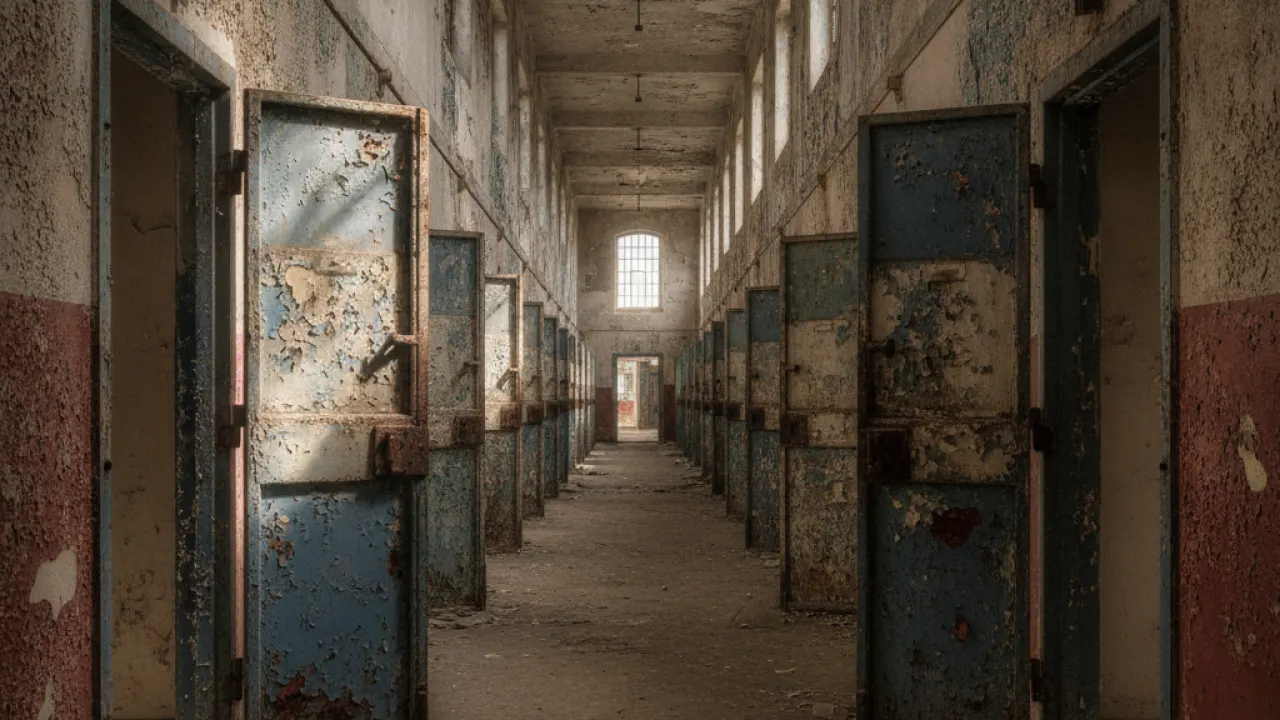
Shepton Mallet Prison in Somerset holds the distinction of being England’s oldest prison still standing. It opened in 1625 and closed in 2013, having served as a civilian prison, American military stockade during the Second World War, and finally a Category C training prison. The building has since been converted into a hotel and distillery, with many original features preserved. Its story reflects a broader pattern of abandoned prison buildings being reimagined for hospitality uses.
See also our guide on Reading Prison, where Oscar Wilde served two years with hard labour from 1895 to 1897, closed in 2013 and has since been the subject of numerous proposals for arts and heritage use. The cells where Wilde was held and where he composed the long letter later published as De Profundis have been preserved, making Reading one of the most culturally noticeable these sites contains. See also our guide on eating clean for beginners .
bject of numerous proposals for arts and heritage use. The cells where Wilde was held and where he composed the long letter later published as De Profundis have been preserved, making Reading one of the most culturally noticeable these sites contains.Abandoned Places UK: Military Sites and Installations
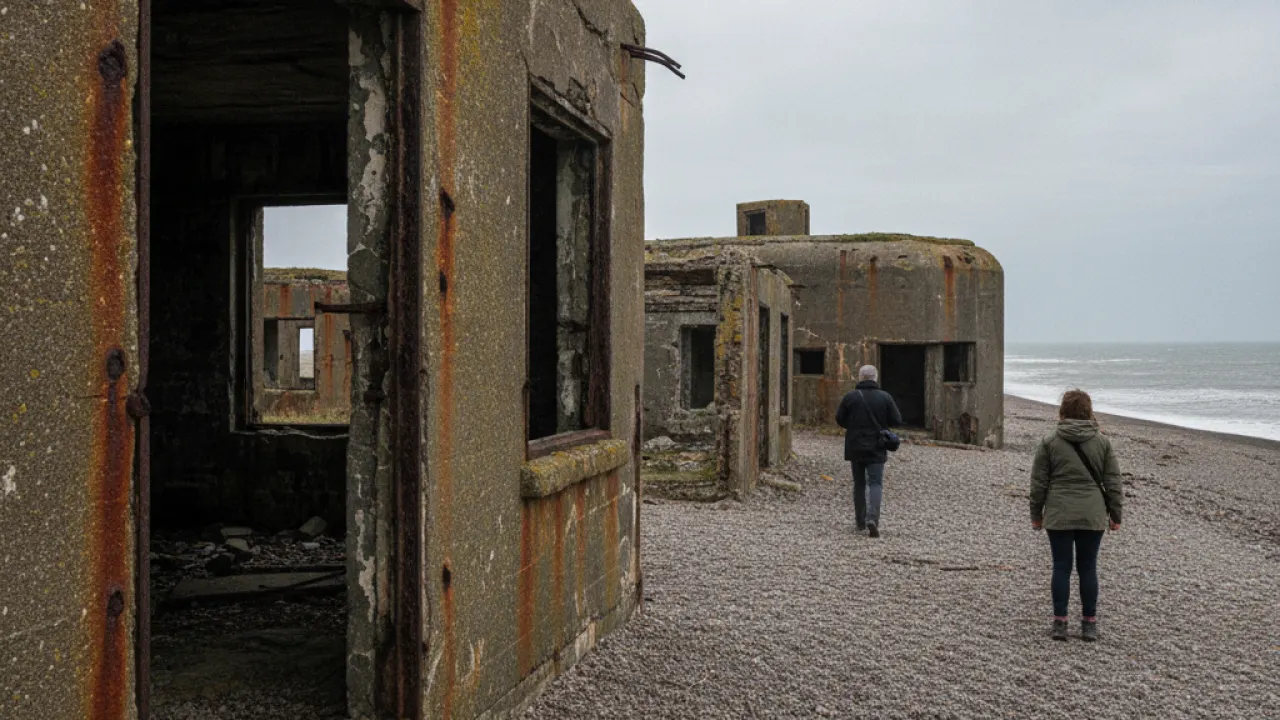
Orford Ness in Suffolk is managed by the National Trust and represents one of the most accessible and legally sanctioned abandoned places UK military history produced. The shingle headland was used as a secret testing ground for military equipment and atomic bomb casings from the 1940s onwards. The distinctive black and yellow-painted pagodas where bombs were tested stand today as stark monuments to Cold War anxiety, accessible to visitors on organised ferry trips from the town of Orford.
RAF Bentwaters and RAF Woodbridge in Suffolk, home to the famous 1980 Rendlesham Forest UFO incident, have been partly sold for commercial development but still contain substantial areas of derelict military infrastructure. The runways, hardened aircraft shelters and control towers are gradually being repurposed, though much of the site retains its original character and continues to attract visitors interested in Cold War history.
Abandoned Mining Heritage
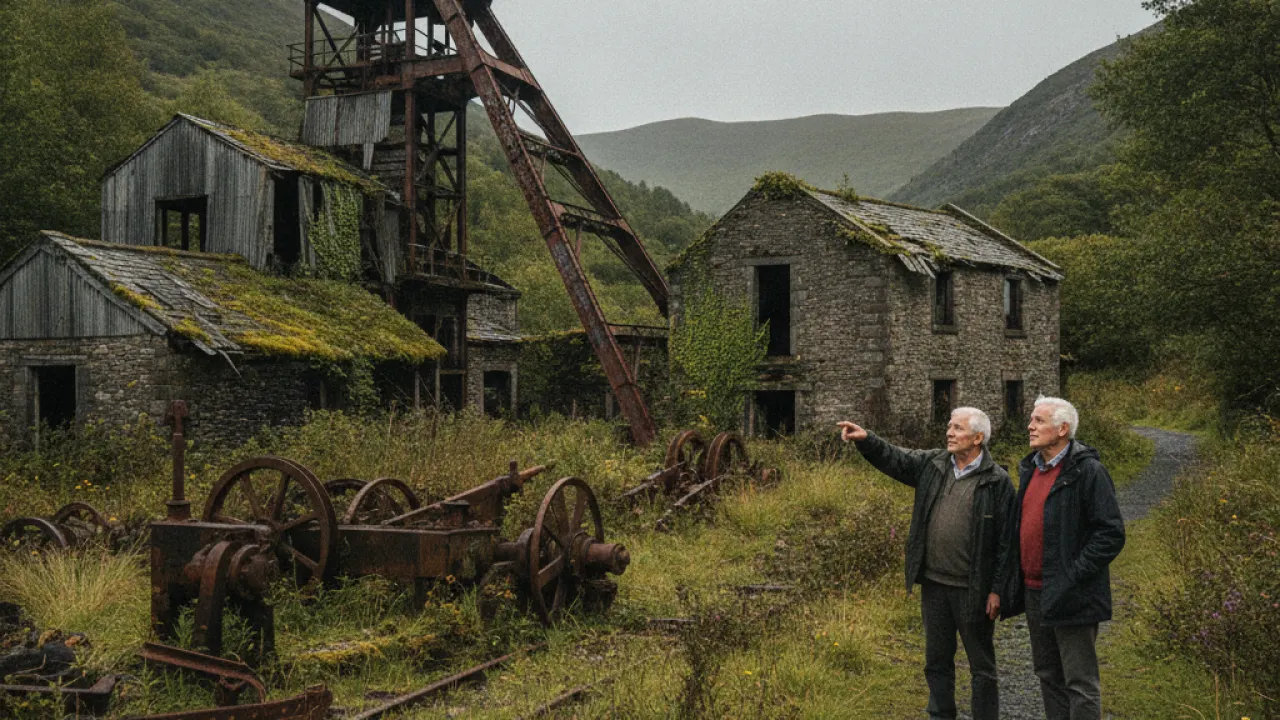
The Welsh valleys contain some of the most striking abandoned places UK mining history produced. Big Pit National Coal Museum at Blaenavon is now a UNESCO World Heritage Site, but surrounding valleys contain numerous colliery buildings and spoil heaps that tell the same story of an industry that shaped communities for a century and a half before disappearing within a generation. The Rhondda Heritage Park preserves the Lewis Merthyr Colliery, while other sites remain in varying states of preservation or dereliction.
Urban Exploration: Legal and Safety Considerations
Accessing abandoned places UK contains without permission is typically trespassing, a civil rather than criminal offence in England and Wales, though criminal in Scotland. Property owners can pursue civil action and you may be removed by police. Beyond legal considerations, derelict buildings present genuine physical dangers: asbestos, structural instability, contaminated ground and hazardous materials. Anyone entering abandoned places without permission and without appropriate safety knowledge and equipment is taking noticeable risks.
Abandoned Castles and Stately Homes
England alone has hundreds of ruined castles abandoned after the Civil War to Victorian gothic follies that ran out of wealthy patrons. Scotney Castle in Kent preserves its old ruin deliberately as a romantic space feature. Other ruins like Cowdray House in West Sussex burned in the eighteenth century and have stood roofless ever since.
Stately homes present a particular challenge. The upkeep of large country houses can reach millions of pounds annually. Following death duties imposed after both World Wars, many families could not maintain their ancestral seats. Sutton Scarsdale Hall in Derbyshire stands within English Heritage guardianship without a roof, stripped of all fittings and left to the elements.
Abandoned Transport Infrastructure
The Beeching cuts of the 1960s closed over 5,000 miles of railway line, leaving behind track beds, stations, bridges and tunnels. Many former lines are now walking and cycling routes. Disused underground stations in London like Aldwych, York Road and Down Street still exist beneath the capital, some used for filming and others sealed but structurally intact.
The London Transport Museum runs Hidden London tours to some of these stations, giving the public legitimate access to spaces that most Londoners have never seen despite travelling above them daily for decades. These represent a fascinating category of urban dereliction preserved beneath a living city.
Photography at Derelict Sites
Photography at abandoned sites rewards patience and good natural light. Early morning visits when mist is present produce memorable exterior shots. Long exposure photography captures cloud movement and creates dramatic skies over static ruined structures. Drone photography has transformed how derelict places are documented, revealing aerial views that show the full scale of abandoned complexes.
Civil Aviation Authority regulations require pilots to maintain appropriate distances from structures and people. Some sites fall within restricted airspace. Checking airspace maps before flying is essential to avoid legal complications and ensure the safety of the operation.
Frequently Asked Questions
What is the
The abandoned places UK is a structured approach designed to give clear, actionable steps that produce reliable results over time.
How do I start with the
Begin with the foundation steps, focus on consistency, and build intensity gradually as the plan progresses.
How long does the abandoned places UK take to work?
Most people notice initial improvements within a few weeks, with more meaningful results appearing after 8 to 12 weeks of consistent effort.
Is the abandoned places UK suitable for beginners?
Yes. The abandoned places UK is designed to be accessible, with progressions and modifications that let anyone start at their current level.
What are the main mistakes to avoid with the
Common mistakes include skipping the foundation phase, expecting overnight results, and not tracking progress consistently.
Preservation and the Future of Derelict Buildings
Historic England maintains a buildings at risk register that catalogues structures facing threats from neglect or proposed demolition. The Victorian Society, the Twentieth Century Society and the Georgian Group all campaign actively for buildings at risk within their respective remits. Community land trusts are increasingly being applied to heritage buildings with encouraging results across the country.
The most successful outcomes for derelict buildings combine heritage conservation with commercially viable uses. Former mental asylums converted into residential developments retain their external grandeur while generating income that funds upkeep. Industrial heritage buildings that become museums contribute to local economies while preserving history in physical form. Finding uses that generate sufficient income without overwhelming the character that makes a building worth saving remains the central challenge.
Community involvement in the future of derelict buildings has grown noticeablely. Building preservation trusts and civic societies have successfully campaigned for and sometimes taken on ownership of threatened structures. The physical remains of British history, however ruined and overgrown, represent an irreplaceable record of how the country was built, what it valued, and what it chose to leave behind.
The social history embedded in derelict buildings is frequently overlooked in favour of their visual drama. Each abandoned hospital contained thousands of individual stories of patients and staff. Each closed factory represented the livelihoods of hundreds of workers and the economic backbone of its surrounding community. Approaching these places with curiosity about their human dimension rather than purely their visual qualities produces a richer understanding of what they represent and why their preservation matters.
Heritage tourism built around formerly abandoned sites has shown consistent growth over the past decade. Visitors to sites like Orford Ness, the Ironbridge Gorge industrial heritage area and the Welsh slate space generate income for local economies while experiencing history through authentic physical remains rather than reconstructions or interpretive displays. The authentic texture of genuine dereliction – the rust, the decay, the light falling on structures never meant to survive this long – creates an experience that no replica can reproduce.
If you are researching a specific abandoned building or area in the UK, local historical societies and archive services are frequently the most reliable starting point. Council planning archives contain records of buildings that have been demolished or noticeablely altered, while local studies libraries hold photographs and documents that place individual buildings in their historical context. The Historic England National Record of the Historic Environment is also freely searchable online.
The appeal of abandoned places rests partly on a universal human fascination with impermanence. Buildings constructed with the intention of lasting centuries often outlast the purposes for which they were designed, finding a strange beauty in their redundancy. The contrast between original architectural ambition and current ruined state is precisely what draws photographers, historians and curious visitors to sites that might otherwise seem like nothing more than expensive maintenance problems waiting for a solution.
Local authorities in areas with concentrations of derelict industrial or institutional buildings have increasingly recognised their potential as heritage assets rather than liabilities. Regeneration programmes that incorporate historic buildings rather than replacing them with modern constructions have shown better long-term outcomes for community identity and local pride. The most successful examples of urban renewal in former industrial cities tend to be those that found ways to integrate the physical fabric of the industrial past into new economic uses.
Online communities dedicated to urban exploration and abandoned building photography have grown substantially in recent years, providing forums where enthusiasts share information, images and experiences. While some of this exchange facilitates trespassing, noticeable portions of the community focus on legal access, heritage advocacy and historical documentation. The photographs produced by skilled practitioners working legally within these communities have contributed substantially to public understanding and appreciation of Britain’s derelict heritage.
Graffiti and street art found at abandoned sites presents an interesting preservation dilemma. Some abandoned buildings have accumulated layers of art that are noticeable in their own right, documentation of a neighbourhood’s subcultures and creative responses to dereliction. When these buildings are eventually cleared for development, the art typically disappears with them. In a small number of cases, notably the Tobacco Factory in Bristol and parts of Shoreditch in London, street art associated with specific locations has been preserved or relocated as the buildings around it changed.
The future of many noticeable abandoned places UK contains depends on planning decisions made in the next decade. Climate targets require that existing buildings be retrofitted and reused rather than demolished and rebuilt wherever possible, which changes the economics of derelict building regeneration in ways that may favour preservation. The embodied carbon in Victorian and Edwardian structures, built to last a century or more, represents an environmental resource that demolition simply discards. Adaptive reuse of these buildings will increasingly be seen not just as a heritage preference but as an environmental imperative.
For more UK heritage travel inspiration, see our guide to the best countries to visit for history enthusiasts.
Finding the right balance between accessibility and protection is something heritage organisations manage carefully. Opening sites to visitors generates the income needed to maintain them, but visitor numbers must be calibrated against the physical fragility of structures never designed to sustain regular foot traffic. The most strong solution tends to involve consolidation work that stabilises structures without making them look artificially new, combined with carefully managed access.
The responsible urban exploration community follows a code that prioritises leaving sites exactly as found – taking nothing, leaving nothing, and causing no damage. Photographs are the only thing taken away. This approach means that sites remain accessible to others and that the community can continue without the access restrictions and additional security that theft and vandalism inevitably produce.
Many of the best abandoned places UK has to offer can be legally accessed through open days run by heritage organisations, National Trust events, English Heritage properties and local authority heritage programmes. The National Trust’s Orford Ness is one example of a formerly secret military site now open to the public on organised visits. Seeking out these legitimate access routes delivers the same experience without legal or physical risk.
Which abandoned places UK sites have you visited, or which would you most like to explore? Share your recommendations or experiences in the comments below. For more background, see UK foreign travel advice.
The abandoned places UK works when you follow it consistently.
This guide shows you how the abandoned places UK fits real life.
Start with the basics of the abandoned places UK and build from there.
The abandoned places UK removes common barriers that stop people from starting.
Follow the abandoned places UK for the full period to see real results.
The abandoned places UK scales as you get more experienced.
Sticking to the abandoned places UK matters more than any single step.
The abandoned places UK gives you a clear structure every week.
Use the abandoned places UK as your base and adjust it to your level.
Many people find the abandoned places UK easier to follow than complex alternatives.
Results from the abandoned places UK come from repetition, not perfection.
Keep the abandoned places UK simple and focus on showing up consistently.
The abandoned places UK works when you follow it consistently.
This guide shows you how the abandoned places UK fits real life.
Start with the basics of the abandoned places UK and build from there.
The abandoned places UK removes common barriers that stop people from starting.
Follow the abandoned places UK for the full period to see real results.
The abandoned places UK scales as you get more experienced.
Sticking to the abandoned places UK matters more than any single step.
The abandoned places UK gives you a clear structure every week.
Use the abandoned places UK as your base and adjust it to your level.
Many people find the abandoned places UK easier to follow than complex alternatives.
Results from the abandoned places UK come from repetition, not perfection.
Keep the abandoned places UK simple and focus on showing up consistently.
The abandoned places UK works when you follow it consistently.
This guide shows you how the abandoned places UK fits real life.
Start with the basics of the abandoned places UK and build from there.