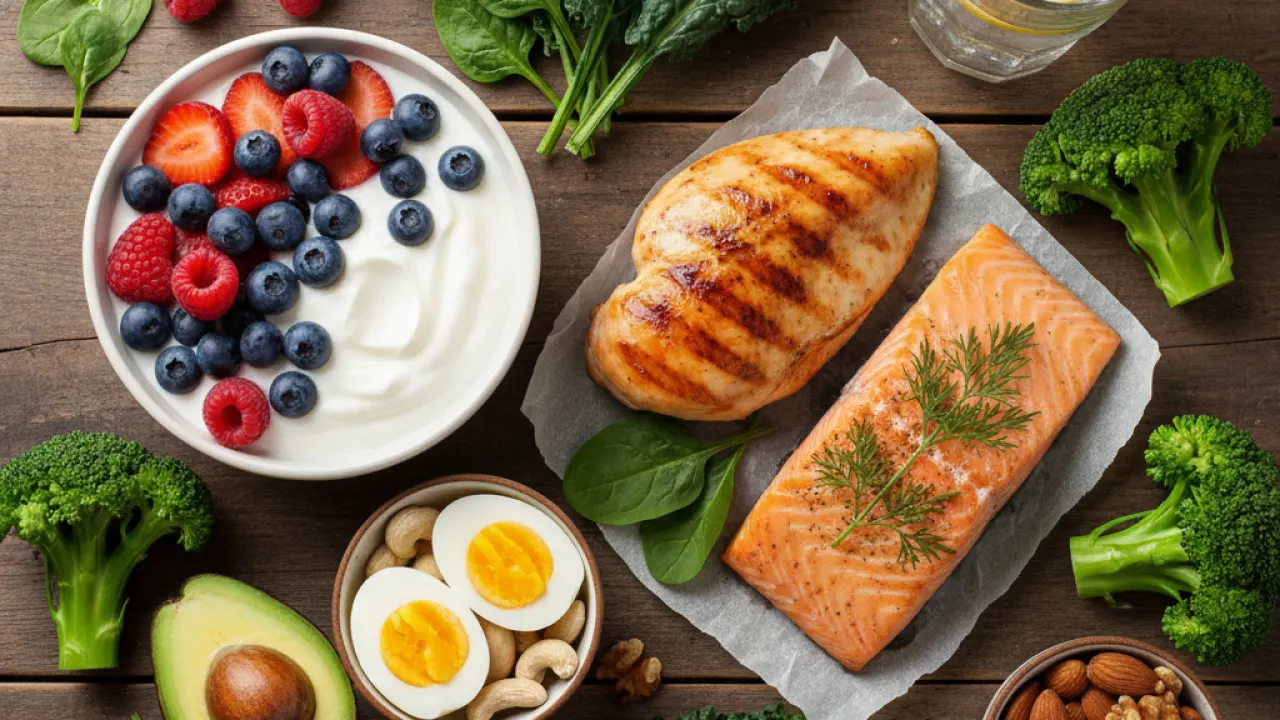



Best foods for a healthy heart in 2026 is one of the most searched health questions for a reason. Heart disease still kills more people than every cancer combined. The foods that actually move the needle on cardiovascular risk are well established, but get buried under the latest superfood marketing every year. This guide cuts through it and walks through the foods, the meal patterns, and the simple swaps that produce measurable improvements in blood pressure, cholesterol, and inflammation.
The foods that matter, ranked by evidence – Foods For A Healthy Heart
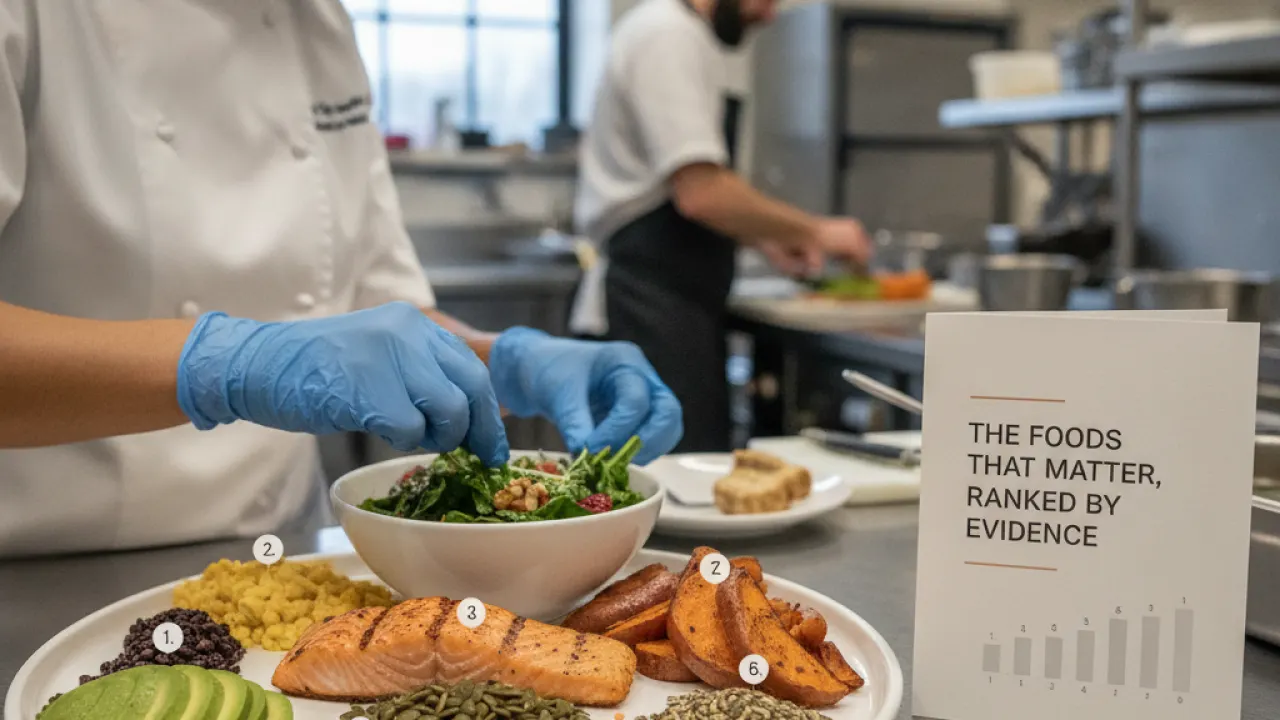
Before the list, the framing. No single food saves the heart. The pattern across many foods, repeated for years, is what changes cardiovascular outcomes. The list below is ranked by how strongly the evidence supports each food’s role.
1. Fatty fish – salmon, sardines, mackerel
This is one of the best foods for a healthy heart.

The single most consistent food in cardiovascular research. Fatty fish two to three times per week is associated with lower rates of heart attack, stroke, and irregular heart rhythms. The omega 3 fatty acids EPA and DHA reduce triglycerides, lower blood pressure modestly, and reduce inflammation.
The right portion. Two servings per week, 4 to 6 ounces each. Wild salmon is the best option but expensive. Canned sardines and mackerel offer the same omega 3 profile at one third the cost. Tinned wild salmon is also affordable. See also our guide on eating clean every day.
What to skip. Farmed salmon from certain regions has higher contamination levels. Frozen white fish like cod and tilapia have less omega 3 – they’re fine protein sources but don’t carry the cardiovascular benefit. Also see: better personal habits.
The simplest way to add it. Tin of sardines on whole grain toast for lunch, twice a week. Done.
2. Oats and whole grains
This is one of the best foods for a healthy heart.
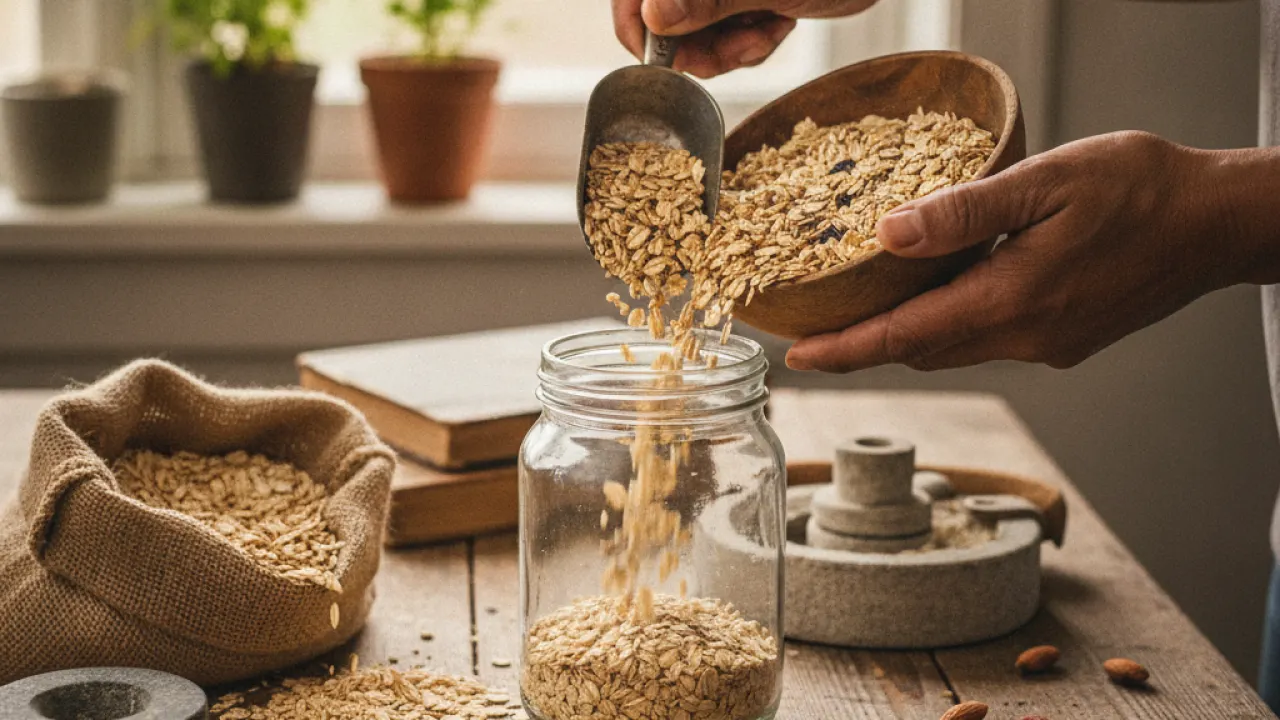
Oats specifically contain beta glucan, a soluble fibre that lowers LDL cholesterol measurably when consumed daily. Three grams of beta glucan per day – about one bowl of oats – is enough to produce a 5 to 10 percent reduction in LDL for most people.
The other whole grains that count. Barley contains similar beta glucan. Buckwheat, brown rice, quinoa, bulgur, and farro all contribute to the broader fibre intake that improves heart health, just not via the same specific mechanism.
What doesn’t count. Instant oatmeal packets loaded with sugar. Whole grain breakfast cereals with 12 grams of added sugar per serving. The grain is good, the package usually isn’t.
The simplest way to add it. A bowl of plain oats with milk, fruit, and nuts, five mornings a week. Cheap, fast, effective.
3. Leafy greens and cruciferous vegetables
This is one of the best foods for a healthy heart.

The most boring and the most reliable. Leafy greens – spinach, kale, swiss chard, arugula, collards – and cruciferous vegetables – broccoli, cauliflower, brussels sprouts, cabbage – are linked to lower rates of heart disease, stroke, and diabetes across decades of research.
The mechanism. Greens are rich in nitrates that the body converts to nitric oxide, which dilates blood vessels and lowers blood pressure. They’re also dense in folate, vitamin K, magnesium, and antioxidants.
The target. One to two cups of leafy greens per day, every day. Easier than it sounds when included in a smoothie, a salad, or a side dish.
What works in real life. Bagged salad mix in the fridge. Frozen spinach added to sauces and soups. Pre cut kale that goes into a smoothie in 30 seconds.
4. Olive oil and other healthy fats
This is one of the best foods for a healthy heart.

The Mediterranean diet’s cardiovascular benefit is driven largely by olive oil as the primary fat source. Extra virgin olive oil, in particular, contains polyphenols that reduce inflammation and improve LDL particle behaviour.
The right type. Extra virgin olive oil, ideally cold pressed, from a brand with transparent sourcing. Cheap olive oil is often adulterated with cheaper oils that don’t have the same health profile.
The amount. Two to four tablespoons per day, used for cooking, drizzling on salads, and dipping bread. Higher use is fine for people who aren’t trying to lose weight.
The swap that matters most. Butter to olive oil for everyday cooking. Vegetable and seed oils to olive oil for salad dressings. These two swaps alone improve cholesterol profiles measurably within months.
5. Beans, lentils, and other legumes
This is one of the best foods for a healthy heart.
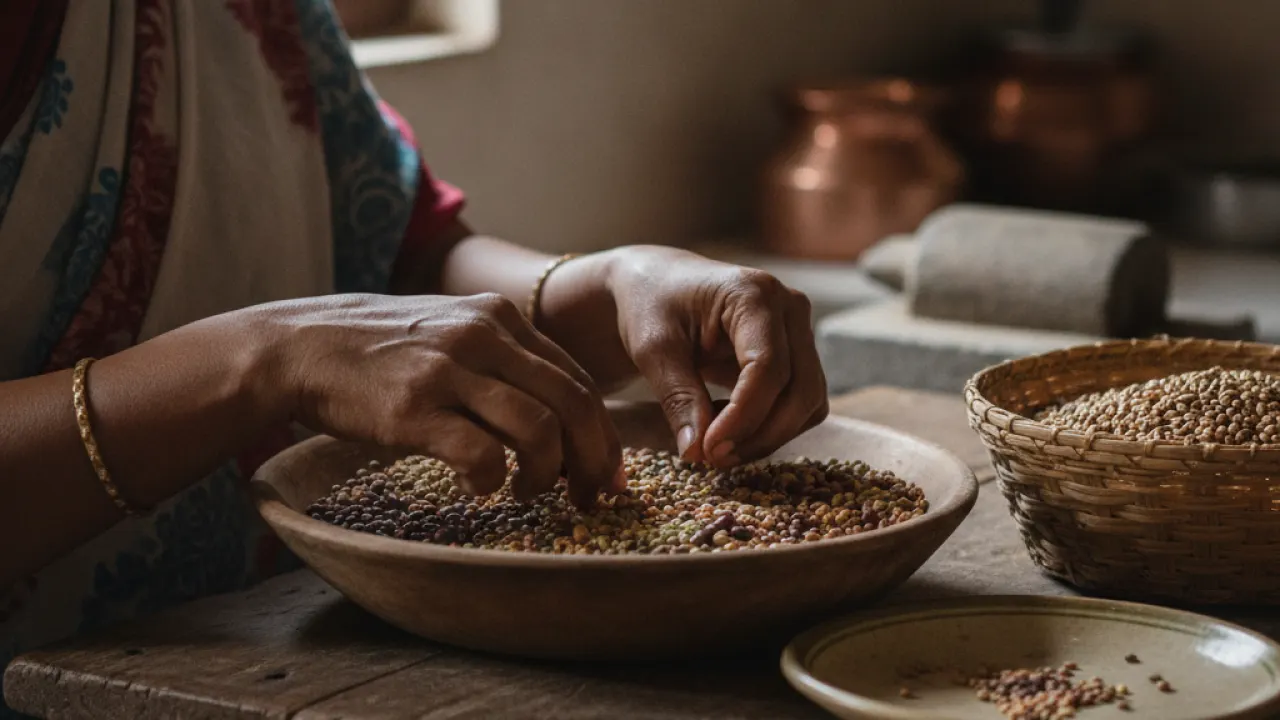
Beans and lentils are the cheapest cardiovascular food on this list. Daily consumption is associated with lower LDL cholesterol, lower blood pressure, and better blood sugar control. The mechanism combines soluble fibre, plant protein replacing some animal protein, and a meaningful magnesium and potassium dose.
The amount. Half a cup to one cup of cooked legumes per day. About 4 servings per week is the threshold where the cardiovascular benefit becomes measurable.
The easiest versions. Tinned chickpeas in salads. Lentil soup once a week. Black beans in tacos or grain bowls. Hummus as a snack with vegetables.
The caveat. Highly processed bean products like baked beans in heavy sugar sauce, or bean chips fried in seed oils, lose most of the benefit.
6. Berries and other colourful fruit
This is one of the best foods for a healthy heart.
Berries specifically – blueberries, strawberries, raspberries, blackberries – have the strongest cardiovascular evidence among fruits. The anthocyanins responsible for the blue and red colours have been associated with lower risk of heart attack in long term studies.
The amount. Half a cup to one cup of berries, three to five times per week. Frozen berries are equally beneficial as fresh and dramatically cheaper.
Other fruits that count. Apples, pears, citrus fruits, stone fruits, and grapes all contribute to overall heart health through their fibre and polyphenol content. Variety matters more than picking the single best fruit.
What to limit. Fruit juice. Even 100 percent fruit juice spikes blood sugar without the fibre of whole fruit. One small glass occasionally is fine, but daily juice consumption works against the goal.
7. Nuts and seeds
This is one of the best foods for a healthy heart.
A handful of nuts daily – about 1 ounce or 28 grams – is associated with measurable reduction in cardiovascular events. The PREDIMED trial in Spain found 30 percent lower rates of heart attack and stroke in the group eating extra virgin olive oil and mixed nuts daily compared to the low fat control group.
The best mix. Almonds, walnuts, pistachios, cashews, hazelnuts, brazil nuts. Walnuts specifically contain the plant form of omega 3. Brazil nuts are extraordinarily high in selenium – 2 per day is enough, more isn’t better.
The seeds that count. Chia, flax, hemp, pumpkin, sunflower. A spoonful of ground flax daily provides plant omega 3 and lignans.
The trap. Salted, sugared, or oil roasted nuts. The added salt and seed oils undo some of the benefit. Raw or dry roasted is the cleanest version.
8. Avocado
This is one of the best foods for a healthy heart.
Avocado is one of the few foods where the fat profile genuinely is heart healthy. The monounsaturated fats are similar to olive oil. The fibre content is high. Potassium and magnesium are present in meaningful amounts.
The realistic portion. Half to one whole avocado per day for someone not trying to lose weight. Quar.
9. Dark chocolate (the right type)
This is one of the best foods for a healthy heart.

10. Green tea
This is one of the best foods for a healthy heart.
Green tea consumption, 2 to 4 cups per day, is associated with lower cardiovascular risk in long term observational studies. The catechins in green tea have antioxidant and anti inflammatory effects.
The right way to drink it. Plain, without added sugar. Bottled sweetened green tea drinks don’t carry the benefit and often have as much sugar as soda.
The simplest version. Replace one or two cups of coffee per day with green tea. The caffeine is gentler and the broader bioactive profile is more favourable.
The foods to actually cut back on
Not every food helps. Some of the worst options cancel out the benefits of the best foods for a healthy heart.
The other side of heart healthy eating is reducing what works against the heart.
Ultra processed foods. The single biggest dietary driver of cardiovascular risk in modern populations. Ready meals, sweetened breakfast cereals, packaged snack bars, processed meats. Each serving displaces something more useful.
Trans fats. Largely banned in many countries by 2024, but still present in some imported processed foods. Read labels and avoid anything with partially hydrogenated oils.
Excessive added sugar. Above 25 grams per day (6 teaspoons) for women and 36 grams per day (9 teaspoons) for men, the cardiovascular risk increases meaningfully. The trap is liquid sugar – sodas, juices, sweetened coffees – which hits this threshold fast.
Excessive sodium. Above 2,300 milligrams per day for most adults, and 1,500 for people with existing high blood pressure. Most of the sodium in the average diet comes from packaged food, not the salt shaker.
Excessive alcohol. The previously believed mild benefit from moderate alcohol has been substantially revised down by newer research. Two drinks per day or fewer for men, one or fewer for women, with zero being best for some individuals.
The Mediterranean meal template
The Mediterranean diet remains the most evidence based cardiovascular eating pattern. A typical day looks like this.
Breakfast. Oats with berries and walnuts. Or whole grain toast with avocado and tomato. Or Greek yogurt with honey andor twice. Always with two vegetables and a starch like potato, brown rice, or quinoa.
Snacks. Handful of nuts. Fresh fruit. Plain yogurt. Hummus and vegetables. Dark chocolate square.
Drinks. Water, coffee, tea, occasional glass of wine with dinner.
How fast results show up
Adding the best foods for a healthy heart to your diet starts changing markers within weeks.
Realistic timelines for the changes you can measure.
Energy and digestion – 1 to 3 weeks.
Blood pressure response in mild hypertension – 2 to 8 weeks.
Triglyceride reduction – 4 to 8 weeks.
LDL cholesterol reduction – 6 to 12 weeks.
HDL improvement – 3 to 6 months.
Cardiovascular event risk reduction – measurable in studies over 3 to 5 years of pattern adherence.
The honest message. The blood markers change relatively fast. The actual disease risk reduction takes years of consistent pattern. The good news – even partial adherence produces partial benefit. The diet doesn’t need to be perfect to work.
What about supplements?
Supplements are not a replacement for the best foods for a healthy heart. Food first, supplements only when a deficiency is confirmed.
Most cardiovascular supplements don’t replicate the benefits of whole foods. The honest take on the common ones.
Fish oil capsules. Useful for people who don’t eat fatty fish, at 1 to 2 grams of combined EPA plus DHA per day. The over the counter capsules vary widely in quality. Skip if you eat fish regularly.
Magnesium. Many people are mildly deficient, and magnesium supports blood pressure regulation. 200 to 400 mg daily of magnesium glycinate or citrate is generally safe.
CoQ10. Sometimes recommended for people on statin drugs to address muscle side effects. Limited cardiovascular benefit on its own.
Multivitamin. Mostly unnecessary if the diet is solid. Doesn’t hurt as a backup.
Red yeast rice. Acts like a low dose statin. Has real effect but also real side effects. Should be used with medical supervision.
The cheapest heart healthy week
Eating the best foods for a healthy heart does not have to be expensive. A week of heart healthy meals can cost less than takeaway.

What about red meat and dairy?
Some people ask whether red meat and dairy belong with the best foods for a healthy heart. The answer depends on amount and quality.
The honest takes on the two most debated foods.
Red meat. The processed forms – bacon, sausage, deli meats, hot dogs – have clear cardiovascular evidence against them. Unprocessed red meat in moderation – 1 to 2 servings per week – is less clear cut. The Mediterranean diet allows occasional red meat without being a problem.
Dairy. Full fat dairy is not the villain it was made out to be in the 1980s. Fermented dairy especially – yogurt, kefir, aged cheese – is associated with neutral or positive cardiovascular outcomes. Skim milk and low fat dairy don’t appear to have an advantage over full fat versions for heart health.
Final thoughts and your turn
The best foods for a healthy heart are not exotic. They are the ordinary foods eaten consistently.
Best foods for a healthy heart aren’t exotic. They’re the boring staples – fish, oats, beans, greens, olive oil, nuts, fruit – eaten in a consistent pattern across years. The marketing around super foods comes and goes. The Mediterranean style diet has held up for 60 years of research and isn’t going anywhere.
Which of these foods are already in your weekly rotation, and which one would you commit to adding next week? Drop a comment with your starting point. Share the post with someone in your circle who’s been told to clean up their cholesterol or blood pressure.
For related guidance, see our guides on how to start an online business, best businesses to start, best places to visit in the US, and AI business solutions.
Frequently Asked Questions
How often should you eat fatty fish for heart health?
Two to three servings per week is the target most heart organisations recommend. Each serving should be around 4 to 6 ounces.
Can you reverse heart disease with diet alone?
Diet can significantly improve cholesterol, blood pressure, and inflammation. It works best alongside exercise, not smoking, and any treatment your doctor recommends.
Are eggs good or bad for heart health?
For most healthy people, one egg per day fits into a heart healthy diet. If you have high cholesterol, talk to your doctor about your personal limit.
What is the single best food for a healthy heart?
No single food is best. The strongest evidence supports a pattern rich in vegetables, whole grains, legumes, nuts, and fatty fish.
According to the American Heart Association, a diet rich in vegetables, fruits, whole grains, and lean proteins supports long-term cardiovascular health.
Which of these best foods for a healthy heart will you add to your grocery list this week? Share your pick in the comments below.