

Best habits for better sleep in 2026 doesn’t require expensive mattresses, fancy supplements, or sleep tracking gadgets. The most effective sleep interventions are mostly free, mostly simple, and mostly things we’ve forgotten in the rush to optimise everything. This guide walks through 12 habits backed by sleep research that produce measurable improvement in 1 to 4 weeks. The most important ones cost nothing. The best habits for better sleep 2026 is the main focus of this guide.
Why sleep matters more than people admit
Before the habits, the case. Sleep affects almost everything else. The best habits for better sleep 2026 works when you follow it consistently. This guide explains how the best habits for better sleep 2026 works in practice.
Poor sleep adds up. Adults who consistently sleep less than 7 hours have measurably higher rates of heart disease, diabetes, obesity, anxiety, depression, and immune problems. The data on long term consequences of chronic sleep restriction is overwhelming. Follow the best habits for better sleep 2026 to get the best results.
The cognitive cost is immediate. After one week of 5 hours of sleep, cognitive performance drops to the level of being legally drunk. Productivity, decision making, mood regulation, and emotional resilience all degrade. For more background, see <a href="https://e
The good news. Sleep responds to behaviour change faster than almost any other health variable. Most people see meaningful improvement within 2 weeks of changing the basics. This guide shows you how the best habits for better sleep 2026 fits real life.
people see meaningful improvement within 2 weeks of changing the basics.1. Same bedtime and wake time every day
The foundation habit. The body has a circadian cl
The realistic version. Pick a bedtime that allows for 7.5 to 8 hours of sleep. Stick to it within 30 minutes, seven nights a week, including weekends. Start with the basics of the best habits for better sleep 2026 and build from there. The best habits for better sleep 2026 gives you a clear starting point.
p>The realistic version. Pick a bedtime that allows for 7.5 to 8 hours of sleep. Stick to it within 30 minutes, seven nights a week, including weekends.The weekend trap. Sle
The bedroom environment matters more than expected. Two specific variables make the biggest difference. The best habits for better sleep 2026removes common barriers that stop people from starting. Many people search for the best habits for better sleep 2026 because they want a simple answer.
hen has to shift back Monday morning. The Monday morning struggle is mostly self inflicted.2. Dark and cool bedroom
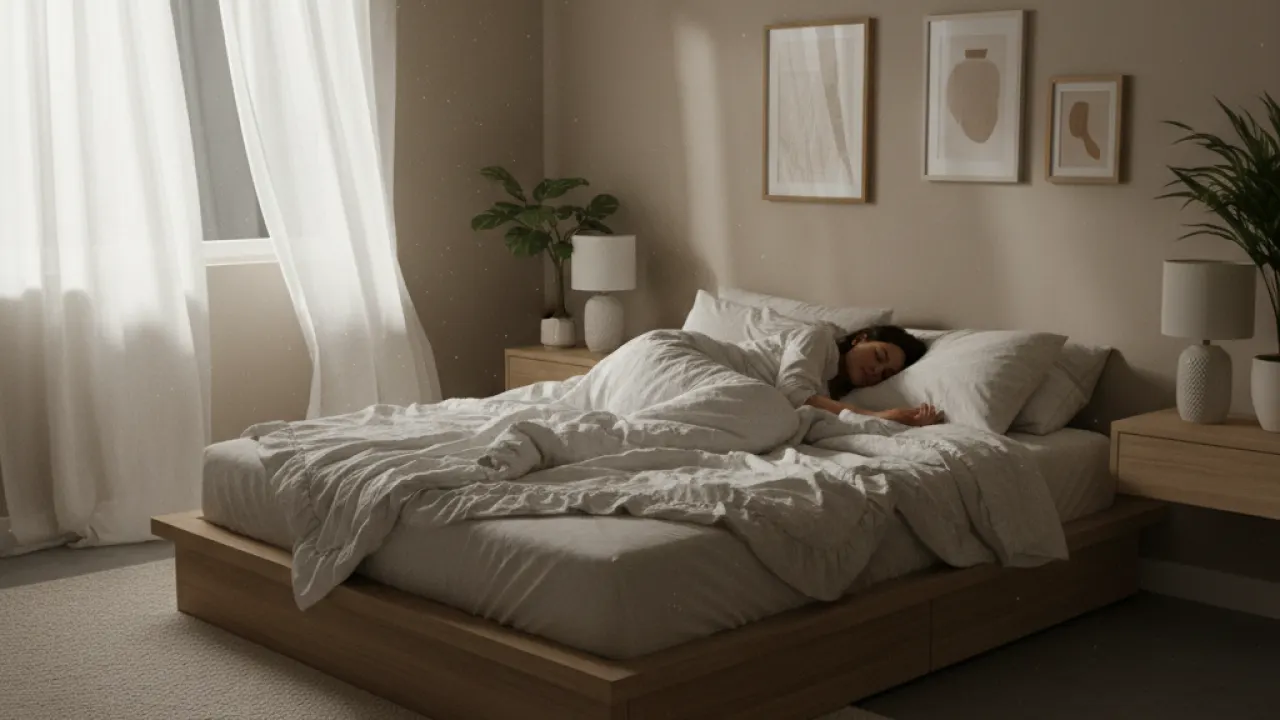
The bedroom environment matters more than expected. Two specific variables make the biggest difference. Use the best habits for better sleep 2026 as your reference point.
Cool. 60 to 67 degrees Fahrenheit (16 to 19 Celsius) is the optimal temperature range for sleep. Most bedrooms are too warm. Cooler beats warmer for sleep quality. Follow the best habits for better sleep 20
The single highest impact habit for the modern adult. The phone in the bedroom destroys sleep in three ways. The best habits for better sleep 2026 scales as you get more experienced. The best habits for better sleep 2026 covers everything you need to know.
curtains, eye mask, no charging indicators on devices visible from the bed. Real darkness.Cool. 60 to 67 degrees Fahrenheit (16 to 19 Celsius) is the optimal temperature range for sleep. Most bedrooms are too warm. Cooler beats warmer for sleep quality. This guide walks through the best habits for better sleep 2026 step by step.
4. Morning sunlight in the first hour
The most underrated sleep habit. Morning sunlight regulates the circadian rhythm by anchoring the body’s daytime alertness. The result shows up in better sleep that night.
The honest test. Cut caffeine after noon for 2 weeks. Most people notice meaningful improvement in sleep depth and how quickly they fall asleep. Keep
The exception. Some people genuinely metabolise caffeine faster (it’s genetic). They tolerate later caffeine. The 2 week test reveals which type you are. The best habits for better sleep 2026 works when you follow it consistently.
eep 16 hours later.The minimum effective dose. 10 to 15 minutes of outdoor light exposure within the first hour after waking. Even on clou
The honest math. One drink with dinner is fine. Two or more drinks within 3 hours of bed measurably worse sleep that night. This guide shows you how the best habits for better sleep 2026 fits real life.
s 100 to 1,000 times less intense than outdoor light, even on cloudy days. The brain can tell the difference. Real outdoor light is required.5. No caffeine after 2 PM
The half lif
The brain doesn’t switch off instantly. A wind down routine signals the transition from active to restful. Start with the basics of the best habits for better sleep 2026 and build from there.
t 9 PM. Most people don’t realise how much their afternoon coffee affects their evening sleep.The honest test. Cut caffeine after noon for 2 weeks. Most people notice meaningful improvement in sleep depth and how quickly they fall asleep.
The exception. Some people genu
What works. Reading a physical book. Light stretching. Warm shower or bath. Light journaling. Quiet conversation. All produce gentle nervous system shifts toward sleep. The b
What doesn’t work. Scrolling social media. Watching TV right up to bedtime. Working until lights off. Stressful conversations. All keep the nervous system alert. Follow the best habits for better sleep 2026 for t
Blue light from screens partially blocks melatonin production. Beyond the light issue, screens engage the brain in alert mode. Both effects delay sleep. The best habits for better sleep 2026 scales as you get more experienced.
The honest math. One drink with dinner is fine. Two or more drinks within 3 hours of bed measurably worse sleep that night.The trade off. Going to bed slightly tipsy feels better in the moment. The next morning’s fatigue and worse mood are the actual cost. Most people who track this make different choices once they see the data.
7. Wind down routine 30 to 60 minutes before bed
The brain doesn’t switch off instantly. A wind down routine signals the transition from active to restful.
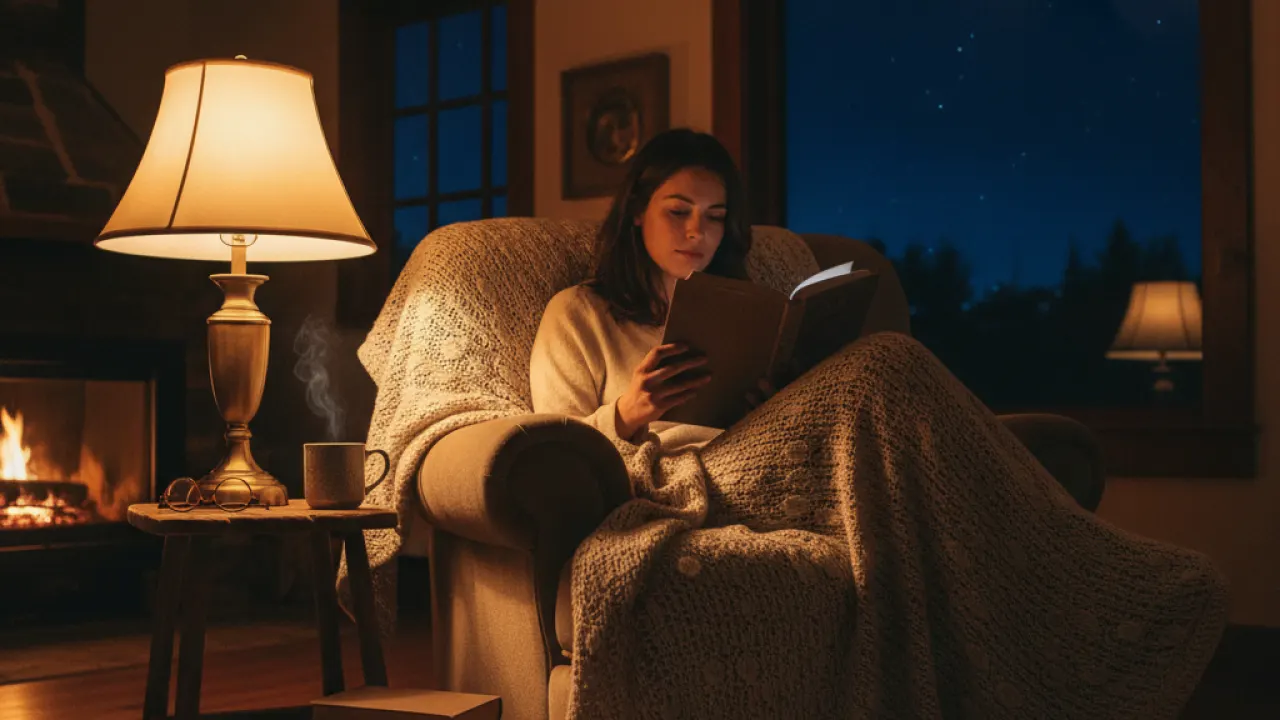
What works. Reading a physical book. Light stretching. Warm shower or bath. Light journaling. Quiet conversation. All produce gentle nervous system shifts toward sleep.
What doesn’t work. Scrolling social media. Watching TV right up to bedtime. Working until lights off. Stressful conversations. All keep the nervous system alert.
8. No screens 60 minutes before bed
Blue light from screens partially blocks melatonin production. Beyond the light issue, screens engage the brain in alert mode. Both effects delay sleep.
The honest version. The recommendation isn’t “no TV” – it’s no screens that demand active attention or generate emotional responses. Passive low intensity TV (a quiet show watched casually) does less damage than active scrolling or stressful news.
The replacement. Reading. Talking with family. Listening to music or podcasts. Light hobby work. Anything that doesn’t involve a glowing rectangle in your face.
9. Exercise regularly but not late
Exercise improves sleep quality across multiple measures. The timing matters.
Morning or afternoon exercise. Optimal for sleep that night.
Early evening exercise (4 to 6 PM). Still beneficial for sleep, especially moderate intensity.
Late evening exercise (after 8 PM). Can delay sleep by raising body temperature and adrenaline. Skip intense workouts close to bedtime.
The minimum effective dose. 30 minutes of moderate activity 4 to 5 days per week. Walking counts.
10. The bedtime ritual
A small consistent ritual signals to the brain that sleep is coming. The brain loves predictability.
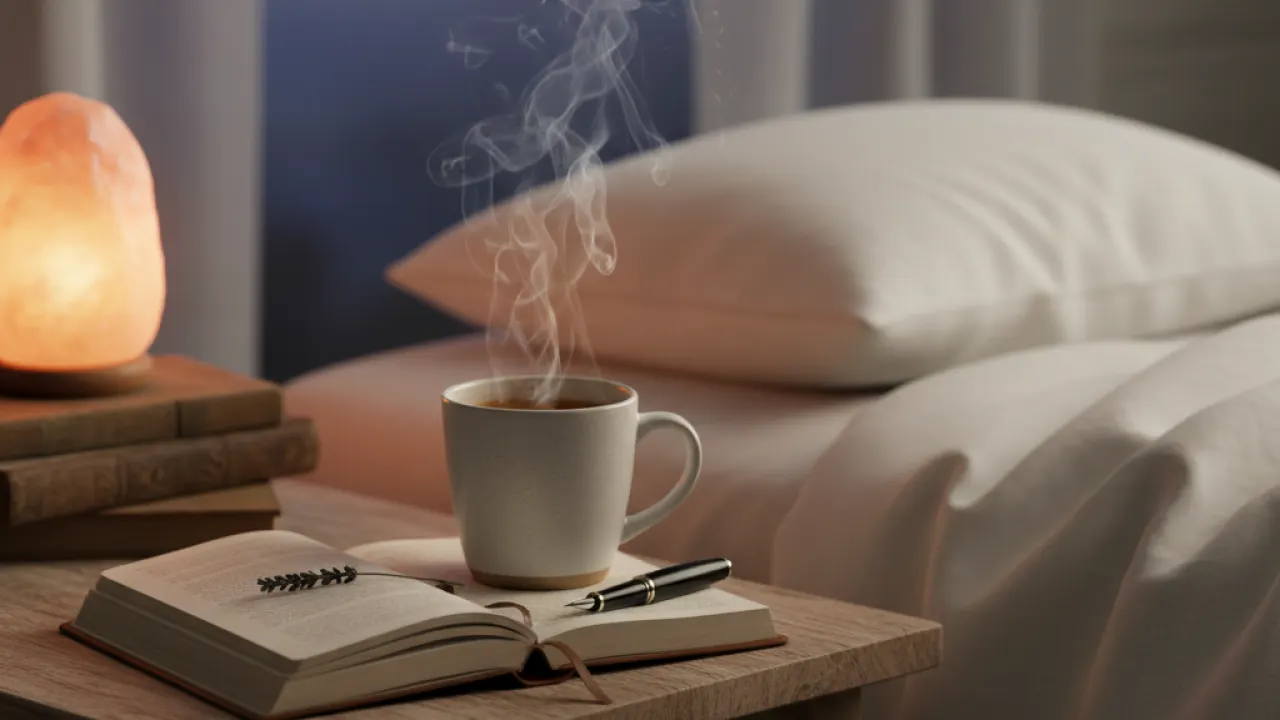
The format doesn’t matter as long as it’s consistent. Cup of herbal tea. Journal entry. Page of reading. Brief stretching. Skincare routine. The same 3 to 5 elements in the same order, every night.
The compound effect. After 30 days of the same ritual, the brain associates the cues with sleep so strongly that initiating the ritual triggers sleepiness automatically.
11. Don’t force sleep
The paradox. The harder you try to sleep, the harder sleep becomes. Lying in bed frustrated activates the stress response, which prevents sleep.
The 20 minute rule. If you’ve been in bed 20 minutes and can’t sleep, get up. Go to another room. Do something quiet and boring for 20 to 30 minutes. Return when sleepy.
Why this works. The brain learns to associate the bed with sleep, not with frustrated wakefulness. Over time, lying in bed becomes a sleep cue rather than a stress cue.
12. Manage the racing mind
The most common reason people can’t fall asleep isn’t physical. It’s the brain not turning off.
The brain dump technique. Five minutes of writing everything that’s worrying you, before getting in bed. The mind doesn’t need to remember it overnight because the paper has it.
The next day planning. Write tomorrow’s three priorities before bed. The brain stops trying to plan once it knows the plan exists.
The breathing technique. 4 second inhale, 7 second hold, 8 second exhale. Repeat 4 to 6 cycles. Activates the parasympathetic nervous system. Genuinely works for many people.
The sleep myths to ignore
Five popular sleep ideas that don’t hold up.
You can catch up on sleep on weekends. Sleep debt does accumulate. Some recovery is possible on weekends but the brain function and metabolic damage from weekday restriction don’t fully reverse.
You need 8 hours exactly. The range is 7 to 9 for most adults. Some people genuinely need 7. Some need 9. The standard 8 hours is an average, not a target.
Sleep trackers tell you how well you slept. They don’t measure sleep stages accurately. They detect movement and infer sleep, with important error. Useful for trend tracking, not absolute measurement.
Older people need less sleep. They sleep less, but they don’t need less. Older adults still need 7 to 8 hours but tend to sleep less due to changed circadian rhythms.
Alcohol helps you sleep. Falls asleep faster, sleeps worse overall. The first half versus second half problem is real.
The sleep supplements question
Three honest takes on the most marketed sleep aids.
Melatonin. Useful for jet lag and shift workers. Low doses (0.3 to 1 mg) work better than the 5 to 10 mg most stores sell. Many users find it makes them groggy without improving real sleep quality.
Magnesium. Mild effect for many people. Magnesium glycinate is the form with the strongest sleep evidence. 200 to 400 mg an hour before bed is the typical effective dose.
Prescription sleep medications. Useful for short term acute insomnia. Many have side effects, dependency potential, and don’t produce normal sleep architecture. Use with medical guidance, not as a routine fix.
The mattress and pillow question
Three honest observations on sleep gear.
Mattresses matter, up to a point. A bad mattress destroys sleep. A great mattress doesn’t dramatically improve it once you’re above bad. The $500 to $1,500 range delivers most of the benefit. The $4,000 mattress mostly buys aesthetic and marketing.
Pillows are more individual. The right pillow varies by sleep position and body type. The $30 to $100 range is appropriate. Replace every 18 to 24 months.
Sheets matter for comfort but not sleep quality. The expensive sheets feel luxurious. They don’t actually improve how well you sleep. Save the budget for things that do.
When sleep problems need a doctor
Three signs that sleep habits alone aren’t enough.
Snoring with daytime fatigue. Possible sleep apnea. Worth a sleep study. CPAP treatment is genuinely life changing for people who need it.
Chronic insomnia despite habit changes. After 4 to 6 weeks of solid sleep hygiene without improvement, professional help is warranted.
Symptoms of broader anxiety or depression. Sleep problems are often symptoms of underlying mental health conditions. Treating the underlying condition treats the sleep.
The realistic timeline for improvement
What to expect when adopting these habits.
Week 1. Difficulty adapting to the new schedule. Some habits feel uncomfortable. Don’t quit.
Week 2. The schedule starts feeling natural. Sleep onset improves measurably.
Week 3 to 4. Sleep depth improves. Morning fatigue decreases. The whole day’s energy shifts.
Month 2 to 3. The habits become automatic. Sleep is no longer a problem to solve, just a normal part of life.
For more on the broader self care habits that compound with sleep improvements, our piece on best self care habits for mental health walks through the wider pattern.
Final thoughts and your turn
Best habits for better sleep in 2026 are unglamorous, mostly free, and dramatically effective. The 12 habits above produce measurable improvement in 2 to 4 weeks for most adults. Pick the 3 that feel most addressable and commit to them for a month. The compounding effect on the rest of your life – mood, productivity, relationships, health – is unreasonable for the effort involved.
Which 3 habits would you start with this week, and what’s the bedtime you’re committing to? Drop a comment with your honest plan. Share the post with anyone in your circle who keeps complaining about being tired.
For related guidance, see our guides on start an online business, best businesses to start, how to be a better person, best places in the US.
Frequently Asked Questions
What is the
The best habits for better sleep 2026 is a structured approach designed to give clear, actionable steps that produce reliable results over time.
How do I start with the
Begin with the foundation steps, focus on consistency, and build intensity gradually as the plan progresses.
How long does the best habits for better sleep 2026 take to work?
Most people notice initial improvements within a few weeks, with more meaningful results appearing after 8 to 12 weeks of consistent effort.
Is the best habits for better sleep 2026 suitable for beginners?
Yes. The best habits for better sleep 2026 is designed to be accessible, with progressions and modifications that let anyone start at their current level.
What are the main mistakes to avoid with the
Common mistakes include skipping the foundation phase, expecting overnight results, and not tracking progress consistently.
Frequently Asked Questions
How quickly can I see results with best habits for better sleep 2026?
Most people notice initial changes within 2 to 4 weeks of consistent effort. More important, lasting changes typically become visible within 8 to 12 weeks. The timeline depends on your starting point, how consistently you apply the recommendations, and individual factors like genetics and overall lifestyle. Tracking your progress helps you stay motivated through the process.
What is the most common mistake people make with best habits for better sleep 2026?
The most common mistake is expecting overnight results and giving up before seeing meaningful progress. Other frequent errors include being inconsistent with the approach, not getting enough sleep and recovery, ignoring nutrition while focusing only on exercise, and comparing progress to others rather than tracking personal improvement over time.
Do I need special equipment or expensive products for best habits for better sleep 2026?
In most cases, no. Many of the most effective approaches require minimal or no specialized equipment. Focus on the fundamentals first, such as consistent habits and sound principles, before investing in supplements or expensive equipment. When you do need tools, starting with affordable basics and upgrading as you progress is the smartest approach.
Is best habits for better sleep 2026 safe for everyone?
Most general health and fitness approaches are safe for healthy adults. However, if you have existing medical conditions, are pregnant, or have been inactive for a long period, consulting a healthcare professional before making important changes is always advisable. Individual circumstances vary and personalized medical guidance ensures the safest possible approach for your specific situation.
Common questions about the best habits for better sleep 2026
People often ask whether the best habits for better sleep 2026 works for complete beginners. It does, because every step can be adjusted to match your current level. Start where you are, not where you think you should be.
Another common question is how much time the best habits for better sleep 2026 takes each day. Most people spend between twenty and forty minutes on the core steps. That is enough to make progress without taking over your schedule.
Some readers wonder if they need expensive tools or subscriptions. In most cases, the best habits for better sleep 2026 works with what you already have. Any optional extras are just that, optional.
Consistency is the factor that separates people who get results from people who stay stuck. Missing one day is fine. Missing three days in a row is where momentum breaks.
Tracking progress is another habit that helps. Write down what you did, how it felt, and any small wins. Those notes become proof that the best habits for better sleep 2026 is working, especially on days when motivation is low.
Finally, remember that the best habits for better sleep 2026 is a framework, not a prison. Adjust the timing, order, or intensity to fit your life. The goal is steady progress, not perfect execution.
For official background, see the Wikipedia reference.
Cool. 60 to 67 degrees Fahrenheit (16 to 19 Celsius) is the optimal temperature range for sleep. Most bedrooms are too warm. Cooler beats warmer for sleep quality. Follow the best habits for better sleep 20
The single highest impact habit for the modern adult. The phone in the bedroom destroys sleep in three ways. The best habits for better sleep 2026 scales as you get more experienced. The best habits for better sleep 2026 covers everything you need to know.
curtains, eye mask, no charging indicators on devices visible from the bed. Real darkness.Cool. 60 to 67 degrees Fahrenheit (16 to 19 Celsius) is the optimal temperature range for sleep. Most bedrooms are too warm. Cooler beats warmer for sleep quality. This guide walks through the best habits for better sleep 2026 step by step.
4. Morning sunlight in the first hour
The most underrated sleep habit. Morning sunlight regulates the circadian rhythm by anchoring the body’s daytime alertness. The result shows up in better sleep that night.
The honest test. Cut caffeine after noon for 2 weeks. Most people notice meaningful improvement in sleep depth and how quickly they fall asleep. Keep
The exception. Some people genuinely metabolise caffeine faster (it’s genetic). They tolerate later caffeine. The 2 week test reveals which type you are. The best habits for better sleep 2026 works when you follow it consistently.
eep 16 hours later.The minimum effective dose. 10 to 15 minutes of outdoor light exposure within the first hour after waking. Even on clou
The honest math. One drink with dinner is fine. Two or more drinks within 3 hours of bed measurably worse sleep that night. This guide shows you how the best habits for better sleep 2026 fits real life.
s 100 to 1,000 times less intense than outdoor light, even on cloudy days. The brain can tell the difference. Real outdoor light is required.5. No caffeine after 2 PM
The half lif
The brain doesn’t switch off instantly. A wind down routine signals the transition from active to restful. Start with the basics of the best habits for better sleep 2026 and build from there.
t 9 PM. Most people don’t realise how much their afternoon coffee affects their evening sleep.The honest test. Cut caffeine after noon for 2 weeks. Most people notice meaningful improvement in sleep depth and how quickly they fall asleep.
The exception. Some people genu
What works. Reading a physical book. Light stretching. Warm shower or bath. Light journaling. Quiet conversation. All produce gentle nervous system shifts toward sleep. The b
What doesn’t work. Scrolling social media. Watching TV right up to bedtime. Working until lights off. Stressful conversations. All keep the nervous system alert. Follow the best habits for better sleep 2026 for t
Blue light from screens partially blocks melatonin production. Beyond the light issue, screens engage the brain in alert mode. Both effects delay sleep. The best habits for better sleep 2026 scales as you get more experienced.
The honest math. One drink with dinner is fine. Two or more drinks within 3 hours of bed measurably worse sleep that night.The trade off. Going to bed slightly tipsy feels better in the moment. The next morning’s fatigue and worse mood are the actual cost. Most people who track this make different choices once they see the data.
7. Wind down routine 30 to 60 minutes before bed
The brain doesn’t switch off instantly. A wind down routine signals the transition from active to restful.
Cool. 60 to 67 degrees Fahrenheit (16 to 19 Celsius) is the optimal temperature range for sleep. Most bedrooms are too warm. Cooler beats warmer for sleep quality. Follow the best habits for better sleep 20
The single highest impact habit for the modern adult. The phone in the bedroom destroys sleep in three ways. The best habits for better sleep 2026 scales as you get more experienced. The best habits for better sleep 2026 covers everything you need to know.
curtains, eye mask, no charging indicators on devices visible from the bed. Real darkness.Cool. 60 to 67 degrees Fahrenheit (16 to 19 Celsius) is the optimal temperature range for sleep. Most bedrooms are too warm. Cooler beats warmer for sleep quality. This guide walks through the best habits for better sleep 2026 step by step.
4. Morning sunlight in the first hour
The most underrated sleep habit. Morning sunlight regulates the circadian rhythm by anchoring the body’s daytime alertness. The result shows up in better sleep that night.
The honest test. Cut caffeine after noon for 2 weeks. Most people notice meaningful improvement in sleep depth and how quickly they fall asleep. Keep
The exception. Some people genuinely metabolise caffeine faster (it’s genetic). They tolerate later caffeine. The 2 week test reveals which type you are. The best habits for better sleep 2026 works when you follow it consistently.
eep 16 hours later.The minimum effective dose. 10 to 15 minutes of outdoor light exposure within the first hour after waking. Even on clou
The honest math. One drink with dinner is fine. Two or more drinks within 3 hours of bed measurably worse sleep that night. This guide shows you how the best habits for better sleep 2026 fits real life.
s 100 to 1,000 times less intense than outdoor light, even on cloudy days. The brain can tell the difference. Real outdoor light is required.5. No caffeine after 2 PM
The half lif
The brain doesn’t switch off instantly. A wind down routine signals the transition from active to restful. Start with the basics of the best habits for better sleep 2026 and build from there.
t 9 PM. Most people don’t realise how much their afternoon coffee affects their evening sleep.The honest test. Cut caffeine after noon for 2 weeks. Most people notice meaningful improvement in sleep depth and how quickly they fall asleep.
The exception. Some people genu
What works. Reading a physical book. Light stretching. Warm shower or bath. Light journaling. Quiet conversation. All produce gentle nervous system shifts toward sleep. The b
What doesn’t work. Scrolling social media. Watching TV right up to bedtime. Working until lights off. Stressful conversations. All keep the nervous system alert. Follow the best habits for better sleep 2026 for t
Blue light from screens partially blocks melatonin production. Beyond the light issue, screens engage the brain in alert mode. Both effects delay sleep. The best habits for better sleep 2026 scales as you get more experienced.
The honest math. One drink with dinner is fine. Two or more drinks within 3 hours of bed measurably worse sleep that night.The trade off. Going to bed slightly tipsy feels better in the moment. The next morning’s fatigue and worse mood are the actual cost. Most people who track this make different choices once they see the data.
7. Wind down routine 30 to 60 minutes before bed
The brain doesn’t switch off instantly. A wind down routine signals the transition from active to restful.
Cool. 60 to 67 degrees Fahrenheit (16 to 19 Celsius) is the optimal temperature range for sleep. Most bedrooms are too warm. Cooler beats warmer for sleep quality. Follow the best habits for better sleep 20
The single highest impact habit for the modern adult. The phone in the bedroom destroys sleep in three ways. The best habits for better sleep 2026 scales as you get more experienced. The best habits for better sleep 2026 covers everything you need to know.
curtains, eye mask, no charging indicators on devices visible from the bed. Real darkness.Cool. 60 to 67 degrees Fahrenheit (16 to 19 Celsius) is the optimal temperature range for sleep. Most bedrooms are too warm. Cooler beats warmer for sleep quality. This guide walks through the best habits for better sleep 2026 step by step.
4. Morning sunlight in the first hour
The most underrated sleep habit. Morning sunlight regulates the circadian rhythm by anchoring the body’s daytime alertness. The result shows up in better sleep that night.
The honest test. Cut caffeine after noon for 2 weeks. Most people notice meaningful improvement in sleep depth and how quickly they fall asleep. Keep
The exception. Some people genuinely metabolise caffeine faster (it’s genetic). They tolerate later caffeine. The 2 week test reveals which type you are. The best habits for better sleep 2026 works when you follow it consistently.
eep 16 hours later.The minimum effective dose. 10 to 15 minutes of outdoor light exposure within the first hour after waking. Even on clou
The honest math. One drink with dinner is fine. Two or more drinks within 3 hours of bed measurably worse sleep that night. This guide shows you how the best habits for better sleep 2026 fits real life.
s 100 to 1,000 times less intense than outdoor light, even on cloudy days. The brain can tell the difference. Real outdoor light is required.5. No caffeine after 2 PM
The half lif
The brain doesn’t switch off instantly. A wind down routine signals the transition from active to restful. Start with the basics of the best habits for better sleep 2026 and build from there.
t 9 PM. Most people don’t realise how much their afternoon coffee affects their evening sleep.The honest test. Cut caffeine after noon for 2 weeks. Most people notice meaningful improvement in sleep depth and how quickly they fall asleep.
The exception. Some people genu
What works. Reading a physical book. Light stretching. Warm shower or bath. Light journaling. Quiet conversation. All produce gentle nervous system shifts toward sleep. The b
What doesn’t work. Scrolling social media. Watching TV right up to bedtime. Working until lights off. Stressful conversations. All keep the nervous system alert. Follow the best habits for better sleep 2026 for t
Blue light from screens partially blocks melatonin production. Beyond the light issue, screens engage the brain in alert mode. Both effects delay sleep. The best habits for better sleep 2026 scales as you get more experienced.
The honest math. One drink with dinner is fine. Two or more drinks within 3 hours of bed measurably worse sleep that night.The trade off. Going to bed slightly tipsy feels better in the moment. The next morning’s fatigue and worse mood are the actual cost. Most people who track this make different choices once they see the data.
7. Wind down routine 30 to 60 minutes before bed
The brain doesn’t switch off instantly. A wind down routine signals the transition from active to restful.
Cool. 60 to 67 degrees Fahrenheit (16 to 19 Celsius) is the optimal temperature range for sleep. Most bedrooms are too warm. Cooler beats warmer for sleep quality. Follow the best habits for better sleep 20
The single highest impact habit for the modern adult. The phone in the bedroom destroys sleep in three ways. The best habits for better sleep 2026 scales as you get more experienced. The best habits for better sleep 2026 covers everything you need to know.
curtains, eye mask, no charging indicators on devices visible from the bed. Real darkness.Cool. 60 to 67 degrees Fahrenheit (16 to 19 Celsius) is the optimal temperature range for sleep. Most bedrooms are too warm. Cooler beats warmer for sleep quality. This guide walks through the best habits for better sleep 2026 step by step.
4. Morning sunlight in the first hour
The most underrated sleep habit. Morning sunlight regulates the circadian rhythm by anchoring the body’s daytime alertness. The result shows up in better sleep that night.
The honest test. Cut caffeine after noon for 2 weeks. Most people notice meaningful improvement in sleep depth and how quickly they fall asleep. Keep
The exception. Some people genuinely metabolise caffeine faster (it’s genetic). They tolerate later caffeine. The 2 week test reveals which type you are. The best habits for better sleep 2026 works when you follow it consistently.
eep 16 hours later.The minimum effective dose. 10 to 15 minutes of outdoor light exposure within the first hour after waking. Even on clou
The honest math. One drink with dinner is fine. Two or more drinks within 3 hours of bed measurably worse sleep that night. This guide shows you how the best habits for better sleep 2026 fits real life.
s 100 to 1,000 times less intense than outdoor light, even on cloudy days. The brain can tell the difference. Real outdoor light is required.5. No caffeine after 2 PM
The half lif
The brain doesn’t switch off instantly. A wind down routine signals the transition from active to restful. Start with the basics of the best habits for better sleep 2026 and build from there.
t 9 PM. Most people don’t realise how much their afternoon coffee affects their evening sleep.The honest test. Cut caffeine after noon for 2 weeks. Most people notice meaningful improvement in sleep depth and how quickly they fall asleep.
The exception. Some people genu
What works. Reading a physical book. Light stretching. Warm shower or bath. Light journaling. Quiet conversation. All produce gentle nervous system shifts toward sleep. The b
What doesn’t work. Scrolling social media. Watching TV right up to bedtime. Working until lights off. Stressful conversations. All keep the nervous system alert. Follow the best habits for better sleep 2026 for t
Blue light from screens partially blocks melatonin production. Beyond the light issue, screens engage the brain in alert mode. Both effects delay sleep. The best habits for better sleep 2026 scales as you get more experienced.
The honest math. One drink with dinner is fine. Two or more drinks within 3 hours of bed measurably worse sleep that night.The trade off. Going to bed slightly tipsy feels better in the moment. The next morning’s fatigue and worse mood are the actual cost. Most people who track this make different choices once they see the data.
7. Wind down routine 30 to 60 minutes before bed
The brain doesn’t switch off instantly. A wind down routine signals the transition from active to restful.