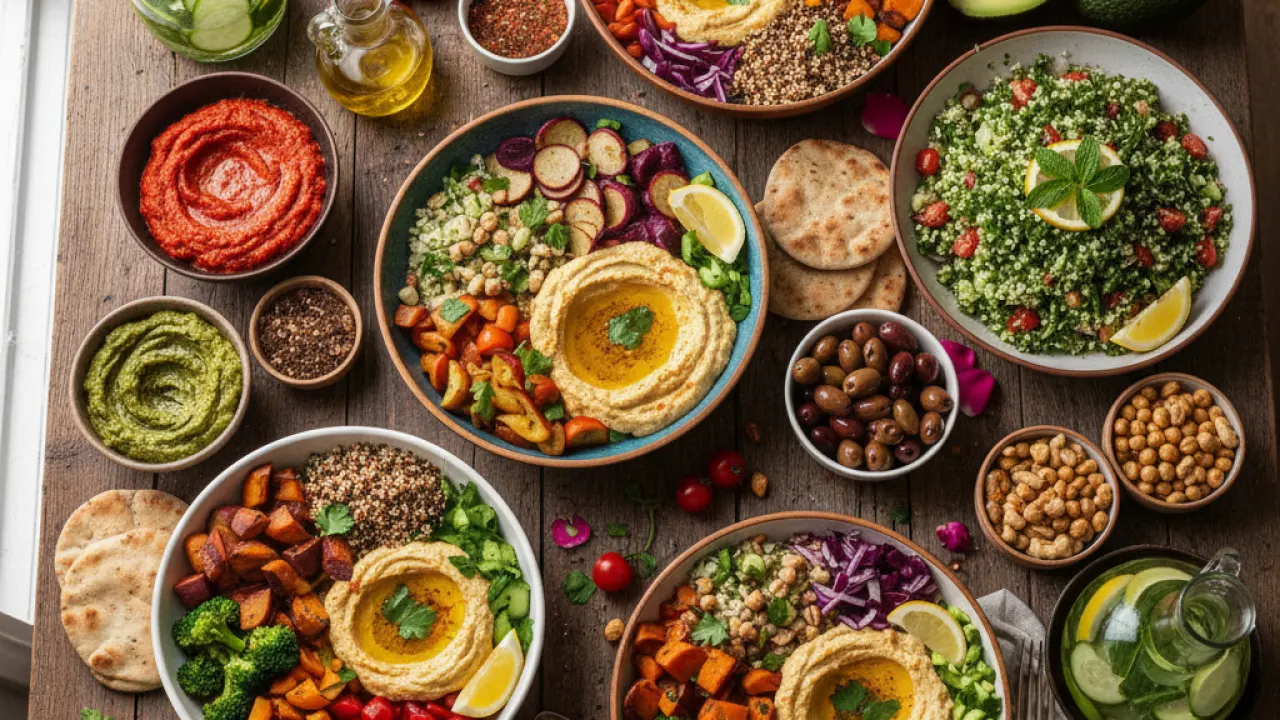


Best Mediterranean recipes for beginners in 2026 isn’t a chef’s tasting menu. It’s 10 honest dishes that real Mediterranean home cooks actually make on weeknights – simple ingredients, basic techniques, big flavour. The Mediterranean diet wins every “healthiest diet” ranking year after year, and the reason isn’t exotic super foods. It’s how a few staples – olive oil, fresh produce, beans, fish, herbs, lemon – get combined into meals you actually want to eat. This guide walks through 10 of them.
What makes Mediterranean cooking different
Before the recipes, the foundation. Three principles separate Mediterranean cooking from how most beginners cook at home. For more background, see Wikipedia reference.
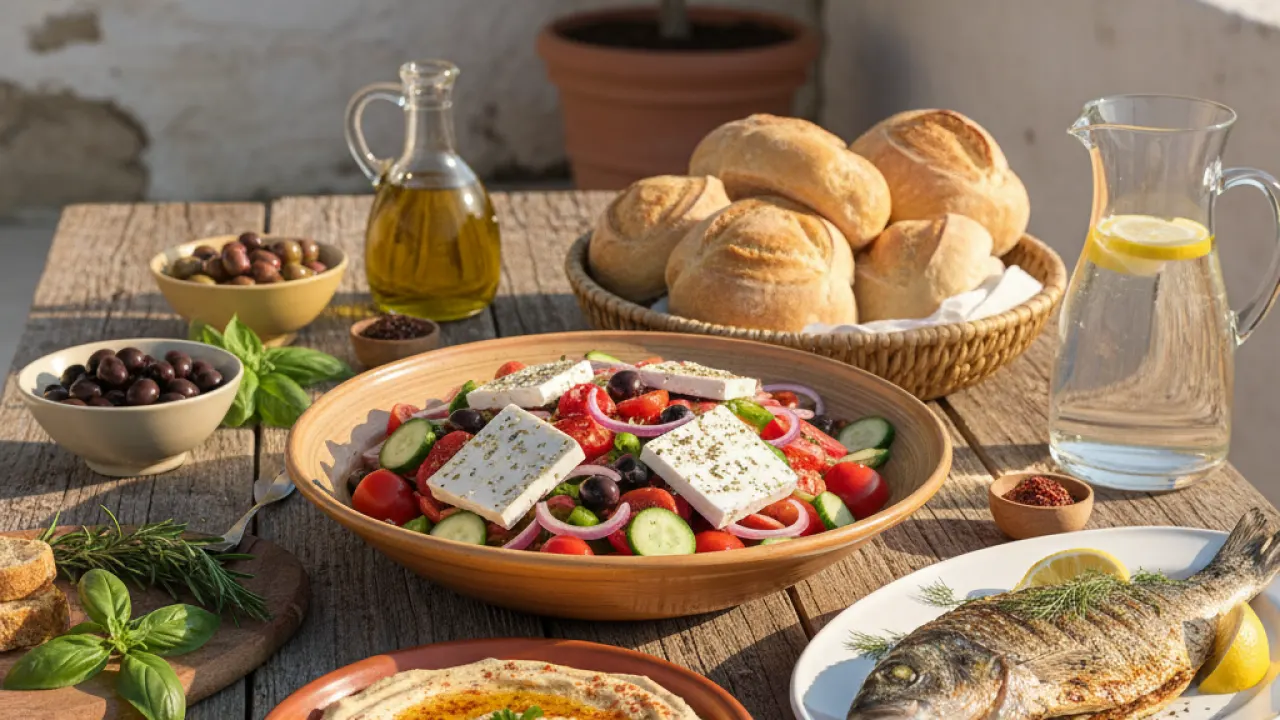
Olive oil is a primary cooking fat, not a finishing drizzle. Mediterranean cooks use 3 to 5 times more olive oil than the typical home cook. It carries flavour into vegetables, beans, and meats in a way that dry cooking can’t replicate.
Acid finishes most dishes. Lemon juice, vinegar, or fermented elements like olives and feta brighten flavours and make simple ingredients taste rich. The last 30 seconds of cooking are usually when the acid goes in.
Herbs go in fresh and at the end. Dried herbs work for slow simmered dishes. Fresh herbs – parsley, dill, oregano, mint – get added off the heat for raw aroma and visual contrast. The mediterranean recipes for beginners 2026 works when you fol
Stock these 12 items and you can cook 90 percent of the Mediterranean repertoire without a special shopping trip. This guide shows you how the mediterranean recipes for beginners 2026 fits real life.
cook 90 percent of the Mediterranean repertoire without a special shopping trip.Extra virgin olive oil, large bottle. Lemons, always 3 to 4 on hand. Dried oregano. Sea salt and black pepper. Garlic, 2 to 3 heads. Cans of chickpeas and white beans. Canned tomatoes. Pasta or couscous. Brown rice or barley. Tahini paste. Olives, kalamata or mixed. Feta cheese.
The fresh additions per week. Onions, fresh herbs (parsley and one other), at least two vegetables in season, fish or chicken once or twice. With these 12 pantry items plus weekly fresh additions, every recipe below is doable in under 30 minutes.
1. Traditional Greek salad
The real Greek salad has no lettuce. Most American restaurant versions get this wrong. The original is large chunks of vegetables with a thick slab of feta on top, dressed with nothing more than olive oil, oregano, and salt.
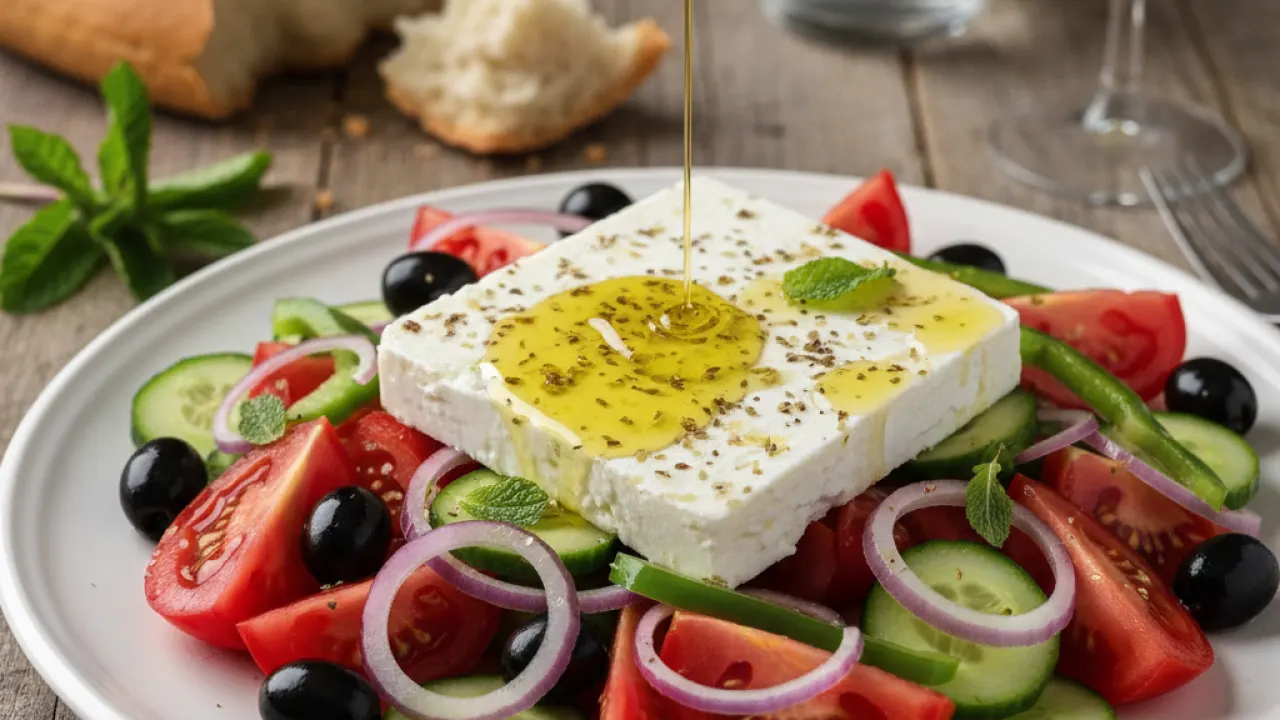
The ingredients for 2 servings. 3 ripe tomatoes cut into wedges. 1 cucumber peeled and sliced in thick rounds. Half a red onion sliced thin. 1 green bell pepper sliced. Half a cup of kalamata olives. 200 grams of feta (one thick slab, not crumbled). 3 tablespoons extra virgin olive oil. 1 teaspoon dried oregano. Sea salt.
The method. Layer veget
What makes it work. Tomatoes have to be ripe. Out of season tomatoes ruin this dish. The feta has to be sliced thick, not crumbled. The oregano is non negotiable. Start with the basics of the medi
Homemade hummus beats every supermarket version. The recipe takes 5 minutes in a food processor. The cost is 80 percent less. The texture and flavour are noticeably better. The mediterranean recipes for beginners 2026 removes common barriers that stop people from starting.
ick, not crumbled. The oregano is non negotiable.2. Homemade hummus
Homemade hummus beats every supermarket version. The recipe takes 5 minutes in a food processor. The cost is 80 percent less. The texture and flavour are noticeably better.
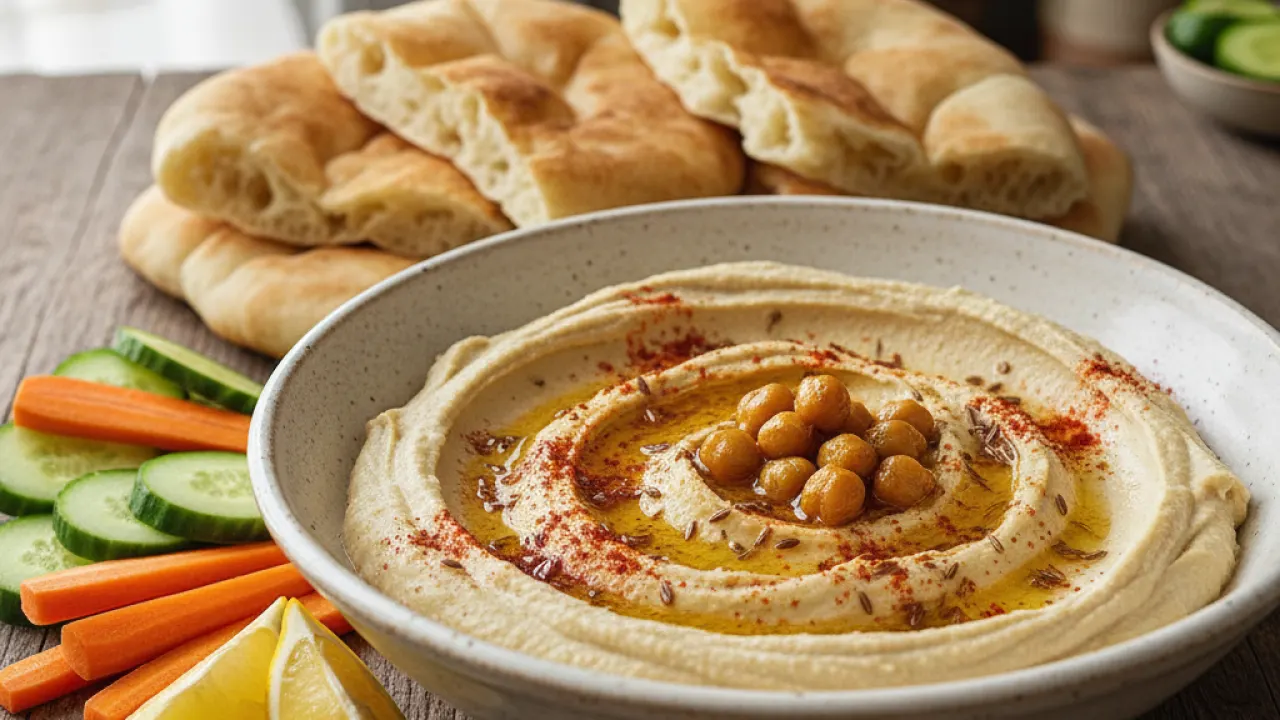
The ingredients. 1 can chickpeas, drained and rinsed. 3 tablespoons tahini. Juice of 1 lemon. 1 garlic clove. 2 tablespoons olive oil plus more for drizzling. 1 teaspoon cumin. Half a teaspoon salt. 3 to 4 tablespoons cold water. If you are looking to expand your knowledge, reading our complete guide to the best vegetarian recipes for beginners provides useful background context. If you are looking to expand your knowledge, reading our complete guide to the best vegetarian recipes for beginners provides useful background context. If you are looking to expand your knowledge, reading our complete guide to the best vegetarian recipes for beginners provides valuable background context.
The method. Process the tahini and lemon juice alone for 60 seconds first – this single step doubles the creaminess. Add garlic, cumin, salt. Add chickpeas in batches. Stream in cold
The 30 minute dinner that earns serious reactions. A white fish fillet, baked over a bed of cherry tomatoes, olives, capers, garlic, and lemon. One sheet pan, one cleanup. Follow the mediterranean recipes for beginners 2026 for the full period to see real results.
alone before adding chickpeas is the technique that transforms grocery store quality to restaurant quality. Skip it and the texture is grainy.3. Mediterranean baked fish
The 30 minute dinner that earns serious reactions. A white fish fillet, baked over a bed of cherry tomatoes, olives, capers, garlic, and lemon. One sheet pan, one cleanup.
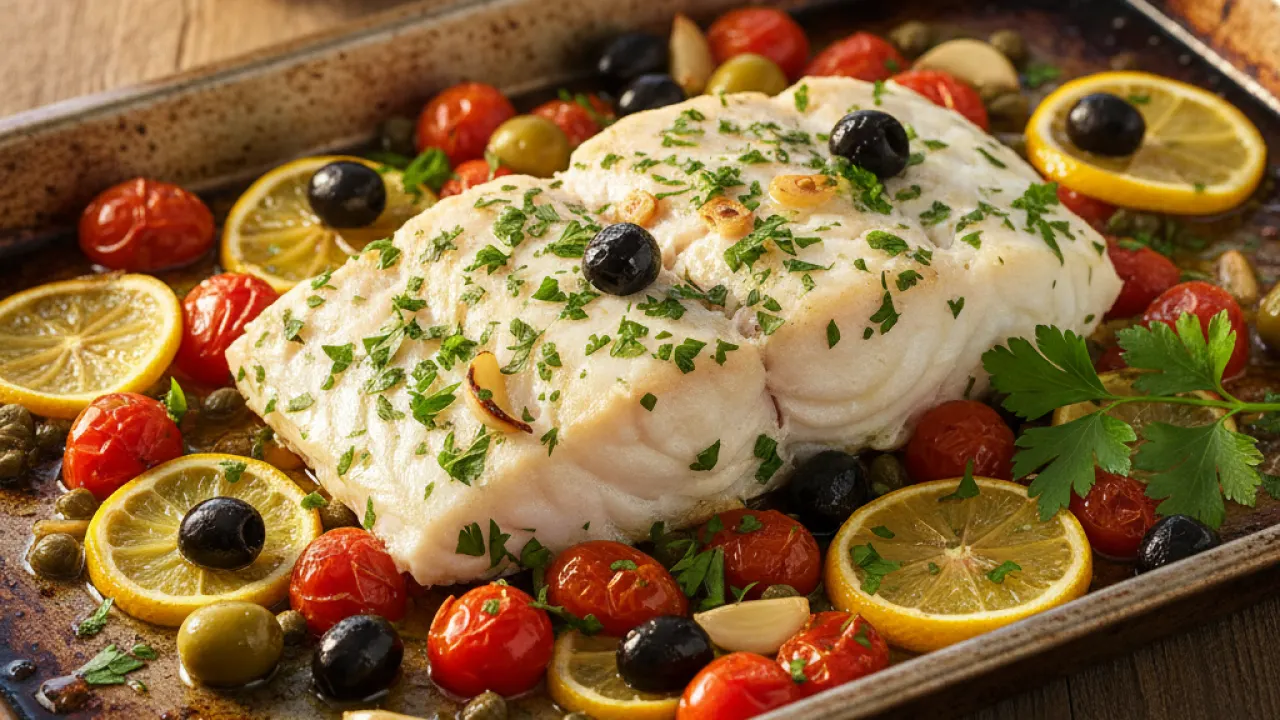
The ingredients. 4 white fish fillets (cod, halibut, or sea bass), 6 ounces each. 2 cups cherry tomatoes. Half a cup kalamata olives. 2 tablespoons capers. 4 garlic cloves sliced. 1 lemon sliced. Quarter cup olive oil. Sea salt. Fresh parsley to finish.
The method. Preheat oven to 400 F. Toss tomatoes, olives, capers, garlic, lemon, half the olive oil, and salt on a sheet pan. Roast 10 minutes. Add
The Greek lentil soup, called fakes, is one of the most efficient one pot meals in any cuisine. Pantry ingredients almost entirely, 45 minutes, big batch, gets better on day two. The mediterranean recipes for beginners 2026 scales as you get more experienced.
les 10 minutes before adding fish gives the tomatoes and olives time to caramelise without overcooking the fish. The lemon slices roast and become slightly bitter sweet, which is what you want for the sauce that forms.4. Lentil soup the way Greeks make it
The Greek lentil soup, called fakes, is one of the most efficient one pot meals in any cuisine. Pantry ingredients almost entirely, 45 minutes, big batch, gets better on day two.
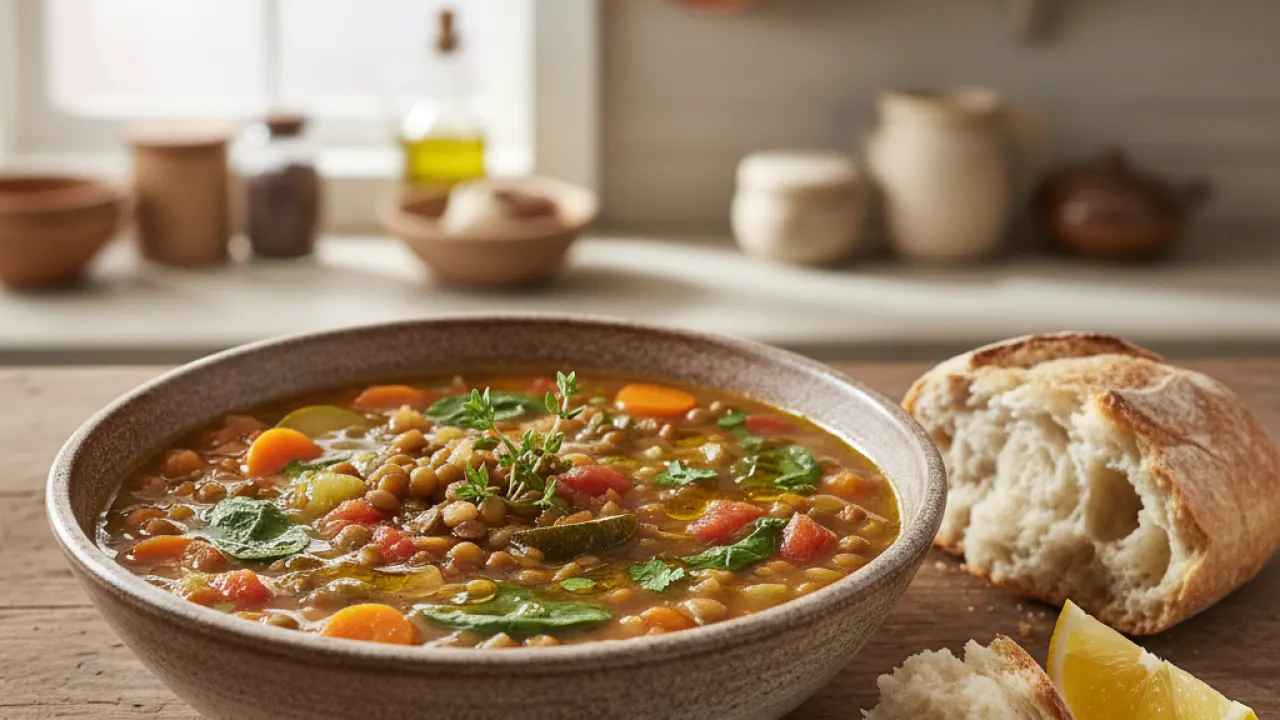
The ingredients. 1.5 cups brown or green lentils. 1 onion diced. 4 garlic cloves chopped. 2
The trick. The red wine vinegar at the end is what separates a great lentil soup from an average one. Don’t substitute lemon juice – vinegar is what the dish needs. Sticking to the mediterranean recipes for beginners 2026 matters more than any single step.
r stock. Salt and pepper. Fresh parsley.The method. Heat olive oil in a heavy pot. Sweat onion, carrots, celery for 8 minutes. Add garlic and oregano, 1 more minute. Add lentils, bay leaves, tomatoes, and water. Simmer 30 to 35 minutes until lentils are tender. Stir in vinegar in the last 2 minutes. Season. Finish with olive oil drizzle and parsley.
The trick. The red wine vinegar at the end is what separates a great lentil soup from an average one. Don’t substitute lemon juice – vinegar is what the dish needs.
5. Pearl couscous with roasted vegetables
The grain bowl Mediterranean cooks have been making for decades, before grain bowls were trendy. Roasted seasonal vegetables, pearl couscous (sometimes called Israeli couscous), fresh herbs, lemon.
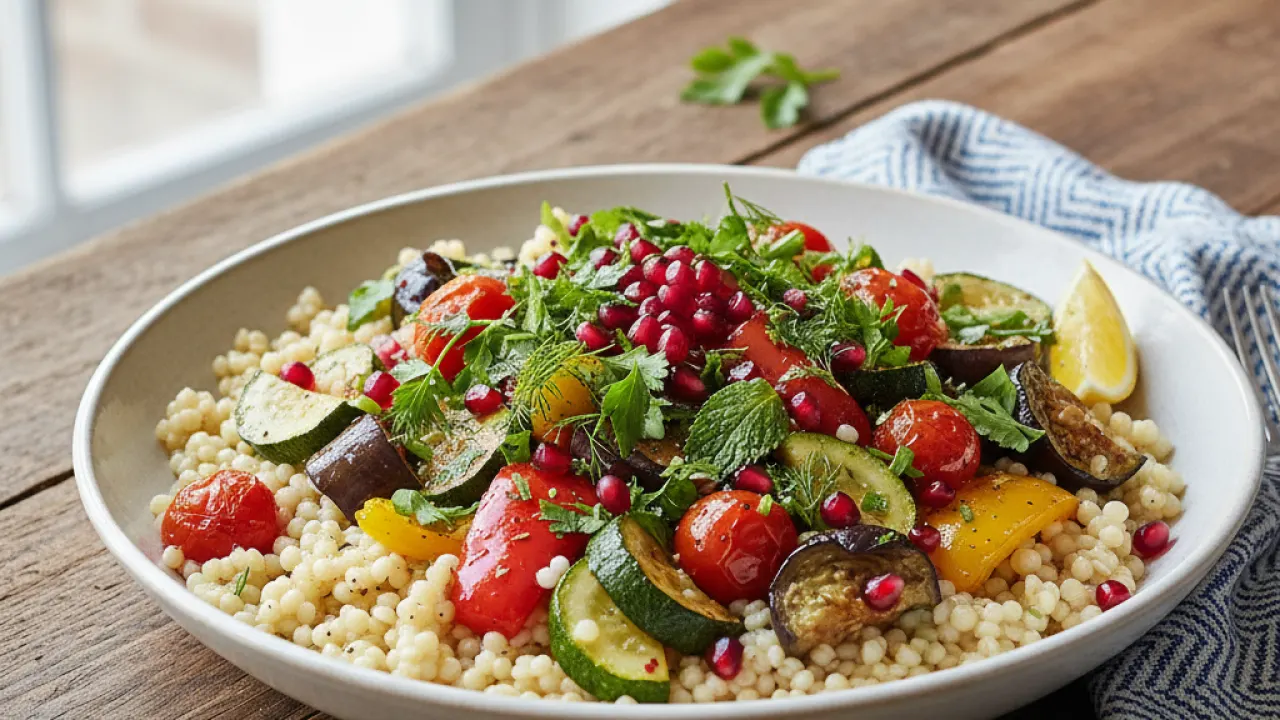
The ingredients. 1.5 cups pearl couscous. 1 small eggplant. 1 zucchini. 1 bell pepper. 1 cup cherry tomatoes. Quarter cup olive oil. 1 lemon. Half cup fresh parsley and mint chopped. Pomegranate seeds optional. Feta optional. Salt and pepper. Similar principles apply when reviewing detailed breakdown of quick dinner recipes for busy people, where preparation and research make a noticeable difference. Similar principles apply when reviewing detailed breakdown of quick dinner recipes for busy people, where preparation and research make a noticeable difference. Similar principles apply when reviewing detailed breakdown of quick dinner recipes for busy people, where preparation and research make a noticeable difference.
The method. Roast vegetables tossed in olive oil and salt at 425 F for 20 minutes until charred at edges. Cook pearl couscous in salted boiling water 8 to 10 minutes. Drain. Toss together with lemon juice, more olive oil, herbs. Add pomegranate or feta if using.
The variations. Swap roasted cauliflower in winter. Add chickpeas for protein. Use mint and dill instead of parsley. The base technique works across countless vegetable combinations.
6. Tzatziki
The yogurt cucumber sauce that becomes a side dish, a dip, a dressing, and a sauce for grilled meats all at once. Five minutes of prep, eats for days, replaces three or four less interesting condiments.
The ingredients. 2 cups Greek yogurt (full fat works best). Half cucum
The Italian Spanish version of bean stew. Chickpeas simmered with tomatoes, spinach, garlic, paprika. Vegetarian by accident, deeply satisfying, ready in 25 minutes. The mediterranean recipes for beginners 2026 gives you a clear structure every week.
The method. Grate the cucumber. Squeeze it dry in a clean kitchen towel – this is non negotiable. Mix everything in a bowl. Let it sit 30 minutes before serving for the flavours to settle. Better the next day.
The critical step. Squeezing the cucumber dry is what separates real tzatziki from watery imitations. A grated cucumber holds an enormous amount of water
The smoke factor. The smoked paprika is what makes this dish. Regular sweet paprika doesn’t deliver. Spanish smoked paprika (pimenton) is the right ingredient. Use the mediterranean recipes for beginners 2026 as your base and adjust it to your level.
ach, garlic, paprika. Vegetarian by accident, deeply satisfying, ready in 25 minutes.The ingredients. 2 cans chickpeas. 1 onion diced. 4 garlic cloves chopped. 1 teaspoon smoked paprika. 1 can crushed tomatoes. 4 cups baby spinach or chopped chard. Olive oil. Salt and pepper. Fresh parsley.
The method. Sweat onion in olive oil 6 minutes. Add garlic and paprika, 1 minute. Add tomatoes, chickpeas, and a cup of water. Simmer 15 minutes. Stir in spinach last 2 minutes until wilted. Season. Finish with parsley and olive oil.
The smoke factor. The smoked paprika is what makes this dish. Regular sweet paprika doesn’t deliver. Spanish smoked paprika (pimenton) is the right ingredient. For broader insights, exploring detailed breakdown of ramadan recipes will give you actionable takeaways you can apply right away. For broader insights, exploring detailed breakdown of ramadan recipes will give you actionable takeaways you can apply right away. For broader insights, exploring detailed breakdown of ramadan recipes will give you actionable takeaways you can apply right away.
9. Mediterranean stuffed peppers
Bell peppers stuffed with rice, herbs, pine nuts, raisins, and sometimes minced lamb. The classic dish across Greece, Turkey, and the Levant, with regional variations everywhere.
The ingredients (vegetarian version). 4 large bell peppers. 1 cup rice (basmati works). Half cup pine nuts. Quarter cup raisins or currants. 1 onion. 2 garlic cloves. 1 teaspoon ground cinnamon. 1 teaspoon dried mint. Olive oil. Salt and pepper. Half cup vegetable stock for baking. Fresh parsley.
The method. Toast walnuts in a dry skillet 4 minutes until aromatic. Cool. Spoon yogurt into bowls. Drizzle honey. Top with walnuts and fruit. Done. Keep the mediterranean recipes for beginners 2026 simple and focus on showing up consistently.
Cut tops off peppers and remove seeds. Stuff peppers with rice mixture. Place in a baking dish with stock at the bottom. Bake covered at 375 F for 45 mThree principles that make Mediterranean cooking a sustainable pattern rather than a one off recipe collection. The mediterranean recipes for beginners 2026 works when you follow it consistently.
sh stays Mediterranean as long as the spice profile (cinnamon, mint, allspice) stays consistent.10. Greek yogurt with honey and walnuts
The dessert that’s been served for centuries across Greece. The simplicity is the point. Thick strained yogurt, a generous drizzle of honey, a handful of toasted walnuts, sometimes fresh fruit. Nothing more.
The ingredients. 1 cup full fat Greek yogurt per person. 2 tablespoons quality honey (Greek thyme honey if you can find it). Quarter cup walnuts, toasted. Optional fresh fruit (figs, berries, peach slices).
The method. Toast walnuts in a dry skillet 4 minutes until aromatic. Cool. Spoon yogurt into bowls. Drizzle honey. Top with walnuts and fruit. Done. Many readers who study this area also benefit from our complete guide to the best high-protein breakfast ideas for muscle building to ensure all key factors are covered. Many readers who study this area also benefit from our complete guide to the best high-protein breakfast ideas for muscle building to ensure all key factors are covered. Many readers who study this area also benefit from our complete guide to the best high-protein breakfast ideas for muscle building to ensure all key factors are covered.
The quality threshold. The yogurt has to be thick Greek style, not American “Greek style” which is often watery. Strain regular full fat yogurt through cheesecloth overnight if needed.
How to actually build a Mediterranean week
Three principles that make Mediterranean cooking a sustainable pattern rather than a one off recipe collection.
Cook once, eat twice. Most of these recipes – lentil soup, chickpea stew, stuffed peppers, baked fish – make 2 to 3 servings minimum. The reheated version on day two is often better than the original.
Build the meal around vegetables. Mediterranean dinners are 60 to 70 percent vegetables by volume, with a small portion of protein. This single pattern shift produces most of the health benefits of the diet.
Lemon and olive oil go in last. Train yourself to finish every cooked dish with a drizzle of olive oil and a squeeze of lemon off the heat. The brightness this adds is what makes simple Mediterranean food taste rich.
For more on the broader heart healthy eating pattern this fits into, our piece on best foods for a healthy heart walks through how Mediterranean food choices add up over years.
The mistakes that kill home Mediterranean cooking
Five common mistakes that show up in beginner attempts.
Using cheap olive oil. The oil is one of the few ingredients where quality is non negotiable. Buy real extra virgin olive oil, even if you spend $20 for a 500ml bottle. The difference is enormous and the per dish cost is tiny.
Under salting. Mediterranean cooking uses salt confidently. Under salted tomato sauce tastes bland. Properly salted tastes like a restaurant. Taste and adjust during cooking, not just at the end.
Skipping the rest time. Many Mediterranean dishes – tzatziki, hummus, stews – improve dramatically after 30 to 60 minutes of rest. Letting flavours marry is part of the cooking, not a luxury.
Cooking vegetables to death. Mediterranean vegetables are often roasted at high heat for shorter times than American home cooks expect. Cherry tomatoes blister in 8 minutes at 425 F. Zucchini caramelises in 15 minutes. Over roasting produces mush.
Treating the diet as restrictive. Mediterranean eating isn’t about cutting out anything. It’s about adding more vegetables, more fish, more olive oil, more legumes. The structure leaves room for bread, cheese, wine, and occasional indulgence.
Final thoughts and your turn
Best Mediterranean recipes for beginners share a common DNA. Simple ingredients. Olive oil and lemon as the soul. Vegetables at the centre. Time for flavours to develop. Once you cook five of the ten recipes above, the pattern becomes intuitive and you’ll start improvising your own variations within a few weeks.
Which of these 10 recipes are you starting with this week, and what’s the ingredient you’ll need to buy first? Drop a comment with your pick. Share the post with someone in your life who keeps saying they want to eat healthier but doesn’t know where to start.
For related guidance, see our guides on start an online business, best businesses to start, how to be a better person, best places in the US.
Frequently Asked Questions
How quickly can I see results with mediterranean recipes for beginners 2026?
Most people notice initial changes within 2 to 4 weeks of consistent effort. More important, lasting changes typically become visible within 8 to 12 weeks. The timeline depends on your starting point, how consistently you apply the recommendations, and individual factors like genetics and overall lifestyle. Tracking your progress helps you stay motivated through the process.
What is the most common mistake people make with mediterranean recipes for beginners 2026?
The most common mistake is expecting overnight results and giving up before seeing meaningful progress. Other frequent errors include being inconsistent with the approach, not getting enough sleep and recovery, ignoring nutrition while focusing only on exercise, and comparing progress to others rather than tracking personal improvement over time.
Do I need special equipment or expensive products for mediterranean recipes for beginners 2026?
In most cases, no. Many of the most effective approaches require minimal or no specialized equipment. Focus on the fundamentals first, such as consistent habits and sound principles, before investing in supplements or expensive equipment. When you do need tools, starting with affordable basics and upgrading as you progress is the smartest approach.
Is mediterranean recipes for beginners 2026 safe for everyone?
Most general health and fitness approaches are safe for healthy adults. However, if you have existing medical conditions, are pregnant, or have been inactive for a long period, consulting a healthcare professional before making important changes is always advisable. Individual circumstances vary and personalized medical guidance ensures the safest possible approach for your specific situation.
What are your thoughts on best mediterranean recipes for beginners in? Have you tried any of these steps, or do you have tips of your own to share? Leave a comment below and share this guide with friends or colleagues who might find it helpful.