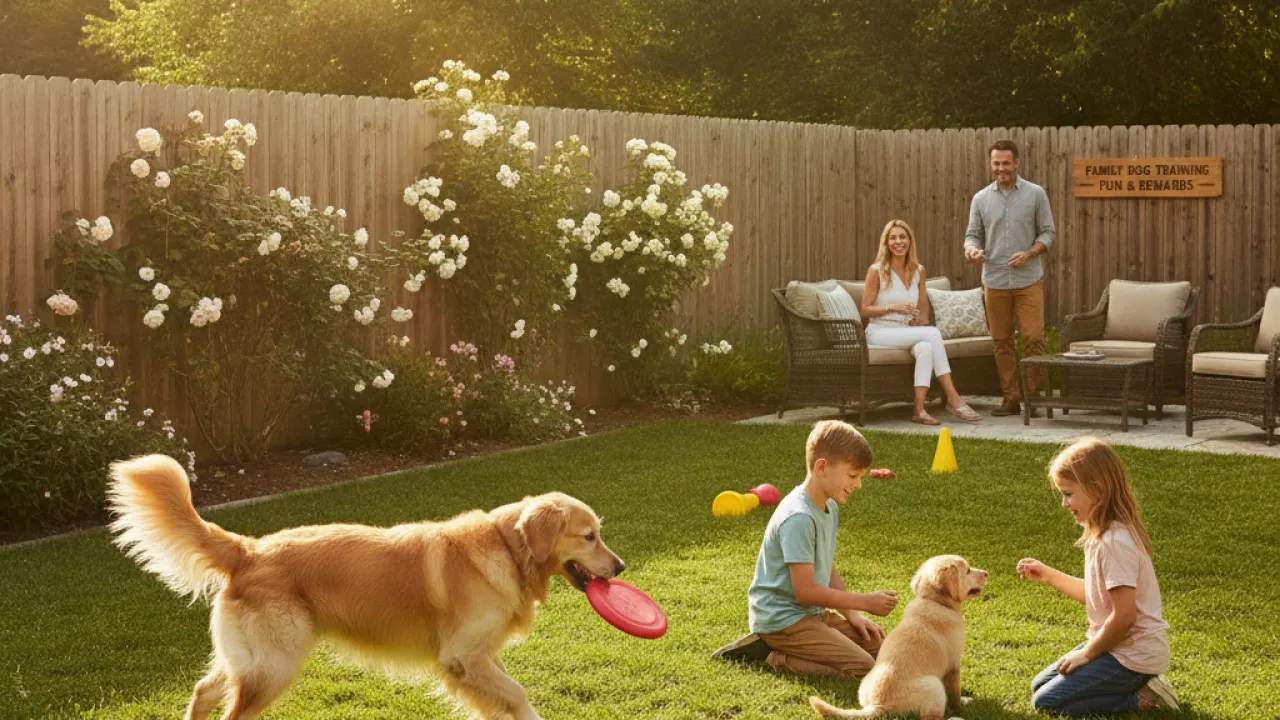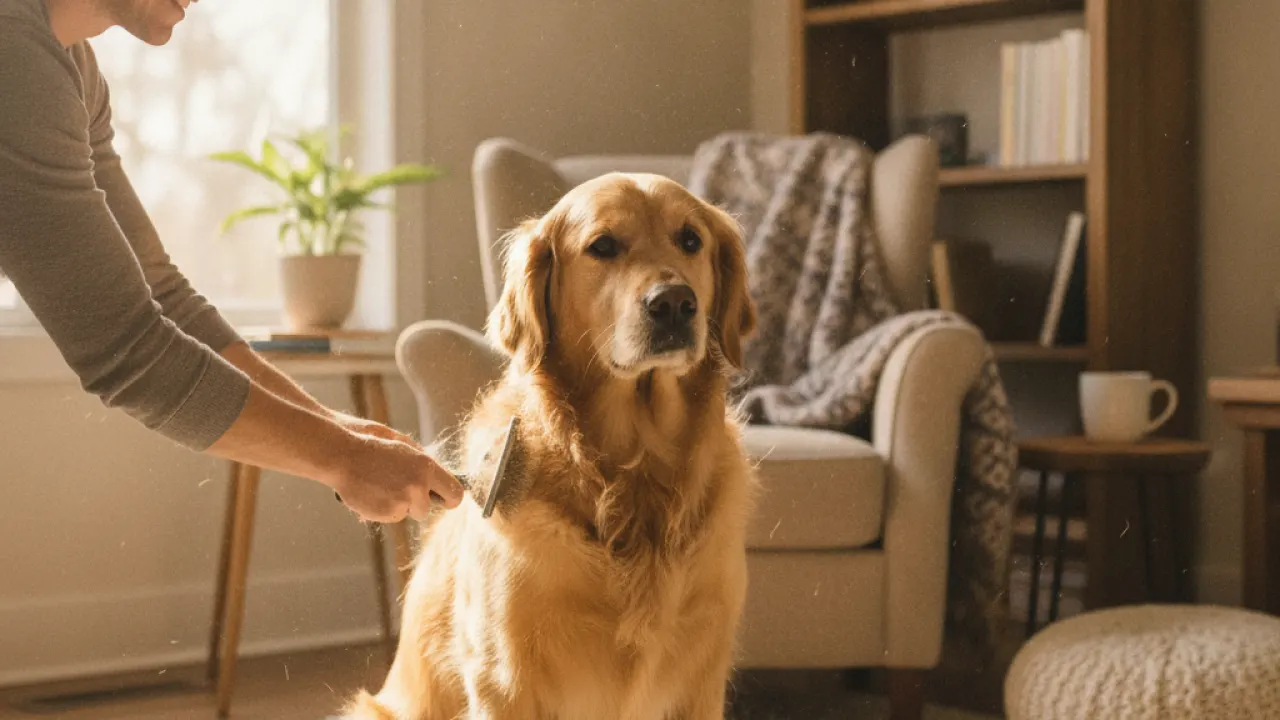


Picking the right dog size matters more than most people think. Medium dog breeds often hit the sweet spot for families living in houses or smaller apartments. They’re big enough to keep up with active kids, but not so large that they take over your whole living room.
This guide covers the best medium dog breeds for families, what to expect from each one, and what you need to know before bringing one home. For more background, see Wikipedia reference.
Why Medium Dog Breeds Work Well for Families
Small dogs can be fragile around young children. Large dogs need lots of space and often eat through your grocery budget. Medium dogs sit right in the middle. Most weigh between 25 and 60 pounds, which makes them sturdy enough for roughhousing but manageable for adults and older kids alike.
They also tend to adapt better to different living situations. A medium dog can live in a two-bedroom apartment or a house with a yard. The key is matching the dog’s energy level to your lifestyle, not just the square footage of your home.

If you’re still weighing your options, reading up on how to choose the right dog breed for your family can help you think through the decision before committing to a size or breed.
What Counts as a Medium Dog?
There’s no single official definition, but most vets and breeders consider dogs between 25 and 60 pounds to be medium-sized. Some breeds on the smaller end of that range include Beagles and Cocker Spaniels. On the larger end, you’ll find dogs like the Dalmatian or Standard Poodle.
Height matters too. Medium dogs are usually between 15 and 22 inches at the shoulder. This makes them easy to transport, comfortable in cars, and less likely to knock over toddlers by accident.
Top Medium Dog Breeds for Families
The breeds below are well-known for being good with children, adaptable to different homes, and generally healthy. Each one has different traits, so read through before deciding.
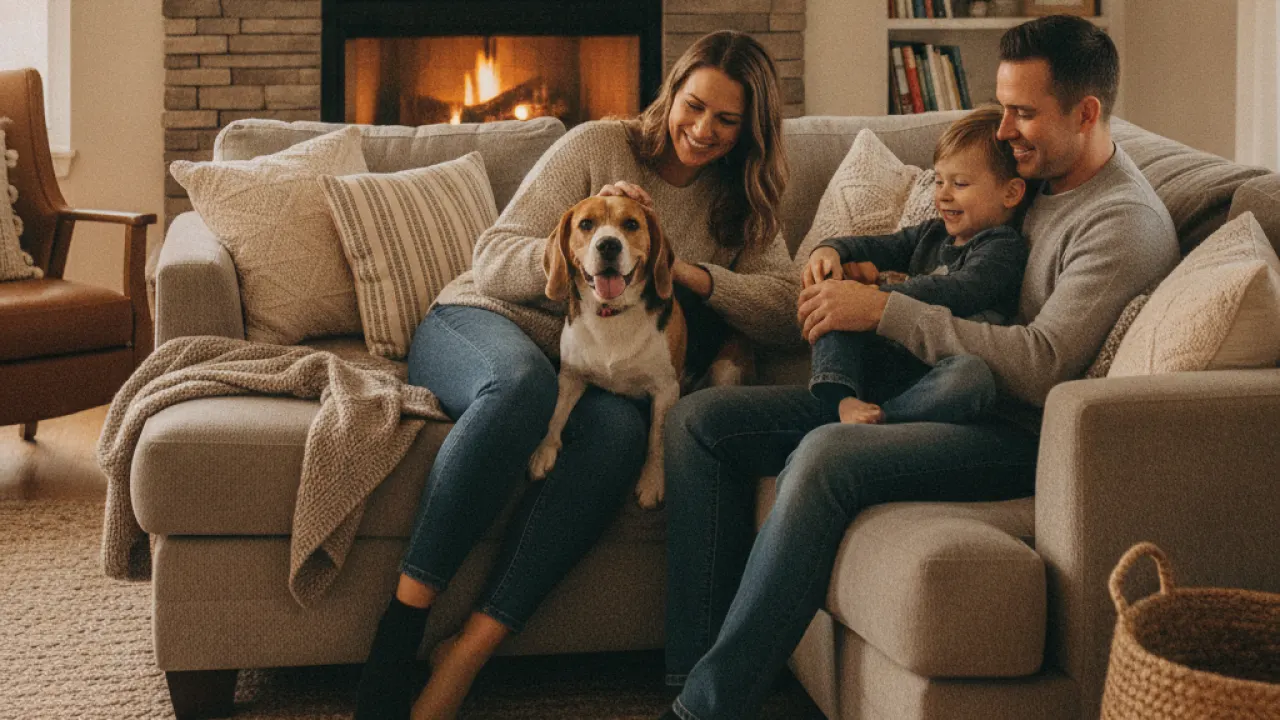
Beagle
Beagles are one of the most popular family dogs in the United States. They weigh between 20 and 30 pounds and have a sturdy build that holds up well around children. They’re curious, energetic, and get along with almost everyone they meet.
One thing to know: Beagles follow their nose. If they catch a scent, they’ll wander. A fenced yard is a must, and a leash is non-negotiable on walks. They also bark and howl, which can be an issue in apartments with thin walls.
Beagles need daily exercise, about 30 to 60 minutes of activity per day. They do well in homes where someone is around for most of the day. Left alone too long, they get bored and destructive.
Cocker Spaniel
The American Cocker Spaniel is gentle, cheerful, and loves being near people. They typically weigh 20 to 30 pounds and have a soft, silky coat that kids love to pet. They’re one of the calmer medium breeds, which makes them a solid choice for families with young children.
Grooming is the main commitment here. Their long coats mat easily and need brushing several times a week. Professional grooming every 6 to 8 weeks is typical. Brushing at home between appointments is easier once you understand the basics, and our guide on dog grooming basics for every owner is a good place to start. If you’re not up for that commitment, it’s worth thinking twice.
They don’t need extreme amounts of exercise but do enjoy a good daily walk. They tend to be sensitive and respond better to gentle training than harsh corrections.
Cavalier King Charles Spaniel
Cavaliers are adaptable, affectionate, and quiet enough for apartment living. They weigh 12 to 18 pounds, which puts them on the smaller end of medium, but their temperament makes them ideal for families in tighter spaces. They don’t bark much and don’t need as much exercise as some other breeds.
They’re known for being gentle with children and patient with other pets. They also tend to be good around strangers, which makes them poor guard dogs but excellent family companions. If you are looking to expand your knowledge, reading our complete guide to the best family dogs provides useful background context. If you are looking to expand your knowledge, reading our complete guide to the best family dogs provides valuable background context.
Health is worth watching. Cavaliers are prone to heart conditions and ear problems. Annual vet visits and a reputable breeder can reduce risk, but the breed as a whole has some known health challenges.
Whippet
Whippets look athletic and fast, and they are. They’re also surprisingly calm and quiet indoors. They weigh 25 to 40 pounds and are built for speed, but they spend most of the day lounging on soft surfaces. They love a good sprint but don’t need constant activity.
They’re gentle, sensitive dogs that bond closely with their families. They do well with older children who understand how to interact calmly. Very young children who grab or pull at dogs may stress a Whippet out.
They don’t shed much and have minimal grooming needs. Their thin coat means they get cold easily, so a dog sweater in winter is not just a fashion statement. It’s practical.

Shetland Sheepdog (Sheltie)
Shelties look like miniature Rough Collies. They weigh 15 to 25 pounds and are highly intelligent, which makes them easy to train. They pick up commands quickly and respond well to positive reinforcement. Many owners describe them as one of the easiest medium breeds to train.
They’re loyal to their families and can be reserved around strangers. They’re not aggressive, just cautious. Once they warm up to someone, they’re friendly and playful.
If trainability is a top priority, it’s worth comparing a few family dogs that are easy to train side by side before deciding.
Shelties do bark. A lot. This is something owners frequently mention as a surprise. They were bred to herd, and barking is part of how they communicate. Early training can help manage it, but it won’t disappear entirely.
They need daily exercise and mental stimulation. Puzzle toys, training sessions, and outdoor time all help keep them balanced.
Basenji
The Basenji is unusual in the best way. They don’t bark. Instead, they make a yodeling sound called a barroo, which is much quieter and less frequent than typical barking. This makes them one of the better options for apartment dwellers concerned about noise complaints.
They weigh 22 to 24 pounds and are athletic, curious, and independent. They’re not the easiest dogs to train because they think for themselves. Experienced dog owners tend to do better with Basenjis than first-time owners. If you’re just getting started, there are better dog breeds for first-time owners that are more forgiving of beginner mistakes.
They’re clean dogs that groom themselves like cats. Shedding is minimal. They do have high energy levels and need regular exercise to stay calm indoors. Similar principles apply when reviewing practical advice on how to train your dog at home, where preparation and research make a noticeable difference. Similar principles apply when reviewing practical advice on how to train your dog at home, where preparation and research make a noticeable difference.

English Springer Spaniel
English Springer Spaniels are built for families that love the outdoors. They weigh 40 to 50 pounds and have the energy to keep up with active kids all day. They’re friendly, enthusiastic, and eager to please, which makes training relatively straightforward.
They need important daily exercise. An hour or more is not unusual. Families that hike, run, or spend lots of time outside will find a natural match here. Families in small apartments who don’t get outside much will struggle to meet the breed’s energy needs.
They’re affectionate and social. They don’t do well when left alone for long stretches. If your household is busy and away from home for most of the day, this may not be the right fit.
Brittany
The Brittany weighs 30 to 40 pounds and is one of the more energetic medium breeds. They were bred for hunting and have the stamina to prove it. In the right home, they’re joyful, athletic companions. In the wrong home, they become anxious and destructive.
They’re good with children and other dogs. They respond well to training and love having a job to do. Agility courses, fetch, and long hikes are all well-suited to this breed.
If your family spends a lot of time outdoors and wants a dog that keeps up, the Brittany is worth serious consideration. If your lifestyle is more sedentary, look at a calmer breed instead.
Things to Consider Before Choosing a Breed

Breed is one piece of the puzzle. Here are some other factors that should shape your decision.
Your Home’s Size and Layout
An apartment is not a dealbreaker for a medium dog, but it does narrow your options. Look for breeds with lower energy levels if you live in a smaller space without outdoor access. Breeds like the Cavalier, Whippet, and Basenji adapt better to apartment life than high-energy breeds like the Brittany or English Springer Spaniel.
If you have a yard, that opens up more options. Even so, a yard is not a substitute for walks and playtime. Dogs that spend all day alone in a yard often develop behavioral problems.
The Age of Your Children
Younger children need a dog that’s tolerant and gentle. Breeds like the Beagle, Cocker Spaniel, and Cavalier tend to handle toddlers better than more sensitive breeds. Older kids can handle a wider range of breeds because they understand how to interact respectfully with dogs.
Always supervise any interaction between young children and dogs, regardless of breed. Even the most patient dog has a limit.
Your Activity Level
Be honest about how much exercise your family actually gets, not how much you plan to get. A dog’s exercise needs don’t go away because life gets busy. If you work long hours and weekends are unpredictable, choose a lower-energy breed. If your family is consistently active, a high-energy dog will thrive with you.
Allergies in the Household
No dog is 100% hypoallergenic, but some breeds shed far less than others. Low-shedding medium breeds include the Standard Poodle and Soft Coated Wheaten Terrier. If allergies are a concern, spend time with the specific breed before committing.
Training and Socialization
Every dog needs basic training and early socialization. This is not optional. A well-socialized dog is safer around children, more comfortable in new situations, and easier to live with in general. Puppy classes are a good starting point for most families.
Common Questions About Medium Dog Breeds
Are medium dogs better for apartments than large dogs?
Sometimes, but not always. A calm large dog can do fine in an apartment, and a high-energy medium dog can struggle. Energy level and noise are more important factors than size alone. That said, medium dogs do take up less physical space and are generally easier to manage in elevators and hallways.
How much does it cost to own a medium dog?
Costs vary by breed, location, and health. On average, expect to spend between $1,000 and $3,000 per year on a medium dog when you factor in food, vet care, grooming, and supplies. Breeds with known health issues like the Cavalier may cost more over time due to medical expenses.
What medium dogs shed the least?
Whippets, Basenjis, and Standard Poodles are among the lower-shedding medium breeds. Cocker Spaniels and Shelties shed moderately to heavily. Beagles shed more than most people expect given their short coats.
Is it okay to get a medium dog if I have cats?
It depends on the individual dog and how the introduction is handled. Breeds with strong prey drives, like Beagles, may chase cats. Breeds like Cavaliers and Whippets tend to coexist with cats more peacefully when introduced properly. Slow, controlled introductions work best regardless of breed.
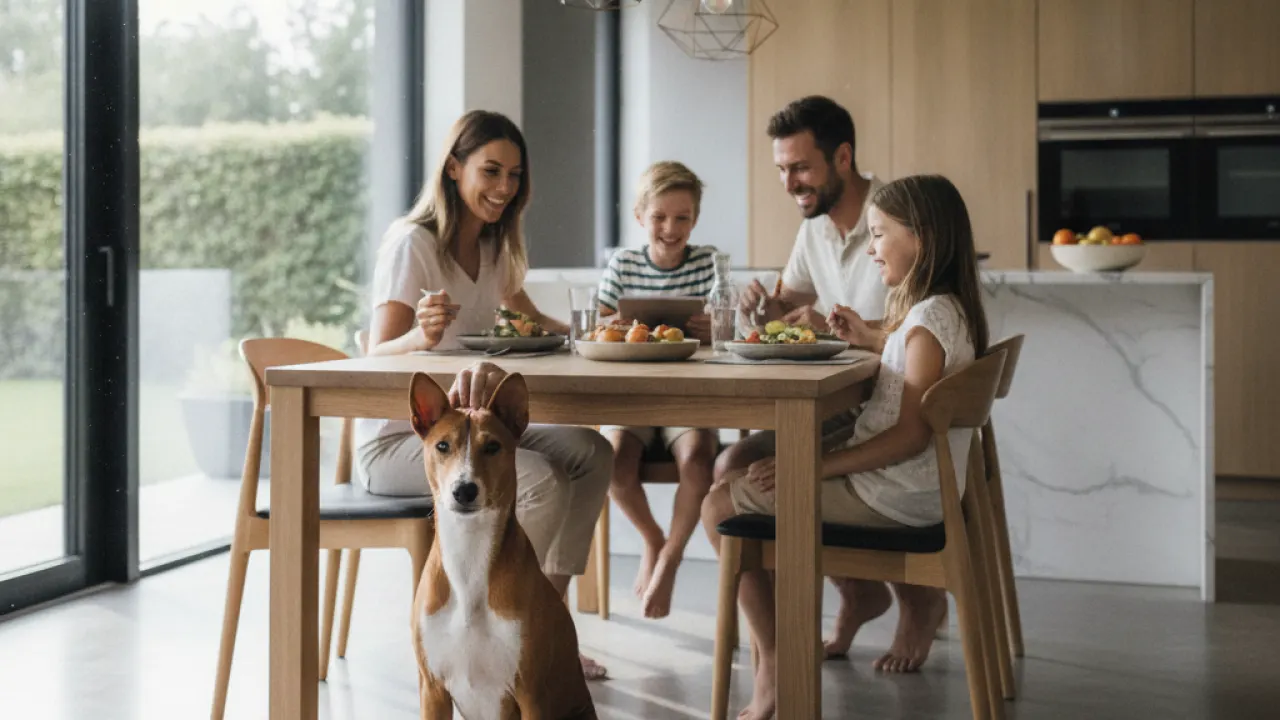
Here’s a simple breakdown to help you narrow down options based on your situation.
- Best for apartments: Cavalier King Charles Spaniel, Whippet, Basenji
- Best for very young children: Beagle, Cocker Spaniel, Cavalier
- Best for active families: English Springer Spaniel, Brittany, Shetland Sheepdog
- Easiest to train: Shetland Sheepdog, Cocker Spaniel, English Springer Spaniel
- Lowest grooming needs: Beagle, Whippet, Basenji
- Best for first-time dog owners: Beagle, Cavalier, Cocker Spaniel
- Best for low noise households: Basenji, Cavalier, Whippet
- Most adaptable overall: Cavalier King Charles Spaniel, Beagle
None of these breeds are perfect. Every dog is an individual and will have its own personality within the breed’s general traits. Spending time with a breed before adopting or buying is always a good idea. Many shelters have medium-sized dogs of various breeds available for adoption.
If you’re considering adoption, tell the shelter about your home, your children’s ages, and your activity level. Good shelter staff will help match you with a dog whose personality fits your family, not just its size or breed label. For broader insights, exploring practical advice on how to choose the right dog breed for your family will give you actionable takeaways you can apply right away. For broader insights, exploring practical advice on how to choose the right dog breed for your family will give you actionable takeaways you can apply right away.
Frequently Asked Questions
Are medium dogs better for apartments than large dogs?
Sometimes, but not always. A calm large dog can do fine in an apartment, and a high-energy medium dog can struggle. Energy level and noise are more important factors than size alone. That said, medium dogs do take up less physical space and are generally easier to manage in elevators and hallways.
How much does it cost to own a medium dog?
Costs vary by breed, location, and health. On average, expect to spend between $1,000 and $3,000 per year on a medium dog when you factor in food, vet care, grooming, and supplies. Breeds with known health issues like the Cavalier may cost more over time due to medical expenses.
What medium dogs shed the least?
Whippets, Basenjis, and Standard Poodles are among the lower-shedding medium breeds. Cocker Spaniels and Shelties shed moderately to heavily. Beagles shed more than most people expect given their short coats.
Is it okay to get a medium dog if I have cats?
It depends on the individual dog and how the introduction is handled. Breeds with strong prey drives, like Beagles, may chase cats. Breeds like Cavaliers and Whippets tend to coexist with cats more peacefully when introduced properly. Slow, controlled introductions work best regardless of breed.