


Best self care habits for mental health in 2026 share one thing the wellness industry rarely admits. They’re mostly boring, mostly free, and mostly things your grandmother could have told you. The $200 candles, the eight step skincare routines, the curated retreats – none of these are the foundation. The 12 habits below are what actually moves mental health over weeks and months, based on what psychology research has consistently shown.
What self care actually is, and what it isn’t
Before the habits, the definition. Self care is the small, regular practice of looking after the basic conditions your brain needs to function well. It isn’t a treat. It isn’t a reward. It isn’t shopping. The habits below build into a daily and weekly pattern that keeps mental health resilient when life gets hard.

The wellness industry version of self care became performative in the 2020s. Self care turned into a brand, a content category, a way to sell expensive products. The actual practice got buried. The honest version is closer to dentistry – small consistent actions that don’t feel special but prevent big problems.
1. Sleep that’s actually 7 to 8 hours
The single most powerful mental health habit, and the most ignored. Adults who consistently sleep less than 7 hours have measurably higher rates of anxiety, depression, irritability, and burnout. The fix is mostly free. For health advice, the NHS Live Well guidance covers related topics.
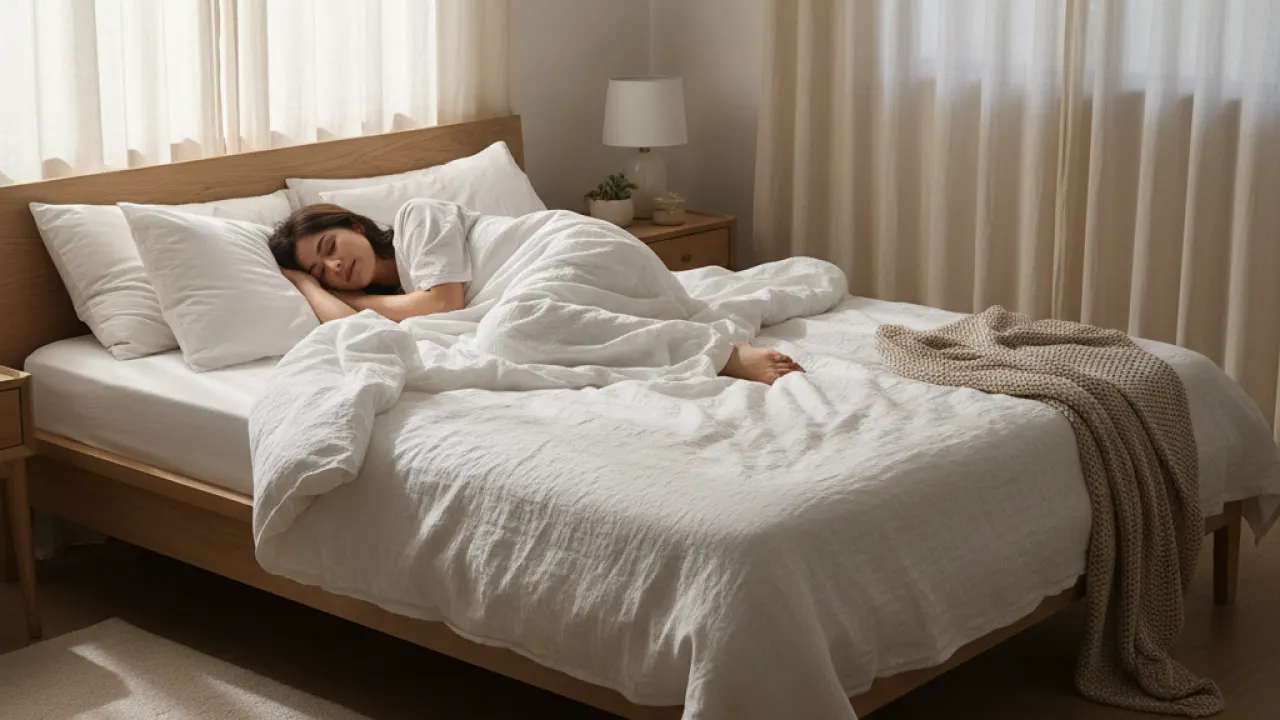
The basics that matter. Same bedtime and wake time, 7 days a week. Dark cool room. Phone out of the bedroom or face down across the room. No caffeine after 2 PM. Most adults can fix their sleep by adjusting just these four variables.
What doesn’t help much. Sleep tracking apps. Expensive mattresses past a certain threshold. Magnesium powders. Most of the wellness industry sleep products. The basics are doing 80 percent of the work.
2. Daily walks outside
The 20 to 30 minute outdoor walk is the most consistently underestimated mental health habit. Sunlight regulates circadian rhythm. Movement releases the stress chemicals. Nature exposure measurably reduces rumination.

The right kind of walk. Without headphones at least some of the time. Pace that lets you breathe through your nose. Somewhere with trees or green if available. Morning light if possible for the circadian benefit.
The wrong kind. A treadmill in a windowless gym, staring at a phone, every day. That’s exercise, which is also good, but it doesn’t deliver the mental health benefits the outdoor walk does.
3. One real conversation per day
The strongest predictor of long term mental health across decades of research isn’t diet, exercise, or therapy. It’s the quality and quantity of human connection. The Harvard Study of Adult Development tracked people for 80 plus years and found relationships to be the dominant variable.

What counts as a real conversation. Eye contact. Listening as much as talking. Topics that go beyond logistics. Phone calls or in person, not texting. Five minutes of this beats two hours of social media.
How to build it. Pick three people you’d like to be closer to. Reach out to one of them this week with an invitation to coffee, a walk, or a phone call. Most isolation crises start with the assumption that other people don’t want to hear from you. They almost always do.
4. Phone boundaries before bed and after waking
The first and last hours of the day shape mental health more than any other time slot. Filling those hours with social media, news, and email destroys both ends of the brain’s recovery and ramp up windows.
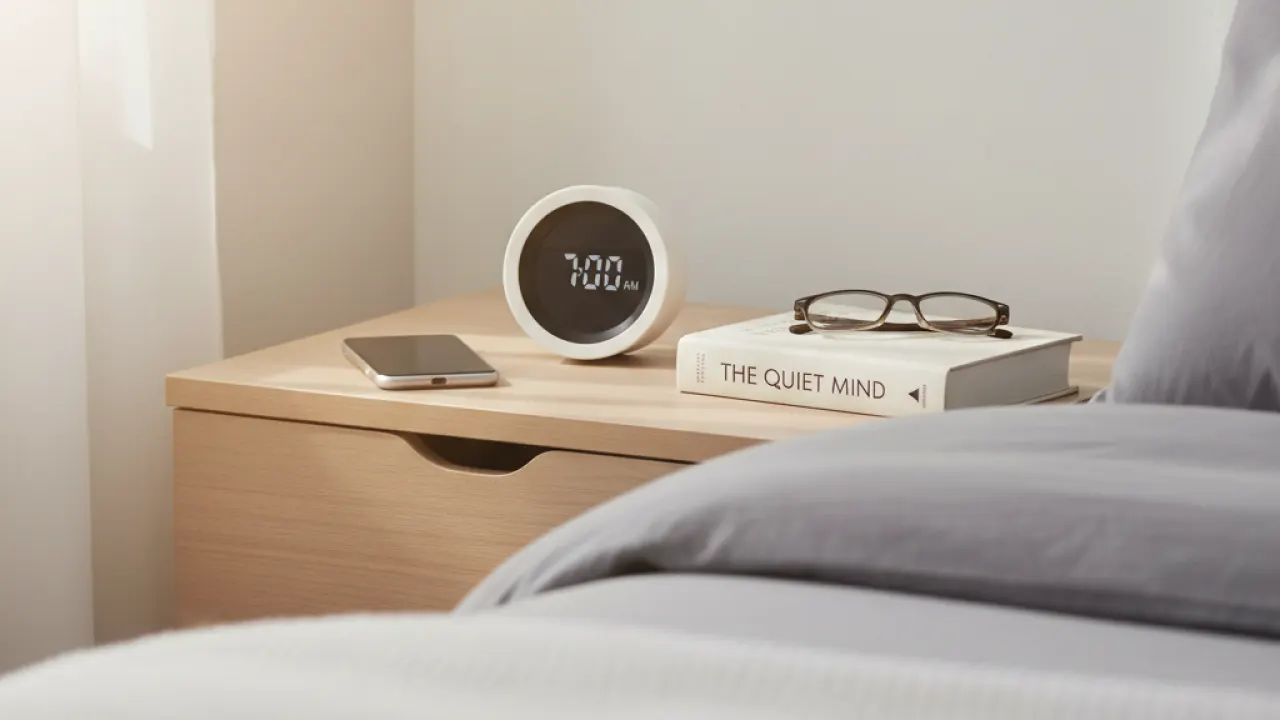
The minimum useful boundary. No phone in the first 30 minutes after waking. No phone in the last 30 minutes before sleep. A regular alarm clock, not the phone. The phone charges in a different room overnight. If you are looking to expand your knowledge, reading practical advice on how to eat clean provides useful background context. If you are looking to expand your knowledge, reading practical advice on how to eat clean provides useful background context. If you are looking to expand your knowledge, reading practical advice on how to eat clean provides valuable background context.
The realistic upgrade. Two hours without phone in the evening before bed. A dedicated reading or hobby time in that window. The brain treats this differently than scrolling – reading slows the nervous system, scrolling speeds it up.
5. Journaling 10 minutes a day
Writing in a journal is the cheapest and most reliably effective psychological tool available. Multiple studies have found that 10 minutes of expressive writing about whatever is on the mind reduces anxiety, improves mood, and helps process difficult experiences.

The format doesn’t matter much. Free writing about whatever is on your mind. Three things you’re grateful for. Brain dump of the day’s worries. Morning pages style stream of consciousness. The act of putting thoughts onto paper matters more than the structure.
The platform doesn’t matter much either. Paper journal, notes app, Google Doc. Anything that lets you write 10 minutes without distraction. Paper has the slight edge for reducing nervous system arousal but the difference is small.
6. Eating enough protein and fibre
The connection between diet and mental health is real but smaller than wellness influencers claim. The most reliable nutritional factors that affect mood are surprisingly basic. The self care habits for mental health 2026 works when you follow it consistently.
Protein helps stabilise mood through steady amino acid supply. Inadequate protein, common in restrictive diets, produces low energy and low mood within days. Target 0.7 grams per pound of bodyweight as a working minimum.
Fibre feeds the gut microbiome, which produces neurotransmitters that affect mood. 30 grams of fibre per day is the rough target. Most adults get less than half that. The food sources are mostly vegetables, beans, whole grains, and fruit.
What doesn’t matter as much. The specific diet brand. Mediterranean, plant based, low carb, intermittent fasting – all produce reasonable mental health outcomes i
Exercise rivals antidepressants for mild to moderate depression in head to head studies, with no side effects. The minimum effective dose is lower than most people assume. This guide shows you how the self care habits for mental health 2026 fits real life.
h no side effects. The minimum effective dose is lower than most people assume.What works. 4 sessions of 30 minutes per week. Mix of moderate cardio (walking, swimming, cycling) and some resistance training. Doesn’t have to be intense. Doesn’t have to be a gym. Consistency matters more than intensity.
The mental health benefit isn’t about appearance changes. The benefits show up before any physical change does. Mood improves in 1 to 2 weeks. Anxiety reduces in 2 to 4 weeks. Sleep quality improves immediately. Confidence builds slower but consistently.
8. A boundary on news consumption
News exposure in 2026 is engineered to maximise anxiety because that’s what generates engagement. Multiple studies have linked heavy news consumption to worse mental health outcomes, particularly for the doom scrolling habit that emerged during the 2020s.
The healthy pattern. Check the news once or twice per day, briefly. Subscribe to a weekly news summary rather than checking notifications hourly. Avoid news in the morning before settling into the day’s first task. Avoid news in the last hour before bed. Similar principles apply when reviewing our complete guide to the best foods for a healthy heart, where preparation and research make a noticeable difference. Similar principles apply when reviewing our complete guide to the best foods for a healthy heart, where preparation and research make a noticeable difference. Similar principles apply when reviewing our complete guide to the best foods for a healthy heart, where preparation and research make a noticeable difference.
The reasonable concern. Some people feel guilty unplugging from news during difficult times. But the brain that’s anxious from constant news isn’t actually helping the situation. Informed civic engagement happens with weekly news consumption just as well as with hourly.
9. Sunlight in the first hour after waking
The circadian rhythm research from the 2020s pointed at one simple intervention with disproportionate benefit. 10 to 15 minutes of outdoor light exposure in the first hour after waking. The light signals to the brain that it’s daytime, which improves alertness, mood, and night time sleep all at once.
How to implement. Coffee on the balcony. Walk to the corner store for the morning paper or pastry. Bus stop in the open rather than the covered shelter. Even cloudy days deliver enough light intensity for the effect.
Why it works better than light therapy boxes. Natural light has the full spectrum and intensity that the brain evolved with. Most light therapy boxes are too weak or too narrow spectrum to fully replicate the benefit. Free outdoor light wins.
10. A creative outlet that has no audience
The under appreciated mental health habit. A creative practice that produces no Instagram posts, no social validation, no monetisation potential. Painting that doesn’t get framed. Writing that doesn’t get published. Cooking elaborate meals for yourself. Playing music in a closed room.
The reason it works. The brain that creates for itself enters a different mode than the brain that performs for others. The pressure to be impressive disappears. The act becomes restorative rather than competitive.
The hardest part. Resisting the urge to share or monetise the practice. The moment a creative outlet becomes content, the mental health benefit drops dramatically. Some things should stay private.
11. Time alone, deliberately
Solitude is a different state than loneliness. Loneliness is forced isolation. Solitude is chosen aloneness. The research is clear that regular solitude improves emotional regulation, creativity, and self knowledge.
How to build the habit. 30 to 60 minutes per day where you’re alone without scrolling, calls, or input. Reading. Walking. Cooking. Sitting and doing nothing. The brain that’s never alone with itself struggles to develop the inner life that mental health depends on.
The cultural challenge. Many cultures associate solitude with social failure. The reframe matters. Solitude is a chosen state of recovery, not a sign that no one wants to be with you. The strongest extroverts also need this.
12. Professional help when needed
The most important self care habit isn’t a habit at all. It’s recognising when self care isn’t enough and seeking professional support. Therapy, medication, psychiatric care – these are tools, not failures.
Signs you need more than self care. Persistent low mood for more than 2 weeks. Anxiety that interferes with daily function. Thoughts of self harm. Sleep that doesn’t improve with sleep hygiene. Loss of interest in things you used to enjoy. Difficulty getting out of bed for days at a time.
What good professional support looks like. Therapists trained in evidence based approaches like CBT, ACT, or DBT. Medications, if prescribed, that get followed up with proper review. Support groups for specif Trying to start all 12 at once guarantees failure. The realistic build looks like this. Start Week 1 to 2. Fix sleep. Set a fixed bedtime and wake time. Phone out of bedroom. This single habit improves everything else. The s Week 3 to 4. Add the daily outdoor walk. Morning if possible. 20 to 30 minutes. The combination of sleep plus daily walk produces about half the mental health benefit on this list. For broader insights, exploring our complete guide to the best home workout plan will give you actionable takeaways you can apply right away. For broader insights, exploring our complete guide to the best home workout plan will give you actionable takeaways you can apply right away. For broader insights, exploring our complete guide to the best home workout plan will give you actionable takeaways you can apply right away.
Follo Week 5 to 6. Add 10 minutes of journaling. Same time each day if possible. The s Week 7 to 8. Add phone boundaries before bed and after waking. One real conversation per day. Stick Week 9 to 12. Movement schedule. Solitude time. Creative outlet. News boundary. The s By the end of 12 weeks, the foundation is built. The maintenance after that is low effort because the habits are wired in. Use the self care habits for mental health 2026 as your base and adjust it to your level.
x sleep. Set a fixed bedtime and wake time. Phone out of bedroom. This single habit improves everything else.Week 3 to 4. Add the daily outdoor walk. Morning if possible. 20 to 30 minutes. The combination of sleep plus daily walk produces about half the mental health benefit on this list.
Week 5 to 6. Add 10 minutes of journaling. Same time each day if possible.
Week 7 to 8. Add phone boundaries before bed and after waking. One real conversation per day.
Week 9 to 12. Movement schedule. Solitude time. Creative outlet. News boundary.
By the end of 12 weeks, the foundation is built. The maintenance after that is low effort because the habits are wired in.
For more on the broader life habits that compound with these, our piece on 15 daily habits that actually work covers the wider pattern.
The self care traps to avoid
Five common traps that the wellness industry promotes.
Treating self care as occasional indulgence. The spa day, the fancy dinner, the shopping spree – these can be nice but they aren’t self care. They’re consumption. Real self care is the boring daily practice between the indulgences.
Performing self care for an audience. The Instagram morning routine. The aesthetically perfect bullet journal. The matcha latte and yoga mat photo. Performance burns more energy than it restores. The unphotographed routine works better. Many readers who study this area also benefit from our complete guide to the best foods for weight loss to ensure all key factors are covered. Many readers who study this area also benefit from our complete guide to the best foods for weight loss to ensure all key factors are covered. Many readers who study this area also benefit from our complete guide to the best foods for weight loss to ensure all key factors are covered.
Buying products that promise mental health. Most wellness pr
Honest expectations for what improves when these habits become routine. Many people find the self care habits for mental health 2026 easier to follow than complex alternatives.
gets, courses, and apps add up to thousands of dollars per year for outcomes free habits deliver more reliably.Mistaking distraction for self care. Watching TV for four hours, scrolling for two, having two drinks every night. These can feel relaxing but they don’t restore the brain the way real self care does. Genuine recovery and avoidance are different things.
Chasing the perfect routine. The aspiring self carer who keeps switching frameworks – Atomic Habits, Miracle Morning, Wim Hof, ice baths, breathwork apps – never lands on consistent practice. The actual gains come from picking one or two habits and doing them for a year.
What changes after 90 days of consistent practice
Honest expectations for what improves when these habits become routine.
Sleep quality improves first, often within the first week of sleep hygiene work. Mood stabilises within 2 to 4 weeks. Anxiety reduces gradually across 4 to 8 weeks. Stress recovery speed improves measurably by week 6. Energy through the day climbs noticeably by month 2. Relationships feel different by month 3 as you bring a steadier self to them.
What doesn’t change. The underlying personality. Pre existing conditions like clinical depression, anxiety disorder, ADHD, or bipolar disorder require professional treatment beyond self care. Major life crises – grief, divorce, job loss – need direct attention, not just habit work.
What still surprises people. How dramatically baseline mental health improves when these simple habits get built. Many people who took years of therapy or medication find they need less of both once the foundation is solid. The opposite isn’t usually true – habits alone won’t replace clinical care for clinical issues.
Final thoughts and your turn
Best self care habits for mental health in 2026 aren’t a secret or a luxury. They’re the small things your great grandmother probably already did. The reason the wellness industry has to keep reinventing them and selling them back to us is that they’re free and simple, and that doesn’t make for good marketing. Pick two habits from this list and stick with them for 90 days. The compounding effect on mental health is unreasonable for the effort involved.
Which two habits would you start with this week? Drop a comment with the pair and the specific time of day you’ll do them. Share the post with anyone in your life who’s been quietly struggling without telling anyone.
For related guidance, see our guides on start an online business, best businesses to start, best places in the US, AI business solutions.
Frequently Asked Questions
How quickly can I see results with self care habits for mental health 2026?
Most people notice initial changes within 2 to 4 weeks of consistent effort. More important, lasting changes typically become visible within 8 to 12 weeks. The timeline depends on your starting point, how consistently you apply the recommendations, and individual factors like genetics and overall lifestyle. Tracking your progress helps you stay motivated through the process.
What is the most common mistake people make with self care habits for mental health 2026?
The most common mistake is expecting overnight results and giving up before seeing meaningful progress. Other frequent errors include being inconsistent with the approach, not getting enough sleep and recovery, ignoring nutrition while focusing only on exercise, and comparing progress to others rather than tracking personal improvement over time.
Do I need special equipment or expensive products for self care habits for mental health 2026?
In most cases, no. Many of the most effective approaches require minimal or no specialized equipment. Focus on the fundamentals first, such as consistent habits and sound principles, before investing in supplements or expensive equipment. When you do need tools, starting with affordable basics and upgrading as you progress is the smartest approach.
Is self care habits for mental health 2026 safe for everyone?
Most general health and fitness approaches are safe for healthy adults. However, if you have existing medical conditions, are pregnant, or have been inactive for a long period, consulting a healthcare professional before making important changes is always advisable. Individual circumstances vary and personalized medical guidance ensures the safest possible approach for your specific situation.
What are your thoughts on best self care habits for mental health in? Have you tried any of these steps, or do you have tips of your own to share? Leave a comment below and share this guide with friends or colleagues who might find it helpful.