

If you love dogs but hate finding fur on every piece of furniture and clothing, you are not alone. Shedding is one of the top reasons people hesitate to get a dog. The good news is that some small breeds shed very little, and a few barely shed at all.
This guide covers the best small dog breeds for people who want a low-maintenance coat. Each entry includes what to expect in terms of temperament, grooming, and lifestyle fit. For more background, see Wikipedia reference.
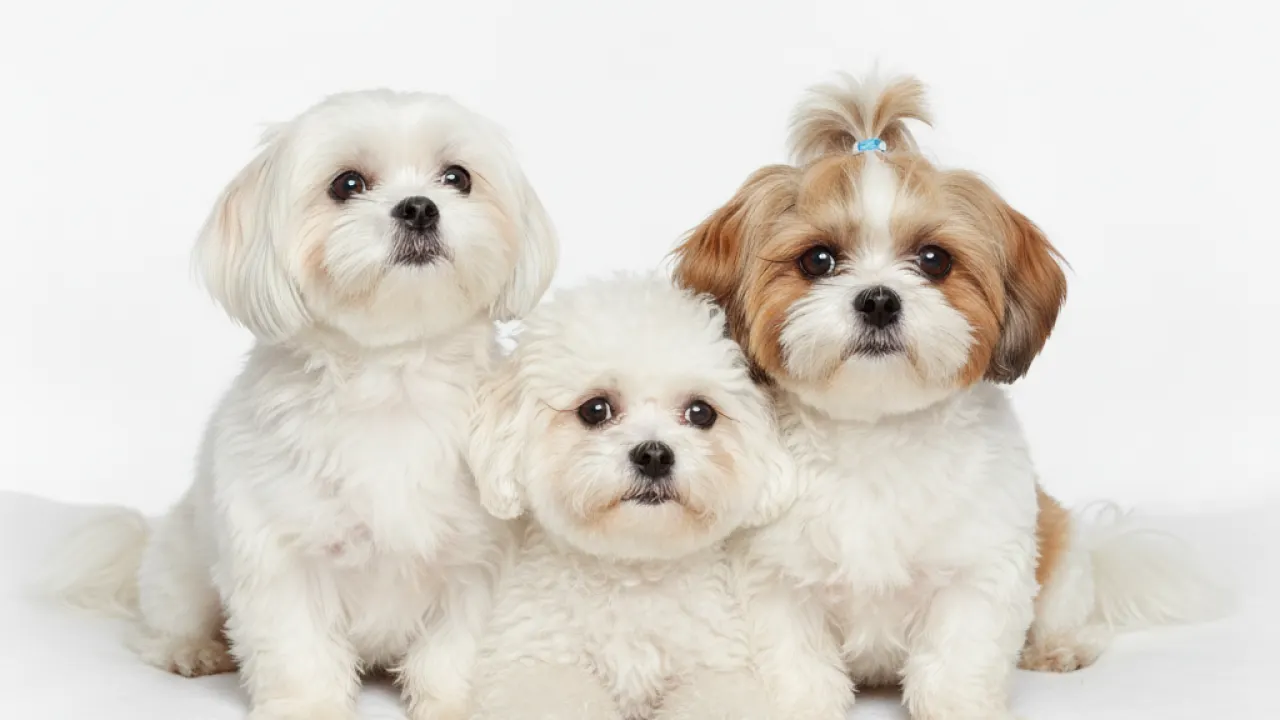
What Low Shedding Actually Means
No dog is completely shed-free. Every dog loses some hair. But some breeds have hair that grows continuously, like human hair, rather than fur that goes through a shedding cycle. These breeds lose much less hair around the house.
Low-shedding dogs are often called hypoallergenic, but that term is misleading. Dog allergies are usually triggered by proteins in saliva and dander, not just the hair itself. Low-shedding dogs tend to spread less dander around the home, which can help allergy sufferers, but results vary from person to person.
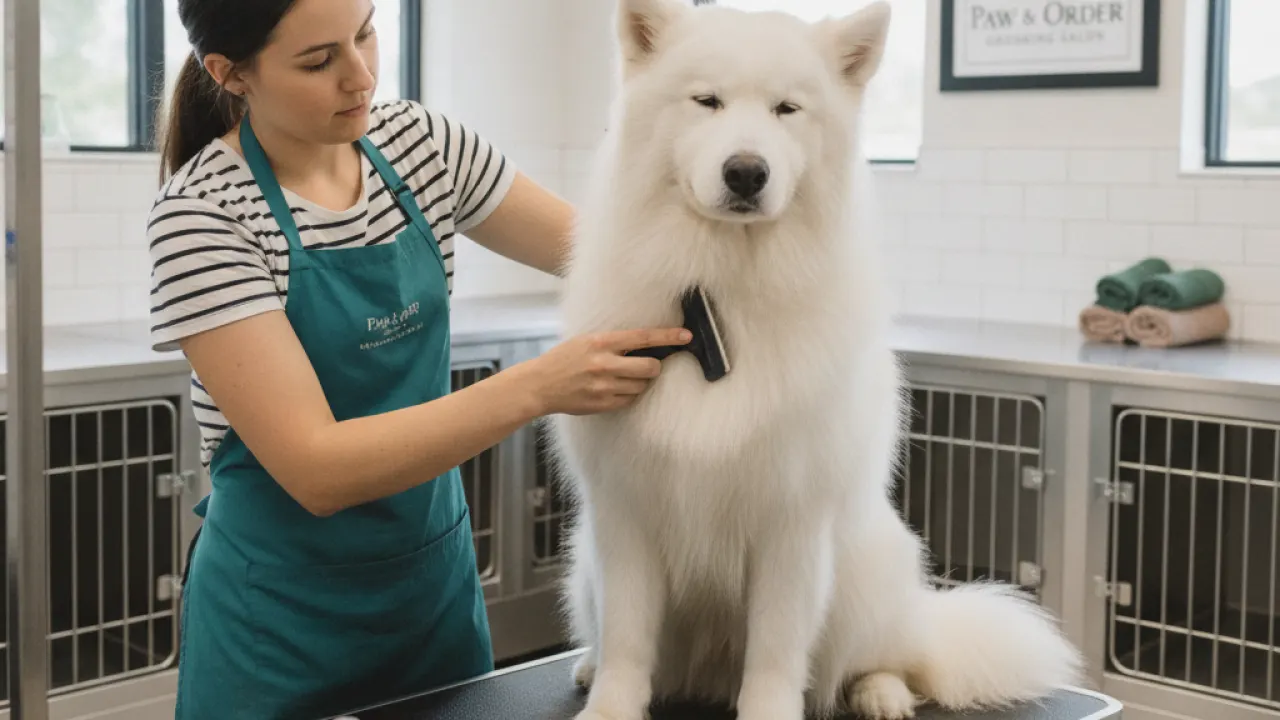
The trade-off with low-shedding breeds is grooming. Because their hair keeps growing, it needs regular trimming and brushing. Without it, the coat mats badly. Plan for a professional groom every 6 to 8 weeks for most of these breeds.
The Best Small Low-Shedding Breeds
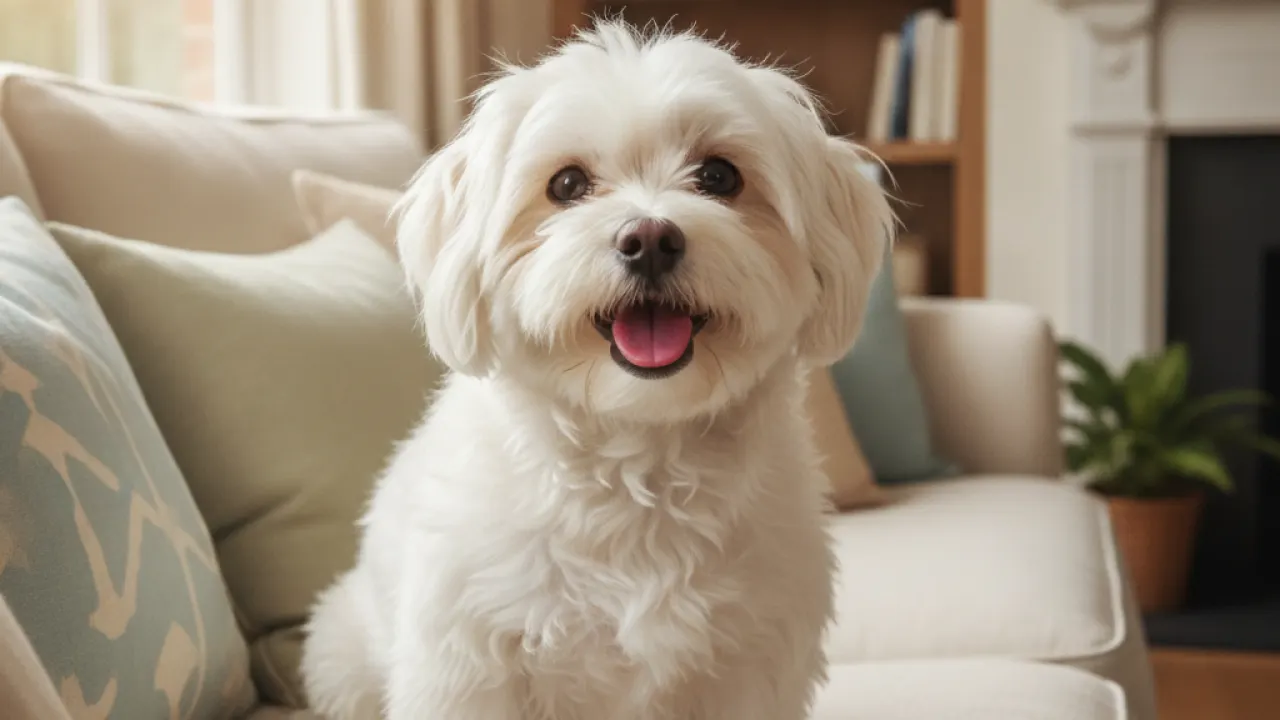
Maltese
The Maltese is one of the most well-known low-shedding small dogs. They have a long, silky white coat that sheds very little but needs brushing several times a week to stay tangle-free. They weigh around 2 to 3 kilograms and live for 12 to 15 years.
Temperament: gentle, affectionate, and loves human company. They do not do well alone for long periods. Good for apartments and for people who are home often. Not ideal for rough play with young children, as they are small and delicate.
Shih Tzu
Shih Tzus have a double coat that grows long and flowing but sheds far less than many other breeds. They are small, usually 4 to 7 kilograms, and sturdy enough for families with children. Their flat face means they can overheat in hot weather, so they need to be kept cool in summer.
Temperament: friendly, outgoing, and calm. They love people and are usually good with other pets. They are happy in apartments as long as they get a short walk each day. Regular grooming is a must, especially around the eyes.
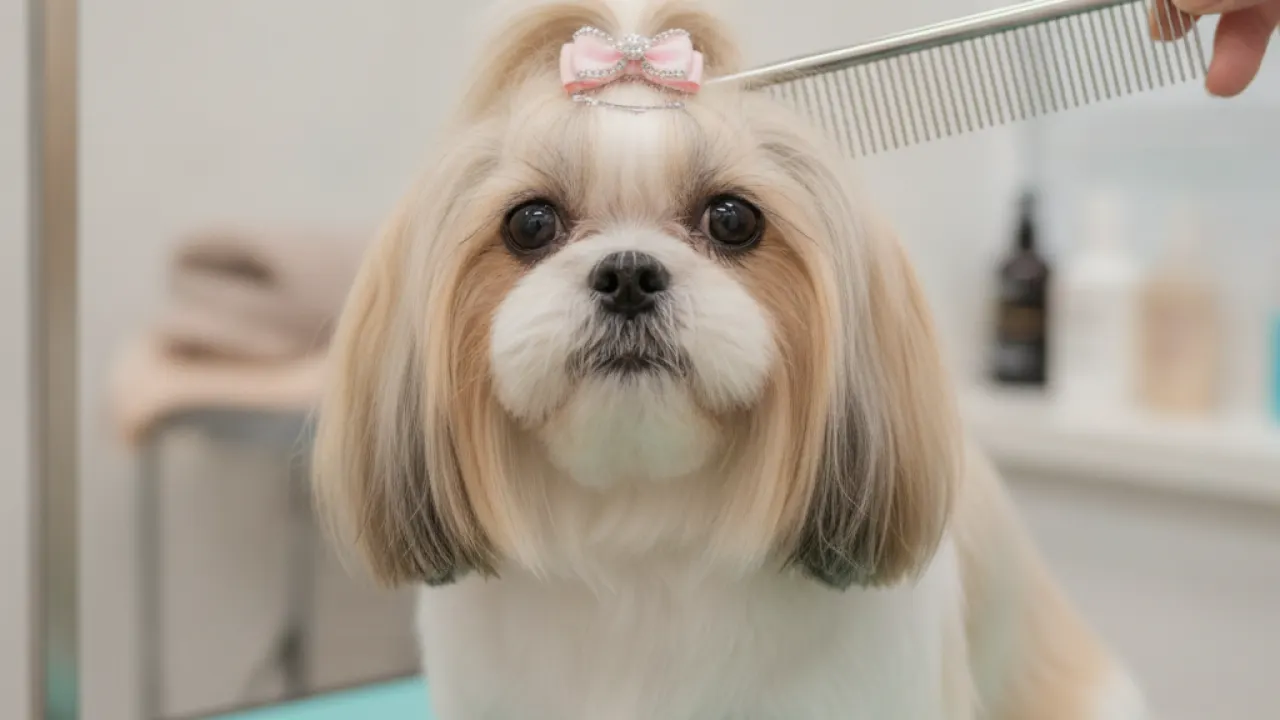
Bichon Frise
The Bichon Frise has a curly, dense coat that traps loose hairs rather than letting them fall on your floor. They weigh around 5 to 8 kilograms and are known for being cheerful and lively. They need professional grooming every 6 to 8 weeks to keep the coat from matting. If you are looking to expand your knowledge, reading our complete guide to the best family dogs provides useful background context. If you are looking to expand your knowledge, reading our complete guide to the best family dogs provides valuable background context.
Temperament: playful, energetic, and social. They get on well with children and other dogs. They can develop separation anxiety if left alone too much. A good breed for active households that spend a lot of time at home.
Miniature Schnauzer
Miniature Schnauzers have a wiry double coat that sheds minimally. They weigh 5 to 8 kilograms and are one of the more strong small breeds. They were bred as working dogs, so they are smart and need mental stimulation. Without it, they can get destructive or loud.
Temperament: alert, loyal, and sometimes stubborn. They make good watchdogs and are devoted to their families. They can be reserved with strangers but warm up with time. They need regular walks and some form of training or activity to stay happy.
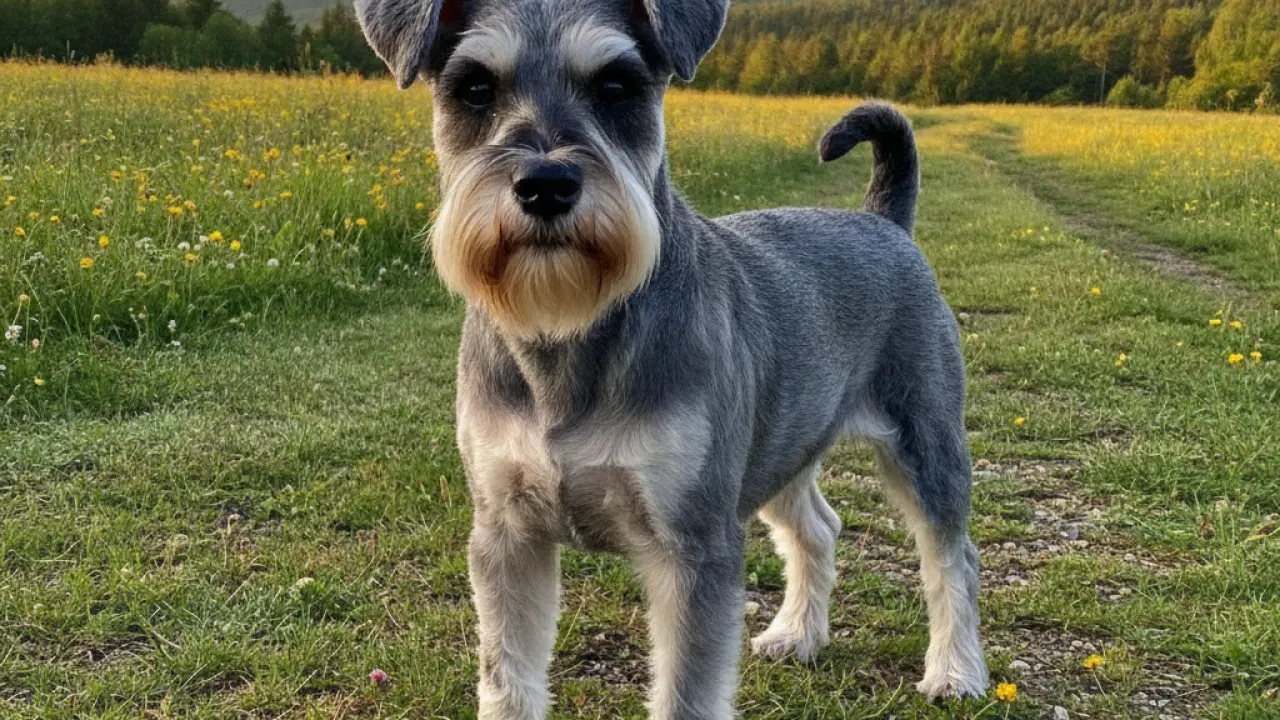
Poodle (Toy or Miniature)
Poodles are widely considered one of the best low-shedding breeds. Their curly coat does not shed much at all. Toy Poodles weigh under 4 kilograms; Miniature Poodles weigh 4 to 7 kilograms. Both are highly intelligent and easy to train.
Temperament: smart, eager to please, and highly trainable. They do well in various home environments and are usually good with children and other pets. Their coats need regular professional grooming to prevent matting. One of the most popular breeds for people with dog allergies.
Yorkshire Terrier
Yorkies have a fine, silky coat more like human hair than dog fur, which means they shed very little. They are tiny, usually under 3 kilograms, and full of personality. Their coat grows continuously, so it needs regular trimming. Many owners keep the coat clipped short for easier care.
Temperament: bold, curious, and sometimes bossy for their size. They are loyal to their owners but can be suspicious of strangers and other dogs. They need socializing early to prevent aggression. Not always ideal for households with very young children due to their small size.
Havanese
The Havanese has a long, silky coat that sheds minimally. They weigh 3 to 6 kilograms and are one of the more sociable small breeds. They were bred to be companion dogs and are happiest with people around them most of the day.
Temperament: friendly, adaptable, and affectionate. They get on well with children, other dogs, and even cats. They are easy to train and respond well to positive reinforcement. A good fit for first-time dog owners. Their coat can be kept long or clipped short for easier maintenance.
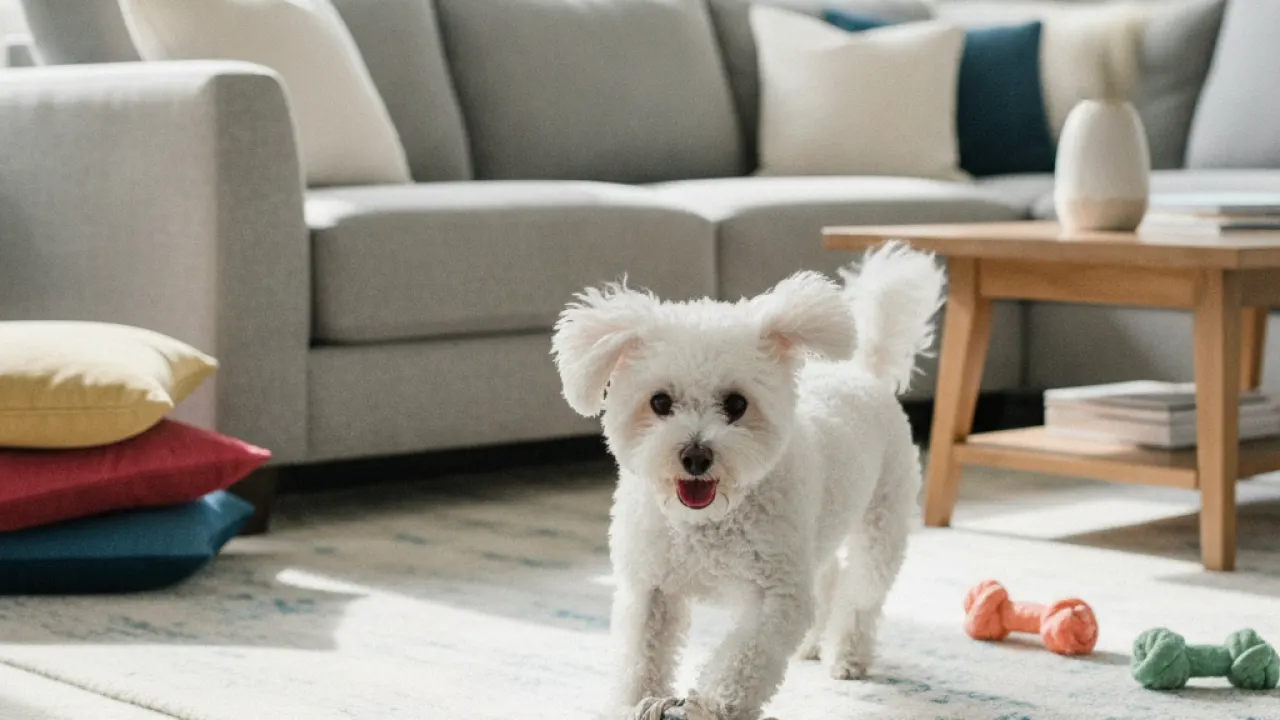
Scottish Terrier
Scotties have a wiry top coat and soft undercoat. They shed less than many breeds but do need regular stripping or clipping to maintain the coat. They weigh 8 to 10 kilograms, making them slightly larger than some on this list, but still compact. Similar principles apply when reviewing practical advice on how to train your dog at home, where preparation and research make a noticeable difference. Similar principles apply when reviewing practical advice on how to train your dog at home, where preparation and research make a noticeable difference.
Temperament: independent, spirited, and loyal. They are not as cuddly as some small breeds but are devoted to their owners. They can be stubborn during training, so consistency matters. They enjoy walks and have good energy for their size.
Grooming Reality Check
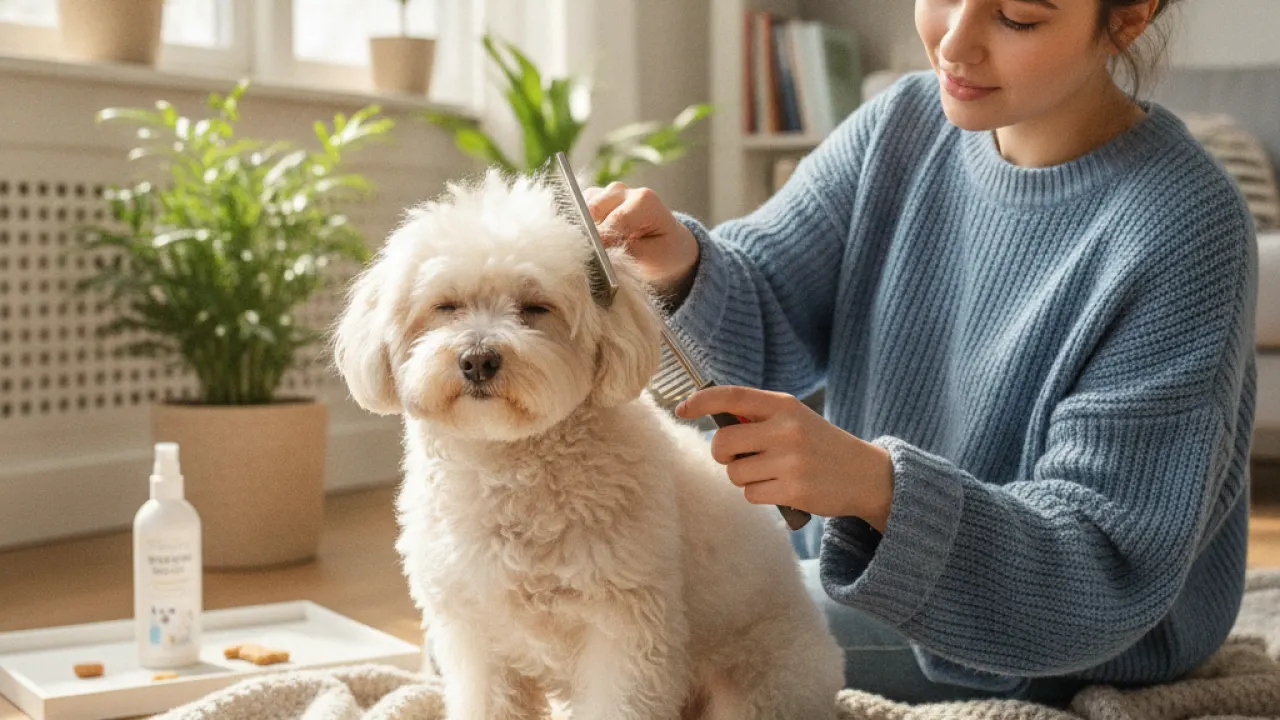
It is worth being honest about grooming. Low-shedding breeds are not low-maintenance breeds. The hair that does not fall on your floor still needs to be managed on the dog.
Most low-shedding small breeds need:
- Brushing – at least two to three times per week to prevent mats and tangles
- Professional grooming – every 6 to 8 weeks, which typically costs 40 to 80 pounds or dollars depending on the breed and location
- Eye and ear cleaning – many small breeds are prone to tear staining and ear issues
- Nail trimming – every 3 to 4 weeks; small dogs often need this more than large ones
- Dental care – small breeds are prone to dental problems; brush teeth regularly
- Bath – every 3 to 4 weeks for most low-shedding breeds
The time you save on vacuuming gets spent on brushing and grooming appointments. Keep that in mind before choosing based on shedding alone.
How to Choose the Right Breed for Your Home
Shedding level should not be the only factor. Think about:
- Energy level – some low-shedding breeds like the Miniature Schnauzer are quite active; others like the Maltese are calm
- Time alone – most small breeds do not like being left alone for long; some handle it better than others
- Children and other pets – breeds vary a lot in their tolerance; Bichon Frises and Poodles tend to be excellent with both
- First-time owners – Havanese and Poodles are among the easiest to train; Schnauzers and Yorkies can be more challenging
- Space – all the breeds on this list do well in apartments, but they still need daily exercise
- Grooming budget – professional grooming costs add up; factor it into your monthly costs
- Health history – flat-faced breeds like the Shih Tzu can have breathing issues; research breed-specific health concerns before committing
Where to Get a Low-Shedding Small Dog
Reputable breeders are one option. Look for breeders who health-test their dogs, show you where the puppies are raised, and let you meet the parents. Avoid any breeder who will not let you visit in person or who has multiple breeds always available.
Rescue is another route. Many breed-specific rescues exist for Shih Tzus, Maltese, Poodles, and others. Adult dogs from rescue often already know basic commands and house rules. You also get a clearer picture of the dog’s actual temperament.
Avoid pet shops. Most source dogs from commercial breeders with poor conditions. The cost savings are not worth the health and behavioral issues that often follow.
Quick Comparison of the Top Picks
Here is a summary of the breeds covered, so you can compare at a glance:
- Maltese – very low shedding, high grooming, calm and gentle, best for adults and quiet homes
- Shih Tzu – low shedding, high grooming, friendly and calm, good for families
- Bichon Frise – very low shedding, high grooming, playful and social, good for families and active owners
- Miniature Schnauzer – low shedding, moderate grooming, smart and active, needs stimulation and training
- Toy or Miniature Poodle – very low shedding, high grooming, highly trainable, good for allergy sufferers
- Yorkshire Terrier – very low shedding, moderate to high grooming, bold and loyal, better for older children or adults
- Havanese – low shedding, moderate grooming, friendly and easy to train, great for first-time owners
- Scottish Terrier – low shedding, moderate grooming, independent and loyal, suits experienced owners
Frequently Asked Questions
What is the
The small dog breeds that don’t shed is a structured approach designed to give clear, actionable steps that produce reliable results over time.
How do I start with the
Begin with the foundation steps, focus on consistency, and build intensity gradually as the plan progresses.
How long does the small dog breeds that don’t shed take to work?
Most people notice initial improvements within a few weeks, with more meaningful results appearing after 8 to 12 weeks of consistent effort.
Is the small dog breeds that don’t shed suitable for beginners?
Yes. The small dog breeds that don’t shed is designed to be accessible, with progressions and modifications that let anyone start at their current level.
What are the main mistakes to avoid with the
Common mistakes include skipping the foundation phase, expecting overnight results, and not tracking progress consistently.
Making the Final Decision
The breed that sheds least is not always the best fit. Think about how the dog will live with you day to day. Will you have time to brush them three times a week? Can you afford regular grooming appointments? Do you have the energy level that matches the breed?
A Poodle or Bichon Frise that suits your lifestyle will make a better pet than a Maltese that you picked purely for the shedding factor and find hard to care for properly. The small dog breeds that don’t shed works when you follow it consistently. For broader insights, exploring practical advice on how to choose the right dog breed for your family will give you actionable takeaways you can apply right away. For broader insights, exploring practical advice on how to choose the right dog breed for your family will give you actionable takeaways you can apply right away.
If possible, spend time with the breed before committing. Visit a breeder, volunteer at a rescue, or ask a friend with that breed if you can spend
Which of these small low-shedding breeds is catching your eye, and what is your main concern about choosing one? Leave a comment below and we can help narrow it down. This guide shows you how the small dog breeds that don’t shed fits real life.
bout choosing one? Leave a comment below and we can help narrow it down.For related reading, see our guides on Self Care Habits for Mental Health in 2026, Get Rich Quick UK 2026, Remote Work Tips That Actually Improve Your Focus, Businesses to Start in 2026 (That Actually Make Money), Start a Side Hustle in 2026.
Common questions about the small dog breeds that don’t shed
People often ask whether the small dog breeds that don’t shed works for complete beginners. It does, because every step can be adjusted to match your current level. Start where you are, not where you think you should be.
Another common question is how much time the small dog breeds that don’t shed takes each day. Most people spend between twenty and forty minutes on the core steps. That is enough to make progress without taking over your schedule.
Some readers wonder if they need expensive tools
Consistency is the factor that separates people who get results from people who stay stuck. Missing one day is fine. Missing three days in a row is where momentum breaks. Start with the basics of the small dog breeds that don’t shed and build from there.
actor that separates people who get results from people who stay stuck. Missing one day is fine. Missing three days in a row is where momentum breaks.Tracking progress is another habit that helps. Write down what you did, how it felt, and any small wins. Those notes become proof that the small dog breeds that don’t shed is working, especially on days when motivation is low.
Finally, remember that the small dog breeds that don’t shed