

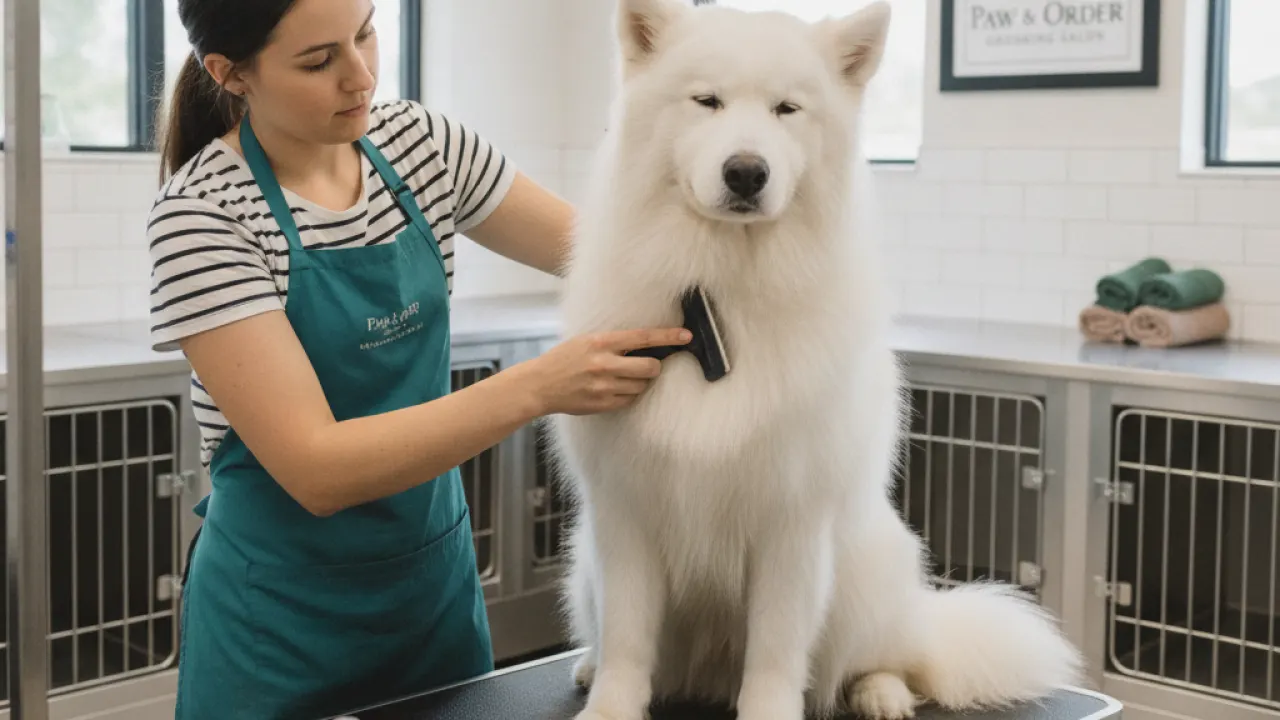
You don’t need to take your dog to a groomer every few weeks to keep them clean and comfortable. Many grooming tasks are easy to do at home, and your dog will likely feel calmer in a familiar place. This guide covers the basics so you can get started with confidence. If you’re new to dog ownership, choosing a breed that’s easy to care for can make routines like grooming much simpler. The dog grooming basics at home is the main focus of this guide.
Grooming isn’t just about looks. Regular brushing, bathing, nail trims, and ear cleaning all contribute to your dog’s health. Skipping these tasks can lead to matted fur, overgrown nails, skin infections, and ear problems that are painful and expensive to treat. This guide explains how the dog grooming basics at home works in practice.
Why Groom Your Dog at Home?
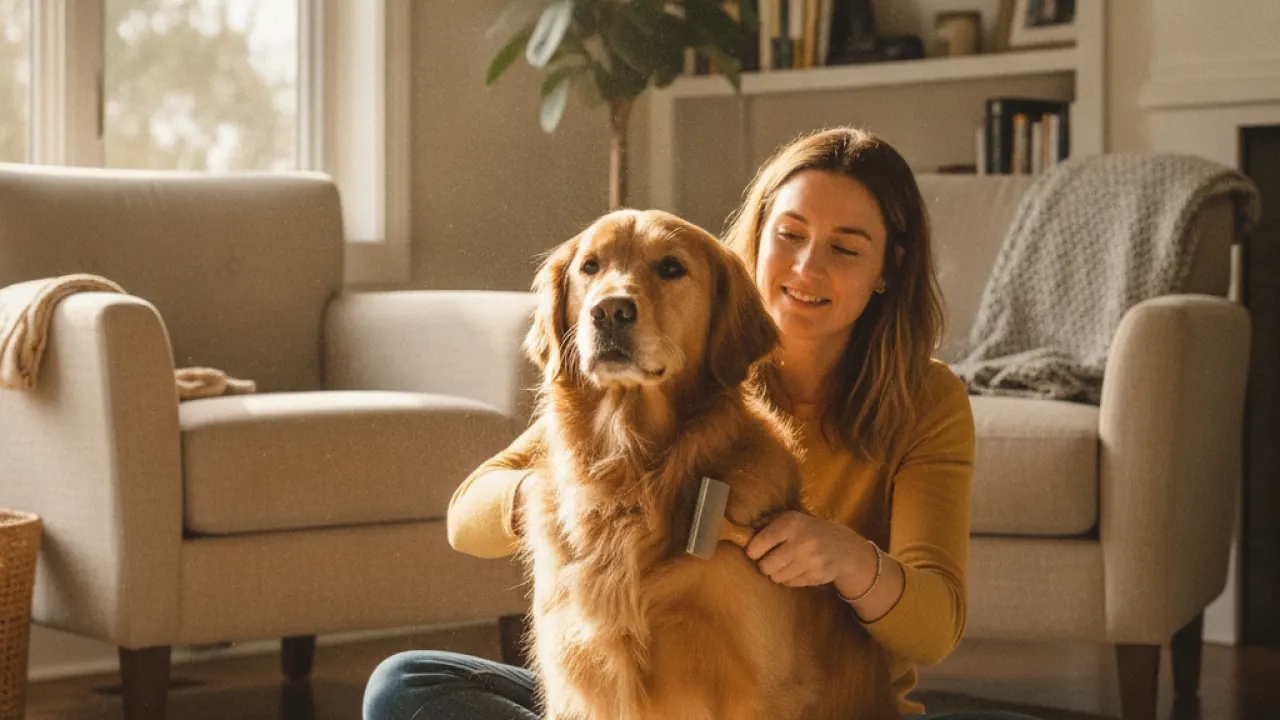
Professional grooming can cost anywhere from $40 to $100 or more per session, depending on the dog’s size and coat type. For many owners, that adds up quickly if done every 4 to 6 weeks. Doing basic grooming yourself cuts costs and lets you check on your dog’s condition regularly. Follow the dog grooming basics at home to get the best results.
Home grooming also builds trust. When your dog gets used to being handled, touched on their paws, ears, and face, they become calmer during vet visits and professional grooming appointments. It’s a habit that pays off in multiple ways. For more background, see Wikipedia reference. The dog grooming basics at home gives you a clear starting point.
You don’t have to do everything yourself. Professional groomers are still helpful for tasks like styling specific cuts or dealing with severe mats. But for everyday maintenance, home grooming works well for most dogs. Many people search for the dog grooming basics at home because they want a simple answer.
What You’ll Need to Get Started
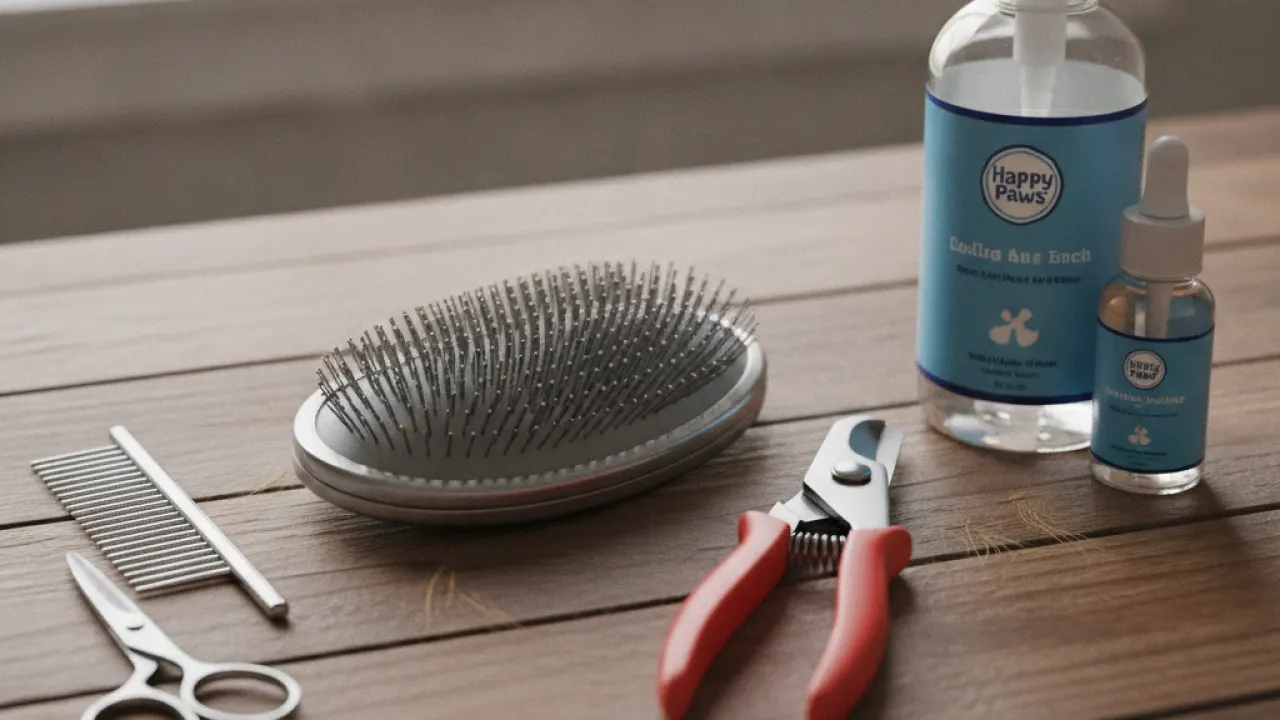
Before you begin, gather the right tools. Using the wrong brush or clippers can make the job harder and uncomfortable for your dog. Here’s a solid starter kit: Use the dog grooming basics at home as your reference point.
- Slicker brush for removing loose fur and light tangles
- Dematting comb for working through knots in longer coats
- Dog shampoo formulated for dogs, not people
- Nail clippers or grinder designed for dogs
- Ear cleaning solution made for dogs
- Cotton balls or gauze pads for ear cleaning
- Towels for drying after baths
- Styptic powder in case you nick the quick during nail trims
You’ll find most of these items at pet stores or online. Buy quality tools once rather than cheap ones that break or hurt your dog. The dog grooming basics at home covers everything you need to know.
Brushing Your Dog’s Coat
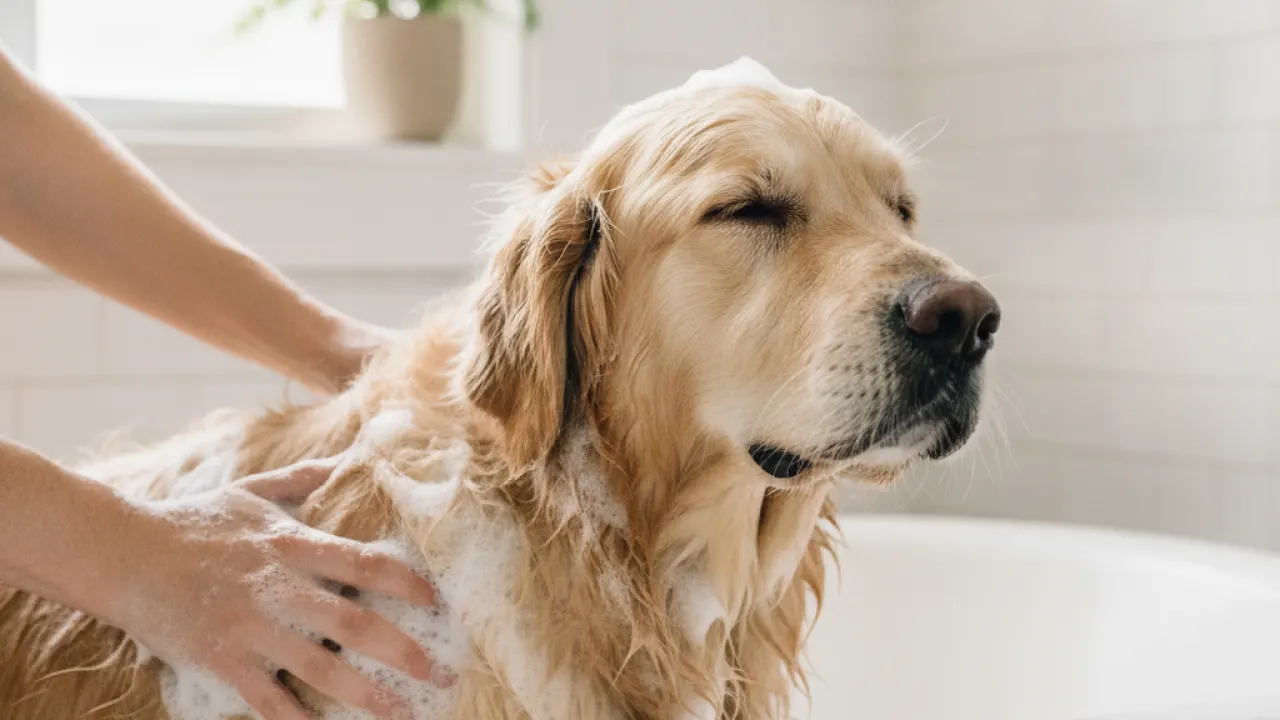
Brushing is the most frequent grooming task for most dogs. How often you need to do it depends on your dog’s coat type. Short-haired breeds like beagles or boxers can get by with once a week. Long-haired or double-coated breeds like German shepherds or golden retrievers may need brushing several times a week to prevent mats. Some breeds that are easy to train also tend to be calmer during grooming sessions, which makes the whole process easier.
How to Brush Different Coat Types
Short coats are the easiest to maintain. A rubber curry brush or a soft-bristle brush works well. Brush in the direction of hair growth to remove loose fur and stimulate the skin. This guide walks through the dog grooming basics at home step by step.
Medium and long coats need more attention. Start at the ends of the fur and work your way toward the skin to avoid pulling. A slicker brush works well for surface tangles. Follow up with a metal comb to check for any knots you missed. Pay extra attention to spots where mats form easily: behind the ears, under the armpits, and around the collar. The dog grooming basics at home helps you avoid common mistakes.
Double coats, common in breeds like huskies and corgis, have a dense undercoat beneath a longer topcoat. An undercoat rake or de-shedding tool helps remove the loose undercoat, especially during shedding season. Never shave a double-coated dog. Their coat protects them from both heat and cold. If you are looking to expand your knowledge, reading our complete guide to the best family dogs provides useful background context. If you are looking to expand your knowledge, reading our complete guide to the best family dogs provides valuable background context.
Tips for a Good Brushing Session
- Brush when your dog is calm, not right after play or exercise
- Keep sessions short at first, around 5 to 10 minutes, and build up from there
- Use treats to make brushing a positive experience
- Check the skin for any lumps, redness, or signs of fleas or ticks while you brush
- Clean your brush after each session to keep it working well
- Never yank through a mat. Use a detangler spray or work through it slowly with your fingers first
Bathing Your Dog at Home
Most dogs need a bath every 4 to 6 weeks. Dogs that spend a lot of time outdoors or have skin conditions may need more frequent baths. Over-bathing strips the coat of natural oils and can cause dry, itchy skin.
Use a shampoo made for dogs. Human shampoos have a different pH and can irritate dog skin. If your dog has a skin condition, your vet may recommend a medicated shampoo.
Step-by-Step: How to Bathe Your Dog
- Brush your dog before the bath to remove loose fur and work out any tangles. Wet mats are much harder to deal with.
- Place a rubber mat in the tub so your dog doesn’t slip. Fill the tub with a few inches of warm water first.
- Wet your dog thoroughly using a handheld sprayer or a cup. Avoid getting water directly in the ears.
- Apply shampoo starting at the neck and working toward the tail. Lather well, getting down to the skin.
- Rinse thoroughly. Leftover shampoo causes itching and skin irritation. Rinse until the water runs clear.
- Apply conditioner if your dog has a long or dry coat. Leave it on for a minute, then rinse.
- Towel dry as much as possible before letting your dog shake. Use a blow dryer on the lowest heat setting if your dog tolerates it, keeping it moving to avoid overheating the skin.
- Keep your dog indoors until fully dry, especially in cold weather.
Handling a Dog That Doesn’t Like Baths
Some dogs hate baths. If yours does, don’t force the whole process at once. Start by getting them comfortable standing in an empty tub. Then introduce water slowly over several sessions. Use high-value treats to reward calm behavior at each step.
Dogs that fight baths hard can be dangerous, both for you and for them. If your dog becomes aggressive or extremely stressed during bathing, talk to a vet or a trainer. It may be a sensory or anxiety issue that needs a different approach.
Trimming Your Dog’s Nails
Long nails cause real problems. They can crack, break, or grow into the paw pad. They also change how a dog walks, putting pressure on joints over time. Most dogs need their nails trimmed every 3 to 4 weeks. Before committing to a specific breed, it helps to think about which dog size and temperament fits your household, as that also affects grooming needs.
You’ll know nails are too long when you can hear them clicking on the floor. Some dogs wear their nails down naturally from walking on pavement, but most need regular trimming.
How to Trim Dog Nails Safely
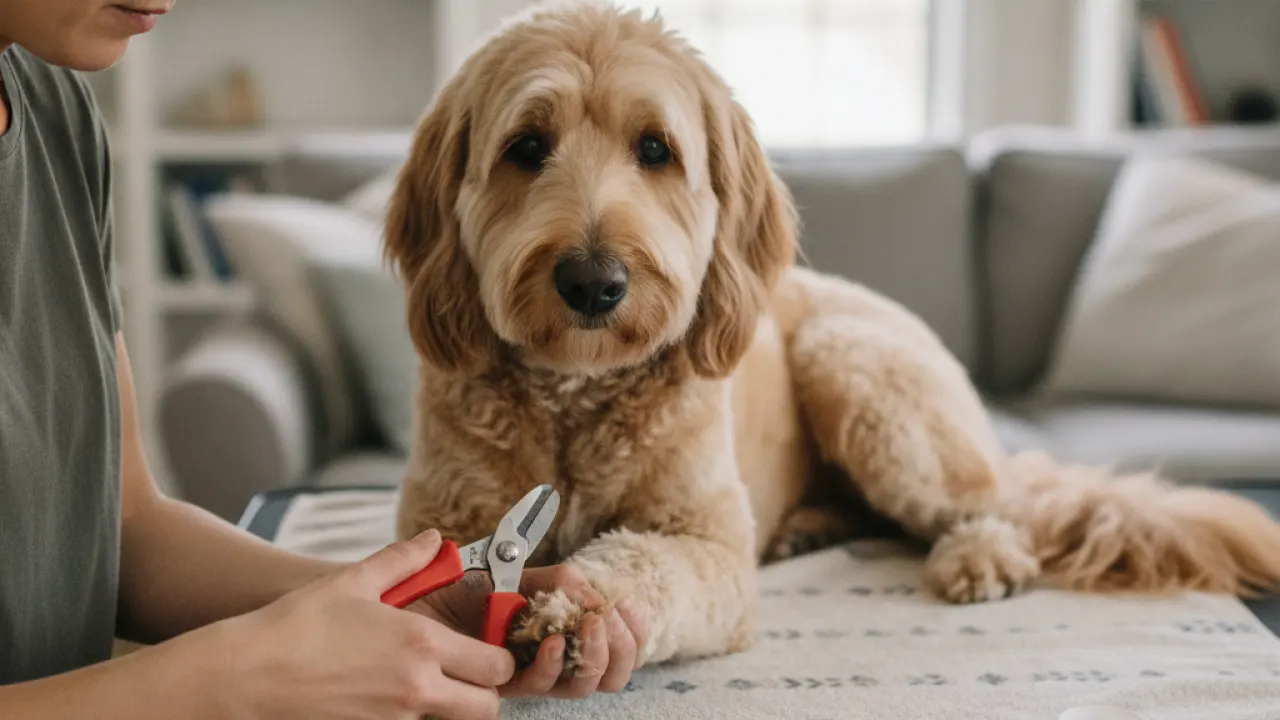
The biggest concern for most owners is cutting the quick, the blood vessel inside the nail. On dogs with light-colored nails, you can see it as a pink area. On dark nails, it’s harder to see, so you trim small amounts at a time.
Here’s how to do it:
- Position your dog on a stable surface or the floor where they feel comfortable
- Hold the paw firmly but gently, pressing the pad to extend the nail
- Cut at a slight angle, taking off just a small amount at the tip
- Look at the cut surface after each snip. On dark nails, stop when you see a small gray or pink circle in the center
- Use a grinder as an alternative if your dog is nervous about the clippers. Grinders are louder but give you more control
- Reward after each nail, not just after all four paws
If you cut the quick and the nail bleeds, press styptic powder onto the nail tip and hold it there for about 30 seconds. It stings briefly but stops the bleeding fast. Don’t panic. It happens to experienced groomers too.
Getting Your Dog Used to Nail Trims
Many dogs hate having their paws touched. Start young if possible, but it’s never too late to work on this. Touch your dog’s paws regularly, between the toes, on the nails, and press the pads. Do this often, with treats, so your dog connects paw handling with good things. Once they’re comfortable with that, introduce the clippers without using them. Let your dog sniff them, touch them to the paw, and eventually make a trim.
Cleaning Your Dog’s Ears
Ear infections are one of the most common reasons dogs visit the vet. Regular ear cleaning helps prevent them, especially in dogs with floppy ears or dogs that swim a lot. These breeds include cocker spaniels, basset hounds, and Labrador retrievers.
Not all dogs need frequent ear cleaning. Dogs with upright ears and minimal ear hair often have naturally clean ears. Check weekly and clean only when needed.
Signs Your Dog’s Ears Need Attention
Look for these warning signs:
- Dark brown or black discharge inside the ear
- Strong smell coming from the ear
- Your dog scratching at their ear or shaking their head often
- Redness or swelling inside the ear canal
- Your dog wincing when you touch the ear
If you see any of these signs, don’t just clean the ear and hope for the best. See a vet. An active infection needs treatment, not just cleaning. Cleaning an infected ear can make things worse.
How to Clean Dog Ears at Home
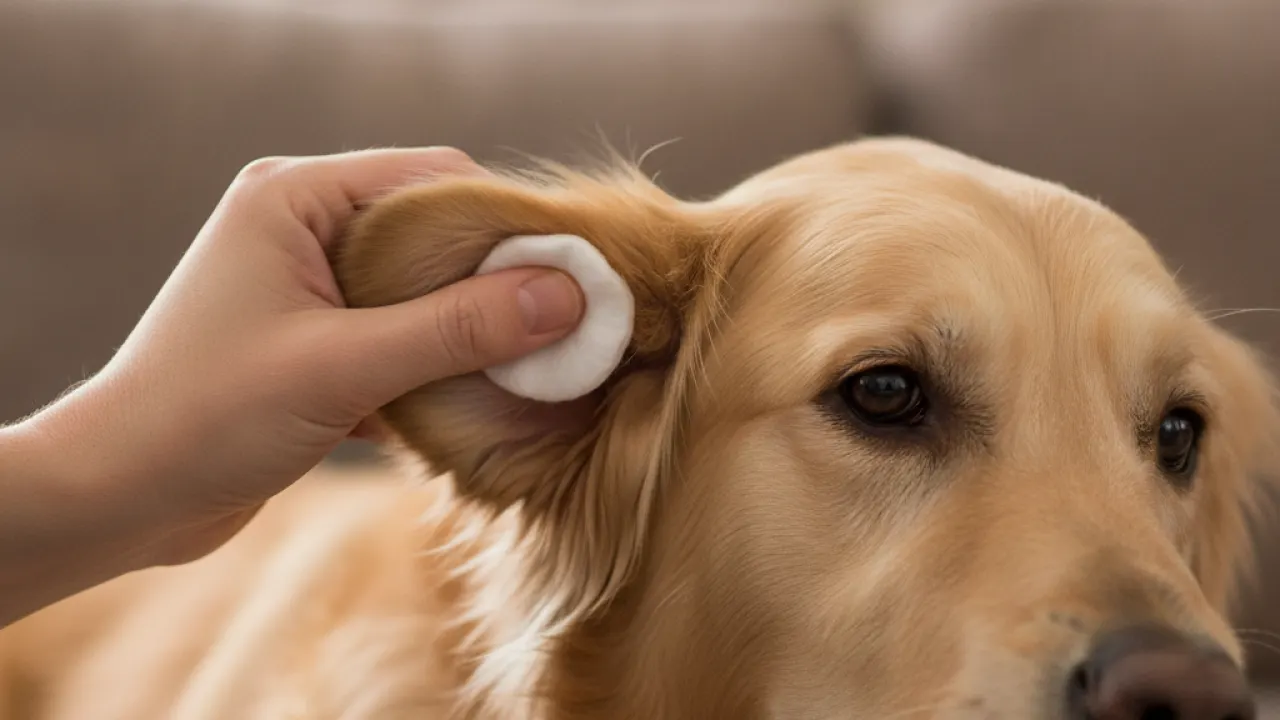
Use a dog ear cleaning solution, not hydrogen peroxide or alcohol. Those can irritate sensitive ear tissue.
- Squeeze a small amount of ear cleaner into the ear canal.
- Massage the base of the ear for about 30 seconds. You’ll hear a squishing sound.
- Let your dog shake their head. This brings debris up from the canal.
- Use a cotton ball or gauze to wipe out the visible part of the ear. Never push cotton swabs deep into the canal.
- Repeat on the other ear.
Monthly cleaning is enough for most dogs. For breeds prone to ear issues, every two weeks may be better. Ask your vet what frequency makes sense for your dog. Similar principles apply when reviewing practical advice on how to train your dog at home, where preparation and research make a noticeable difference. Similar principles apply when reviewing practical advice on how to train your dog at home, where preparation and research make a noticeable difference.
Other Grooming Tasks to Know
Teeth Brushing
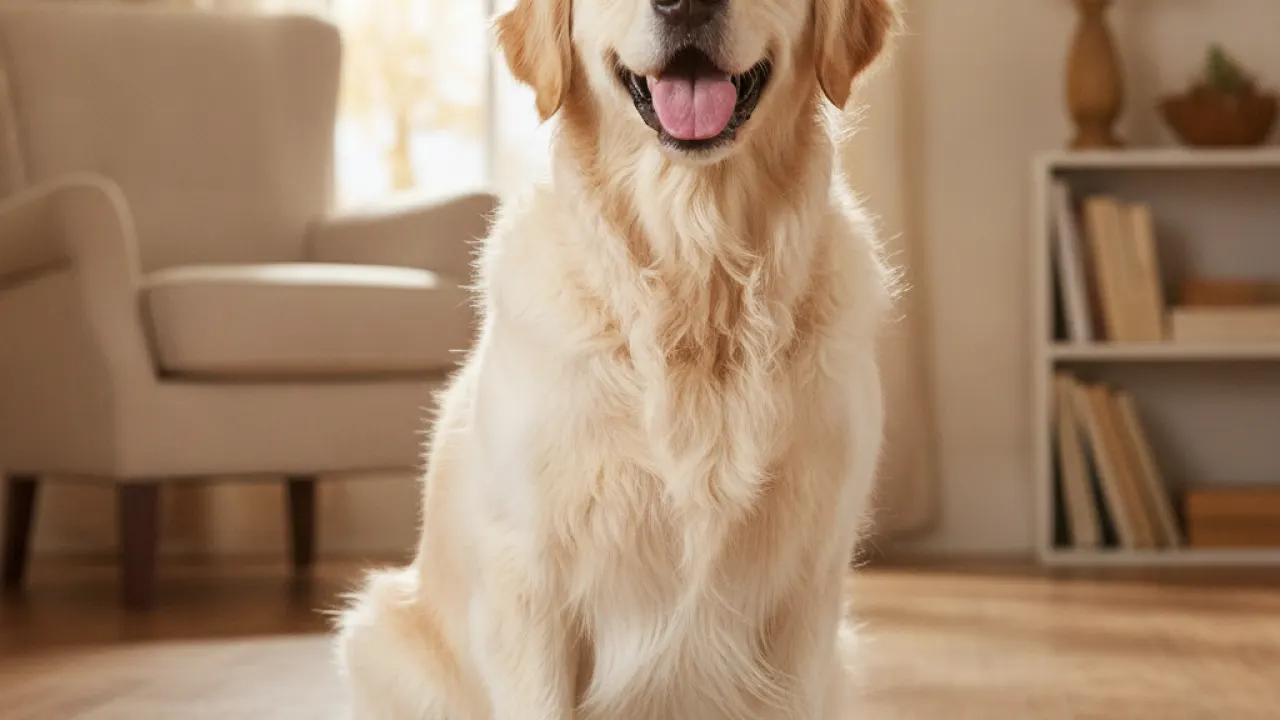
Dental disease is very common in dogs. Brushing your dog’s teeth a few times a week helps prevent tartar buildup and gum disease. Use a toothbrush and toothpaste made for dogs. Human toothpaste contains fluoride and xylitol, which are toxic to dogs.
Start slowly. Let your dog taste the toothpaste first. Then work a finger brush around the outside of the teeth. Gradually move to a full toothbrush. Most dogs don’t love it, but they can learn to tolerate it with patience.
Wiping Eyes and Face Folds
Some breeds get discharge in the corners of their eyes. Wipe gently with a damp cloth or eye wipe made for dogs. Don’t let discharge build up. It can cause staining and skin irritation under the eye.
Dogs with facial folds, like pugs, bulldogs, and French bulldogs, need those folds wiped out regularly. Skin folds trap moisture and debris, which leads to infection and odor. Use a dry cloth or a wipe to clean between folds, then dry the area thoroughly.
Paw Care
Check your dog’s paws after outdoor walks, especially in hot weather, winter, or after hikes. Look for cuts, cracks, or anything stuck between the toes. Dog paw balm can help with dry or cracked pads. In winter, rinse paws after walks to remove road salt, which can be irritating and toxic if licked.
Some dogs also grow fur between their paw pads that can mat or collect debris. Small, blunt-nosed scissors or a trimmer can keep this under control.
Building a Grooming Routine
The best grooming routine is one you’ll actually stick to. Start with the tasks your dog needs most and add others gradually. Here’s a simple schedule to consider:
- Daily (or near-daily): Quick brush for long-coated breeds, check eyes and face folds
- Weekly: Brush for short-coated breeds, check and wipe ears if needed, check paws
- Every 2 to 4 weeks: Nail trim, full bath
- 2 to 3 times per week: Teeth brushing
- Monthly: Ear cleaning for dogs without chronic ear issues
- As needed: Paw balm, eye wipes, trimming facial fur or paw fur
Write it down or set reminders if it helps. Grooming is easier to keep up with when it becomes routine rather than something you do only when things get out of hand. The dog grooming basics at home works when you follow it consistently.
Making Grooming Positive for Your Dog
Your dog’s attitude toward grooming comes from their experience with it. Start every session with something positive: a treat, a calm voice, a short play session. Keep sessions short and end on a good note, before your dog gets frustrated or restless.
If your dog is particularly anxious about a specific task, break it into smaller steps. You don’t have to do all four paws in one sitting. Two paws today, t
Some dogs do better with one handler and some distraction, like licking peanut butter from a lick mat while you work. Find what helps your dog stay calm and use it. This guide shows you how the dog grooming basics a
Home grooming covers a lot, but there are times when a professional groomer or vet is the right call: Start with the basics of the dog grooming basics at home and build from there.
to See a Professional GroomerHome grooming covers a lot, but there are times when a professional groomer or vet is the right call:
- Your dog’s coat has severe mats that can’t be brushed out
- Your dog becomes aggressive or extremely distressed during any grooming task
- You notice skin changes, lumps, redness, or wounds while grooming
- Your dog needs a breed-specific haircut or trim that requires specialized skills
- Ear discharge looks abnormal or your dog seems to be in pain
- Nails are severely overgrown and may need to be managed by a vet
- You notice parasites like fleas or ticks that need treatment
If you’re still deciding on a dog, some medium-sized breeds are known for being lower-maintenance when it comes to coat care. Groomers are also a good resource for advice on tools and techniques for your dog’s specific coat type. A short consultation with a groomer or vet can answer questions that save you a lot of trial and error at home.
Frequently Asked Questions
What is the
The dog grooming basics at home is a structured approach designed to give clear, actionable steps that produce reliable results over time.
How do I start with the
Begin with the foundation steps, focus on consistency, and build intensity gradually as the plan progresses.
How long does the dog grooming basics at home take to work?
Most people notice initial improvements within a few weeks, with more meaningful results appearing after 8 to 12 weeks of consistent effort.
Is the dog grooming basics at home suitable for beginners?
Yes. The dog grooming basics at home is designed to be accessible, with progressions and modifications that let anyone start at their current level.
What are the main mistakes to avoid with the
Common mistakes include skipping the foundation phase, expecting overnight results, and not tracking progress consistently.
Getting Started Today
You don’t need to overhaul everything at once. Pick one grooming task this week and work on it. If your dog’s nails are long, start there. If their coat is tangled, get a good brush and spend 10 minutes on it today. Small, consistent steps build into a real routine over time.
Grooming is one of the most practical things you can do for
What’s the one grooming task your dog gives you the most trouble with, and have you found anything that helps? The dog grooming basics at home removes common barriers that stop people from starting. For broader insights, exploring practical advice on how to choose the right dog breed for your family will give you actionable takeaways you can apply right away. For broader insights, exploring practical advice on how to choose the right dog breed for your family will give you actionable takeaways you can apply right away.
lth problems early. Once you and your dog get used to it, it becomes a normal part of life together.What’s the one grooming task your dog gives you the most trouble with, and have you found anything that helps?
Follow the dog grooming basics at home for the full period to see real results.
The dog grooming basics at home scales as you get more experienced.
Sticking to the dog grooming basics at home matters more than any single step.
The dog grooming basics at home gives you a clear structure every week.
Use the dog grooming basics at home as your base and adjust it to your level.
Many people find the dog grooming basics at home easier to follow than complex alternatives.
Results from the dog grooming basics at home come from repetition, not perfection.
Keep the dog grooming basics at home simple and focus on showing up consistently.
The dog grooming basics at home works when you follow it consistently.
This guide shows you how the dog grooming basics at home fits real life.
Start with the basics of the dog grooming basics at home and build from there. Many readers who study this area also benefit from our complete guide to the best dogs for first-time owners to ensure all key factors are covered. Many readers who study this area also benefit from our complete guide to the best dogs for first-time owners to ensure all key factors are covered.
The dog grooming basics at home removes common barriers that stop people from starting.
Follow the dog grooming basics at home for the full period to see real results.
The dog grooming basics at home scales as you get more experienced.
Sticking to the dog grooming basics at home matters more than any single step.
The dog grooming basics at home gives you a clear structure every week.
Use the dog grooming basics at home as your base and adjust it to your level.
Many people find the dog grooming basics at home easier to follow than complex alternatives.
Results from the dog grooming basics at home come from repetition, not perfection.
Keep the dog grooming basics at home simple and focus on showing up consistently.
The dog grooming basics at home works when you follow it consistently.
This guide shows you how the dog grooming basics at home fits real life.
Start with the basics of the dog grooming basics at home and build from there.
What are your thoughts on dog grooming basics every owner should know? Have you tried any of these steps, or do you have tips of your own to share? Leave a comment below and share this guide with friends or colleagues who might find it helpful.