

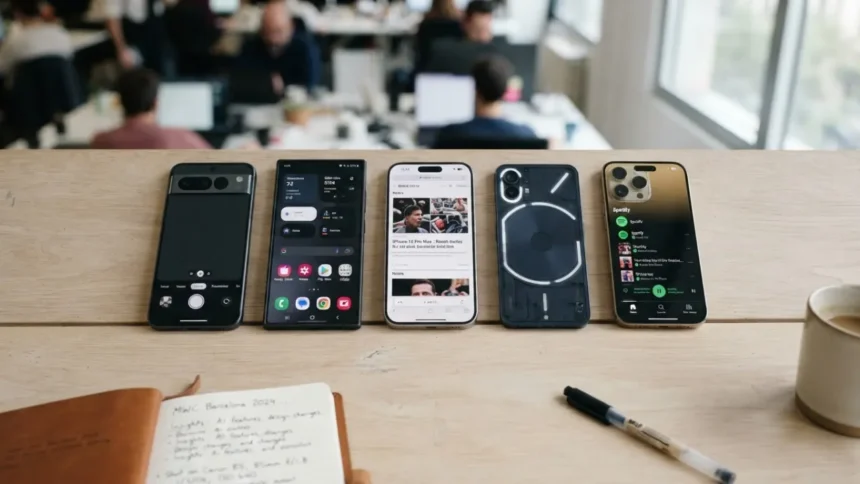
The best smartphones to buy in 2026 don’t follow the rules they used to. The upgrade cycle has slowed. Most flagship phones now last five or six years instead of two. AI features have replaced megapixel counts as the main marketing pitch. And the mid range phones have closed so much of the gap that paying $1,200 makes less sense than it used to. This guide walks through the honest picks at every budget, based on real daily use, not spec sheet bingo.
According to Statista’s smartphone market data, global smartphone shipments remain above one billion units annually, which means the mid range and budget segments are now the most competitive battlegrounds for manufacturers.
The best smartphones to buy in 2026 are not always the most expensive. The right choice depends on your ecosystem, your camera habits, and how long you plan to keep the device. This guide answers those questions directly and gives you a clear shortlist of the best smartphones to buy in 2026.
What changed in the phone market – Best Smartphones To Buy In 2026
Three shifts shape the 2026 picks more than any single new feature.
The upgrade cycle is dead. Phones bought in 2021 still work fine for most people. Apple promises 7 years of iOS updates on new iPhones. Google promises 7 years on the Pixel. Samsung promises 7 years on the Galaxy S series. The phone you buy in 2026 should last until 2033, which means the decision matters more, but matters less often. For related advice, see our guide to how to improve mobile performance.
AI is the new differentiator. Cameras have plateaued. Screens have plateaued. Processors are faster than 99 percent of users need. What’s actually different between phones now is the AI layer – real time translation, photo editing, summarisation, voice assistants that work. Google leads here, Apple is catching up, Samsung is competitive.
Mid range phones got dangerously good. A $400 phone in 2026 does almost everything a $1,200 phone did three years ago. The flagship phones still win on cameras in low light, on display quality, and on premium feel – but for many users those wins don’t justify the price gap. For more on getting the most from AI tools, read our post on AI business solutions.
The best smartphones to buy in 2026 reward patience. A buyer who keeps a phone for five years gets far more value than one who upgrades annually.
The premium pick: iPhone 17 Pro Max
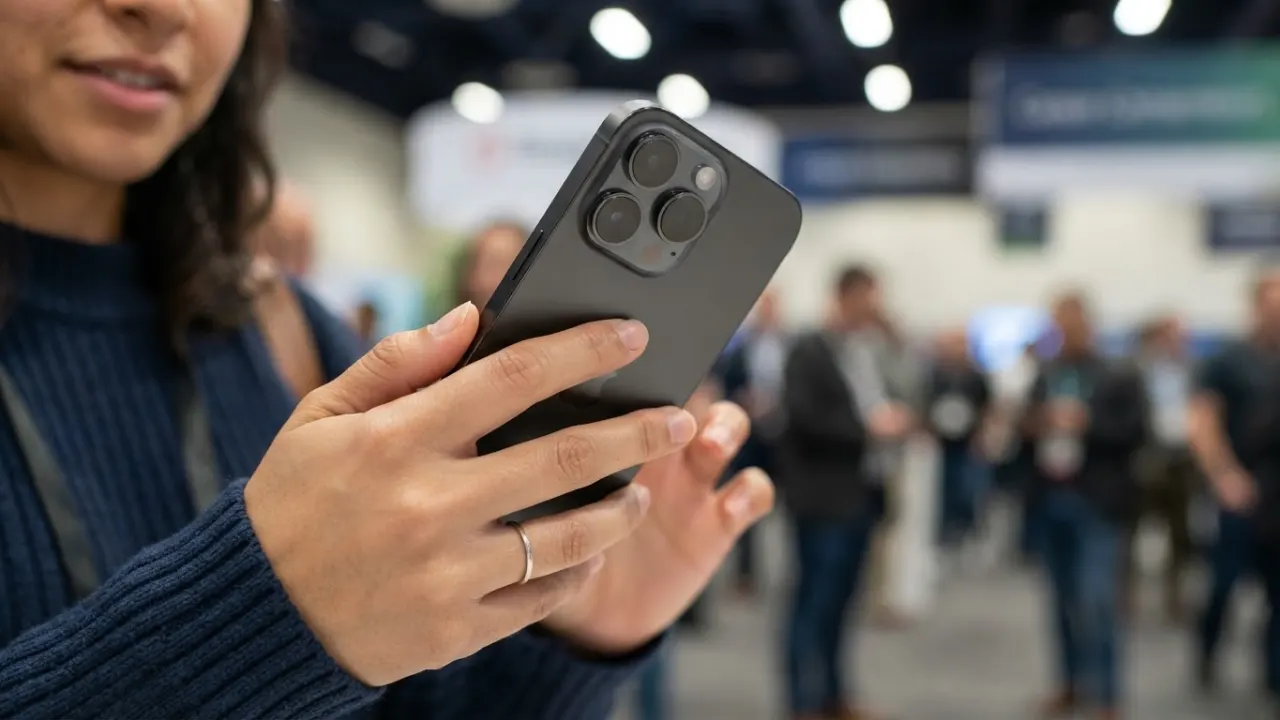
iPhone 17 Pro Max is the easy recommendation for buyers who want the no compromise flagship and don’t mind paying for it. The titanium frame is light. The display gets brighter outdoors than any competitor. Battery life finally hit a full two days on light use. The camera system handles low light and video better than any phone on the market.
What it does best. Video. Nothing else on the market touches iPhone for shooting video that goes straight to social or YouTube without colour grading. The new ProRes mode at 4K 60fps with ten bit HDR is genuinely cinema grade. Photo quality is comparable to Pixel and Samsung at
What it does worst. Customisation. iOS still doesn’t allow the kind of deep tweaks that Android users take for granted. The 256 GB minimum starts feels small for a phone in this price bracket. The 1 TB upgrade adds $400, which is highway robbery on flash storage that costs Apple maybe $30. Readers
Who should buy it.
Anyone already deep in the Apple ecosystem – Mac, AirPods, Apple Watch, iPad – who treats the phone as the central hub. The integration with the rest of Apple’s products is the real reason to pay the premium.
Watch, iPad – who treats the phone as the central hub. The integration with the rest of Apple’s products is the real reason to pay the premium.Price. $1,199 for 256 GB, up to $1,799 for 1 TB. The iPhone 17 Pro Max sits at the top of the best smartphones to buy in 2026 for Apple users. If you are looking to expand your knowledge, reading detailed breakdown of improve mobile performance provides useful background context. If you are looking to expand your knowledge, reading detailed breakdown of improve mobile performance provides useful background context. If you are looking to expand your knowledge, reading detailed breakdown of improve mobile performance provides useful background context. If you are looking to expand your knowledge, reading detailed breakdown of improve mobile performance provides valuable background context.
The Android flagship: Samsung Galaxy S26 Ultra
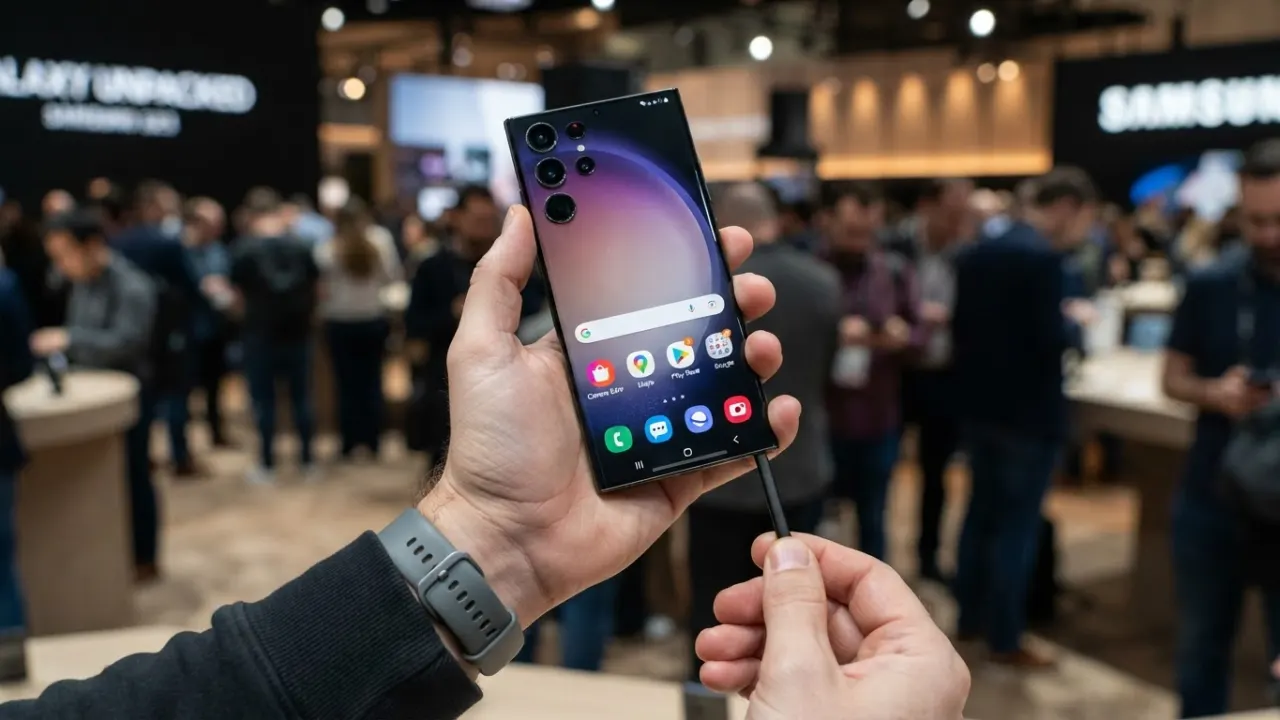
Galaxy S26 Ultra remains the only mainstream phone with an S Pen built into the chassis. That single feature decides the purchase for many buyers – note takers, illustrators, business users who actually use the stylus. Everyone else gets a phone with the best Android display on the market and the strongest productivity software stack.
What it does best. Multitasking. The big 6.9 inch display with full split screen, the desktop mode through Samsung DeX, and the seven year update commitment make this the closest thing to a laptop replacement in phone form. Galaxy AI features around translation and summarisation work well across messaging apps.
What it does worst. Software bloat. Samsung still ships duplicate apps with Google’s default
Who should buy it. Power users who actually want the S Pen, anyone in the Samsung ecosystem with a Galaxy Watch or Galaxy Buds, business users who want a tablet sized screen in a phone form factor.
up friction is real.Who should buy it. Power users who actually want the S Pen, anyone in the Samsung ecosystem with a Galaxy Watch or Galaxy Buds, business users who want a tablet sized screen in a phone form factor.
Price. $1,299 for 256 GB, up to $1,799 for 1 TB. The Galaxy S26 Ultra is the strongest Android entry among the best smartphones to buy in 2026.
The AI camera pick: Google Pixel 11 Pro
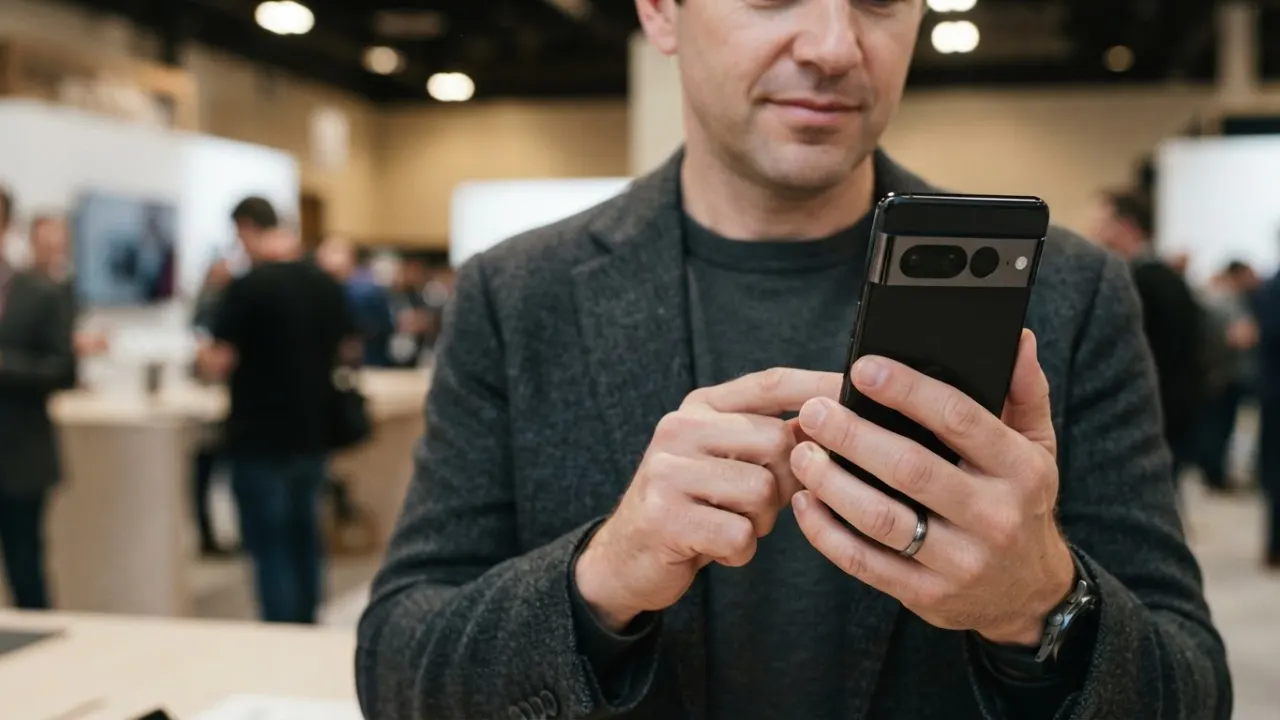
Google Pixel 11 Pro is the camera phone fo
What it does best. Computational photography. Magic Eraser, Best Take, Add Me, Night Sight, all work better than the equivalent features on competing phones. The default photo style is closer to what most people actually want – sharp, bright, slightly saturated. Underst
What it does worst. Battery life and signal strength have been weak points across multiple Pixel generations. The 11 Pro improved both, but they still trail iPhone and Samsung. The Tensor processor handles AI tasks well but lags on gaming and intensive workloads. If you
Who should buy it. Anyone who uses Google services heavily – Gmail, Calendar, Photos, Drive.
Anyone who shoots a lot of photos and doesn’t want to edit them afterward. Anyone who specifically wants the cleanest Android experience.
ife and signal strength have been weak points across multiple Pixel generations. The 11 Pro improved both, but they still trail iPhone and Samsung. The Tensor processor handles AI tasks well but lags on gaming and intensive workloads.Who should buy it. Anyone who uses Google services heavily – Gmail, Calendar, Photos, Drive. Anyone who shoots a lot of photos and doesn’t want to edit them afterward. Anyone who specifically wants the cleanest Android experience.
OnePlus 13 Pro is the under appreciated flagship of 2026. It costs $200 less than the iPhone and Samsung equivalents, has the fastest charging in the industry at 100 watts wired and 50 watts wireless, and runs OxygenOS which is widely considered the cleanest Android skin after stock Pixel. This is
What it does best. Charging. Twenty five minutes from empty to full is genuinely useful in a way that doesn’t sound exciting on paper. Plug it in during a shower and it’s full when you’re out. Performance is also excellent – the Snapdragon 8 Elite chip handles everything thrown at it. Readers
What it does worst. Camera.
Hasselblad branding and good marketing aside, the camera is a half step behind iPhone, Samsung, and Pixel in low light and computational features. For pure picture quality in daylight it competes, but the phone isn’t winning camera comparison shootouts. The pra
Who should buy it. Anyone who wants a flagship feel at a $200 discount, anyone who hates being stuck near a charger, anyone who wants Android without Samsung’s bloat or Google’s middling battery life.
What it does best. Charging. Twenty five minutes from empty to full is genuinely useful in a way that doesn’t sound exciting on paper. Plug it in during a shower and it’s full when you’re out. Performance is also excellent – the Snapdragon 8 Elite chip handles everything thrown at it. Similar principles apply when reviewing detailed breakdown of free movie sites warning, where preparation and research make a noticeable difference. Similar principles apply when reviewing detailed breakdown of free movie sites warning, where preparation and research make a noticeable difference. Similar principles apply when reviewing detailed breakdown of free movie sites warning, where preparation and research make a noticeable difference. Similar principles apply when reviewing detailed breakdown of free movie sites warning, where preparation and research make a noticeable difference.
What it does worst. Camera. Hasselblad branding and good marketing aside, the camera is a half step behind iPhone, Samsung, and Pixel in low light and computational features. For pure picture quality in daylight it competes, but the phone isn’t winning camera comparison shootouts.
Who should buy it. Anyone who wants a flagship feel at a $200 discount, anyone who hates being stuck near a charger, anyone who wants Android without Samsung’s bloat or Google’s middling battery life.
Price. $899 for 256 GB, up to $1,299 for 1 TB. The OnePlus 13 Pro is the best value flagship among the best smartphones to buy in 2026.
The best mid range: Nothing Phone 3
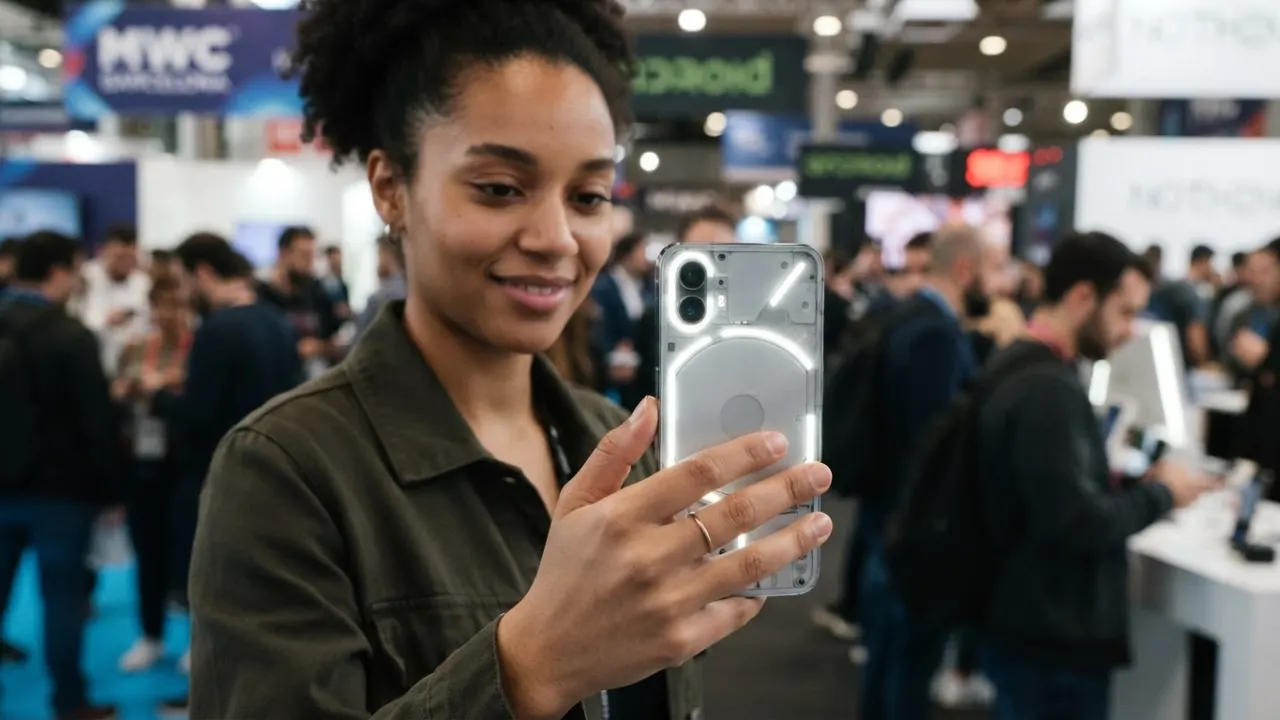
Nothing Phone 3 is the budget pick that doesn’t feel like a budget pick. The glyph interface on the back – LED strips that pulse with notifications and calls – is the most distinctive design language in modern phones. The software is clean Android with a unique visual style. The price stays under $500 for the base model.
What it does best. Design and software. The transparent back, the glyph LEDs, the dot matrix wallpapers, the consistent visual language – all combine to feel premium in a way that other $499 phones don’t. Battery life beats most flagships.
What it does worst. Camera in low light. The phone is fine in daylight but falls noticeably behind flagship phones once the sun goes down. Gaming performance is also a step below the Snapdragon 8 Elite phones.
Who should buy it. Anyone who can’t justify $1,000 plus on a phone, anyone who values design over the highest possible specs, anyone whose main phone use is messaging, social media, and casual photography rather than mobile gaming or low light photography.
Price. $499 for 256 GB. The Nothing Phone 3 is the standout mid range pick among the best smartphones to buy in 2026.
The honest budget pick: Google Pixel 11a
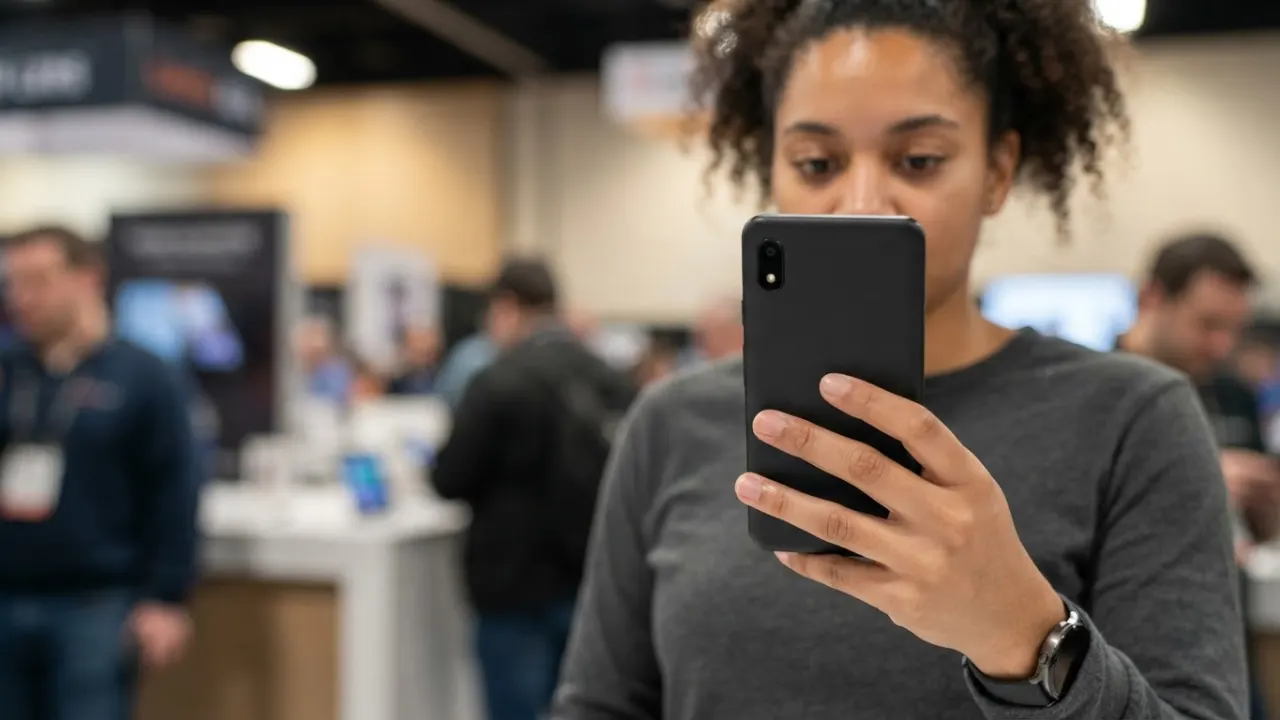
Pixel 11a is the cheapest phone on this list, at $499, and arguably the smartest buy for most people. It has the same image processing chain as the Pixel 11 Pro. It gets the same 7 years of updates. It runs the same software. The only real differences are the lower end processor, the plastic back, and a slightly worse display.
What it does best. Photos for the price. The Pixel 11a takes pictures that compare directly with phones costing twice as much. The AI features that make Pixel cameras special – Best Take, Magic Eraser, Night Sight – all work on the 11a.
What it does worst. Premium feel. The plastic back, while durable, feels cheaper. The display is fine but not the OLED brilliance of the flagship Pixels. Performance is solid but not impressive.
Who should buy it. Anyone on a tight budget who refuses to compromise on photo quality. Parents buying a kid’s first phone. Anyone replacing a broken phone where the goal is value rather than performance. For broader insights, exploring detailed breakdown of what are ai business solutions? a complete beginner’s guide will give you actionable takeaways you can apply right away. For broader insights, exploring detailed breakdown of what are ai business solutions? a complete beginner’s guide will give you actionable takeaways you can apply right away. For broader insights, exploring detailed breakdown of what are ai business solutions? a complete beginner’s guide will give you actionable takeaways you can apply right away. For broader insights, exploring detailed breakdown of what are ai business solutions? a complete beginner’s guide will give you actionable takeaways you can apply right away.
Price. $499 for 128 GB, $549 for 256 GB. The Pixel 11a is the best budget pick among the best smartphones to buy in 2026.
The phones to avoid in 2026
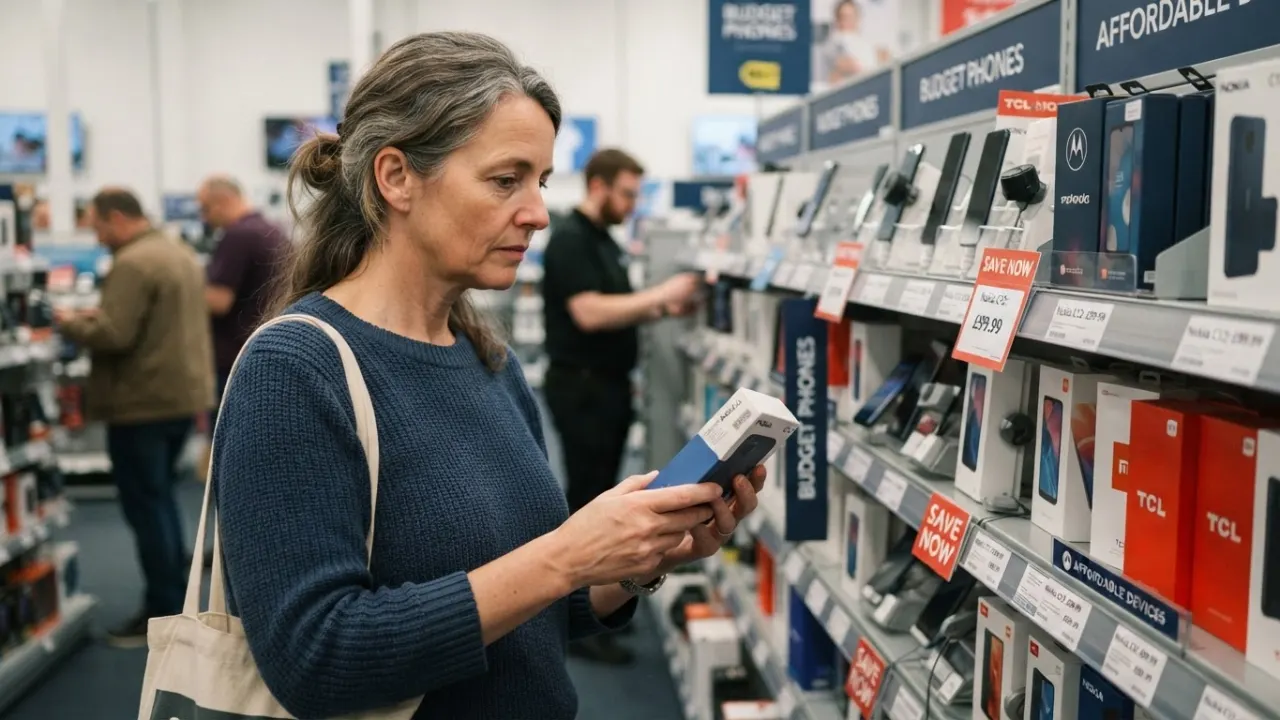
Some popular phones got cut. The reasons.
Xiaomi flagships. Excellent hardware, but ongoing software updates remain inconsistent in Western markets. Better in Asia where the company has more support infrastructure.
Folding phones from Samsung and Google. The Galaxy Z Fold 7 and Pixel Fold 2 are impressive devices, but the trade offs – higher prices, fragility, weaker cameras, shorter battery – still don’t add up for most buyers. The folding form factor will mature, just not yet.
Apple iPhone 17 base model. The base iPhone 17 lacks the ProMotion display that the Pro models get. After using a 120 Hz display for any time, the 60 Hz base model feels noticeably worse. If buying iPhone, spend the extra $200 for the Pro.
Sub $200 phones from any brand. The compromises at this price are too steep in 2026. The camera will be poor. The display will be poor. The software updates will end in two years. Better to save another $200 and step up to the Pixel 11a. Knowing what to skip is part of finding the best smartphones to buy in 2026.
How to actually choose between these picks
Three questions narrow the choice quickly.
What ecosystem are you in. Mac, iPad, AirPods, Apple Watch buyers go iPhone, no exceptions. Heavy Google services users go Pixel. Samsung TV, watch, or DeX users go Galaxy. Nobody else has an ecosystem worth caring about.
How much do you actually photograph in low light. If most of your photos are daylight or well lit indoor scenes, any phone on this list is fine. If you shoot a lot at dusk, in restaurants, at concerts, the flagship cameras on iPhone, Samsung, and Pixel earn their premium. Mid range and budget phones lose meaningfully here.
What’s your honest budget. The market punishes buying just below your real budget. Spend $499 for a strong mid range, or jump to $899 plus for a flagship. The $600 to $850 range tends to deliver the worst price to performance ratio. Either commit down or commit up. These three questions are the fastest way to find the best smartphones to buy in 2026.
The mid range has never been stronger, which is the biggest shift in the best smartphones to buy i
Five to seven years is the new normal for the phones on this list, with two caveats.
he new normal for the phones on this list, with two caveats.Battery life degrades. Most phone batteries hit 80 percent of original capacity around year three or four. Plan to replace the battery once during the phone’s life, which costs $50 to $90 and adds two or three more years of use. Many readers who study this area also benefit from detailed breakdown of most popular social media platforms to ensure all key factors are covered. Many readers who study this area also benefit from detailed breakdown of most popular social media platforms to ensure all key factors are covered. Many readers who study this area also benefit from detailed breakdown of most popular social media platforms to ensure all key factors are covered. Many readers who study this area also benefit from detailed breakdown of most popular social media platforms to ensure all key factors are covered.
Software gets heavier each year. The phone will run iOS 26 or Android 22 by the end of its life, and those operating systems will be more demanding than the one it shipped with. Performance won’t feel as snappy in year six as in year one, even with the latest chip today.
The case and screen protector save the trade in value. A phone in good cosmetic condition trades in for double what a beat up phone does. Spending $30 on a case and $15 on a screen protector pays back several times over when it’s time to upgrade. If longevity matters, the best smartphones to buy in 2026 are the ones with seven year software support.
Final thoughts and your turn
1The best smartphones to buy in 2026 aren’t dramatically better than the best phones of 2024. The gains are real but incremental – better AI, longer software support, faster charging. The biggest decision isn’t which flagship to pick, but whether you actually need a flagship at all when the mid range options have closed so much of the gap.
For anyone building a small business around tech, see our guide to the most successful businesses to start.
Which of these six picks matches your use case, and what’s the phone you’re upgrading from? Drop a comment with the model and how long you’ve kept your current one. Share this guide with anyone in your circle who keeps saying their phone is on its last legs. The real answer to the best smartphones to buy in 2026 is simpler than the marketing suggests.
Frequently Asked Questions About Buying Smartphones
2How often should I upgrade my smartphone?
Most experts recommend replacing a smartphone every 3 to 4 years rather than the annual upgrade cycle manufacturers prefer. Premium flagship phones from Apple and Samsung typically support 5 to 6 years of software updates, making them long-term investments.
Is it better to buy unlocked or carrier phones?
Unlocked phones offer more flexibility, allowing you to switch carriers easily and use local SIMs when traveling internationally. Carrier phones often come with financing options but can be locked to a specific network.
What is the most important spec to look for in a smartphone?
For most users, battery life and camera performance matter most in daily use. Processing speed matters mainly for heavy users running demanding apps or gaming. RAM affects multitasking smoothness.
Are refurbished smartphones worth buying?
Certified refurbished smartphones from reputable sellers offer excellent value. Programs like Apple Certified Refurbished include warranties and thorough testing. These can save 20 to 40 percent compared to new devices while providing near-identical performance.
Best smartphones to buy in 2026 combine reliable performance with fair pricing.
Shoppers researching best smartphones to buy in 2026 should compare battery life, camera quality and software support.
Best smartphones to buy in 2026 include options for every budget and use case.
When choosing the best smartphones to buy in 2026, prioritise long-term value over novelty.
Best smartphones to buy in 2026 are reviewed regularly as new models launch.
Readers trust honest rankings of the best smartphones to buy in 2026.
Best smartphones to buy in 2026 should last several years with software updates.
Camera performance is a key factor in the best smartphones to buy in 2026.
Best smartphones to buy in 2026 offer strong battery life for busy days.
Value for money defines the best smartphones to buy in 2026.
What are your thoughts on best smartphones to buy in? Have you tried any of these steps, or do you have tips of your own to share? Leave a comment below and share this guide with friends or colleagues who might find it helpful.