

Getting your first dog is exciting. It can also be overwhelming if you pick the wrong breed. Some dogs need hours of exercise. Others don’t like being alone. A few require grooming every few weeks. If you’re a first-time owner, the breed you choose matters a lot.
This guide covers dogs that are forgiving, trainable, and adaptable. These breeds work well for people who are still figuring things out. For more background, see Wikipedia reference.
What Makes a Dog Good for First-Time Owners
Not every dog is a good fit for someone who’s never owned one before. A few traits make certain breeds easier to manage when you’re just starting out.
- Trainability matters because you’ll be teaching basic commands from scratch. Dogs that respond well to positive reinforcement make this easier. For a deeper look, see our roundup of dogs that respond well to basic training.
- Energy level affects how much daily exercise the dog needs. High-energy dogs can become destructive if they don’t get enough activity.
- Temperament determines how the dog handles new people, kids, and situations. Calmer, friendlier breeds are less stressful for new owners.
- Grooming needs can be time-consuming and costly. Some breeds need professional grooming every 6 to 8 weeks. Others need very little. Our breakdown of grooming routines for new owners covers what to expect for the most common coat types.
- Size plays a role too. Larger dogs cost more to feed and treat medically. Smaller dogs can sometimes be harder to train but easier on your space.
- Health is a real factor. Some breeds have known genetic conditions that lead to expensive vet bills. It helps to know what you’re getting into.
Best Dog Breeds for First-Time Owners
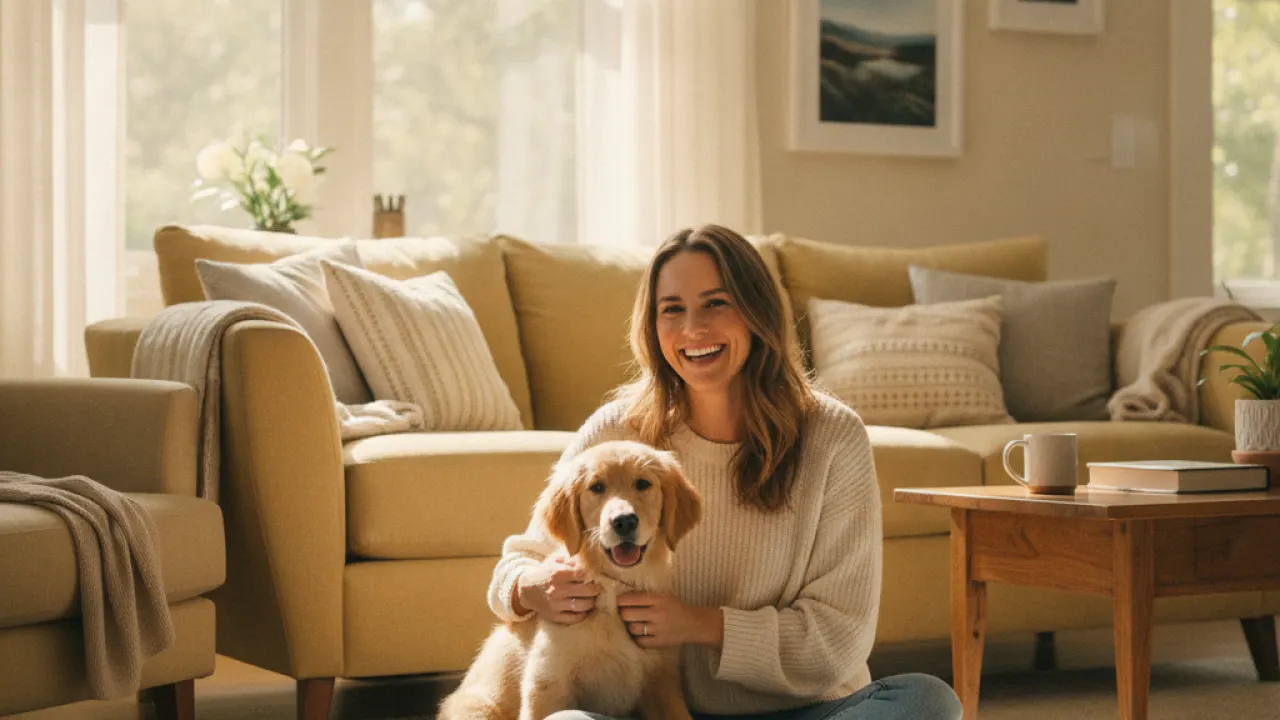
The breeds below are not ranked. Each one fits different living situations and lifestyles. Read through them and think about your daily routine before deciding.
Golden Retriever
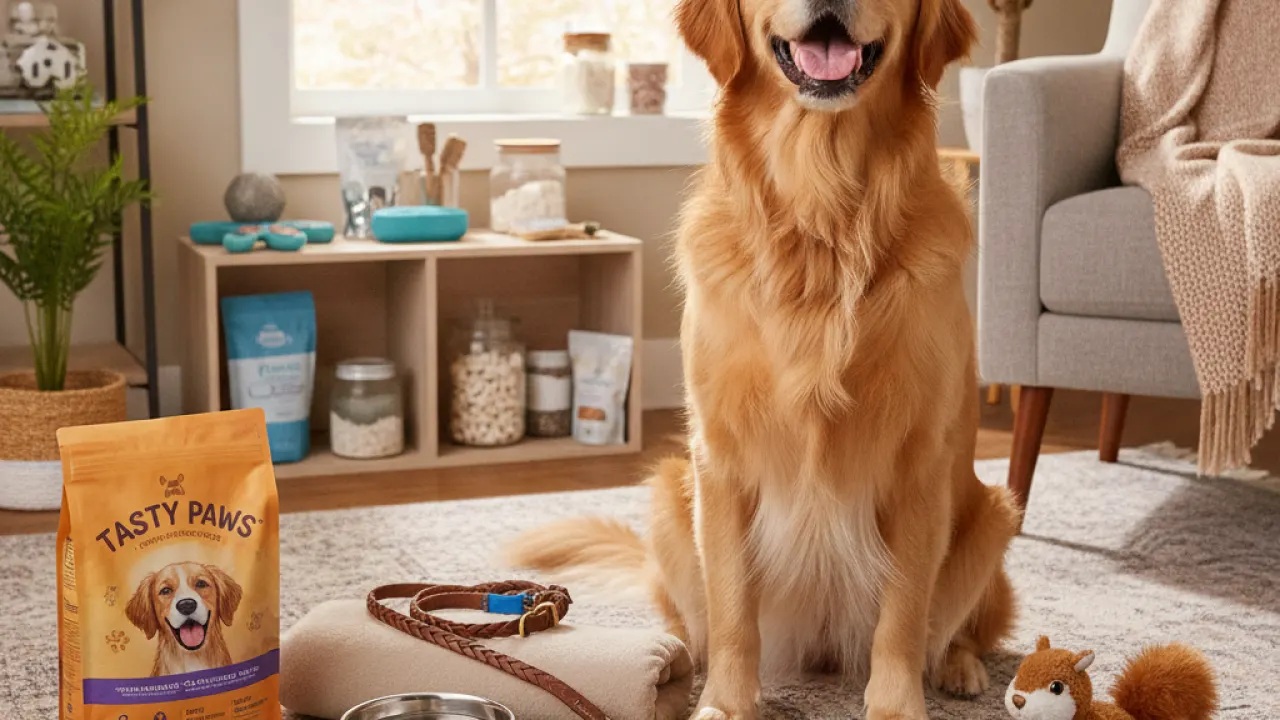
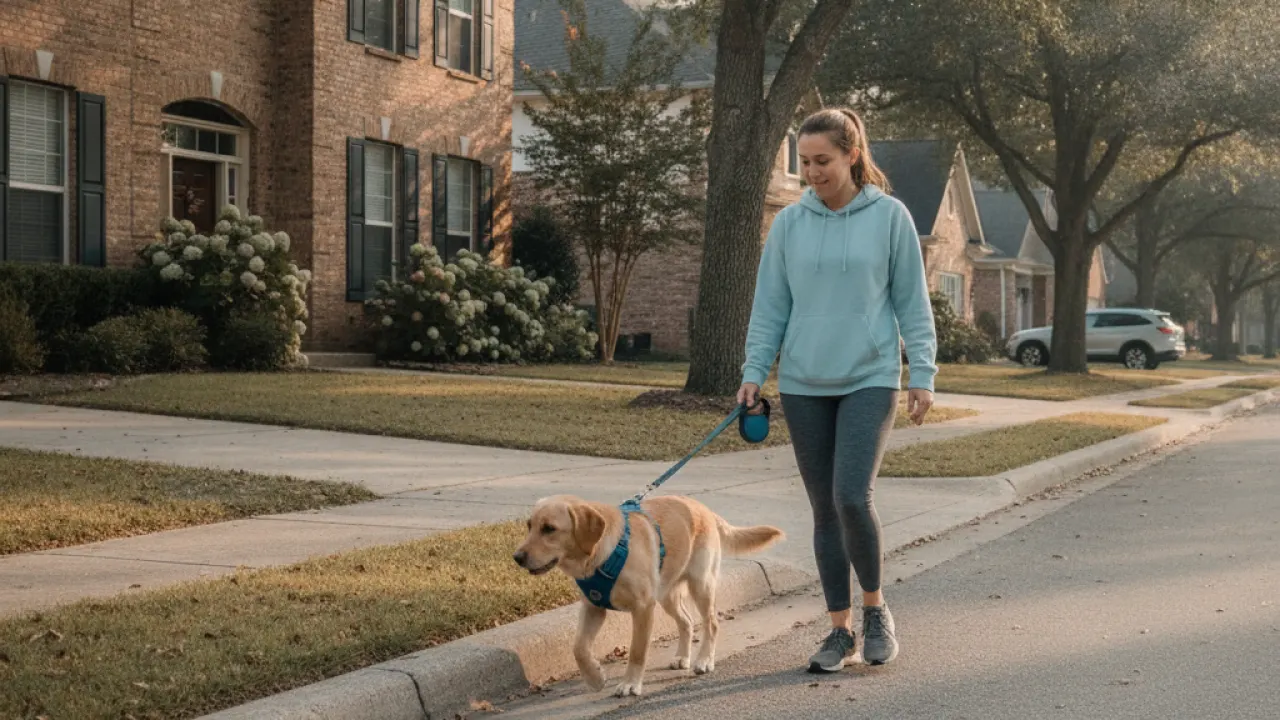
Golden retrievers are one of the most popular family dogs for a reason. They’re patient, eager to please, and they pick up commands quickly. They do well with kids and strangers, which makes them easy to socialize.
They need daily exercise, around 30 to 60 minutes. A walk and some playtime in the yard usually does it. Their coats shed a fair amount, so expect to brush them a few times a week. Health-wise, goldens are prone to hip dysplasia and certain cancers, so regular vet visits matter.
If you have space and can handle some shedding, a golden retriever is hard to beat as a first dog.

Labrador Retriever
Labs are friendly, sturdy, and one of the easiest breeds to train. They love people and tend to get along with other pets. Like goldens, they’re active and need daily exercise, but they’re very forgiving if you miss a day.
Labs come in three colors: black, yellow, and chocolate. All three have the same temperament. They’re food-motivated, which makes training with treats very effective. They do shed and can get destructive if bored, so keep them busy.
Labs are one of the best dogs for first-time owners who have an active lifestyle and some outdoor space.
Cavalier King Charles Spaniel
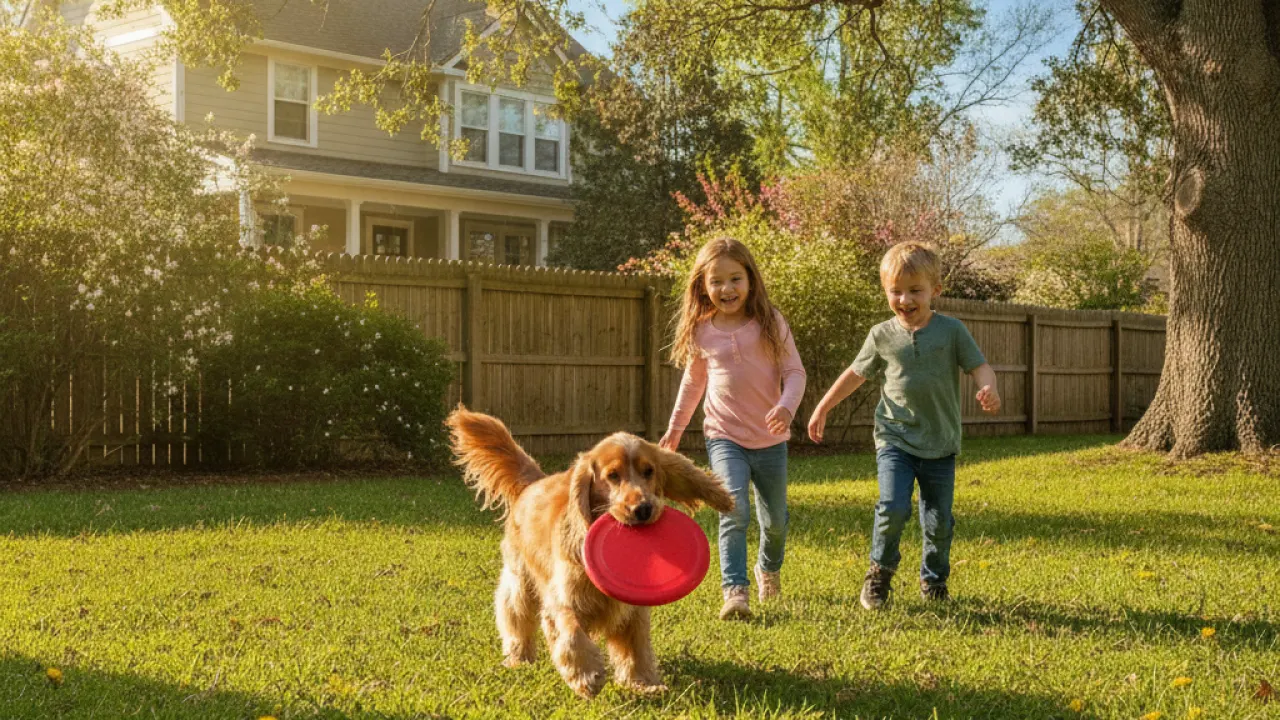
This breed is gentle and adaptable. Cavaliers do well in apartments and houses, with kids and seniors alike. They don’t need intense exercise. A couple of short walks a day is enough.
They’re affectionate and don’t do well when left alone for long periods. If you work long hours, a cavalier might not be the right fit. They bond closely with their families and prefer company.
Grooming is moderate. Their silky coat needs brushing a few times a week. Health issues like heart disease are common in the breed, so choose a reputable breeder who screens for these conditions.

Pug
Pugs are small, low-energy, and funny to watch. They don’t need much exercise. A short daily walk keeps them happy. They’re good for apartment dwellers and people who aren’t very active. If you are looking to expand your knowledge, reading our complete guide to the best family dogs provides useful background context. If you are looking to expand your knowledge, reading our complete guide to the best family dogs provides valuable background context.
They’re social and friendly but can be stubborn during training. Patience and consistency help. Keep training sessions short because pugs lose interest quickly.
Pugs are brachycephalic, meaning their flat faces can cause breathing issues. They don’t do well in hot weather. Keep them cool in summer and avoid strenuous activity during heat.
Bichon Frise
The bichon frise is a small dog with a cheerful personality. They’re hypoallergenic, which makes them a good option for people with mild allergies. They shed very little.
They’re playful and adaptable. They do well in small spaces and get along with most people and pets. Training is straightforward because they respond well to praise and treats.
Their coats need regular grooming. Professional grooming every 4 to 6 weeks keeps the coat manageable. Between visits, brushing every few days prevents matting.

Shih Tzu
Shih tzus were bred to be companions. They’re calm, friendly, and happy to lounge around the house. They do well in apartments and don’t need a yard.
They get along well with older children and other pets. They can be a little stubborn during training, but they respond well to positive reinforcement. Keep training sessions fun and brief.
Their coats are long and require regular brushing. Many owners keep them in a short “puppy cut” to reduce grooming time. They don’t shed much, which is a bonus for people worried about dog hair.
Papillon
Papillons look delicate but they’re tough little dogs. They’re smart, quick to learn, and love to stay active. They do well in agility training and enjoy having a job to do.
They’re small enough for apartment living but energetic enough to need daily playtime. They’re friendly with strangers and good with older children. Their coats are silky and surprisingly easy to maintain. Brushing a few times a week is usually enough.
If you want a small dog that’s more athletic and sharp-minded, the papillon is a strong option for first-time owners who like an engaged pet.
Boxer
Boxers are playful, loyal, and great with families. They’re medium to large dogs with a lot of energy. If a boxer feels like too much, have a look at other medium-sized dogs that suit family life. They need daily exercise, and they love to play. If you have kids, a boxer will keep up with them. Similar principles apply when reviewing practical advice on how to train your dog at home, where preparation and research make a noticeable difference. Similar principles apply when reviewing practical advice on how to train your dog at home, where preparation and research make a noticeable difference.
They can be goofy and stubborn, but they respond well to firm, consistent training. Socialization early on helps a lot. Boxers are protective of their families without being aggressive.
Their short coats need very little grooming. A wipe-down now and then is usually enough. They’re not a low-energy breed, but for active first-time owners, they’re a solid match.
Breeds to Approach with Caution as a First-Time Owner
Some breeds aren’t the best starting point if you’re new to dogs. That doesn’t mean they’re bad dogs. It just means they need more experience or specific handling.
- Chow chows can be aloof and difficult to train without early and consistent socialization.
- Border collies are brilliant but need a huge amount of mental and physical stimulation. Without it, they can become anxious and destructive.
- Dalmatians are high energy and need a lot of structured exercise and firm training.
- Akitas are loyal but can be stubborn and are not always good with other dogs or strangers.
- Siberian huskies have a strong prey drive, high energy needs, and a tendency to escape. They can be a challenge without experience.
- Australian shepherds are smart and active. Without a clear job or purpose, they can develop behavioral problems.
- Weimaraners are prone to separation anxiety and need a dedicated, experienced handler.
None of these breeds are off-limits forever. But starting with one of the easier breeds gives you time to learn before taking on something more demanding.
Key Questions to Ask Before Getting Your First Dog
Before you pick a breed, think honestly about your lifestyle. The right answer varies from person to person.
How Much Time Do You Have Each Day?
Dogs need more than just feeding. They need walks, playtime, training, and social interaction. Some breeds need 2 hours of activity a day. Others are happy with 30 minutes. Be realistic about what your schedule allows.
Do You Live in an Apartment or a House?
Bigger breeds generally do better with more space, but many do fine in apartments with enough exercise. Smaller breeds are easier to manage in tight spaces but not always more relaxed. A jack russell terrier, for example, is small but very high energy.
Are You Allergic to Dogs?
No dog is truly hypoallergenic, but some breeds shed less and produce fewer allergens. Bichon frises, poodles, and portuguese water dogs are among the breeds often recommended for people with allergies. Spend time with the breed before committing if allergies are a concern.
Do You Have Children or Other Pets?
Some breeds are naturally patient with kids. Others need careful introductions. The same is true for other pets. Research how the breed typically interacts with children and animals before deciding.

Tips for the First Few Months with a New Dog
Even the easiest breed takes time and consistency to settle in. Here’s what helps during those first weeks.
- Set a routine from day one. Dogs do better when feeding, walks, and bedtime happen at the same time each day.
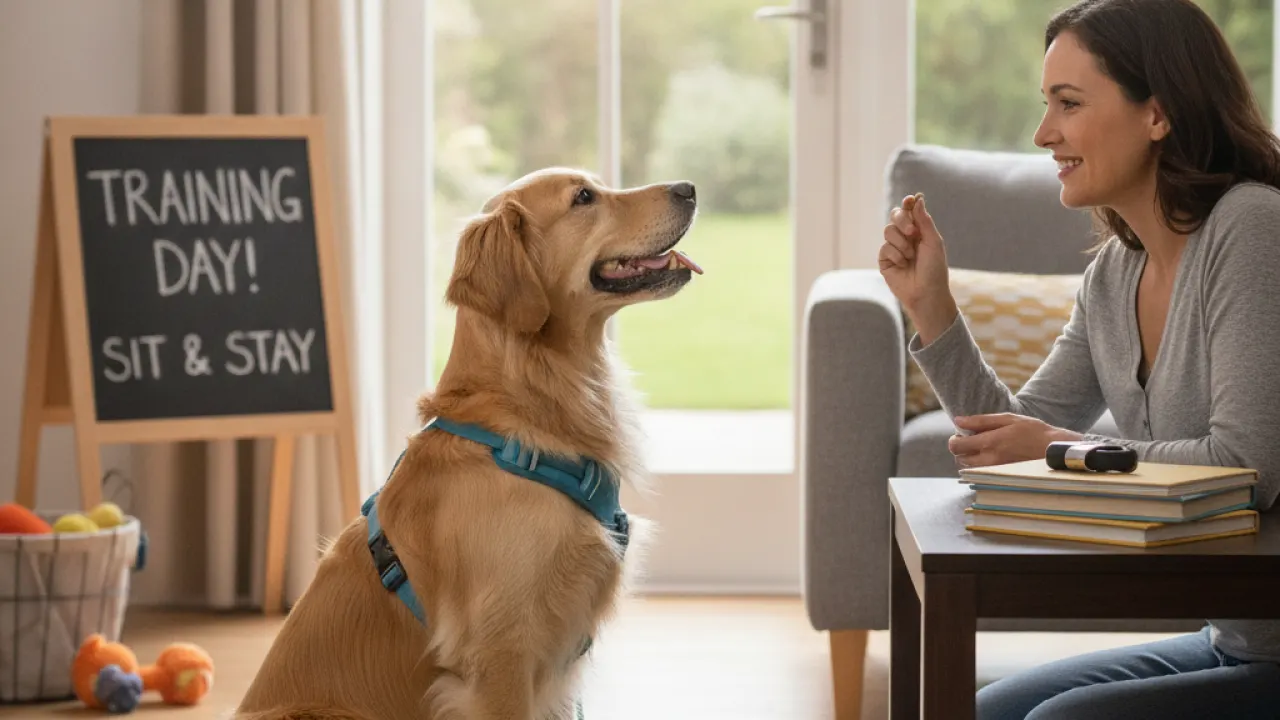
- Start training early. Basic commands like sit, stay, and come are easier to teach when the dog is young. Adult dogs can learn too, but puppies pick things up faster.
- Socialize your dog. Expose them to different people, sounds, and environments gradually. Early socialization reduces fear and aggression later on.
- Find a vet before you bring the dog home. Schedule a check-up in the first week. This gives you a baseline for the dog’s health and a relationship with a vet you trust.
- Don’t skip the crate. Crate training is one of the most useful things you can do. It helps with housebreaking and gives the dog a safe space to rest.
- Be patient. Accidents happen. Dogs chew things they shouldn’t. It’s part of the process. Consistent correction, not punishment, is what works.
- Ask for help. A basic obedience class is worth the investment. A trainer can catch habits early before they become problems.
- Watch for stress signals. Yawning, lip licking, whale eye, and tucked tails all mean the dog is uncomfortable. Learning to read these signs helps you respond before things escalate.
Rescue or Breeder: What Works for First-Time Owners
Both options have real advantages. The right one depends on what you’re looking for.
A reputable breeder lets you know exactly what you’re getting. You can see health clearances for the parents, understand the temperament of the line, and get support from someone who knows the breed well. The downside is cost. Purebred puppies from responsible breeders are not cheap.
Rescue dogs can be wonderful first pets. Many shelter dogs are adults, which means what you see is mostly what you get in terms of temperament. Puppies from shelters are also available, though they may come with unknown histories. Rescue organizations often do temperament testing and can match you with a dog that fits your lifestyle.
Avoid pet stores and puppy mills. The dogs often come from poor conditions and can have health and behavioral issues that cost more in the long run.
What First-Time Owners Often Get Wrong
A few common mistakes show up again and again with new dog owners. Knowing them ahead of time helps.
- Picking a breed based on looks alone. Every breed has a purpose. A husky looks beautiful but needs a job and a lot of exercise. Research the breed’s original role to understand what drives its behavior. If you’re still weighing options, our guide on how to pick the right breed for your home walks through the key decisions step by step.
- Skipping training. Even calm, friendly dogs need clear boundaries. Without training, small problems become big ones.
- Not enough socialization. A dog that isn’t exposed to different people and environments early can become fearful or reactive.
- Too much freedom too soon. Giving a new dog full run of the house before they’ve earned it leads to accidents and destruction. Start with limited access and expand as trust builds.
- Inconsistency. If the dog gets on the couch sometimes but not others, it gets confused. Pick rules and stick to them.
- Expecting perfection right away. Dogs take time to adjust to a new home. Some dogs need weeks before they show their real personality.
- Ignoring vet care. Regular check-ups, vaccinations, and preventative care keep small health issues from becoming serious ones.
- Not planning for the cost. Beyond food and gear, dogs need vet care, grooming, training, and sometimes boarding. Budget for the full picture before committing.
- Underestimating the time commitment. Dogs need daily attention. This doesn’t stop on busy weeks or when you’re tired. It’s a long-term responsibility.
- Not thinking about the future. A dog lives 10 to 15 years on average. Think about where you’ll be in 5 or 10 years before making the decision.
Frequently Asked Questions
How Much Time Do You Have Each Day?
Dogs need more than just feeding. They need walks, playtime, training, and social interaction. Some breeds need 2 hours of activity a day. Others are happy with 30 minutes. Be realistic about what your schedule allows.
Do You Live in an Apartment or a House?
Bigger breeds generally do better with more space, but many do fine in apartments with enough exercise. Smaller breeds are easier to manage in tight spaces but not always more relaxed. A jack russell terrier, for example, is small but very high energy.
Are You Allergic to Dogs?
No dog is truly hypoallergenic, but some breeds shed less and produce fewer allergens. Bichon frises, poodles, and portuguese water dogs are among the breeds often recommended for people with allergies. Spend time with the breed before committing if allergies are a concern.
Do You Have Children or Other Pets?
Some breeds are naturally patient with kids. Others need careful introductions. The same is true for other pets. Research how the breed typically interacts with children and animals before deciding.